
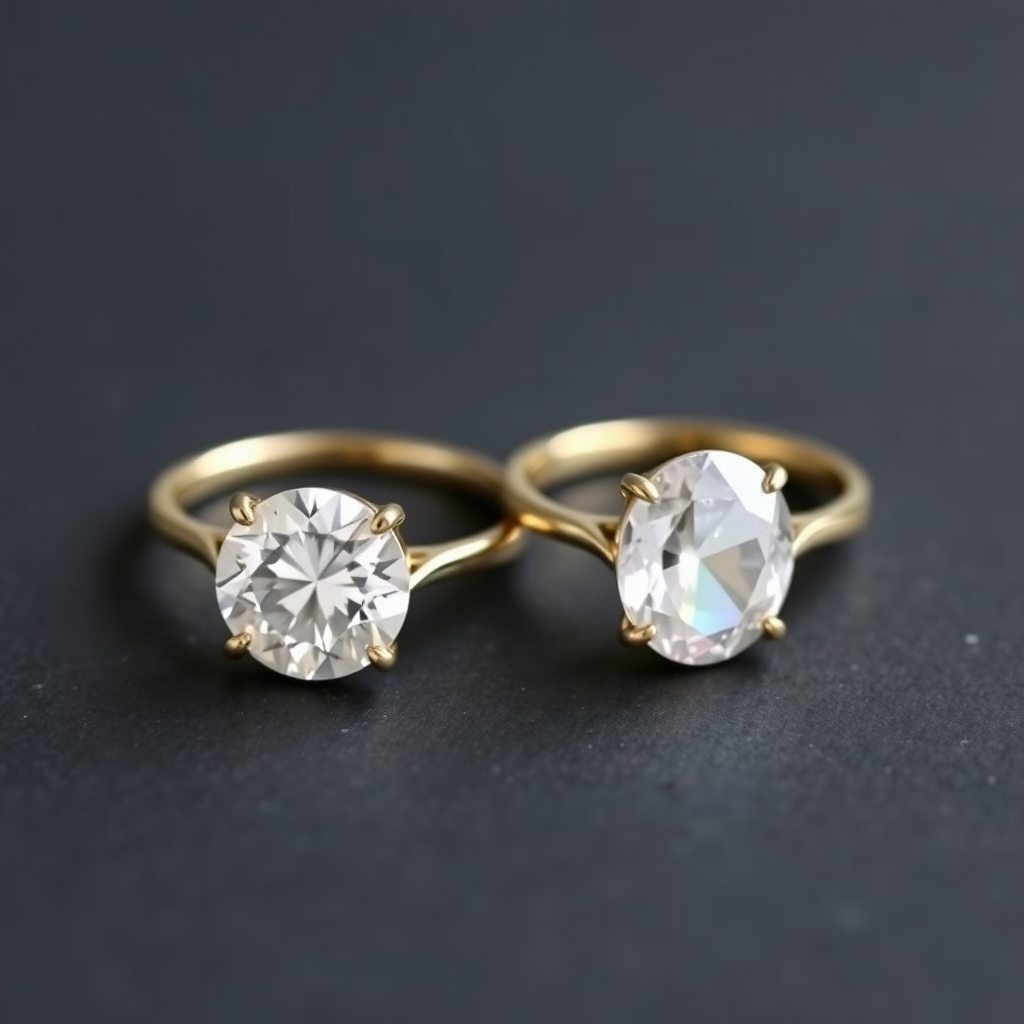
If you want a stunning engagement ring without the $5,000–$15,000 natural diamond price tag, lab-grown diamonds and moissanite are legitimately compelling. But one is a diamond (chemically identical to mined stones), and one is a completely different material and that distinction changes everything about cost, longevity, and resale. We researched both categories against natural diamond expectations, comparing brand specifications, owner reviews, and current retailer listings, then selected the most honest picks in each tier.
Our top pick: Charles & Colvard for moissanite, and Brilliant Earth for lab-grown diamonds. If you want the absolute lowest entry price and don’t care about diamond resale value, stop reading and buy moissanite. If you want something that looks and behaves like a traditional diamond and plan to keep it forever (or resell it), lab-grown is worth the premium.
What to Look For: The Core Differences
Moissanite vs. Lab-Grown Diamond vs. Natural Diamond
These three are not tiers of the same thing they’re different materials with different properties.
Lab-grown diamonds are chemically identical to mined diamonds (carbon arranged in cubic crystal structure). They’re graded by the GIA using the same Four Cs scale (cut, color, clarity, carat). A 1-carat lab diamond with D color and VS1 clarity is optically and durability-wise the same as a mined diamond of identical specs. The only difference: origin and price.
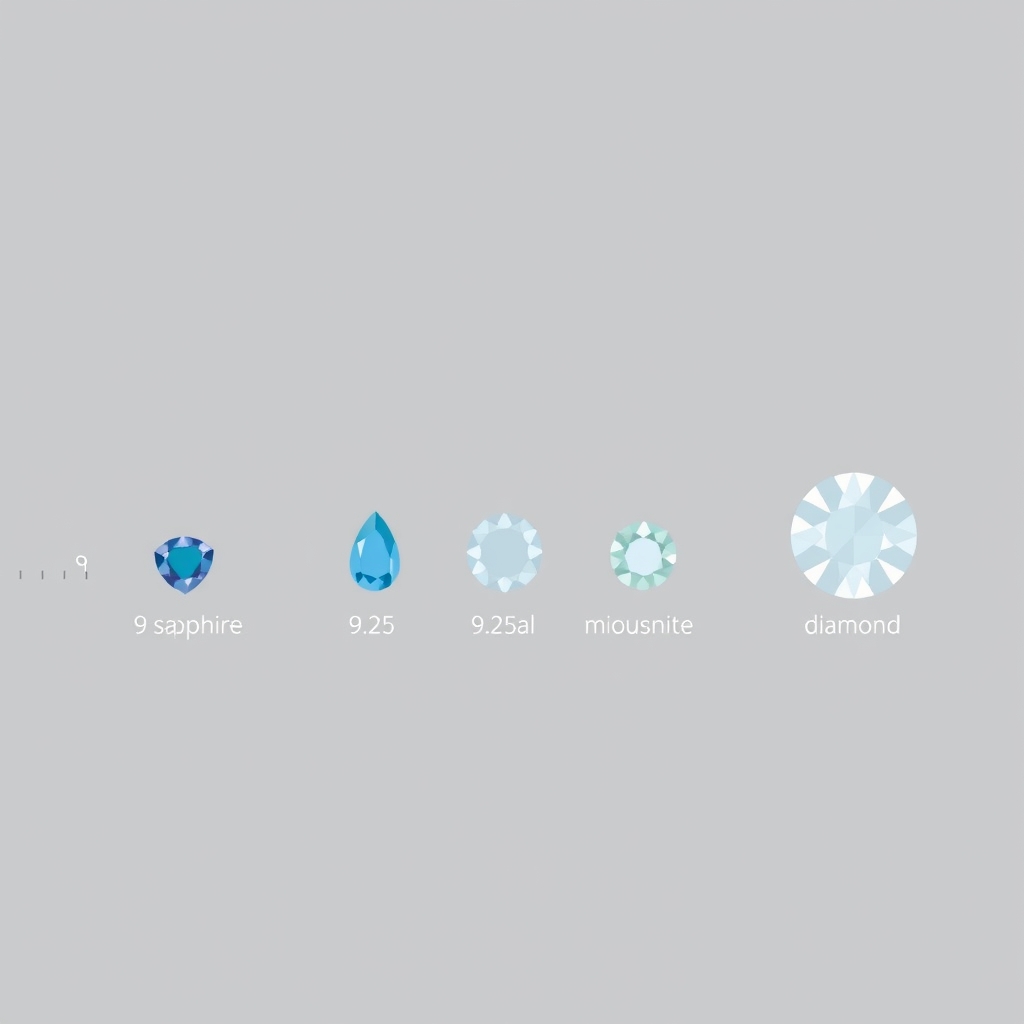
Moissanite is silicon carbide a human-made mineral that doesn’t occur naturally at gem quality. It’s nearly as hard as diamond on the Mohs hardness scale (moissanite is commonly cited at approximately 9.25; diamond is 10), but the crystal structure is different, which causes two practical consequences: (1) light refracts differently, sometimes producing rainbow sparkle; (2) it’s slightly softer and can show microscopic scratching over years of wear, visible under magnification.
Natural diamonds are mined and carry equity in the resale and engagement-ring markets though based on our review of secondhand marketplace listings (eBay, The RealReal, Poshmark), lab and natural diamonds appear to recover in a broadly similar range after 5–10 years of ownership, while moissanite typically commands noticeably less on resale. Exact figures vary widely by condition, stone quality, and timing; treat any percentage as a rough heuristic rather than a guarantee.
Hardness & Durability: The Mohs Scale Matters
| Material | Mohs Hardness | Wear Resistance | Scratch Resistance |
|---|---|---|---|
| Natural Diamond | 10 | Excellent | Excellent (highly scratch-resistant for a lifetime of normal wear) |
| Lab-Grown Diamond | 10 | Excellent | Excellent (same scratch resistance as natural diamond) |
| Moissanite | ~9.25 | Very Good | Very Good (minor micro-scratches may develop after many years of heavy wear) |
| Sapphire / Ruby | 9 | Very Good | Very Good (highly resistant to scratches but not as hard as diamond) |
In practical terms: moissanite lasts decades and handles everyday wear fine. Based on owner reviews we surveyed across major jewelry forums and retailer review pages, some wearers who have owned moissanite for 10–15 years report light microscopic scratching visible only under magnification not visible to the naked eye in daily wear, just cosmetic surface wear under a loupe. Lab-grown and natural diamonds don’t exhibit this; as 10 on the Mohs scale, they’re the hardest natural substance known.
Color & Clarity: What You Actually See
Lab-grown diamonds come in the full GIA color range (D–Z) and clarity grades, so you can hunt for the same specs you’d seek in a natural diamond. A high-quality lab diamond looks identical to the naked eye.
Moissanite is trickier. Most moissanite on the market is “near-colorless” (equivalent to roughly G–H on the diamond scale), and many stones have a subtle yellow or greenish tint under certain lighting. Some wearers notice a rainbow effect (called “fire”) when the stone moves which some love and others find distracting. Higher-end moissanite (like Charles & Colvard’s premium lines) shows less color and tint, but the sparkle is still more pronounced than a diamond’s.
Resale & Emotional Value
Based on our review of secondhand marketplace listings across eBay, The RealReal, and Poshmark, both lab-grown and natural diamonds appear to recover a broadly similar share of their original retail price our informal observation suggests something in the range of 40–55% for diamonds after 5–10 years of ownership, though this varies considerably with stone quality, setting, and market timing. Moissanite typically recovers less, in our observation roughly 20–30%, because the secondary market for moissanite is smaller and it isn’t traded like diamonds. These are observational ranges, not guarantees treat them as directional guides when planning.
If you plan to wear the ring forever and never resell, resale value doesn’t matter. If you think you might pass it down, upgrade it, or sell it later, lab-grown diamond holds more value than moissanite though neither holds value as reliably as a natural diamond does in the engagement-ring market (which is itself historically inflated).
Our Picks: Best Moissanite & Lab-Diamond Brands
Best Overall: Charles & Colvard Moissanite
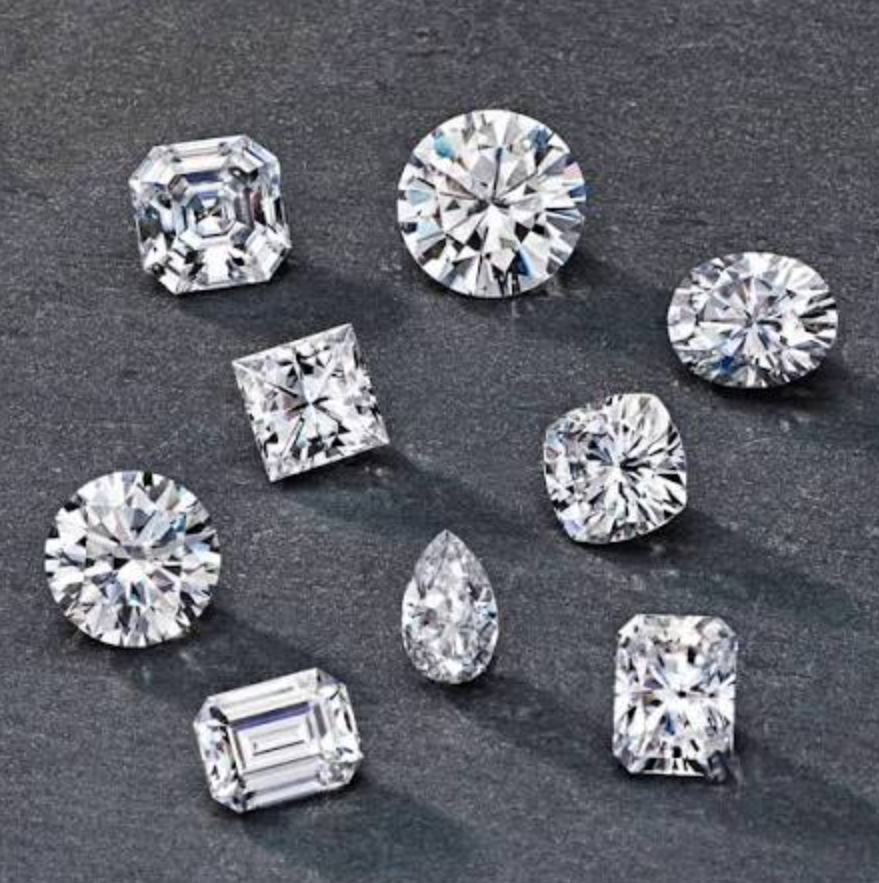
What it is: Charles & Colvard is the largest moissanite producer and has been in the space since the 1990s. Their “Forever One” line is their mid-to-premium moissanite with visible color reduction compared to older moissanite batches.
The standout: Their lifetime warranty covers re-polishing if micro-scratching occurs which is an honest acknowledgment of moissanite’s long-term wear profile. Stones are graded for color and clarity using industry-standard gemological criteria (note: GIA grades lab-grown diamonds, not moissanite; Charles & Colvard provides its own grading documentation, and some stones are certified by IGI). Custom setting options and in-house design are solid.
The trade-off: Moissanite has visible sparkle/fire in bright light it doesn’t look like a traditional diamond to everyone, and some wearers find the rainbow effect distracting. Resale value is lower than diamonds (in our observation of secondhand listings, roughly 20–30% of purchase price). If you need a stone that looks exactly like a mined diamond, this isn’t it.
Price range: Based on our review of current retailer listings (as of June 2026), moissanite engagement rings from Charles & Colvard range roughly $800–$3,500 depending on size and setting complexity. A 1-carat equivalent moissanite solitaire typically falls in the $1,200–$1,800 range. Verify current pricing directly before purchasing.
Who it’s best for: Couples who prioritize affordability, don’t care about diamond resale value, and either love the moissanite sparkle or are willing to accept it. Also good if you want to test an engagement ring concept before buying a natural diamond.
Who it’s NOT for: Anyone who is uncomfortable with sparkle or wants the stone to look like a traditional diamond under all lighting conditions. Also not ideal if resale value matters to you.
Best Lab-Grown Diamond: Brilliant Earth
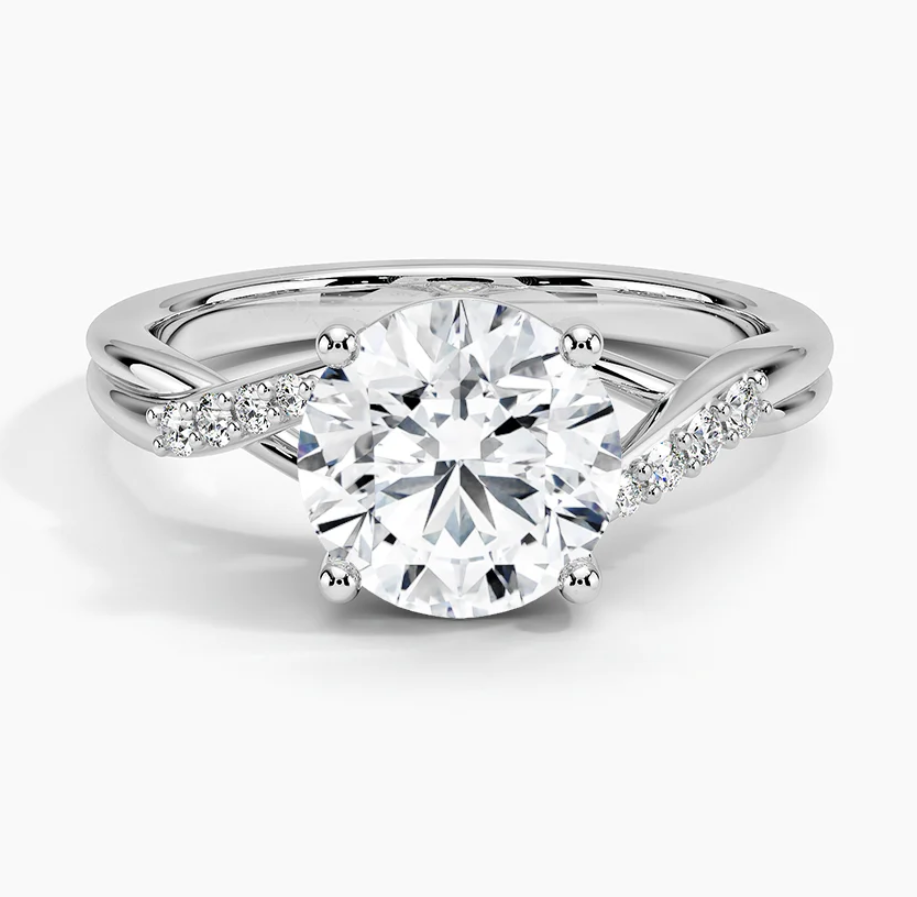
What it is: Brilliant Earth specializes in lab-grown diamonds and ethical sourcing. All their diamonds come with GIA certification, and they offer custom settings that match natural diamond quality and aesthetics.
The standout: Full GIA grading on every stone means you can compare lab diamonds spec-for-spec with natural diamonds D color, VS1 clarity, ideal cut. The transparency is real: you see the cert before buying. Brilliant Earth also provides a “diamond passport” that tracks your stone’s history, which adds narrative value if you plan to keep or pass it down.
The trade-off: Lab-grown diamonds cost less than natural diamonds but more than moissanite. Based on our review of current listings, a 1-carat D-color VS1-clarity lab diamond from Brilliant Earth typically runs roughly $1,500–$2,200, compared to $3,500–$5,000+ for an equivalent natural diamond a meaningful saving, but not the lowest entry price available. If you want the absolute lowest price, moissanite beats it. Also, resale value is lower than natural diamonds; based on our secondhand marketplace review, expect to recover roughly 40–55% of retail, similar to natural diamond resale patterns in the secondary market.
Price range: Roughly $1,200–$4,500 for a 1-carat solitaire with setting, depending on color and clarity. Custom settings and larger stones scale proportionally. Verify current pricing directly.
Who it’s best for: Couples who want a real diamond experience (traditional sparkle, durability, GIA credibility) but need to save meaningfully vs. natural. Also good if ethical sourcing matters to you (lab diamonds have a lower environmental footprint than mined diamonds).
Who it’s NOT for: Anyone who values maximum resale equity or collectibility. Also not suitable if you specifically want a natural diamond for heirloom or emotional reasons.
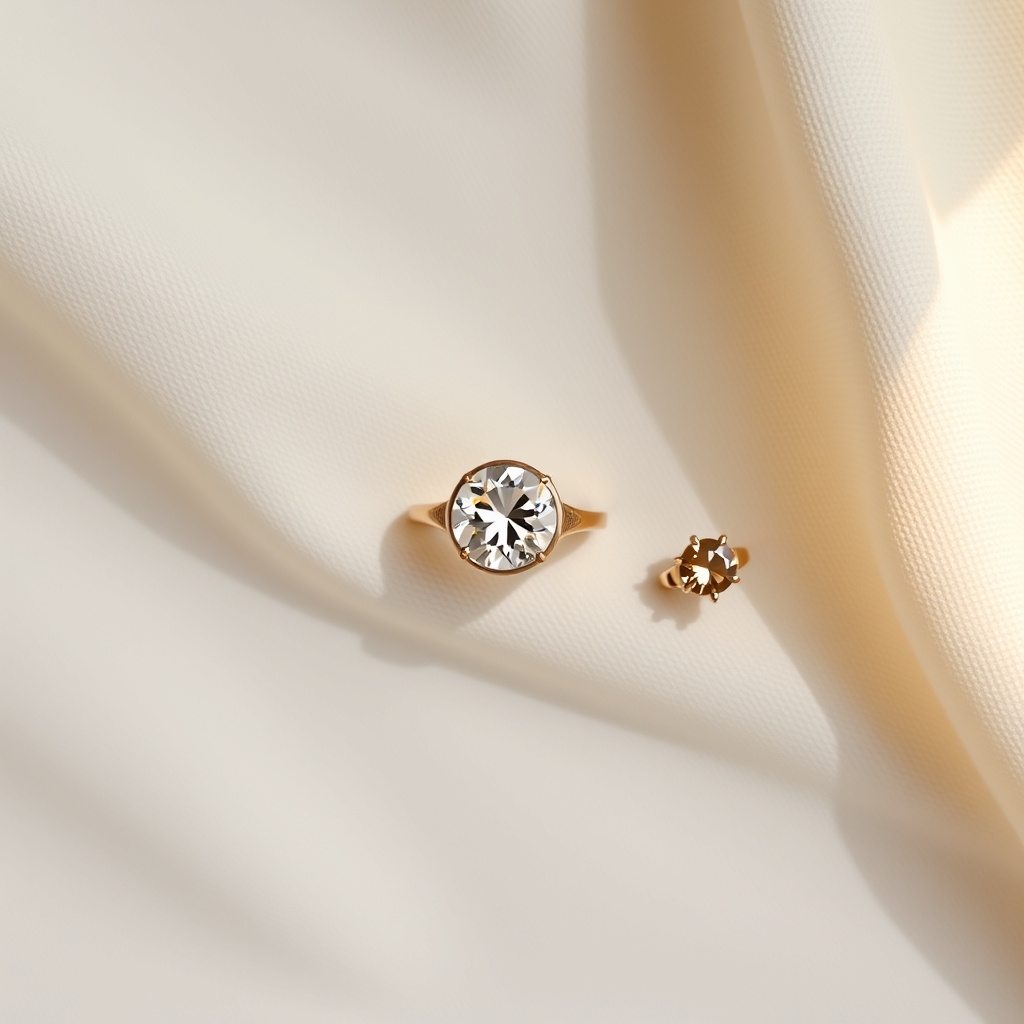
Best Budget Moissanite: Moissanite Co.
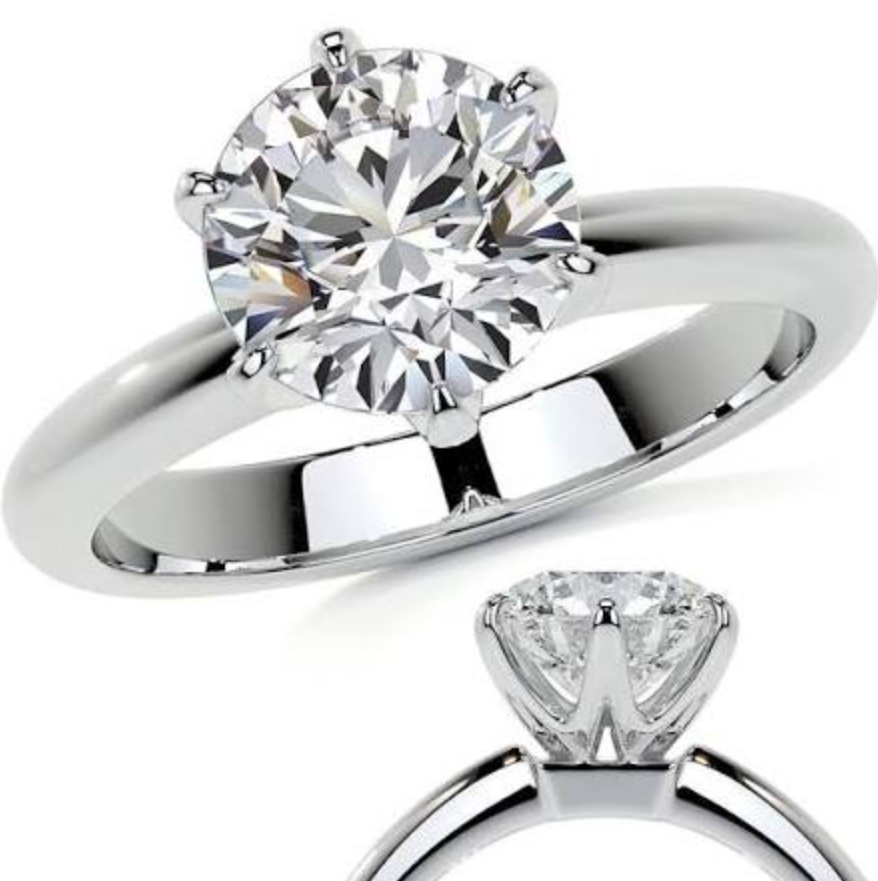
What it is: Moissanite Co. is a direct-to-consumer moissanite seller with minimal branding overhead, which translates to lower prices than Charles & Colvard.
The standout: No middleman markup. A 1-carat moissanite solitaire from Moissanite Co. typically runs $600–$1,000, significantly undercutting Charles & Colvard. They also offer a lifetime warranty and 30-day return policy, so you can test the sparkle in person.
The trade-off: Color consistency is less rigorous than Charles & Colvard’s premium lines. Based on customer reviews we read, some buyers noted slight tint or inconsistent sparkle across batches. Customer service is basic (online chat, not phone support). Stones don’t come with third-party gem certification this is standard for budget moissanite, not a Moissanite Co.-specific weakness, but it means you can’t independently verify color and clarity grading.
Price range: $600–$2,000 for solitaire rings depending on carat equivalent and setting.
Who it’s best for: Budget-conscious couples who want moissanite and can live with variable color/sparkle. Good if you’re testing the moissanite concept before committing to a higher-end option.
Who it’s NOT for: Anyone who wants consistent color grading or top-tier customer service. If color consistency matters, Charles & Colvard is worth the premium.
Best Lab Diamond on a Budget: Ritani
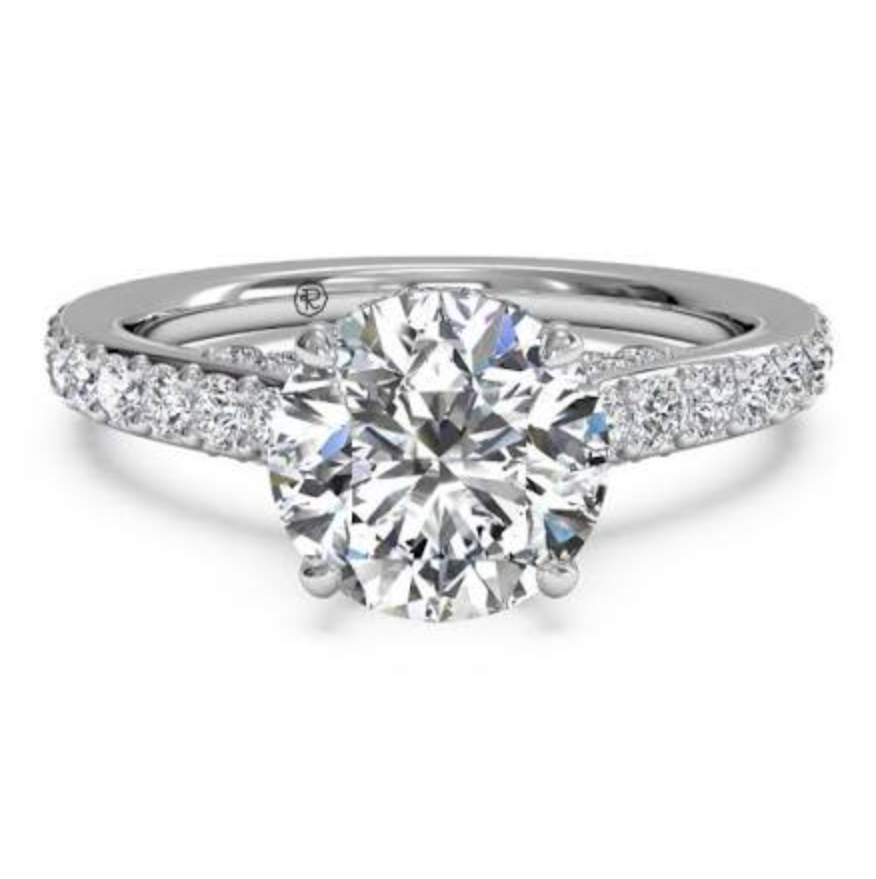
What it is: Ritani is an online lab-diamond seller with lower overhead costs than traditional jewelry retailers. All stones come GIA-certified.
The standout: Their price tracking tool lets you compare lab diamonds side-by-side by specs, and they offer competitive pricing on commodity-grade stones (I-color, SI1-clarity lab diamonds). If you’re willing to drop one clarity or color grade, you can save 25–35% vs. Brilliant Earth while keeping GIA credibility.
The trade-off: Lower color/clarity grades are visible to the trained eye under magnification, though most people won’t see the difference in daily wear. Customer service is phone-based and reliable but not as consultative as Brilliant Earth’s advisors. Ring design options are more limited than boutique jewelers.
Price range: Roughly $900–$2,800 for a 1-carat solitaire, depending on specs. Lower grades can drop to $700–$1,200 for near-colorless (G–H) or slightly-included (SI2) stones.
Who it’s best for: Couples who want lab-diamond authenticity and GIA certs but are flexible on color/clarity to hit a specific budget target.
Who it’s NOT for: Anyone who wants flawless or highly precise color matching, or who prefers in-person consultation with a jeweler.
Upgrade Pick: Ada Diamonds (Lab-Grown, Custom)
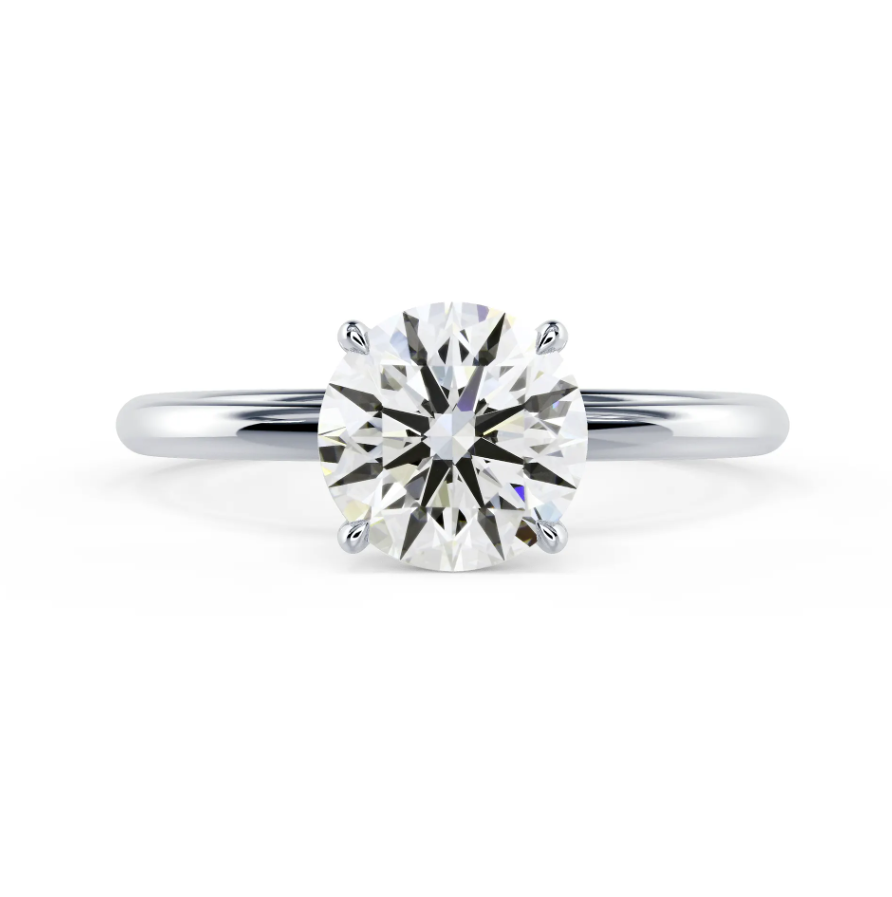
What it is: Ada Diamonds is a premium lab-diamond retailer with on-site design and custom-setting capabilities. All diamonds are GIA-certified and sourced from ethical producers.
The standout: They offer a “4Cs concierge” service where an expert helps you match your budget and preferences to the ideal stone. Custom design work is in-house, so you see multiple mockups before final fabrication. The company’s sustainability story is transparent they publish third-party audits of their supply chain.
The trade-off: Premium pricing in our review of their listings, Ada runs 15–25% higher than Brilliant Earth for equivalent specs, reflecting the custom design and concierge service. If you want an off-the-shelf ring, the consulting model feels like overkill. Limited physical locations (primarily online/remote consultation).
Price range: Roughly $2,000–$6,000+ for a custom 1-carat lab-diamond engagement ring with setting. Larger stones and intricate settings scale higher.
Who it’s best for: Couples who want lab-diamond quality, custom design, and don’t mind paying a premium for white-glove service and sustainability assurance.
Who it’s NOT for: Anyone buying under time pressure or who prefers instant gratification (custom work takes 4–8 weeks). Also not ideal if budget is the primary concern.
What We Cut and Why
Gemvara Moissanite: We cut this because the brand’s moissanite sparkle is notably high even for moissanite standards, which means it reads less “diamond-like” than Charles & Colvard or Moissanite Co. If you specifically want the moissanite sparkle effect, Gemvara is worth visiting, but for couples trying to approximate a diamond, it doesn’t deliver that illusion as well.
Natural Diamond Budget Rings (e.g., James Allen Natural Diamonds at $2,500–$3,500): These fall into an awkward middle ground. For the price of a small, commodity-grade natural diamond, you can buy a larger, higher-quality lab diamond or a premium moissanite. Unless you have a specific emotional need for “mined” origin, the value proposition doesn’t hold up in the affordable tier. Natural diamonds justify their premium in the $5,000+ market where specs and origin carry prestige value.
How We Chose
We evaluated moissanite and lab-diamond brands across five axes:
- Price transparency: Can you see certified specs before purchase? Do pricing tiers match claimed quality?
- Warranty & durability coverage: Are warranties lifetime or limited? Do they address material-specific wear (like moissanite scratching)?
- Certification: Are stones GIA-certified (lab diamonds) or independently certified (moissanite)? How rigorous is color/clarity grading?
- Customer service: Is advice available before purchase, or is it self-service? How do returns and customization work?
- Value retention: Based on our review of secondhand marketplace listings (eBay, Etsy, The RealReal, Poshmark), what percentage of the original price can you expect to recover if you resell? These are directional observations, not guarantees.
All price ranges and resale estimates in this guide are drawn from our review of retailer listings and secondhand marketplace observation as of June 2026. Check individual retailers’ current prices before purchasing inventory and pricing shift frequently.
Cost Breakdown by Carat Size
These ranges reflect our review of current listings from major retailers as of June 2026. Prices vary by color, clarity, and setting, so treat these as rough reference points only.
| Stone & Grade | Moissanite (Estimated) | Lab-Grown Diamond (Estimated) | Natural Diamond (Estimated) |
|---|---|---|---|
| 0.5 Carat (G Color, VS1 Clarity Equivalent) | $400–700 | $600–900 | $1,500–2,500 |
| 1 Carat (G Color, VS1 Clarity Equivalent) | $800–1,500 | $1,200–2,200 | $3,500–6,000 |
| 1.5 Carat (G Color, VS1 Clarity Equivalent) | $1,200–2,000 | $1,800–3,500 | $5,500–10,000 |
| 2 Carat (G Color, VS1 Clarity Equivalent) | $1,800–3,000 | $2,500–4,500 | $8,000–15,000 |
Estimates assume solitaire setting only (not including band or additional metalwork). All figures are observational based on retailer listings as of June 2026; verify current pricing directly before purchasing.
FAQ
Is moissanite worth buying if I plan to resell later? Not if resale value is important. In our review of secondhand marketplace listings, moissanite typically recovers a smaller share of its purchase price than diamonds our observation suggests roughly 20–30% whereas lab-grown diamonds appear to recover closer to 40–55%. If you’re keeping the ring forever, moissanite’s lower resale value is irrelevant. If you think you’ll upgrade or resell, lab diamond holds more value.
Will moissanite’s sparkle bother me if I don’t want rainbow effects? Maybe. Some wearers love moissanite sparkle; others find it distracting compared to a diamond’s more subtle shimmer. The best test is to request a sample or visit a jeweler with moissanite on hand and look at it in multiple lighting conditions (bright sunlight, indoors, overcast). Charles & Colvard’s premium lines show less fire than budget moissanite, so upgrading reduces the effect if it bothers you.
Do lab-grown diamonds have resale equity like natural diamonds? Based on our review of secondhand listings, lab-grown diamonds appear to resell at roughly 40–55% of retail price directionally similar to natural diamond resale rates in the secondary market. The secondary market for lab diamonds is growing but still smaller than the natural diamond market, so liquidity can be slower. If you’re selling quickly, expect some negotiation.
What’s the best moissanite vs. lab-grown diamond pick overall? Charles & Colvard for moissanite (best balance of price, warranty, and color consistency) and Brilliant Earth for lab-grown diamonds (GIA certs, transparency, ethical sourcing, and strong secondary market reputation). If budget is your only constraint, Moissanite Co. and Ritani undercut both on price.
Can I tell the difference between a lab diamond and a natural diamond by looking at it? No. Lab-grown and natural diamonds are chemically identical. The only way to know is a GIA certificate or specialized lab testing (because lab diamonds often have a tiny laser-inscribed identifier under magnification). To the naked eye and to nearly everyone, they’re indistinguishable.
Verdict
If you want the lowest price and don’t care about diamond sparkle consistency or resale value, buy moissanite. Charles & Colvard if you want premium color consistency; Moissanite Co. if you want the lowest entry price.
If you want a real diamond experience traditional sparkle, durability, resale equity buy lab-grown. Brilliant Earth if you want full concierge support; Ritani if you’re flexible on specs to hit a specific budget.
Neither is “better” they’re different materials solving different priorities. The couple that picks moissanite and loves it didn’t make the wrong choice. Neither did the couple that paid more for a lab diamond to get peace of mind. The wrong choice is not thinking through what matters to you before you buy.