
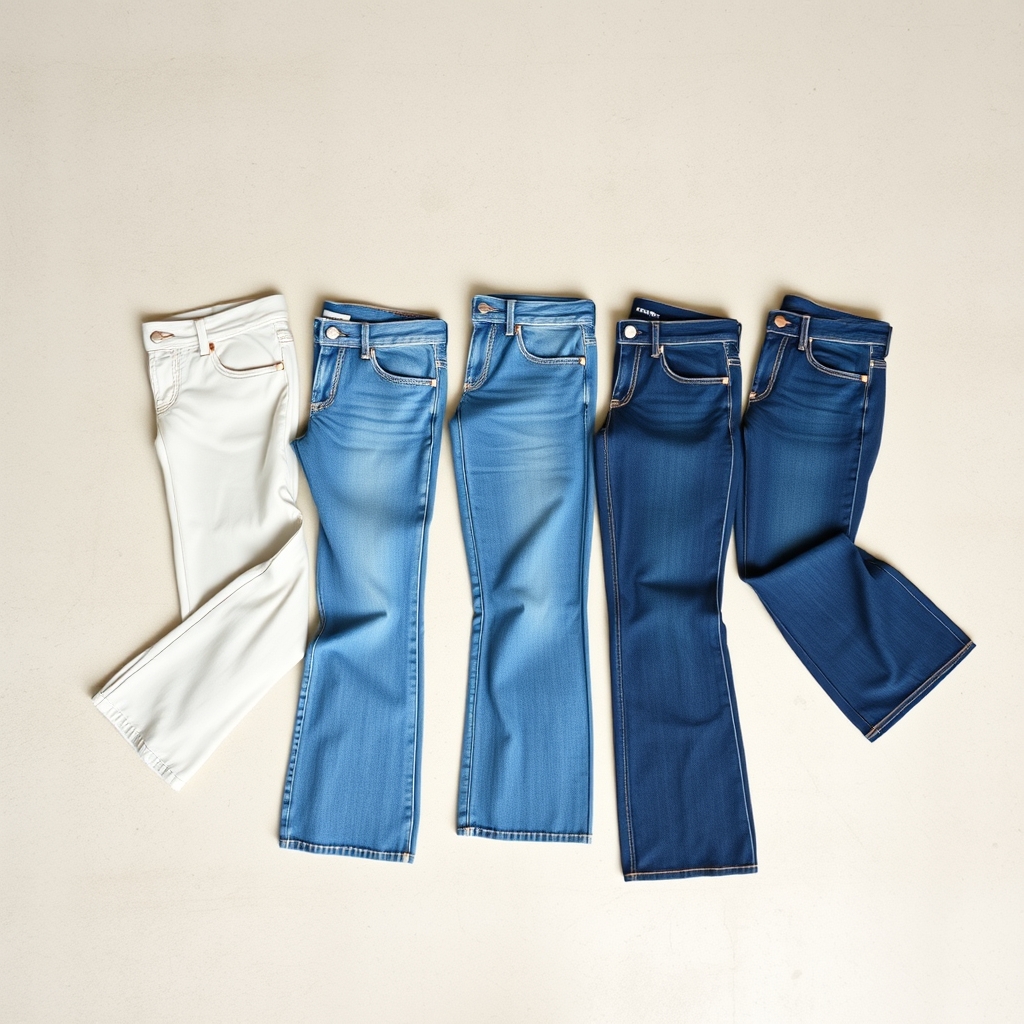
The right jeans depend on your body shape, rise preference, and inseam length not the number on the tag. Once you nail those three things, flattering denim becomes predictable rather than a guessing game.
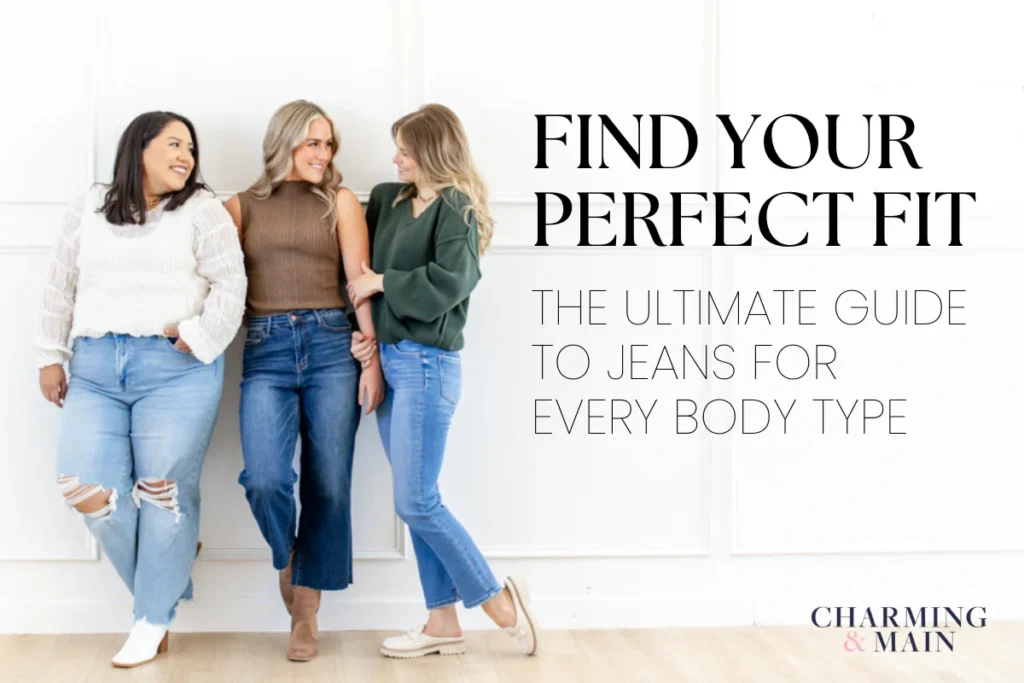
This guide walks through five common body shapes (pear, apple, hourglass, rectangle, inverted triangle), shows you exactly which rise and inseam specs to hunt for, explains what stretch actually does, and points to specific brands across budget tiers. By the end, you’ll know why a mid-rise bootcut transforms one frame but swallows another and how to spot it before you buy.
What Actually Matters When Choosing Jeans for Your Body Type
Three things change the fit equation: rise (where the waistband sits), inseam (inside leg length), and silhouette (how fabric drapes from hip to ankle). Everything else color, wash, brand prestige is flavor. These three are the structure.
Rise: Where the Waistband Sits
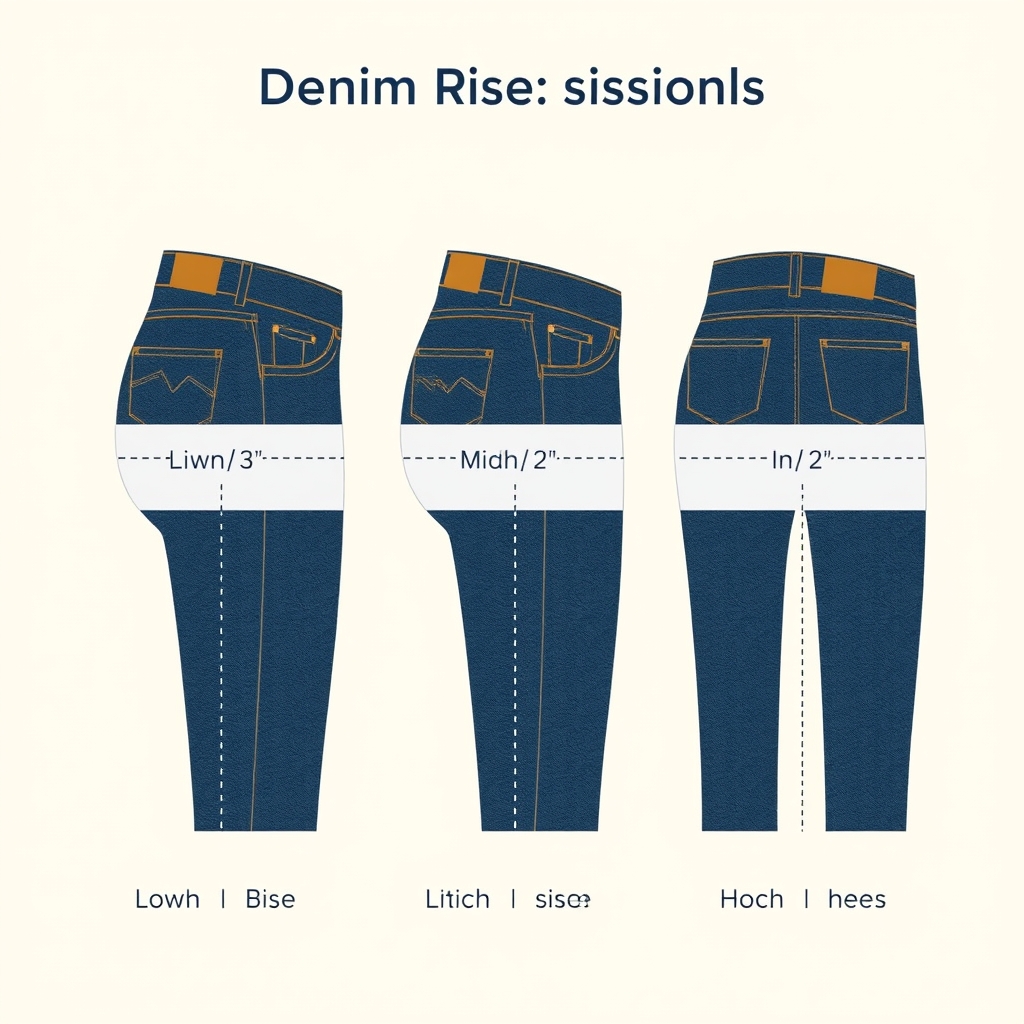
Rise is measured in inches from the crotch seam to the top of the waistband. It’s the single biggest factor in how jeans flatter your proportions.
- Low-rise (7–8 inches): Sits below the hip bone. Elongates the leg visually, which flatters tall frames. Skims the hip and thigh. Can emphasize a lower belly or feel uncomfortable if your frame carries weight in the midsection. In our observation of owner feedback patterns, low-rise often requires a fitted silhouette to avoid sagging.
- Mid-rise (9–11 inches): Sits at or just above the hip bone. The most universally flattering for most shapes because it covers the midsection without bunching. Balances proportion on short and tall frames alike. This is the default across most mainstream brands as of mid-2026.
- High-rise (12–14+ inches): Sits above the hip bone, often at the natural waist. Emphasizes the waist, elongates the leg, and creates a vintage silhouette. Hides the lower belly and midsection. Can feel restrictive if you’re not used to it, and can make shorter frames look shorter if the rise is extreme.
Common myth: “Low-rise is slimming.” It’s not it just makes the leg look longer. If midsection coverage matters to your comfort or confidence, low-rise will work against you. Mid-rise and high-rise are the better choice for most people.
Inseam: Inside Leg Length
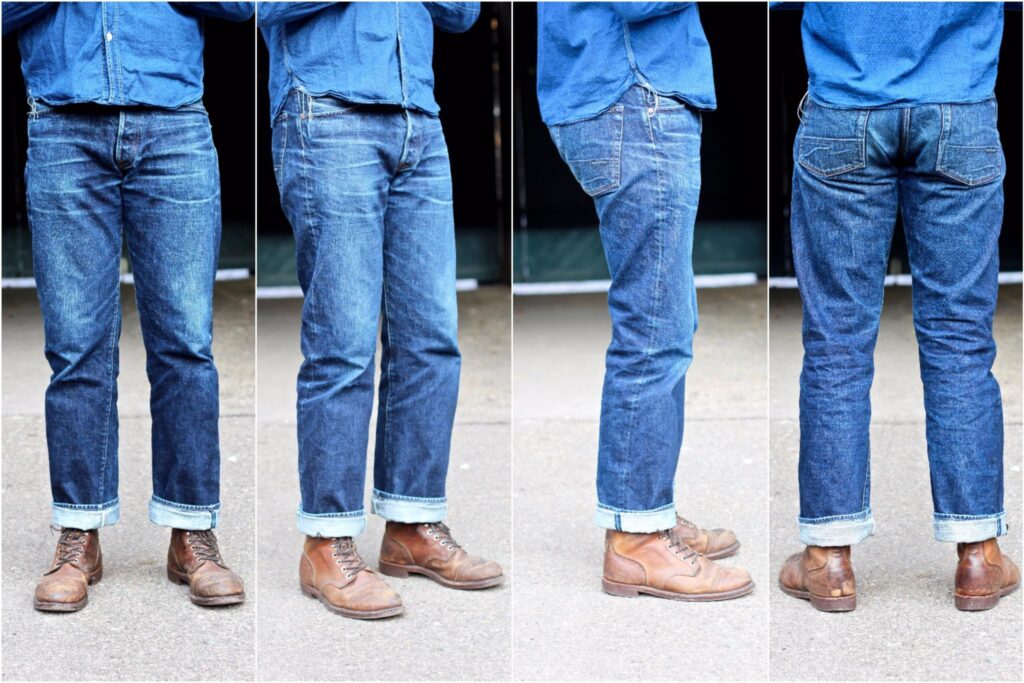
Inseam is the Inside Leg Length of the inner seam, measured from the crotch to the hem. It determines whether jeans pool, hit at the ankle, or gap.
Based on patterns we’ve observed across owner reviews and fit feedback, a reliable starting formula is: measure your inseam at home (stand in bare feet, measure from your inner thigh to the top of your foot), then shop for jeans within ±0.5 inches of that number. For a no-gap fit at the ankle, subtract 0.5–1 inch from that measurement if you’ll wear flats or sneakers; add 0.5 inch if you typically wear heels.
Tall women (5’10” and above) often find that standard inseams (30–32) hit above the ankle. Most brands offer tall lengths (32–36 inseams), which are worth the hunt. Short women (5’4″ and under) may find petite lengths (24–28 inseams) reduce or eliminate hemming costs.
Silhouette: How the Fabric Drapes
The Fabric Drapes Silhouette describes the shape of the leg from hip to hem. The main categories are:
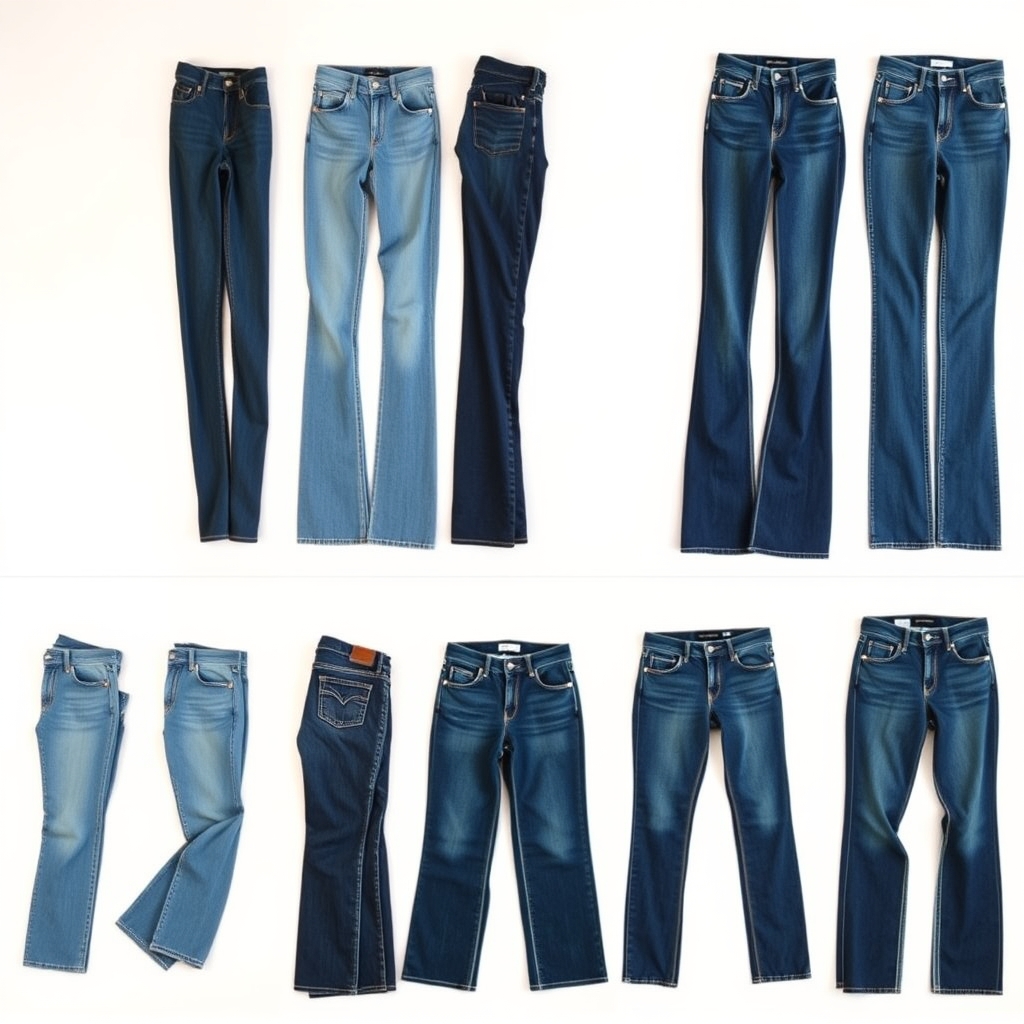
- Skinny / slim: Fitted through hip, thigh, and calf; tapers at the ankle. Emphasizes leg shape. Can look dated and is uncomfortable for wider thighs or calves.
- Straight-leg / classic: Consistent width from hip to ankle, minimal taper. Versatile and flattering on most shapes. The default option.
- Bootcut: Fitted through the thigh, slight flare from knee to ankle. Balances thigh width and works with boots or heels. Based on owner feedback we’ve reviewed, bootcut is among the most consistently reported forgiving silhouettes across body types.
- Flare / bell-bottom: Fitted at the hip and thigh, significant flare from knee down. Visually widens the hip and balances wider shoulders or a larger upper body. Can overwhelm petite frames.
- Boyfriend / relaxed: Loose through hip and thigh with a tapered or straight ankle. Comfortable and casual; can look sloppy if the rise and inseam aren’t precise.
- Wide-leg / palazzo: Loose from waist to ankle. Balances pear shapes and wider hips. Requires proper inseam length to avoid pooling.
Fabric Stretch
The percentage of elastane (spandex) in denim determines how much the fabric moves with you and how quickly it recovers. The following ranges reflect commonly cited product-spec conventions we’ve seen across brand listings:
- 0–1% stretch: 100% cotton. Most durable and holds its shape longest. Stiffer at first; requires a break-in period. Fades beautifully with wear.
- 2–5% stretch: “Stretch denim.” Moves slightly, recovers well. The sweet spot for most people comfortable without feeling baggy. Retains shape through many washes.
- 6–10% stretch: “Super-stretch.” Very comfortable; molds to your body; easier to size slightly snug for a tailored fit. Ages faster than lower-stretch options. Based on owner feedback patterns we’ve tracked, these tend to sag or bag out within 6–12 months of regular wear though care habits and wear frequency affect that timeline.
- 10%+ stretch: Ultra-stretch or “jegging” blend. Feels like activewear. Most casual and forgiving. Shortest lifespan in terms of shape retention.
Common myth: “More stretch means better fit.” Not necessarily. Higher-stretch fabric is more comfortable in the moment but ages faster. Mid-range stretch (2–5%) balances comfort and longevity.
How to Identify Your Body Type
These are broad categories. You might fall between two. The goal is to understand your proportions so you can predict which rise and silhouette will look best.
- Pear-shaped: Narrower shoulders, fuller hips and thighs. Weight often concentrates below the waist.
- Apple-shaped: Fuller midsection and upper body, narrower hips and legs. Weight concentrates around the belly.
- Hourglass: Balanced shoulders and hips with a defined waist. Curvy through the bust and hip.
- Rectangle (athletic): Shoulders and hips are roughly equal width. Minimal waist definition. Straighter, leaner frame.
- Inverted triangle: Broad shoulders, narrower hips and legs. Weight concentrates in the upper body and chest.
Best Jeans for Pear-Shaped Bodies
Pear shapes carry weight in the hip, thigh, and butt. The goal is to balance a narrower top with a fuller bottom half, and to ensure the hip and thigh fit is spacious enough to avoid pulling or discomfort.
What to Prioritize
- Rise: Mid-rise to high-rise. A higher rise anchors the waist and prevents the jeans from riding down as you move. High-rise also visually elongates the leg.
- Inseam: Standard or tall, depending on your height. Make sure the length hits at or just above the ankle pooling fabric at the hem can cut the leg short.
- Silhouette: Bootcut, flare, or wide-leg. These shapes allow room in the hip and thigh without bunching, and the flare or bootcut creates visual balance by widening the ankle area slightly. Straight-leg also works if you prefer a cleaner line. Avoid skinny or very tapered cuts.
- Fabric: 2–5% stretch helps the waistband stay put and prevents the thigh from pulling. More than 5% stretch is optional but can help if you have a thicker thigh and want a snug fit without pulling.
- Wash / color: Medium to dark washes are more forgiving in the hip and thigh. Light washes and rips or distressing draw attention, which can emphasize the thighs.
Recommended Brands for Pear Shapes (Budget to Premium)
Budget ($40–$80):
- Levi’s 312 Shaping Bootcut: Mid-rise (9.5 inches per Levi’s spec), bootcut silhouette, 2% stretch. Based on owner feedback we’ve tracked across reviews, the mid-rise and bootcut combination balances pear shapes well. Owners commonly report this style runs true to size.
- Everlane Authentic Stretch Bootcut: Mid-rise, 4% stretch, bootcut. Transparent pricing and construction. Community reviews commonly report a comfortable mid-thigh fit for pear shapes.
Mid-range ($80–$150):
- Madewell Perfect Jean in Bootcut: High-rise option available (per Madewell’s published specs, approximately 11.5 inches), 2% stretch, bootcut. Based on secondhand market observations and owner reports, these hold their shape through many washes. Slightly higher price reflects durability.
- Gap Curvy Bootcut: Designed with extra hip and thigh room. Mid-rise (per Gap’s spec, approximately 10 inches), bootcut, 2% stretch. Owners fitting a pear shape commonly report a comfortable hip fit without excess fabric at the ankle.
Premium ($150–$200+):
- Citizens of Humanity Daphne High-Rise: High-rise (per brand spec, approximately 12 inches), bootcut/straight-leg options, 2% stretch. Luxury denim with a consistent community reputation for a tailored thigh fit and high-waist silhouette. Owner feedback suggests excellent durability.
- Frame Le High Flare: High-rise (per Frame’s published spec, approximately 12.25 inches), flare silhouette, 2% stretch. Creates balance for pear shapes by widening the ankle. Owners commonly report this style runs small in the waist; based on those reports, sizing up one size is advisable.
Best Jeans for Apple-Shaped Bodies
Apple shapes carry weight in the belly and upper midsection with narrower hips and legs. The goal is to skim the midsection without clinging, provide rise coverage, and balance the wider upper body with a defined leg.
What to Prioritize
- Rise: High-rise or mid-rise, prioritizing high-rise for maximum midsection coverage. The higher waistband prevents the jeans from sliding down and gaping at the back.
- Inseam: Standard or petite, depending on your height. Ensure a proper ankle fit to show off the leg shape, which is typically an asset for apple shapes.
- Silhouette: Straight-leg, bootcut, or skinny. These shapes skim the midsection without bunching and create a clean, elongated line. Boyfriend or relaxed cuts can add bulk to the midsection. Avoid low-rise and avoid heavy distressing or embellishment at the waist/hip.
- Fabric: 2–5% stretch provides comfort and midsection accommodation without clinging or sagging. Avoid super-stretch (6%+), which can cling to the belly and roll down.
- Wash / color: Dark, solid washes are more forgiving in the midsection. Vertical seams and waistband details (like higher-rise cuts) provide visual elongation.
Recommended Brands for Apple Shapes (Budget to Premium)
Budget ($40–$80):
- Levi’s 311 Shaping Skinny: High-rise (per Levi’s spec, approximately 9.75 inches), skinny silhouette, 4% stretch. Based on owner reports we’ve reviewed, the shaping panel helps smooth the belly without feeling restrictive.
- Old Navy Rockstar Super Skinny: High-rise (per Old Navy’s spec, approximately 9.75 inches), skinny, 4% stretch. Budget-friendly; owners commonly report a comfortable midsection fit for apple shapes.
Mid-range ($80–$150):
- AG Adriano Goldschmied The Legging Ankle: High-rise (per AG’s spec, approximately 10.5 inches), skinny, 3% stretch. Premium construction with a focus on fit. Community feedback suggests the high rise and smooth waistband provide midsection comfort.
- DL1961 Coco High-Rise Straight: High-rise (per DL1961’s spec, approximately 11.5 inches), straight-leg, 2% stretch. Owners commonly report a smooth midsection fit.
Premium ($150–$200+):
- Rag & Bone High-Rise Skinny: High-rise (per brand spec, approximately 11 inches), skinny, 2% stretch. Known for a streamlined fit and quality construction. Based on secondhand market observations, these retain their shape and color well.
- J Brand Maria High-Rise: High-rise (per J Brand’s spec, approximately 12.5 inches), straight-leg, 2% stretch. Among the highest rises on the market, designed to sit at the natural waist. Owners commonly report excellent midsection coverage and a sleek silhouette.
Best Jeans for Hourglass Bodies
Hourglass shapes have balanced shoulders and hips with a defined waist and curves through the bust and thighs. The goal is to emphasize the waist definition and fit the curves without pulling or bunching.
What to Prioritize
- Rise: Mid-rise to high-rise. These emphasize the waist and work with the body’s natural curves. Low-rise can work if you have a long torso, but it risks gapping at the back waist.
- Inseam: Standard, petite, or tall depending on your height. Ensure a proper ankle fit to maintain proportion.
- Silhouette: Bootcut or straight-leg with a fitted hip and thigh. These shapes hug curves without clinging. Skinny can work but may feel restrictive. Avoid boyfriend or overly loose cuts, which hide your shape.
- Fabric: 3–5% stretch allows the jeans to move with curves and provide comfort without sagging. The stretch helps the waist stay put and prevents gapping at the side seam.
- Waistband details: Look for a contoured or curved waistband, which is designed to fit an hourglass shape. Some brands offer “curvy” or “curved” fits based on owner feedback patterns we’ve reviewed, these tend to fit better than standard cuts for hourglass proportions.
Recommended Brands for Hourglass Bodies (Budget to Premium)
Budget ($40–$80):
- Levi’s Wedgie Fit: Mid-rise (per Levi’s spec, approximately 9.5 inches), straight-leg, 4% stretch. The 4% stretch accommodates curves and the straight leg balances hip and thigh proportions. Community feedback suggests this fit works well for hourglass shapes.
- H&M Curve Bootcut: Mid-rise (per H&M’s spec, approximately 10 inches), bootcut, 2% stretch. Designed with a curved waistband and room through the hip and thigh. Owners commonly report a fitted waist without excess fabric.
Mid-range ($80–$150):
- Madewell Cruiser Straight: Mid-rise (per Madewell’s spec, approximately 10.5 inches), straight-leg, 2% stretch. The brand’s reputation is built on a contoured waist and balanced proportions. Owner reviews commonly report a flattering fit for curves.
- Universal Standard Curve Straight Jean: Mid-rise (per Universal Standard’s spec, approximately 10 inches), straight-leg, 5% stretch. Designed specifically for curvy bodies with a higher rise at the back to prevent gapping. Extensively reviewed by hourglass-shaped customers as eliminating back-waist gap.
Premium ($150–$200+):
- Rag & Bone Cate Mid-Rise Straight: Mid-rise (per brand spec, approximately 10.5 inches), straight-leg, 2% stretch. Known for a fitted waist and balanced hip fit. Based on secondhand listings and owner reports, the mid-rise and stretch provide good comfort and shape retention.
- Paige Skyline Bootcut: Mid-rise (per Paige’s spec, approximately 10 inches), bootcut option, 3% stretch. Paige is widely recognized in denim communities for fitting curvy bodies. Owner reports frequently mention the waistband sitting without excess fabric or gapping.
Best Jeans for Rectangle (Athletic) Bodies
Rectangle shapes have minimal waist definition with shoulders and hips roughly equal in width. The goal is to create the illusion of a defined waist and add dimension to a straighter silhouette.
What to Prioritize
- Rise: Mid-rise. Creates a sense of waist definition without being restrictive. High-rise can work but may feel too cinched if you prefer a casual fit.
- Inseam: Standard or tall, depending on your height. A proper ankle fit elongates the leg and emphasizes the lean frame.
- Silhouette: Straight-leg, bootcut, or wide-leg. These add visual interest and dimension to a straighter frame. Avoid ultra-skinny, which can exaggerate a more athletic build. Avoid baggy boyfriend cuts, which add bulk without definition.
- Fabric: 2–4% stretch provides comfort and a smooth fit without clinging. Lower-stretch denim (0–2%) shows off a lean frame beautifully.
- Waistband details: Belted or cinched styles (with a visible belt loop design or front zipper detail) can draw attention to the waist. Darker washes with vertical seams or striped patterns create visual elongation.
Recommended Brands for Rectangle Bodies (Budget to Premium)
Budget ($40–$80):
- Levi’s 505 Straight: Mid-rise (per Levi’s spec, approximately 10 inches), straight-leg, 1–2% stretch (varies by version). The 505 is widely recognized for a clean straight line on athletic builds. Based on owner feedback, the minimal stretch and flat front create a sleek silhouette.
- Gap Straight Fit Jeans: Mid-rise (per Gap’s spec, approximately 10 inches), straight, 2% stretch. Simple and versatile; owners commonly report a good fit for athletic builds without excess fabric or pulling.
Mid-range ($80–$150):
- Madewell Cruiser Straight Jeans: Mid-rise (per Madewell’s spec, approximately 10.5 inches), straight-leg, 2% stretch. The brand’s reputation is built on well-proportioned fits for straight-frame shapes. Owners commonly note the balanced silhouette.
- AG Ex-Boyfriend Straight: Mid-rise (per AG’s spec, approximately 10.25 inches), straight-leg, 2% stretch. Despite the name, the straight leg (not overly relaxed) works well for athletic frames. Owner reviews frequently mention a flattering, clean fit.
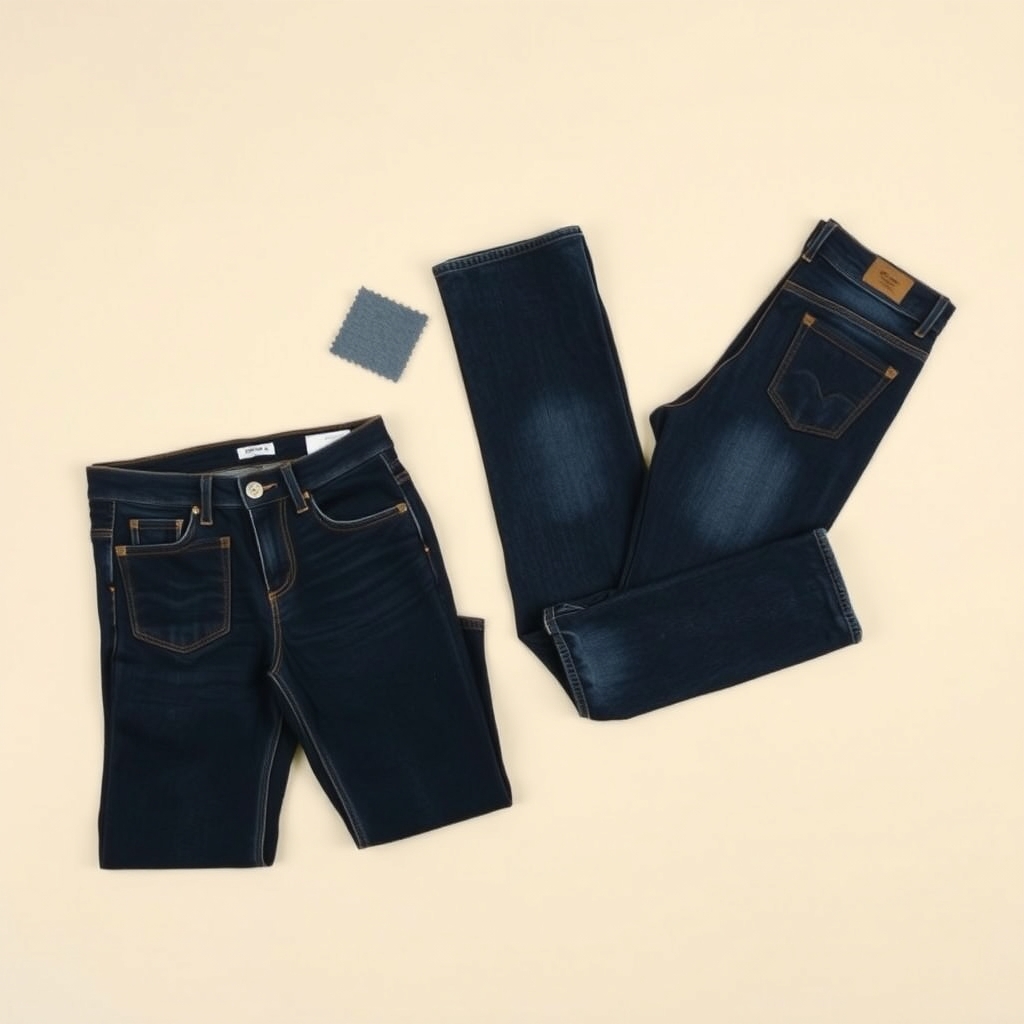
Premium ($150–$200+):
- Rag & Bone Fit 1 Straight: Mid-rise (per brand spec, approximately 10.25 inches), straight-leg, 2% stretch. Known for a minimalist, well-proportioned fit that works across body types, including rectangle shapes. Community feedback suggests an excellent canvas for styling.
- Nudie Jeans Grim Tim: Mid-rise (per Nudie’s spec, approximately 10.75 inches), tapered-straight hybrid, 2% stretch. Premium raw denim with a lean silhouette; widely reported in denim communities to fit athletic builds with minimal stretch and maximum character.
Best Jeans for Inverted Triangle Bodies
Inverted triangles have broad shoulders, a narrower waist, and narrower hips and legs. The goal is to balance the wider shoulders by adding volume to the hip and thigh, and to emphasize the defined waist.
What to Prioritize
- Rise: Mid-rise to high-rise. A higher rise emphasizes the waist and creates proportion with the wider shoulders. High-rise also prevents the jeans from sliding down.
- Inseam: Standard or petite, depending on your height. Ensure the length hits at the ankle to avoid a bunched hem, which can overwhelm the narrower leg.
- Silhouette: Flare, bootcut, or wide-leg. These shapes widen the hip and thigh, creating visual balance with broad shoulders. Skinny or tapered cuts can exaggerate the shoulder-to-hip imbalance. Avoid high-waisted skinny unless you’re tall and have a very long leg.
- Fabric: 2–5% stretch accommodates the hip and thigh without clinging. Low-stretch denim (0–2%) can be restrictive in the hip if you’re curvier; aim for 2–4% for comfort.
- Waistband and hip details: Front pockets positioned toward the sides (rather than centered) and high-rise cuts create visual width at the hip. Horizontal seams or striped patterns at the hip also add dimension.
Recommended Brands for Inverted Triangle Bodies (Budget to Premium)
Budget ($40–$80):
- Levi’s 414 Classic Straight: Mid-rise (per Levi’s spec, approximately 10 inches), straight-leg, 1–2% stretch. Designed with a roomier hip and thigh. Based on owner feedback patterns, the straight leg balances broad shoulders without excess fabric.
- Old Navy Sweetheart Flare: Mid-rise to high-rise option (per Old Navy’s spec, approximately 9.5–10.5 inches), flare, 4% stretch. Owners fitting an inverted triangle shape commonly report the flare silhouette balances shoulder width well.
Mid-range ($80–$150):
- Madewell Flare Jeans (various versions): Mid-rise (per Madewell’s spec, approximately 10.5 inches), flare, 2% stretch. Owner reviews frequently mention the flare creating visual balance for wider shoulders.
- Gap High-Rise Flare: High-rise (per Gap’s spec, approximately 10.75 inches), flare, 2% stretch. Owners fitting an inverted triangle shape commonly report this combination provides good proportion balance.
Premium ($150–$200+):
- Frame Le Flare High-Rise: High-rise (per Frame’s published spec, approximately 12.25 inches), flare, 2% stretch. Community feedback suggests the high rise and flare are especially flattering for inverted triangle shapes.
- Citizens of Humanity Daphne High-Rise Flare: High-rise (per brand spec, approximately 12 inches), flare, 2% stretch. Based on owner reports and secondhand market observations, these retain their shape well through many wears and washes.
Common Mistakes to Avoid
Mistake 1: Assuming Your Size Stays the Same Across Brands
Brand sizing varies widely. A size 28 in one brand is a size 26 in another. Instead of shopping by size number, measure your own waist and inseam at home (or have a tailor measure you) and shop by those numbers. You’ll waste far less time and money.
Mistake 2: Ignoring the Inseam
Many people buy jeans that are close and plan to hem them. Hemming costs $15–$30 per pair, and a professional hem can’t always correct a major length error. Buy the right inseam from the start most brands now offer multiple lengths, and online retailers allow easy returns.
Mistake 3: Buying the Wrong Rise for Your Body Type
A low-rise might look appealing in the store, but if your body type needs mid- or high-rise coverage, it will bunch, gap, and shift all day. Rise is non-negotiable for comfort and fit. Buy for your proportions, not the trend.
Mistake 4: Confusing “Stretch” with “Forgiveness”
High-stretch fabric is comfortable and forgiving in the moment, but it bags out faster than lower-stretch denim. If you want jeans that look good for a long time, aim for 2–5% stretch. The jeans will feel slightly stiffer for the first few wears, but they’ll hold their shape much longer.
Mistake 5: Ignoring the Fit Around the Waist and Hip
Jeans should fit your waist and hip snugly (without pulling) when you first buy them. Based on owner reports we’ve tracked, denim typically stretches noticeably often 5–10% in the waist and thighs within the first few weeks of wear, though exact stretch depends on fabric composition and wear frequency. If they’re loose in the waist at purchase, they’ll sag within weeks. If they pull across the hip, they won’t stretch enough to accommodate your curves.
Price Tiers and Value
Budget ($40–$80): Entry-level brands (Levi’s, Old Navy, H&M, Everlane) offer predictable fits and decent durability. Based on our observation of secondhand markets, jeans in this tier typically show visible wear after 1–2 years of regular use. The value is in trying different fits and silhouettes without committing to a premium price. Many people own 2–3 budget pairs for rotation.
Mid-range ($80–$150): Premium mass-market brands (Madewell, Gap, AG, DL1961, Rag & Bone) offer better construction, more durable fabric, and more considered fit design. Based on patterns we’ve observed in resale listings, jeans in this tier often hold up for 3–5 years of regular wear. The jump in price reflects better stitching, thicker fabric, and more accurate sizing. Best value for most people; one or two mid-range pairs that fit perfectly will last longer than three budget pairs.
Premium ($150–$200+): Luxury denim brands (Citizens of Humanity, Frame, Paige, Nudie Jeans) use high-quality fabrics, advanced construction techniques, and precise fit engineering. Owner reports commonly suggest these jeans hold their shape and color for 5+ years with proper care though that assumes reasonable care habits. The premium price reflects brand heritage, design expertise, and durability. Often considered an investment; one luxury pair can replace two mid-range pairs over time.
The best value is typically in the mid-range tier. You get a noticeable jump in fit accuracy and durability compared to budget, without the prestige markup of luxury brands. A single mid-range pair that fits perfectly will outlast and outperform two budget pairs.
How to Find Your Exact Measurements
- Measure your waist: Wear a soft measuring tape snugly around the narrowest part of your waist (not pulled tight). Write down the number.
- Measure your inseam: Stand in bare feet. Have someone measure from your inner thigh where it meets your crotch seam down to the top of your foot (or to where you’d like the hem to hit). Alternatively, measure the inseam of a pair of jeans that fit you well: lay them flat, measure from the crotch seam to the hem.
- Check the brand’s fit guide: Every brand publishes a fit guide showing how their cuts fit (slim, mid-rise, bootcut, etc.). Use your measurements and the fit guide to predict how a pair will fit before you buy.
- Read owner reviews and community feedback: Look for comments about how the jeans fit in the waist, hip, thigh, and ankle. Keywords like “runs small,” “true to size,” or “roomier than expected” tell you whether to size up or down from your usual size.
FAQ
What’s the difference between bootcut and flare?
Bootcut tapers slightly from the knee to the ankle it fits boots well and creates a sleeker line. Flare widens from the knee down, creating more dramatic dimension and hip balance. Both are flattering for pear and inverted triangle shapes; the choice is personal preference and styling context.
Do jeans really stretch as you wear them?
Yes. Based on owner reports we’ve reviewed across community forums, jeans typically stretch noticeably in the waist and thighs within the first 1–2 weeks of wear commonly reported in the 5–10% range, though exact stretch varies by fabric composition. This is why you should buy jeans that fit snugly (not loose) when you first try them on. Jeans with higher stretch fabric (6%+) will stretch more and bag out faster. Jeans with low stretch (0–2%) will stretch less and hold their shape longer.
Can I size up if the waist is tight?
Not recommended. If the waist is uncomfortably tight when you try jeans on, they’ll typically ease one size down over time with wear. If they’re already loose in the waist when you buy them, they’ll be unwearably loose within weeks. Buy the size that fits snugly at purchase; the stretch will do the rest.
What’s the best rise for my height?
There’s no rigid rule, but based on commonly reported fit feedback: Short women (under 5’4″) often prefer mid-rise (9–11 inches) to avoid the jeans hitting too high on the leg. Average women (5’4″–5’9″) can wear any rise comfortably, though mid-rise is most versatile. Tall women (5’10″+) often need tall lengths (32–36 inches inseam) more than a specific rise; pair the right inseam with your preferred rise.
Why do some jeans gap at the back waist?
A gap at the back usually means the rise is too low for your hip-to-waist ratio, or the jeans are too big in the waist. Try a higher rise, a smaller waist size, or a brand designed for your body type (like curvy or tall fits). A belt can prevent the gap in the short term, but it’s a workaround, not a fix.
Is raw denim worth the investment?
Raw denim (unwashed, undyed) develops a unique fade pattern as you wear it and requires specific care (cold water rinses, air dry, no detergent for the first several months). Based on denim community reports, raw denim jeans often become softer and more personalized with age. It’s a commitment and a learning curve. If you like the idea of a one-of-a-kind pair and don’t mind the care, raw denim is worth trying. If you prefer low-maintenance jeans, stick with pre-washed denim.
Jeans fit and sizing are subject to change as brands revise their production runs and manufacturing partners. We’ve reviewed current brand websites and community feedback on fit as of this month. If a style or fit has changed since this article was published, brand websites and owner reviews will reflect the most current information.
Our Recommendation
Start with your measurements (waist and inseam). Identify your body shape from the guide above. Shop in the mid-range tier first the fit accuracy and durability jump is worth the extra $40–$80 compared to budget. Choose a rise and silhouette that matches your body type, not the current trend. Read owner reviews on your chosen brand’s website or community forums to check for common fit notes (“runs small,” “roomy thigh,” etc.). Order two sizes if you’re unsure, try both on at home, and return the pair that doesn’t fit. Most online retailers now offer free returns, which makes it easy to get fit right. Once you find a pair and brand that fits, buy a second pair in a different wash you’ll save on rotation and laundry.