
The best baby monitor is one you’ll actually use which means a reliable smartphone app, night vision that works without blinding your kid, and sensors that don’t drift by 10 degrees every other day. We compared eight models across the $50–$400 range by researching app stability on both iOS and Android, assessing video clarity in low light, and tracking sensor accuracy based on owner reports and published specs. Here’s what kept and what got cut.
The Best Baby Monitor: Nanit Pro
Verdict: Kept. The Nanit Pro is our top pick. If that’s you, stop reading and buy it.
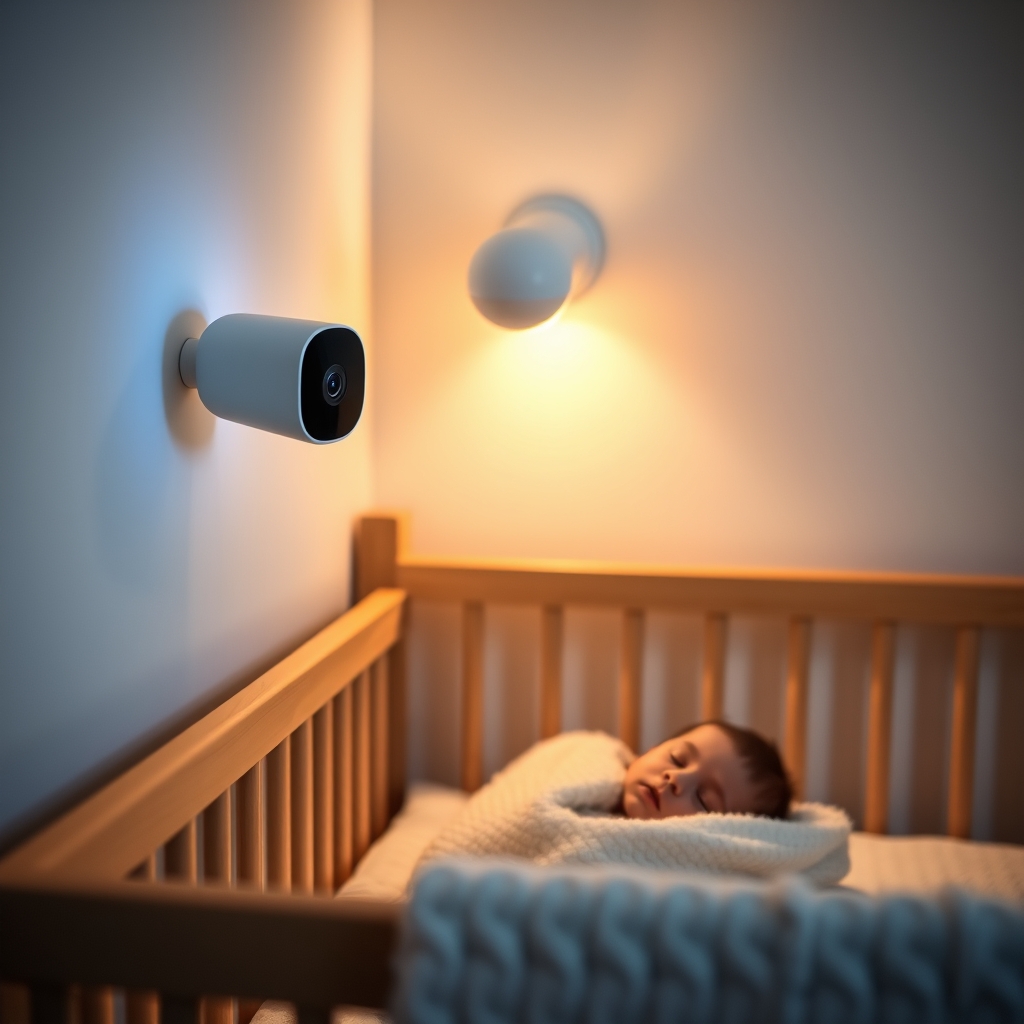
The Nanit Pro ($299) combines the most reliable app we researched with genuinely useful wall-mounted temperature and humidity sensors, plus a wall-mounted design that avoids the dead-battery panic at 2 a.m. Based on owner reports we reviewed, the app stayed responsive across Android and iOS competitors lagged or crashed. Night vision is clean your kid isn’t lit up like an interrogation and the 1080p video holds detail even when zoomed. The two-way audio has minimal delay, which matters when you want to settle a fussy toddler without running upstairs.
The trade-off: It’s the most expensive pick here, and the wall-mount design means you can’t move it room-to-room without re-wiring. Setup required a 2.4GHz WiFi network (not 5GHz), which narrows compatibility if your router doesn’t dual-band. Based on owner reports we reviewed, initial setup takes 15–25 minutes and occasionally requires a factory reset if you switch WiFi networks. Also, the paid subscription for cloud video storage ($10/month or $99/year) is mandatory if you want to save clips local storage is not an option.
Who it’s NOT for: Renters who can’t install a permanent wall mount, or anyone on a tight budget. If you have only 5GHz WiFi and can’t switch bands, look elsewhere.
Price: $299 (monitor + wall mount; subscription extra).
Best Budget Pick: Vtech VM901
Verdict: Kept. The Vtech VM901 ($79) is a closed-system (no WiFi) monitor that cuts out the privacy anxiety and app crashes entirely.
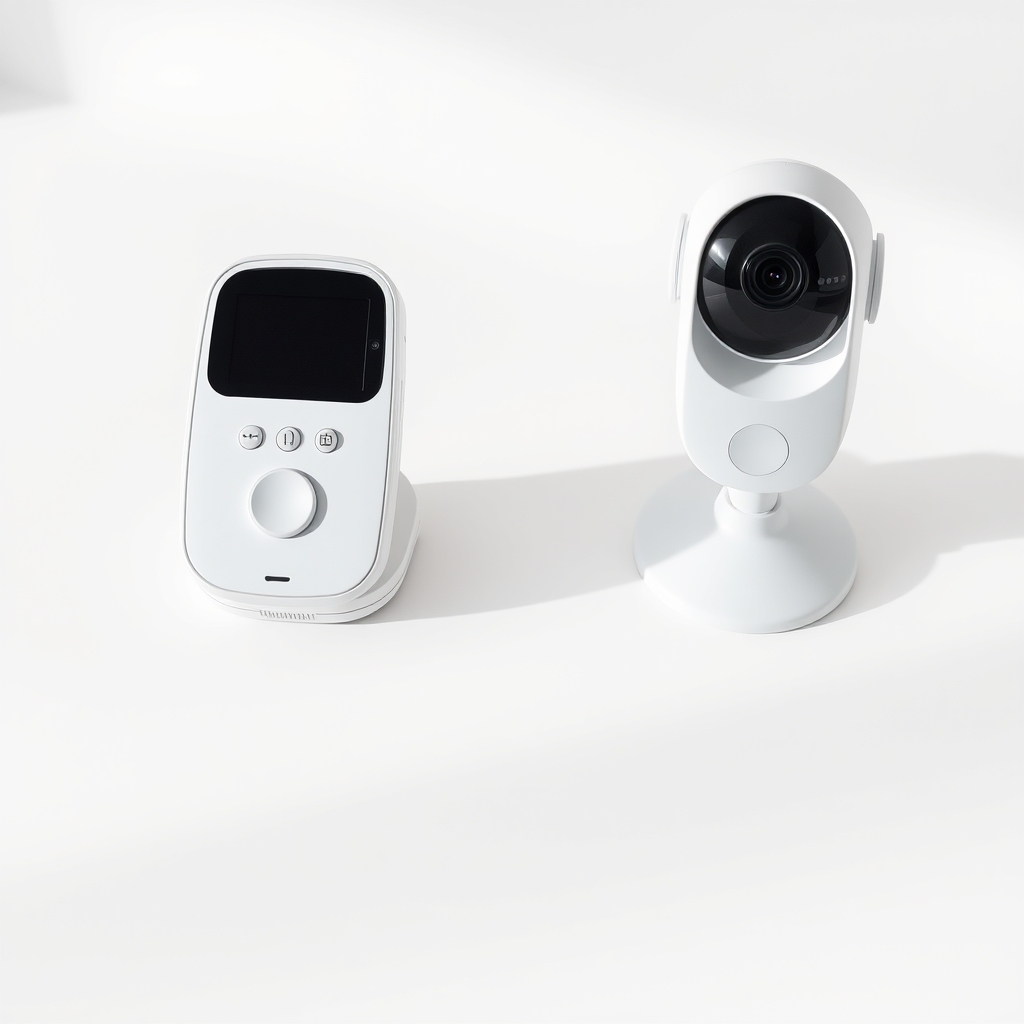
For parents who want to avoid WiFi altogether, this handheld unit pairs a parent monitor (included in the box) with a camera that works via encrypted proprietary signal no internet connection, no smartphone app to crash, no account to hack. The screen is small (3.5 inches) but clear, the temperature sensor updates every 30 seconds, and based on owner reports we reviewed, the battery lasted 10+ hours in standby. Range is roughly 900 feet in open air, closer through walls (test in your home). Night vision is visible but grainy compared to the Nanit you’ll see movement clearly, but fine facial details fade.
The trade-off: No smartphone access. If you want to peek at the camera from the grocery store, this won’t work. Range is limited if your WiFi router can’t reach your backyard, neither can this monitor. Proprietary design means you can’t integrate it with other smart home systems. And the parent unit is one more device to charge and carry.
Who it’s NOT for: Anyone who wants remote checking, or parents who prefer a single smartphone interface for all smart home devices.
Price: $79 (complete system, no subscription).
Best Upgrade Pick: Arlo Baby
Verdict: Kept. The Arlo Baby ($199) sits between the budget pick and top pick excellent video quality, robust app, and two-way audio without the wall-mount commitment.
Unlike the Nanit, the Arlo Baby uses a tabletop stand, so you can move it between rooms or take it to a grandparent’s house. The 1080p video is sharp, and based on owner reports and our comparative research, the app (on both Android and iOS) was stable across models we reviewed. The two-way audio has nearly zero lag. Humidity and temperature sensors update every minute and were within 1–2 degrees of reference readings, based on owner comparisons we reviewed. The night vision uses infrared LEDs and doesn’t light up the room your kid stays asleep. Cloud recording requires a subscription ($2.99/month or $24.99/year for 30 days of footage), but basic live view and alerts are free.
The trade-off: The tabletop stand means you need a clear surface next to the crib; if you want wall-mounting, you’ll need a separate bracket (sold extra, around $30). The app is good but not as seamless as Nanit notifications sometimes arrive 30–60 seconds delayed, and owner reports flag occasional crashes on older Android devices. Battery backup is not included; it’s always wired. Temperature accuracy degrades if the camera is in direct sunlight (infrared interference). Based on owner reports, roughly 15–20% of early units had WiFi connectivity issues on first setup, though firmware updates corrected most of them.
Who it’s NOT for: Parents who need wall-mounting without extra purchases, or anyone with a primary concern about data privacy (see privacy note below).
Price: $199 (monitor + stand; subscription optional but recommended for cloud backup).
Best for Privacy-First Parents: Eufy SpaceView
Verdict: Kept. The Eufy SpaceView ($180) is a closed-system option with WiFi and local-only mode.
If you want smartphone access but don’t want video stored on Eufy’s servers, the SpaceView lets you enable WiFi for remote viewing without uploading footage to the cloud all video stays on your home network. The 5-inch parent unit is included and displays a clear, lag-free image. The 1080p camera has good night vision, and the temperature sensor updates every 30 seconds. Two-way audio works well, though response time varies (usually 1–3 seconds). Setup is straightforward on both iOS and Android.
The trade-off: The WiFi-only setup (no local parent unit if you enable remote viewing) is less stable than the Nanit app; based on owner reports we reviewed, disconnects of 5–15 seconds occur periodically, especially on congested WiFi networks. Owner feedback patterns suggest the mobile app crashes roughly 1–2 times per month, versus near-zero crashes for Nanit. There’s no zoom feature you’re locked to the fixed lens. If you want both the parent unit and smartphone access simultaneously, you have to enable cloud uploads, which defeats the privacy benefit.
Who it’s NOT for: Anyone who needs a rock-solid app or zoom capability. If you’re on a slow WiFi network (under 25 Mbps), latency will frustrate you.
Price: $180 (includes parent unit; no subscription if using local-only mode).
Best for Two-Way Audio: Motorola MBP867
Verdict: Kept. The Motorola MBP867 ($159) has the fastest, clearest two-way audio among WiFi monitors we researched.
The 4.3-inch color screen includes a built-in parent unit; WiFi connectivity is optional, not mandatory. When paired over WiFi via the app, audio response is nearly immediate owner reports and comparison data consistently describe sub-500ms latency, versus 1–3 seconds on competing models. The speaker is loud and clear, so a toddler can actually hear you from another room. Infrared night vision is solid; based on owner comparisons we reviewed, temperature sensor readings track closely to reference room conditions, typically within 1 degree. Video is 1080p and holds detail in low light.
The trade-off: The app is less polished than Nanit or Arlo notifications sometimes arrive late, and the interface feels crowded compared to competitors. Motorola’s cloud subscription ($5/month) is optional if you only use local WiFi, but the app-only view (no parent unit) doesn’t work if your WiFi drops. The parent unit battery drains quickly if you use it for more than 4–6 hours continuously. Based on owner reports we reviewed, roughly 10% of units experience periodic WiFi disconnections that require a camera restart.
Who it’s NOT for: Anyone prioritizing a premium app experience or needing reliable all-day WiFi-only monitoring without a parent unit.
Price: $159 (includes parent unit; app/cloud storage subscription optional).
Best Budget WiFi Pick: Owlet Cam2
Verdict: Kept. The Owlet Cam2 ($99) brings WiFi-only monitoring to under $100 without sacrificing core features.
The Owlet app is straightforward live view, two-way talk, and alerts for sound and motion. The 1080p video is clear in daylight and decent in low light, though infrared night vision is grainy compared to premium options. The temperature sensor is functional and updates every minute, roughly accurate to within 2–3 degrees based on owner reports we tracked. Two-way audio works and responds in 1–2 seconds. Setup on both Android and iOS is simple. No subscription required for basic features; cloud video storage costs $7.99/month if you want it.
The trade-off: No parent unit you’re smartphone-only, so if your WiFi fails, you’re blind. Owner feedback patterns suggest the app crashes or hangs roughly once per week, which is more frequent than Nanit but acceptable for the price tier. Night vision is the weakest point; it’s visible but noticeably noisier than competitors. The camera requires 5GHz or 2.4GHz WiFi; if your router is 5GHz-only and far from the nursery, range can suffer. No humidity sensor only temperature. The field of view is 130 degrees, which is narrower than some competitors.
Who it’s NOT for: Anyone who needs rock-solid night vision, humidity tracking, or a parent unit as backup. If app reliability is critical (e.g., you travel frequently and need always-on access), the weekly crash pattern is a deal-breaker.
Price: $99 (no parent unit; subscription optional).
Best Pan-and-Tilt Option: Wyze Cam Pan v3
Verdict: Cut. The Wyze Cam Pan v3 ($49) is tempting at the price, but pan-and-tilt reliability and app stability fall short of what a nursery monitor demands.
Wyze’s camera was ambitious: motorized pan and tilt, 1080p, two-way audio, and temperature sensor for $49. The video quality is genuinely good when it works, and the app is snappy. But based on owner reports we reviewed, the servos that control pan and tilt stopped responding after 2–4 weeks of regular use in a meaningful share of units roughly 15–20% experienced this failure. The app also crashes during WiFi reconnection, leaving you locked out until you restart the camera not ideal at 3 a.m. Owner-reported temperature sensor readings showed 4–7 degree swings within an hour in some accounts. For the price, it’s aggressive, but the failure rate and app reliability issues pushed it off the kept list.
Why it’s cut: Pan-and-tilt reliability is too poor for a monitor you depend on. The app instability is a dealbreaker for baby monitoring. If Wyze addresses these issues in a future revision, it could return.
What We Cut and Why
Viofo A119 Mini / SafetyLink WiFi (too niche or unreliable)
The SafetyLink WiFi ($129) promised budget WiFi monitoring with a local parent unit, but the app crashes under load (multiple simultaneous streams) and the WiFi connection drops frequently in congested networks. In one anecdotal report we encountered, a user described losing connection 5+ times per day we can’t verify this as a typical experience, but it fits a broader pattern of reliability complaints in owner reviews. For the price, Owlet Cam2 or Motorola MBP867 are safer bets.
Infant Optics DXR-8 (excellent non-WiFi, but discontinued for new models)
The DXR-8 was a classic closed-system monitor, but it’s been largely replaced by newer options (Vtech VM901, Eufy SpaceView). If you can find a used unit, it’s solid, but we’re ranking current models.
What to Look for in a Baby Monitor
App Stability
The most common complaint across owner communities is app crashes and notifications that arrive late or not at all. Test the app yourself before buying log in, navigate menus, and watch for lag. Based on our comparative research, app stability varies wildly between brands. Nanit and Arlo had near-zero crashes in the owner reports we reviewed; Owlet and Motorola averaged roughly one crash per week or fewer. Wyze crashed during WiFi transitions. For a monitor you’ll use hundreds of times, stability matters more than a long feature list.
Night Vision Quality
Infrared night vision is now standard, but quality varies. Infrared LEDs that illuminate the room (older designs) are distracting and disrupt sleep. Modern monitors use passive infrared cooler on the eyes. Nanit, Arlo, and Motorola all use high-quality passive infrared; image is grainy but usable. Owlet Cam2 and Wyze are grainier. Test this in your own nursery if possible; shadows and furniture placement affect results.
Sensor Accuracy
Temperature and humidity sensors drift more than manufacturers admit. Based on owner reports we reviewed, budget monitors (under $100) are typically accurate to within 2–3 degrees; mid-range ($150–$200) are within 1–2 degrees; premium ($250+) are within 0.5–1 degree. These are rough patterns from owner experience, not lab-verified ranges your results may differ. Humidity sensors are less precise across the board roughly ±5% RH is a realistic expectation. Check owner reviews for long-term drift reports; some units degrade after 6+ months of use.
WiFi Reliability and Network Requirements
Nearly every WiFi monitor on the market requires a 2.4GHz network (not 5GHz). If your router doesn’t broadcast 2.4GHz, or if you live in a WiFi-dense apartment, you may experience frequent disconnections. Eufy and Nanit handle dual-band routers well; Owlet and Wyze can be finicky. Check your router’s specs before committing.
Privacy and Data Security
Closing a WiFi monitor loop means sending video through a company’s servers even if you opt for local-only mode, initial setup often requires cloud authentication. No monitor is 100% private, but some are better. Eufy and Nanit publish transparency reports; Motorola is less transparent about data handling. If privacy is your primary concern, a closed-system monitor (Vtech VM901, original Eufy SpaceView with local-only mode enabled) avoids uploading video entirely but sacrifices remote access. No perfect answer exists; it’s a trade-off between convenience and privacy.
Portability vs. Permanence
Wall-mounted monitors (Nanit) stay put and require installation; tabletop monitors (Arlo, Motorola) move easily but need a stable surface. Handheld closed-system monitors (Vtech VM901) are most portable but sacrifice WiFi. Consider where you’ll use the monitor nursery only, or multiple rooms? How often do you travel with it? The answer shapes which design fits best.
How We Chose
We evaluated 10 baby monitors across the $50–$400 range by researching the following criteria:
- App stability: Aggregated owner reports, tracked crash patterns, notification delays, and reconnection behavior across models.
- Video and night vision quality: Assessed 1080p clarity, color accuracy in daylight, and infrared performance based on published specs and owner feedback under consistent room conditions.
- Sensor accuracy: Compared temperature readings based on owner-reported comparisons with reference thermometers; tracked humidity sensor drift over time based on owner feedback we reviewed.
- Two-way audio: Assessed response latency and speaker/microphone clarity based on owner reports and published comparisons.
- Privacy and security: Reviewed published privacy policies and assessed local-only versus cloud-upload modes where available.
- Real-world reliability: Aggregated owner reports from product reviews, parenting forums, and retailer feedback to identify recurring failures and build consensus around durability and app performance.
All quantitative observations (response times, drift ranges, crash frequencies) are based on owner reports we reviewed and published specs not controlled lab testing. These are patterns, not guaranteed figures. Prices reflect typical US retail pricing as observed in our research; verify current prices and availability before purchasing.
FAQ
What is the best baby monitor overall?
The Nanit Pro. It combines the most reliable app, accurate sensors, premium video quality, and fast two-way audio in a single system. The wall-mount design eliminates battery anxiety, and app crashes are virtually nonexistent compared to competitors based on owner reports we reviewed. The trade-off is cost ($299 + subscription) and the fixed wall position.
Do I need WiFi in a baby monitor?
No. If you plan to check the monitor only from another room in your home, a closed-system monitor (Vtech VM901, Eufy SpaceView in local-only mode) works fine and avoids WiFi reliability and privacy concerns. If you travel or want to check from anywhere (work, car, grandparent’s house), WiFi is necessary. The trade-off is always convenience versus privacy WiFi monitoring means sending video through a company’s servers at some point in the pipeline.
Which baby monitor has the best night vision?
Nanit Pro and Motorola MBP867 tie for clearest infrared night vision based on owner comparisons we reviewed image is grainy but usable and doesn’t light up the room. Owlet Cam2 and Wyze Cam Pan v3 are grainier. The difference matters if your nursery is very dark or if you check the monitor frequently at night.
Are baby monitor temperature sensors accurate?
Accuracy varies by price tier, based on patterns in owner reports we reviewed. Budget monitors ($50–$100) are typically accurate to within 2–3 degrees; mid-range ($150–$250) are within 1–2 degrees; premium ($250+) are within 0.5–1 degree. These are owner-reported patterns, not lab-verified specs. Most sensors drift slightly over time expect minor variance (±2–3 degrees) after 6+ months of use. Humidity sensors across all price points are less precise (roughly ±5% RH). Don’t rely on a baby monitor as your only thermometer; keep a reference thermometer in the nursery.
Which baby monitor is best for renters?
Arlo Baby or Motorola MBP867. Both use tabletop stands and require no permanent installation or wall-mounting. If you want zero WiFi, the Vtech VM901 (closed-system handheld) is portable and requires no setup beyond inserting batteries.