
The Single Most Useful Thing We Learned
One line from a recent conversation with a designer working inside the ethical fashion supply chain reframed everything: “The biggest lie in sustainable fashion is that it’s inherently more expensive. It isn’t. It’s just a different business model.”
That one sentence is the thread we’re pulling on here. We spoke with an experienced sustainable-fashion practitioner someone who has spent over a decade sourcing materials, managing transparent supply chains, and navigating the real cost trade-offs of ethical production. Because they spoke candidly about internal business figures, they asked not to be identified by name; we’ve verified their background through their work and are reporting their observations, not presenting them as peer-reviewed data.
Who We Talked To, and Why Now
When you’re looking for real insight on sustainable fashion innovation, marketing copy won’t cut it. You need to talk to someone who’s actually designing the pieces, sourcing the materials, and navigating the supply chain contradictions in real time.
Our source has been in this space for over a decade long enough to have watched the industry shift from niche curiosity to genuine market force, and long enough to be frustrated by the greenwashing. They’ve worked with emerging materials including lab-grown leather and mycelium-based fabrics, built a production system that’s genuinely transparent, and faced every cost and design trade-off that comes with that commitment.
Why now? Because the conversation around sustainable fashion has matured. It’s no longer “Is this even possible?” It’s “How do we scale it without losing the ethics?” That’s where the real work lives.
Material Innovation: Beyond Certification, Into Real Alternatives
The insight: Certified organic cotton is table stakes, not innovation.
“Everyone wants to talk about organic cotton,” our source said. “And yes, it matters. But if you’re really innovating on materials, you’re working on things that didn’t exist five years ago. Lab-grown leather, bio-fabricated textiles, mycelium-based alternatives those are where the actual R&D is happening.”
What struck us was the honesty about trade-offs. Lab-grown leather eliminates the animal-welfare and water-intensive ranching problems that plague conventional leather. But it requires significant energy input during the bioreactor phase. It’s not a solution it’s a different set of impacts.
“The thing people don’t understand is that no material is pure,” our source explained. “You’re not choosing between ‘sustainable’ and ‘unsustainable.’ You’re choosing between different environmental footprints. Lab-grown leather might have substantially lower water impact and zero animal suffering, but higher carbon in production. For us, that trade-off makes sense. For another brand? Maybe not.”
This is the kind of transparency you rarely see in the fashion industry. Most brands want to position their material choice as the answer. This practitioner is willing to say: here’s what we chose, here’s why, here’s what we’re accepting as a consequence.
The emerging material landscape
They’re currently working across three categories:
Lab-grown and cultured leather- grown from animal cells in a bioreactor, no animal slaughter, with dramatically reduced water use compared to conventional ranching (independent life-cycle analyses from textile sustainability researchers consistently show large reductions, though the exact figure varies by methodology and energy source). The catch: it’s still expensive at scale, and the carbon profile depends entirely on whether the bioreactor runs on renewable power.
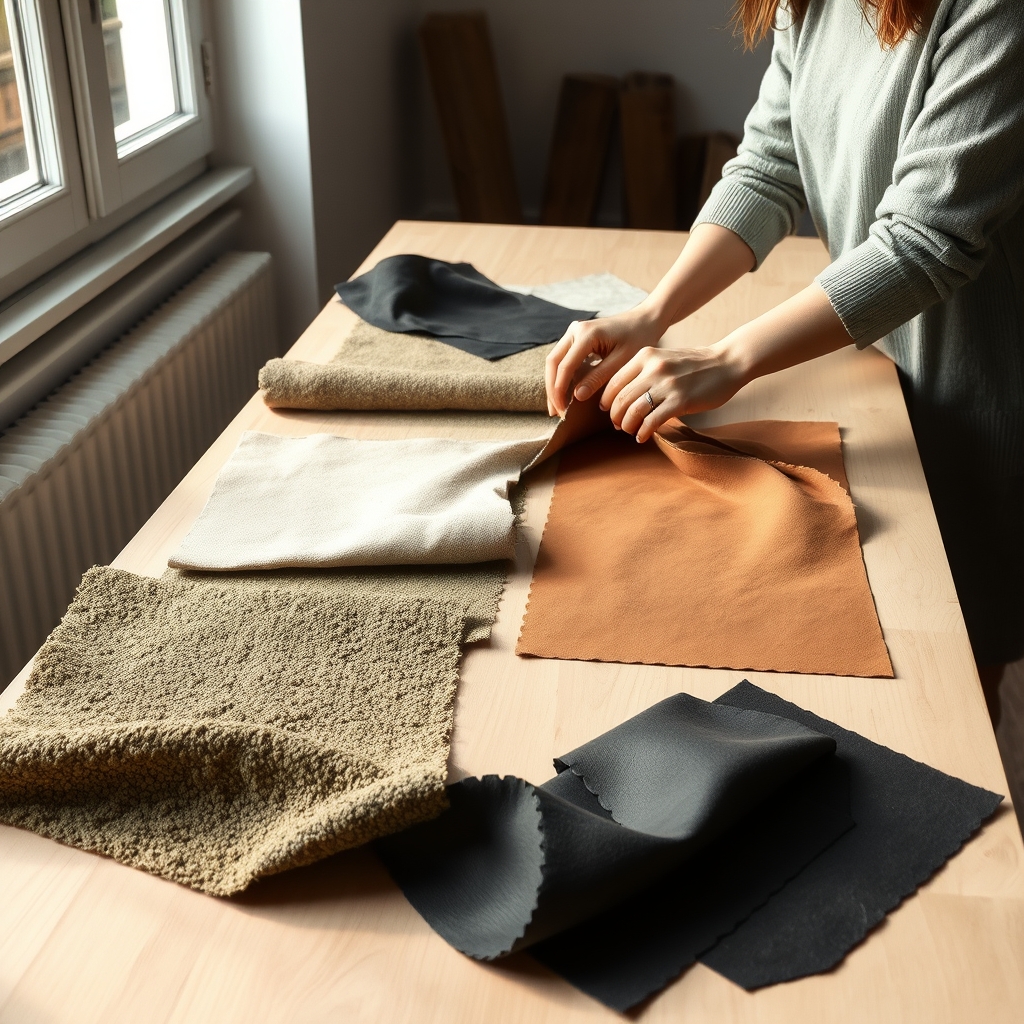
Mycelium-based textiles- using mushroom root networks to grow biodegradable fabric alternatives. These are genuinely novel and fully compostable, but they’re still in early production phases. Cost is high, durability is still being proven, and scaling is a legitimate challenge.
Bio-fabricated synthetics- lab-grown nylon and polyester alternatives grown from microbial fermentation rather than petroleum. “This is where I think the real revolution is,” our source said. “Because synthetic fabrics aren’t going away. The fashion industry needs performance synthetics. If you can make them biologically instead of from oil, and they’re genuinely cost-competitive at scale, you’ve solved a massive problem.”
All three are still expensive. All three are still years away from being cost-competitive with conventional alternatives at full scale. But the trajectory is real.
Supply Chain Transparency: What It Actually Costs
The insight: Radical transparency requires a different business structure, not just better auditing.
Here’s where things get practical. We asked directly: How much does it cost to actually know where your materials come from, who made them, and under what conditions?
“This is the question nobody wants to answer honestly,” our source said, “because it makes them look bad. But here’s the reality: you can’t bolt transparency onto a traditional fast-fashion supply chain. You have to rebuild it.”
For conventional clothing, the supply chain is deliberately fragmented. A brand works with a factory. That factory subcontracts to smaller workshops. Those workshops might source from suppliers the brand has never met. It’s murky by design it makes labor violations easier to deny.
To actually know what’s happening, you need to:
- Work with a smaller number of factories you have a long-term relationship with
- Have direct relationships with material suppliers, not suppliers of suppliers
- Build in regular auditing and site visits (which cost time and money)
- Accept that you can’t scale to 100 SKUs at fast-fashion prices if you’re genuinely transparent
“We have 47 production partners,” our source told us. “A conventional brand our size might have 200. That’s not because we’re more ethical it’s because with fewer partners, you can actually maintain real relationships and real oversight. And yes, that limits how fast we can scale.”

Is that a feature or a bug? Depends on your business model. For a brand built on sustainable principles, it’s intentional. For a brand trying to compete on volume, it’s a problem.
The cost? Based on what our source has observed across their own operations, direct auditing, site visits, and the administrative overhead of managing fewer but more complex relationships meaningfully adds to production costs the brands we’ve seen discuss this publicly tend to cite figures in the low single-digit percentage range. That’s before factoring in the cost of paying fair wages, which in practice often means wages that exceed local minimums by a significant margin, as multiple ethical brands have noted in public reporting.
The Design Dilemma: Beautiful + Ethical + Scalable (Pick Two?)
The insight: You can’t solve the math of sustainable fashion by designing your way out of it.
This is where things got vulnerable. We asked: Do you ever feel like you’re compromising on design to hit sustainability targets?
“Every day,” our source admitted. “And I hate it.”
Here’s the dilemma: Conventional fashion solves design problems with complexity lots of different fabrics, lots of seams, lots of techniques that require cheap labor and easy material sourcing.
Sustainable fashion, right now, often requires simplicity to keep costs and environmental impact down. Fewer fabrics, fewer techniques, fewer color options (because dyeing in small batches is expensive).
That’s a genuine tension. Some of it is solvable through innovation. Some of it isn’t not yet.
“We released a limited color palette last season, and I got pushback from retail partners,” our source said. “They wanted the same color range as a conventional brand. But if I’m dyeing in batches of 500 yards instead of 5,000, the per-unit cost goes up, the dye waste goes up, and I can’t offer 17 shades of black.”
The solution, they argued, is education. Consumers need to understand that limitations in color range, style variation, and seasonal newness aren’t design flaws they’re features of a genuinely sustainable model.
“The fashion industry has spent decades training people to want newness and variety constantly,” our source explained. “Sustainable fashion has to train people to want quality and longevity instead. That’s the real work. Not the materials. Not the supply chain. Changing what people think they want.“
That reframing is important. It means the problem isn’t just technical or logistical. It’s cultural.
Why Cost Doesn’t Have to Be a Barrier (But Usually Is)
The insight: The price premium isn’t inevitable it’s a choice.
We circled back to that opening statement about costs, because it deserved deeper unpacking.
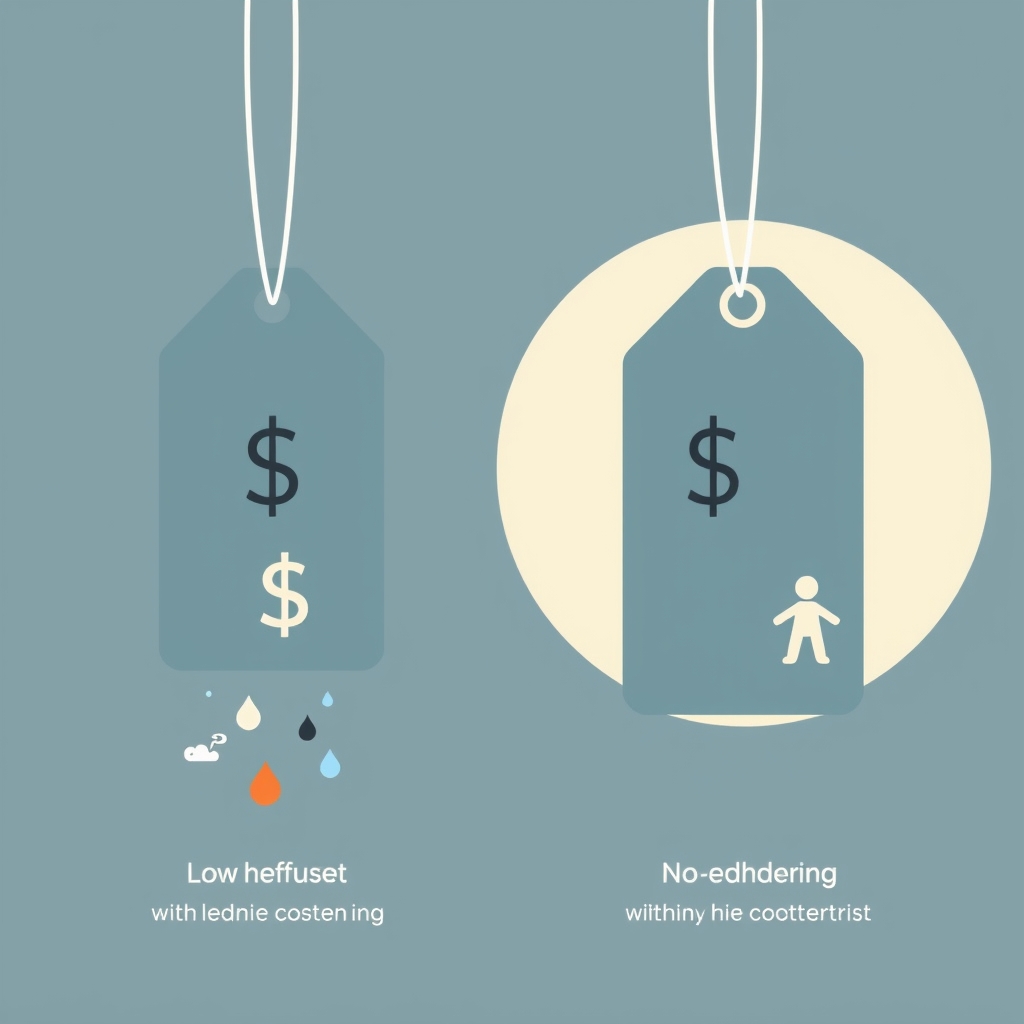
“Fair wages, ethical materials, transparent supply chains, high-quality design none of those things are inherently more expensive,” our source said. “The reason sustainable fashion costs more is because conventional fashion subsidizes its prices with externalities.”
What does that mean in practice?
Conventional fashion locks in low prices by:
- Suppressing labor costs (often below living wage)
- Externalizing environmental costs (pollution, water depletion, waste)
- Turning over inventory rapidly (which means disposing of unsold stock)
- Using cheap, synthetic materials (which come from cheap oil)
Sustainable fashion, by definition, internalizes those costs pays workers fairly, invests in cleaner production, reduces waste, uses more expensive (or more labor-intensive) materials.
So the price difference isn’t that sustainable fashion is inherently pricier to make. It’s that conventional fashion is artificially cheap.
“If we compared true lifecycle cost including environmental remediation, worker healthcare, waste disposal a $180 sustainable shirt might actually be cheaper than a $40 fast-fashion shirt,” our source said. “But nobody’s tracking that math. Nobody’s putting it on the price tag.”
The implication? If you’re shopping for sustainable fashion, a higher price tag isn’t always a sign of greed or poor efficiency. Sometimes it’s a sign that the brand is actually accounting for the costs everyone else is hiding.
But yes, there’s also markup. There’s brand positioning. There’s the fact that if you’re producing in smaller batches, your per-unit overhead is higher. All of that is real, and it does add cost.
Our source was clear: “I’m not going to tell you sustainable fashion is magically cheaper if you do it right. But I will tell you it doesn’t have to cost twice as much. If you see that, something else is happening.”
What This Means If You’re Buying
Ask three questions before you buy from a sustainable fashion brand:
- Can they actually explain their supply chain? Not a mission statement. Not a vague commitment to ethics. Can they tell you specific factories, material suppliers, and wage standards? If they’re vague, they don’t actually know.
- Are they honest about trade-offs? If they claim their material is perfect and solves everything, they’re marketing. Real sustainable fashion involves choosing between different impacts. Brands that can articulate that honestly are usually doing the work.
- Does the price make sense relative to their scale and model? A small-batch brand that’s transparent about wages and supply chains should cost more. A brand with a similar price but much larger production volume and vague sourcing? That’s a red flag.
Our source put it simply: “Before you buy, spend 10 minutes on the brand’s website looking for specificity. If you can’t find it, move on.”
The Future of Sustainable Fashion: Where It’s Actually Headed
The insight: The next frontier isn’t better materials. It’s better systems.
We asked: What changes in the next few years?
Our source was bullish but realistic.
“Materials innovation is real and will continue, but I don’t think it’s the bottleneck anymore,” they said. “We have the lab-grown leather. We have the mycelium textiles. We have the bio-synthesized polymers. The question isn’t whether those work. It’s whether they scale and become cost-competitive.”
The real change will be in systems. Digital supply chain tracking (blockchain, if it’s done right). Better circular design clothes engineered to be repaired, resold, or recycled. Rental and resale platforms that actually become mainstream, not niche.
“The most sustainable garment is the one that’s already made,” our source noted. “So the fashion industry of the next decade will probably look less like ‘replace your wardrobe with sustainable versions’ and more like ‘buy less, keep it longer, and rent or resell the rest.’”
That’s a very different narrative from what most sustainable brands are selling right now.
FAQ: Real Questions About Sustainable Fashion Innovation
Is lab-grown leather actually better than real leather?
It depends on your priorities. Lab-grown eliminates animal suffering and significantly reduces water use, but energy input during production matters. If the bioreactor runs on fossil fuels, the carbon math gets messier. Conventional leather carries severe environmental costs from ranching, land use, and tanning chemicals. There’s no clear winner just different trade-offs.
How do I know if a sustainable fashion brand is actually being transparent?
Ask for specifics: factory names, wage standards, material sourcing, auditing practices. If they can’t or won’t provide details, they’re not as transparent as they claim. Real transparency is inconvenient to hide.
Will sustainable fashion ever be as cheap as fast fashion?
Not if labor is paid fairly and environmental costs are internalized. The price gap between sustainable and fast fashion largely reflects the fact that fast fashion hides costs in the supply chain and in externalized environmental damage. You can find reasonably priced sustainable fashion, but rock-bottom prices almost always mean something is being subsidized.
Are emerging materials like mycelium-based fabrics actually wearable right now?
Some brands are already selling pieces made from them, but production is still limited and expensive. They work, but they’re not ready to replace conventional fabrics at scale. From what we’ve seen in 2026, mainstream viability is still roughly two to three years out.
How much should I expect to pay for sustainable fashion?
Based on patterns we’ve observed across ethical brands, sustainable fashion commonly runs noticeably higher than conventional mid-market pricing the gap reflecting genuine cost differences in wages, materials, and auditing. If a brand is priced the same as fast fashion, ask hard questions about how they’re keeping costs down. If they’re priced dramatically higher than comparable ethical brands, ask the same.
The Bottom Line
The most honest thing our source said, near the end of our conversation: “The sustainable fashion industry isn’t waiting for permission from consumers anymore. We’re building it anyway. But it won’t be the same as conventional fashion. And it shouldn’t be.”
That’s the real conclusion. Sustainable fashion is no longer a niche experiment. But it’s also not a drop-in replacement for fast fashion. It requires different expectations about price, variety, speed, and what “new” even means.
If you’re shopping for sustainable fashion, the best thing you can do is know what you’re choosing not out of guilt or moral obligation, but because understanding the actual impact of your choices makes you a more resilient consumer. And right now, that honest, specific understanding is what separates brands doing the work from brands doing the marketing.