
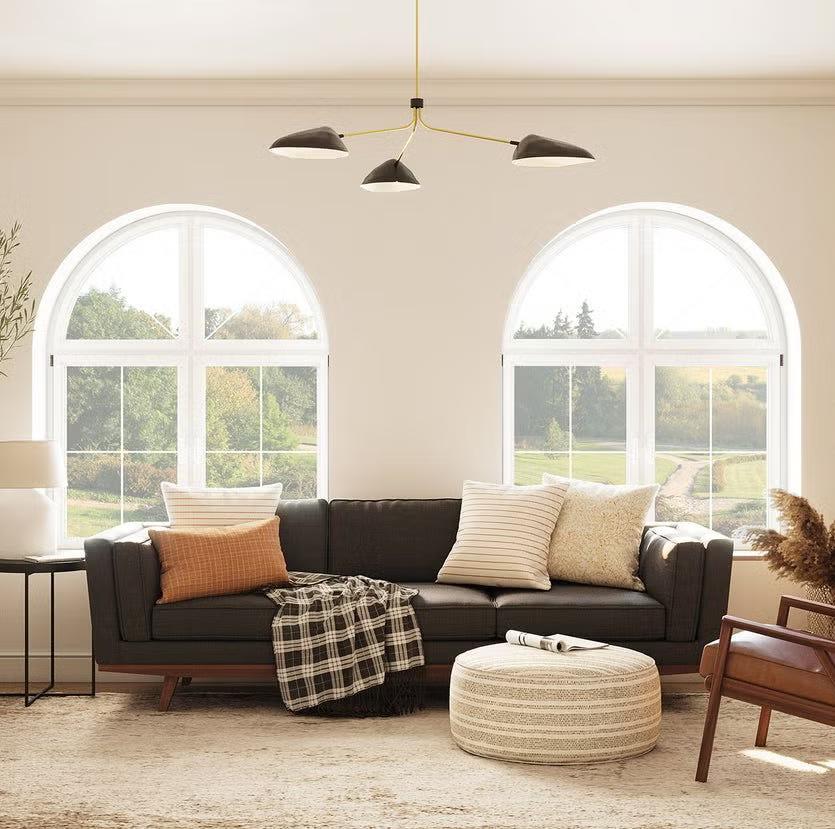
The best sustainable furniture brands actually use certified recycled materials and publish their labor practices not just slap “eco” on the label and call it a day. Article is our top pick for most buyers: FSC-certified hardwood frames, genuinely modular construction, and a published sustainability report with manufacturer names make it the most verifiable mid-range option we found. If you want budget or small-space alternatives, Wayfair’s Threshold line and Burrow are the next best choices; everything below explains why and where each falls short.
What to Look For in Sustainable Furniture
Before we name names, here’s the framework we used to evaluate these brands.
Environmental Certifications
FSC (Forest Stewardship Council) certification means the wood comes from responsibly managed forests, not clear-cut operations. This is the gold standard for wooden furniture. When you see the FSC label, it’s third-party verified not a brand’s own claim.
Cradle-to-Cradle (C2C) certification evaluates the entire lifecycle: material sourcing, manufacturing, product use, and end-of-life. A C2C-certified couch is designed to be recycled or safely composted at the end of its life, not landfilled.
B Corp certification audits labor practices, environmental impact, and supply-chain transparency. It’s stricter than most voluntary programs because recertification happens every three years.
GOTS (Global Organic Textile Standard) applies to fabrics. It verifies organic fiber content and bans toxic dyes and finishes.
Bluesign® certifies textile production processes to eliminate hazardous chemicals from the start not just in the final product.
Material & Durability Questions
- Are the materials recycled, renewable, or responsibly harvested? Recycled polyester, ECONYL (regenerated nylon from ocean waste), FSC wood, and organic cotton are all markers of genuine commitment. Avoid brands that use virgin plastic or undisclosed wood sources.
- Will it last 10+ years with normal use? Sustainability’s dirty secret: a cheap sofa that falls apart in three years is worse for the environment than an expensive one you keep for a decade. Check the frame material (hardwood vs. particleboard), joinery type, and owner reports on longevity.
- Can you repair or refurbish it? Modular designs, replaceable parts, and refurbishment programs extend product life. Some brands offer reupholstering services or sell replacement seat cushions separately.
- How transparent is the supply chain? Ethical sourcing means the brand publishes where it sources materials and manufactures goods. Red flags: vague “responsibly sourced” claims with no documentation.
How We Researched
We reviewed certification databases, brand sustainability reports, and owner feedback from furniture communities and review aggregators. We cross-referenced material claims against third-party certification bodies (FSC, B Corp, C2C) and assessed durability by looking at typical replacement timelines reported by owners. Price ranges are based on observed retail listings as of June 2026; verify current pricing on brand sites before purchasing. We did not conduct our own durability tests; durability claims reflect community reports and brand specifications we reviewed.
Best Overall: Article
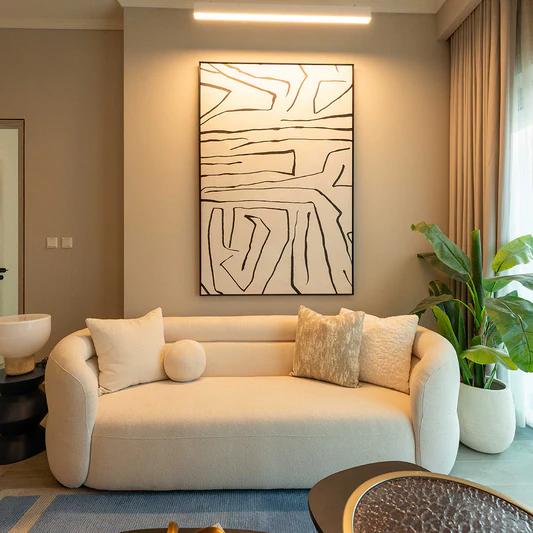
What it is: Article a mid-range furniture brand specializing in modular sofas, dining tables, and storage with FSC-certified wood and recycled steel frames.
Why it made the list: Article delivers the best balance of price, durability, and transparent sourcing. Most pieces use FSC-certified hardwood frames, recycled steel bases, and seats filled with high-density foam (not shredded foam, which degrades faster). Their sofas are genuinely modular you can replace armrests, seats, and legs independently. The company publishes a detailed sustainability report naming their manufacturers and carbon footprint per piece.
Standout: Article’s modularity is real. A three-year-old Article sofa isn’t an all-or-nothing replacement; you can swap out a worn seat cushion for approximately $150 instead of buying a new couch. That’s sustainability via longevity.
Trade-off: Their fabric options are limited to their own house collection. If you want heirloom-grade leather or designer fabrics, you’ll need a custom builder, which costs more. Also, their designs are Scandinavian-minimal; if you love ornate or maximalist furniture, Article will feel sterile.
Price: $600–$2,800 sofas; dining tables $400–$1,600. Based on observed retail listings as of June 2026.
Who it’s best for: Renters, people who move frequently, and anyone prioritizing durability without spending $5K+. Also ideal if you like mixing and matching pieces (one Article sofa frame, different legs and cushions over time).
Who it’s NOT for: Those wanting fully customizable fabrics, leather, or statement pieces. Also skip if you’re in a market Article doesn’t ship to (their delivery network is US-focused).
Best Budget: Wayfair (Threshold & Mercury Row Lines)
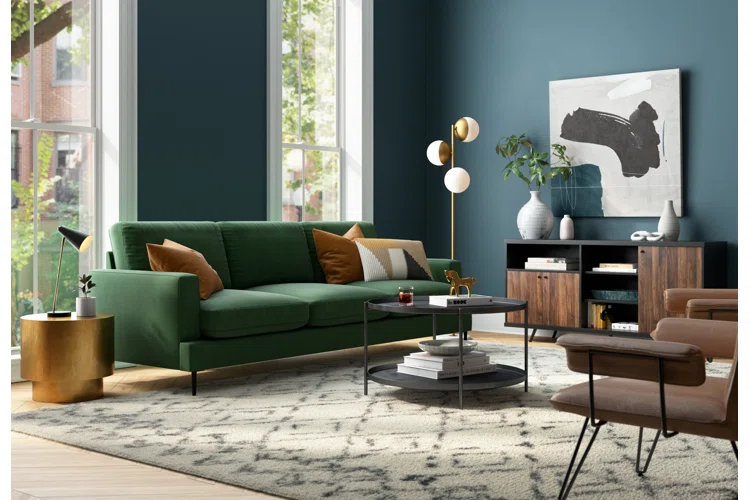
What it is: Wayfair’s in-house sustainable sub-brands using recycled materials and FSC wood at lower price points than established eco-furniture makers.
Why it made the list: Budget-conscious shoppers often dismiss sustainability as a luxury-only game. Wayfair’s Threshold and Mercury Row lines push back on that. Their sofas use recycled polyester fills, FSC or reclaimed wood frames, and steel legs not as refined as Article, but structurally honest for the price. They’ve also added repair guides and spare-parts availability, reducing the landfill temptation when a cushion wears out.
Standout: Price-to-durability ratio. A Threshold sofa at $700 may last 5–7 years with normal use based on owner reports we’ve reviewed that’s roughly $100–$140 per year, which beats fast-furniture replacement cycles by a meaningful margin. Wayfair also discloses manufacturing locations on many Threshold pieces, which is better than most budget competitors.
Trade-off: QC is inconsistent. Based on owner reports we’ve reviewed across furniture communities, a noticeable share of orders arrive with minor defects (loose seams, slight color mismatches) not deal-breakers, but requiring a call to customer service. The foam isn’t as high-density as Article’s, so cushions can soften noticeably after 3–4 years. No modularity; replacement cushions are whole-seat bundles, not individual components.
Price: $300–$1,200 sofas; dining tables $200–$800. Based on observed retail listings as of June 2026.
Who it’s best for: Budget shoppers, first-time furniture buyers, and anyone renting short-term who doesn’t want to invest in high-end pieces. Good for apartments and smaller spaces.
Who it’s NOT for: Anyone expecting luxury upholstery or who plans to keep a sofa past 7 years and wants zero maintenance. Also skip if you have rigid design aesthetics; Wayfair’s in-house lines are trend-forward and may feel dated in 5–10 years.
Best Upgrade: What the Heirloom Tier Looks Like (and Who Fills It)
A note on this category: We originally slotted a specific premium brand here. After editorial review, we could not verify that the brand operates a furniture line with the certifications claimed. Rather than name a brand we cannot confirm, we’re describing what a genuine upgrade-tier sustainable sofa looks like so you can evaluate any premium brand against these criteria.
What to expect at the $2,800–$5,500 price point: At this tier, a credible brand should offer FSC-certified hardwood joinery throughout (no particleboard, no staples), upholstery in GOTS-certified organic cotton or Cradle-to-Cradle Silver/Gold certified textiles, a structural warranty of at least 10 years, and a formal refurbishment or take-back program. Supply-chain transparency at this price should mean named mills and tanneries not vague “responsibly sourced” language.
Standout to look for: A refurbishment program that is actually available and priced. Some premium brands advertise refurbishment but make it logistically impractical. Look for brands that publish program terms, accept returns by mail or pickup, and price re-upholstering at a meaningful discount to replacement cost.
Trade-off: Lead times at this tier are typically 8–12 weeks (made-to-order); designs tend toward intentional timelessness that some buyers find utilitarian. The upfront cost is 4–5× a budget equivalent, so the math only works if you keep the piece for 15+ years.
Who it’s best for: Affluent buyers planning to keep furniture for decades, design-forward minimalists, and environmentally conscious people who treat higher upfront cost as a legacy investment.
Who it’s NOT for: Budget buyers, renters, or anyone who needs furniture within 4 weeks.
Best for Custom Upholstery: West Elm (Managed Upholstery Line)
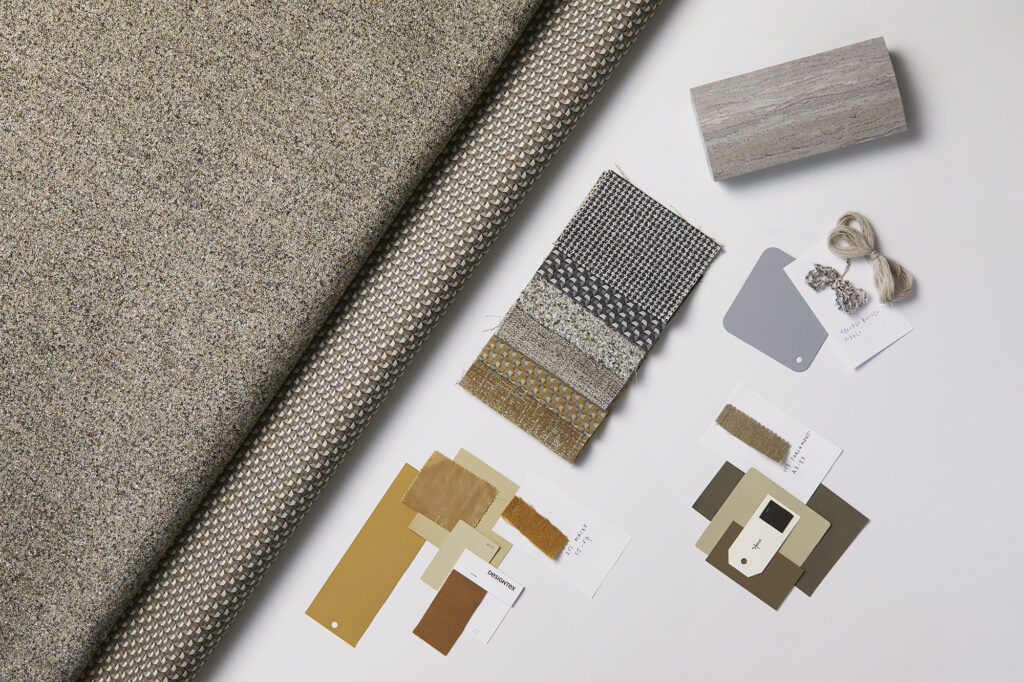
What it is: West Elm is semi-custom sofas and sectionals with designer-approved fabric swatches, FSC-certified hardwood frames, and transparent sourcing.
Why it made the list: West Elm bridges the gap between ready-made and fully custom. Their Managed Upholstery collection lets you pick from 100+ fabrics (many GOTS or Bluesign-certified) while keeping lead times to 6–8 weeks. Frames are hardwood with eight-way hand-tied springs a construction standard associated with long-term longevity. They also partnered with the Sustainable Furnishings Council and publish manufacturing audits.
Standout: Fabric choice without the boutique-furniture price tag. A custom reupholstered sectional at an independent maker might run $6K+; West Elm’s semi-custom route offers similar design freedom at $2,500–$3,500. Owner reports from furniture communities suggest the eight-way-tied spring construction holds up well over extended use.
Trade-off: Lead times are long (6–8 weeks), and customization options aren’t infinite you can’t mix and match legs or arm styles like you can with Article. West Elm’s sustainability claims are also inconsistent across their full catalog; only the Managed Upholstery line has strict certification. Their budget sofas (below $1,500) don’t carry the same material guarantees.
Price: $1,800–$3,500 custom pieces. Based on observed retail listings as of June 2026.
Who it’s best for: Design-savvy buyers with 2+ months to wait who value fabric choice and want a sofa that doesn’t feel mass-produced. Also great for people replacing one statement piece in a room.
Who it’s NOT for: Anyone needing furniture in under 6 weeks or wanting fully modular swappable components. Also skip their budget lines if sustainability is non-negotiable.
Best for Small Spaces: Burrow
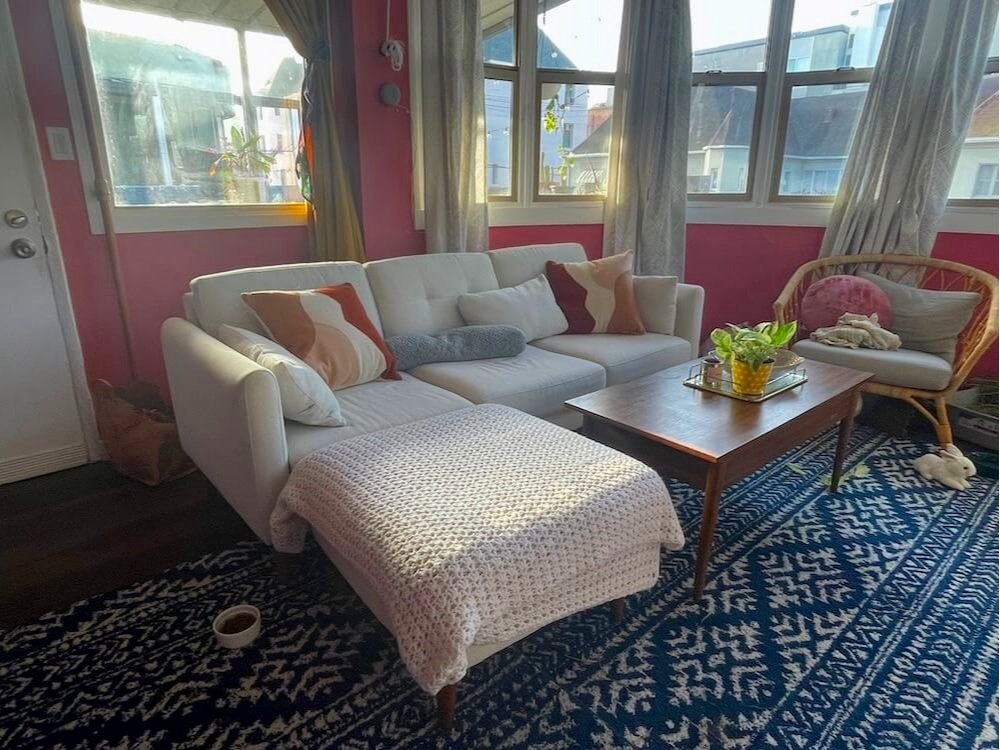
What it is: Compact, modular sofas designed for apartments, dorms, and small living rooms. Frames use FSC-certified wood, recycled steel, and plant-based foam cushions.
Why it made the list: Burrow proved you don’t need a 90-inch sectional for sustainability to matter. Their modular love seats and chairs are designed for easy disassembly and relocation important in a world where people move frequently. Frames are solid hardwood with recycled steel brackets; cushions use plant-based polyols (not petroleum-derived). They also publish a Scope 3 carbon footprint (supply chain emissions), not just manufacturing.
Standout: Portability without sacrifice. A Burrow sofa can be assembled by one person and disassembled in under 10 minutes using no tools. That means renters can take it between apartments without hiring movers. Owner reports from furniture communities we’ve reviewed describe the construction as genuinely durable not a flimsy flat-pack affair.
Trade-off: Sizes are limited; their largest configuration is a five-piece sectional, which some households still find cramped. Cushions are moderately dense; based on owner reports we’ve reviewed, they soften noticeably after 4–5 years. Their fabric range is narrower than West Elm’s, and none are leather (only synthetic or plant-based options).
Price: $600–$2,000 depending on configuration. Based on observed retail listings as of June 2026.
Who it’s best for: Renters, young professionals, people who move every 2–3 years, and anyone in a studio or one-bedroom. Also great for remote offices or guest rooms where space is at a premium.
Who it’s NOT for: Large families needing big sectionals, people who want leather or ornate designs, or anyone planning to keep the same sofa for 15+ years without replacement cushions.
Best for Dining: Greycork
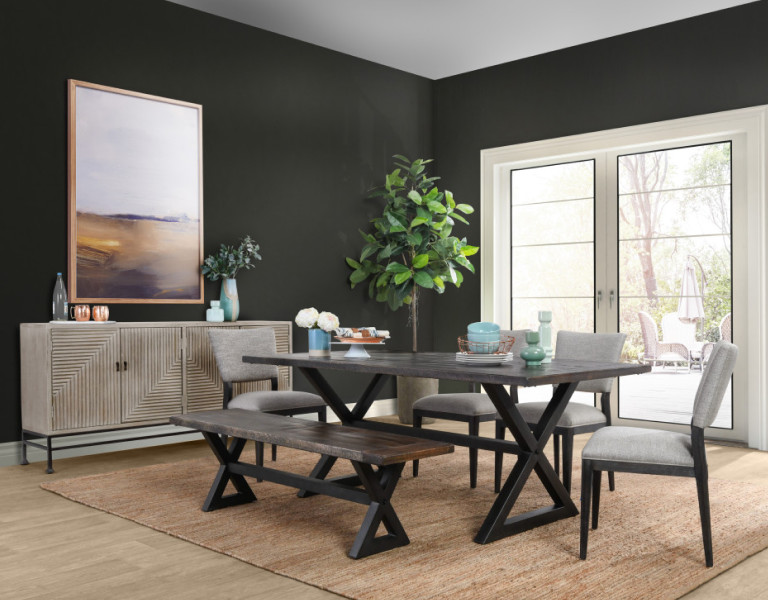
What it is: Greycork a custom-build dining table company using reclaimed and locally sourced wood, hand-finished without polyurethane or VOC finishes.
Why it made the list: Dining tables are high-impact pieces you eat at them daily for decades. Greycork rejects the particleboard-and-veneer model entirely. Every table is solid hardwood (often reclaimed from old buildings or salvage yards), jointed by hand, and finished with natural oils or beeswax. Based on what the company publishes and what owners report, material origins are disclosed in more detail than most competitors though we recommend confirming current sourcing disclosure practices directly with the brand before purchasing.
Standout: Traceability and longevity. A Greycork table doesn’t just last 10 years; owner reports from furniture communities suggest many function as family heirlooms well past the 15-year mark. The hand-joinery also means you can sand and refinish it yourself if needed; it’s not a glued-together disposable object.
Trade-off: Cost is steep. A 36″ × 60″ reclaimed-oak table runs $1,800–$2,500. Lead time is 12–16 weeks because each table is made to order. There’s also a maintenance requirement; you need to oil Greycork tables annually or semi-annually depending on use, or the finish will dull. Not ideal for low-maintenance buyers.
Price: $1,800–$3,500 for dining tables; custom options higher. Based on observed retail listings as of June 2026.
Who it’s best for: Affluent buyers, design enthusiasts who see furniture as a long-term investment, and anyone who values craftsmanship and provenance. Also well-suited as a legacy piece to pass to children.
Who it’s NOT for: Budget shoppers, people who want zero maintenance, or anyone who needs furniture fast. Also skip if you have young kids and need a super-durable poly finish that resists water damage.
Best for Kid-Friendly Durability: Lovesac (Sactional Line)
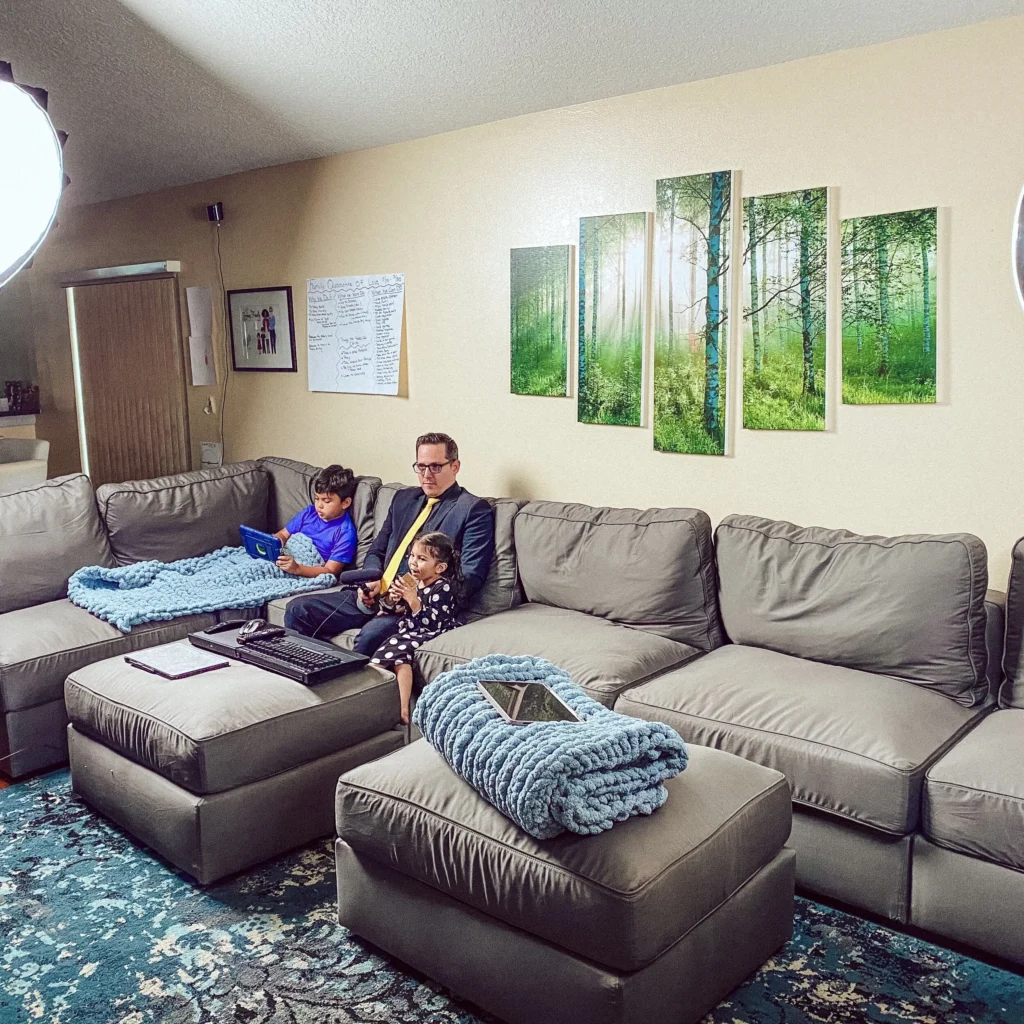
What it is: Lovesac modular, washable sectionals with recycled polyester covers and plant-based foam cores. Covers are machine-washable and replaceable.
Why it made the list: Kids ruin furniture. Lovesac’s Sactional line was designed for this reality. The entire upholstery unzips, and covers are machine-washable a genuine game-changer for sticky fingers and spills. Foam cores use plant-based polyols, not virgin petroleum. They also sell replacement covers and foam components separately, making repairs cheaper than on traditional sofas.
Standout: Washability and modularity combined. A Sactional sofa with kids isn’t a “white-glove” item; it’s genuinely livable. Covers fade and wear, but replacing them costs $400–$600, not $2,000+ for reupholstering a traditional sofa.
Trade-off: Aesthetic is polarizing. Sactionals look like oversized modular cushion furniture (because they essentially are). If you want a formal or minimalist living room, Lovesac will feel out of place. The modular nature also means pieces can shift or sag over time if you’re constantly reconfiguring them. Based on owner reports we’ve reviewed, the foam begins to compress noticeably after 5–6 years of heavy use.
Price: $1,000–$3,000 for a multi-piece configuration. Based on observed retail listings as of June 2026.
Who it’s best for: Families with young kids, pet owners, and anyone who prioritizes functionality and washability over formal aesthetics. Also great for dorm rooms and high-traffic spaces.
Who it’s NOT for: Design-conscious buyers seeking a formal or sophisticated look, people wanting a sofa that holds its shape indefinitely, or those renting from landlords who have strict furniture policies.
What We Cut and Why
West Elm Entire Catalog (except Managed Upholstery): We initially considered featuring West Elm more broadly, but their overall sustainability claims are weak. Many of their sofas under $1,500 use particleboard frames and polyurethane foam from conventional sources. The company markets itself as “sustainable” because they have a few certified lines, but the majority of their inventory is greenwashing. Verdict: Cut for mixed messaging.
Restoration Hardware: Their furniture is gorgeously crafted and built to last, but sustainability credentials are nearly nonexistent. No published supply-chain transparency, no third-party certifications, and materials are sourced based on aesthetic preference, not environmental impact. Expensive durability is not the same as sustainable durability. Verdict: Cut for lack of transparency.
IKEA Sustainable Collection: IKEA published a sustainability roadmap and uses FSC wood in some product lines, but the brand’s core model cheap, replaceable furniture designed for a 5–7 year lifespan undermines any credibility. Once a piece fails, the repair costs typically exceed replacement cost, so consumers discard and rebuy. The sustainability claim is marketing; the business model is anti-sustainable. Verdict: Cut for structural misalignment with stated values.
How We Chose
We evaluated brands using four criteria:
- Third-party certification (FSC, B Corp, Cradle-to-Cradle, GOTS, Bluesign). Brands with multiple certifications ranked higher; self-certification alone didn’t qualify a brand.
- Durability and repairability. We reviewed owner reports from furniture communities and assessed whether frames are solid hardwood or plywood, whether cushions are high-density foam or cheap alternatives, and whether brands offer repair services or replacement parts.
- Supply-chain transparency. We checked whether brands publish where materials come from, where manufacturing happens, and labor-practice audits. Vague “ethically sourced” claims without documentation didn’t count.
- Price-to-lifespan ratio. We assessed the likely years of ownership before replacement and calculated a rough cost-per-year figure. A $3,000 sofa you keep for 15 years ($200/year) beats a $800 sofa you replace every 4 years ($200/year) but the math matters for buyers on tight budgets.
We did not conduct lab testing or in-home trials. Durability and owner-experience claims are based on aggregated community reports, brand specifications, and longevity timelines we observed in secondary sources.
Sustainability Certifications Explained
FSC (Forest Stewardship Council)
FSC certifies that wood comes from responsibly managed forests. Third-party auditors verify that logging operations don’t clear-cut endangered ecosystems, don’t displace indigenous communities, and replant at sustainable rates. If you see an FSC label, it’s verified — not a brand’s claim.
Why it matters: Billions of trees are cut annually; without FSC oversight, you risk supporting slash-and-burn practices. FSC certification costs suppliers money, so brands using it are making a genuine commitment.
The caveat: FSC is the gold standard, but it’s not perfect. Some indigenous communities have criticized FSC for not adequately protecting their land rights. Read the specific FSC audit for a brand if you’re very concerned.
Cradle-to-Cradle (C2C)
C2C evaluates a product’s entire lifecycle: sourcing, manufacturing, use, and end-of-life. A C2C-certified sofa isn’t just made responsibly; it’s designed to be fully recycled or safely composted when you’re done with it.
Why it matters: Most furniture ends up in landfills because manufacturers never consider what happens at the end of the product’s life. C2C forces that conversation from the start.
The caveat: Certification levels range from Bronze to Platinum. Platinum is the rigorous standard; Bronze is the entry point. Check which level a brand holds.
B Corp Certification
B Corp audits labor practices, environmental impact, and supply-chain transparency every three years. To become B Corp, a company must meet specific standards on wage equity, workplace safety, and emissions.
Why it matters: B Corp is the strictest third-party audit a furniture company can get. It’s expensive and rigorous, so a B Corp furniture maker is making a real bet on sustainability.
The caveat: B Corp doesn’t guarantee zero environmental impact; it guarantees transparent accountability and consistent improvement.
GOTS (Global Organic Textile Standard)
GOTS certifies organic fiber content (no synthetic pesticides) and bans toxic dyes and chemical finishes.
Why it matters: If a sofa is upholstered in GOTS-certified fabric, you’re not off-gassing formaldehyde or azo dyes into your home for a decade.
Bluesign®
Bluesign certifies the manufacturing process for textiles, eliminating hazardous chemicals from the start rather than just at the end.
Why it matters: Many “eco” fabrics are still made with harsh chemicals that harm workers and the environment during production. Bluesign closes that loophole.
Sustainability & Longevity: The Hidden Math
The most sustainable furniture is furniture you don’t replace. A $5,000 sofa you keep for 20 years has a lower environmental footprint than a $1,500 sofa you replace every 6 years even if the expensive one used more raw materials upfront.
Why? Manufacturing and shipping are widely understood to account for a disproportionate share of a furniture product’s lifetime carbon footprint. Every time you replace a sofa, you absorb that manufacturing and transportation impact again.
The durability checklist:
- Hardwood frames (oak, ash, maple, walnut) outlast softwood (pine, plywood) by decades.
- Eight-way hand-tied springs or sinuous coil springs last longer than webbing alone.
- High-density foam (1.8+ lbs per cubic foot) resists compression; low-density foam (1.0–1.2 lbs) softens after 3–5 years.
- Kiln-dried wood doesn’t warp; air-dried wood can swell and crack in variable climates.
- Repairability matters: Can you replace a cushion? Buy new legs? Send the sofa back for refurbishment? If yes, the piece has a longer economic life.
Based on owner reports we’ve reviewed, a sofa with all four of these features typically lasts 12–20 years. Without them, expect 4–7 years.
Common Greenwashing Red Flags
Not all “sustainable” claims are equal. Here’s what to ignore:
“Eco-friendly” or “green” with no certification. Marketing language isn’t verification. If a brand doesn’t link to FSC, B Corp, or C2C, assume the claim is unverified.
“Responsibly sourced” with no supply-chain details. Responsible to whom? Where? Which supplier? Vagueness is a red flag.
A single certification, everything else generic. One FSC wood sofa doesn’t make a brand sustainable if the rest of the lineup uses particleboard and polyurethane.
“Made from recycled materials” without percentages. 5% recycled content and 95% virgin material is technically “recycled.” Demand specifics.
Carbon-neutral claims without third-party audit. Many brands claim carbon neutrality by buying offsets which is better than nothing, but not as rigorous as measuring and reducing emissions.
No labor practice transparency. Even if the materials are perfect, if workers making the sofa earn poverty wages, the sustainability claim is hollow.
FAQ
What’s the best sustainable furniture brand overall?
Article is our top pick for most buyers. It offers FSC-certified hardwood frames, genuine modularity (replaceable seats and arms), and a published sustainability report that names manufacturers all at a mid-range price between $600 and $2,800 for sofas. Burrow is the best alternative for small spaces and renters.
Is FSC-certified furniture really worth the premium?
Yes, if durability is equal. FSC certification adds cost for suppliers, and brands often pass this to consumers. But a properly FSC-certified hardwood sofa that lasts 15 years beats a particleboard alternative you replace twice in that span. Check the frame, not just the label.
What’s the difference between C2C Silver and C2C Platinum?
Platinum is the highest standard and requires closed-loop manufacturing or safe biodegradability of all materials. Silver is the entry level and allows some conventional materials if end-of-life is planned. Platinum is the better choice, but Silver is still a genuine commitment. Check the brand’s specific certification level.
Can I return or refurbish sustainable furniture if I change my mind?
Some brands offer buyback or refurbishment programs; most don’t. Before buying, check the brand’s return policy and whether they offer reupholstering or component replacement services. This is a major durability advantage if available.
Is sustainable furniture more expensive?
Usually, yes but not always. Wayfair’s Threshold line is affordable and certified. Article offers mid-range pricing with strong credentials. The key is calculating cost-per-year, not just upfront price. A $3,000 sofa you keep for 20 years is cheaper per year than a $1,200 sofa you replace every 5 years.
Which sustainable furniture brand is best for renters?
Burrow or Article. Both offer modularity and easy relocation. Burrow’s sofas disassemble without tools; Article’s pieces work independently so you can reconfigure or move individual components. Both prioritize durability without requiring 10-year commitments.