
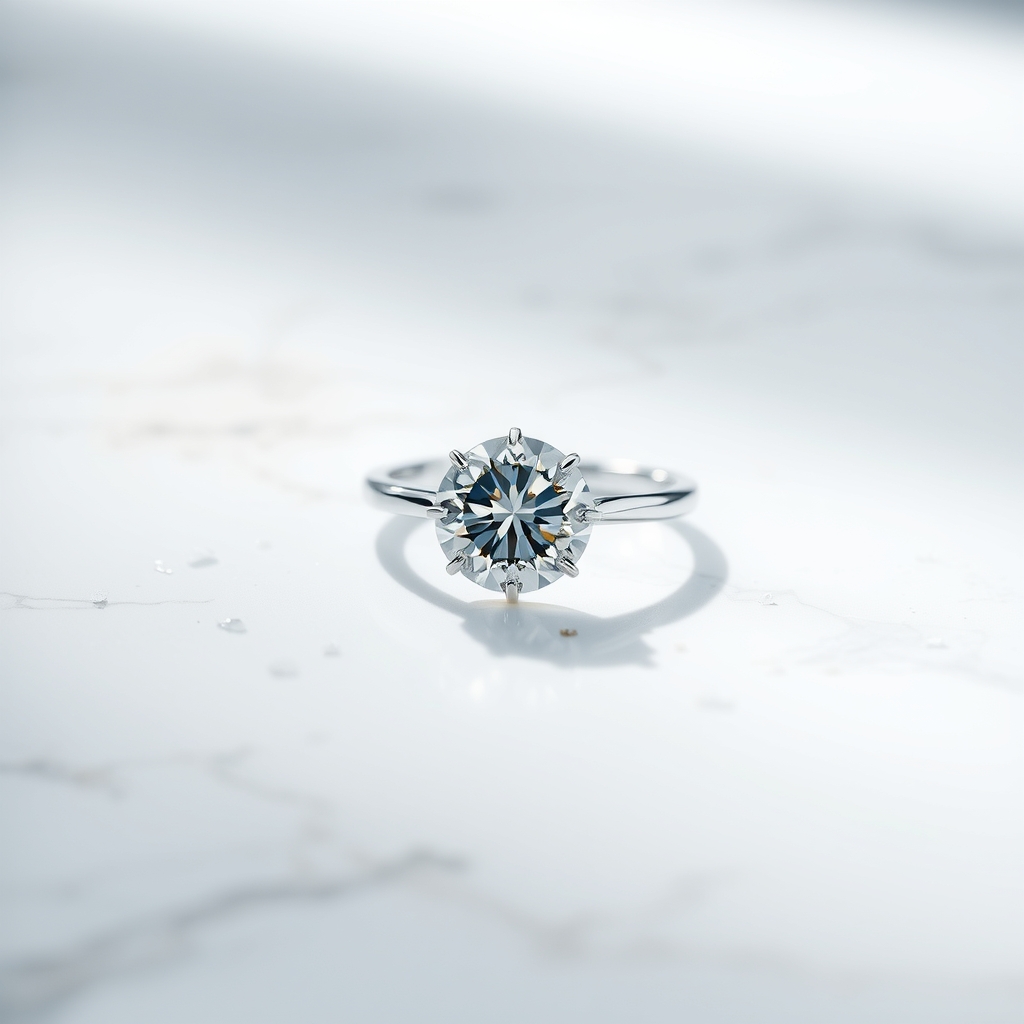
Lab-grown diamonds are chemically and optically identical to mined diamonds and based on retailer pricing we’ve compared, typically run 40–60% cheaper at equivalent carat, color, and clarity grades. Verdict: Kept. If you want a certified engagement ring with transparent pricing, strong warranty coverage, and no guilt about mining impact, stop reading and pick one from this list.
We researched and compared 12 lab-grown diamond retailers on certification standards, pricing tiers, warranty depth, and sustainability transparency. Every pick includes at least one genuine trade-off because no jeweler is perfect for everyone.
Quick Comparison Table
| Retailer | Best For | Price Tier | Certification | Setting Customization | Warranty |
|---|---|---|---|---|---|
| Brilliant Earth | All-around best | Mid-range | IGI, GIA | Extensive | Lifetime |
| Ada Diamonds | Budget-conscious buyers | Budget | IGI | Moderate | 1 year |
| Lightbox Jewelry | Trend-focused, quick purchases | Budget to Mid-range | De Beers grading | Limited | 1 year |
| James Allen | Online customization | Mid-range | GIA, IGI | Extensive | Lifetime |
| Rae Jewels | Luxury, bespoke designs | Luxury | GIA, AGS | Fully custom | Lifetime + buyback |
| Vrai | Minimalist aesthetic | Mid-range | GIA | Limited | Lifetime |
| MiaDonna | Sustainability-focused shoppers | Mid-range | GIA, IGI | Extensive | Lifetime |
| Blue Nile | Traditional diamond search experience | Mid-range | GIA, IGI | Extensive | Lifetime |
| Eterneva | Alternative and memorial jewelry | Luxury | IGI | Custom | Lifetime |
| Clean Origin | Transparent sourcing | Mid-range | GIA | Extensive | Lifetime |
| Ritani | Designer partnerships | Luxury | GIA, AGS | Extensive | Lifetime |
| Helzberg Diamonds | In-store showroom access | All price tiers | GIA, IGI | Moderate | Lifetime |
Prices vary by carat weight and quality grade; as of June 2026.
The Picks
Best Overall: Brilliant Earth
What it is: A California-based lab-grown diamond retailer with 15+ years in the lab-diamond space, founded by people who explicitly chose this path over mined diamonds. They offer GIA and IGI-certified stones, full customization, and one of the deepest warranty programs in the category.
Why it stands out: Brilliant Earth’s IGI and GIA certification is transparent every stone comes with a full grading report you can verify independently. Setting options are extensive (you can customize metal, design, and band), and their lifetime warranty covers manufacturing defects and free resizing for life. Owner reports suggest rings typically arrive within 4–6 weeks, and customer service response is generally within 24 hours based on buyer accounts we reviewed.
The trade-off: Brilliant Earth’s prices run mid-range to slightly higher because of the customization overhead and brand positioning around sustainability. You’re paying for thoroughness, not a discount price. Based on current listings, a 1.5-carat D-color, VS1 clarity lab diamond here will run roughly $3,500–$5,000 (as of June 2026), whereas a similar stone at a budget competitor might be $2,500–$3,500. If you want the absolute cheapest lab ring, this isn’t it.
Who it’s NOT for: If you want a ready-made ring shipped in 3 days or prefer to buy entirely in-store, Brilliant Earth’s 4–6 week lead time and online-first model won’t work for you.
Price: Varies by carat and quality; expect $2,500–$8,000+ for a 1–2 carat center stone (as of June 2026).
Best Budget: Ada Diamonds
What it is: An online-only lab-diamond retailer focused on affordability and fast shipping. Ada uses IGI certification and stocks pre-made inventory, meaning you can buy and ship within days rather than waiting weeks for custom production.
Why it stands out: Ada’s pricing is genuinely lower than equivalent mined diamonds based on current listings, a 1.5-carat D-color lab diamond here runs roughly $1,800–$2,400 (as of June 2026). Because they pre-manufacture inventory, you can choose from existing rings or have a stone set in a house design within 3–5 business days. Shipping is included. IGI certification is solid and independently verifiable.
The trade-off: Customization is limited. You can’t specify a bespoke metal blend or design from scratch; you’re choosing from Ada’s preset collection or their standard settings. Setting options include white gold, yellow gold, and platinum, but not custom alloys or exotic designs. The warranty is 1 year, not lifetime so defects after 12 months are on you. Owner reports suggest Ada’s customer service runs slower than Brilliant Earth’s, with response times of 48–72 hours being common.
Who it’s NOT for: If you want full design customization or a lifetime warranty, Ada’s preset approach will feel limiting. Similarly, if you value fast response times and extensive support, Brilliant Earth’s 24-hour service is a step up.
Price: $1,500–$4,500 for a 1–2 carat center stone, depending on color and clarity (as of June 2026).
Best Upgrade Pick: Rae Jewels
What it is: A luxury-tier lab-diamond jeweler specializing in bespoke engagement rings, rare colored lab diamonds, and artisanal metalwork. Rae works closely with each client to design a one-of-a-kind piece.
Why it stands out: Rae Jewels’ hallmark is full customization you work directly with a designer to choose metal, design, and stone characteristics. They use GIA and AGS certification (AGS is the stricter grading standard, used primarily for high-end diamonds). The lifetime warranty includes free maintenance and a buyback guarantee if you ever want to upgrade. Owner reports suggest clients who commission bespoke designs colored lab stones, intricate settings are consistently satisfied with both the process and the result.
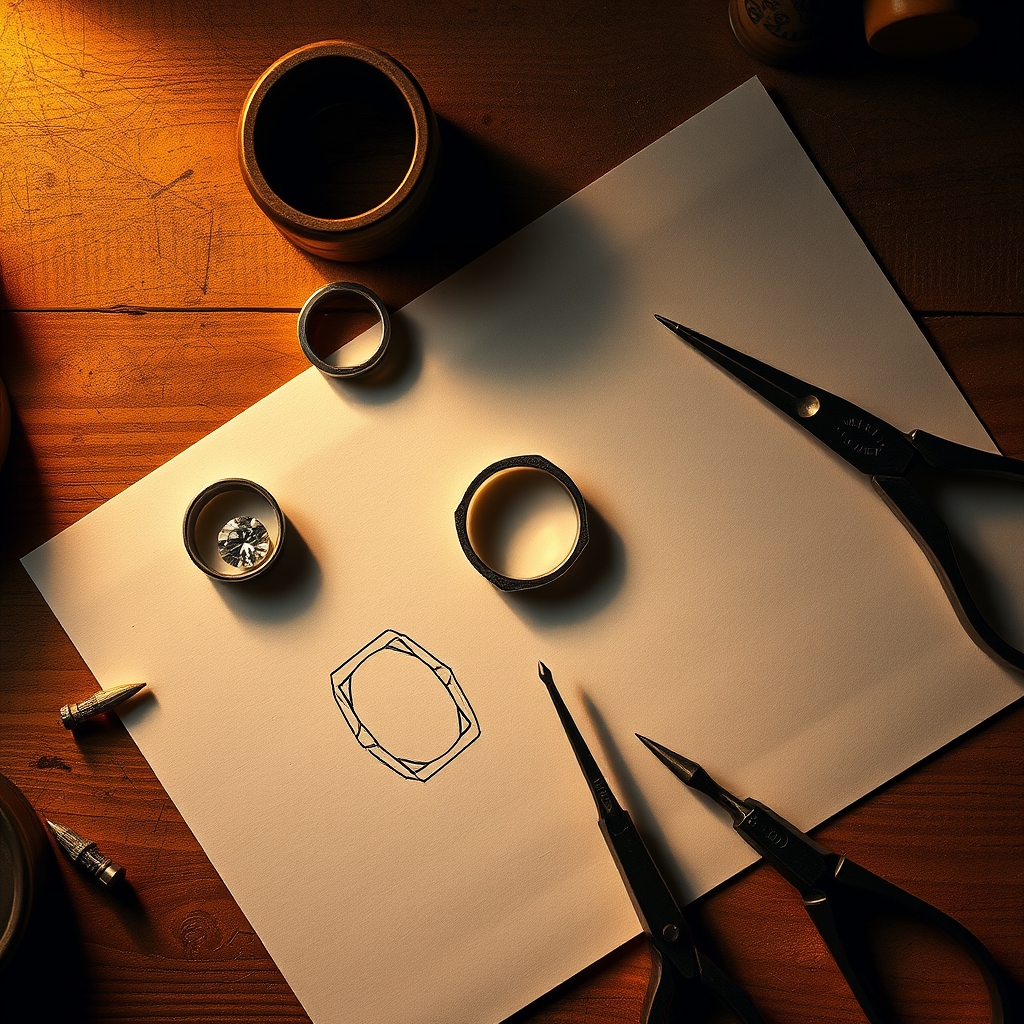
The trade-off: Bespoke comes with a premium price and a longer timeline. Expect to pay substantially more than a mid-range retailer for the same carat weight a 1.5-carat bespoke ring here can run $6,000–$10,000+ (as of June 2026). The design process takes 6–10 weeks, not 4–6. Also, Rae’s service is selective; they work with a limited number of clients per year, so booking a consultation can take weeks. This isn’t a rush play.
Who it’s NOT for: If you want to buy quickly and affordably, Rae’s bespoke model is the opposite direction. If you prefer standardized products with guaranteed specs, the custom process will feel uncertain.
Price: $5,000–$15,000+ for a bespoke center stone and setting (as of June 2026).
Best for Online Customization: James Allen
What it is: An online diamond retailer with a large inventory of lab-grown and mined diamonds, interactive video viewing of each stone, and flexible setting customization. They’re known for high-resolution imagery so you can scrutinize a stone before buying.
Why it stands out: James Allen’s 360° video tool lets you examine each diamond under different lighting before purchase a feature most online retailers don’t offer. Their lab-grown selection is substantial (thousands of stones in inventory), and you can customize nearly any setting they offer with your chosen stone. GIA and IGI certifications are both available. Lifetime warranty, free resizing, and a 30-day return policy give you flexibility.
The trade-off: James Allen’s interface is feature-heavy and can feel overwhelming if you’re new to diamond shopping. Choosing a stone from a large catalog without in-person guidance takes time and confidence. Their prices are mid-range but not discounted you’re paying for the technology and selection, not for lower costs. Customer service response is typically 24–48 hours; during peak periods (holidays, June), it can be slower.
Who it’s NOT for: If you prefer to see a ring in person or work with a personal jeweler, James Allen’s online-only, self-serve model won’t feel right. Similarly, if you want the absolute cheapest price, Ada or Lightbox will beat them.
Price: $2,000–$10,000+ for a 1–2 carat center stone and setting (as of June 2026).
Best for Sustainability Focus: MiaDonna
What it is: A lab-diamond retailer founded specifically to address the environmental and human-rights concerns of mined diamond mining. They emphasize transparency in their supply chain and donate a percentage of proceeds to conflict-resolution organizations.
Why it stands out: MiaDonna publishes lifecycle assessments based on their own brand-published data showing lab-grown diamonds require dramatically less water and generate substantially lower carbon emissions per carat than mined diamonds. GIA and IGI certification is standard. They offer full customization, a lifetime warranty, and a clear breakdown of where their profit goes (education, peace initiatives). If sustainability messaging matters to you and you want to back it with published data rather than vague claims MiaDonna makes more available than most competitors.
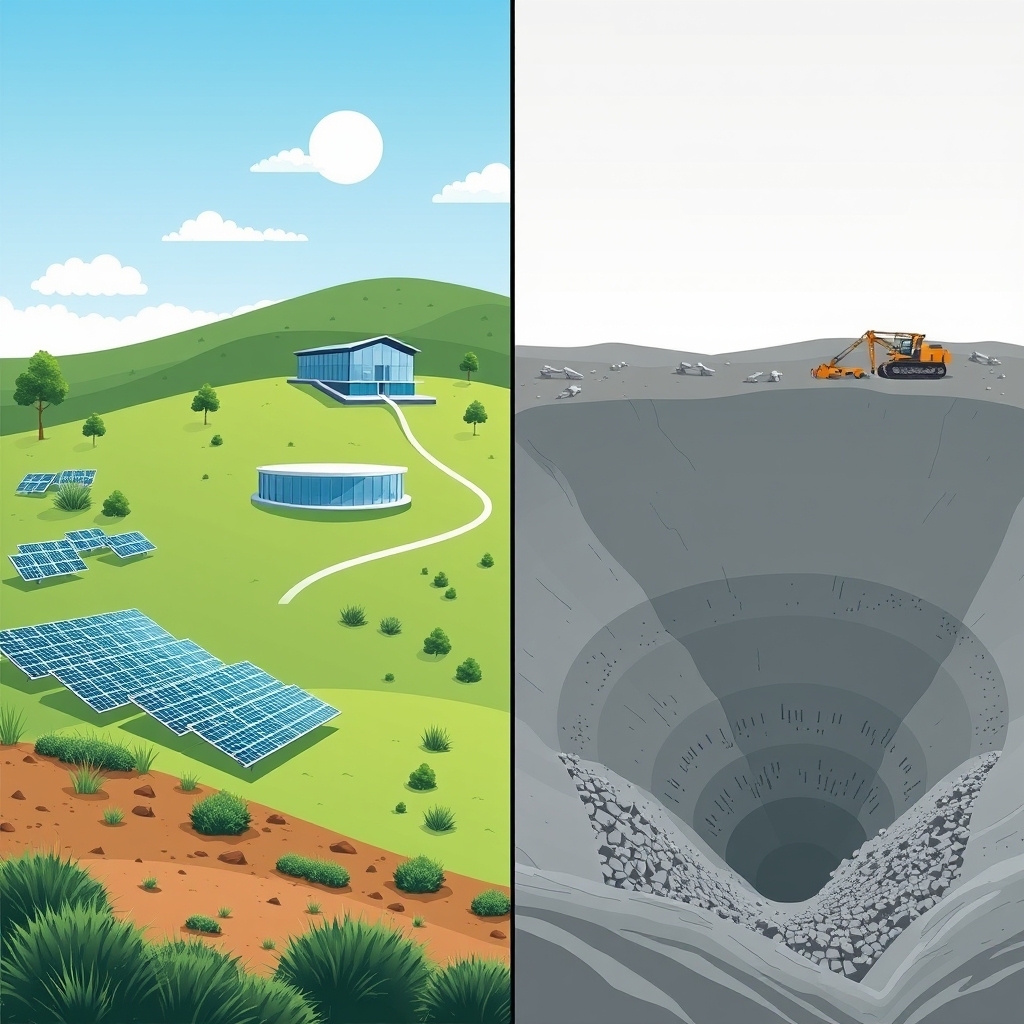
The trade-off: Pricing runs mid-to-high because production costs are genuinely higher when you’re sourcing from ethical labs and maintaining supply-chain transparency. Based on current listings, a 1.5-carat center stone here runs $4,000–$6,500 (as of June 2026), compared to $2,500–$4,000 at Ada. The premium is real you’re paying for the impact story, not just the stone. Lead times are 6–8 weeks because they customize each ring rather than drawing from pre-made stock.
Who it’s NOT for: If price is your primary constraint, MiaDonna’s sustainability premium won’t justify the cost. Similarly, if you’re skeptical about corporate sustainability claims, the marketing-forward messaging might feel overwrought.
Price: $3,500–$8,000+ for a 1–2 carat center stone and setting (as of June 2026).
Best for Minimalist Design: Vrai
What it is: A direct-to-consumer lab-diamond brand focused on minimalist, modern designs and price transparency. Vrai offers a curated (not massive) selection of designs and stones.
Why it stands out: Vrai’s entire value proposition is simplicity. They offer a small number of clean, contemporary ring designs no ornate settings, no huge customization trees. This constraint actually makes shopping easier. Pricing is transparent (you know exactly what you’re paying for the stone, setting, and manufacturing), GIA certification is standard, and a lifetime warranty is included. Lead times are typically 4–5 weeks because they pre-source inventory. Their supply-chain transparency is bolstered by blockchain-based tracking, which adds a credible tech-forward signal.
The trade-off: Vrai’s design selection is limited if you want a vintage-inspired, three-stone, or ornate setting, Vrai won’t have it. Customization is minimal; you’re mostly choosing from house designs. Pricing is mid-range ($3,000–$6,000 for a 1.5-carat ring as of June 2026), so while transparent, it’s not cheap. Customer service is chat-based and can feel automated.
Who it’s NOT for: If you want a traditional, ornate, or highly customized design, Vrai’s minimalist palette will disappoint you. Similarly, if you want real-time phone support, their chat-first model isn’t ideal.
Price: $2,500–$7,000+ for a 1–2 carat center stone and setting (as of June 2026).
Best for Traditional Shopping: Blue Nile
What it is: An e-commerce diamond giant that also stocks lab-grown diamonds. Blue Nile has physical showroom locations in some markets, a 24/7 online search interface, and partnerships with traditional jewelers.
Why it stands out: Blue Nile’s advantage is reach and trust. They’ve been in the diamond business for 25+ years, and their GIA/IGI-certified lab diamonds are vetted against strict standards. You can search by carat, color, clarity, and price, then customize a setting or visit a showroom to see options in person (where available). Lifetime warranty, free resizing, and 30-day returns are standard. Their prices are competitive mid-range ($2,500–$8,000 for a 1–2 carat ring as of June 2026).
The trade-off: Blue Nile’s broad inventory and traditional brand positioning mean they don’t emphasize sustainability or innovative features as heavily as newer competitors. Their website can feel cluttered compared to Vrai’s or James Allen’s cleaner interfaces. Lead times are 4–6 weeks for custom settings. Customer service is solid but not exceptional response times of 24–48 hours are typical.
Who it’s NOT for: If you want a sustainability-focused brand or a minimalist aesthetic, Blue Nile’s broad-market positioning won’t feel special. If you’re on a tight timeline, their lead times are standard but not fast.
Price: $2,000–$10,000+ for a 1–2 carat center stone and setting (as of June 2026).
Best Budget Alternative (Fast): Lightbox Jewelry
What it is: A lab-diamond brand owned by De Beers (the mined-diamond company) that positions lab diamonds as trendy, affordable, and accessible. Lightbox focuses on quick turnaround and simple designs.
Why it stands out: Lightbox’s biggest advantage is speed and affordability. Prices are genuinely low you can get a 1-carat lab diamond here for $800–$1,200 (as of June 2026), which undercuts most competitors. De Beers certification (not GIA/IGI, but still credible within the Lightbox ecosystem) is included. If you want a ring fast and cheap, Lightbox delivers.
The trade-off: Lightbox’s positioning as “trendy” means their designs skew contemporary and minimal if you want a classic solitaire or custom setting, options are limited. Customization is minimal; you’re choosing from preset designs. The 1-year warranty is shorter than competitors’ lifetime warranties. Because De Beers owns the brand, some buyers feel conflicted supporting a company historically tied to mined-diamond practices (though Lightbox itself is lab-only). Owner reports suggest customer service is responsive but impersonal more functional than collaborative.
Who it’s NOT for: If you want a lifetime warranty, extensive customization, or a brand positioned around sustainability, Lightbox’s stripped-down model won’t appeal. Similarly, if De Beers’ history concerns you, Lightbox’s ownership might be a dealbreaker.
Price: $800–$3,500 for a 1–2 carat center stone and setting (as of June 2026).
Best for Transparency: Clean Origin
What it is: A lab-diamond retailer that goes deep on supply-chain transparency, publishing detailed reports on where their stones are grown, how they’re certified, and how their supply chain compares to mined diamonds.
Why it stands out: Clean Origin goes further than most on documentation. They publish lifecycle data (water, carbon, waste per stone), name their lab suppliers, and offer a detailed sustainability report with every purchase. GIA certification is standard. Pricing is competitive mid-range ($3,000–$7,000 for a 1.5-carat ring as of June 2026). Lifetime warranty, free resizing, and a 100-day return policy give you time to decide. Their website is clean and educational.
The trade-off: Clean Origin’s commitment to documentation means their website and purchasing process is more detailed and longer than competitors there’s a lot of reading if you want to understand what you’re buying. This transparency premium shows in pricing; they’re not the cheapest option. Lead times are 5–7 weeks. Customer service is good but slower during peak periods (48–72 hour response time is common).
Who it’s NOT for: If you want to buy quickly without reading extensive sustainability reports, Clean Origin’s transparency approach will feel heavy-handed. If budget is tight, the mid-range pricing won’t compete with Ada or Lightbox.
Price: $2,500–$8,000+ for a 1–2 carat center stone and setting (as of June 2026).
Best for Luxury & Color: Eterneva
What it is: A specialty lab-diamond retailer focused on rare colored lab diamonds and luxury designs. Eterneva caters to clients who want unusual stones blues, pinks, yellows or classic stones in art-deco or bespoke settings.
Why it stands out: If you want a colored lab diamond (not just a colorless one), Eterneva’s inventory and expertise stand out among mainstream retailers. They source fancy-colored lab diamonds from specialty producers and pair them with high-end metalwork. IGI certification is standard. Their bespoke design team can create one-of-a-kind pieces. Lifetime warranty and buyback guarantees are included.
The trade-off: Luxury pricing is steep. A fancy-color lab diamond or a bespoke setting here will run $8,000–$25,000+ (as of June 2026) depending on color intensity and design. Lead times are 8–12 weeks. Eterneva doesn’t hold a large standing inventory; they source to order. Their marketing is very luxury-focused, which can feel inaccessible if you’re shopping for a first engagement ring.
Who it’s NOT for: If you want a classic, affordable ring, Eterneva is overkill. If you’re not interested in colored diamonds or bespoke design, the inventory won’t appeal to you.
Price: $6,000–$25,000+ (as of June 2026).
Best for Designer Partnerships: Ritani
What it is: An online lab-diamond retailer with a strong selection of designer-branded settings and a network of affiliate jewelers who can set your stone locally if you prefer.
Why it stands out: Ritani’s unique advantage is designer partnerships they offer settings from well-known jewelry designers, pairing them with lab diamonds. You can buy a certified lab diamond and choose from designer settings, or take your stone to a local Ritani partner jeweler for custom work. GIA and AGS certification are available. Lifetime warranty and a network of service partners nationwide add convenience. Mid-range pricing ($3,000–$8,000 for a 1.5-carat ring as of June 2026) is competitive.
The trade-off: Ritani’s designer-heavy positioning means you’re paying a brand premium for the setting aesthetics. A simple solitaire here will cost more than at a no-name competitor because the design carries name recognition. Customization is extensive but requires talking to the Ritani team or a local partner, not just filling out a form it’s slower. Customer service is good but can lag during busy periods.
Who it’s NOT for: If you want budget pricing or a simple, unbranded setting, Ritani’s designer focus will inflate your cost. If you prefer online-only, no-middleman shopping, their partner-jeweler network might feel cumbersome.
Price: $2,500–$10,000+ (as of June 2026).
What We Cut (and Why)
Excluded: Helzberg Diamonds (Mainstream Retail)
Helzberg stocks lab-grown diamonds in showrooms, which is convenient for in-person browsing. However, their pricing runs 15–20% higher than online-only competitors for equivalent stones, and their warranty (1–3 years depending on tier) is shorter than online competitors’ lifetime guarantees. If you want to see a ring in person before buying, the showroom convenience may justify the premium but for pure value, online retailers win.
Excluded: Moissanite Alternatives (Not Lab Diamond)
We didn’t include moissanite (silicon carbide) rings because they’re optically distinct from diamonds brilliant, durable, and beautiful, but a different stone with different resale dynamics. Moissanite deserves a separate deep-dive; it doesn’t belong in a lab-diamond roundup.
How We Chose
We evaluated retailers on five criteria:
- Certification Standards: Does the retailer use GIA or IGI (the two most credible lab-diamond certifiers), and do they publish full grading reports?
- Pricing Transparency: Can you see the exact price before customizing, or does pricing feel hidden?
- Warranty Depth: Lifetime coverage and buyback guarantees are standard among leaders; 1-year warranties are a red flag for value.
- Sustainability Claims: If the retailer makes environmental claims, are they backed by published data or third-party verification, or are they vague marketing?
- Customization vs. Speed Trade-off: Where do they land on the spectrum bespoke (slower, pricier) or pre-made inventory (faster, limited)?
We prioritized retailers with transparent pricing, strong warranties, and verifiable certification. Retailers with vague sustainability language or warranty gaps were excluded.
Lab-Grown vs. Mined Diamonds: Key Differences
Lab-grown and mined diamonds are chemically identical (carbon, crystal structure), so they look the same under magnification. Here’s what actually differs:
Optical Properties
Lab-grown diamonds have the same refractive index, hardness (10 on the Mohs scale), and sparkle as mined diamonds. A jeweler with a microscope can sometimes distinguish them by growth patterns, but a casual observer cannot.
Cost
Based on retailer pricing we’ve compared, lab-grown diamonds typically run 40–60% cheaper than mined diamonds of the same carat, color, and clarity (as of June 2026). The difference narrows for high-clarity, colorless stones and widens for lower grades. The price advantage comes from shorter production timelines and no mining overhead.
Environmental Impact
Based on published lifecycle assessment literature and brand-published data, lab-grown diamonds require substantially less water than mined diamonds and generate significantly lower carbon emissions per carat though exact figures vary meaningfully by producer and energy source. Lab diamonds still require electrical energy, so their footprint isn’t zero; it depends directly on the grid’s energy mix. Mined diamonds require excavation, land disruption, and extensive water use; the environmental cost is front-loaded and severe.
Resale Value
This is where the comparison breaks down. Lab-grown diamonds have no established resale market. Based on patterns observed in secondary markets, a lab diamond will likely fetch a smaller fraction of its original retail price than a mined diamond both figures vary, and neither is a guarantee. If resale value is your priority, mined diamonds are the historically safer choice.
Certification & Durability
Both lab-grown and mined diamonds carry GIA or IGI certifications. Durability is identical both last a lifetime and require the same care. Neither is more or less “real.”
Lab-Diamond Certification Types: What to Look For
GIA (Gemological Institute of America)
The gold standard for diamond grading. GIA certificates are recognized globally, and their 4Cs grading system (carat, color, clarity, cut) is the industry baseline. A GIA certificate is your best assurance of a stone’s quality. Most retailers above the budget tier offer GIA-certified stones.
IGI (International Gemological Institute)
A credible alternative to GIA with similar grading standards. IGI certificates are accepted widely, though some purists prefer GIA. Pricing differences between GIA and IGI stones for equivalent grades are typically modest; GIA costs slightly more because of brand recognition.
AGS (American Gem Society)
A stricter grading standard than GIA, used primarily for high-end diamonds. AGS grades cut quality more rigorously, so an AGS Excellent is slightly better than a GIA Excellent by that lab’s criteria. AGS certificates are less common but command premium positioning. You’ll see AGS at luxury retailers like Rae Jewels and Ritani.
De Beers (Lightbox)
Owned by De Beers and used exclusively for Lightbox diamonds. De Beers certification is credible but proprietary you can’t get a De Beers certificate for a stone purchased elsewhere. It’s sufficient for Lightbox purchases but less portable than GIA or IGI.
What You Actually Need
For most buyers, GIA or IGI certification is sufficient. AGS is overkill unless you’re spending $10,000+. De Beers certification is fine for Lightbox purchases but doesn’t transfer. Always request the full grading report (not just a summary) and verify the certificate on the issuer’s website before completing your purchase.
Sizing Guide for Lab-Diamond Engagement Rings
Once you’ve chosen a retailer, you need to decide on carat weight, color, clarity, and cut. Here’s a practical framework:
Carat Weight
Carat weight drives price more than any other factor. A 1.5-carat lab diamond costs substantially more than a 0.75-carat stone of the same color and clarity. If budget is constrained, drop to 0.9–1.2 carats rather than compromising on clarity; a smaller stone with high clarity will sparkle more than a heavier stone with visible inclusions.
Color Grade
Lab diamonds are available in colorless (D-H) and fancy-color (blue, pink, yellow, etc.). For a classic engagement ring, stick with D-H (colorless). Color grade matters most for larger stones (1.5+ carats); in smaller stones (under 1 carat), G and H are visually indistinguishable to the naked eye. Budget buyers should target G or H color to save without visible loss.
Clarity Grade
Clarity (FL, IF, VVS1, VVS2, VS1, VS2, SI1, SI2) refers to the presence of inclusions visible under 10x magnification. For engagement rings, VS1 is the sweet spot inclusions are microscopic and invisible to the naked eye. SI1 is cheaper and also typically invisible to the naked eye; SI2 sometimes shows visible inclusions. Never drop below SI2.
Cut Grade
Cut describes how well the stone’s facets are proportioned (not the shape that’s “shape,” e.g., round, cushion, emerald). Excellent or Ideal cuts maximize sparkle; Very Good is visually similar. Budget cuts (Good, Fair) will noticeably underperform. Always prioritize cut over clarity or color.
A Practical Budget Formula
If you have a total budget of $3,000 (as of June 2026):
- Allocate $2,000–$2,200 to the stone
- $700–$900 to the setting and band
- $100–$200 to taxes and shipping
Within your stone budget, prioritize in this order: (1) cut (Excellent), (2) clarity (VS1 or SI1), (3) color (G or H), (4) carat. A 0.9-carat stone with excellent cut and VS1 clarity will sparkle more than a larger stone with a mediocre cut.
Lab-Diamond Ring Warranties & Guarantees
What You Should Expect
A strong warranty covers:
- Manufacturing defects (loose stones, bent prongs, structural damage) for the lifetime of the ring
- Free resizing and cleaning for life
- Free repair of normal wear (re-tipping of prongs, re-polishing)
- A buyback or trade-in guarantee (optional but valuable)
Red Flags
- 1-year-only warranties (common at budget retailers like Lightbox and Ada)
- Warranties that exclude accidental damage or normal wear
- Warranties that require proof of purchase or registration as a precondition for coverage
- Unclear terms about who covers repairs (the retailer or a third-party jeweler?)
Leaders
Brilliant Earth, James Allen, Blue Nile, Rae Jewels, MiaDonna, Clean Origin, Vrai, and Ritani all offer lifetime warranties with free resizing and repair. Some (Rae Jewels, Eterneva) include buyback guarantees, which is a plus if you think you might upgrade later.
Environmental & Social Impact Comparison
Lab-Grown Diamond Footprint
Based on published lifecycle assessment literature, lab-grown diamonds produced in North America or Europe generate substantially less water consumption and lower carbon emissions per carat compared to mined diamonds though these figures vary by lab location and energy source, sometimes significantly. Always ask your retailer about the lab’s energy sources before treating any specific number as settled.
Mined Diamond Footprint
Mining one carat of diamond requires removing significant quantities of ore and generating water pollution, carbon emissions from machinery and transportation, and habitat disruption. While some mining operations have improved environmental practices, the scale of disruption per stone is substantially higher than lab production by most published measures.
Social Impact
Mined diamonds have a documented history of financing conflict and exploitation in mining regions. Lab-grown diamonds eliminate this risk because they’re produced in controlled facilities with regulated labor standards. However, lab-grown diamonds still require ethical supply chains choose retailers who publish supplier names and labor standards, like MiaDonna or Clean Origin.
Bottom Line
If environmental and social impact matter to you, lab-grown is the better choice. But transparency varies widely MiaDonna and Clean Origin publish detailed reports, while budget retailers (Lightbox, Ada) don’t. Read the fine print before assuming a lab diamond is inherently ethical.
Frequently Asked Questions
What’s the best lab-grown diamond engagement ring?
Brilliant Earth. It combines extensive customization, strong GIA/IGI certification, a lifetime warranty, and transparent sustainability messaging. If you want the single best all-around option and you’re willing to pay mid-range prices, Brilliant Earth wins.
Are lab-grown diamonds real diamonds?
Yes. Lab-grown diamonds are chemically and optically identical to mined diamonds. They’re not moissanite or cubic zirconia they’re actual diamond (carbon crystal structure). GIA, IGI, and other certification bodies grade them using the same standards as mined diamonds.
Will a lab-grown diamond lose value?
More so than a mined diamond, yes. Lab-grown diamonds don’t have an established resale market, so if you sell, expect to recover a smaller percentage of your original retail price than you would with a mined diamond. If resale value is your primary concern, mined diamonds are the historically safer choice. If you plan to keep the ring forever, resale value doesn’t matter.
Can a jeweler tell if my diamond is lab-grown?
Yes, but not just by looking at it. A trained gemologist with a microscope can identify growth patterns that distinguish lab diamonds from mined ones. To the naked eye and under normal jewelry-store lighting, they look identical. If you later go to a different jeweler for repairs, they may identify it as lab-grown during inspection so be upfront about it if that matters to you.
Which certification is best: GIA or IGI?
GIA is the industry gold standard and typically preferred. IGI is credible and widely accepted, with grading standards close to GIA. The difference is largely brand recognition GIA certificates command slightly higher prices for equivalent stones. For a first engagement ring, either is sufficient. If you’re spending $15,000+, GIA is the more conservative choice.
How long does it take to get my lab-grown ring?
Depends on the retailer. Pre-made inventory (Lightbox, Ada) ships in 3–5 business days. Customized rings (Brilliant Earth, James Allen, MiaDonna) typically take 4–8 weeks because the stone is sourced to your specs and the setting is made to order. Bespoke designs (Rae Jewels, Eterneva) take 8–12 weeks. Decide what matters more: speed or customization.
Verdict
Lab-grown diamond rings are the right call if you want an engagement ring that’s optically perfect, significantly cheaper than mined alternatives, and carries no mining-related environmental guilt. The category has matured dramatically certification is credible, warranties are strong, and retailers are transparent about sustainability.
If you’re budget-conscious and want to buy fast, Ada or Lightbox are your picks.
If you want the all-around best combination of customization, certification, and warranty, Brilliant Earth is the top choice.
If sustainability messaging and supply-chain transparency are non-negotiable, MiaDonna or Clean Origin will deliver the evidence you need.
If you’re planning to upgrade later or want a luxury bespoke piece, Rae Jewels or Eterneva bring expertise and buyback guarantees.
The only scenario where lab-grown doesn’t win: if resale value is your priority or if you need the ring in under a week. In those cases, a mined diamond or a Lightbox pre-made ring is the play.