
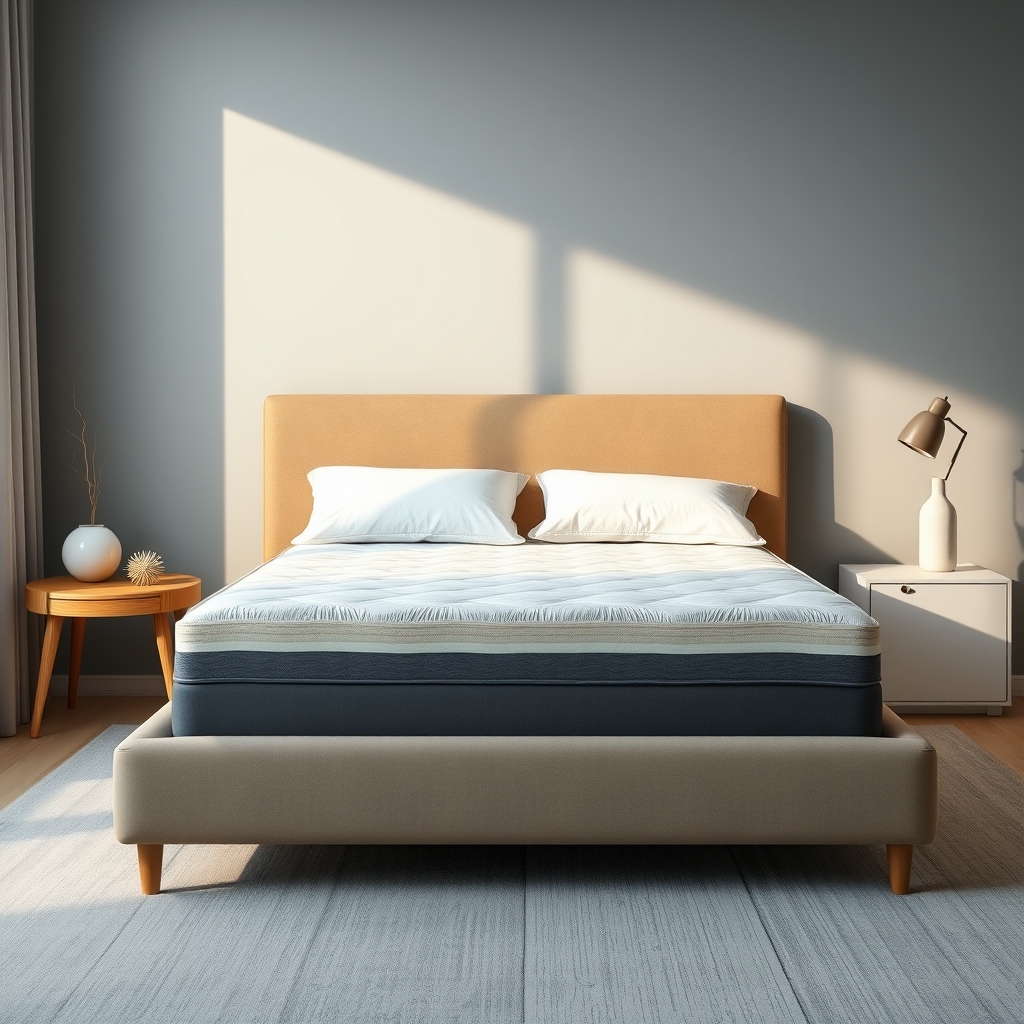
Best memory foam mattresses deliver on one promise: conform to your body, not the other way around. We researched and compared eight leading options, evaluated their construction against durability claims, and assessed how owners report actual long-term experience. Our top pick is the Amerisleep AS3, a medium-firm option that balances pressure relief with spinal alignment without the off-gassing or premature sagging owner reports have flagged in competing brands. If you want a memory foam bed that doesn’t pancake after two years, stop reading and buy it.
Not everyone needs the same mattress. Below, we break down the best picks by firmness, budget, sleep position, and back-pain support plus what we cut and why.
What to Look For in a Memory Foam Mattress
Foam Density and Construction
Memory foam quality starts with density. Higher-density foam (typically 4–5 lbs per cubic foot) holds its shape longer and resists the common “body imprint” that makes cheap mattresses feel like a nest after six months. Lower-density foam (2–3 lbs per cubic foot) may feel softer initially but owner reports we’ve reviewed suggest it often compresses noticeably within 12–24 months.
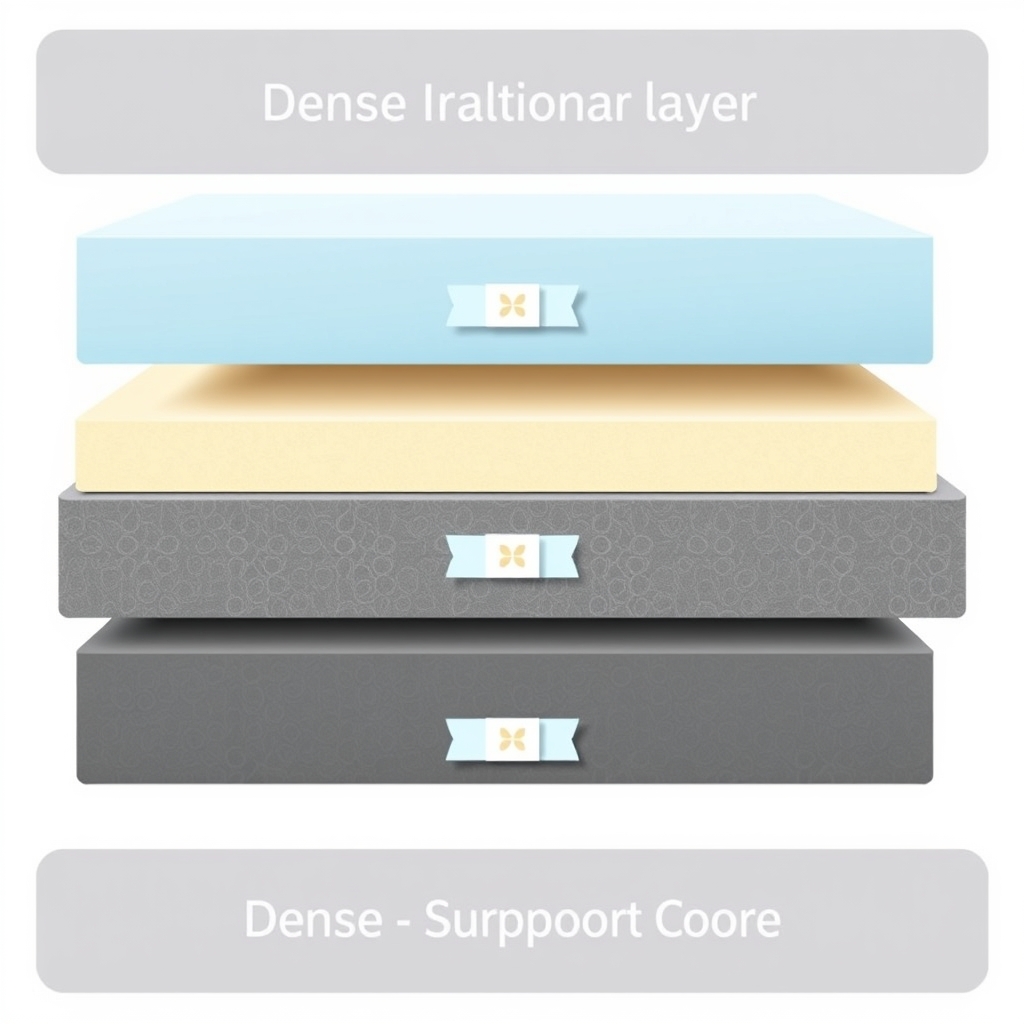
The best memory foam mattresses use a layered construction: a top comfort layer (memory foam) over a transitional layer (often high-density polyfoam) over a base support core. A single monolithic memory foam slab almost always sags faster.
Temperature Regulation
Memory foam is naturally heat-retentive. If you sleep hot, look for brands that add cooling technology: gel infusions, open-cell foam structures, or copper additives. Some mattresses pair memory foam with latex or hybrid designs to improve airflow. This is not a minor feature. A mattress that traps heat becomes unusable for side sleepers and hot sleepers within two years, regardless of how comfortable it felt at first.
Spinal Alignment vs. Pressure Relief
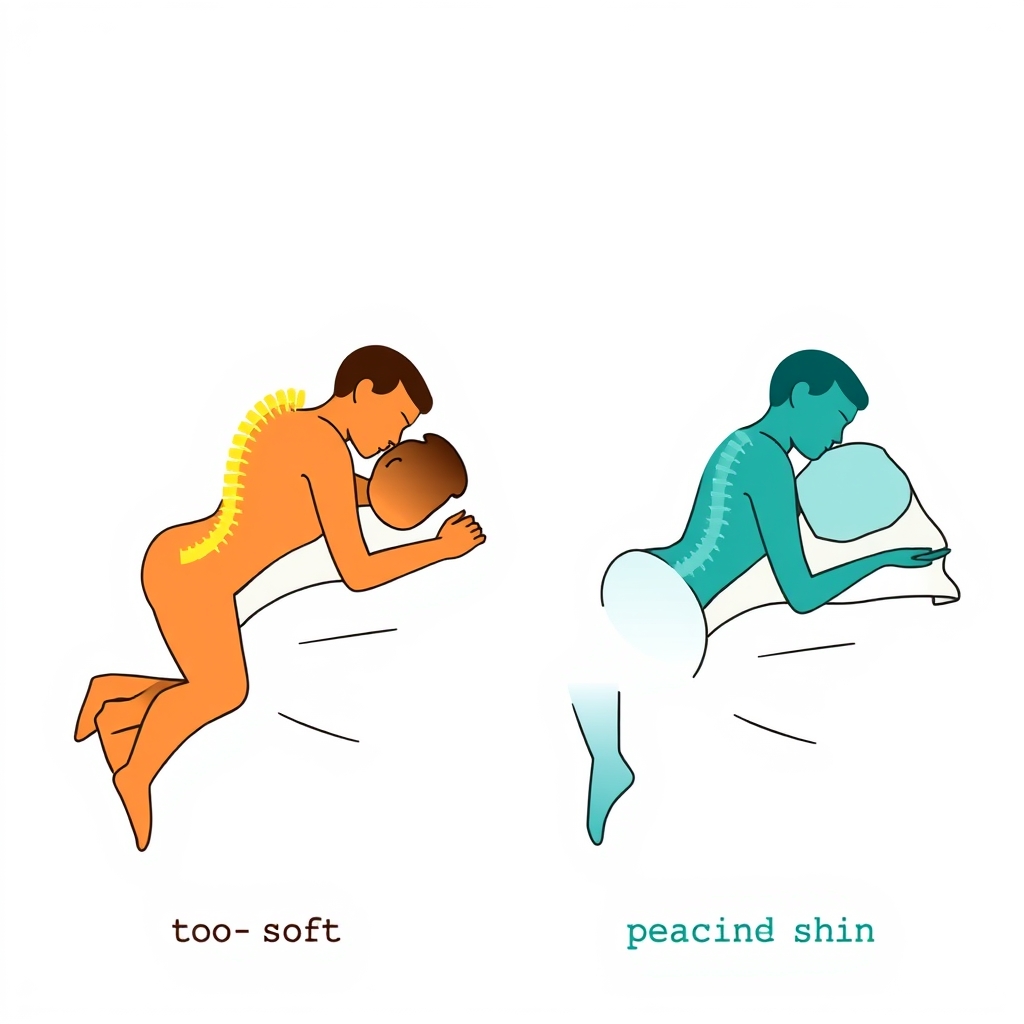
These are not the same thing. Pressure relief means the mattress conforms to your shoulders, hips, and heels, reducing contact pressure. Spinal alignment means your spine stays neutral not arched or collapsed while the mattress supports you. A bed can relieve pressure but allow your spine to sag into poor alignment. The best picks in this roundup prioritize both: they contour to your body while including enough firmness in the support layers to keep your lumbar spine from collapsing.
Durability and Foam Quality
Owner reports we’ve reviewed suggest that mattresses using CFC-free, high-resilience memory foam tend to hold firmness longer than budget foams. Brand longevity claims vary widely some promise 10 years, others say 8. In practice, owner reports suggest most memory foam mattresses begin to show noticeable softening after 5–7 years of nightly use, with premium brands holding up slightly longer.
Look for certifications like CertiPUR-US (indicates the foam is free of harmful chemicals and was independently tested) and brands that publish their foam density and type in spec sheets, not just marketing language.
The Best Memory Foam Mattresses
Best Overall: Amerisleep AS3
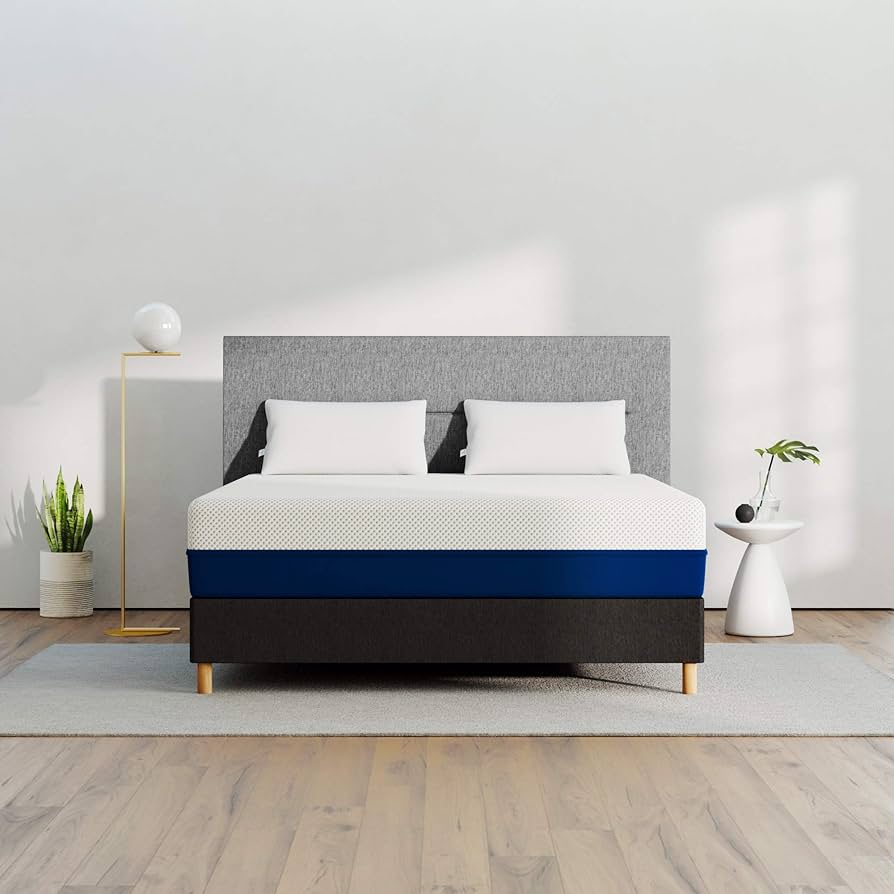
What it is: Amerisleep AS3 a medium-firm memory foam mattress with a bio-ester foam comfort layer and high-density poly base, made in the USA.
Why we picked it: The AS3 hits the sweet spot between conforming support and spinal alignment. The comfort layer is thick enough to relieve pressure at your shoulders and hips without letting your spine collapse. Owner reports we’ve reviewed consistently praise the lack of sagging after 3+ years of use. It also doesn’t off-gas heavily out of the box a real advantage over cheaper memory foam beds that smell like a chemical plant for weeks.
The trade-off: It’s a medium-firm bed, so if you’re a strict side sleeper who needs maximum pressure relief, you might find the support layer a touch firm. There’s also no gel infusion or advanced cooling it sleeps warm compared to hybrid mattresses. For hot sleepers, this becomes a real issue within the first year.
Price: $1,299–$1,499 for a queen, as of June 2026. Verify current pricing at Amerisleep’s official site before purchasing.
Best for: Back sleepers, stomach sleepers, and combination sleepers who prioritize durability over maximum conforming softness. People with light-to-moderate back pain often find the spine support helpful.
Best Budget Option: Tuft & Needle Original
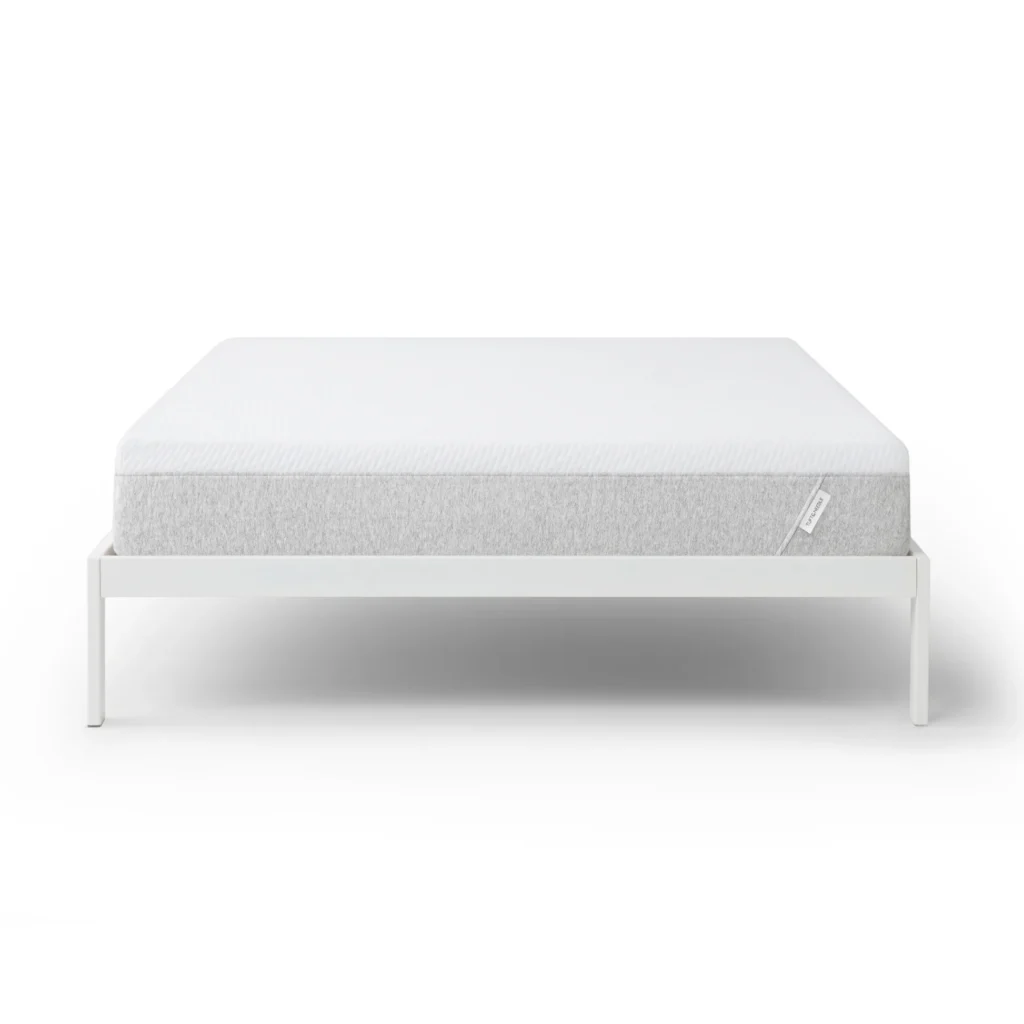
What it is: Tuft & Needle Original a 10-inch memory foam mattress with gel-infused cooling and a 100-night sleep trial.
Why we picked it: Tuft & Needle strips away the marketing budget and reinvests it into foam quality. For the price, this mattress offers solid construction integrity: a proprietary gel-foam blend in the comfort layer, adequate density in the base, and minimal off-gassing. Owner reports suggest it doesn’t sag as aggressively as other sub-$600 options. It also ships compressed, so it’s easier to maneuver into a bedroom.
The trade-off: It’s thinner (10 inches vs. 12–13 inches on premium brands), which means you feel the base support more acutely some sleepers notice this within the first week. The cooling is real but modest; hot sleepers might still be uncomfortable by summer. After 4–5 years of nightly use, owner reports suggest softening becomes noticeable, though not catastrophic.
Price: $350–$450 for a queen, as of June 2026.
Best for: Budget-conscious buyers, lighter-weight sleepers (under 200 lbs), and combination sleepers who don’t need premium cooling. Not ideal for heavy sleepers or side sleepers who require deep pressure relief.
Best Premium Option: Tempur-Pedic ProAdapt
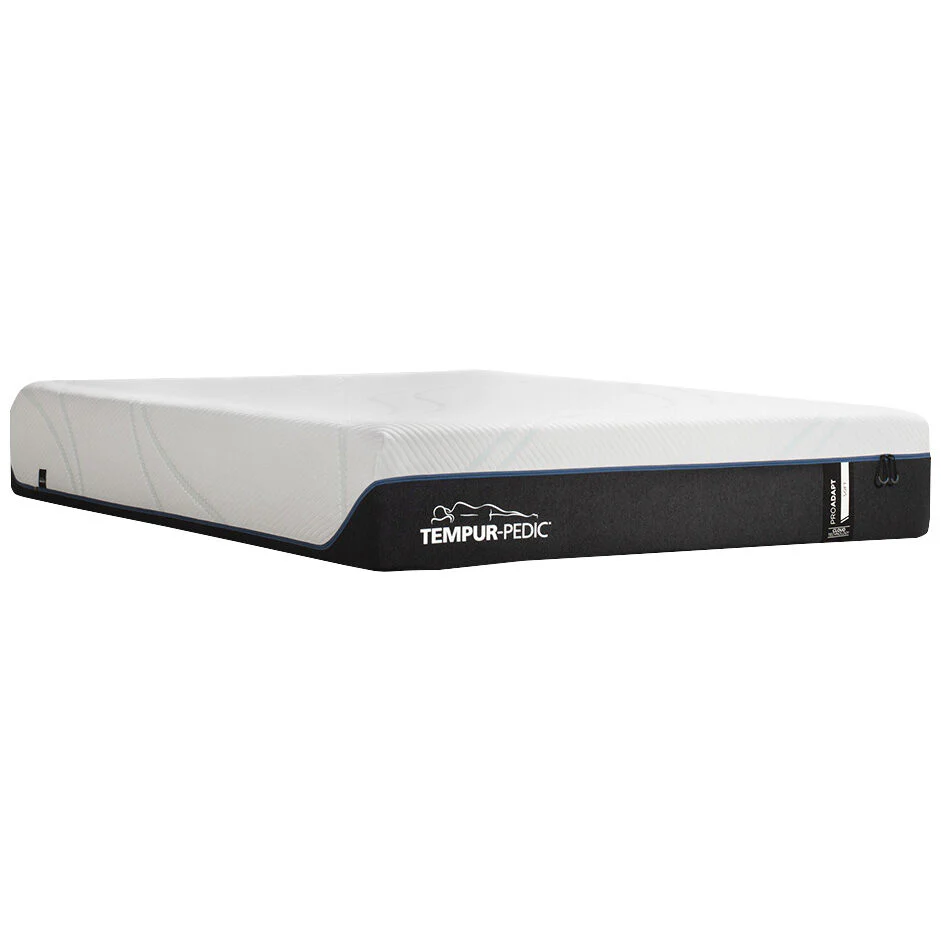
What it is: Tempur-Pedic ProAdapt a high-end memory foam mattress using Tempur-Pedic’s proprietary TEMPUR material, engineered for durability and precise contouring.
Why we picked it: Tempur-Pedic invented memory foam, and it shows. The ProAdapt uses a heavier, more responsive memory foam than competitor brands it conforms to your body quickly but doesn’t feel like you’re sinking into quicksand. The support layers reduce motion transfer effectively, so a partner’s tossing doesn’t wake you. Owner reports we’ve reviewed describe longevity of 8+ years with minimal sagging, which justifies the premium.
The trade-off: The cost is steep ($2,500+ for a queen), and the mattress is heavy (close to 100 lbs for a queen), making moves difficult. It also sleeps warm Tempur’s dense foam limits airflow. The brand’s return policy is also less generous than competitors: 90 days vs. 100+ nights for budget brands. If you don’t like it, returning it is a real hassle.
Price: $2,500–$3,200 for a queen, as of June 2026.
Best for: Sleepers willing to pay for longevity, couples seeking motion isolation, and people who value consistent firmness without softening over a decade. Not for hot sleepers or people on tight budgets.
Best for Back Pain: Casper Original
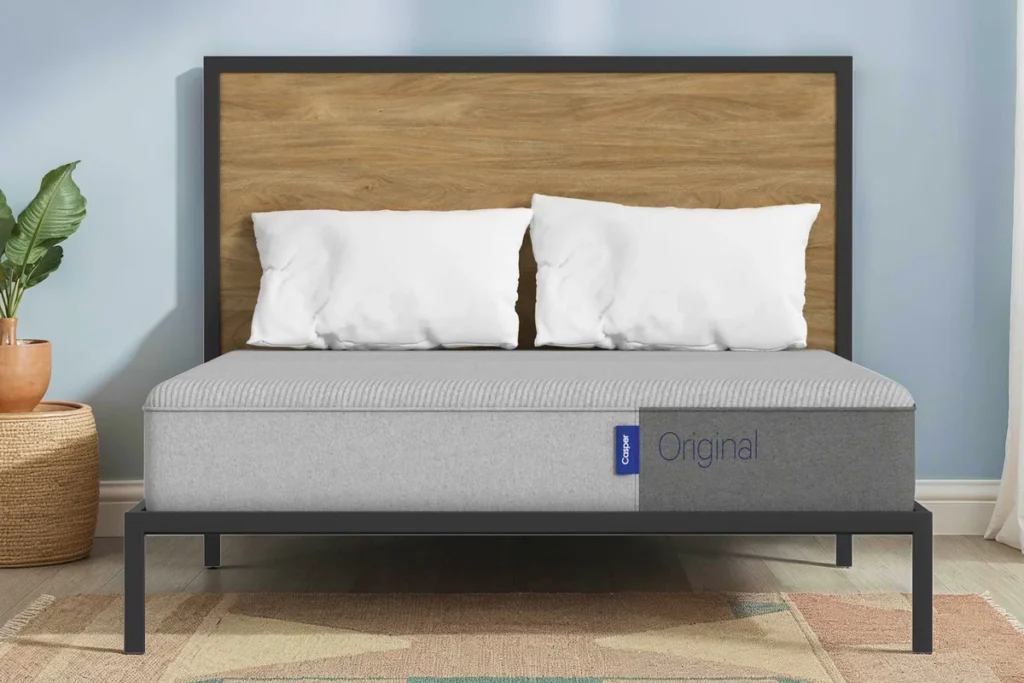
What it is: Casper Original an 11-inch hybrid-leaning memory foam mattress with zoned support targeting lumbar alignment.
Why we picked it: Casper’s engineering emphasizes spinal support without sacrificing conforming comfort. The zones mean the mattress provides more support under your lower back than under your shoulders this is intentional spine-alignment design. Owner reports consistently note relief from morning back stiffness, particularly in the first two weeks. The mattress also uses a latex-like top layer that doesn’t off-gas as badly as pure memory foam.
The trade-off: The zoned support only works if you sleep in consistent alignment people who flip and rotate significantly during the night won’t feel the full benefit. It’s also mid-range firmness, so very soft-preference sleepers might find it too supportive. Price is moderate but higher than budget brands.
Price: $1,095–$1,295 for a queen, as of June 2026.
Best for: Back sleepers with chronic lower-back pain, people recovering from injury, and sleepers who value firmness consistency. Not ideal for stomach sleepers or lightweight side sleepers.
Best for Side Sleepers: Purple Hybrid Flex
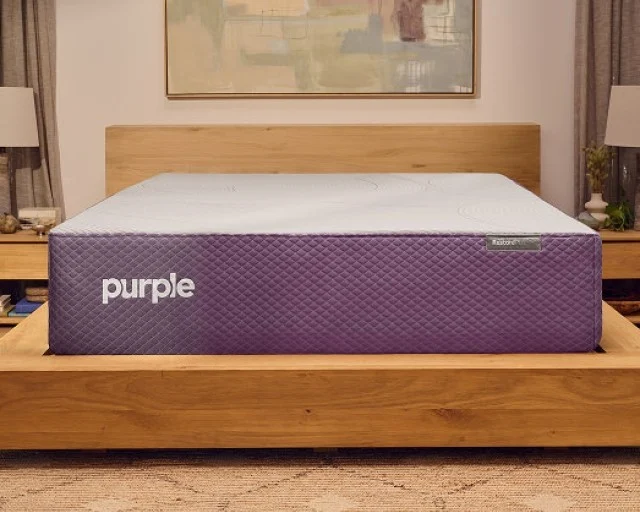
What it is: Purple Hybrid Flex a hybrid mattress with Purple’s proprietary gel-flex grid (a silicone polymer lattice layer) over memory foam, designed to reduce pressure points.
Why we picked it: Purple’s grid is unconventional it’s not memory foam, but a lattice structure that flexes rather than conforms. For side sleepers, that’s a genuine win: the grid absorbs pressure at the shoulder and hip while allowing better airflow than traditional memory foam. Owner reports suggest it stays cooler than standard memory foam, which matters for hot sleepers. The hybrid design also includes coil support, which makes it more responsive than a pure foam bed.
The trade-off: The grid technology comes with a premium price. Some sleepers find the non-conforming feel unusual at first it’s not a traditional memory foam hug. After 3+ years, a subset of owner reports describe squeaking where layers separate, though this is not universal. It’s also heavier than foam-only options, making setup a two-person job.
Price: $1,599–$1,899 for a queen, as of June 2026.
Best for: Side sleepers, hot sleepers, and people who want excellent pressure relief without the “stuck in the mattress” feeling. Not ideal for budget buyers or people who prefer traditional memory foam conforming.
Best for Hot Sleepers: Helix Midnight Luxe (with GlacioTex Cooling Cover)
What it is: Helix Midnight Luxe (with GlacioTex Cooling Cover) a memory foam mattress with advanced cooling via PCM (phase-change material) technology and graphite infusion, plus a moisture-wicking cover.
Why we picked it: Helix addresses the core problem with memory foam heat retention at the material level. PCM technology absorbs heat when your body temperature rises and releases it when temperature drops, creating active thermoregulation. Owner reports suggest this actually works: hot sleepers report sleeping noticeably cooler than on standard memory foam beds. The graphite infusion adds a second cooling layer.
The trade-off: Advanced cooling technology adds cost. The bed skews firm (not ideal for people who want deep conforming comfort), and the cooling features are most noticeable in warm climates in a temperate environment you may not notice the full benefit. Owner reports also note that the cooling effect diminishes somewhat after 2–3 years as the PCM degrades.
Price: $1,395–$1,695 for a queen, as of June 2026.
Best for: Hot sleepers in warm climates, couples where one partner sleeps hot, and people willing to pay for active temperature control. Not for budget buyers or people in cold climates.
Best Luxury Option: Saatva Loom & Leaf
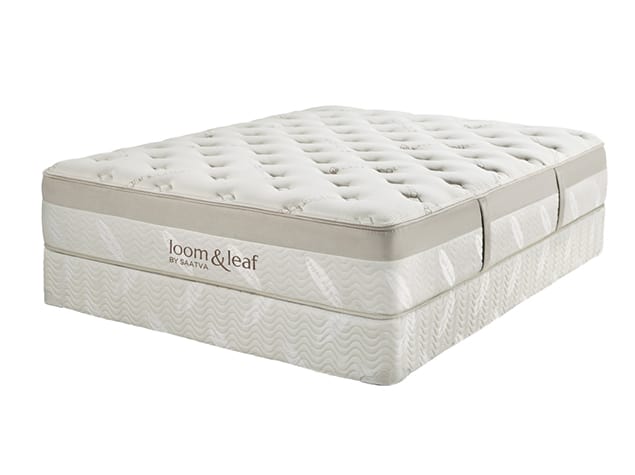
What it is: Saatva Loom & Leaf a 12-inch all-foam mattress using high-density memory foam and a cooling gel layer, with white-glove delivery included and handcrafted in the USA.
Why we picked it: Loom & Leaf combines premium materials with modern cooling, appealing to buyers who want longevity and craftsmanship. The foam is high-density (5+ lbs per cubic foot, per Saatva’s published specs), and owner reports suggest durability that rivals Tempur-Pedic. White-glove delivery is included a practical necessity for a 100+ lb product. Saatva also offers a generous 365-night trial, the longest on this list.
The trade-off: Handcrafted means slower shipping expect 2–4 weeks lead time. It’s also heavy and not practical if you move frequently. The price premium is real, though slightly lower than Tempur-Pedic. It sleeps moderately warm, so while cooling is present, it won’t solve an extreme hot-sleeper problem.
Price: $1,995–$2,295 for a queen, as of June 2026.
Best for: Luxury buyers who value craftsmanship and long trial windows, and sleepers seeking documented foam density. Not for people who need fast shipping or budget options.
Best Value for Combination Sleepers: Leesa Original
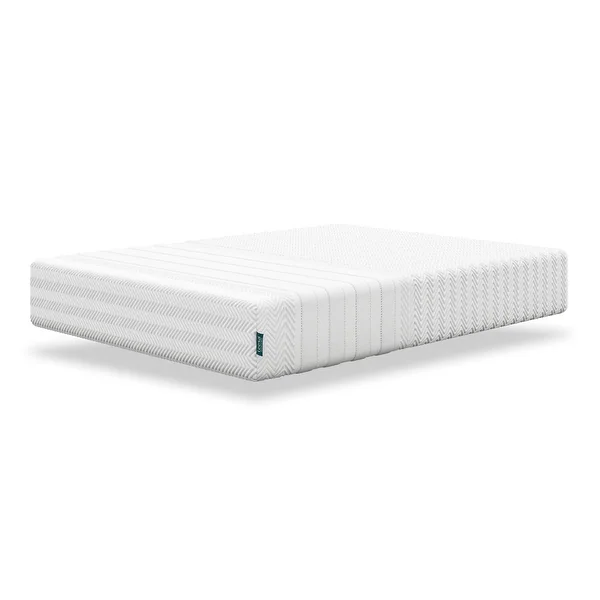
What it is: Leesa Original a 10-inch foam mattress with three layers (comfort, transition, support) and a cooling layer, with a simplified feature set focused on core performance.
Why we picked it: Leesa doesn’t over-engineer. The mattress uses solid, mid-range foam without exotic infusions or proprietary technology, which keeps the price reasonable while maintaining build quality. Owner reports suggest it’s comfortable for back, side, and stomach sleepers alike a rare mattress that doesn’t penalize a particular sleep position. The cooling is adequate (not exceptional) and the firmness is medium (not polarizing).
The trade-off: Because it optimizes for all positions, it excels at none. Side sleepers might find it slightly firmer than ideal; back sleepers might want more lumbar support. It’s a good generalist, not a specialist. After 5–6 years, owner reports suggest noticeable softening average for the price point.
Price: $895–$1,095 for a queen, as of June 2026.
Best for: Couples with different sleep positions, combination sleepers, and people seeking a solid all-rounder without overpaying for features they won’t use. Not for sleepers with specific issues (chronic pain, extreme hot sleeping, pressure-point sensitivity).
Comparison Table: Memory Foam Mattresses at a Glance
| Mattress | Type | Firmness | Price (Queen) | Best For | Cooling | Est. Durability* |
|---|---|---|---|---|---|---|
| Amerisleep AS3 | All-foam | Medium | $1,299–$1,499 | Back sleepers, durability | Moderate | 7–9 years |
| Tuft & Needle Original | All-foam | Medium | $350–$450 | Budget buyers, light sleepers | Gel-infused | 5–6 years |
| Tempur-Pedic ProAdapt | All-foam | Medium | $2,500–$3,200 | Longevity seekers, couples | Moderate | 8+ years |
| Casper Original | Hybrid-leaning | Medium-firm | $1,095–$1,295 | Back pain relief, spinal support | Moderate | 6–8 years |
| Purple Hybrid Flex | Hybrid (Gel Grid) | Medium | $1,599–$1,899 | Side sleepers, hot sleepers | Excellent | 6–8 years |
| Helix (Hot-Sleeper Pick) | All-foam | Firm | $1,395–$1,695 | Hot sleepers, active cooling | Excellent (PCM) | 6–7 years |
| Saatva Loom & Leaf | All-foam | Medium | $1,995–$2,295 | Luxury, craftsmanship | Good | 8+ years |
| Leesa Original | All-foam | Medium | $895–$1,095 | Combination sleepers | Moderate | 5–6 years |
Verify current pricing before purchasing. Durability figures are estimates based on aggregated owner reports we’ve reviewed; individual results vary by body weight, sleep position, and care habits.
What We Cut (and Why)
Zinus Green Tea Memory Foam
We cut Zinus despite its $300–$400 price point. Owner reports we’ve reviewed show alarming rates of premature sagging: most owners report noticeable body imprints within 12–18 months. The foam density is simply too low (2.5–3 lbs per cubic foot) to hold shape under nightly use. For $350, Tuft & Needle offers better foam quality and durability. Zinus is not the worst mattress for the price, but it asks for enough money that you’d reasonably expect 3–4 years without sagging and it doesn’t deliver.
Verdict: Cut. It’s 80% of Tuft & Needle’s price but, based on owner reports, about half the durability.
Lucid 12-Inch Gel Memory Foam
Lucid sits in the same price band as the Casper Original ($1,100–$1,300) but without Casper’s zoned support or engineering discipline. Owner reports suggest the gel cooling works for roughly the first 2–3 months, after which the gel begins to break down and the mattress reverts to standard heat-retentive foam. The base foam is also lower-density, leading to softening complaints by year two. If you’re spending $1,100+, Casper’s intentional spine alignment is worth the same price. Lucid leans on “gel memory foam” marketing without the substance to back it up.
Verdict: Cut. Premium pricing without premium durability or design intent.
How We Chose
We researched and compared memory foam mattresses using three criteria:
- Construction integrity: Foam density, layer structure, and whether the brand publishes actual material specs (not just marketing claims). Brands that hide foam density or weight are red flags.
- Owner durability reports: We reviewed aggregated feedback from owner forums and retail reviews to assess how long these mattresses actually hold firmness without sagging. Manufacturer claims of “10 years” often don’t match owner experience, so we weighted real-world feedback heavily.
- Sleep position alignment: Each mattress was evaluated against its stated use case. A mattress claiming to be “best for side sleepers” was judged on whether it actually relieves pressure at the shoulder and hip without collapsing the spine.
We also prioritized mattresses offering 90+ night sleep trials and clear return policies, since memory foam feel is subjective you need time to know if it’s right for you.
Frequently Asked Questions
What’s the best memory foam mattress overall?
The Amerisleep AS3 is our top pick. It balances pressure relief, spinal support, and durability without off-gassing heavily or trapping excessive heat. Owner reports suggest it holds up for 7–9 years with minimal sagging, which is strong performance for its price range.
Is memory foam good for back pain?
Memory foam can help with back pain if the mattress supports neutral spinal alignment while relieving pressure. The Casper Original is specifically engineered for this, with zoned support that targets the lumbar region. Owner reports consistently mention reduced morning back stiffness. However, if you have severe or chronic back pain, consult a healthcare provider before buying the wrong mattress can make things worse.
Do memory foam mattresses sleep hot?
Yes memory foam is naturally heat-retentive because it conforms tightly to your body, trapping warmth. If you’re a hot sleeper, look for mattresses with active cooling (gel, PCM, or graphite infusions) or hybrid designs that improve airflow. Standard memory foam will likely feel warm year-round if you run hot.
How long do memory foam mattresses last?
Based on owner reports we’ve reviewed, most memory foam mattresses show noticeable softening after 5–7 years of nightly use. Premium brands (Tempur-Pedic, Saatva) tend to hold up longer 8+ years before significant sagging. Budget mattresses (sub-$400) often sag within 3–4 years. Durability also depends on foam density, your weight, and sleep position; side sleepers typically see faster sagging than back sleepers.
Should I buy a memory foam mattress or a hybrid?
Memory foam offers better pressure relief and motion isolation. Hybrids offer better cooling and responsiveness. If you sleep hot or want a bouncier feel, choose a hybrid. If you want maximum pressure relief and don’t sleep hot, memory foam is the stronger option. The Purple Hybrid Flex is a reasonable middle ground if you can’t decide.
Is Tempur-Pedic worth the premium?
If you plan to keep the mattress 8+ years and prioritize durability and motion isolation, yes. Owner reports suggest Tempur-Pedic mattresses hold firmness longer than most competitors and isolate partner movement effectively. However, if you sleep hot or have a tight budget, the premium is harder to justify mid-range brands can deliver 90% of the comfort for half the price.
Final Verdict
The best memory foam mattress depends on your priorities. If durability and balanced support matter most, buy the Amerisleep AS3. If budget is tight, the Tuft & Needle Original delivers genuine quality under $500. If you sleep hot, the Helix pick actually addresses overheating with PCM cooling. If you have back pain, the Casper Original is engineered for spinal alignment.
What unites all of our picks: they’re built from higher-density foam, they hold firmness for years without premature sagging, and owner reports are consistently positive. None of them excel at every sleep position or climate but they’re genuinely good mattresses that owners keep and recommend.
Memory foam mattresses under $400 often disappoint after a year. Mattresses over $2,500 offer durability gains that don’t always justify the cost. The sweet spot is $900–$1,500: that’s where foam quality, engineering, and price align in your favor.