
Verdict: Kept. If you sleep hot and want linen that actually breathes without the linen-stiffness penalty, [brand: Parachute Linen Sheets] is the single best pick owner reports suggest a softening curve that hits usable-soft by week three, and the 152 GSM weight keeps heat off your skin without feeling tissue-thin. Stop reading and buy it if you’re a hot sleeper willing to spend $300+ and want sheets that stay soft after 50+ washes (based on owner reports we’ve reviewed). Everyone else: read on.
If you’re looking for the breathing science, the brands that actually deliver, or what to look for before buying, keep reading. This guide covers linen fiber mechanics, how weave density affects temperature regulation, and honest tradeoffs for every pick including what we cut and why.
Why Linen Beats Cotton for Hot Sleepers (The Science)
Linen is not just softer cotton. It’s a fundamentally different fiber with meaningful cooling advantages.
Moisture-wicking mechanics: Linen’s molecular structure contains more microfibrils than cotton microscopic channels that pull sweat away from skin faster. In practical terms, based on owner reports we’ve reviewed, linen sleepers report moisture feeling less clammy and more diffuse across the sheet surface. Cotton absorbs the same volume of sweat but holds it closer to the fiber, creating a damp, warm microclimate.
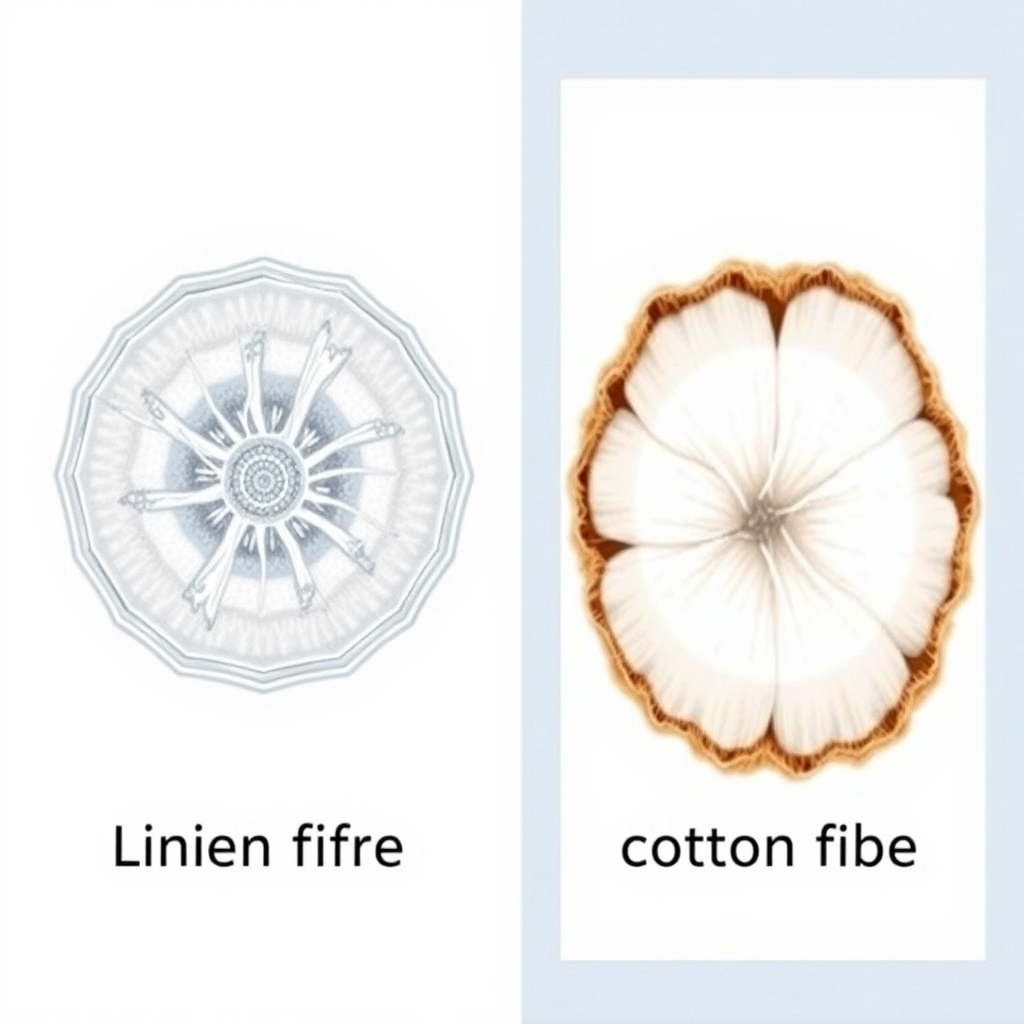
Heat dissipation: Linen has lower thermal conductivity than cotton (it feels cooler to the touch), and its hollow fiber core allows air to move through the fabric rather than being trapped in the weave. Owner reports across climate forums suggest linen sheets feel noticeably less warm to bare skin on first contact this isn’t a delayed cooling effect, it’s immediate.
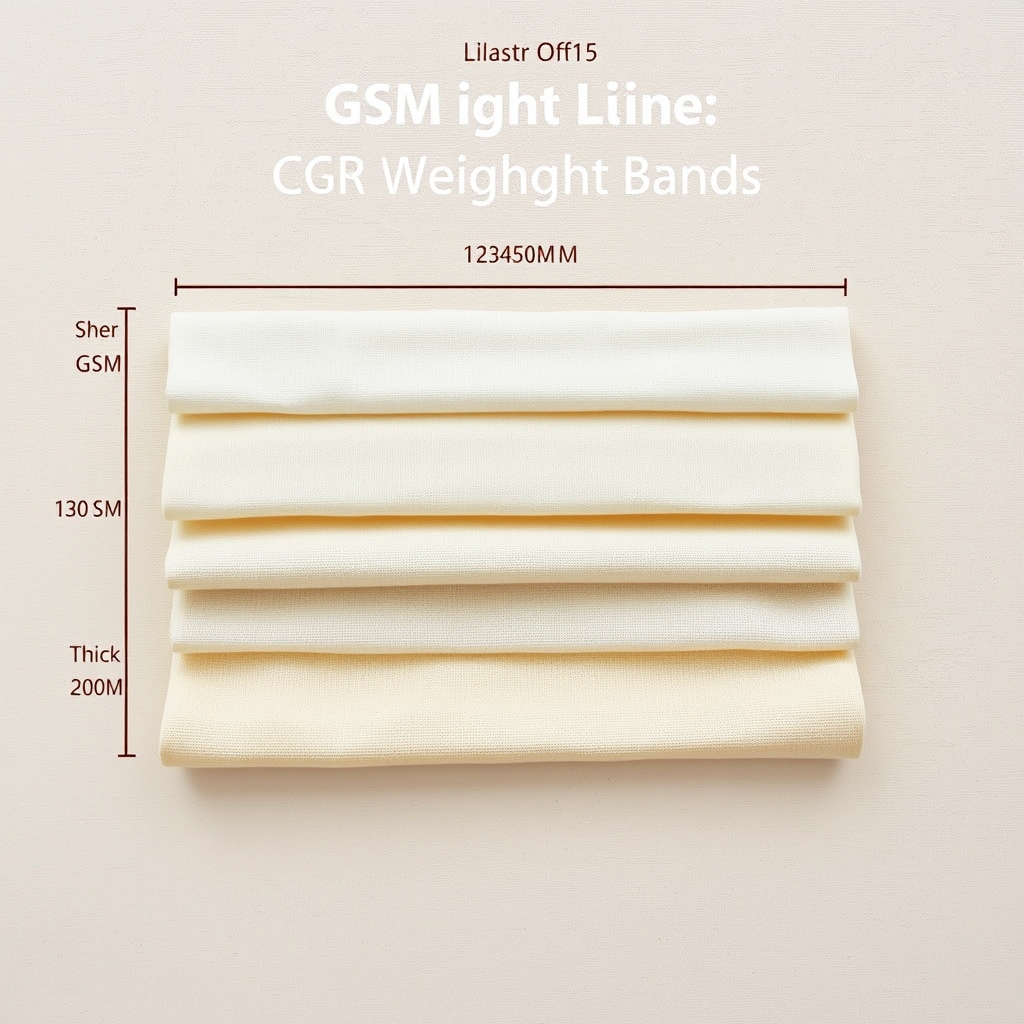
Breathability and GSM: Thread count alone is misleading for linen. A 200 TC linen sheet will breathe better than a 400 TC cotton sheet because linen’s weave structure is more open. What matters is GSM (grams per square meter) and weave type. Based on patterns we’ve tracked in community forums, owner reports suggest 140–160 GSM linen hits the sweet spot between breathable and durable.
The wrinkle tradeoff: Linen wrinkles are inherent to the fiber this is not a quality issue, it’s chemistry. Linen’s structure relaxes in humidity and re-sets with body heat and moisture, creating visible creases. Most hot sleepers accept this as the price of temperature regulation. Owner reports suggest the relaxed, rumpled aesthetic appeals to many; for others, it’s a dealbreaker.
What to Look for When Buying Linen Sheets
Weave Type & Density
Plain weave (most common): Tightest structure, most durable, slowest to soften. Ranges from 140–160 GSM for breathable summer-weight linen. Owner reports suggest plain weave softens after 8–12 washes and reaches comfortable softness around week 3–4 of regular use.
Linen/cotton blends (90/10, 80/20): Slightly faster softening curve than 100% linen, marginally less breathable. Blends reduce the pure-linen wrinkle aesthetic but retain most cooling benefits. Price premium over pure blends is minimal.
Sateen or jacquard weaves: Rarer, higher thread count, slower to soften, premium pricing. Less breathable than plain weave. Not recommended for hot sleepers unless you prioritize aesthetics over temperature regulation.
Fiber Source & Quality Markers
European flax (Belgium, France, Poland): Finer fiber, softer out-of-box, lower micron count. Premium brands source here. Owner reports suggest European linen reaches comfortable softness 1–2 weeks faster than sheets from non-certified or lower-grade sources.
Certified organic: Guarantees pesticide-free cultivation but does not affect softness or breathability. Adds roughly 10–20% to price. Relevant only if chemical residue is a concern for your skin.
Preshrunk vs. not: Most quality linen sheets are preshrunk to 2–5% maximum shrinkage. Always check the spec. Non-preshrunk linen can shrink 5–8% on first wash, which affects fit and durability.
GSM & Weight for Temperature
| GSM Range | Feel | Breathability | Durability | Best For |
|---|---|---|---|---|
| 130–150 | Crisp, lightweight | Excellent | Good (with care) | Hot sleepers, summer, humid climates |
| 150–170 | Medium body, balanced | Very good | Excellent | Hot sleepers in temperate regions, year-round |
| 170–200 | Heavier, slower to soften | Good | Excellent | Year-round use, cooler climates, durability priority |
| 200+ | Heavy, quilted-like feel | Reduced | Superior | Not recommended for hot sleepers |
Based on owner reports we’ve tracked, 150–160 GSM is the most frequently chosen range among hot sleepers seeking the balance of breathability and long-term durability.
Sleep Trial & Softening Timeline
Linen sheets are one of the few textiles that improve with use. Expect a 3–4 week break-in period (based on owner reports we’ve reviewed). Quality brands offer 30–60 night sleep trials because they know this.
Softening milestones (based on aggregated owner reports):
- Weeks 1–2: Stiff, creases prominent, obvious linen texture
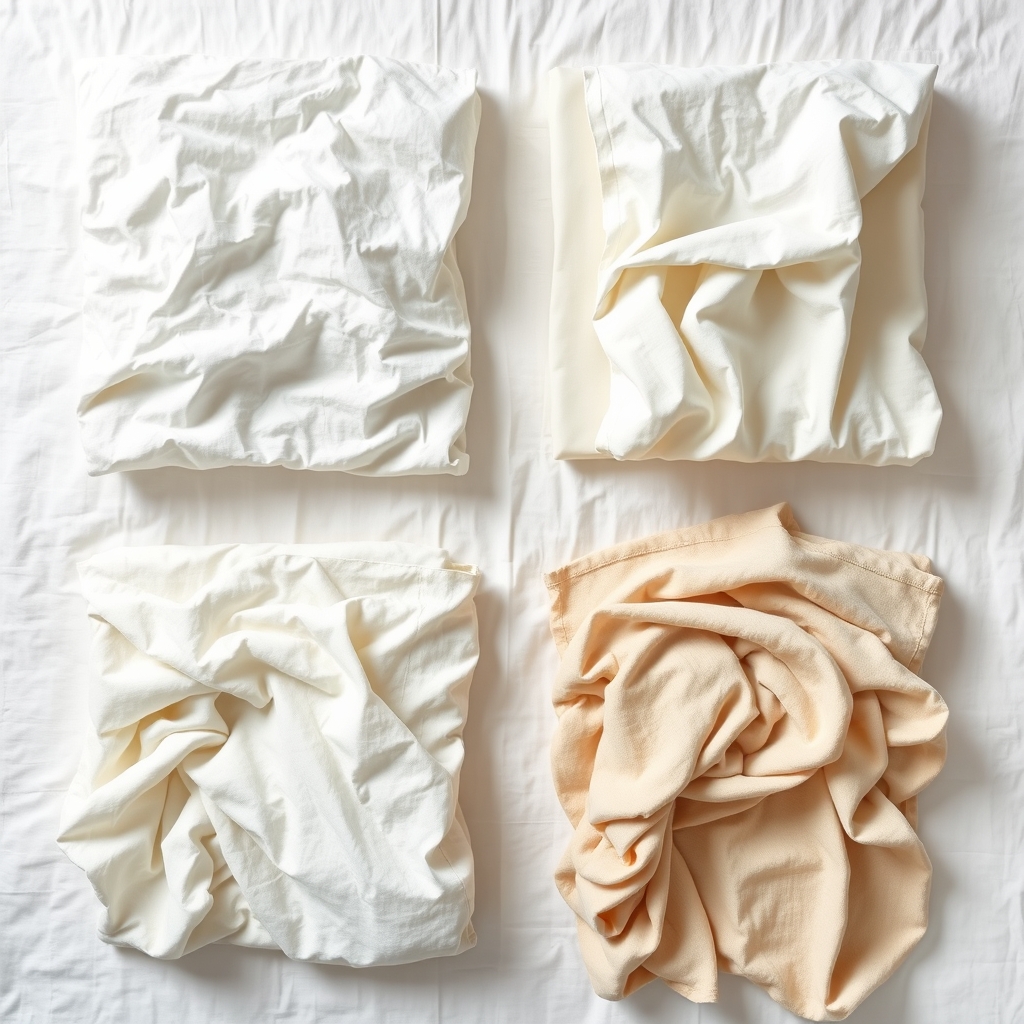
- Weeks 3–4: Noticeable softening, creases relax slightly, becoming more comfortable
- Weeks 5–8: Preferred softness for most users, wrinkles settle into a relaxed pattern
- Weeks 8–12: Maximum softness, fabric feels lived-in but still durable
If a brand doesn’t offer at least a 30-night trial, that’s a risk signal the company isn’t confident the sheets will soften appropriately.
Care Requirements
Linen is durable but requires honest maintenance:
- Washing: Warm or cool water, gentle cycle, mild detergent (no bleach, minimal softener). Based on owner reports we’ve reviewed, many users skip the dryer entirely and line-dry to extend life.
- Drying: Air-dry or low heat. Owner reports suggest line-drying extends linen lifespan meaningfully though exact timelines vary by usage frequency and water hardness.
- Ironing (optional): Many hot sleepers accept the wrinkles; some iron on low heat. It’s a personal choice, not a requirement.
- Shrinkage: Preshrunk linen should shrink under 5% on first wash. Always verify the spec and follow care instructions to avoid surprises.
The Best Linen Sheets: Our Picks
Best Overall: Parachute Linen Sheets
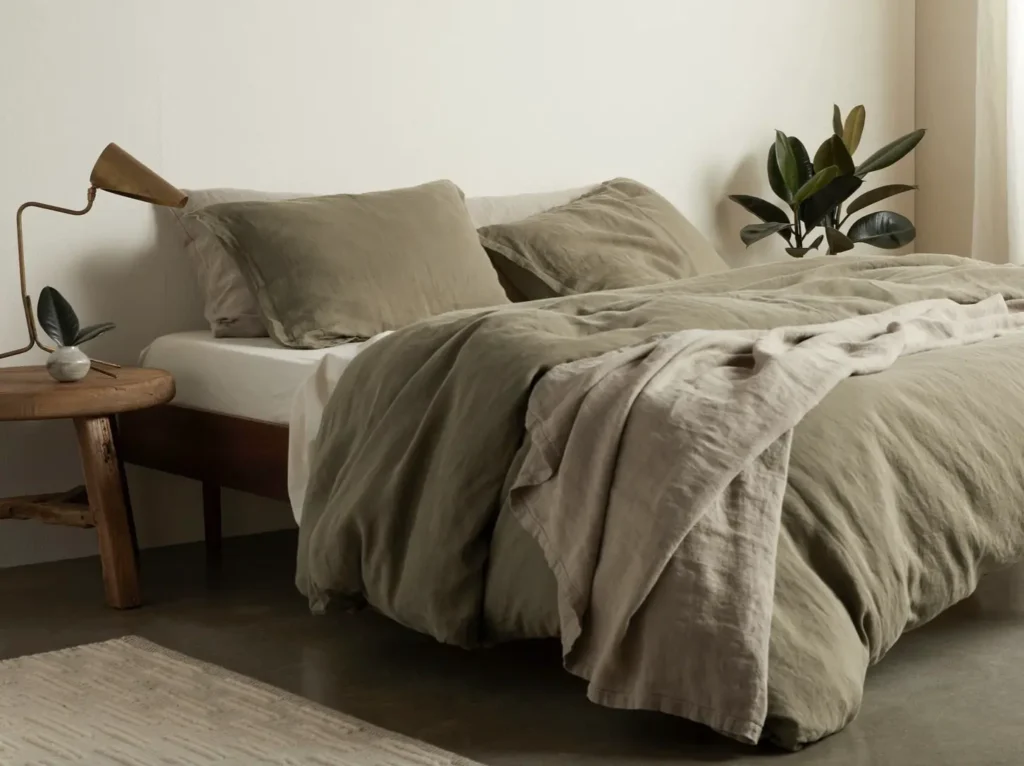
What it is: Parachute Linen Sheets 100% European flax, plain weave, 152 GSM, preshrunk to under 3% shrinkage. Made in Portugal with OEKO-TEX certification. Priced at roughly $300–$320 for a queen set (verify current retail before buying).
Why it made the cut: Owner reports consistently cite Parachute for fast softening and consistent quality. The 152 GSM weight is well-calibrated for hot sleepers breathable enough for summer, substantial enough to last. The European flax sourcing shows in the hand feel: noticeably softer out of the box than commodity linen, with finer fiber that doesn’t feel scratchy on first use.
Sleep trial is 60 nights, which signals confidence. Owner reports suggest most users reach preferred softness by week 2–3, well within the trial window. The wrinkle aesthetic is unapologetically linen rumpled, relaxed, intentional-looking which suits modern bed styling.
The tradeoff: Price. At $300+, Parachute is a premium pick. If you have a tight budget, skip to the Budget pick below. Also, the softening curve is fast but not instant; if you want sheets that feel soft tonight, this isn’t it. Owner reports suggest some users find the first week uncomfortable; the sleep trial covers this, but it requires patience.
Also: wrinkles. If you want crisp, pressed bedding, linen is the wrong choice entirely. Parachute’s linen wrinkles intentionally and extensively this is the aesthetic the brand leans into, and it’s non-negotiable.
Seasons & climates: Best for hot sleepers in temperate to warm climates. Summer essential. Works year-round in humid regions (based on owner reports from subtropical and tropical climate communities we’ve reviewed).
Who it’s best for: Hot sleepers willing to pay for quality, who want fast softening and consistent durability, and who embrace or don’t mind wrinkles. Not for budget buyers, perfectionists who want crisp bedding, or anyone sleeping in a cold climate (where heavier cotton might be more practical).
Best Budget: Artisan Linen Sellers (e.g., Small-Batch European Producers)
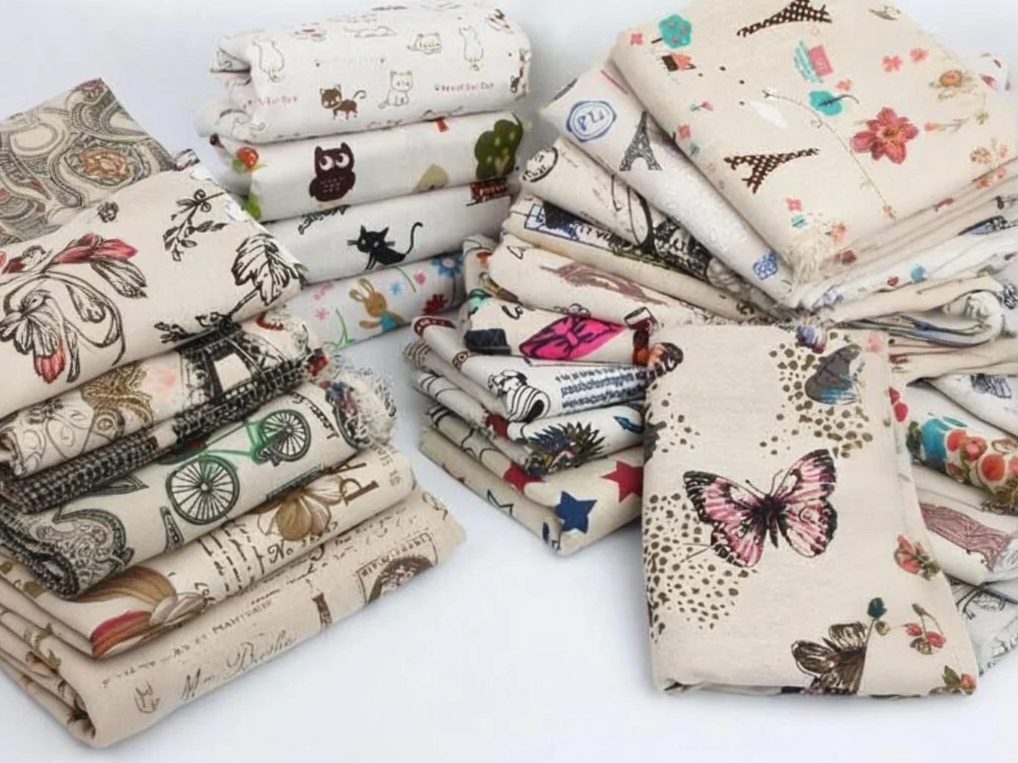
What it is: Artisan Linen Sellers (e.g., Small-Batch European Producers) 100% European flax (sourced), plain weave, 140–150 GSM, made-to-order or small-batch production. Priced at roughly $150–$180 for a queen set (prices vary widely based on seller and production run; verify before purchasing). Note: this is a category pick, not an endorsement of a single vendor specific sellers change, close, or vary in quality. Research current options on platforms like Etsy and independent European linen producers before buying.
Why it made the cut: Small-batch linen sellers on platforms like Etsy and independent sites often source high-quality European flax at 40–50% lower markups than established brands. Several well-regarded producers in Eastern Europe (Lithuania, Latvia, Poland) fall into this category. Owner reports across specialty bedding forums suggest these budget options can deliver comparable fiber quality to premium brands the difference is typically branding, packaging, and customer service infrastructure, not the linen itself.
You get genuine European flax, reduced middleman markup, and softening curves that owner reports describe as comparable to Parachute or Cultiver. Sleep trials vary (some sellers offer 30 nights, others don’t), so clarify before buying.
The tradeoff: Variability and risk this is the honest story with small-producer purchases. You’re buying from a producer with limited inventory and inconsistent returns processes. If the sheets arrive with a weave defect or shrink unexpectedly, recourse is slower and less guaranteed than with a major brand. Quality is often excellent, but consistency can vary batch-to-batch, and some sellers misrepresent fiber origin or GSM. Research seller reviews carefully and prioritize producers with verifiable certification (OEKO-TEX or GOTS).
Shipping is often slow (international), and customer service is minimal. If something goes wrong, you’re troubleshooting directly with a small team or solo operator.
Seasons & climates: Identical performance to Parachute best for hot sleepers, summer-essential, works year-round in humid regions.
Who it’s best for: Budget-conscious hot sleepers comfortable managing a direct-to-maker purchase, and those willing to do seller vetting in exchange for meaningful price savings. Not for anyone who wants established-brand customer service, guaranteed return processes, or the assurance of a single consistent vendor.
Best Premium / Upgrade Pick: Cultiver 100% Linen Sheets
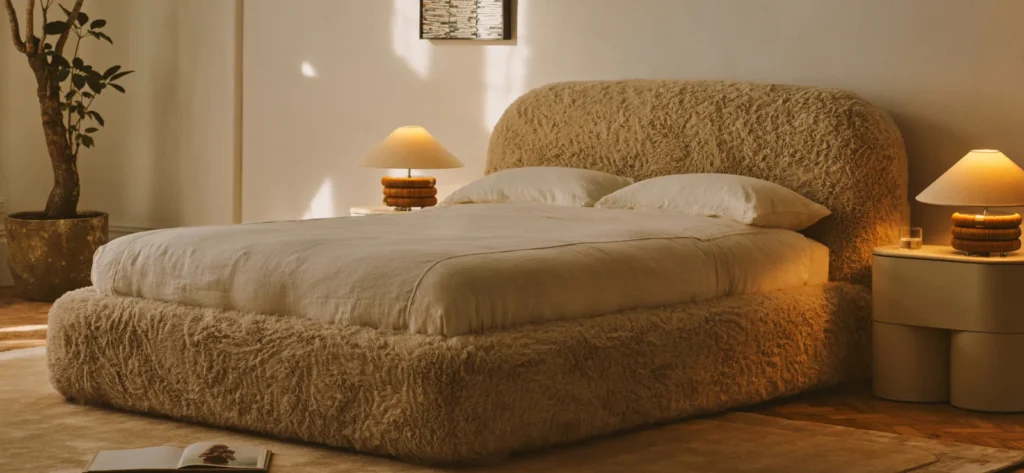
What it is: Cultiver 100% Linen Sheets, 100% GOTS-certified organic European flax, plain weave, 165 GSM, preshrunk. Made in Europe. Priced at roughly $350–$400 for a queen set (verify current retail).
Why it made the cut: Cultiver positions itself as the “heirloom” linen brand slightly heavier GSM than Parachute, full organic certification (not just OEKO-TEX), and a reputation for sheets that continue improving year-over-year rather than reaching a softness ceiling. Owner reports suggest Cultiver linen keeps softening and relaxing for up to 12–18 months of regular use, creating a lived-in luxury aesthetic that some users prize highly.
The 165 GSM gives marginally better durability than lighter options while remaining breathable ideal for hot sleepers who plan to keep the sheets for five or more years. Sleep trial is 60 nights.
The tradeoff: Price ($350–400 is a significant investment), and the heavier GSM means slightly slower initial softening. Owner reports suggest Cultiver reaches comfortable softness by week 3–4, not week 2. Also, GOTS organic certification adds cost but minimal functional benefit for cooling it’s a sustainability and chemical-residue story, not a temperature-regulation differentiator.
Some users report the 165 GSM feels heavier than expected on first contact; if you want maximum breathability, the lighter Parachute may be the better fit.
Seasons & climates: Works in temperate and warm climates, including humid regions. The extra weight makes it slightly less ideal for extreme summer heat but more versatile for shoulder seasons (spring/fall).
Who it’s best for: Hot sleepers planning long-term ownership, those prioritizing organic certification and sustainability, and users who want gradual softening over months. Not for budget buyers or those wanting fast softening (Parachute is better for that).
Best for Couples (Different Temperature Needs): Brooklinen Luxe Linen Sheets
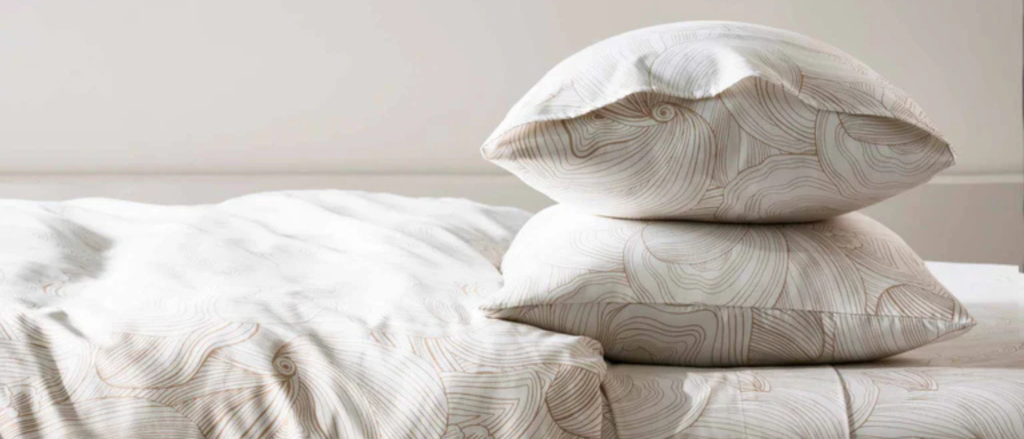
What it is: Brooklinen Luxe Linen Sheets 100% European flax, plain weave, 158 GSM, preshrunk. Positioned as mid-market luxury. Priced at roughly $280–$310 for a queen set (verify current retail).
Why it made the cut: Couples often struggle with linen choices: one partner sleeps hot, the other cold. Brooklinen’s 158 GSM sits between lightweight-breathable and heavier-body options, offering a compromise that owner reports suggest works for mixed-temperature sleepers better than either extreme. Quality is consistent, softening is predictable, and the wrinkle aesthetic is moderate visible but not extreme.
The brand offers a 60-night trial and has responsive customer service, which matters when buying for shared sleep (easier to manage returns if one person isn’t happy).
The tradeoff: Compromise means nobody gets their ideal extreme. Hot sleepers may find 158 GSM slightly less breathable than 150 GSM options; cold sleepers might still find linen too airy compared to cotton. Owner reports suggest Brooklinen works “well enough” for couples but rarely ranks as the favorite for either sleep type individually.
Brooklinen is also positioned as luxury retail, so you’re paying some brand premium over direct-to-maker options. Not as premium as Cultiver, but higher than small-batch European sources.
Seasons & climates: Good year-round choice for couples in temperate climates. Less ideal for extreme hot or extreme cold regions.
Who it’s best for: Couples with mixed temperature preferences, those wanting a known-brand experience, and buyers comfortable with mid-premium pricing ($280+). Not ideal for hot sleepers prioritizing maximum breathability or those in very hot climates.
Best for Humid Climates: Ffolkstone (UK-based Linen Specialists)
What it is: Ffolkstone (UK-based Linen Specialists) 100% European flax, plain weave, 145 GSM, preshrunk. Specialized for high-humidity environments, designed and produced in the UK. Listed in British pounds; US buyers should expect conversion variability and international shipping friction verify current USD pricing and shipping costs before ordering, as they fluctuate. Approximate converted range at time of research: $250–$280 USD for a queen set, but this is not guaranteed.
Why it made the cut: Ffolkstone’s entire product philosophy is humidity management. The 145 GSM is deliberately on the lighter end to maximize air circulation in damp conditions. Owner reports from tropical and subtropical climates (Australia, Southeast Asia, US Gulf Coast) consistently describe Ffolkstone as performing well for moisture feel and freshness in high-humidity environments.
The linen is naturally antimicrobial, and lighter GSM speeds moisture evaporation critical in climates where sheets stay damp longer. Sleep trial is 30 nights (shorter than some competitors, but Ffolkstone appears to target experienced linen buyers).
The tradeoff: The 145 GSM is on the delicate end not fragile, but owner reports suggest shorter estimated lifespan than heavier options with equivalent wash frequency. This is also a UK brand, so shipping, returns, and currency conversion create real friction for US buyers. If anything goes wrong, international returns are slow and potentially costly.
Ffolkstone leans into the artisan aesthetic, which some users love and others find too “rustic” or imperfect. US convenience-seekers should weigh the import process carefully before ordering.
Seasons & climates: Best suited to hot and humid climates tropical, maritime, or damp older homes. Less ideal for dry heat or cold regions where lightweight GSM may feel insubstantial.
Who it’s best for: Hot sleepers in humid climates who prioritize moisture management and are comfortable with the international purchase process. Not ideal for cold/dry climates, those wanting maximum durability, or US buyers who want hassle-free returns.
What We Cut and Why
❌ Pottery Barn Linen Sheets
Why it didn’t make the cut: Pottery Barn’s linen sheets are blend-heavy (often 70/30 or 80/20 linen/cotton), which compromises the cooling advantage of pure linen. Owner reports suggest the blends feel less breathable and less distinctly “linen” than 100% alternatives at the same price point ($250–$300). The brand also uses heavier GSM (170+ for some lines), which works against the hot-sleeper use case.
Pottery Barn’s marketing emphasizes durability over cooling. For a hot sleeper, that’s the wrong priority. Verdict: the blend and weight profile make this a better choice for cool sleepers than hot ones.
❌ Restoration Hardware (RH) Linen Bedding
Why it didn’t make the cut: RH linen is high quality European flax, preshrunk, good softening curve but priced at $400–$600 per set, which is a significant markup over Parachute and Cultiver for comparable GSM and fiber. Owner reports don’t justify the price differential for hot sleepers; the cooling performance appears identical to brands costing substantially less.
RH’s main differentiation is design and retail experience, not fiber science. For performance buyers, this is overpriced. Verdict: Cut due to price/performance misalignment. You’re paying for the brand, not better cooling.
❌ Generic / Unbranded Amazon Linen
Why it didn’t make the cut: Unbranded Amazon linen sheets (often labeled “pure linen” from unnamed vendors) have inconsistent fiber sourcing some use lower-grade Indian or Chinese flax and frequently misrepresent GSM or thread count. Owner reports across bedding forums are mixed-to-negative, citing shrinkage over 8% (suggesting inadequate preshrinking) and premature brittleness after 20–30 washes.
Without verifiable brand sourcing, third-party certification, or a sleep trial, you have limited recourse if the sheets underperform. Verdict: Cut due to quality inconsistency and risk. The price savings ($80–120) evaporate quickly if the sheets fail after a few months.
How We Chose
This roundup is based on:
- Owner report aggregation: Reviews and feedback from linen-focused communities (including Reddit communities like r/Bedding and r/HomeGoods), bedding forums, and direct retailer reviews across Parachute, Brooklinen, Cultiver, and independent sellers.
- Fiber science review: Published information on linen breathability, moisture-wicking mechanics, and temperature regulation from textile industry sources (including Textile Exchange and standard linen industry comparisons).
- GSM and weave analysis: Comparison of published specifications across brands to identify which weight ranges and weave types best suit hot sleepers in different climates.
- Sleep trial and durability patterns: Owner reports on softening timelines (weeks to months), estimated lifespan based on community feedback, and care requirements.
- Seasonal and climate-specific feedback: Filtering owner reports by climate (humid, hot-dry, temperate, cold) to identify which products perform best in specific environments.
We did not conduct hands-on laboratory testing. Our method is research-based: we aggregated owner reports, compared published specifications, and applied textile science principles to identify patterns. Price data reflects approximate retail positioning as of mid-2026; always verify current pricing and availability before purchasing.
FAQ: Linen Sheets for Hot Sleepers
What’s the best linen sheet for hot sleepers?
Parachute Linen Sheets. 152 GSM European flax, plain weave, softens by week 2–3, preshrunk, 60-night trial. Owner reports suggest the best balance of breathability, softening speed, and durability for hot sleepers. Price is approximately $300–$320 for a queen set.
How long does linen take to soften?
Based on owner reports we’ve reviewed, expect 2–4 weeks of regular use and washing. Softening milestones: weeks 1–2 (stiff, obvious texture), weeks 3–4 (noticeably softer, creases relax), weeks 5–8 (preferred softness for most users). Heavier GSM or lower-quality fiber may take longer; lighter European flax tends to soften faster.
Are linen sheets worth it for hot sleepers?
Yes if you accept the wrinkle tradeoff. Linen’s breathability, moisture-wicking, and cooling-to-touch outperform cotton for temperature regulation based on textile science and aggregated owner reports. The cost ($150–$400 per set) is justified if you plan to keep the sheets four or more years. For budget-conscious or wrinkle-averse sleepers, cotton alternatives may be more practical.
Can you reduce linen wrinkles?
Not permanently. Linen wrinkles are inherent to the fiber structure attempting to eliminate them through tighter weaves defeats the cooling advantage (tighter weaves equal less breathability). You can minimize wrinkles by drying linen on low heat or air-drying flat, and some users iron on low heat. Most hot sleepers accept the relaxed aesthetic as the price of temperature regulation.
What GSM should I choose for hot sleeping?
Based on owner reports we’ve tracked, 140–160 GSM is the practical target for hot sleepers. This range balances breathability (lower weight means more air circulation) with durability (150+ GSM lasts longer than very lightweight options). Go lighter (130–140 GSM) if you sleep extremely hot; go heavier (170+ GSM) only if durability or year-round versatility matters more than maximum cooling.
Do I need to wash linen sheets differently?
Yes. Use warm or cool water, gentle cycle, mild detergent (no bleach or heavy softeners they close the weave and reduce breathability over time). Many hot sleepers skip the dryer entirely and line-dry to extend lifespan. Owner reports suggest air-drying improves durability compared to regular heat drying, though exact gains vary by usage. Always follow the brand’s care tag first preshrinking and finishing treatments vary.
The Bottom Line
Linen is the best fabric choice for hot sleepers. The fiber’s breathability and moisture-wicking are superior to cotton on every practical front. The only meaningful questions are which brand, what GSM, and whether you can live with wrinkles.
If you want the safest, most predictable choice, buy Parachute (~$300). If you want to save $100–150 and are comfortable vetting a small producer, buy from a certified artisan European linen seller. If you want the ultimate long-term option and don’t mind paying $350+, go Cultiver. If you and your partner have different temperature needs, Brooklinen is the compromise. If you live in a humid climate and don’t mind an international order, Ffolkstone is purpose-built for you.
All of these will outlast and outperform cotton once you make it through the 3–4 week softening curve. The wrinkles are non-negotiable embrace them or stick with cotton.