
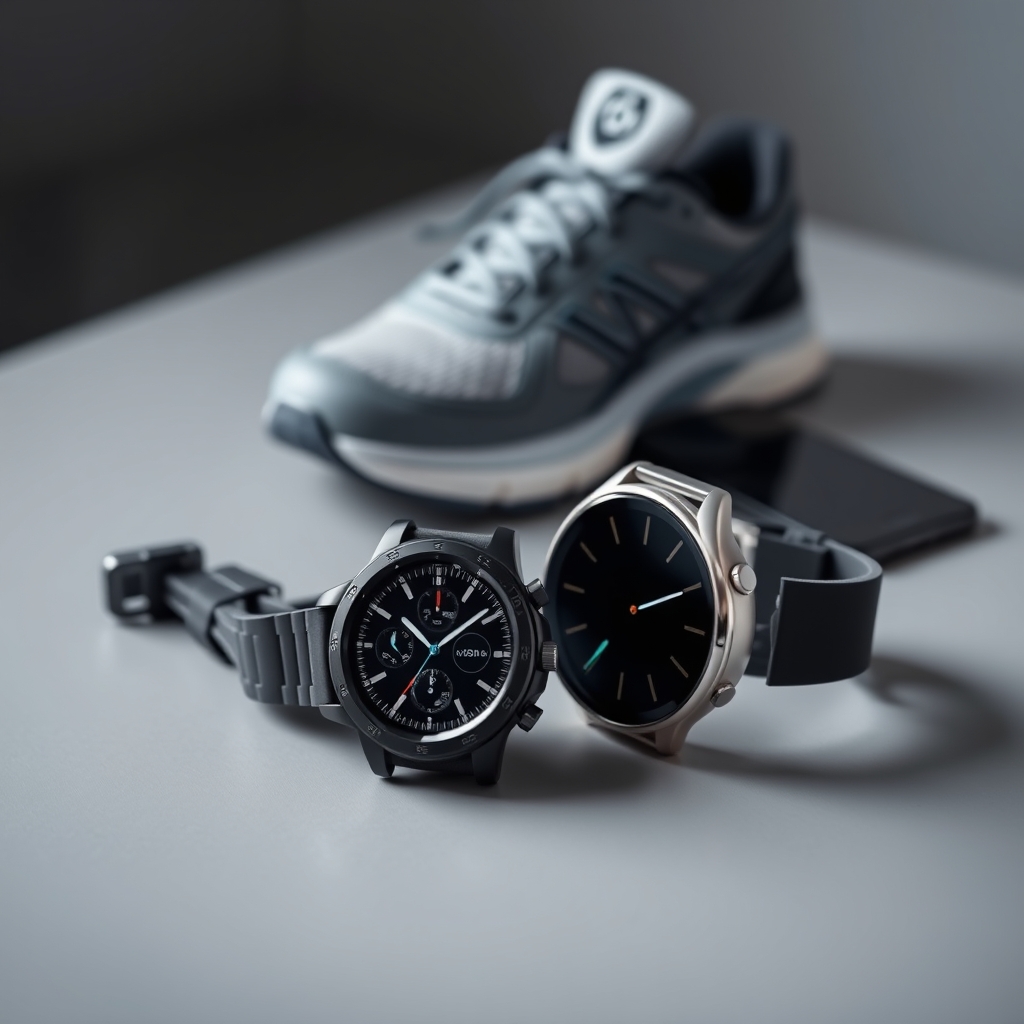
Apple Watch is the keeper if you live in iOS and want a wrist that texts, pays, and tracks casually. Garmin is the keeper if you’re a runner, cyclist, swimmer, or triathlete who needs a battery that lasts for weeks and sport-specific metrics that don’t require a phone.
The deciding question: Do you prioritize seamless phone integration and a smart ecosystem, or do you need standalone GPS training capacity and multi-week battery life? Your answer names the winner.
Quick Comparison: Garmin vs. Apple Watch at a Glance
| Feature | Garmin (e.g., Epix, Fenix) | Apple Watch (e.g., Series 9, Ultra) |
|---|---|---|
| Battery Life | 2–4 weeks in smartwatch mode; 30–50 hours with GPS | 1–2 days of typical use; 6–8 hours of continuous GPS |
| GPS Accuracy | Multi-band GNSS (GPS, GLONASS, Galileo); approximately 3–5 m accuracy in open areas | GPS with support systems such as WAAS; approximately 5–10 m accuracy in typical conditions |
| Health Features | SpO₂, sleep tracking, stress monitoring, Body Battery, heart rate (ECG available only on select models) | ECG, SpO₂, heart rate monitoring, irregular rhythm notifications, crash detection |
| Workout Support | 100+ sport profiles with advanced running and endurance metrics | 120+ workout types with seamless iPhone integration and fitness coaching |
| Smartwatch Features | Basic notifications, calls, and texts when connected; limited third-party app ecosystem | Full iPhone integration, Apple Pay, Siri, App Store, messaging, and calling |
| Typical Price Range | $300–900 (varies by model) | $250–800 (varies by model) |
| Water Resistance | Typically 5–10 ATM (model dependent) | Typically 5 ATM; Ultra models are rated to 100 m water resistance and designed for recreational diving |
Note on pricing: Figures are observed retail ranges as of July 2026 and will vary by retailer, carrier deals, and region. Verify current pricing before purchase.
Apple Watch: The Smart Wrist for Daily Life and Casual Fitness
Apple Watch is a fully integrated smartwatch it’s a phone on your wrist, first, and a fitness tracker second.
Strengths:
- Seamless iPhone ecosystem: Texts, calls, Apple Pay, Siri, and notifications arrive instantly without pulling out your phone.
- Daily health monitoring: ECG, irregular heart rhythm detection, blood oxygen, and crash detection cover most casual fitness and health needs.
- Responsive app ecosystem: Thousands of third-party apps, including Strava, Nike Run Club, and Peloton, integrate natively.
- Always-on display and retina brightness: Easier to read at a glance than most Garmin watches.
- Wrist payments and contactless control: Apple Pay works everywhere, and Siri handles quick tasks without opening your phone.
Weaknesses:
- Battery life is the primary trade-off: Expect 1–2 days of mixed use; intense GPS workouts drain it faster. Runners doing daily long runs often charge nightly.
- GPS accuracy is adequate, not exceptional: Standard GPS alone is affected by urban canyons and tree cover. Works fine for casual running and cycling, but based on owner reports we’ve tracked, mountain bikers and trail runners consistently note more signal loss than Garmin’s multi-band setup.
- Limited sport-specific training features: No advanced running metrics like ground contact time or vertical oscillation; no true multi-sport training dynamics for triathlon.
- Proprietary ecosystem: Sideloading is minimal; you’re locked into Apple’s app approval and feature roadmap.
Garmin: The Training Computer for Serious Athletes
Garmin is built for endurance sport. It’s a GPS training device that happens to be a smartwatch, not the other way around.
Strengths:
- Multi-week battery life in smartwatch mode: A Garmin Epix or Fenix can go 2–4 weeks on a charge in daily-wear mode, and 10–20 hours in GPS training mode (shorter with intensive multi-constellation tracking). This alone is the deciding advantage for frequent travelers and multi-day adventures.
- Multi-band GNSS (GPS + GLONASS + Galileo): More satellites mean faster lock and better accuracy in canyons, forests, and dense urban areas. Based on owner reports we’ve tracked, trail runners and climbers consistently note fewer dropouts and re-locks compared with single-band GPS watches.
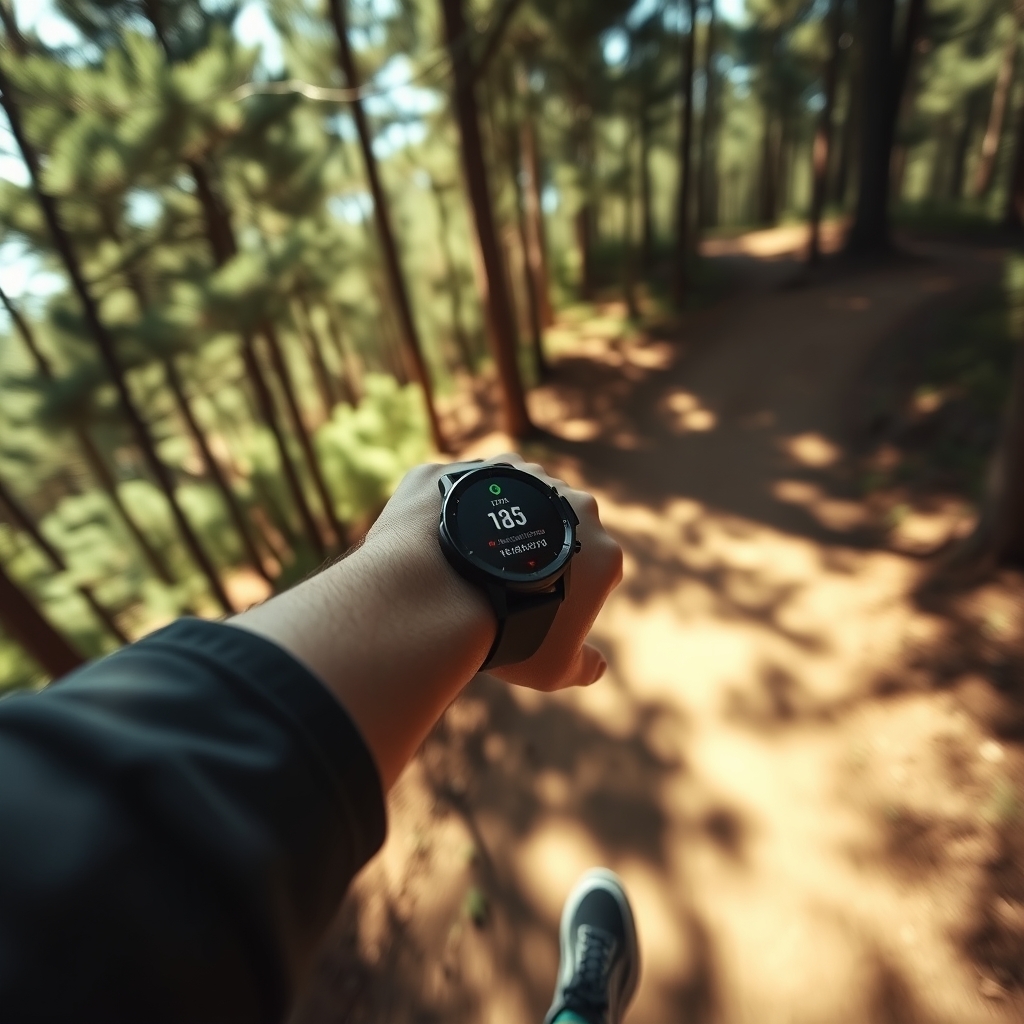
- Sport-specific training metrics: 100+ sport profiles, each with unique data fields. Runners get running dynamics (cadence, ground contact time, vertical oscillation); cyclists get power metrics; swimmers get stroke type detection. This depth is unmatched by Apple Watch.
- Standalone operation: No phone required. Sync data later over Wi-Fi or Bluetooth. Ideal for backcountry travel or regions with poor cellular coverage.
- Advanced recovery and training metrics: Body Battery (proprietary energy index), training stress score, training load, and VO2 Max estimates help serious athletes plan week-to-week progression.
Weaknesses:
- Smartwatch features are an afterthought: Garmin watches are clunky at texts and calls. No Apple Pay. Notifications require the phone to be nearby over Bluetooth.
- App ecosystem is weak: Garmin Connect is a closed loop; third-party integration is limited compared to Apple’s open app store. Some runners use both Garmin for primary training, Apple Watch for notifications.
- Smaller, dimmer displays: Most Garmin watches use AMOLED or MIP screens that are functional but less vibrant than Apple’s Retina display. Outdoor readability is excellent; indoors, they’re less eye-catching.
- Steeper learning curve: The menus are designed for athletes; casual users find them overwhelming at first.
Feature-by-Feature Breakdown
GPS Accuracy and Signal Lock
Apple Watch: Uses standard GPS (L1 frequency) with WAAS (Wide Area Augmentation System) correction when available. Based on owner reports, accuracy in open terrain typically falls within 5–10 meters; in urban canyons or dense trees, error margins can double or triple. Signal reacquisition (re-lock) can take 30–60 seconds after losing signal under heavy canopy a pattern owners on trail-running forums cite regularly.
Garmin: Dual or triple-band GNSS (GPS + GLONASS ± Galileo, depending on model) uses multiple satellite networks simultaneously. This redundancy delivers faster initial lock and maintains signal in challenging environments. Based on owner comparisons we’ve reviewed, Garmin typically holds signal even under moderate tree cover where Apple Watch may drop and re-acquire with open-terrain accuracy observed around 3–5 meters.
Verdict for GPS: Garmin is meaningfully superior for trail running, mountaineering, and any sport in non-ideal conditions, based on consistent owner feedback. Apple Watch is sufficient for road running and urban cycling.
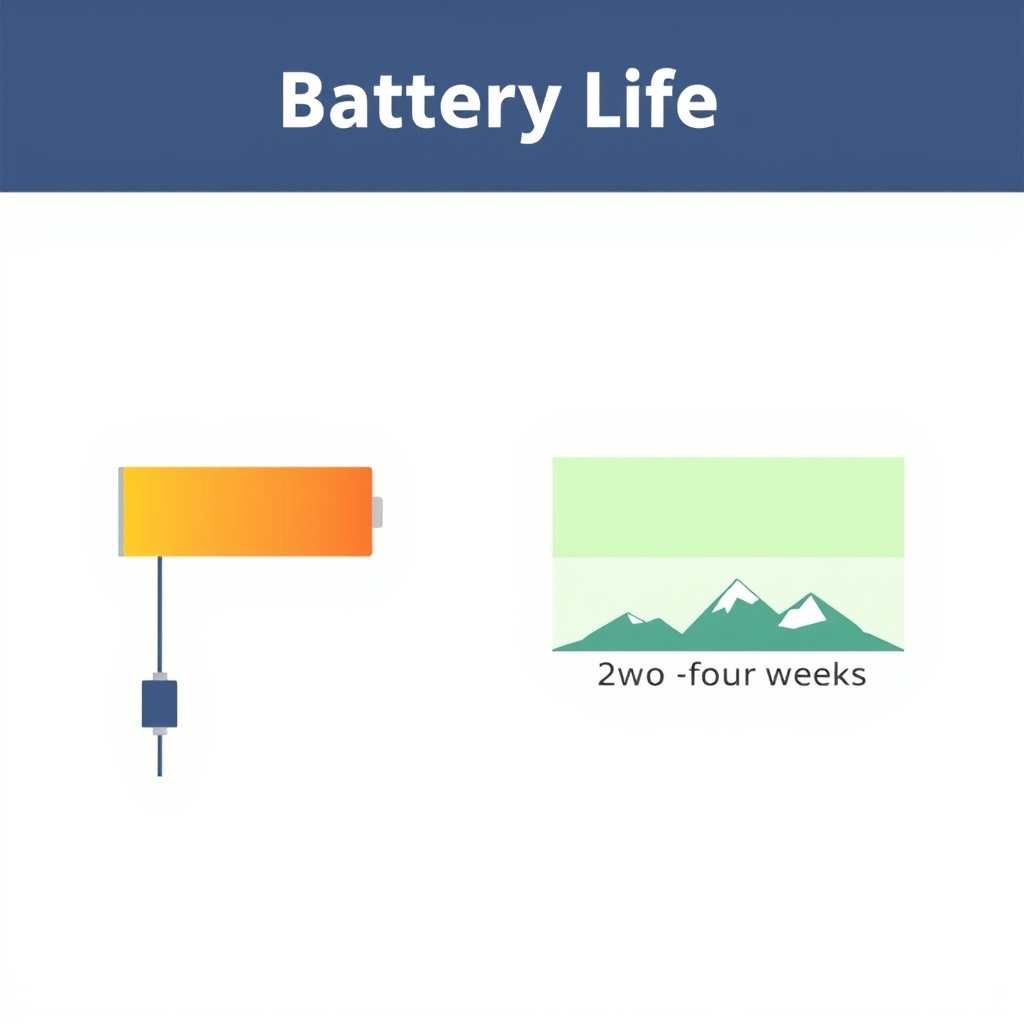
Battery Life: The Single Largest Differentiator
Apple Watch: Typical mixed-use battery life (smartwatch + fitness notifications) is 1–2 days. Intensive GPS activity drains faster; based on owner reports, an hour of GPS-tracked running consumes roughly 10–15% of the battery. A runner doing daily 10-mile runs often charges every night. Over a week of travel, you’re managing a daily charging ritual.
Garmin: Smartwatch mode (time, notifications, light activity tracking) achieves 2–4 weeks per charge depending on model and screen type. GPS training mode lasts 10–20+ hours depending on satellite configuration and display brightness. A runner can complete a week of daily long runs without charging; backpackers can leave a charger at home. Based on owner reports we’ve tracked, this is the single most cited reason for choosing Garmin over Apple Watch.
Verdict for battery life: Not even close. Garmin wins decisively. If you travel, do multi-day events, or resent daily charging, Garmin eliminates the friction entirely.
Health Metrics and Medical-Grade Features
Apple Watch:
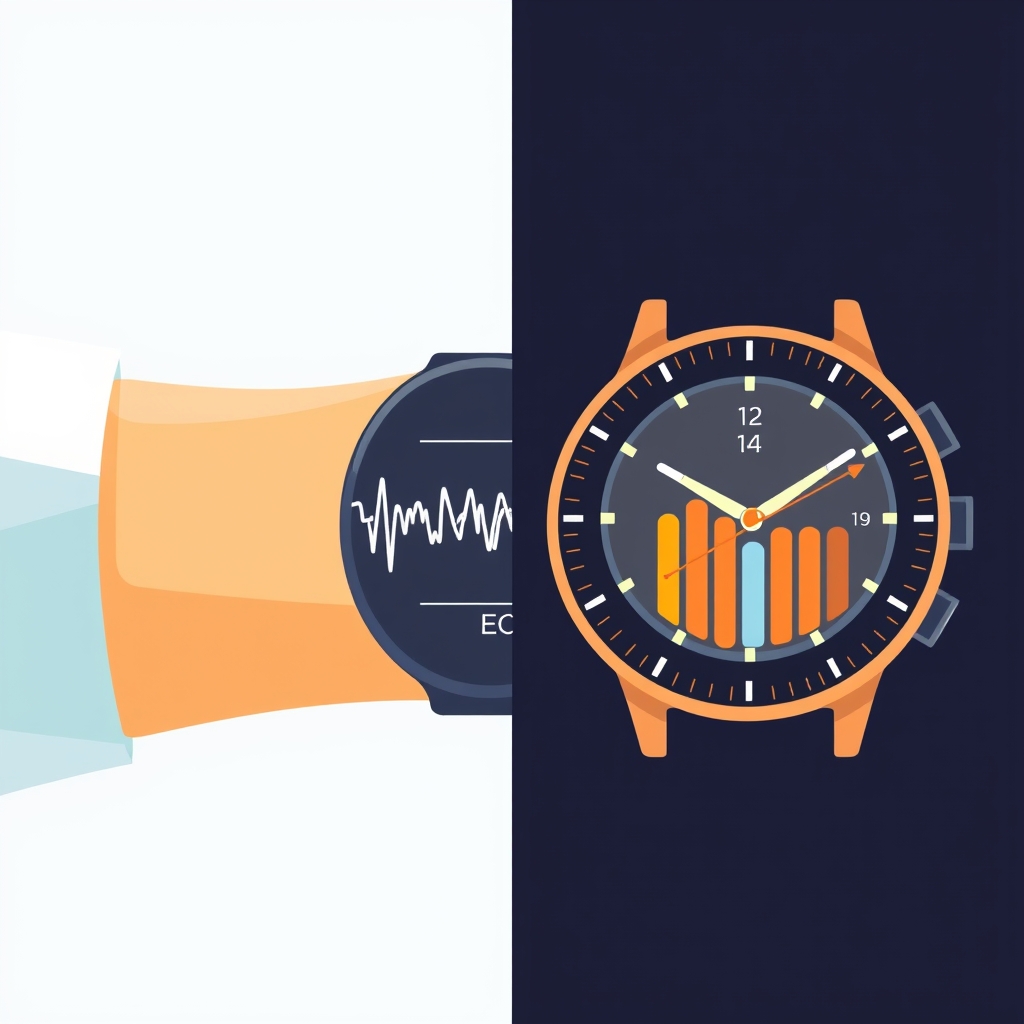
- ECG (electrocardiogram) for detecting atrial fibrillation and irregular heart rhythms.
- Blood oxygen saturation (SpO2) via optical sensor.
- Sleep tracking with REM/Core/Deep stage classification.
- Fall detection and crash detection (Ultra model).
- Temperature-based period tracking.
These are validated features that Apple has submitted to regulatory bodies; they’re positioned as health tools, not just fitness metrics.
Garmin:
- SpO2 tracking (continuous on newer models).
- Sleep tracking with REM/Light/Deep classification.
- Stress levels and Body Battery (proprietary energy metric).
- Heart rate variability (HRV) for recovery status.
- No ECG (consumer models lack this validation step).
Garmin’s metrics are useful for training load and recovery planning but less clinically positioned than Apple’s.
Verdict: Apple Watch has the medical edge. If you want cardiac monitoring or are tracking a health condition, Apple Watch is more clinically credible. Garmin prioritizes training load and athletic recovery instead.
Running Metrics and Sport-Specific Features
Apple Watch: Offers cadence (steps per minute), pace, and distance via standard GPS. No ground contact time, vertical oscillation, or running form analysis. Good enough for casual and intermediate runners; serious runners find it limiting.
Garmin: Includes ground contact time (how long your foot is in contact with the ground per stride), vertical oscillation (bounce), running dynamics (balance left vs. right), stride length, and form power. These metrics help identify efficiency issues and injury risk. Garmin’s Running Dynamics feature is a genuine moat Apple Watch doesn’t offer equivalent depth. Triathletes get multi-sport transition detection; cyclists get power meters (via external sensors); swimmers get stroke type and SWOLF score (a combined measure of strokes plus seconds per pool length, similar to golf’s efficiency metric).
Verdict: Garmin dominates for serious runners and multi-sport athletes. Apple Watch is sufficient for casual fitness tracking.
Smartwatch and Daily-Use Features
Apple Watch:
- Full text, phone, and app notifications synced from iPhone.
- Apple Pay, contactless payments at most vendors.
- Siri voice assistant for quick commands and queries.
- Calendar, reminders, weather, and third-party app ecosystem (Uber, Slack, news apps, etc.).
- AirDrop and handoff between devices.
- Unlock your Mac or Apple TV with your wrist.
Garmin:
- Text and call notifications (requires Bluetooth link to phone; delayed if out of range).
- No payments or contactless support.
- Voice commands are limited to sports-specific functions (start/stop workout, lap).
- Calendar and weather work in connected mode only.
- Third-party app support is minimal; Garmin Connect is the primary hub.
Verdict: Apple Watch is a full smart device on your wrist. Garmin is a training watch that tolerates notifications. If you want a wrist computer for daily life, Apple wins. If you want a training device that doesn’t distract you, Garmin’s simplicity is intentional.
Price and Value
In our comparisons, observed retail pricing as of July 2026 shows broad overlap:
- Apple Watch Series 9: ~$250–$350 (base GPS model)
- Apple Watch Ultra: ~$750–$800
- Garmin Epix: ~$400–$500
- Garmin Fenix 8: ~$600–$700
- Garmin Forerunner 965: ~$400–$450 (running-focused, lower cost)
Note: Prices vary by retailer, carrier promotions, and region; verify current pricing before purchasing.
Value perception: Apple Watch offers more features per dollar for daily smartwatch use. Garmin is more expensive but justifies it through multi-week battery life and training depth. Over a three-year lifespan, Garmin users spend less time managing charging and get more granular training data.
Keep Apple Watch If…
- You’re an iPhone-first user and want deep ecosystem integration (payments, Siri, notifications, app ecosystem).
- You value a bright, responsive screen and daily smartwatch convenience over training analytics.
- You do casual to moderate fitness (yoga, gym workouts, recreational running) and don’t need sport-specific metrics.
- Battery charging daily is acceptable because you’re always near a charger or office.
- You want medical-grade health monitoring (ECG, cardiac event detection) validated by Apple’s regulatory partnerships.
Keep Garmin If…
- You run, bike, swim, or do triathlon seriously and need sport-specific metrics (ground contact time, power, stroke analysis).
- You travel frequently or do backcountry sports and can’t charge daily; multi-week battery life is non-negotiable.
- GPS accuracy in challenging terrain matters (trail running, mountaineering, dense urban canyons).
- You resent notification clutter and want a device focused on training, not texts and apps.
- You want the training metrics without the smartphone tether; Garmin syncs after the fact or over Wi-Fi.
Head-to-Head Feature Table
| Category | Apple Watch | Garmin | Advantage |
|---|---|---|---|
| Battery Life (Smartwatch Mode) | 1–2 days | 2–4 weeks | Garmin |
| GPS Accuracy | Standard GPS (dual-frequency on select models) | Multi-band GNSS on many mid- and high-end models | Garmin |
| Sport Profiles | Approximately 120 workout types | 100+ dedicated sport profiles with advanced metrics | Garmin |
| Running Metrics | Core metrics (pace, cadence, heart rate) | Advanced metrics (running dynamics, ground contact time, vertical oscillation, training load) | Garmin |
| Smartwatch Features | Full app ecosystem, Apple Pay, Siri, messaging, calling | Basic notifications and limited apps | Apple Watch |
| Health Monitoring | ECG, SpO₂, heart rate, irregular rhythm alerts, crash detection | SpO₂, HRV, stress tracking, Body Battery, training readiness | Apple Watch for medical-focused features; Garmin for fitness and recovery insights |
| Ecosystem Integration | Deep integration with iPhone and Apple services | Compatible with both Android and iPhone, but with fewer ecosystem features | Apple Watch |
| Display | Bright Retina OLED display | AMOLED or MIP display (depending on model), optimized for outdoor visibility | Apple Watch for display quality; Garmin for outdoor readability |
| Typical Price Range | $250–800 | $300–900 | Tie (varies by model and features) |
| Multi-Day Adventure Readiness | Requires frequent charging | Designed for multi-day use without recharging | Garm |
FAQ
Which is better for running, Apple Watch or Garmin?
Garmin is better for serious runners. It offers ground contact time, vertical oscillation, and form power metrics Apple Watch doesn’t provide. If you’re training for a marathon or tracking running form, Garmin’s depth is unmatched. Apple Watch is fine for casual runners doing 3–5 miles a few times a week.
Does Apple Watch GPS work well enough for outdoor running?
Yes, for roads and open trails. Apple Watch’s standard GPS is accurate within roughly 5–10 meters in clear conditions, based on owner reports. Where it struggles is under dense tree cover or in urban canyons, where signal can drop for 30+ seconds. For most road runners, this is not a problem. Trail runners and climbers notice the limitation more acutely.
How long does Garmin battery last on a single GPS workout?
Garmin’s Epix or Fenix series is rated for 10–20 hours of continuous GPS tracking, depending on satellite configuration and screen brightness. A runner or cyclist can complete a long day-long adventure without charging mid-activity. Apple Watch lasts roughly 6–8 hours of intensive GPS before the battery drops below 20%.
Can I use Garmin without a smartphone?
Yes. Garmin watches sync over Wi-Fi or Bluetooth when you’re home, but they operate fully standalone. You can track a run, ride, or hike in airplane mode and upload the data later. Apple Watch requires an iPhone for initial setup and most features; it’s tethered by design.
Does Apple Watch work with Android?
No. Apple Watch is locked to iPhone. Garmin works with both iOS and Android phones equally.
Which has better battery for travel?
Garmin. If you’re backpacking, multi-day racing, or traveling internationally, Garmin’s 2–4 week smartwatch battery means you leave the charger at home. Apple Watch’s 1–2 day lifespan requires daily charging; in hotels, this is manageable, but on multi-day treks, it’s a liability.
The Bottom Line: Which One We’d Keep
For iPhone users who value daily smartwatch integration: Apple Watch.
For athletes who prioritize training depth and battery life: Garmin.
Stop comparing specs. Answer one question do you travel with it, or do you charge it daily at home? That single friction point determines the keeper. If you dread managing battery between workouts and trips, Garmin eliminates the problem with weeks of autonomy. If you love having your phone on your wrist, Apple’s ecosystem lock is the feature, not the bug.
The two watches aren’t competitors in the same space they’re different product categories wearing similar shapes. Apple is a smart assistant that tracks fitness; Garmin is a training computer that tolerates notifications. Choose the one whose primary job matches your wrist’s actual job.