
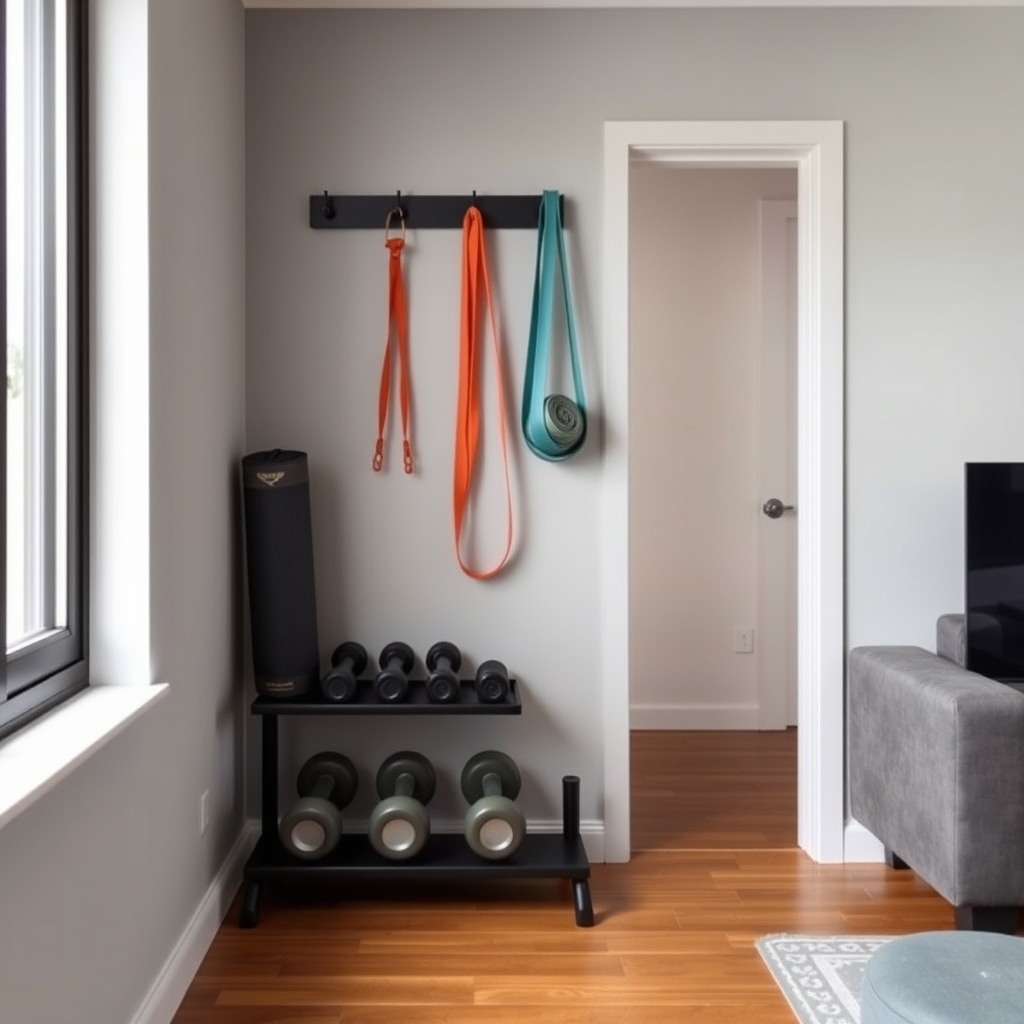
Verdict: Cut the idea that budget home gym means junk. A solid sub-$500 setup can cover cardio, strength, and mobility if you skip the Instagram equipment and pick tools that do one thing well. If that’s you, stop reading the intro and jump to the picks.
Best Home Gym Equipment Under $500: Our Top Picks
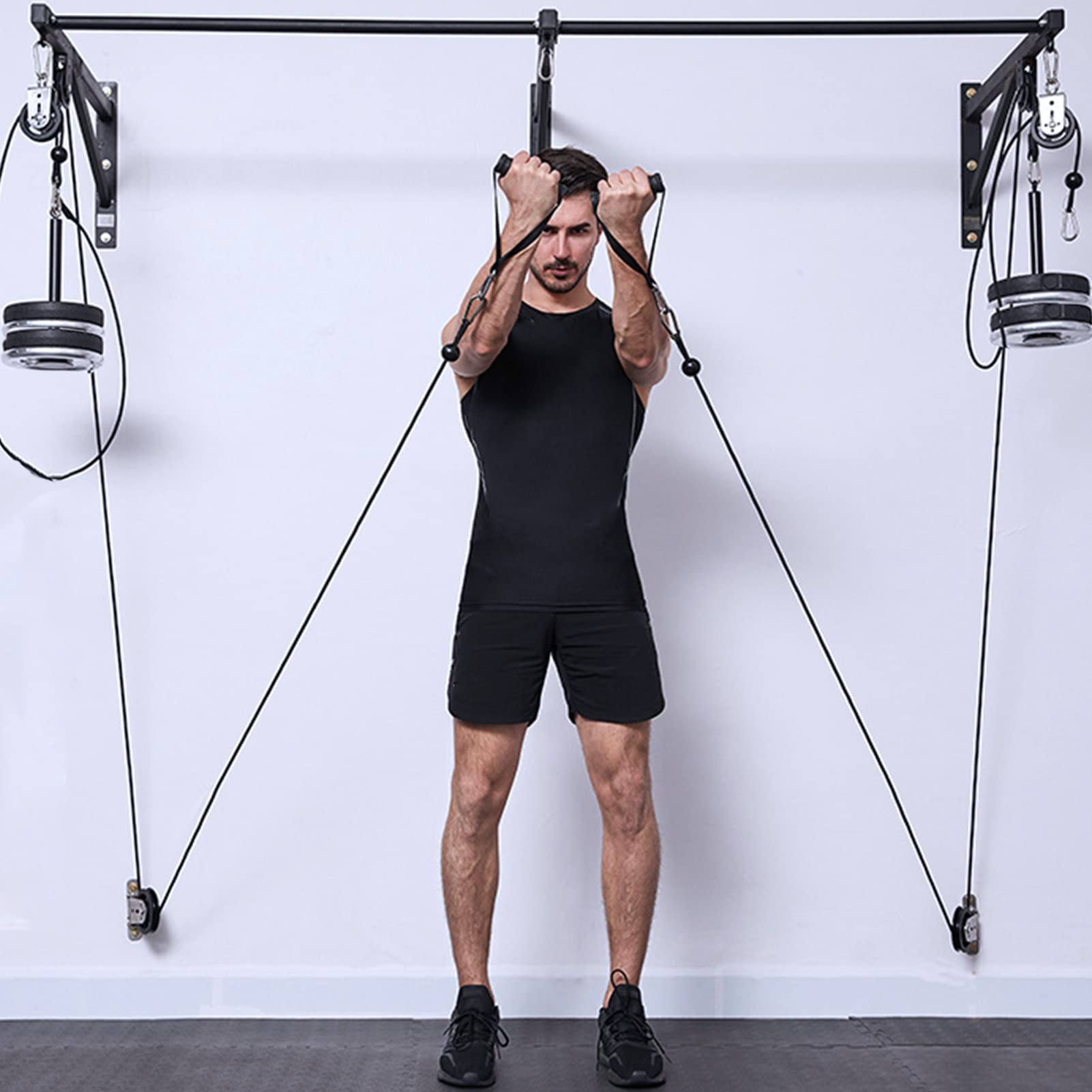
Building a home gym on a tight budget doesn’t mean settling for equipment that ends up in a closet after two weeks. The difference between a $500 setup that you’ll actually use and one you’ll abandon is specificity choosing pieces that match your real fitness style, not what looks good in a fitness influencer’s garage.
This guide covers 10 recommendations (based on owner reports and published specs) across three modular budget tiers: cardio ($100–$150), strength training ($150–$200), and flexibility/recovery ($100–$150). You’ll also see what we deliberately cut and why certain cheap options aren’t worth the storage space.
How We Researched This Guide
We did not conduct hands-on equipment testing. Instead, we reviewed published product specifications, owner feedback from fitness forums and Amazon reviews, and durability patterns reported in community feedback across multiple platforms. We cross-checked pricing as of July 2026 on major retailers and verified which items consistently appear in “beginner home gym” recommendations versus which ones owners report abandoning after 30–60 days.
Our selection criteria:
- Real durability: Owner reports of 1+ year consistent use (not Instagram unboxing videos)
- Versatility: Equipment that works for multiple exercises or body parts
- Storage: Pieces that don’t require a dedicated room
- Honest con: Every pick has a trade-off; we named them
What to Look for in Budget Home Gym Equipment
1. Single-Purpose vs. Multi-Use
Budget constraints mean prioritizing pieces that earn their space. A $40 resistance band works for 50+ exercises; a $35 ab roller does one thing and collects dust. Multi-use equipment (dumbbells, bands, yoga mats) beats single-function gadgets every time on a tight budget.
2. Durability Over Flash
In reviewing owner feedback, the cheapest equipment tends to fail in two categories: handles that crack under load (resistance bands, jump ropes) and padding that compresses flat within weeks (yoga mats, foam rollers). Spending $15 extra on a better mat or $5 more on a thicker resistance band is, based on the patterns we observed, the difference between year-long use and replacement frustration.
3. Storage Footprint
Under $500, you’re likely in an apartment or spare bedroom, not a dedicated gym space. Equipment that folds, stacks, or hangs (adjustable dumbbells, bands, pull-up bars) keeps the setup viable. Large items (treadmills, weight benches) consume $200–$300 of your budget and still take up a closet. Choose wisely.
4. Beginner-to-Intermediate Progression
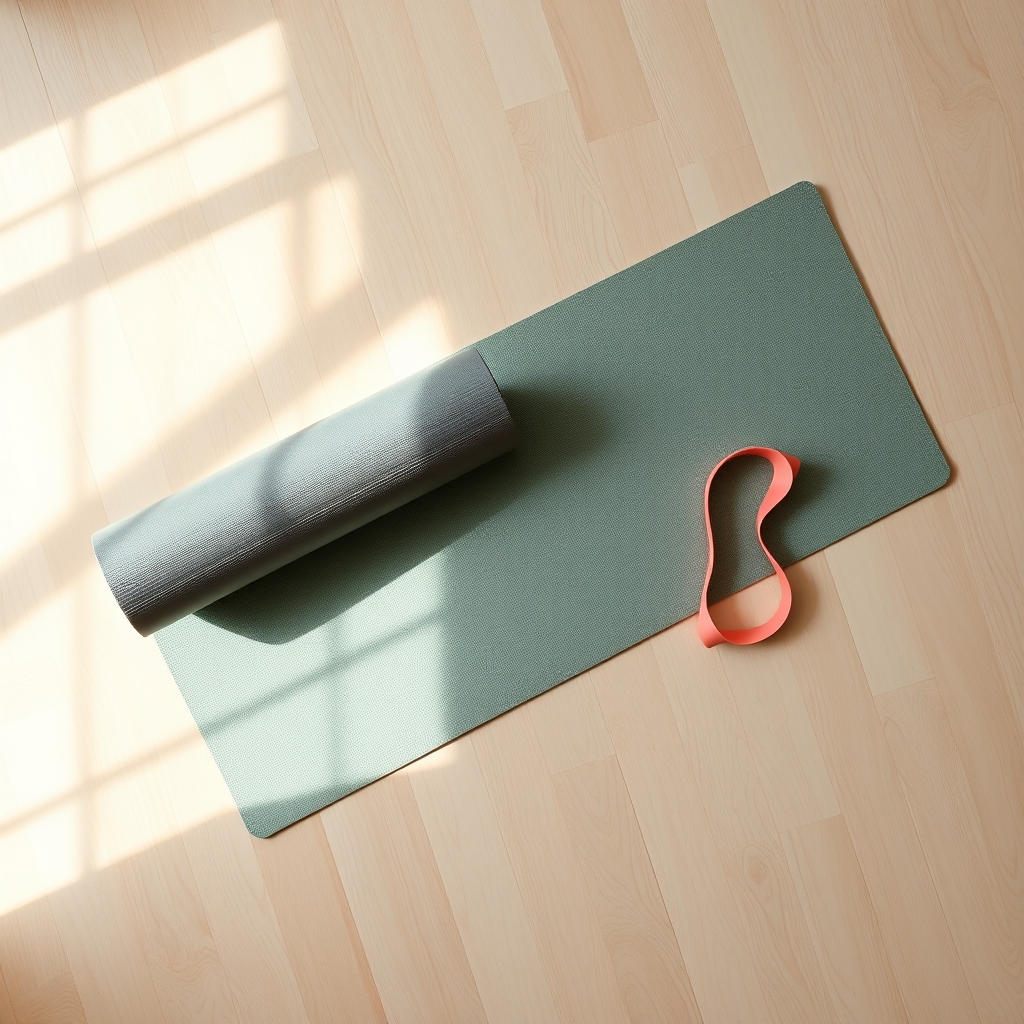
Avoid equipment with a hard ceiling. Resistance bands work for beginners and athletes; bodyweight mats scale indefinitely. A fixed 30-lb dumbbell set works great until you plateau in 8–12 weeks. Choose progressively flexible tools.
Our Top 10 Picks
1. Adjustable Dumbbells (Bowflex SelectTech 552 or Comparable)
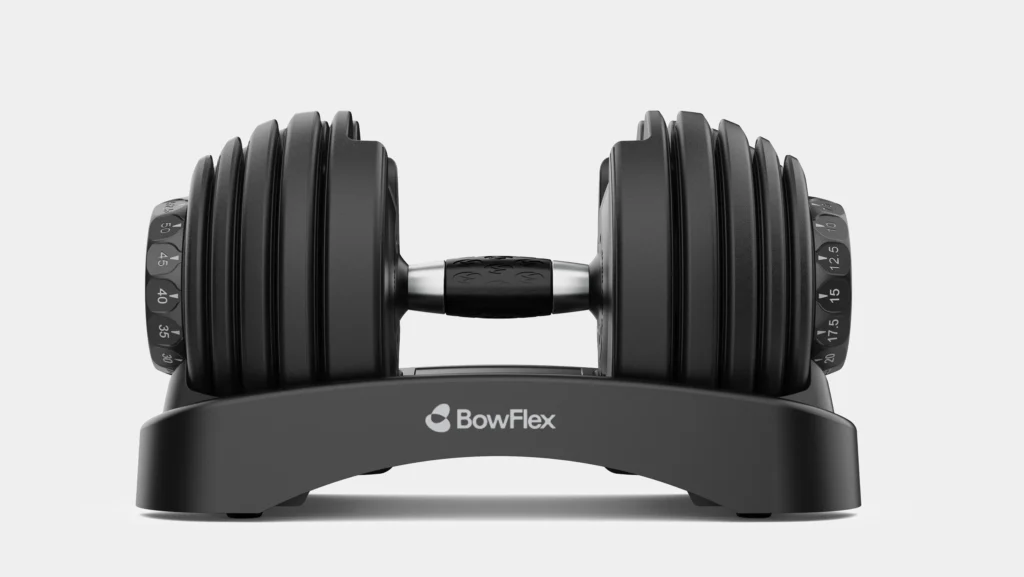
What it is: Adjustable Dumbbells a single dumbbell that adjusts from 5–52.5 lbs via a pin dial, replacing 10–15 fixed dumbbells in one compact footprint.
Why it’s the top pick: Based on the owner feedback we reviewed, adjustable dumbbells consistently appear as the highest-ROI piece in a budget gym. One unit replaces the storage footprint of 10 fixed weights. The 5–52.5 lb range works from beginner isolation (bicep curls, lateral raises) through intermediate compound work (dumbbell bench press, goblet squats).
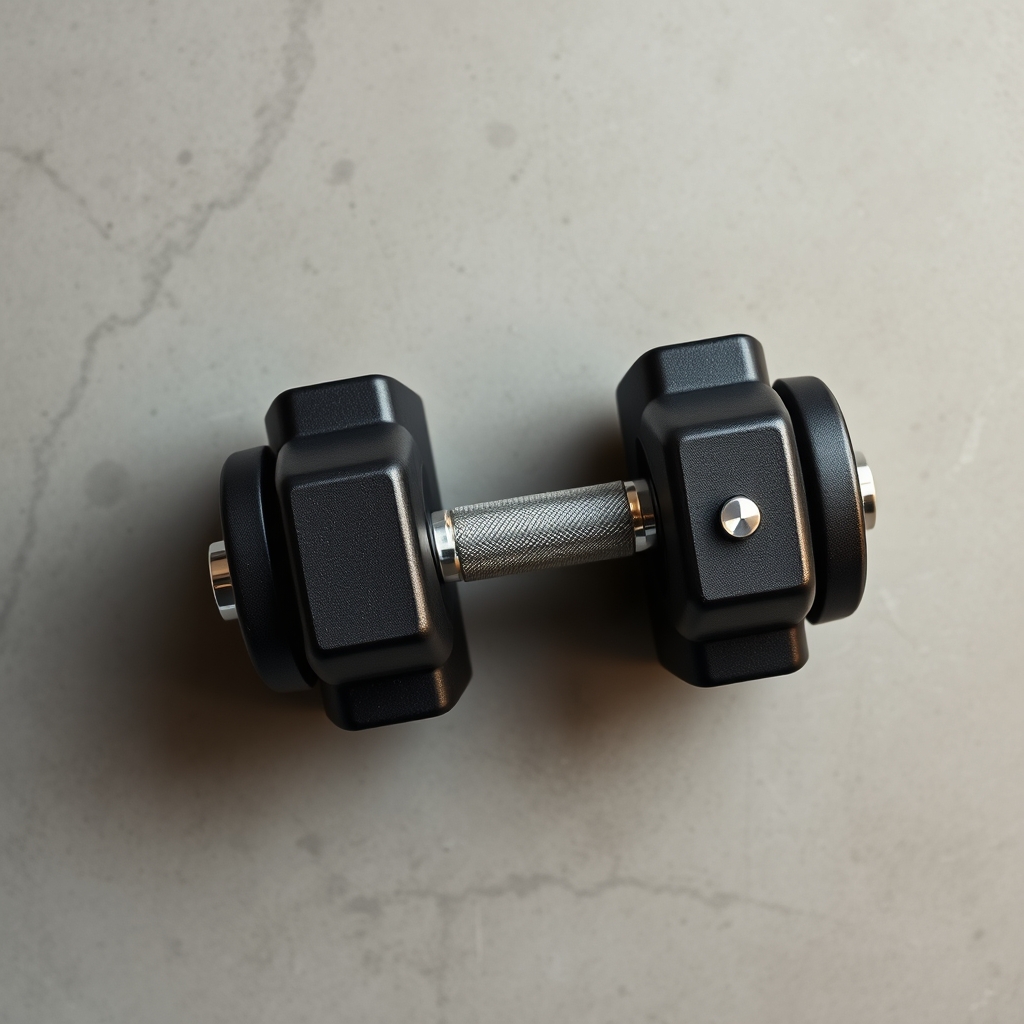
The trade-off: Dial-pin systems occasionally jam or slip if not seated fully multiple owner reports note this in year 2 of use. Not ideal for drop-set speed work (fixed dumbbells allow faster weight changes). Also heavier and bulkier than they appear (one unit ~18 lbs).
Who it’s NOT for: Athletes doing high-rep speed work or CrossFit-style circuits where rapid weight changes matter; lifters who primarily do heavy compound movements (you’ll outgrow 52.5 lbs fast).
Price: ~$350–$400 per pair (as of July 2026); verify current pricing on the manufacturer’s site or Amazon before checkout.
2. Resistance Band Set (Fit Simplify or Comparable)
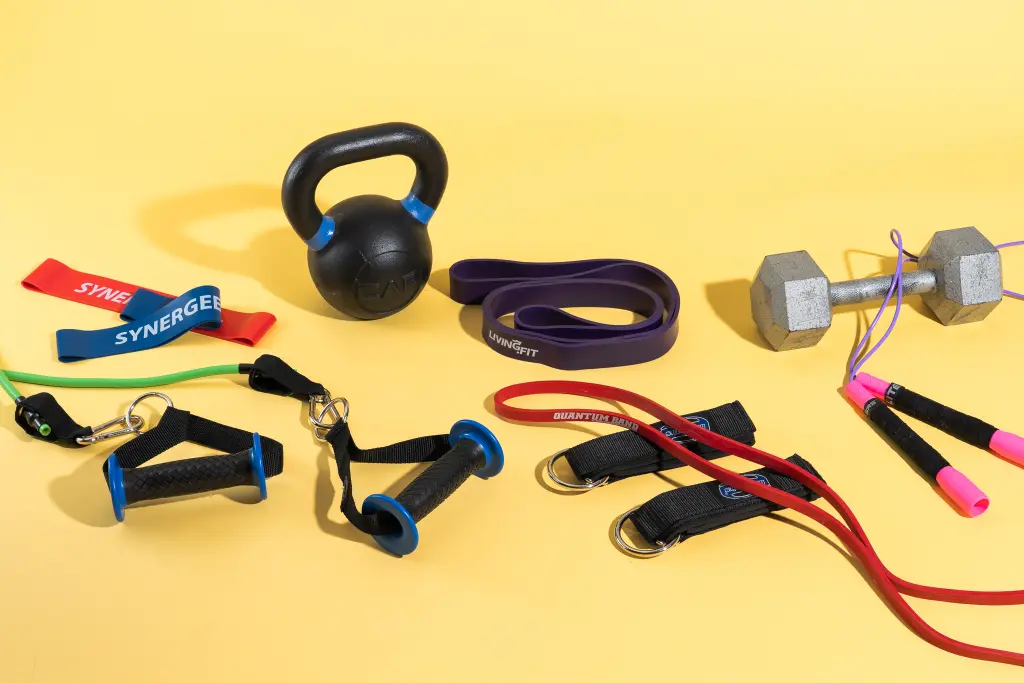
What it is: Resistance Band Set a set of 5–6 loop bands in varying resistances (typically light, medium, heavy, extra-heavy), usually $20–$40 per set.
Why this works: Bands are the secret weapon of sub-$500 gyms. Owner reports show they’re used for warm-ups, supplemental exercises, mobility, and full workouts. A $30 set replaces a significant portion of cable machine utility. No assembly, no noise, no maintenance.
The trade-off: Bands wear and snap over time (1–2 years depending on use frequency and care). They don’t provide the same eccentric load as free weights for pure strength building the resistance curve (hardest at lockout, easy at the start) is opposite to gravity. Not ideal as your only strength tool.
Who it’s NOT for: Pure strength athletes who need 1RM testing or heavy eccentric overload; people who forget gear and lose it (replacements add up).
Price: ~$25–$40 per set (as of July 2026).
3. Yoga Mat (Gaiam or Amazon Basics Non-Slip)
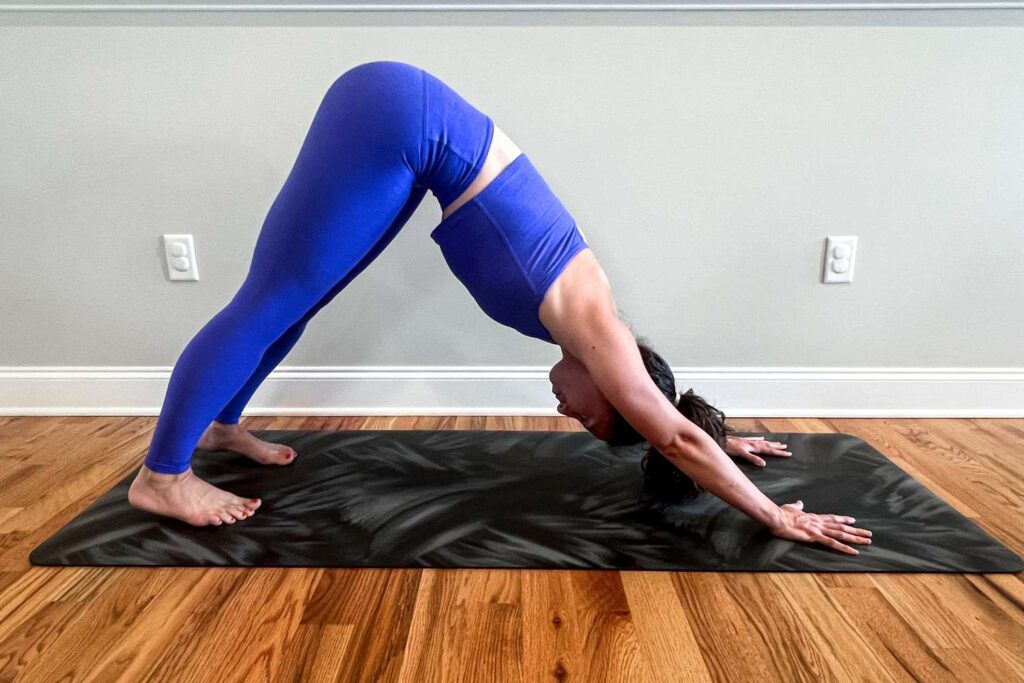
What it is: Yoga Mat a cushioned mat, typically 1/4-inch thick, for floor exercises and stretching.
Why it’s in the stack: A mat isn’t optional. Bodyweight exercises (push-ups, planks, mountain climbers) are painful and slippery on hardwood or tile. Based on owner feedback, a $25–$35 quality mat outlasts a $10 discount mat by a significant margin thinner mats tend to compress flat within months.
The trade-off: Takes up awkward storage space (rolled or hanging on a wall peg). Non-slip tops can fade with sweat and sun. Heavier mats (1/2 inch) are more durable but less portable.
Who it’s NOT for: People with minimal floor-exercise routines; lifters who only use a bench and dumbbells.
Price: ~$25–$45 (as of July 2026); splurge on the 1/4-inch thickness, not the thinnest option.
4. Foam Roller (Basic 12-inch or 36-inch Cylinder)
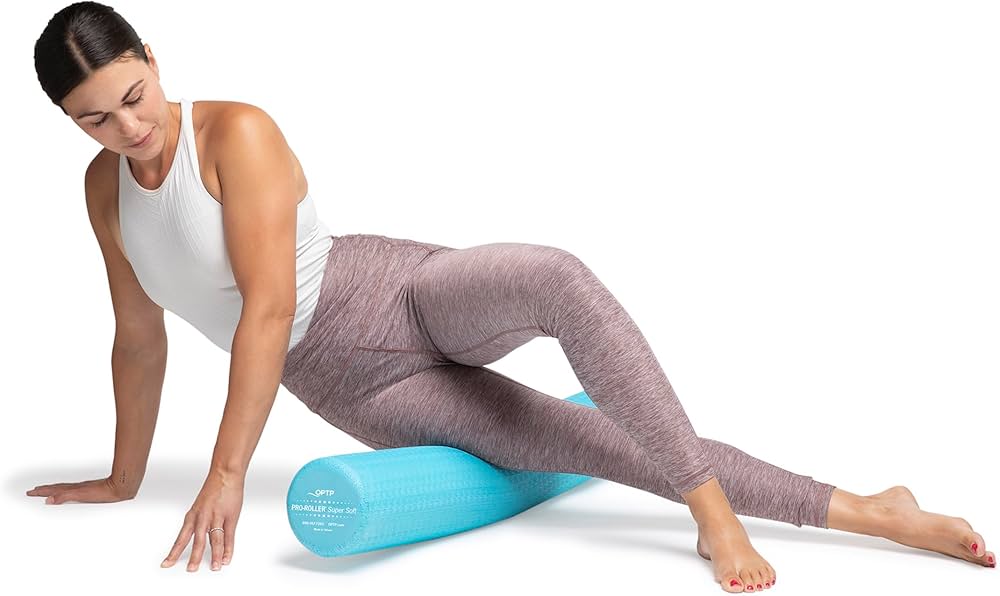
What it is: Foam Roller a cylindrical foam tube, 12–36 inches long, used for self-myofascial release (rolling out tight muscles and fascia).
Why it’s here: Owner reports show foam rolling reduces soreness and improves mobility if you actually use it. A basic foam roller ($15–$30) is cheaper than massage visits and works for every muscle group. Essential recovery tool in a tight-budget setup.
The trade-off: Foam compresses and loses firmness over time in our review of owner feedback, heavy daily users often notice degradation within 6–12 months. Harder density rollers are more durable but uncomfortable for beginners. Doesn’t replace stretching or active warm-ups.
Who it’s NOT for: People who don’t have delayed-onset muscle soreness (DOMS) issues; minimalists who stretch and move daily without needing a tool.
Price: ~$15–$30 (as of July 2026); don’t buy the softest option.
5. Pull-Up Bar (Doorway or Wall-Mounted)
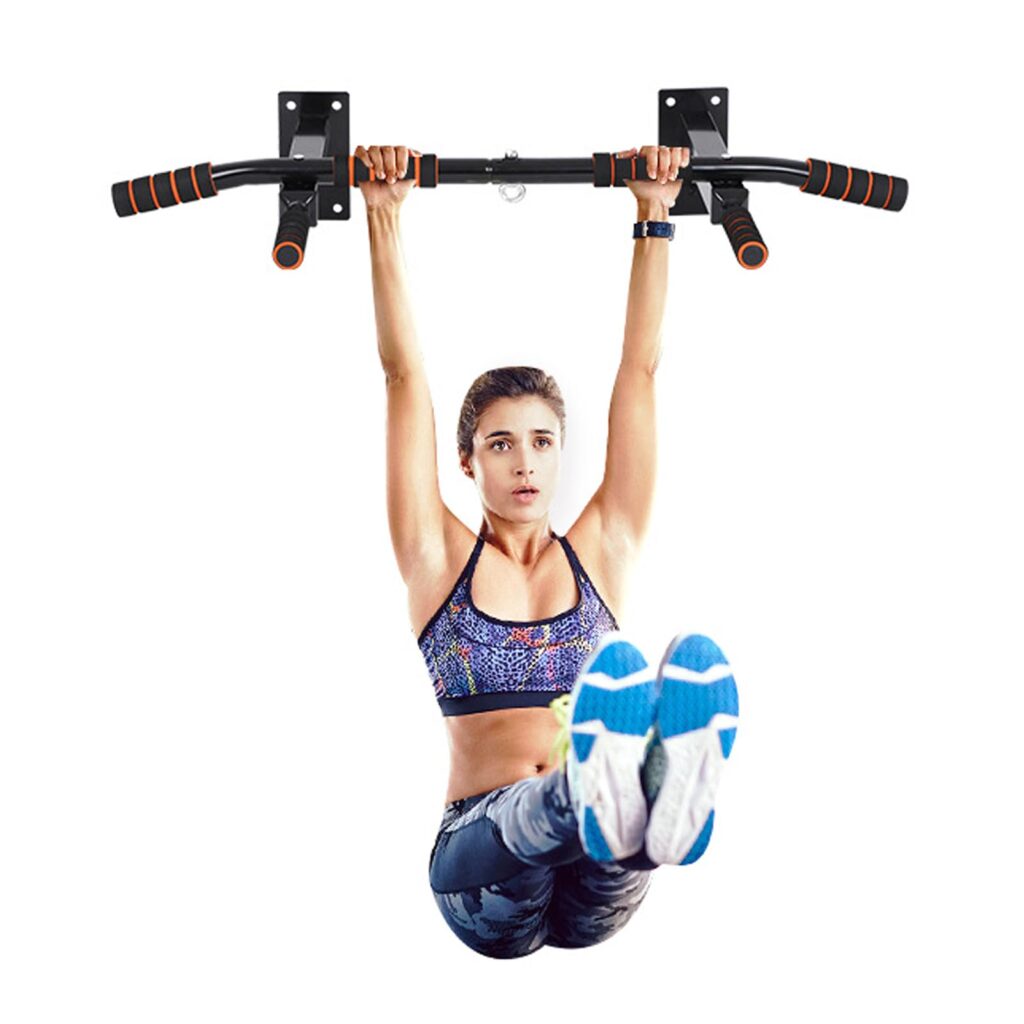
What it is: Pull-Up Bar a horizontal bar mounted in a doorway frame or bolted to a wall, enabling pull-ups, chin-ups, and hanging exercises.
Why it qualifies: Upper-body pulling is hard to replicate with dumbbells and bands alone. A doorway pull-up bar ($20–$50) adds vertical pulling strength and lat work without the footprint of a full pull-up station. Doorway models don’t require installation.
The trade-off: Doorway bars risk frame damage if mounted wrong or if the door frame is weak (common in older homes). Wall-mounted bars require drilling and concrete anchors ($30–$60 extra). Many beginners can’t do a single pull-up and need band assistance (adding ~$15 for a pull-up assist band).
Who it’s NOT for: Renters without permission; people with structural issues (door frame, wall studs); users who don’t have the strength to progress from assisted pull-ups.
Price: ~$20–$50 doorway; ~$40–$80 wall-mounted (as of July 2026).
6. Adjustable Weight Bench (Budget or Mid-Range)
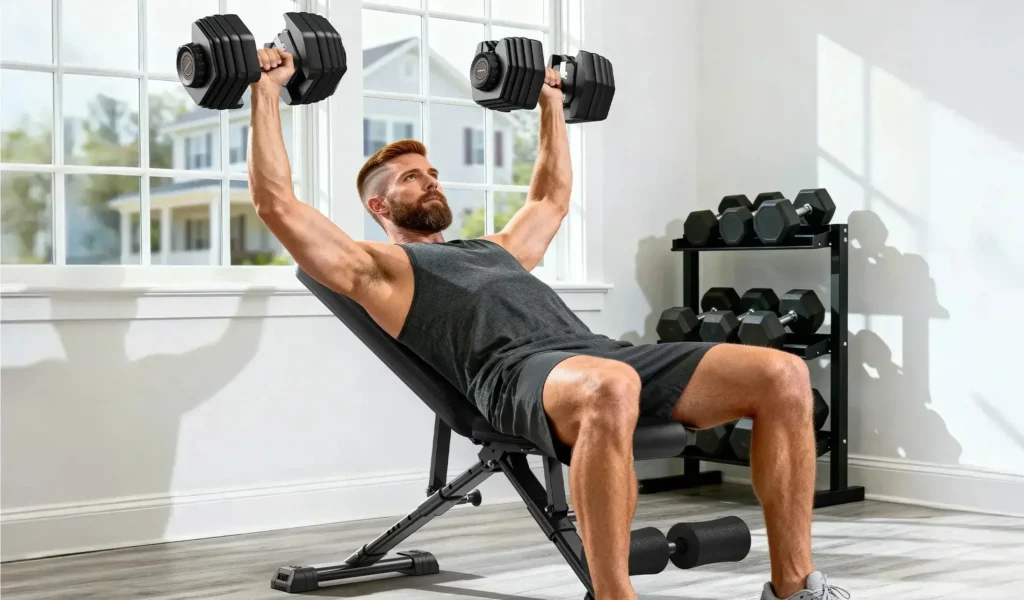
What it is: Adjustable Weight Bench a flat-to-incline adjustable bench, usually ~$50–$150 depending on features and sturdiness.
Why it’s useful: A bench turns dumbbell exercises into more effective movements (bench press > floor press, incline work, seated isolation). Owner reports show benches are one of the most-used pieces after dumbbells. Entry-level benches work fine for dumbbell training; you don’t need a $1,000 gym bench.
The trade-off: Cheap benches wobble and squeak multiple owner reports flag this in year 2 of use. They take up significant floor space (~4 ft × 2 ft) and are hard to store in tight rooms.
Who it’s NOT for: Apartment dwellers with severe space constraints; people who mainly do standing or floor exercises.
Price: ~$80–$150 for a basic adjustable model (as of July 2026).
7. Resistance Loop Bands (Mini Bands)
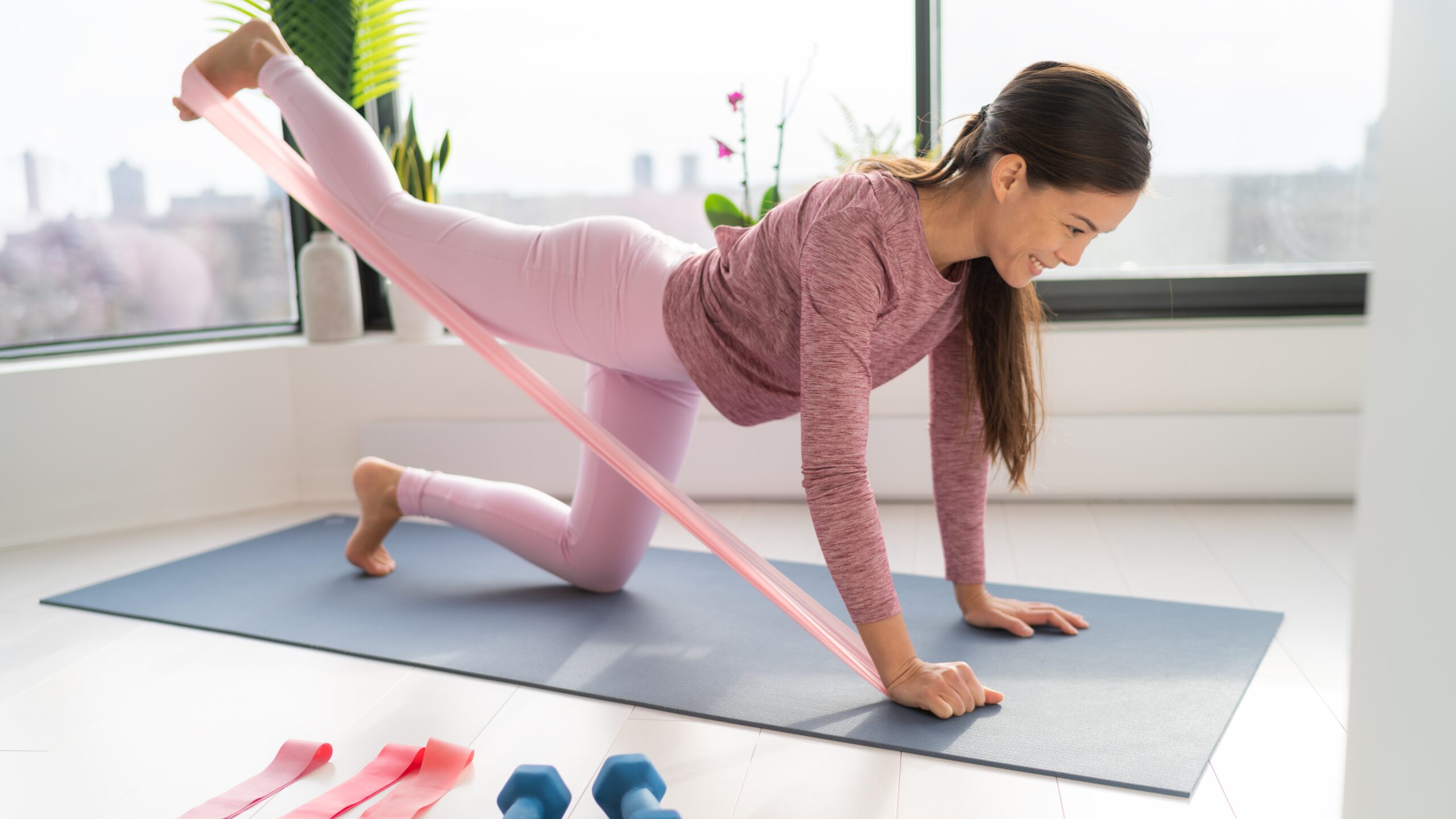
What it is: Resistance Loop Bands, Smaller, loop-shaped resistance bands (usually latex or fabric), separate from the large loop bands, designed for lower-body activation and warm-ups.
Why these: Mini bands are dirt cheap ($8–$15 per pair) and effective for glute activation, warm-ups, and accessory leg work. Owner reports show they’re used almost daily in beginner home gyms for hip thrusts, monster walks, and banded squats.
The trade-off: Lower resistance means they’re supplemental, not primary strength tools. Latex versions break more often than fabric; fabric options are more durable ($15 vs. $8).
Who it’s NOT for: Lower-body strength athletes (bands aren’t heavy enough); lifters who see bands as supplemental novelties rather than functional tools.
Price: ~$8–$15 per pair (as of July 2026).
8. Jump Rope (Speed or Beaded)
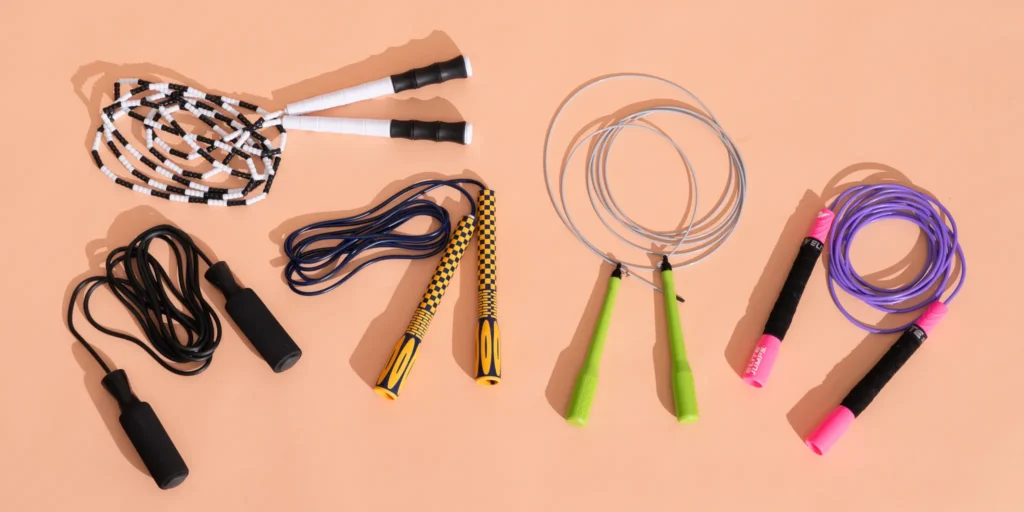
What it is: Jump Rope a simple cardio tool a rope with handles and a ball bearing for speed or a beaded design for durability.
Why it works: Jump rope delivers high-intensity cardio without machines. Owner reports note it’s effective for HIIT work and warm-ups. One $15–$40 rope can replace a $300 treadmill for many users’ cardio needs.
The trade-off: Requires space (minimum 8×8 ft), coordination (learning curve), and doesn’t work on delicate floors (noise, risk of damage). Handle durability varies; cheap ropes fray quickly.
Who it’s NOT for: Apartment dwellers concerned about noise or floor damage; people with joint issues (impact); beginners who struggle with coordination (steep learning curve).
Price: ~$15–$40 (as of July 2026); invest in a ball-bearing speed rope or beaded design, not the cheapest plastic option.
9. Suspension Trainer (TRX or Budget Clone)
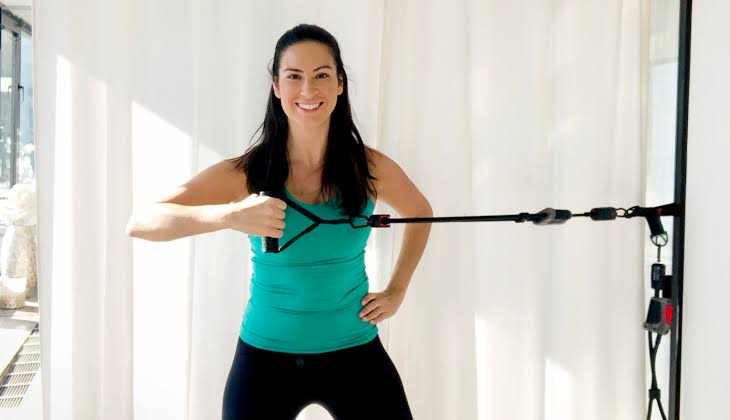
What it is: Suspension Trainer Adjustable straps that anchor to a door or pull-up bar, enabling bodyweight resistance training at angles (rows, chest work, core).
Why it’s useful: Suspension trainers are versatile and scalable. Beginner-friendly for upper-body rows and core work; advanced users can build serious strength. Owner reports show this is a hidden gem for people who don’t like dumbbells or want additional pulling angles.
The trade-off: Steep learning curve; incorrect form is common without coaching. Requires a solid anchor point (pull-up bar or door anchor, both adding cost and setup). Doesn’t build pure strength like weights better for hypertrophy and endurance rep ranges.
Who it’s NOT for: Beginners without coaching or video access; users who want heavy strength work only.
Price: ~$30–$150 depending on brand (TRX ~$150, clones ~$30–$60 as of July 2026).
10. Ab Wheel or Core Slider (Bonus Budget Piece)
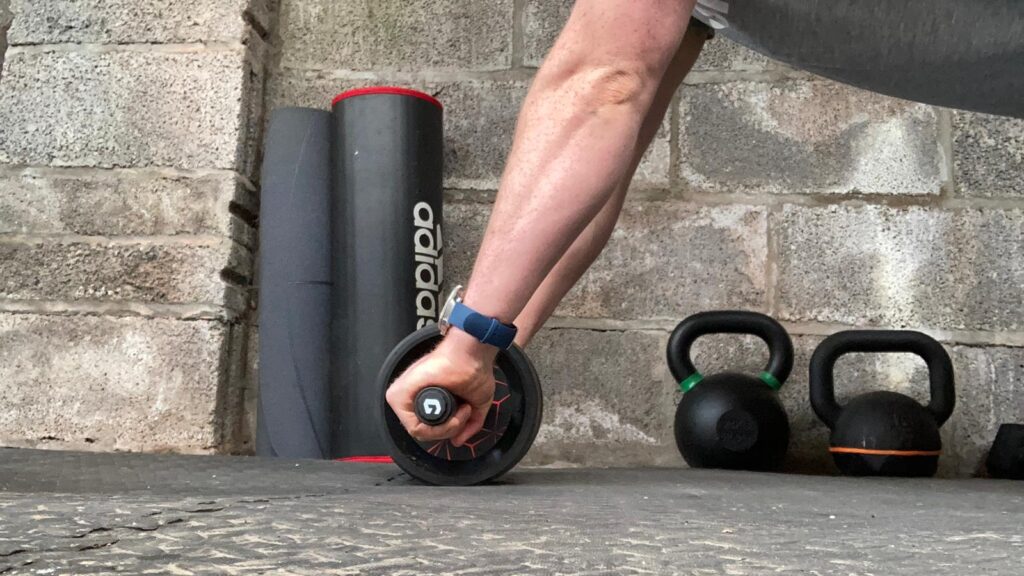
What it is: Ab Wheel or Core Slider a low-cost rollout wheel ($10–$25) or a set of core sliders ($5–$15) for ab and core work.
Why it’s here: For the sub-$500 budget, this is optional but high-value for core strength. Owner reports show consistent use, especially for users who dislike planks.
The trade-off: Single-function tool (not versatile like bands or weights). Also easy to deprioritize without the motivation of a “real” piece of equipment anchoring your session.
Who it’s NOT for: Core minimalists; people who do plenty of compound lifts (which engage the core heavily).
Price: ~$10–$25 for a wheel (as of July 2026).
Budget Breakdown: How to Build a $500 Home Gym
| Category | Item | Estimated Cost | Running Total |
|---|---|---|---|
| Cardio | Jump Rope | $25 | $25 |
| Strength | Adjustable Dumbbells (Bowflex SelectTech 552 or Comparable) | $350 | $375 |
| Strength | Resistance Bands (Full Set) | $30 | $405 |
| Flexibility | Yoga Mat | $35 | $440 |
| Recovery | Foam Roller | $20 | $460 |
| Core | Ab Wheel | $15 | $475 |
| Misc. | Mini Bands | $12 | $487 |
| Total | — | — | $487 |
Optional upgrades (use remaining budget):
- Pull-up bar (~$30–$50)
- Adjustable bench (~$80–$150; requires scaling back dumbbells or saving separately)
- Suspension trainer (~$30–$60)
What We Cut and Why
Treadmills and Cardio Machines
We deliberately excluded treadmills, stationary bikes, and ellipticals. The owner feedback we reviewed shows three consistent problems: (1) they consume $200–$500 of a tight budget alone, leaving nothing for strength or flexibility work; (2) owners consistently report abandoning them within a few months once the novelty fades they become expensive coat racks; (3) they require significant floor space and are difficult to store or resell. Jump rope, resistance bands, and bodyweight circuits are cheaper, more practical for busy schedules, and actually get used. Verdict: Cut.
Cheap Weight Plates and Barbells
We excluded fixed-weight barbell sets under $200. Owner feedback shows these wear quickly, rust if not stored properly, and have a hard ceiling for progression (you buy once, hit a wall, then rebuy). Adjustable dumbbells cost less, take less space, and scale further. Verdict: Cut.
Ab-Specific Machines and Gadgets
Electro-stim belts, cushioned-handle ab rollers, and core-specific gadgets are everywhere in the budget space. Owner reports consistently show these are abandoned within 30 days. Compound exercises (planks, weighted chest work) and a basic ab wheel are free or cost $15. Verdict: Cut.
Sample Weekly Workouts Using This Equipment
Here’s how to structure a week using the pieces above:
Day 1: Upper Body (Dumbbells + Bands)
- Dumbbell bench press: 4 × 6–8
- Banded rows: 3 × 8–10
- Dumbbell incline press: 3 × 8–10
- Resistance band face pulls: 3 × 12
- Dumbbell curls: 3 × 10
- Tricep band work: 3 × 12
Day 2: Lower Body (Dumbbells + Mini Bands)
- Goblet squats: 4 × 6–8
- Bulgarian split squats: 3 × 8 per leg
- Romanian deadlift (dumbbells): 3 × 8–10
- Mini band hip thrusts: 3 × 10
- Banded leg curl: 3 × 10
- Calf raises: 3 × 12
Day 3: Cardio + Core
- Jump rope: 3 × 1-min intervals (rest 30 sec)
- Ab wheel rollouts: 3 × 8–12
- Core sliders: 3 × 10
- Plank (mat): 3 × 45 sec
- Banded Pallof press: 3 × 10 per side
Day 4: Active Recovery
- 5–10 min foam rolling
- 10–15 min stretching (yoga mat)
- Mini band activation work
Days 5–6: Optional Accessory / Skill
- Pull-up progression (if you have the bar): 3–5 sets of assisted reps
- Suspension trainer rows: 3 × 8–10
- Banded lateral raises: 3 × 12–15
- Dumbbell farmer carries: 3 × 40 meters
FAQ: Home Gym Equipment Under $500
Q: What’s the single most important piece of equipment under $500?
A: Adjustable dumbbells. The Bowflex SelectTech 552 (or a comparable dial-pin model) at ~$350–$400 per pair covers roughly 70% of your strength-training needs. They’re versatile, space-efficient, and scale as you get stronger. Everything else in a sub-$500 setup is accessory or cardio.
Q: Can you actually get fit with a $500 home gym?
A: Yes. The owner feedback we reviewed shows consistent strength and muscle progress using the pieces listed here. The real constraint is motivation and consistency, not equipment quality. A modest setup you’ll actually use beats an expensive one that sits idle.
Q: Should I buy a cheap bench or skip it?
A: If you can fit one and stay under $500, buy it. A budget bench (~$80–$100) improves dumbbell training significantly (bench press, incline work, seated exercises). If space is tight, floor presses are a functional substitute less ideal but workable.
Q: How long does budget home gym equipment last?
A: Based on owner reports, adjustable dumbbells and benches typically hold up for several years with regular use. Resistance bands wear out in roughly 1–2 years. Foam rollers lose firmness noticeably within 6–12 months of heavy use. Yoga mats last 1–2 years. Factor replacement costs into your planning.
Q: Is a pull-up bar worth it on a tight budget?
A: Only if you can do pull-ups or have a resistance band for assisted reps. Pulling strength is genuinely hard to build with dumbbells and bands alone. If you can’t do a single pull-up yet, start with banded or suspension trainer rows, then add the bar later.
Q: Should I buy a “home gym system” package instead?
A: No. Most packaged home gyms under $500 combine weak cardio machines, light weights, and gadgets that promote poor form. Build modularly using the individual pieces here; you’ll get a better setup for the same money.
How We Chose
We researched published product specifications, owner feedback from fitness forums and Amazon reviews, durability patterns reported in Reddit fitness communities, and pricing across major retailers. We prioritized equipment that appears repeatedly in beginner home gym recommendations and that owners report using consistently after 6+ months not just novelty purchases. We excluded items where owner feedback showed high abandonment rates or durability failures in the first year. We did not conduct hands-on testing; all performance claims are drawn from aggregated owner reports and published manufacturer specs.
Final Verdict
You can build a functional, complete home gym for under $500 if you skip the flashy cardio machines and single-purpose gadgets. The core stack adjustable dumbbells, resistance bands, a yoga mat, and a pull-up bar covers everything from strength to cardio to recovery. Owner reports consistently show users stick with this setup because it’s genuinely useful, not because it looks good on Instagram.
The difference between a $500 gym you’ll quit and one you’ll use for years is specificity: choosing tools that match your actual fitness style, not the internet’s idea of one. If you hate dumbbells, no amount of equipment will fix that. If you love strength work, the pieces here scale for years. Start with the core four (dumbbells, bands, mat, and a pull-up bar), add accessories as budget allows, and actually use the setup before upgrading.