
Verdict: Manduka PRO is the best overall yoga mat. It combines reliable grip that doesn’t degrade, thick cushioning that holds up for years, and a design that works for every yoga style from vinyasa to yin. If that’s your budget, stop reading and buy it.
What to Look For in a Yoga Mat
Choosing a yoga mat comes down to four core factors: grip, cushioning, durability, and portability. Here’s how each matters.
Non-slip grip is non-negotiable. A mat that slides under your hands during downward dog isn’t worth the money it breaks your form and kills your confidence. Look for textured surfaces (often made from rubber or PVC) that stay tacky even after sweat. Some mats require a break-in period; others grip immediately out of the box.
Cushioning thickness ranges from 1.5 mm (travel-thin, minimal padding) to 6 mm (thick, supportive). Thicker isn’t always better: a 6 mm mat is great for restorative yoga or joint protection, but it can feel unstable during balance poses. Most practitioners land in the 3–5 mm range. Thicker mats also weigh more and take up more space rolled up.
Durability depends on material and how you care for it. Natural rubber and PVC tend to last 5+ years with regular use, based on aggregated owner reports; cheaper PVC can start flaking or losing grip within 12–18 months. Check whether the mat is designed to handle frequent washing without degrading.
Portability matters if you move between home, studio, and travel. A 6 mm mat is harder to carry; a 2 mm mat packs anywhere but offers minimal cushioning. Some mats roll tightly; others stay thick and bulky.
Best Overall: Manduka PRO
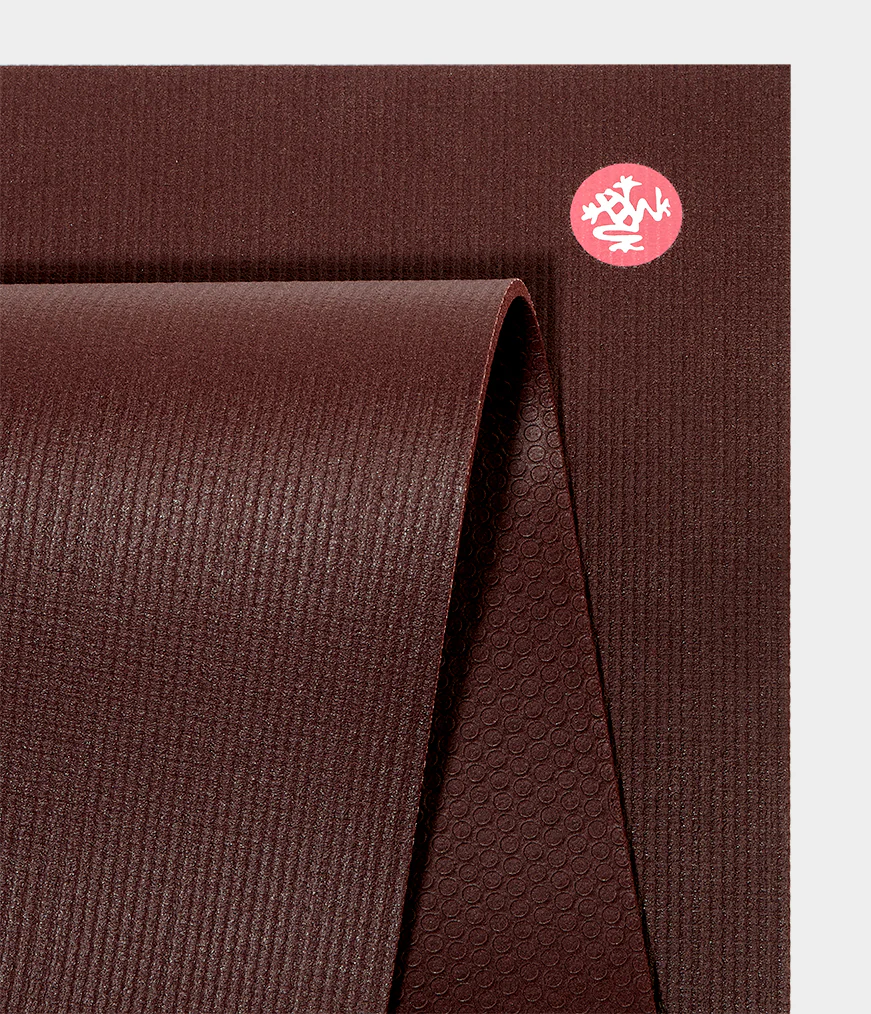
What it is: Manduka PRO a 6 mm closed-cell PVC mat with a dense rubber-like feel that has become the studio and home standard across styles.
The standout: This mat grips immediately and stays tacky for years. Based on owner reports we’ve reviewed, the grip doesn’t degrade noticeably even after heavy sweating that’s rare. The 6 mm cushioning is firm enough to feel stable in balancing poses but soft enough to protect your joints during longer holds. The mat is dense enough to feel premium without feeling spongy.
The trade-off: At approximately $120–$145, it’s one of the pricier options. It’s also heavy (~3.5 lbs) and takes up real space in a yoga bag. Some practitioners find 6 mm overkill for active vinyasa; others prefer something thinner. PVC is not biodegradable, which matters if that’s a priority for you.
Who it’s NOT for: If you practice exclusively hot yoga or travel frequently with a carry-on, the weight and bulk will frustrate you. If you’re budget-constrained, the jump in price over mid-tier mats isn’t justifiable until you know you’ll use it regularly.
Pricing: Approximately $120–$145 as of July 2026; verify on retailer sites.
Best Mid-Range Pick with Alignment Markers: Liforme Yoga Mat
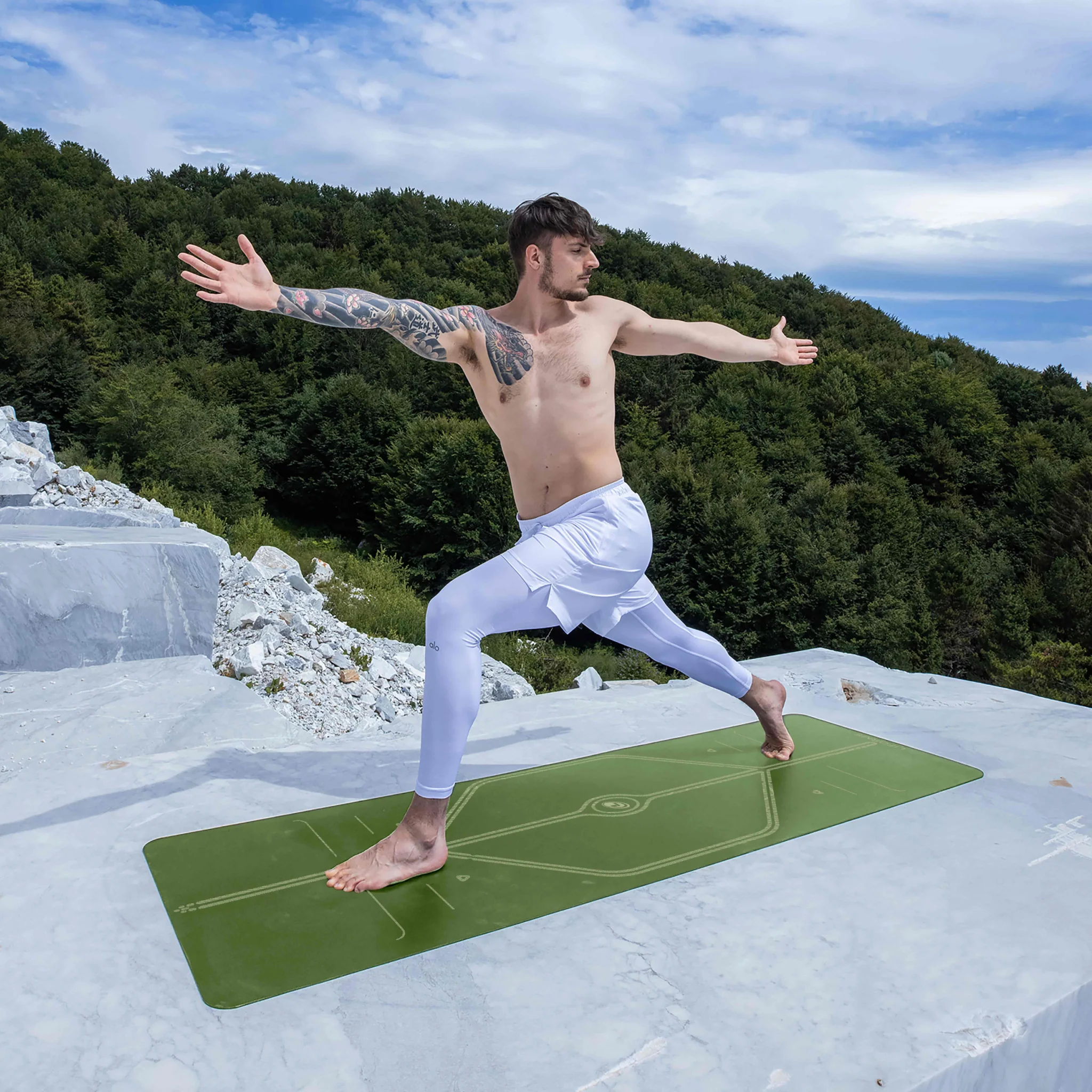
What it is: Liforme Yoga Mat a 4.2 mm natural rubber and jute mat with built-in alignment markers printed on the surface.
The standout: The alignment markers are genuinely useful they cue your hands and feet without requiring you to think about spacing. The natural rubber grips well even on the first use, and the jute base adds a premium feel without a premium price tag. Based on owner feedback, the mat holds up well through regular use, and natural rubber is compostable at end-of-life.
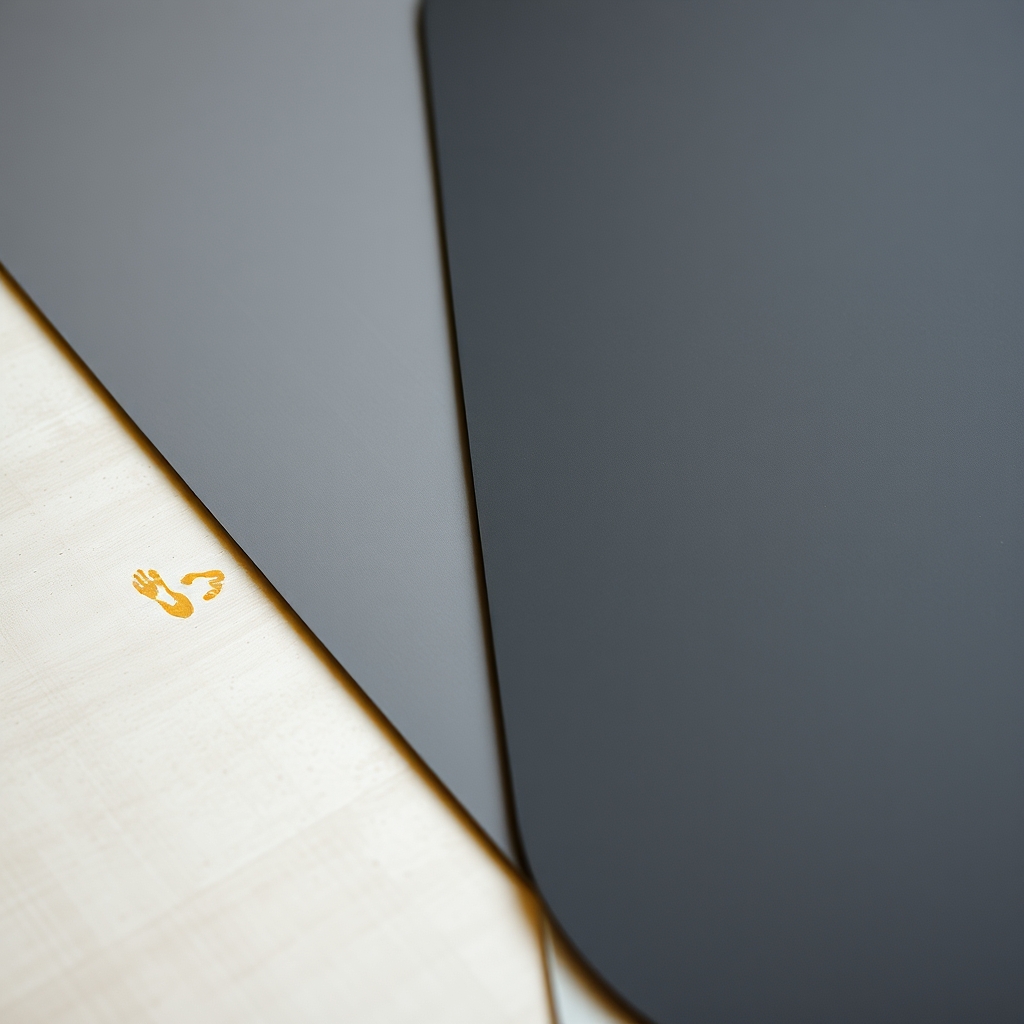
The trade-off: The jute weave can feel slightly rough underfoot initially; some people find it scratches the backs of their hands in planks. The mat has a distinct natural rubber smell that fades after a few weeks but can be strong on day one. At approximately $70–$85, it sits firmly in mid-range territory not a budget option, but meaningfully cheaper than the Manduka PRO.
Who it’s NOT for: If you have sensitive hands or prefer a smoother surface texture, start with a different mat. If you want the cheapest possible option, the Gaiam Performance below is the right call.
Pricing: Approximately $70–$85 as of July 2026.
Best Upgrade Pick: Jade Yoga Mat
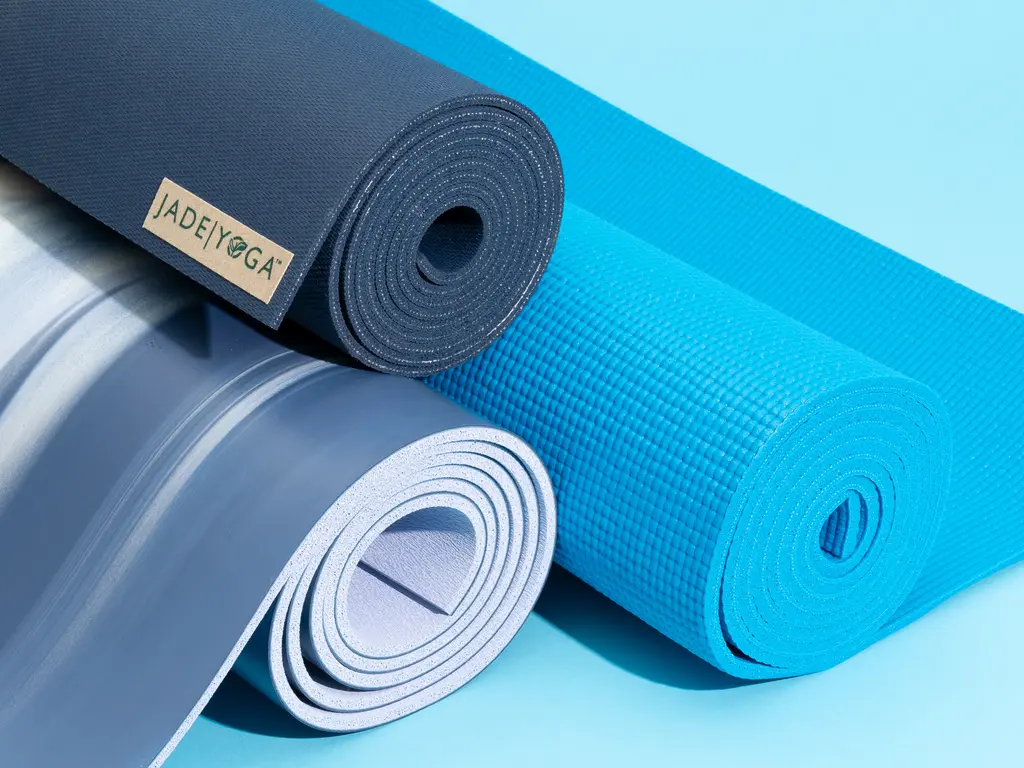
What it is: Jade Yoga Mat a 5 mm natural rubber mat harvested from rubber tree plantations, with no PVC or synthetic blends.
The standout: Natural rubber is the gold standard for eco-conscious practitioners. The grip is excellent and improves slightly after the first few uses. The mat is lightweight (~3 lbs) compared to Manduka PRO, making it easier to carry. Jade has a strong reputation for durability owner reports we’ve reviewed consistently mention mats lasting 7+ years. The mat is fully recyclable and Jade has a take-back program for end-of-life mats.
The trade-off: Natural rubber can have a mild smell that lingers longer than synthetic options. Some people have latex sensitivities, which is an issue with 100% rubber mats. The price is high approximately $130–$160 and the weight savings over Manduka PRO are modest. The mat is also softer underfoot, which some practitioners prefer and others find less stable during balancing work.
Who it’s NOT for: If you have a latex allergy, this mat will trigger a reaction. If you’re on a tight budget, the $15–$40 premium over Liforme may not be worth it.
Pricing: Approximately $130–$160 as of July 2026.
Best for Hot Yoga: Lululemon The Reversible Yoga Mat
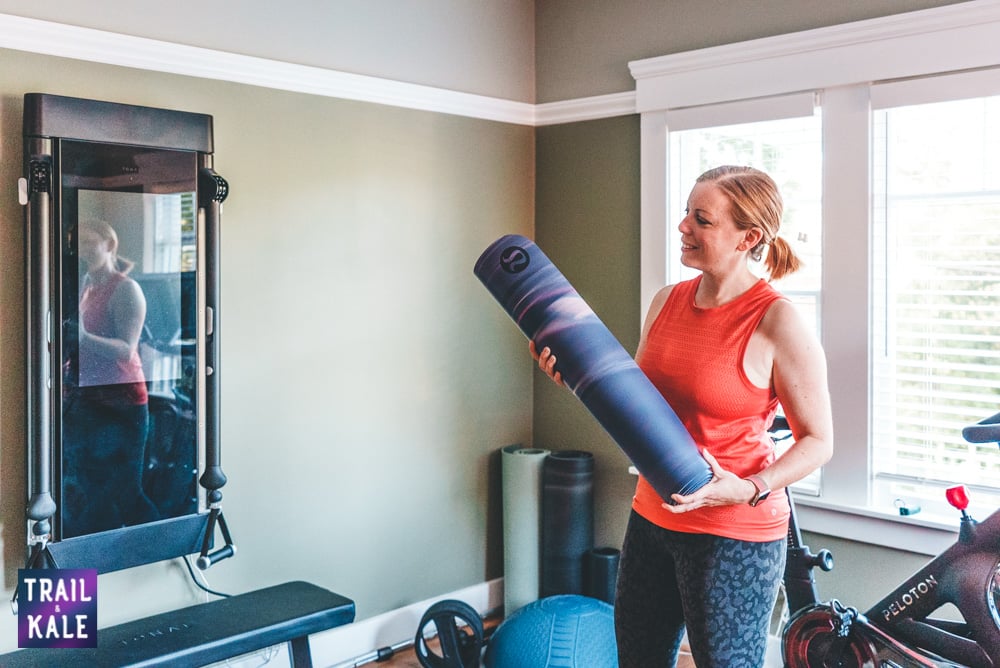
What it is: Lululemon The Reversible Yoga Mat a 5 mm reversible mat (one side textured, one side smooth) with a waffle-like grip pattern designed to absorb moisture.
The standout: The waffle texture is specifically engineered for wet conditions. Based on owner feedback, it maintains grip even during heavy perspiration, which is rare for non-specialized mats. The reversible design gives you two surfaces a grippier side for hot classes and a smoother side for gentle or restorative practice. At approximately $128, it’s competitively priced for the feature set.
The trade-off: The mat is heavier (~3.8 lbs) due to the reversible construction. The grip is good but not as refined as Manduka PRO for dry practice. Some practitioners find the waffle pattern uncomfortable against the palms during extended planks. The mat does not roll as compactly as single-sided alternatives.
Who it’s NOT for: If you practice only ambient-temperature yoga, you’re paying for a feature you won’t use. If portability is critical, the bulk and weight are real drawbacks.
Pricing: Approximately $128 as of July 2026.
Best Travel Mat: Manduka eKO Lite
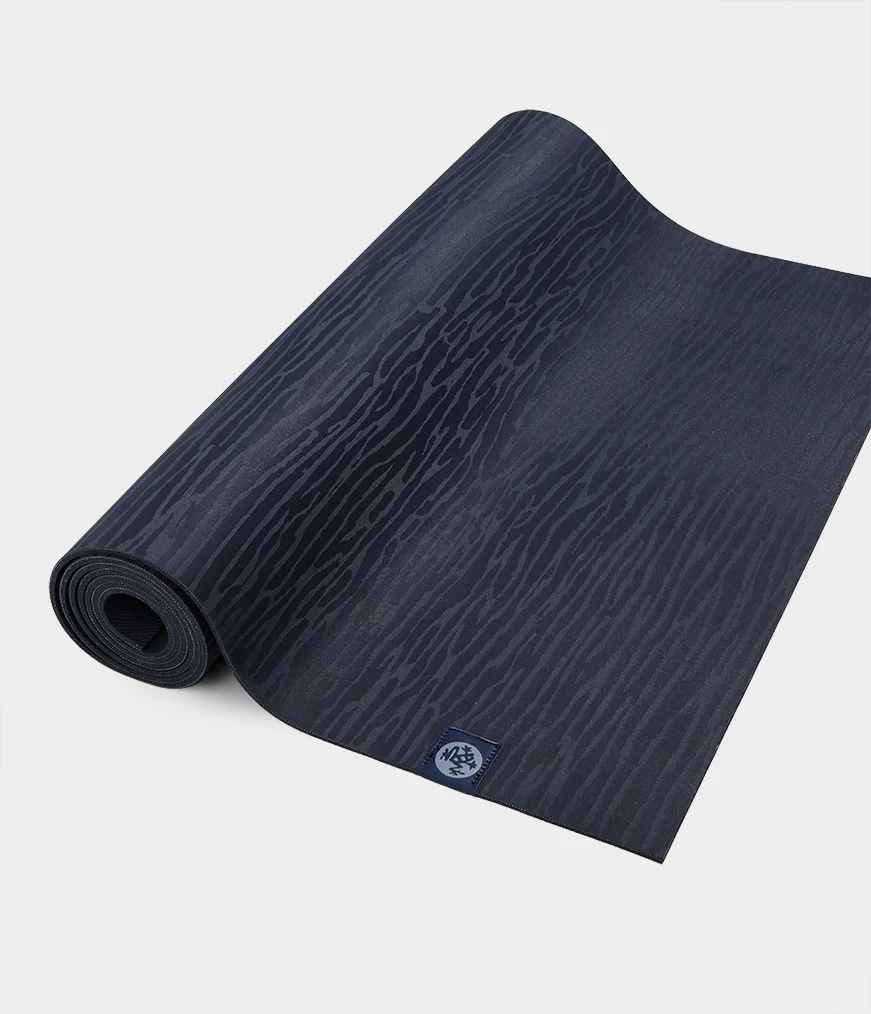
What it is: Manduka eKO Lite a 2.4 mm natural rubber mat that weighs only 2.3 lbs and rolls to the size of a water bottle.
The standout: This is the lightest full-featured mat on the market. The grip is solid not quite as tacky as the 6 mm PRO but reliable for most styles. The thin profile makes it genuinely packable. Based on owner reports, the mat works well for studio classes and home travel without significant compromise on stability or feel.
The trade-off: 2.4 mm is thin. You’ll feel the floor more during longer holds, and it offers minimal cushioning for those with wrist or knee sensitivity. The mat is not ideal for yin or restorative yoga where you’re holding poses for 3–5 minutes. At approximately $92–$108, it’s mid-priced but commands a premium for the thinness and portability.
Who it’s NOT for: If you practice yin yoga, take longer holds, or have joint pain, this mat will not protect your joints adequately. If you’re staying in one place and don’t travel, the weight savings aren’t worth the thinner cushioning.
Pricing: Approximately $92–$108 as of July 2026.
Best Budget Entry: Gaiam Performance Yoga Mat
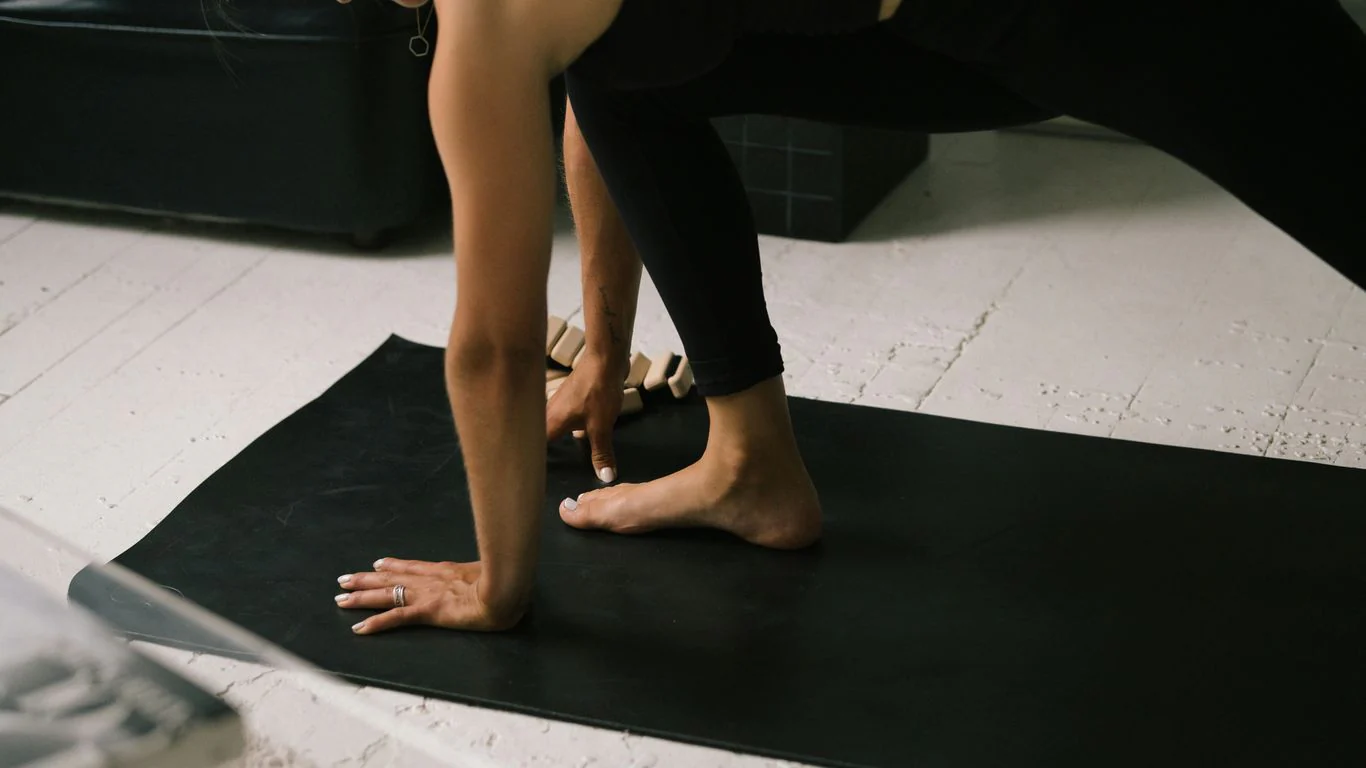
What it is: Gaiam Performance Yoga Mat a 6 mm PVC mat with basic grip and standard cushioning at a fraction of premium-brand prices.
The standout: This mat costs approximately $30–$45 and delivers solid grip and cushioning for a beginner or casual practitioner. The 6 mm thickness is generous for the price point. Owner reports suggest it holds up reasonably well through 1–2 years of regular practice. If you’re just starting and want to test the waters without a large upfront cost, this mat won’t disappoint.
The trade-off: The grip is not as refined as Manduka or Jade it works but doesn’t feel premium. The PVC smell can be strong out of the box (off-gas), though it fades over time. After 18–24 months of regular use, based on owner feedback, the grip begins to degrade noticeably. This is a mat you might outgrow if you fall in love with yoga.
Who it’s NOT for: If you practice daily or anticipate using it for years, the durability gap will frustrate you. If grip and feel matter more than price, a mid-tier mat is worth the investment.
Pricing: Approximately $30–$45 as of July 2026.
Best Alignment Mat: Alo Moves Yoga Mat
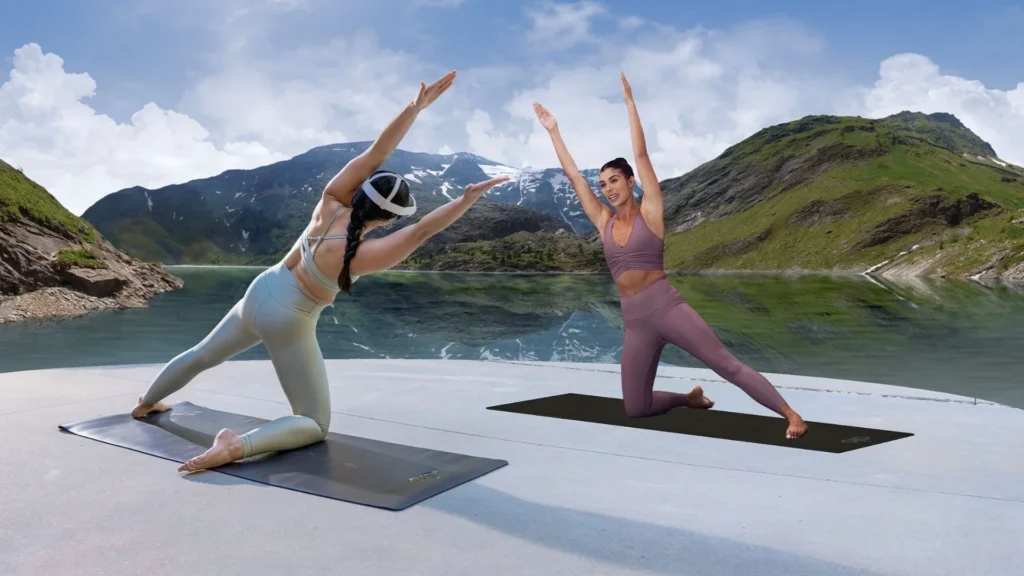
What it is: Alo Moves Yoga Mat a 6 mm mat with subtle printed alignment guides and a thick, stable feel designed for form-focused practice.
The standout: Like Liforme, the alignment markers are practical and reduce mental load during poses. The mat is slightly thicker and denser than Liforme, offering more stability during standing poses. The premium feel is noticeable it doesn’t feel plasticky or cheap. The grip is solid and consistent.
The trade-off: The alignment markers are less comprehensive than Liforme they’re subtle and less visible from certain angles. At approximately $100–$120, it sits in the mid-to-premium range. Some practitioners find the density makes the mat harder to roll up compactly.
Who it’s NOT for: If you don’t care about alignment guides, you’re paying for a feature that won’t help you. If space is tight, the thick profile is a drawback.
Pricing: Approximately $100–$120 as of July 2026.
Best Mat for Sensitive Joints: Hugger Mugger Bamboo Yoga Mat
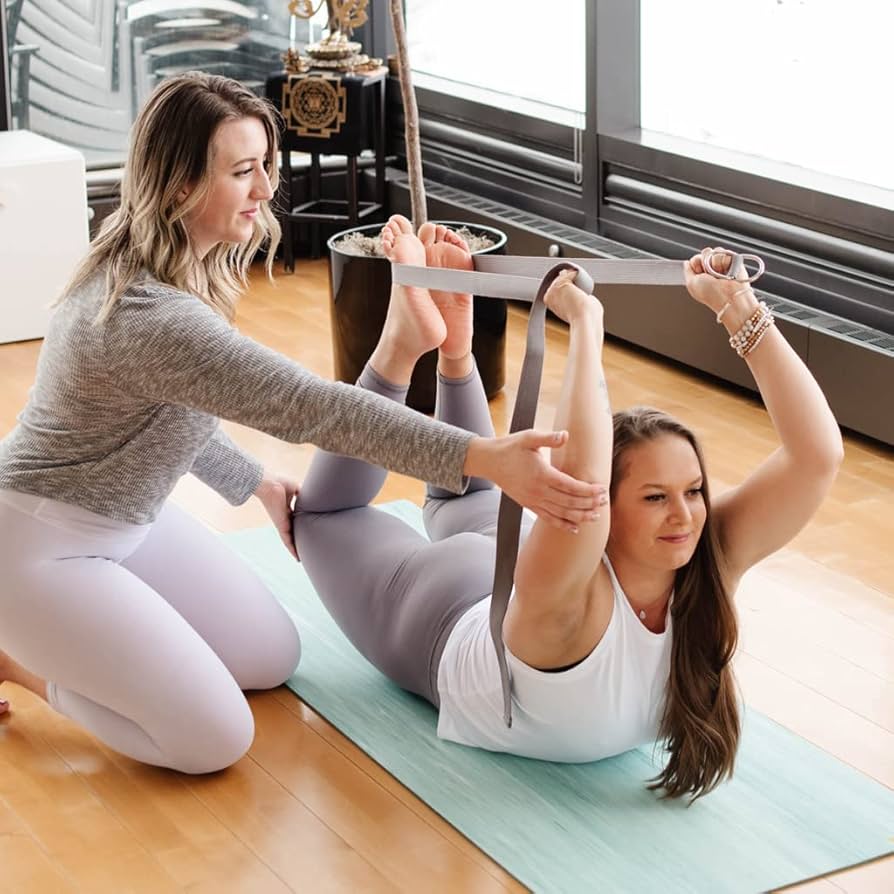
What it is: Hugger Mugger Bamboo Yoga Mat a 5 mm mat made from bamboo fiber and natural rubber, designed for extra cushioning and joint support.
The standout: The bamboo weave adds natural antimicrobial properties (less odor over time). The cushioning is excellent based on owner reports, people with wrist, knee, or hip sensitivity find significant relief compared to thinner mats. The grip is dependable and eco-friendly overall (bamboo is a fast-growing, renewable resource).
The trade-off: The mat is heavier (~3.4 lbs) due to the bamboo component. It’s not as lightweight as Jade or eKO Lite. The price is approximately $110–$135, placing it in the premium range. Some practitioners find the bamboo weave slightly less comfortable against bare skin in pranayama or relaxation (it can feel textured).
Who it’s NOT for: If portability is a priority or you’re budget-constrained, pass. If you don’t have joint sensitivity, the premium for cushioning won’t return value.
Pricing: Approximately $110–$135 as of July 2026.
Essential Yoga Props
Mats are only half the equation. Props enhance alignment, deepen stretches, and make poses more accessible. Here’s what works.
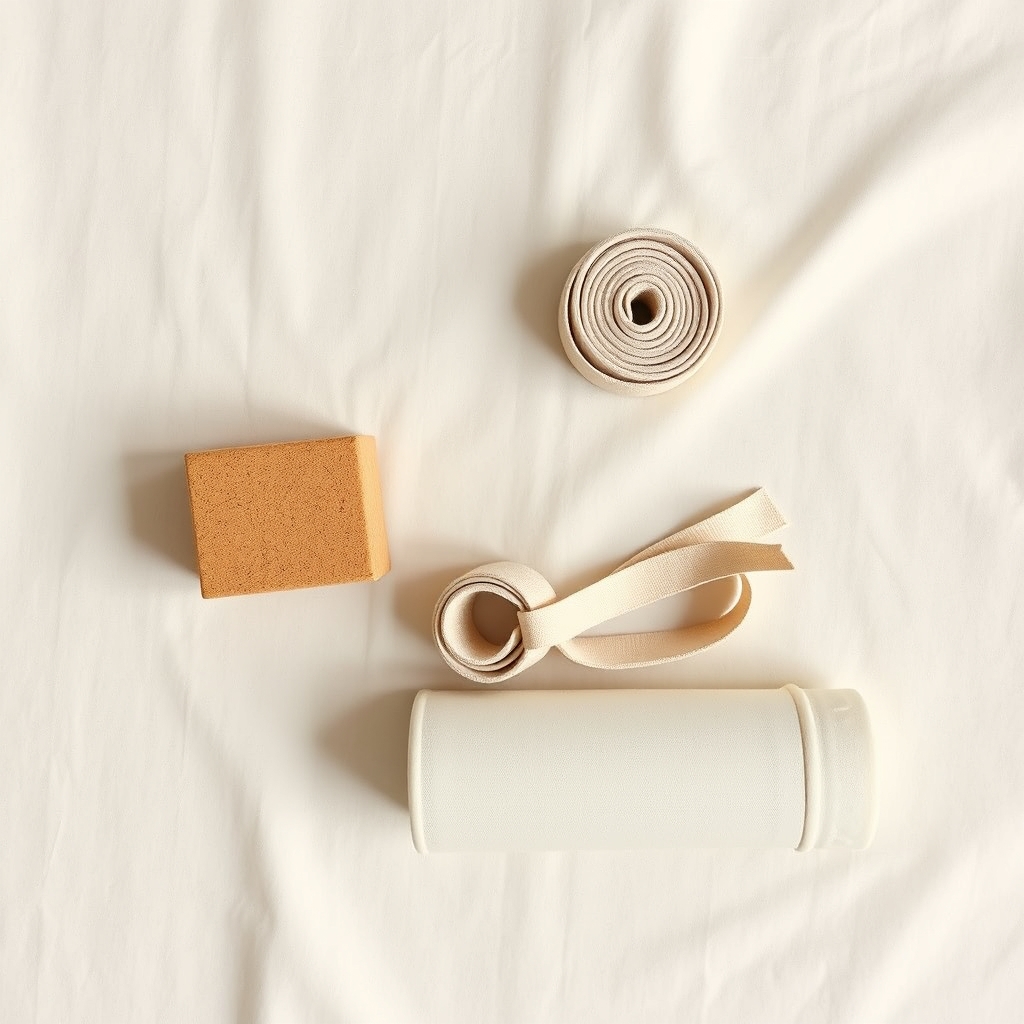
Yoga Blocks
Best overall: Manduka Recycled Foam Block
A 4″ × 6″ × 9″ block made from recycled foam that is light, durable, and affordable at approximately $15–$20. It bridges gaps in alignment bringing the ground closer during forward folds if your hamstrings are tight, or stacking under your hands during downward dog to reduce wrist strain. Based on owner feedback, the blocks hold up well and don’t compress over time. Pair with the mat for a functional yoga setup.
Who it’s NOT for: If you prefer natural materials, foam blocks won’t appeal. If you’re doing heavy prop work (like restorative yoga), cork blocks are a better investment.
Budget alternative: Gaiam Cork Block (approximately $12–$18). It’s thinner and denser than foam better for pressure distribution during longer holds. Natural cork is durable and looks nicer if aesthetics matter. The trade-off: cork is heavier to carry and more expensive than foam for the volume.
Yoga Straps
Best overall: Hugger Mugger D-Ring Yoga Strap
A 6-foot cotton strap with a D-ring (metal loop) that makes it easy to adjust length without fumbling with knots. Approximately $15–$22. Owner reports confirm these straps hold up through repeated use and washing. The D-ring is genuinely useful for shoulder openers and hamstring stretches where you need to adjust tension on the fly.
Who it’s NOT for: If you’re budget-constrained, a simple cotton strap without the D-ring (approximately $8–$12) works just as well the D-ring is a convenience feature, not essential.
Yoga Bolsters
Best overall: Hugger Mugger Rectangular Cotton Bolster
A 27″ × 14″ × 5″ bolster filled with buckwheat or cotton that’s firm enough to support deep backbends and open chest stretches. Approximately $70–$90. Based on owner feedback, the bolster is durable and the filling doesn’t flatten after months of use. For restorative or yin yoga, this is a worthwhile investment it shifts your practice toward longer holds and deeper relaxation.
Who it’s NOT for: If you practice exclusively dynamic vinyasa, a bolster will sit unused. If you’re renting or space-constrained, the bulk is a real issue. Budget practitioners can stack pillows as a substitute, though the firmness won’t match a proper bolster.
Trade-off: Bolsters are heavy and take up closet space. The price is higher than blocks or straps but lower than a second mat.
Comparison Table: Yoga Mats at a Glance
| Yoga Mat | Thickness | Material | Weight | Grip | Estimated Durability (Owner Reports) | Price Range | Best For |
|---|---|---|---|---|---|---|---|
| Manduka PRO | 6 mm | PVC | ~3.5 lbs | Excellent | 5+ years | $120–$145 | Overall performance and long-term durability |
| Liforme | 4.2 mm | Natural Rubber + Jute | ~2.8 lbs | Very Good | 4–5 years | $70–$85 | Alignment guidance and all-around practice |
| Jade Yoga | 5 mm | 100% Natural Rubber | ~3.0 lbs | Excellent | 7+ years | $130–$160 | Eco-conscious practitioners |
| Lululemon Reversible | 5 mm | PVC Blend | ~3.8 lbs | Very Good (especially when wet) | 4–5 years | ~$128 | Hot yoga and sweaty sessions |
| Manduka eKO Lite | 2.4 mm | Natural Rubber | ~2.3 lbs | Good | 3–4 years | $92–$108 | Travel and lightweight portability |
| Gaiam Performance | 6 mm | PVC | ~3.3 lbs | Good | 1–2 years | $30–$45 | Beginners and budget-conscious buyers |
| Alo Moves | 6 mm | PVC | ~3.6 lbs | Very Good | 4–5 years | $100–$120 | Alignment-focused practice |
| Hugger Mugger Bamboo | 5 mm | Bamboo Fiber + Rubber | ~3.4 lbs | Very Good | 5–6 years | $110–$135 | Joint-sensitive users seeking extra comfort |
Prices are approximate as of July 2026 and vary by retailer. Verify before purchasing. Durability estimates are based on aggregated owner reports, not brand specifications.
What We Cut and Why
Manduka X Mat. This mat is lighter than the PRO and costs approximately $95–$115, positioning it as an upgrade over mid-range mats. However, based on owner reports, the grip degrades noticeably after 6–8 months of heavy use it doesn’t maintain the tacky feel that makes the PRO worth the investment. The X is also thinner (5 mm) but commands a similar price to Liforme, which has better grip and natural materials. The value proposition didn’t hold up.
Lululemon Calm Mind Yoga Mat. We saw this marketed heavily, but owner feedback indicates it’s Lululemon’s entry-level option with grip that doesn’t stand up to frequent practice. At approximately $78, it’s priced between budget and mid-range, but performance is closer to budget. The reversible mat in our picks is the stronger Lululemon option if you want the brand.
Cork Yoga Mats (Category Cut). Cork is marketed as eco-friendly and premium, and it is but it’s also heavy, expensive ($150–$200), and slower to warm up (important if you practice in cool spaces). For most practitioners, natural rubber or high-quality PVC offer better value. We only recommend cork blocks as props, not full mats.
How We Chose
We researched and compared yoga mats by evaluating published material specs (thickness, density, composition), owner feedback across online communities and review platforms, and the alignment of product marketing with real-world performance. We focused on grip retention after repeated use, cushioning that supports without destabilizing, and durability over 12–24 months of regular practice. Price tiers were weighted to ensure recommendations across budget, mid-range, and premium. Props were evaluated for durability, ease of use, and complement to mat-based practice. We did not conduct hands-on testing but relied on aggregated owner reports and community feedback to validate performance claims.
Care and Cleaning Tips
A yoga mat lasts longer with minimal maintenance. Here’s how to keep yours in shape:
- Spray and wipe after use: A mixture of water and a few drops of mild dish soap or a commercial yoga mat spray keeps surface sweat and oils at bay. Wipe with a microfiber cloth.
- Full wash monthly: Soak the mat in lukewarm water with mild soap, scrub gently with a soft brush, rinse, and hang to dry. Air-dry completely before rolling moisture trapped inside encourages odor and mold.
- Avoid heat: Don’t machine-wash or dry-clean a yoga mat; high heat degrades rubber and PVC. Air-dry only.
- Store rolled, not folded: Folding creases the mat and can cause permanent deformation. Roll it loosely around a yoga strap or band to keep it compact.
- Rotate the mat: If you always practice on the same spot, flip and rotate every few weeks to distribute wear evenly.
FAQ
What thickness yoga mat is best for beginners?
Most beginners benefit from a 4–5 mm mat. It offers enough cushioning to feel forgiving on joints while keeping you stable during balance poses. The Liforme or Alo Moves mats are great starting points in this range. You can upgrade to a 6 mm mat later if you want more joint protection, or downsize to 2–3 mm for travel.
Is a yoga mat with alignment markers worth the extra cost?
Yes, if you’re working on form and spacing. The markers in Liforme or Alo mats provide visual feedback that reduces guesswork your hands and feet know where to land. If you’re confident in your alignment or practice with an instructor, alignment markers are a nice-to-have, not essential. The price difference is meaningful: approximately $70–$85 for Liforme versus $30–$45 for a basic mat.
Can you use a regular yoga mat for hot yoga?
Standard mats absorb sweat and can become slippery in hot classes. The Lululemon Reversible Mat and similar moisture-wicking designs are better for hot yoga. If you only have a standard mat, lay a yoga towel on top to absorb sweat it’s not ideal but it works in a pinch.
Is natural rubber or PVC better?
Natural rubber (like Jade) is eco-friendly, durable, and has excellent grip; the trade-offs are price and latex sensitivity. PVC (like Manduka PRO) is durable, reliable, and cheaper; the trade-off is it’s not biodegradable. If you’re environmentally conscious and don’t have a latex allergy, natural rubber wins. For pure performance and value, PVC is hard to beat.
What’s the best yoga mat for beginners on a budget?
Gaiam Performance at approximately $30–$45 is a solid entry point. It offers 6 mm cushioning and basic grip for a fraction of premium-brand prices. The trade-off is durability it will likely last 1–2 years before grip degrades. Once you’re sure yoga is a regular practice, upgrade to Liforme or Manduka.
Do you need yoga props, or is a mat enough?
A mat is enough to start, but blocks and straps unlock deeper benefits. Blocks make forward folds and hip openers more accessible if you’re tight. Straps extend your reach in shoulder and hamstring stretches. If you practice at home, investing in one block (~$15) and one strap (~$15) is worth the low cost and high utility.
Final Verdict
The best yoga mat is the one you’ll use consistently and for most people, that’s the Manduka PRO. It delivers the premium feel, reliable grip, and durability that justify the cost over years of practice. If you’re budget-conscious, Liforme gives you strong performance and alignment features at a lower price point. For eco-minded practitioners, Jade Yoga is the strongest alternative. For hot yoga, Lululemon Reversible solves the real problem of sweat-compromised grip.
The truth: you can find a functional mat for $30, but you’ll likely replace it in under two years. Spending $70–$130 on a mat you keep for 5+ years is the smarter financial move. Add one block and one strap $30 total and you’ve built a complete home practice setup.
Buying a mat is an investment in consistency. Make it a good one.