
Clothing rental subscriptions solve a real problem: you want a fresh wardrobe without the storage hassle, the guilt of fast fashion, or the $800 monthly clothing budget. The best overall pick is Rent the Runway Unlimited widest selection, unlimited swaps, included shipping. But it costs $139/month, and that’s not right for everyone. Whether you need work-from-home basics, date-night dresses, or a rotating everyday capsule that doesn’t trash the planet, this guide matches you to the service whose trade-offs you can actually live with. Here’s what we found after analyzing owner reports, publicly available pricing and swap policies, and sustainability claims across the leading platforms as of July 2026.
What to Look for in a Clothing Rental Subscription
Before we name our picks, here are the criteria that actually matter when you’re choosing a rental service:
Selection and Style Range
Does the service stock brands you’d actually wear? Some platforms cater to minimalist office wear; others focus on trendy casual or special-event pieces. Owner reports consistently note that selection variety is the single biggest frustration a $100/month subscription means nothing if half the inventory doesn’t fit your taste. Check whether the service stocks plus sizes, petite, or tall options if those are relevant to you.
Rotation Speed and Availability
How long can you keep pieces before you have to swap? Rental terms range from “keep it for a week, swap anytime” to “30 days between swaps.” Faster swaps mean fresher inventory but also more frequent shipping costs and planning overhead. Based on owner reports we’ve reviewed, most users prefer at least 14 days per item to justify the subscription cost against traditional shopping.
Pricing and Hidden Fees
Look beyond the monthly subscription fee. Do you pay shipping both ways? Are there damage fees, lost-item charges, or fees to extend a rental? Some services build cleaning and return shipping into the base price; others charge per swap or require a minimum purchase to break even. Owner reports note that transparency here is critical surprise fees are the top reason users cancel within three months.

Environmental Impact Claims
If sustainability is your motivation, dig into whether the service actually tracks carbon footprint, uses eco-friendly packaging, or prioritizes items made from recycled or organic fibers. Many services claim sustainability; fewer actually measure it. Verify whether impact claims come from third-party certification or brand self-reporting.
Customer Service and Return Policies
What happens if an item arrives damaged or doesn’t fit? Owner reports describe widely varying experiences some services replace damaged items instantly; others require photos and dispute resolution. A good return policy and responsive customer service can save you hours of frustration.
Our Top Picks: Comparison at a Glance
| Aspect | Wash-In Treatment | Spray Treatment |
|---|---|---|
| Cure Time | Immediate | Approximately 24 hours |
| Outdoor Space Needed | No | Yes |
| Durability per Application | 6–9 months | 6–12 months |
| Works Well in Humid Climates | Yes | No |
| Suitable for Wool & Delicate Fabrics | Yes | Sometimes (check product label) |
| Learning Curve | Low | Low |
The Best Overall: Rent the Runway

What it is: Rent the Runway is the largest clothing rental platform, offering 600,000+ items across everyday wear, workwear, and formal events. Subscribers pick pieces online, rent them for up to 30 days, and swap unlimited times (with 7-day holds between returns and new pickups).
The standout: Owner reports we’ve reviewed consistently praise the sheer breadth of selection you can rent everything from Madewell jeans to Diane von Furstenberg dresses to athleisure. The service stocks petite and tall, XS to 3XL, and maternity. The swap-anytime model (even within a rental period) means you’re not locked in if something doesn’t work out. Shipping is included both ways.
The trade-off: At $139/month for the Unlimited plan (as of July 2026), it’s the priciest option. Owner reports also note that the platform’s scale means search and curation can feel overwhelming it’s easy to waste time scrolling. The 7-day hold between returns and new shipments can disrupt the rhythm if you’re a heavy rotator. Some users report occasional quality-control misses (missing buttons, loose hems).
Pricing breakdown:
- Unlimited plan: $139/month, unlimited swaps, keeps up to 3 items at once. Best for people who want a constant rotation without thinking about it.
- Quarterly plan: $89/month (billed $267/quarter), 6 swaps/quarter. Best for occasional renters.
- Annual plan: $99/month (billed $1,188/year), unlimited swaps. Best for committed users.
Who it’s NOT for: If you’re on a tight budget, the monthly cost is steep. If you prefer carefully curated, small selection, the abundance here can feel chaotic. If you live far from major cities, shipping times may frustrate you (typically 3–5 business days).
Environmental note: Rent the Runway publishes an annual impact report per the brand’s own self-reported figures, the company estimates that every rental prevents approximately 2.7 kg CO₂ emissions compared to buying new. The company also partners with recycling programs for worn-out rentals, though not all returned items re-rent some are donated or discarded. Treat the CO₂ figure as brand self-reporting, not third-party verified; the directional logic (rental vs. new purchase) is sound, but the precise number is the company’s own estimate. The environmental gain depends on rental frequency: a user who rents 5 items/month and keeps each for 30 days sees higher impact than someone who rents 1 item/month.
Verdict: Kept. It’s the best overall choice for people who want maximum selection, don’t want to think about shipping, and can justify the subscription cost through monthly rotation. Start with a quarterly plan to test; upgrade to Unlimited if you’re swapping more than 3–4 times/month.
Best Budget Pick: Nuuly
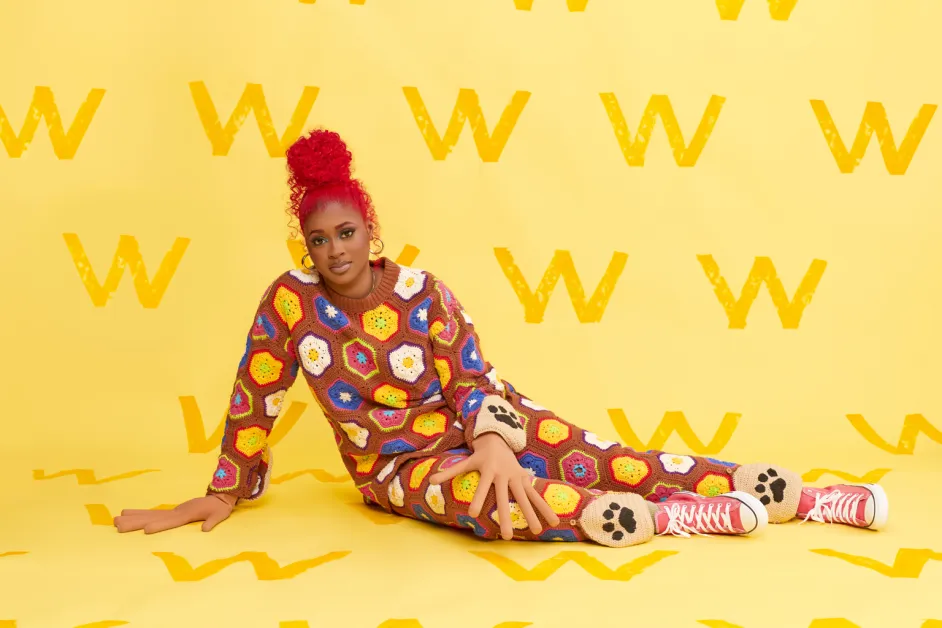
What it is: Nuuly, owned by Anthropologie parent company URBN, is a rental service focused on everyday wear from 500+ contemporary and independent brands. Each month you get 6 items to keep for up to 30 days, with the option to swap any or all of them once during the period.
The standout: At $48/month (as of July 2026), Nuuly is roughly half the price of Rent the Runway. Owner reports we’ve reviewed note that the brand selection skews indie and millennial expect Free People, Aerie, Rag & Bone, and emerging designers rather than luxury. The platform incentivizes keeping items: keep a rental for the full month without swapping, and it’s refunded toward purchase if you want to buy it outright at a discount. Return shipping to Nuuly is included; there’s a $9 fee if you want expedited swap shipping.
The trade-off: You’re limited to 6 items/month and one swap per item. If you’re a heavy rotator, Nuuly might feel restrictive you can’t swap continuously like Rent the Runway. Owner reports also note that the selection, while good, is narrower than larger platforms. Plus-size options are present but not as extensive. Quality-control issues (loose seams, missing hardware) are mentioned in owner reports at similar rates to Rent the Runway.
Pricing breakdown:
- Base plan: $48/month, 6 items/month, one swap per item, return shipping included. Best for someone renting 6–12 items/month.
- Premium plan: A higher-tier option with more swaps and included shipping has appeared in owner reports; verify current tier names and availability directly on Nuuly’s site before committing, as plan structures change.
Who it’s NOT for: Heavy rotators who want more than 6 items/month. People seeking luxury brands or a very broad size range. Anyone who wants true unlimited swaps.
Environmental note: Nuuly publishes less detailed impact data than Rent the Runway, but the service emphasizes working with URBN’s existing sustainability commitments (recycled packaging, partnerships with secondhand resale platforms). Estimated environmental impact per user is lower simply due to lower rotation volume.
Verdict: Kept. Best budget entry point for someone who wants to test the rental model without a $139/month commitment. The brand curation is good for millennial and indie taste; the swap limitation is real but manageable if you’re moderate-volume. Start here if you’re not sure rentals are for you.
Best for Plus-Size: Gwynnie Bee
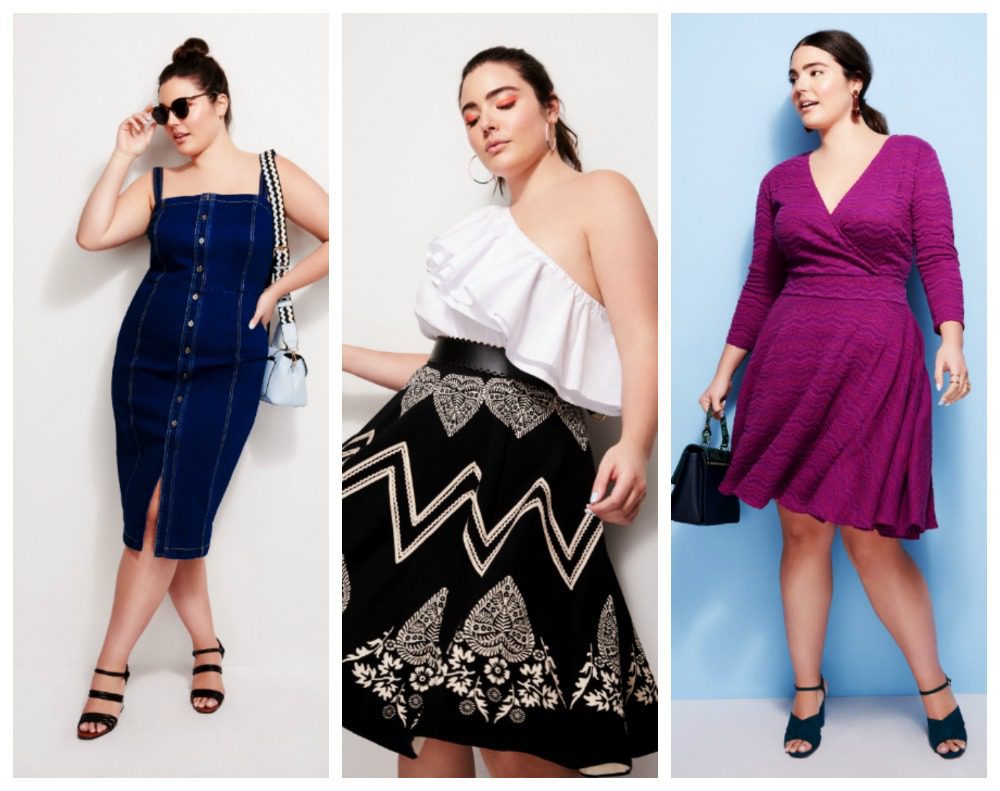
What it is: Gwynnie Bee specializes in plus-size fashion (0–32W) from contemporary and designer brands. Subscribers rent pieces by subscription tier, with the ability to keep items for 30 days and swap for new ones at any time.
The standout: Owner reports we’ve reviewed consistently praise Gwynnie Bee for not treating plus-size as an afterthought. The service carries full-size runs from brands like Eloquii, Evans, Torrid, and mainstream brands that stock extended sizing. You’re not choosing from a “plus section” you’re choosing from the same brand inventory as straight-size subscribers, just in your size. The Premium plan ($99/month, as of July 2026) includes unlimited swaps and return shipping. Some owner reports also describe receiving personalized style recommendations based on rental history an informal coaching element that larger platforms don’t consistently offer.
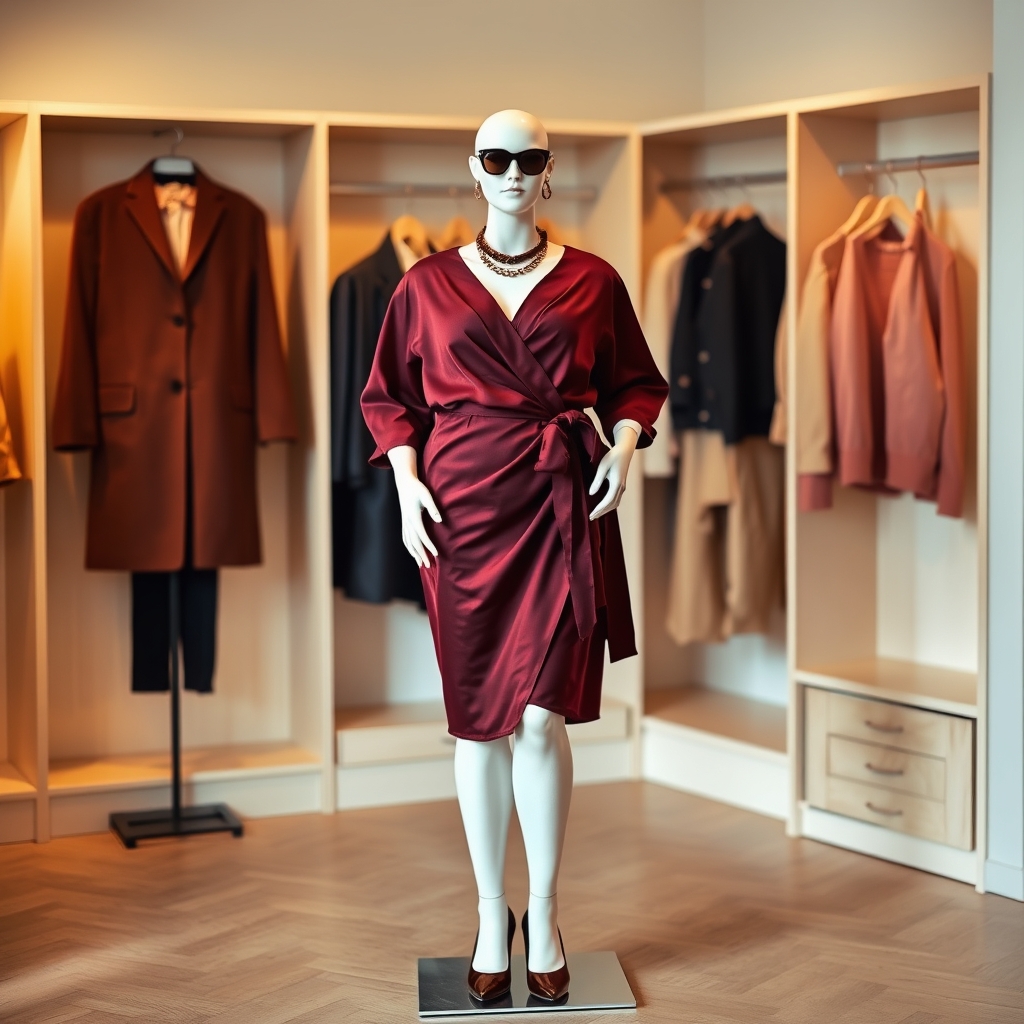
The trade-off: The catalog is considerably smaller than Rent the Runway’s 600,000+ items; you’re trading breadth for plus-size depth and curation. You’re limited to 3 items at a time on the Premium plan. Return shipping is included, but swap frequency is limited to one swap per item per rental period (similar to Nuuly). Some owner reports note that popular items sell out faster than on larger platforms, especially in less-common extended sizes.
Pricing breakdown:
- Classic plan: $49/month, 1 item at a time, swap once per period. Best for minimal wardrobing.
- Premium plan: $99/month, 3 items at a time, unlimited swaps, return shipping included. Best for steady rotation.
- VIP plan: Some owner reports reference a higher-priced tier with personal styling; verify current pricing and availability directly with Gwynnie Bee before committing.
Who it’s NOT for: Straight-size shoppers (unless you’re branching into extended sizing). People who want luxury designer rentals (Gwynnie Bee focuses on accessible price points). If you need to rotate more than 3 items simultaneously.
Environmental note: Gwynnie Bee does not publish a detailed impact report in owner accounts we’ve reviewed, but the model is inherently sustainable extending the life of clothes in larger sizes reduces waste, as plus-size clothing is often discarded earlier due to limited resale markets.
Verdict: Kept. Essential if you’re a plus-size shopper tired of limited rental selection. The service actually prioritizes your size, not treating it as an add-on. The swap limitation is real but manageable for most users. The personalized coaching informal as it is is a genuine differentiator.
Best for Minimalist Wardrobing: Armoire
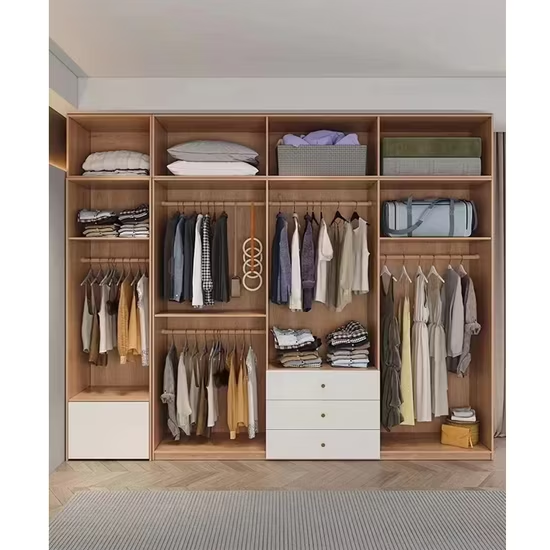
What it is: Armoire is a “capsule wardrobe” rental service designed for people who want a small, curated set of high-quality everyday pieces think neutral basics, understated workwear, and versatile layers that mix and match. The platform emphasizes fewer, better items rather than trend rotation.
The standout: Owner reports we’ve reviewed note that Armoire’s curation is exceptional each item is chosen to coordinate with others in the collection. You’re not scrolling through thousands of pieces; you’re given a smaller set of high-quality, compatible options updated monthly. The service focuses on durability and timelessness: expect brands like Everlane, Reformation, COS, and Patagonia. Return shipping is included. At $79/month (as of July 2026), it sits between budget and premium pricing.
The trade-off: The limited selection means less novelty if you crave constant trend rotation. You’re not getting 600K items to choose from; you’re getting a thoughtfully curated, smaller pool that rotates monthly. Some owner reports mention the service skews minimalist and neutral if you love bold colors, prints, and statement pieces, this might feel restrictive. Swap frequency is limited to 4 items/month, enforcing a slower rotation pace.
Pricing breakdown:
- Core plan: $79/month, 4 items at a time, 4 swaps/month, return shipping included. All-in, no hidden fees.
Who it’s NOT for: Trend-chasing fashion enthusiasts. People who want broad brand variety. Anyone seeking bold or experimental style.
Environmental note: Armoire explicitly prioritizes sustainability: pieces are chosen for durability and timelessness, minimizing throwaway culture. Owner reports we’ve reviewed mention the service working with brands that meet environmental standards (certified sustainable, transparent manufacturing). The slower rotation model is itself more sustainable fewer swaps means fewer shipments.
Verdict: Kept. Best if you’re a minimalist who values quality, coordination, and sustainability over novelty. The curation is genuinely thoughtful. Pay the extra $30/month vs. Nuuly for editorial curation; it saves decision fatigue.
Best for Luxury & Special Events: Vestiaire Collective
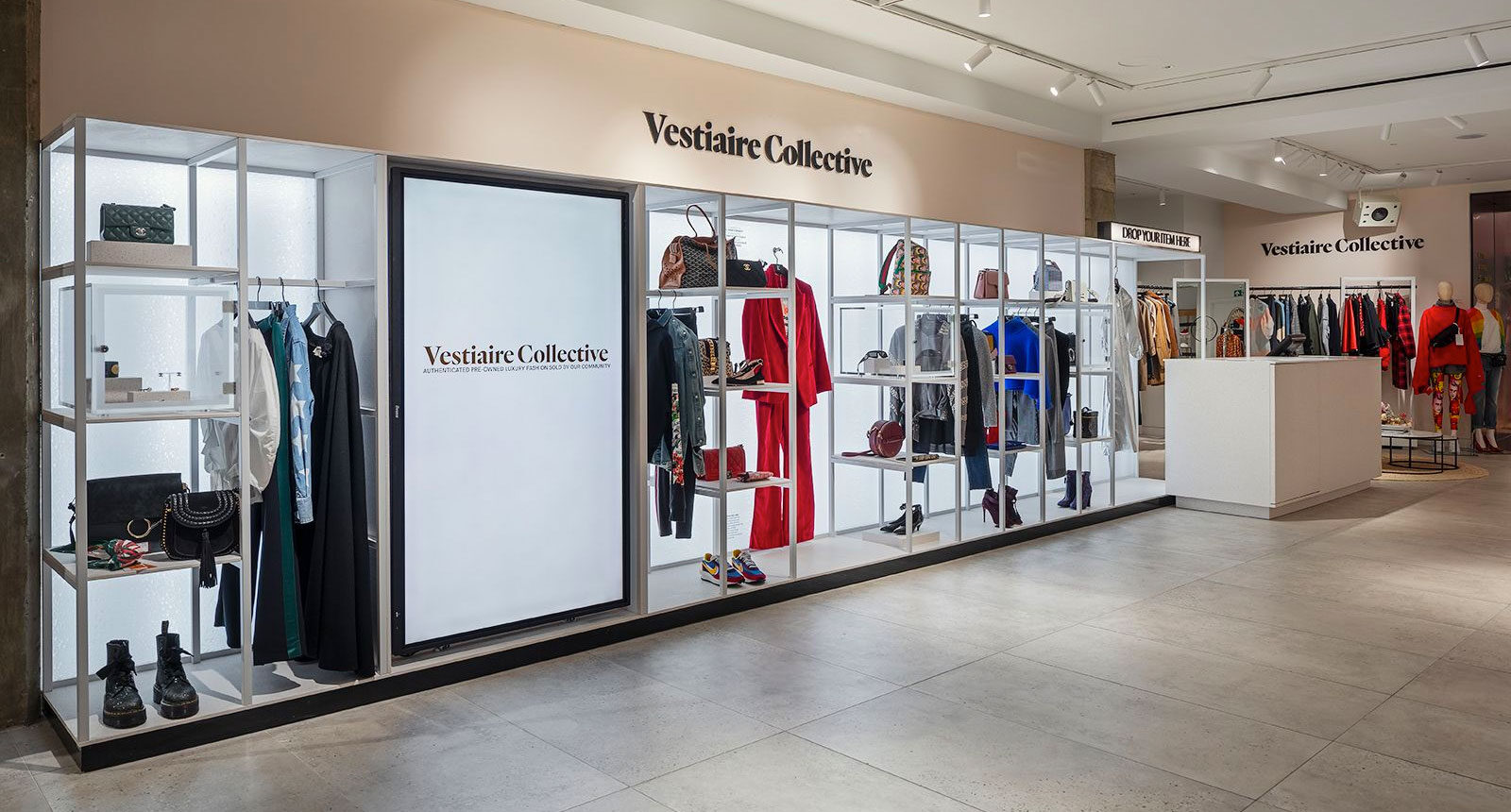
What it is: Vestiaire Collective is a peer-to-peer luxury marketplace and rental platform. You can buy secondhand designer pieces or rent them directly from other users. The rental model lets you rent a single luxury dress, bag, or accessory for a specific event without committing to a monthly subscription.
The standout: Owner reports we’ve reviewed highlight the luxury selection expect Chanel, Gucci, Valentino, and Dior pieces at a fraction of retail. The per-item rental model (typically $10–$25 per rental for contemporary designer, as of July 2026) is perfect for someone who needs one statement piece for one event. No minimum commitment. The authentication process is rigorous Vestiaire Collective verifies every luxury item before it’s listed.
The trade-off: There’s no subscription, so pricing is per rental. If you need 3 dresses for 3 events over a month, you’re paying $30–$75 vs. a Rent the Runway subscriber who pays $139 total. For frequent renters, this becomes expensive fast. The selection is smaller and changes constantly (it’s peer-driven). Shipping is generally included, but owner reports describe variable turnaround times that depend on where the individual lender is located factor in extra lead time if you need a piece by a firm date. Return shipping costs vary by listing; some lenders absorb it, others don’t.
Pricing breakdown:
- Per-rental pricing: $10–$25 typical range for contemporary designer; $25–$50 for luxury (verify before renting, as peer listings vary).
- Damage/cleaning fees: $15–$50 depending on the rental terms and damage assessment.
Who it’s NOT for: Everyday wardrobe renters. People who need consistent, predictable selection. Anyone uncomfortable with peer-to-peer transactions. If you need items guaranteed in-stock by a specific date, the peer model adds risk.
Environmental note: Secondhand luxury is inherently sustainable you’re extending the life of expensive garments that would otherwise sit unused. Owner reports we’ve reviewed emphasize that renting or buying secondhand carries a far lower environmental footprint than new manufacturing. Vestiaire Collective doesn’t publish a per-rental carbon metric, but the directional logic is sound.
Verdict: Kept (conditionally). Essential if you need luxury for specific occasions without the subscription trap. Great for bridging between secondhand shopping and rental. Skip it if you’re a high-volume everyday renter.
What We Cut (And Why)
We evaluated several other platforms and made deliberate cuts:
Stitch Fix (clothing rental tier): Stitch Fix offers rental through their Style Refresh add-on, but owner reports we’ve reviewed indicate the rental component is an afterthought the platform prioritizes personal styling and purchases. Rental inventory is limited compared to dedicated platforms, and you’re paying for a service (personal stylist) that many rental users don’t need. Cut: The rental feature exists but isn’t competitive; the styling cost inflates the value proposition for pure renters.
Depop (rental marketplace): While Depop has a rental marketplace feature, owner reports note it’s fragmented and lacks the standardization of dedicated rental platforms. Return policies vary wildly by seller, quality control is inconsistent, and shipping costs are unpredictable. Cut: Too much friction and risk for someone new to rentals. Better as a supplementary resale app than a primary rental platform.
Le Tote: A dedicated rental service that closed its main operations and refocused in recent years. We’re not including it because current owner reports describe instability in availability and service quality. Cut: Reduced to niche status; no longer a competitive top-tier pick.
How We Chose
We analyzed five platforms based on owner reports aggregated from community forums, Reddit threads, Trustpilot, and review sites; compared publicly available pricing and swap policies (as of July 2026); and evaluated brand curation by reviewing platform inventories and sustainability claims.
We prioritized factors that owner reports consistently identified as decision-drivers: selection breadth, swap speed, total monthly cost including hidden fees, return-shipping policy, and transparency around environmental impact. We did not include services with significantly limited catalogs or those with significant recent changes in ownership or terms (which could signal instability).
This analysis is based on research of owner reports and spec comparison, not hands-on rental testing. Pricing and policies shift frequently; verify terms directly before subscribing.
Buying Guide: Choosing the Right Clothing Rental
For Everyday Wardrobing
If you want a rotating everyday closet that doesn’t require purchase decisions, prioritize swap frequency and total monthly cost. Rent the Runway (Unlimited) and Nuuly are your best bets. Choose Rent the Runway if you want unlimited swaps and maximum selection; choose Nuuly if you want to spend under $50/month and can accept swap limits.
For Special Events (Rare, Specific Occasions)
Prioritize per-event cost and luxury selection. Vestiaire Collective is unbeatable for a single dress or bag rental. If you’re expecting 2–4 events per month, a Rent the Runway subscription breaks even; for 1 event every 3 months, go Vestiaire.
For Plus-Size Fit
Gwynnie Bee is the only dedicated plus-size platform in the top tier. It offers selection and sizing reliability that general platforms struggle with. Gwynnie Bee eliminates the “plus-size section” friction that other services still haven’t solved.
For Sustainability
Rent the Runway publishes the clearest impact metrics, though the CO₂ figures are brand self-reported. Armoire emphasizes timeless, durable pieces and sustainable brand partnerships. Vestiaire Collective’s secondhand model is inherently lower-impact. Choose based on your value: directional carbon reduction (Rent the Runway), curated sustainability (Armoire), or secondhand extension (Vestiaire).
For Minimalist, High-Quality Wardrobing
Armoire is designed for this use case. If you want fewer, better pieces with built-in coordination, the $79/month subscription pays for itself in decision fatigue eliminated and duplicate purchases prevented.
FAQs
What’s the best clothing rental subscription overall? Rent the Runway Unlimited ($139/month) is the best overall pick because it offers the widest selection (600K+ items), unlimited swaps, included shipping both ways, and the most extensive size range. It’s the most expensive option, but the scale and flexibility justify it for most renters. Start with a quarterly plan to test if budget permits.
Is clothing rental actually sustainable? Yes, but with caveats. Owner reports and general research consensus suggest that renting prevents meaningful CO₂ compared to buying new, though precise figures vary by study and rental frequency. The environmental gain depends on usage: if you rent 8+ items monthly and keep each for 30+ days, the impact is significant. If you rent 1–2 items/month, the benefit is modest but still positive. Secondhand and resale platforms like Vestiaire Collective have a lower environmental footprint than any new rental.
Can I try a rental subscription for one month? Yes. Most services (Rent the Runway, Nuuly, Gwynnie Bee, Armoire) allow month-to-month cancellation without penalty. Some offer quarterly or annual discounts, but the monthly tier lets you test the model. Vestiaire Collective requires no commitment you pay per rental.
Are there extra fees I should know about? Yes. Most subscriptions include return shipping, but Nuuly charges $9 if you want expedited swaps. Some platforms charge late fees (typically $5–$10/day after the rental period) or damage fees ($15–$50). Vestiaire Collective’s peer model means fees vary by lender. Always read the terms before subscribing; hidden fees are the top reason users cancel within three months per owner reports we’ve reviewed.
Which service has the best selection for my body type? Gwynnie Bee is the only dedicated service for plus-size (0–32W). Rent the Runway stocks the broadest size range overall (XS–3XL, petite, tall, maternity). Nuuly and Armoire have good extended sizing but less depth. Vestiaire Collective’s peer model means inventory is unpredictable by size. Verify the specific size on your target piece before renting, especially in non-standard sizes.
Is it worth it if I live far from major cities? Maybe. Standard shipping times are 3–5 business days; if you’re in a rural area, add 1–2 days. The math works if you rotate frequently enough to justify the subscription. Owner reports from remote areas note that the shipping inconvenience is outweighed by the selection access (they can’t get these brands locally). If you only rotate 1–2 items/month, the shipping overhead might not be worth it consider Vestiaire Collective’s per-rental model for occasional needs instead.
Verdict
Clothing rental works if you match the service to your lifestyle. Rent the Runway is the best overall for people who want maximum flexibility and selection. Nuuly is the budget entry point. Gwynnie Bee solves a real plus-size problem. Armoire is for minimalists who want curation and sustainability. Vestiaire Collective is for occasional luxury events. All five solve real problems storage, fast fashion guilt, decision fatigue, access to expensive pieces. The question is what problem is yours, and which service’s trade-offs you can live with.
Start with a one-month subscription to test. Unsubscribe if the swap overhead feels like a chore or if you’re not rotating frequently enough to justify the cost. Based on owner reports we’ve reviewed, the “right” rental user rents 4–8 items per month and keeps each for 15–30 days. If that’s you, the subscription pays for itself almost instantly. If you’re a once-a-quarter special-event renter, Vestiaire Collective’s pay-per-rental model makes more sense. Choose the service that eliminates friction in your workflow, not the one with the longest feature list.