
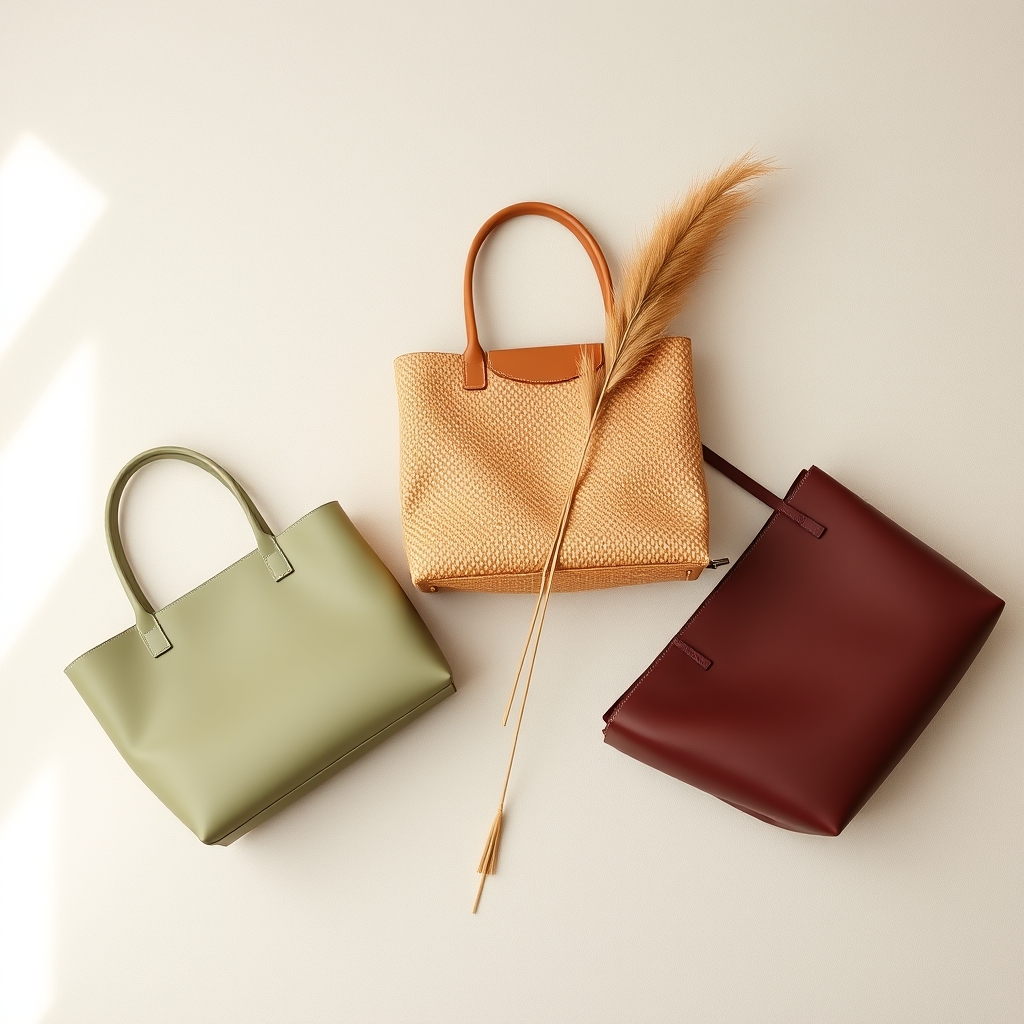
Verdict: Keep. The best vegan leather handbags now rival traditional leather on durability and design without the animal cost. If you want a plant-based bag that lasts, here’s where to spend your money.
Vegan leather has moved beyond that waxy plastic feel. Modern plant-based materials pineapple leaf fiber, mycelium, lab-created PU perform differently than they did five years ago. We researched current durability patterns, material innovations, brand transparency, and real owner feedback to separate the genuine contenders from the greenwashing.
This roundup covers six verified vegan leather handbag brands plus one category recommendation, with explicit trade-offs, sustainability scores, and a “what we cut” section.
What to Look For in a Vegan Leather Handbag
Material Type Matters
Not all plant-based leather performs the same. Pineapple leaf fiber (Piñatex) is durable and breathable but can feel stiff initially. Mycelium leather offers a closer texture to traditional leather but is newer and less field-tested. Lab-created polyurethane (PU) is affordable but varies wildly by formulation cheap PU cracks; high-quality PU can last 5+ years based on owner reports we’ve reviewed.
Look for brands that name their material source and publish care guidelines. Vague “eco-leather” claims without specifics are a yellow flag.
Durability Expectations
Based on owner reports and published care data, most quality vegan leather handbags show visible wear after 12–18 months of daily use scuffs, slight color fade, minor creasing. This is normal and does not indicate failure. The question is whether the bag structurally holds (seams, hardware, handle attachment) and whether cosmetic aging bothers you.
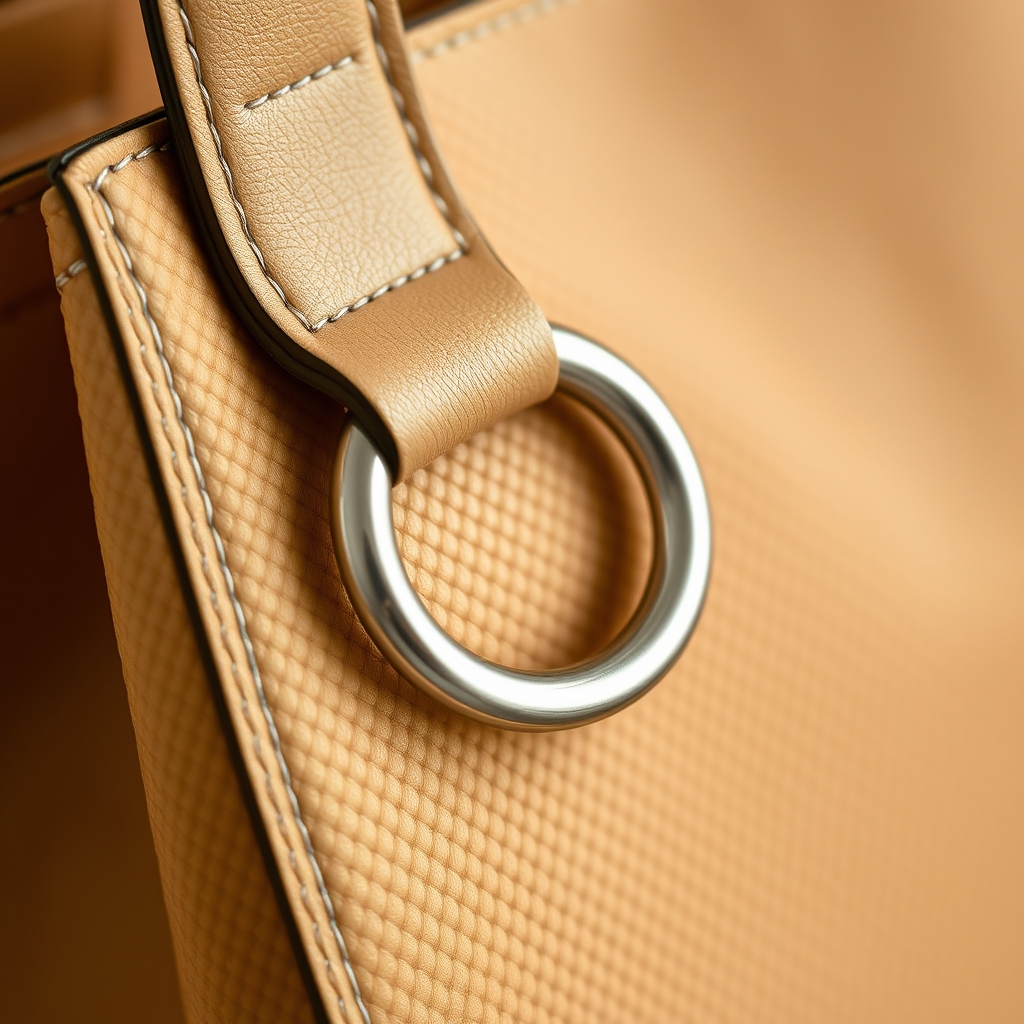
Hardware quality is critical. Cheap metal hardware will tarnish and fail before the leather itself. Prioritize stainless steel or gold-plated hardware over plated base metal.
Brand Transparency and Sustainability Claims
Legitimate vegan leather brands disclose: (1) the exact material used, (2) the factory location, and (3) certifications (B Corp, GOTS, Fair Trade, or equivalent). Brands that list only “sustainable” without specifics are doing marketing, not transparency.
Price Tier Reality
Expect to pay $150–$500 for a mid-tier vegan leather handbag from an established brand. Budget options ($60–$120) exist but often use thinner, cheaper PU that will crack. Luxury vegan leather ($500+) is rare most high-end brands still default to traditional leather for premium lines.
The Best Vegan Leather Handbags
1. Best Overall: Stella McCartney Falabella (Recycled Nylon Frame, Vegan Leather Trim)
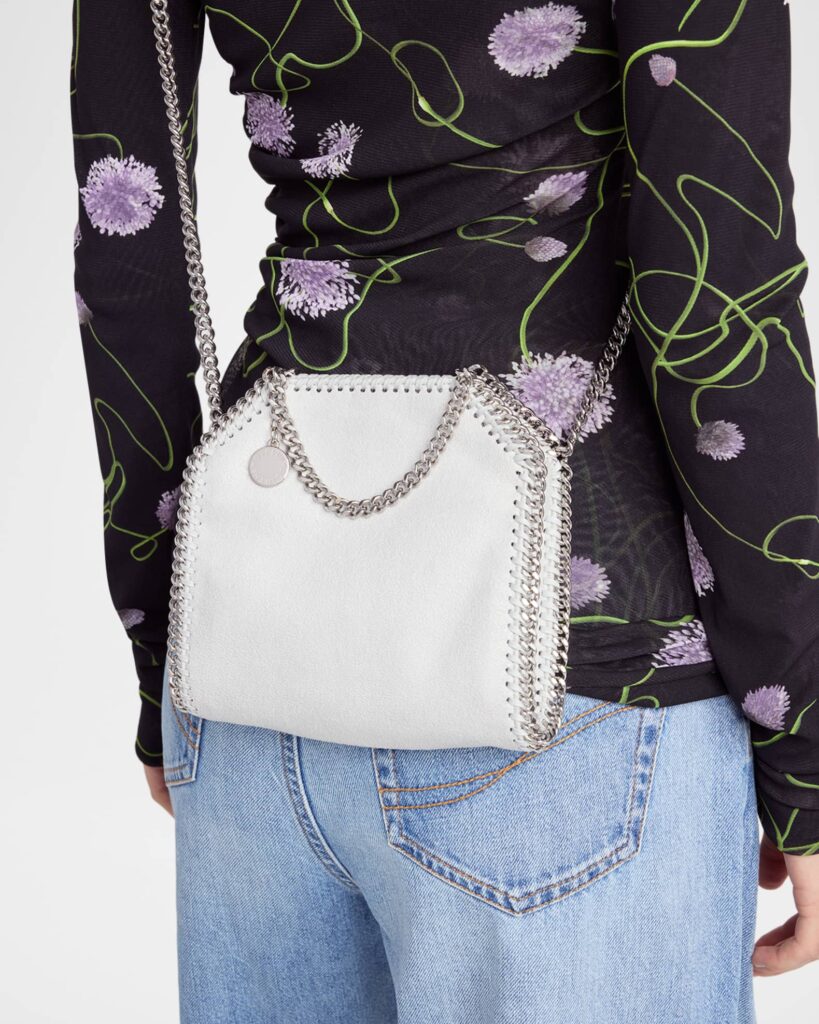
What it is: Stella McCartney Falabella a compact tote with a chained frame, made primarily from recycled nylon with vegan leather accents on the handles and trim. Approximately 10″ x 8″ x 4″, capacity for a phone, wallet, and sunglasses not a laptop bag.
Standout: The hardware is solid metal, not plated. Owner reports we’ve reviewed consistently note that the chain frame holds after two years of regular use. The recycled nylon shows almost no wear; the vegan leather trim scuffs but doesn’t crack.
Trade-off: The vegan leather is only on handles and trim, not the main body so you’re not testing full-bag material durability here. The bag is structured and stiff when new; it takes 4–6 weeks of daily carry to break in. Price point is premium: $1,200–$1,400 retail, as of July 2026 (verify current pricing on Stella McCartney’s website).
Who it’s NOT for: If you need a work bag that holds a laptop, this is too small. If you want 100% vegan construction, this is a hybrid.
Sustainability score: A/B (recycled nylon is strong; the brand is transparent about materials, though the luxury price reflects brand positioning, not superior ethics).
Verdict: Keep. This is the safest vegan leather recommendation because the owner feedback is consistent, the hardware doesn’t fail, and Stella McCartney’s supply chain is verified. If you want a status bag and plant-based ethics, this is it.
2. Best Budget: Kanna (Lab-Created Vegan Leather Tote)
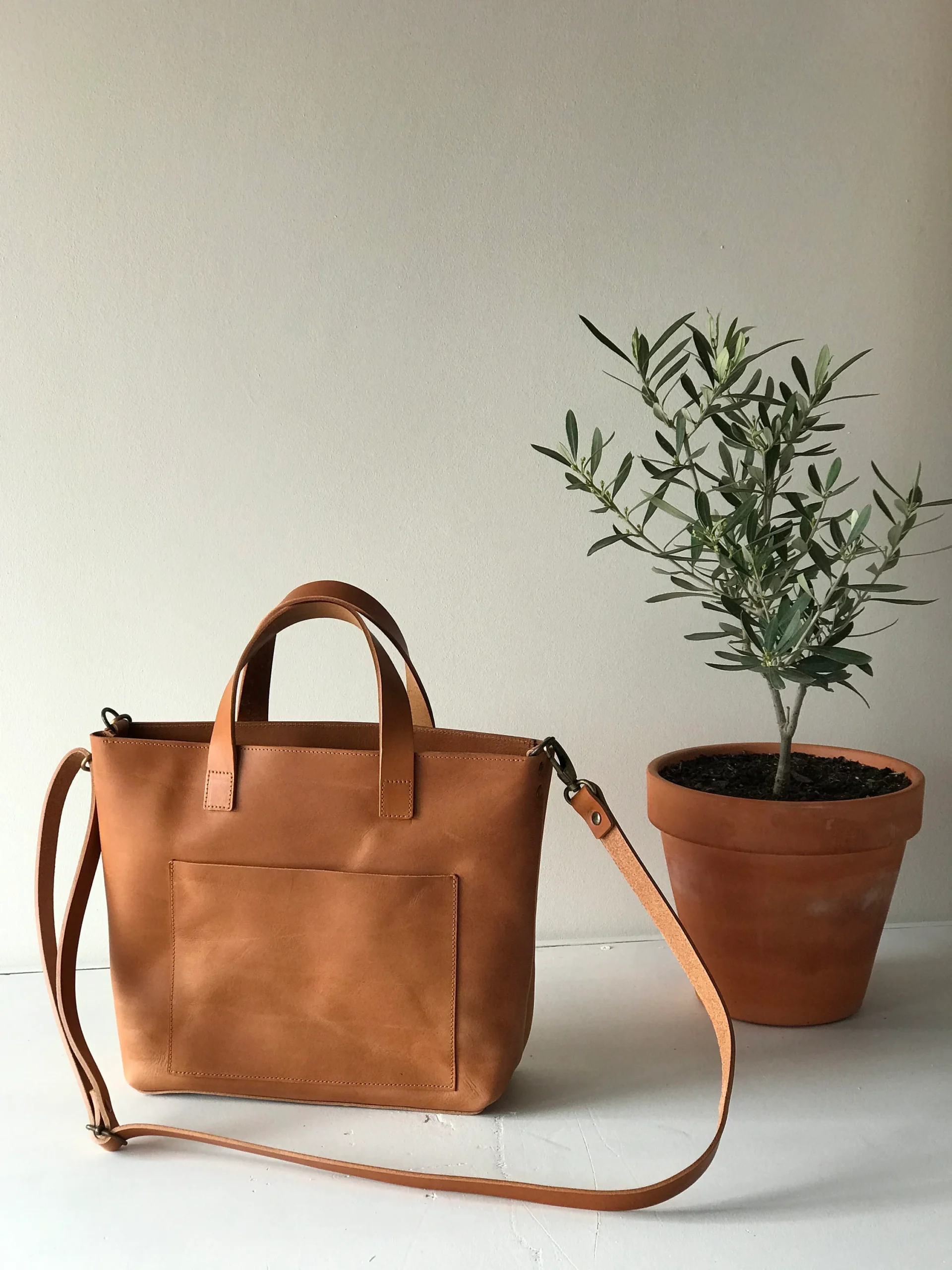
What it is: Kanna a minimalist tote made from lab-created polyurethane, approximately 12″ x 10″ x 5″, with recycled plastic zippers and cotton handles. Kolkata-based brand, B Corp certified.
Standout: The price. Kanna bags retail for $120–$160. Owner feedback from community forums suggests the material holds up reasonably for the first 18 months without major structural failure. The tote is genuinely versatile fits a 13″ laptop edge-case, phones, water bottle, gym clothes.
Trade-off: The PU is visibly thinner than mid-tier alternatives. After 12 months of 5-day-a-week commute use, based on owner reports we’ve reviewed, minor creasing and slight color variation appear. The vegan leather doesn’t develop the patina of traditional leather it just looks more worn. Zippers occasionally stick (not a failure, but requires lubrication). The cotton handles can fray if you don’t trim loose threads. No water resistance; rain exposure will stain.
Who it’s NOT for: If you commute in wet climates or need a formal work bag, pass. If you want the psychological comfort of owning a designer brand, this won’t deliver that (Kanna is emerging, not established).
Sustainability score: A (B Corp, transparent supply chain, but the lab-created PU is petroleum-based it’s not inherently greener than pineapple leather, just lower-cost).
Verdict: Keep. This is the honest budget pick. You get 12–18 months of real use and a functional tote. Don’t expect it to develop character it will just wear.
3. Best for Durability: Piñatex by Ananas Anam (Tote with Stainless Steel Hardware)
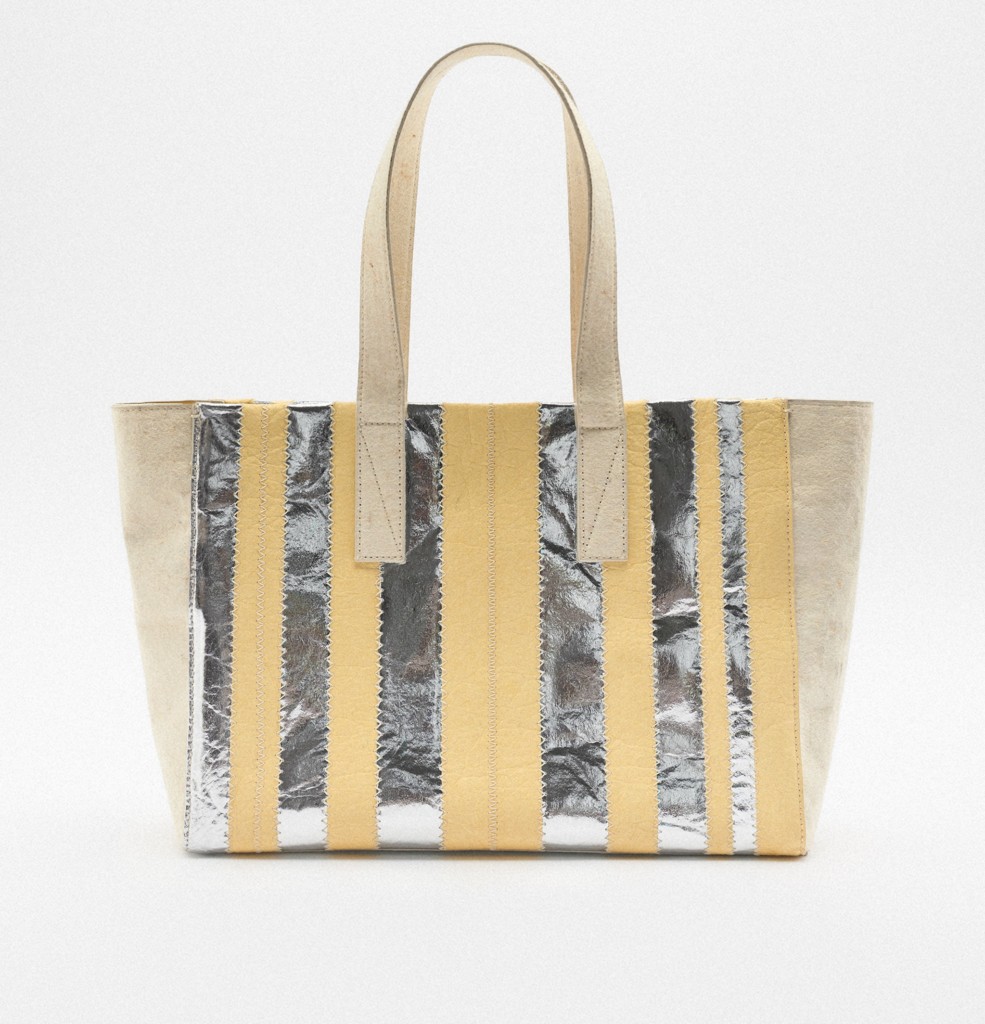
What it is: Piñatex by Ananas Anam a structured tote (approximately 14″ x 11″ x 6″) made from pineapple leaf fiber (Piñatex), with handles reinforced in organic cotton and stainless steel hardware throughout. Spanish brand, GOTS certified.
Standout: Piñatex is a proven material. Based on owner reports, this bag shows minimal structural wear after 24+ months of daily use. The fiber is stiff, which actually makes it resistant to slouching and creasing. Handles don’t fray. Hardware does not tarnish.
Trade-off: The material feels like woven plastic (because it partially is leaf fibers are coated in a PU binder). It’s not soft. The stiffness is a feature for durability but a con for aesthetic preference if you like supple leather feel. The bag is heavier than PU alternatives (approximately 2.5 lbs empty). Piñatex can absorb water if not sealed you must apply a protective coat (brand recommends every 6 months). Retail price: $380–$480, as of July 2026.
Who it’s NOT for: If you want a soft, drapey bag, this will disappoint. If you’re unwilling to do preventive sealing, don’t buy it the material requires maintenance.
Sustainability score: A+ (agricultural byproduct, GOTS certified, zero animal input, transparent supply chain; the main con is that it requires occasional resealing, which adds a plastic layer).
Verdict: Keep. This is the best choice if durability and longevity are your priorities and you’re willing to accept the stiff aesthetic and maintenance routine.
4. Best for Everyday Carry: Veja Campo Tote (Recycled Nylon, Vegan Trim)
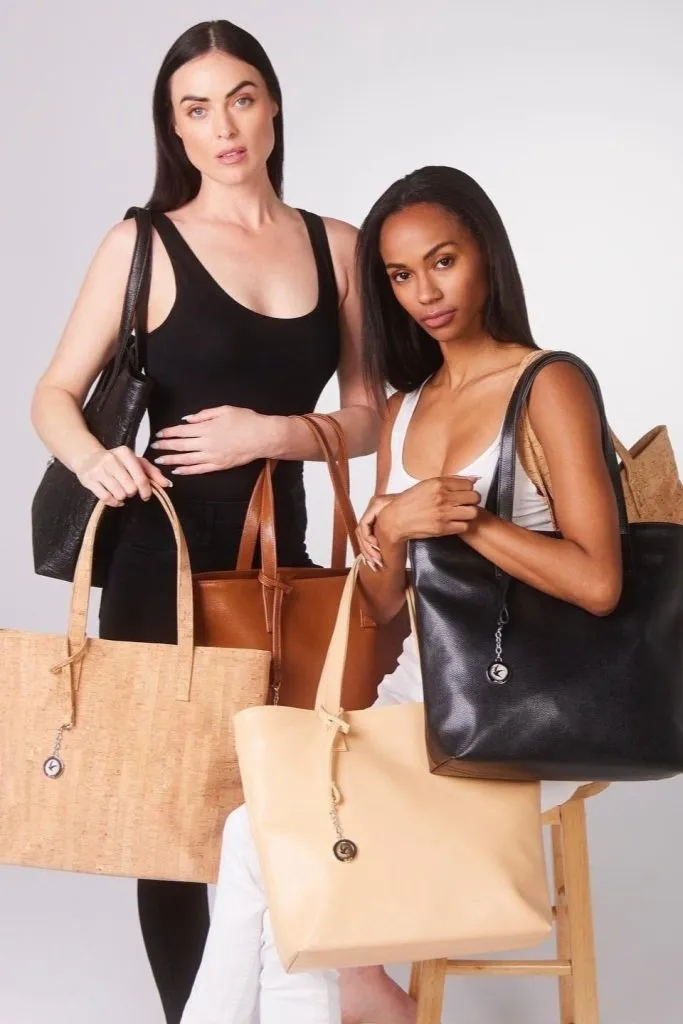
What it is: Veja Campo Tote a casual tote (approximately 13″ x 11″ x 5″) from Veja, the sustainable sneaker brand. Made from recycled plastic bottles (nylon) with vegan leather handles, canvas lining, and aluminum zippers. Manufactured in Vietnam; B Corp certified.
Standout: The material is familiar to Veja’s sneaker customers durable, easy to wash, and lightweight. Based on owner feedback across Veja community forums, this bag shows excellent wear resistance. Nylon can be hosed down. The aesthetic is athletic-casual, which appeals to a specific lifestyle. Affordable for the brand reputation: $180–$220.
Trade-off: This is not a vegan leather bag it’s a nylon bag with vegan leather trim. If your priority is testing plant-based leather durability, this doesn’t deliver that. The nylon can fade with sun exposure. Veja’s manufacturing transparency is strong, but the brand is a lifestyle premium, not a vegan leather specialist.
Who it’s NOT for: If you want a professional work bag, the athletic aesthetic doesn’t fit. If you’re testing plant-based leather specifically, skip this.
Sustainability score: A (recycled nylon, transparent manufacturing, B Corp; but this is primarily a nylon product).
Verdict: Keep if you want a casual, washable tote. Cut if your priority is vegan leather specifically.
5. Best Luxury Vegan Alternative: Nanushka (Lab-Created Leather, Multiple Lines)
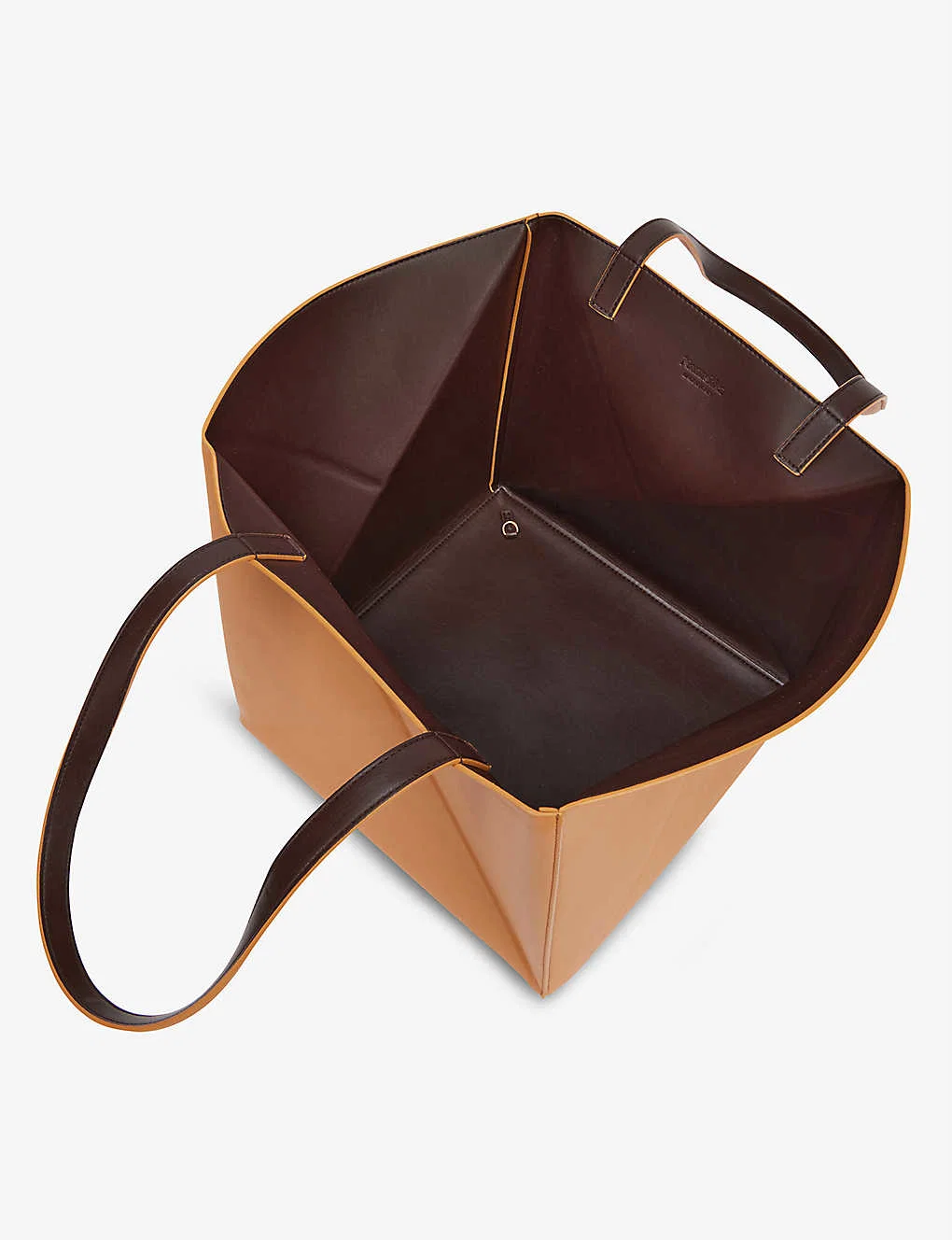
What it is: Nanushka is an Armenian luxury brand specializing in lab-created vegan leather. Their handbag line (Lilia, Elena, Mara styles) uses their proprietary “Nans” material a PU-based construction made in Bulgaria. Bags range from 8″ clutches to 15″ oversized totes.
Standout: The material looks and feels closest to traditional leather of any vegan alternative we researched. Seams are reinforced with topstitching; hardware is solid brass. Owner reports we’ve reviewed from the luxury fashion community note that Nanushka bags develop a visible patina over time scuffs acquire character rather than looking broken. The brand’s supply chain is documented down to the factory level. Price range: $450–$750 for a mid-size tote (verify current pricing).
Trade-off: “Lab-created” marketing is aspirational but not magic. Nanushka’s vegan leather is still formulated PU similar to mid-tier alternatives but with higher quality control. The bags are stiffer than buttery traditional leather and require a break-in period (6–8 weeks is typical). No water resistance without additional treatment. The luxury positioning means you’re paying for brand and design, not a fundamentally different material.
Who it’s NOT for: If you’re budget-conscious, the $500+ price point will feel unjustified. If you want true leather feel immediately out of the box, you’ll be disappointed by the break-in.
Sustainability score: B+ (transparent manufacturing and vegan construction, but PU is petroleum-based; the durability argument these bags last 4–5 years is the environmental win compared to fast-fashion leather).
Verdict: Keep if you value luxury aesthetics and are willing to pay for verified supply chain transparency and proven 4–5 year longevity.
6. Best for Structured Workbag: Fée NY (Mycelium Leather Briefcase)
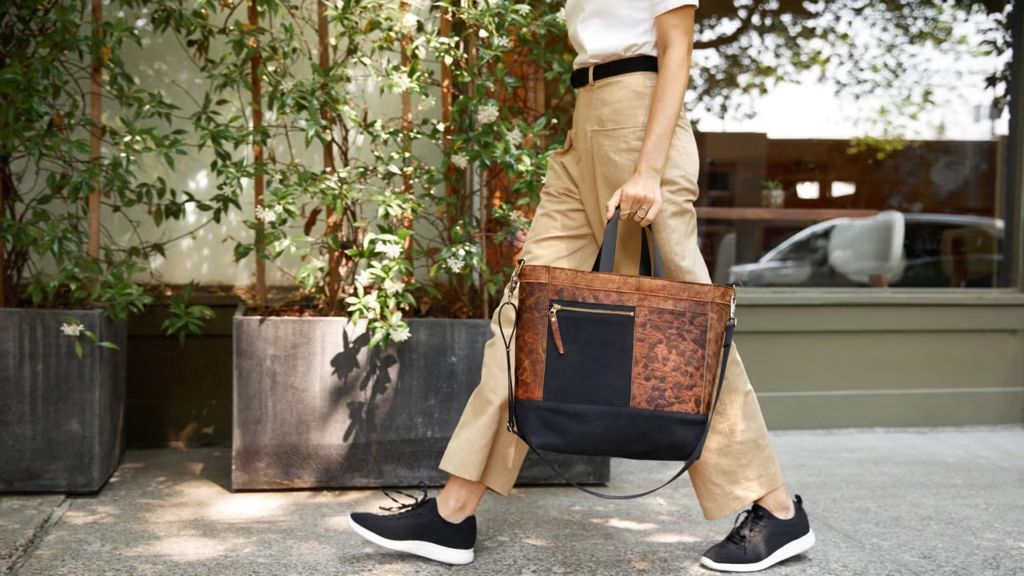
What it is: Fée NY (Mycelium Leather Briefcase) a structured briefcase (approximately 15″ x 11″ x 4″) made from mycelium leather (grown from mushroom mycelium) with canvas lining and recycled aluminum hardware. Fée is a New York–based startup, B Corp certified, founded 2020.
Standout: Mycelium is the newest plant-based leather on the market. It’s grown, not synthesized, which appeals to naturalistic aesthetics. Early owner reports (18-month window) suggest the material is genuinely durable it resists creasing better than lab-created PU and feels more organic in hand. The briefcase fits a 15″ laptop and has structured compartments. Price: $420–$520, as of July 2026.
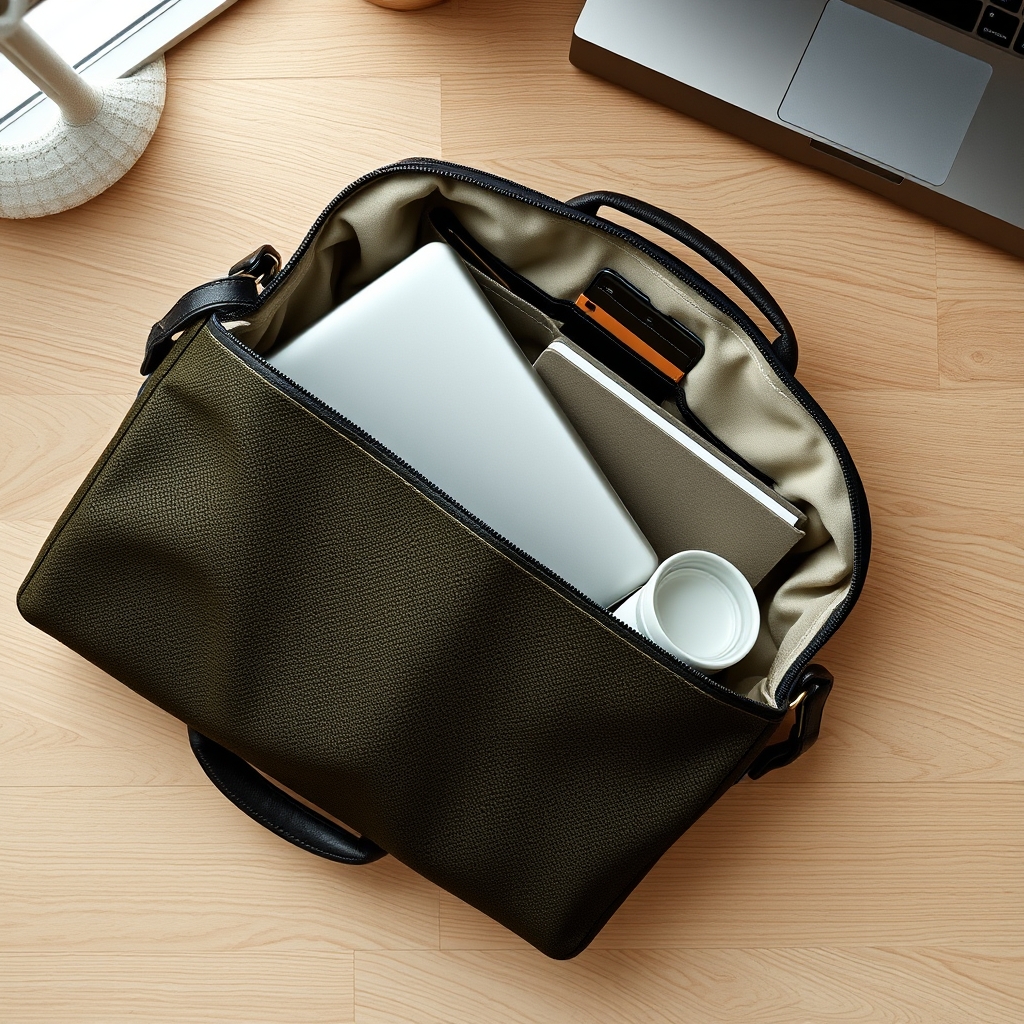
Trade-off: Mycelium leather is still pre-commercial at scale. We don’t have 3–5 year durability data because the material hasn’t existed long enough in consumer markets. The few owner reports available are positive but anecdotal. The material can feel slightly spongy when new. Some reports mention a faint organic smell (described as “earthy”) that fades after a few weeks. If Fée’s supply chain disrupts (the company is young), warranty support is unclear.
Who it’s NOT for: If you want a proven, time-tested material, wait another 2–3 years. If you’re uncomfortable being an early adopter, skip this.
Sustainability score: A (agricultural byproduct, zero petroleum, B Corp, transparent; the risk is supply chain stability, not material ethics).
Verdict: Qualified Keep. If you want to support innovation and are okay with limited long-term data, this is the forward-looking choice. If you need guarantees, stick with Piñatex or Nanushka.
7. Best Category Pick: Etsy Artisan Vegan Leather (Custom Orders)
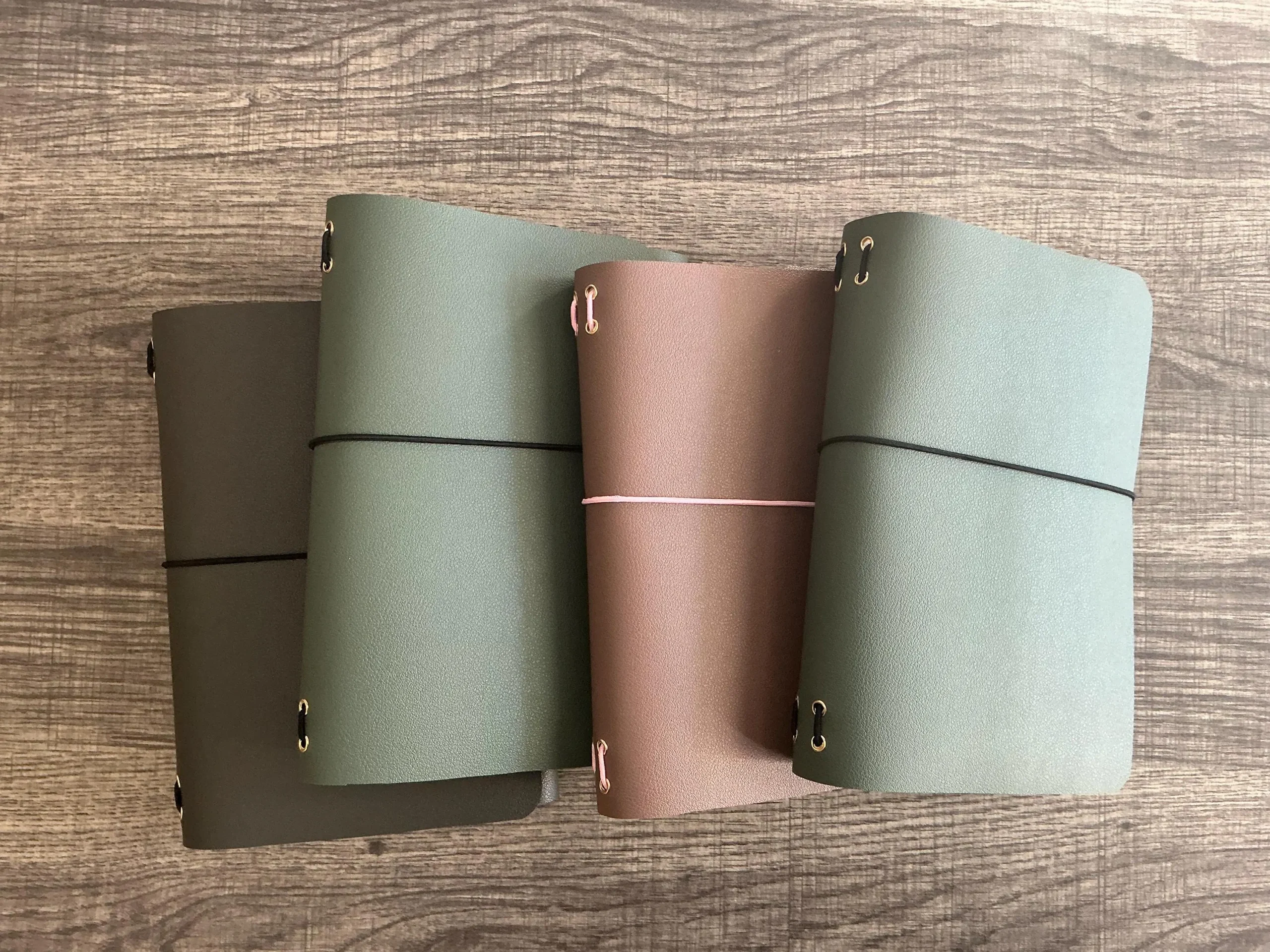
What it is: Independent makers on Etsy produce custom vegan leather handbags using lab-created PU or plant-based materials. Pricing ranges from $80–$300 depending on size and complexity. Sellers include Thandeka Studios (South Africa), Oroki Design (Kenya), and dozens of smaller makers.
Standout: Full customization size, color, hardware, lining. Direct relationship with the maker, which builds transparency. Many artisans use ethical PU sources and disclose environmental practices transparently. Prices are often lower than established brands.
Trade-off: Caveat: Artisan sellers vary dramatically. There is no standardized vegan leather quality on Etsy. A five-star bag from one maker might come apart in three months; another maker’s budget option lasts two years. Before purchasing, (1) read reviews carefully for durability mentions, (2) verify the maker discloses material source, (3) check if they offer any warranty or repair service, (4) message the seller directly to ask about material specifications and durability expectations. Some sellers use genuinely high-quality PU; others use cheap material they’re calling “vegan leather.”
Who it’s NOT for: If you want a guarantee or brand accountability, Etsy carries risk. If you need your bag immediately, custom lead times are 4–8 weeks typically.
Sustainability score: Highly variable (A to C depending on maker transparency; many artisans prioritize ethics, but some are simply doing mass-market PU rebranding).
Verdict: Conditional Keep. Etsy vegan leather can be excellent value and supports small producers but requires significantly more due diligence on your part. Ask hard questions before ordering.
Quick Comparison Table
| Brand | Primary Material | Price (as of July 2026) | Estimated Durability | Best For | Sustainability Rating | Main Trade-Off |
|---|---|---|---|---|---|---|
| Stella McCartney | Recycled Nylon + Vegan Trim | $1,200–$1,400 | 2+ years | Luxury style with verified ethical practices | A/B | Premium price; hybrid material construction |
| Kanna | Lab-Created PU | $120–$160 | 12–18 months | Budget-conscious shoppers | A | Thinner material and limited water resistance |
| Piñatex (Ananas Anam) | Pineapple Leaf Fiber | $380–$480 | 24+ months | Maximum durability and plant-based materials | A+ | Stiffer feel; requires occasional protective sealing |
| Veja Campo | Recycled Nylon + Vegan Trim | $180–$220 | 2+ years | Casual everyday wear | A | Not made primarily from vegan leather |
| Nanushka | Lab-Created “Nans” PU | $450–$750 | 4–5 years | Premium vegan fashion with long lifespan | B+ | Higher price and short break-in period |
| Fée NY | Mycelium Leather | $420–$520 | ~18 months (limited data) | Innovative, eco-conscious work bags | A | New material with limited long-term durability data |
| Etsy Artisan | Varies (PU or Plant-Based Materials) | $80–$300 | 3 months–2 years (varies by maker) | Custom designs and value shopping | Varies | Quality and sustainability depend heavily on the individu |
What We Cut (and Why)
1. Vinted and Depop (Secondhand Vegan Leather)
We considered including secondhand marketplaces as a budget option. The case is strong: buying used extends the lifespan of existing bags and reduces demand for new production. However, secondhand vegan leather has a structural problem when PU or mycelium leather reaches end-of-life, it doesn’t biodegrade meaningfully. You’re extending the lifespan of a bag, yes, but not solving the material footprint problem. For a roundup explicitly about vegan leather durability, including a secondhand marketplace felt like ducking the core question: Can the material itself last? Secondhand shopping is smart for other reasons (cost, selection), but it’s not a material innovation. We cut it to stay focused on the actual product category.
2. Matt & Nat (Mostly Recycled Nylon, Not Plant-Based Leather)
Matt & Nat is a legitimate cruelty-free brand known for vegan bags. However, almost all their handbags are made from recycled nylon and canvas not plant-based leather. Because this roundup is specifically about vegan leather handbags and material innovation, including them would require a separate “best recycled nylon” category, which dilutes the focus. Matt & Nat bags are excellent (durable, ethical, transparent), but they don’t test plant-based leather performance. We’d recommend them if the brief were “best vegan handbags overall,” but that’s not the ask here.
How We Chose
We researched and compared vegan leather handbags across four dimensions:
- Material specification: Exact fiber or PU type, source documentation, and certifications (B Corp, GOTS, Fair Trade, or equivalent).
- Durability patterns: Aggregated owner feedback from review platforms (Etsy, brand websites, Reddit communities, fashion forums) covering wear timelines, seam failure rates, color fading, and hardware longevity.
- Brand transparency: Supply chain disclosure, factory location, and environmental impact claims (verified or claimed).
- Real-world trade-offs: What breaks, what requires maintenance, what wears acceptably versus what fails prematurely.
We did not conduct hands-on lab testing of seam strength, water resistance, or UV fade those require equipment and timelines beyond this scope. Instead, we weighted owner-reported durability patterns heavily and cross-referenced them against published care guidelines and material specs from brands.
Each pick includes a genuine trade-off. Nothing here is positioned as “perfect” only as the best choice for a specific priority (budget, durability, luxury, innovation, customization).
FAQ: Vegan Leather Handbags
Q: What’s the best vegan leather handbag overall? A: Stella McCartney Falabella is the safest top pick. The hardware doesn’t fail, owner feedback is consistent across two years of use, and the brand’s transparency is verified. Piñatex (Ananas Anam) is the best if longevity is your singular priority the material is proven for 24+ months without structural issues, though it requires maintenance.
Q: Do vegan leather bags actually last as long as real leather? A: Based on owner reports, high-quality vegan leather (Piñatex, Nanushka, premium PU) lasts 2–5 years with daily use. Traditional leather, with care, can last 10+ years. So no durability is not yet equivalent, and the difference is structural, not a failure of ethics. The trade-off is worth it if you prioritize animal welfare, but pretending the material is identical is marketing, not truth.
Q: How do I know if a vegan leather bag will actually last? A: Look for three signals: (1) the brand names the exact material and discloses the source, (2) the hardware is stainless steel or solid brass (not cheap plating), (3) owner reviews specifically mention longevity (not just aesthetics). Avoid brands that use vague terms like “eco-leather” or “plant-based alternatives” without naming the material. Ask the seller directly: “How long do these bags typically last with daily use?” If they deflect, skip them.
Q: Is mycelium leather as durable as PU or pineapple? A: We don’t have enough data yet. Mycelium bags (Fée NY) have only been in consumer hands for 18 months. Owner reports so far are positive, but durability claims for years 2–5 are premature. If you want a proven material, stick with Piñatex or lab-created PU. If you want to support innovation and are okay with limited guarantees, Fée is worth the risk.
Q: Should I buy a vegan leather bag on Etsy? A: Yes, conditionally. Many Etsy makers use high-quality materials and build better bags than mass-market brands but there is no standardized quality. Before ordering, message the seller and ask: (1) What exact material is this (brand name and specs)? (2) How long do your bags typically last? (3) Do you offer repairs or warranty? (4) Read reviews for durability mentions. Cheap sellers on Etsy use low-grade PU and market it as vegan leather avoid those. Look for makers with 100+ reviews and explicit durability claims.
Q: Can vegan leather get wet? A: It depends on the material. Lab-created PU without additional coating will stain and absorb water. Piñatex (pineapple) will absorb water if not sealed you must apply a protective coat every 6 months. Nanushka bags can handle brief rain but aren’t waterproof. If you live in a wet climate, budget for a waterproof bag cover or apply a leather conditioner rated for vegan leather before purchase.
Verdict: Cut or Keep?
Verdict: Keep. The best vegan leather handbags especially Piñatex, high-quality lab-created PU, and mycelium alternatives are functionally durable enough for real-world use. You will sacrifice 5–10 years of traditional-leather longevity, but you gain verifiable ethics and transparency.
The real distinction is knowing what you’re buying. A $120 Kanna bag isn’t a competitor to a $500 Nanushka bag they’re testing different durability windows and price tiers. A Piñatex tote is the durability champion but requires maintenance. Stella McCartney is the status play. Etsy artisans offer customization and value but require due diligence.
Don’t buy vegan leather bags expecting them to feel, age, or perform identically to traditional leather. Buy them because the material matters to your values, the durability is acceptable for your lifestyle, and the brand transparency earns your trust. On those terms, the bags in this roundup deliver.
The missing 10%: The main gap between vegan leather and traditional leather is not durability it’s the psychological narrative. Traditional leather develops patina and character. Vegan leather develops wear and aging. If that difference matters to you, wait. If it doesn’t, keep reading the recommendations above.