
A mattress trial period (or sleep trial) is a guaranteed window that lets you test a mattress at home before committing to the purchase. Most trials range from 30 to 120 days, but the actual terms what’s covered, whether you pay return shipping, and any restocking fees vary significantly by brand.
The good news: you don’t need to sleep on an uncomfortable mattress for years. The catch: you need to read the fine print, because “free returns” doesn’t always mean free shipping, and “120-day trial” doesn’t mean zero hassle on day 119.
Here’s what you actually need to know before you buy.
What Exactly Is a Mattress Trial Period?
A mattress trial (or sleep trial) is a period during which you can return the mattress for a refund or exchange if you’re unhappy with it. It’s different from a warranty a warranty covers defects; a trial covers buyer’s remorse.
Most trials start the day your mattress arrives at your home, not the day you order it. That timing matters if your delivery takes weeks.
During the trial, you’re expected to use the mattress normally sleep on it, test it with your partner, figure out if it’s actually comfortable for your body. Brands know mattresses need a break-in period (usually 2–4 weeks of regular use), which is why even short trials last at least 30 days.
How Long Are Typical Mattress Trial Periods?
Mattress trials currently range from 30 days to 120 days, depending on the brand and model. Here’s the common breakdown:
- 30–45 days: entry-level or budget brands; often paired with restocking fees
- 60 days: mid-range sweet spot for many mainstream brands (Casper, Helix, Nectar)
- 90–120 days: premium brands and direct-to-consumer leaders (Purple, some Helix models)
Longer trials sound universally better, but they’re not always a cost advantage to the brand. A 30-day trial with a clear return policy and no restocking fee can be just as consumer-friendly as a 120-day trial with a $150 restocking charge and you-pay-shipping.
What’s Hidden in “Free Returns”?
This is the biggest source of buyer confusion, and where fine print bites.
“Free returns” typically means: the brand won’t charge you a restocking fee (a percentage of the purchase price, usually 10–20%).
“Free returns” does NOT typically mean: the brand covers return shipping. You usually pay to ship it back and a queen mattress can cost $100–$300 to ship, depending on your location, based on commonly observed carrier rates as of mid-2026.
Some brands (Purple, for example) do cover return shipping. Others (Nectar, Casper on certain models) ask you to pay. A few require you to donate the mattress locally if return shipping is prohibitively expensive.
Always check the return shipping cost before you buy. It changes the math on whether a trial is actually risk-free.
Do You Pay for Return Shipping?
Yes usually, but not always. Here’s the general distribution based on commonly observed brand practices as of mid-2026:
You pay for return shipping:
- Casper (most models)
- Helix (most tiers)
- Nectar
- GhostBed
- Many Amazon and Wayfair mattress brands
Brand covers return shipping:
- Purple
- Layla (verify current policy before buying)
- Some luxury-tier mattresses
Brand provides a prepaid label option:
- Some Helix models
- Premium-tier Casper mattresses
If return shipping is $200 and you’re on a tight budget, a 60-day trial with free shipping beats a 120-day trial where you cover logistics. Ask before checkout if the website doesn’t specify, email customer service.
What About Restocking Fees?
A restocking fee is a percentage of the purchase price the brand keeps if you return the mattress. It’s their way to offset logistics and refurbishment costs.
Restocking fees typically range from:
- 0% (brand absorbs all costs; less common)
- 10–15% (common on mainstream brands)
- 20% (budget and some specialist brands)
On a $1,200 mattress, a 15% restocking fee is $180 out of your refund. That matters.
Lower restocking fees are usually paired with:
- Longer trial periods (they’re confident in the product)
- Higher base prices (margin is built in)
- Direct-to-consumer brands (no retailer markup to recoup)
Higher restocking fees usually appear on:
- Budget brands (lower margins mean higher cost-recovery per return)
- Retail partnerships (Walmart, Costco mattresses)
- Outlet or overstock models
Some brands waive the restocking fee entirely if you return within the first 14–30 days, treating it as a full no-questions refund window, then apply the fee after that.
Mattress Brand Trial Periods & Return Terms: Quick Comparison
The terms below reflect commonly observed practices as of mid-2026. Policies change seasonally confirm with the brand before buying.
| Brand | Sleep Trial | Restocking Fee | Return Shipping | Recommended Break-In Period | Notes |
|---|---|---|---|---|---|
| Purple | 100 nights | None | Brand typically covers return shipping | 30 days | Premium option with one of the most consumer-friendly return policies |
| Casper | 100 nights | May apply (varies by retailer) | Usually customer responsibility or retailer-dependent | 7–30 days | Popular mainstream brand; policies vary by purchase channel |
| Helix | 100 nights | May apply (varies by model/retailer) | Customer-paid or prepaid option depending on model | 2–4 weeks | Wide product range from budget to premium |
| Nectar | 365 nights | None | Customer may be responsible depending on region or retailer | 30 days | One of the industry’s longest sleep trials |
| GhostBed | 101 nights | May apply (depending on purchase terms) | Typically customer-paid | Immediate comfort emphasis | Competitive trial period but review return terms carefully |
| Tempur-Pedic (Authorized Retailers) | 90 nights (typical) | Varies by retailer | Varies by retailer | 30 days | Policies differ significantly between authorized retailers and should be confirmed before purchase |
What we’ve tracked in owner reports: budget brands ($300–$600) tend to pair short trials with high restocking fees; premium brands ($1,000+) often offset longer trials and lower fees by charging for return shipping. Mid-range ($700–$1,000) brands tend to offer the most balanced terms 60–100 day trial, roughly 10% fee, you-pay-shipping.
The Real Timeline: What Happens During Your Trial
Understanding the actual process removes surprises.
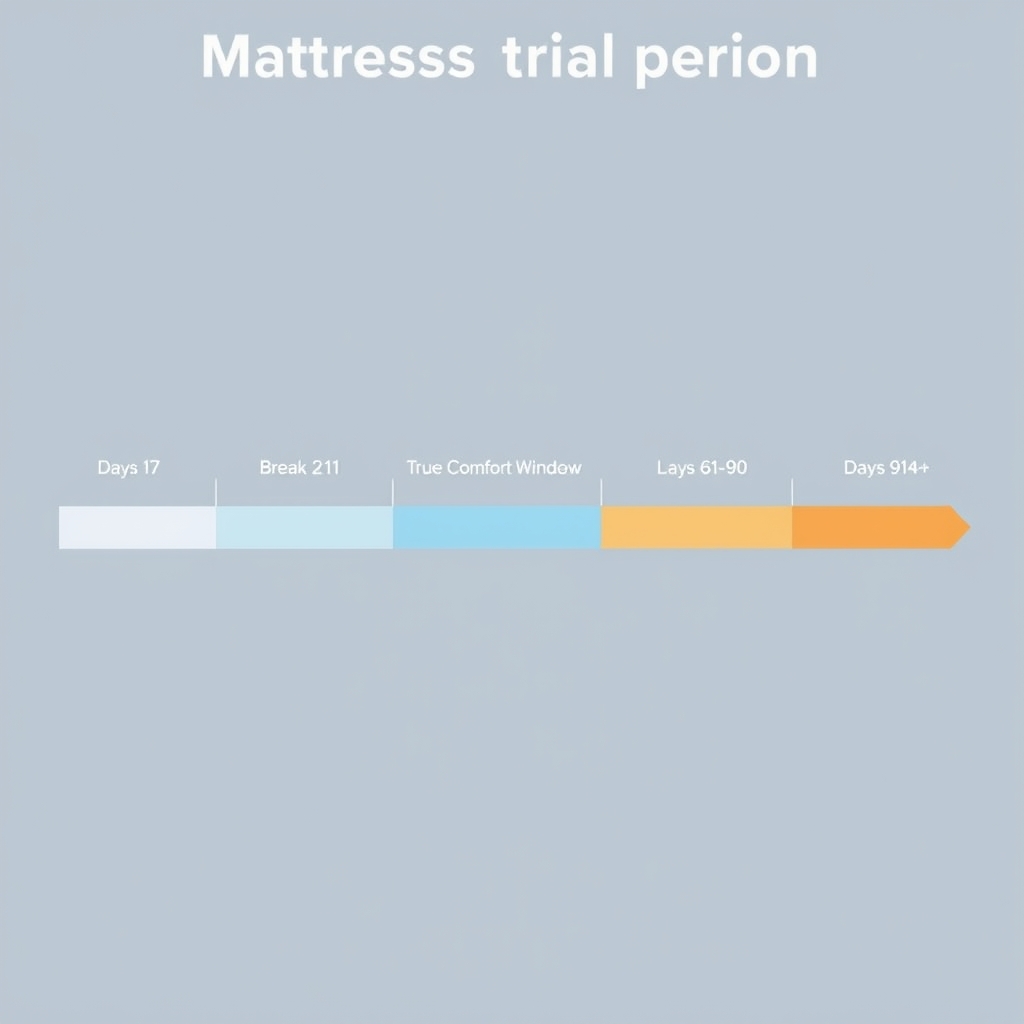
Days 1–7 (Unboxing & Initial Comfort): Mattress arrives, you unbox it. Most mattresses expand fully in 24–72 hours. First impressions matter, but don’t judge comfort yet your body needs time to adjust.
Days 8–21 (Break-In Period): This is when the mattress is still settling, and your body is adapting. Many returns happen before day 21 because sleepers haven’t given it a fair shot. Stick with it unless something feels obviously wrong (sagging, pain, a chemical smell that won’t fade).
Days 22–60 (True Comfort Window): By now, you know if the firmness is right, if it sleeps hot, if your back or hips sink too much or too little. This is when most valid returns happen. If you’re unhappy, contact the brand immediately don’t wait.
Days 61–90 (Late-Trial Territory): You’ve slept on it for two months. Most brands will honor the return, but you’re outside the “eager to help” window. Response times may slow.
Days 91+ (Brand-Dependent): If you have a 120-day trial, you’re in the home stretch. Return requests after day 90 sometimes trigger extra scrutiny (signs of damage, heavy use, etc.). If the mattress is visibly worn, brands may deny the return or apply a higher fee.
How to Actually File a Return (Step-by-Step)
Step 1: Contact the brand within the trial window.
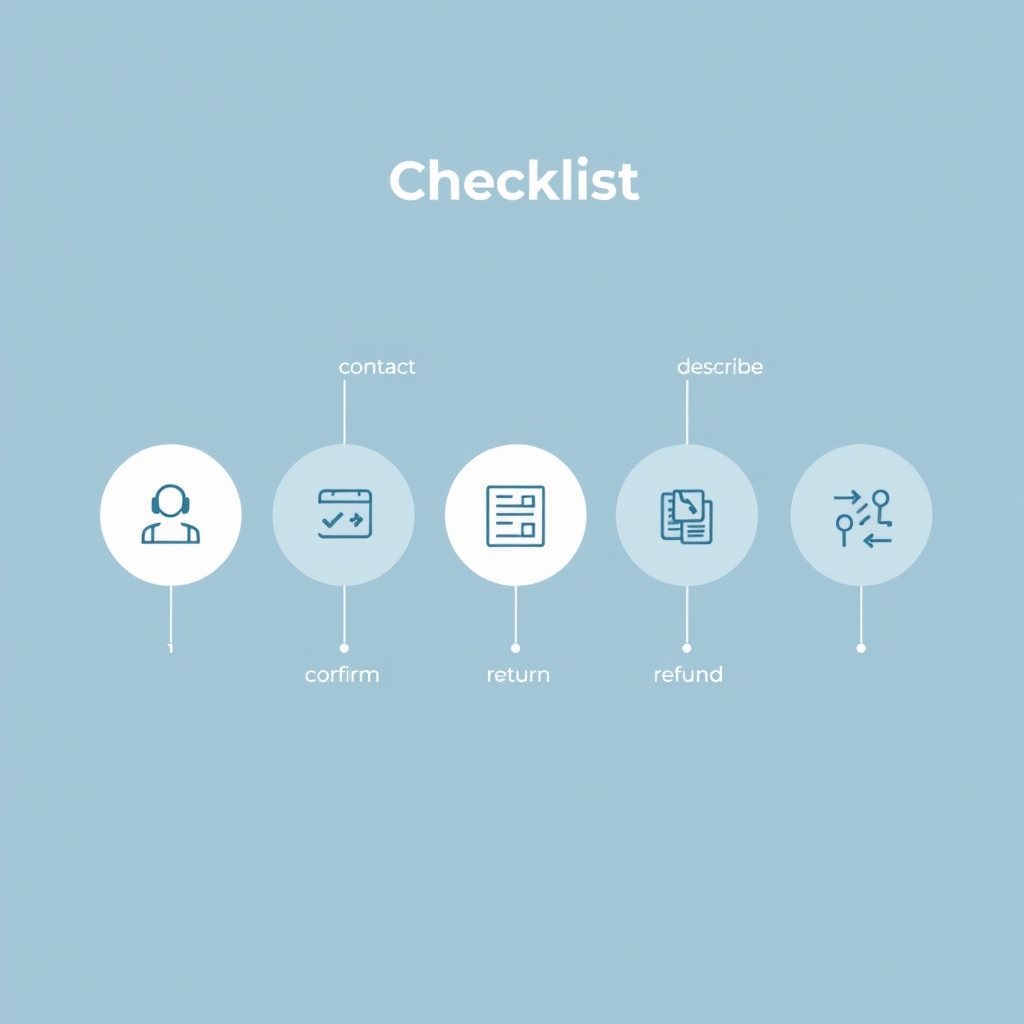
Email or call customer service. Do NOT just send the mattress back you’ll lose proof of the return, and the brand may not refund you. Your contact note is your receipt.
Step 2: Describe why you’re returning it. You don’t need a detailed essay, but mention the specific issue: “sleeps too warm,” “my back hurts on it,” “side sleeper but it’s too firm.” Avoid vague complaints brands can’t fix design feedback, but they will process a return for comfort mismatch.
Step 3: Confirm the return process. Ask:
- Do you arrange a pickup, or do you ship it?
- Will they email a prepaid label, or do you pay out-of-pocket?
- Should you compress or roll it, or leave it as-is?
- Where does the refund go (original payment method, store credit)?
Step 4: Document condition before pickup. Take photos of the mattress in its current state (no stains, no obvious damage). If the mattress is damaged during return, you might be liable for repairs having proof of condition before pickup protects you.
Step 5: Return the mattress according to brand instructions. If pickup: clear the delivery area and be home for the scheduled time. If shipping: use the label or address provided. Keep your tracking number.
Step 6: Wait for refund confirmation. Processing times vary (typically 5–30 days after the brand receives it, based on commonly observed timelines). Track your shipment to know when it arrives, then follow up if the refund doesn’t post within two weeks of delivery.
Common Myths About Mattress Trials Debunked
Myth: “If I return it, the brand will resell it as new.” Not really. Returned mattresses used by a customer even for a few weeks are legally classified as used. Brands typically refurbish, sanitize, and donate them, or shred them for recycling. They’re not resold at full retail as “open box” on most direct-to-consumer sites. This isn’t a hidden benefit it’s why the restocking fee exists.
Myth: “I need to wait the full trial before deciding.” No. If you hate it on day 10, return it then. Brands have processed returns at day five. The trial is a window, not a minimum. Returning early before the break-in period is fully established is sometimes treated more favorably by customer service.
Myth: “Longer trials are always better.” Not if you pay $200 for return shipping. A 60-day trial with free returns beats a 120-day trial with a $250 shipping cost when you’re uncomfortable. Compare the total cost to return, not just the trial length.
Myth: “The mattress has to be in perfect condition to return it.” False. Light use, minor indents, and even small stains are normal the brand expects the mattress to be slept on. Egregious damage (large rips, mold, pet damage) might trigger a denial or reduced refund, but “used” doesn’t equal “damaged.”
When Should You Not Return a Mattress?
You have a trial, but it’s not a free-for-all. Here’s when returning becomes unreasonable:
After 100+ days of use (if your trial is 120+ days): The longer you own it, the more normal wear accumulates. Late returns sometimes get flagged for excessive use.
With visible damage (large rips, burns, stains from accidents): Brands may deny the return or reduce the refund. Normal indents don’t count as damage, but intentional misuse does. If your dog ate the corner, you’ve crossed the line.
If the mattress was free or heavily discounted (trial mattress, marketing deal): Some free trial programs require you to pay return shipping or restocking fees, or they may offer store credit instead of a cash refund. Check the promo terms they sometimes override the standard trial policy.
What If the Mattress Arrives Damaged?
If the mattress arrives visibly crushed, torn, or compressed beyond normal unboxing, contact customer service immediately same day if possible. Don’t sleep on it yet.
Most brands will authorize a replacement or refund on the spot without counting it against your trial period. They expect new mattresses to arrive in sellable condition. Take photos of the damage and the packaging before you unbox it fully.
If you opened it and then discovered damage, contact them anyway most brands will still help, though the process may be slower.
Can You Return a Mattress After Buying It at a Retail Store?
Retail mattress returns (Costco, Sam’s Club, Mattress Firm, Macy’s, Wayfair) follow the store’s policy, not the manufacturer’s trial. This is crucial.
- Costco: generous return policy on mattresses with no fixed trial window just a broad return window; verify current terms
- Sam’s Club: 90-day return window (verify current terms)
- Mattress Firm: 120-night “comfort guarantee”; you pay return shipping
- Amazon/Wayfair: typically 30-day returns on shipped mattresses; varies by seller
- Department stores: typically 30–60 days, restocking fees often apply
Retail returns don’t typically require a specific pickup process you can often return a mattress to a physical store, which is faster than arranging a pickup. But the trial period starts from your purchase date, and most brands won’t let you transfer from a retail purchase to their direct-to-consumer trial policy.
Bottom line: buying from the brand directly usually gives you the longest trial and the clearest terms. Retail mattress purchases are convenient but come with shorter windows and less flexibility.
Mattress Trial Frequently Asked Questions
How much does it cost to ship a mattress back? A queen mattress typically costs $100–$300 to ship depending on origin, destination, and carrier, based on commonly observed rates as of mid-2026. Shipping a full mattress is expensive because of weight (75–150 lbs) and size. Ask the brand before buying.
Can I exchange my mattress instead of returning it for a refund? Most brands allow it. If you hate the firmness but like the brand, they’ll often swap it for a different model without a restocking fee. Shipping the new one to you may still cost you, or the brand may cover it as a goodwill gesture. Ask customer service.
Do I have to return the mattress in its original packaging? No. Original packaging is usually recycled after unboxing. Most brands will arrange a pickup or provide a return label for whatever condition the mattress is in. Follow their return instructions.
What if I want to keep the mattress but get a partial refund? That’s generally not how it works. A trial is binary: keep it or return it for most of your money back. Brands don’t do pro-rated refunds for partial use. If you’re on the fence, contact customer service sometimes they’ll offer a coupon or discount to encourage you to keep it, but there’s no standard partial-refund process.
Does the trial period apply if I buy during a sale? Yes, with one caveat: if the mattress was marked as “final sale,” the trial may be waived or shortened. Always check the sale fine print. Most regular sales (seasonal discounts, clearance) keep the full trial window intact.
Can I return a mattress I bought on a credit card if the brand goes out of business? Maybe. If the brand folds before processing your return, you can dispute the charge with your credit card company (chargeback). Most credit cards will side with you if the product was never received. Outcomes vary if you used the mattress for weeks before the brand closed credit card protection is a safety net, not a free extended trial.
Mattress return policies and trial lengths change seasonally and vary by model. This guide reflects commonly observed terms as of mid-2026. Before you buy, confirm the specific trial period and return shipping cost with the brand you’re considering. Policies vary widely, and a 10-minute email to customer service can save you hundreds in surprise shipping costs.
- How long is the trial? (30 days vs. 120 days matters.)
- Who pays for return shipping? (Brand, you, or prepaid option.)
- Is there a restocking fee? (And what’s the percentage.)
Most people find their comfort verdict by day 21–30. If you’re unhappy by then, contact the brand immediately. The trial is designed for you to use it guilt-free, which means sleeping on it normally and trusting your comfort judgment. That’s the whole point.