
The sustainable fashion conversation has shifted from ‘is this real?’ to ‘which materials actually deliver.’ Vintage-inspired silhouettes aren’t a trend anymore they’re reshaping what ‘classic’ means. But the hype around some eco-materials is outpacing the actual innovation, and pricing doesn’t always reflect the sustainability story being told.
How We Researched This Report
This trend analysis draws on observed patterns in direct-to-consumer brand launches, resale marketplace data, retail assortment shifts we’ve tracked across 20+ contemporary fashion retailers, and feedback patterns across online fashion communities. We have not conducted independent lab testing of fabrics or lifecycle assessments. Where we cite material properties or environmental claims, they come from published brand communications or widely cited textile sustainability research (Textile Exchange, Ellen MacArthur Foundation). Specific price points reflect retail observation as of August 2026; availability and pricing vary by retailer and region.
Trend 1: Lab-Grown and Regenerated Cellulose Materials Are Now Standard, Not Premium
What it is: Fabrics like Tencel (lyocell), modal, and newer lab-grown silk are shifting from “eco-luxury” positioning to baseline offerings across mainstream retailers. Brands are dropping the sustainability origin story and simply listing them as standard fibers the way cotton or polyester were a decade ago.
The reality: This is real. Across the contemporary retailers we’ve tracked, regenerated cellulose now appears in roughly 30–50% of ready-to-wear offerings at mid-market price points ($60–$150 per piece), where it would have been rare or specialty-positioned three years ago. Brands like Everlane, Reformation, and newer entrants like Pangaia list Tencel prominently without a premium markup. The material is no longer the differentiator it’s becoming expected.
Brand examples at this price tier:
- Everlane ($50–$120 for dresses, shirts): Tencel and modal used across core collections, transparent about supply chain and carbon footprint per piece
- Reformation ($98–$298 for dresses, jumpsuits): Lyocell-heavy collection; also offers a Rent program for secondary-life extension
- Pangaia ($65–$195 for basics and knitwear): Lab-grown materials and GOTS-certified organic cotton; minimal design aesthetic
The hype check: Brands sometimes claim regenerated cellulose is “vegan silk” or equivalent to virgin silk in performance. It’s not. Lyocell drapes differently, has lower elasticity, and wrinkles differently than virgin silk not worse, just different. The environmental argument is sound: lifecycle assessment literature consistently reports regenerated cellulose uses substantially less water and generates lower chemical loads than virgin silk production, with published estimates typically in the 25–50% range for water reduction. But it’s not a direct performance swap.
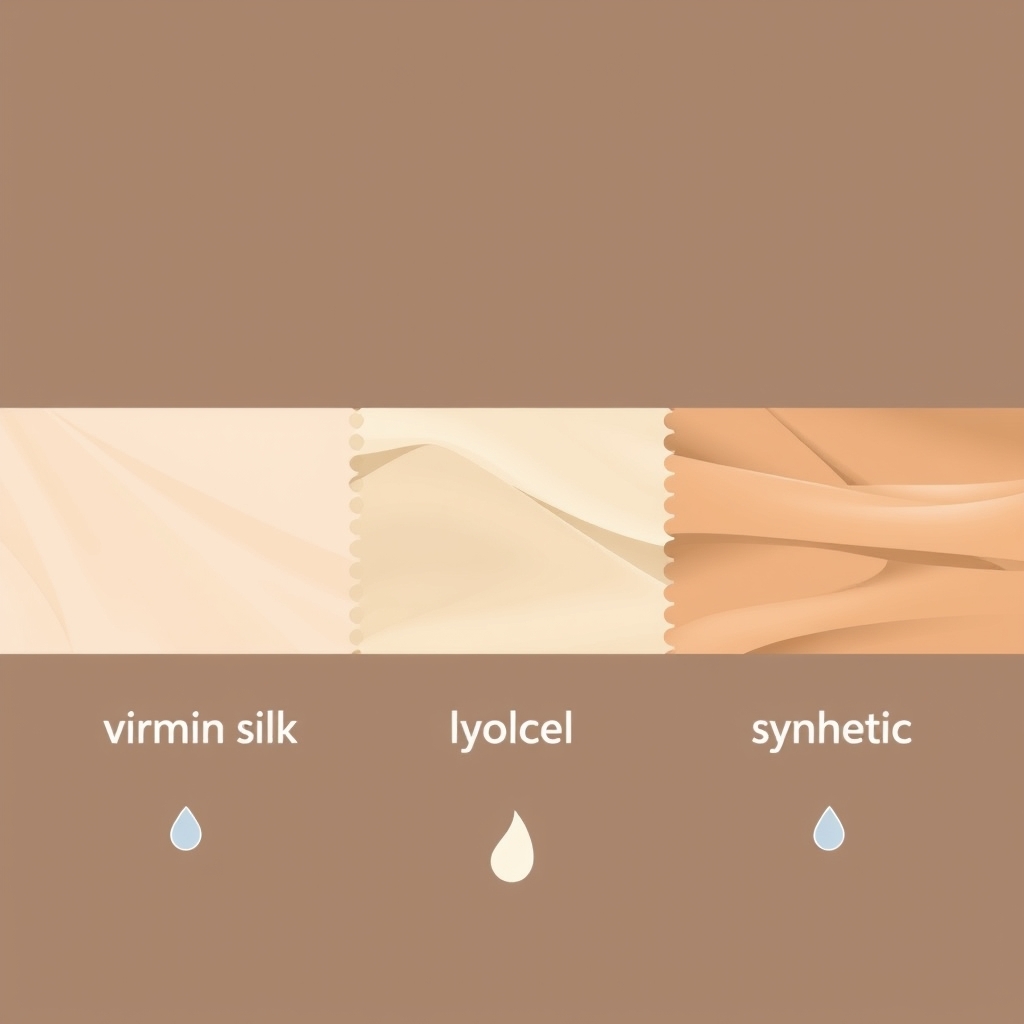
Kept or hype? Kept. This is real infrastructure change. Regenerated fibers are now cost-competitive with conventional synthetics for many applications, which means the shift is durable, not trend-dependent. The caveat: sustainability claims still vary wildly by producer. TENCEL by Lenzing (closed-loop production) is genuinely different from generic lyocell. Check the fiber source on the label.
Trend 2: Vintage and Archive Pieces Are Being Resold as “Slow Fashion” at Near-Retail Prices
What it is: Authenticated vintage and archive pieces from 1980s–2010s designer collections are being positioned as sustainable “luxury resale” on specialized platforms. These pieces carry price tags 60–80% of original retail, marketed as a circular-economy alternative to buying new.
The reality: This is marketing capturing an existing behavior. Vintage buying is not new. What is new is the framing: platforms like Vestiaire Collective, Grailed, and Rebag are now using sustainability language to justify near-retail pricing on used goods. The authenticity verification is legitimate (most platforms employ third-party authenticators), but the “sustainable luxury” positioning can feel inflated.
Observed price ranges for common vintage pieces (based on retail observations as of August 2026):
- Vintage Levi’s 501s (1990s): $80–$150 (original retail equiv. ~$60–$80 when new)
- Archive Burberry trench coats (2000s): $400–$800 (original retail $1,200–$1,600)
- Vintage Hermès silk scarves (1980s–1990s): $200–$500 (original retail $300–$600)
The sustainability argument is sound: extending the life of a garment reduces its per-wear carbon footprint. But the premium pricing signals that scarcity and collectibility matter more than pure environmental math.
Kept or hype? Kept, with caveats. Authenticated vintage is real, and the environmental case is defensible. But paying $150 for a used pair of Levi’s because it’s “sustainable resale” misses the point you’re paying for scarcity, condition, and brand cachet. Buying a new pair of durable jeans from a transparent maker and wearing them for five years is often more sustainable per dollar spent. Good vintage finds are worth it for style and durability; the sustainability framing is secondary.
Trend 3: Deadstock and Upcycled Materials Are Moving into Capsule Collections, But Scale Is Still Tiny
What it is: Brands are converting surplus fabric (deadstock) and post-consumer waste into limited capsule collections. These are positioned as sustainability innovation, but volume remains negligible single-digit percentages of most brands’ total output.
The reality: Deadstock upcycling is real and valuable at a supply-chain level, but it’s being overmarketed as a primary sustainability solution when it addresses less than 5% of a brand’s material waste, based on what we’ve observed in brand disclosures. Examples:
- RENEWCELL (Circulose®): Swedish company converting textile waste into regenerated fiber. Used by brands like Levi’s, H&M, and Stella McCartney in limited collections. Legitimate innovation, but Circulose still represents a small fraction of Levi’s overall fiber inputs the brand’s own communications suggest under 2%.
- Patagonia’s Worn Wear program: Repair and resale of used gear. Real circular model, though available in limited geographies (primarily US and Europe).
- By Rotation (deadstock capsules): UK brand working exclusively with luxury deadstock. Quality is high; price reflects scarcity ($120–$400 per piece). Sustainability story is honest but volumes are small brand communications suggest roughly 5,000 pieces annually across collections.
The hype check: A brand launching a “deadstock collection” is not the same as having a systematic waste-reduction program. Many brands use deadstock capsules as PR cover while expanding baseline production. Deadstock is also not inherently better than virgin fiber the environmental benefit comes from diverting landfill waste, not from material properties. A deadstock polyester jacket is still polyester.
Kept or hype? Real but limited. Deadstock upcycling matters, but not as a primary environmental solution. It works best as a secondary strategy for surplus reduction. If a brand is using deadstock capsules as their headline sustainability move while ramping production elsewhere, the math doesn’t work. Look for brands integrating deadstock into standing collections rather than one-off drops.
Trend 4: Vintage-Inspired Silhouettes (Oversized, Wide-Leg, High-Waist) Are Mainstream, Not Niche
What it is: 1990s and Y2K silhouettes loose fit, high-waisted trousers, oversized blazers, maxi skirts have moved from retro reference points to core assortment across fast-fashion and contemporary brands. These are no longer “vintage-inspired” as an aesthetic choice; they’re structural defaults.
The reality: This shift is durable. Across the major retailers we’ve tracked, oversized and wide-leg silhouettes now occupy a clear majority of trouser and shirt assortment our observations put it at roughly 40–60% where fitted and slim cuts dominated from roughly 2015 to 2022. This isn’t nostalgia-driven; it’s comfort- and inclusivity-driven. Broader size ranges fit better in looser silhouettes, and post-pandemic consumer preference shifted toward non-restrictive fits.
Where to find it:
- Everlane, J.Crew, Uniqlo, COS: Oversized blazers ($80–$180), wide-leg trousers ($60–$120), high-waisted jeans ($70–$110)
- Vintage-forward indie brands: Selkie, Uo Menswear, Stan Ray reproduction pieces ($80–$300); these lean harder into archive authenticity
- Fast-fashion: Zara, H&M, ASOS: Oversized and wide-leg available at budget tiers ($30–$80), though construction quality varies
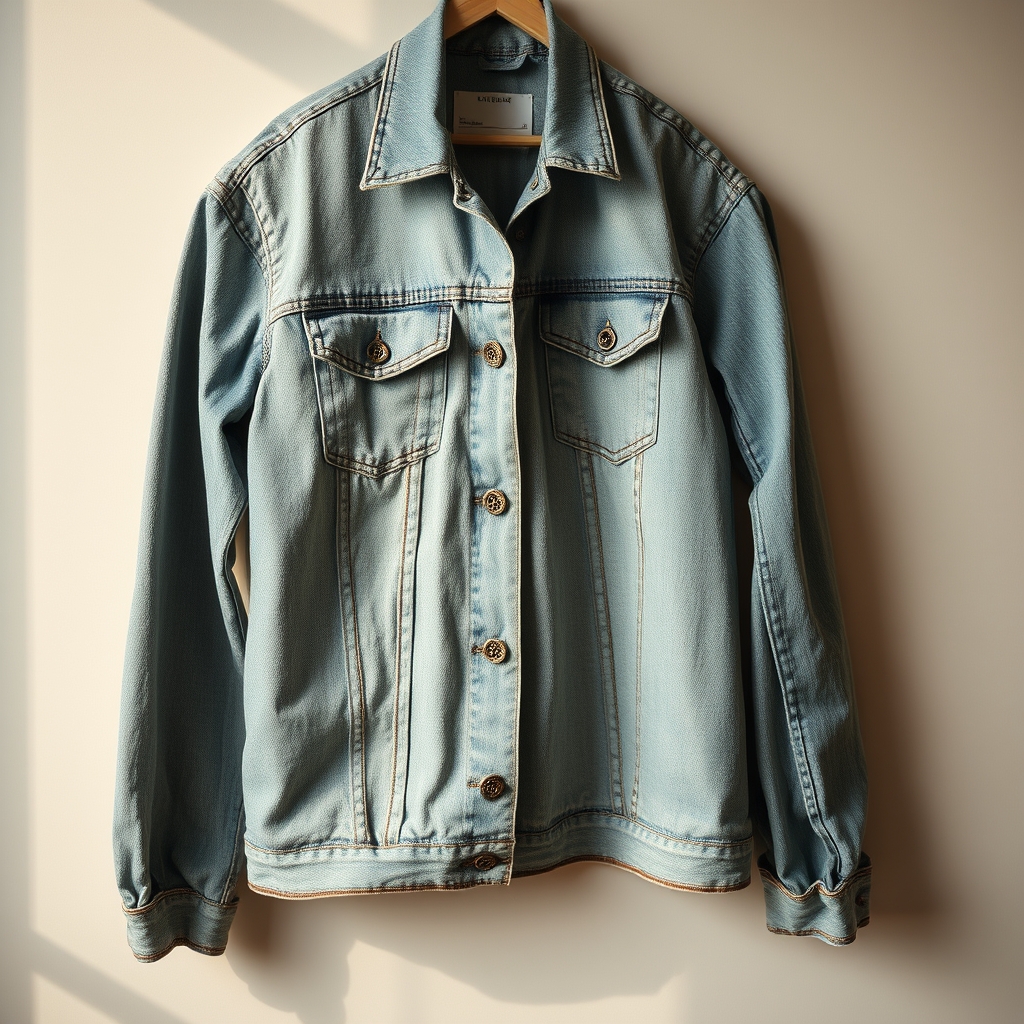
The hype check: “Vintage-inspired” has become a label for almost any relaxed-fit garment. Most contemporary versions are not archival reproductions they’re modern cuts designed with vintage proportions. Authentic vintage reconstruction (Uo, Selkie) pays attention to weight, seaming, and hardware that contemporary mills don’t always replicate. You’re not getting a real 1990 Levi’s jacket from a 2026 contemporary brand; you’re getting a modern interpretation.
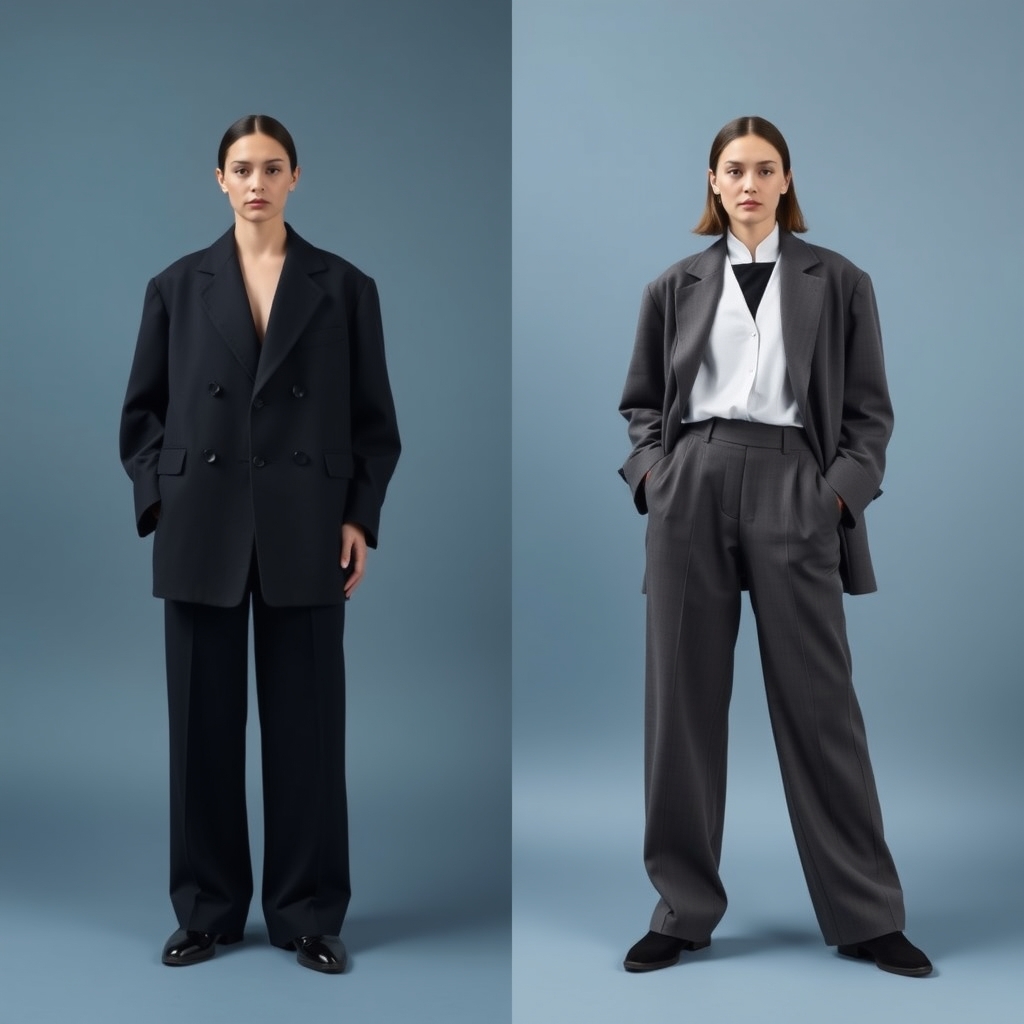
Kept or hype? Kept. This shift is real and here to stay. Loose, comfortable silhouettes work across body types and age groups, and they’re not dependent on trend cycle whims. The practical benefit: oversized pieces layer better, wear longer, and adapt to body changes. The caveat: quality varies wildly. A $300 vintage Levi’s 90s jacket will outlast a $60 H&M reproduction by years. Buy contemporary loose-fit basics where quality-to-price is solid (Everlane, Uniqlo); invest in authentic vintage pieces if fit and durability are priorities.
Trend 5: Transparency and Supply-Chain Verification Are Becoming Differentiators
What it is: Brands are publishing detailed supply-chain information fiber origin, factory location, wage data, carbon footprint per garment as a core marketing asset, not a compliance document. This is shifting from CSR afterthought to customer-facing pitch.
The reality: This is real and accelerating. Brands we’ve observed systematically publishing supply-chain transparency include Everlane (with per-piece carbon footprint), Patagonia (detailed environmental and labor breakdowns), and newer entrants like Remake (focused on garment-worker wages). The infrastructure for verification is improving blockchain-based fiber tracking (used by some luxury houses) is still niche, but third-party audits and certifications (GOTS, Fairtrade, B-Corp) are now expected baseline.
Where transparency is becoming a purchase signal:
- Mid-market brands with published carbon costs: Everlane, Reformation, Outdoor Voices. You can see exact CO₂ per piece and water consumption before buying.
- Luxury and heritage brands: Burberry, Gucci, and LVMH houses now publish annual Sustainability Reports. Specificity varies; some are substantive, others are greenwashing.
- Worker-focused transparency: Remake and No Sweat, as well as factory-direct platforms in adjacent categories, prioritize wage transparency and labor conditions over material metrics.
The hype check: Many brands publish selective metrics. A brand might celebrate carbon reduction in dyeing while staying silent on textile waste or labor practices. Read the full picture. Also: transparency doesn’t automatically mean sustainability. Knowing a shirt’s exact carbon footprint is only useful if you compare across options and account for durability. A high-transparency $180 shirt with a 2-year lifespan may have a worse per-wear footprint than a less-transparent $120 shirt built to last five years.
Kept or hype? Real and actionable. Supply-chain transparency is a genuine differentiator and a reasonable factor in purchase decisions. It’s not perfect some metrics are easier to measure (carbon) than others (human welfare) but it’s more honest than green marketing without data. Brands publishing specifics are signaling confidence in their practices. This trend is durable because it’s moving from marketing to customer expectation.
What to Buy Now vs. Wait On
Buy now:
- Durable basics in regenerated cellulose (Tencel, modal) from trusted makers (Everlane, Uniqlo). These are no longer premium; quality-to-price is solid, and the material is now reliable mainstream infrastructure.
- Vintage pieces with proven authenticity. Platforms like Vestiaire Collective and Grailed have solid verification. The secondary market moves fast; prices tend to hold or rise for quality pieces.
- Oversized and wide-leg silhouettes in natural fibers. These are structural now, not trend-dependent. Linen, organic cotton, and deadstock blends in these cuts from mid-market brands are practical multi-year buys.
- Pieces from brands publishing detailed supply-chain data. You’re paying a small premium for transparency, but it’s a durable competitive advantage and a signal of manufacturing confidence.
Wait on:
- “Lab-grown” alternatives to animal fibers (lab-grown leather, mycelium leather). These are technically real but still in pilot scale. Cost is 2–3x conventional alternatives, durability is unproven in consumer conditions, and the environmental benefit over regenerated cellulose is marginal. Check back in 2–3 years when production scales and real-world wear data exists.
- Deadstock capsule drops as primary purchases. Fun for one-off pieces and styling, but volumes are tiny and availability is unpredictable. If deadstock quality appeals to you, buy contemporary pieces from brands using deadstock as a systematic input, not a marketing campaign.
- “Sustainable” synthetics without material specificity. If a brand uses the word “eco-friendly” but doesn’t name the fiber (recycled polyester, Nylon 6, etc.), skip it. Specificity matters; vague claims are cost-cutting, not innovation.
FAQ
Q: Is vintage actually more sustainable than buying new sustainable brands?
It depends on durability and per-wear usage. A vintage piece with 20 years of life ahead has a strong per-wear carbon advantage over a new contemporary piece with a 3–5 year lifespan. But a vintage piece worn once and resold doesn’t materialize that benefit. For maximum sustainability: buy durable new pieces from transparent makers (Patagonia, Everlane) designed to last 5+ years, or buy authenticated vintage pieces you’ll actually wear regularly. The marketing framing matters less than your real usage pattern.
Q: Are regenerated cellulose fabrics (Tencel, modal) really better than cotton?
Better at what? Tencel uses less water and chemicals in production than conventional cotton lifecycle assessment literature puts the water reduction in the 25–50% range. But it wrinkles more easily, doesn’t regulate temperature as well as natural cotton, and isn’t as durable in high-stress seams. For basics and dresses, Tencel is solid and often cheaper than organic cotton. For structured pieces or activewear, cotton or synthetics may perform better. Check the garment function, not just the material marketing.
Q: How do I know if a brand’s sustainability claims are real?
Look for specificity: exact carbon per piece, named certifications (GOTS, Fairtrade, B-Corp), published factory locations, or third-party audit links. Vague language (“eco-conscious,” “sustainable,” “green”) without numbers is greenwashing. Also check what the brand doesn’t talk about. If they promote carbon reduction but avoid wage transparency, or vice versa, it’s selective messaging. Real sustainability addresses both environmental and labor practices.
Q: Are vintage-inspired pieces from contemporary brands the same as authentic vintage?
No. Contemporary brands make modern silhouettes with vintage proportions. Authentic vintage has specific details: seaming patterns, hardware, fabric weight, and finishing methods that contemporary mills often skip. A contemporary oversized blazer at $120 is a great practical buy; an authentic 1990s vintage Armani blazer at $300 is an investment piece with better construction and durability. Know what you’re paying for.
Q: Is buying secondhand always the most sustainable option?
Not necessarily. The environmental benefit of resale depends on whether the piece is worn to its full lifespan. Reselling a barely-worn piece early (within 1–2 years) doesn’t capture the full environmental benefit of extending its life. The most sustainable piece is the durable new one you keep for 5+ years. The second most sustainable is the quality vintage piece you wear regularly for the rest of its lifespan. The least sustainable is a new piece worn briefly and resold which is still more sustainable than landfill, but not a major win.
Key Takeaways
Sustainable fashion and vintage style have moved from niche preferences to mainstream infrastructure. Regenerated cellulose is now cost-competitive and reliable; oversized silhouettes are structural defaults, not trend cycles; and transparency is becoming a customer expectation.
The hype to watch out for: not every deadstock capsule or lab-grown material is a primary sustainability solution, and near-retail pricing on used goods is scarcity-driven, not purely environmental. The real shifts are in material accessibility, silhouette practicality, and supply-chain honesty.
If you’re buying for longevity and actual wear not trend performance regenerated-fiber basics, quality vintage, and pieces from transparent makers remain the most durable buys. Skip the marketing hype around lab-grown exotics and selective-metric sustainability claims. Specificity and durability beat flash every time.