
Hand-washing wool is usually the gentlest option and costs nothing beyond a gentle detergent, though dry-cleaning remains worthwhile for expensive or delicate pieces. A full hand-wash cycle takes roughly 15–20 minutes of hands-on time, plus 24–48 hours for drying. Done right, this care routine keeps wool soft, holds its shape, and can extend the garment’s useful life by years.
Wool is durable but demands respect: the fibers are naturally felting-prone (they lock together permanently when agitated in hot water), and the scales on each fiber catch dirt but also catch aggressive detergents. The good news is that wool resists odor and soil more than synthetics do, so it needs less frequent washing often just 2–4 times per season for a sweater worn regularly.
What You’ll Need
- A sink or basin large enough to submerge the garment
- Cool or cold water (ideally around 60–65°F, or whatever comes cold from your tap)
- A wool-specific or gentle detergent
- A soft cloth or mesh bag (optional but helpful for pressing out water)
- A towel for blotting
- A flat drying surface: a clean towel, a blocking mat, or a drying rack
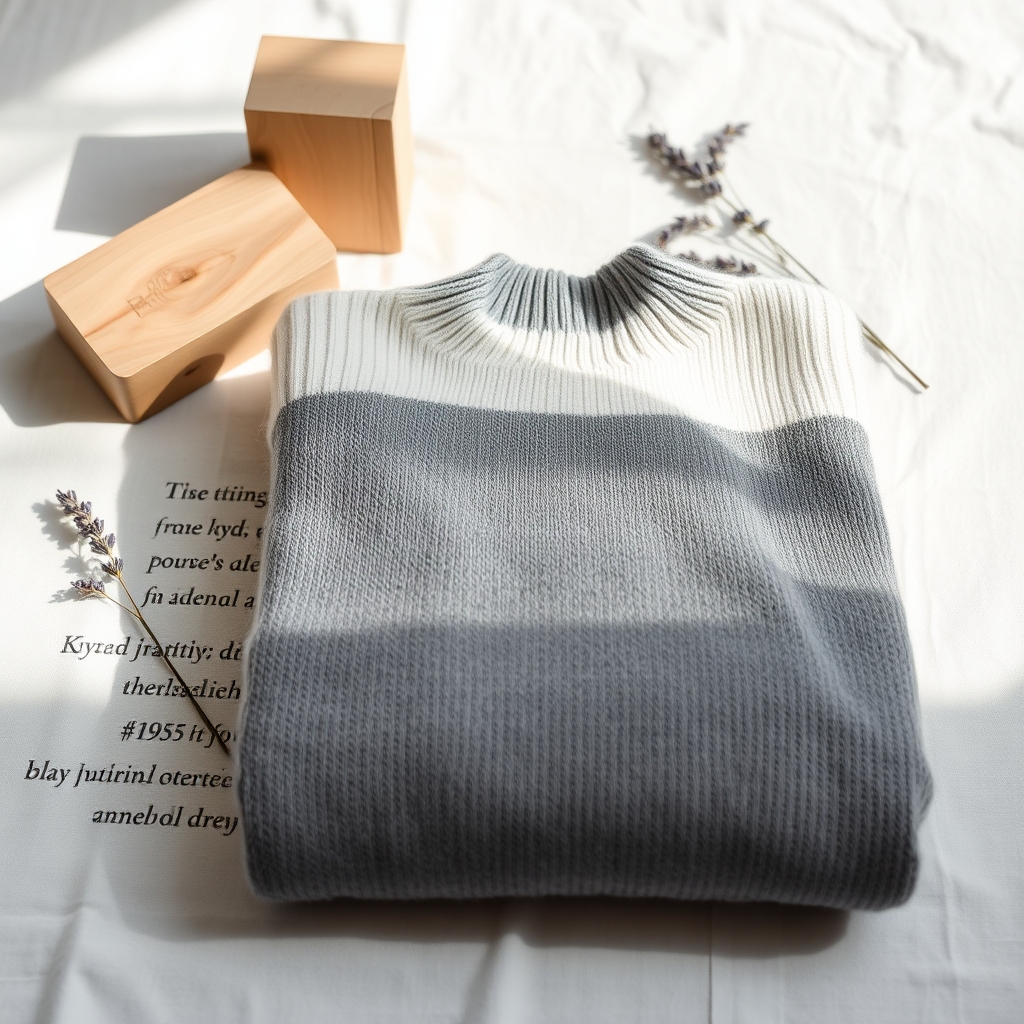
- Cedar blocks, cedar shavings, or dried lavender for storage (optional but highly recommended for moth prevention)
Hand-Washing Your Wool Sweater or Garment (Step by Step)
Step 1: Fill your sink or basin with cool water.
Use the coldest water that flows from your tap ideally around 60–65°F, which is roughly what most household cold taps deliver. Hot or even warm water triggers the felting process almost immediately by opening the scales on the wool fiber and causing them to lock together. If your water runs naturally warm, let cold water run for 15–20 seconds or fill the sink in advance and let it cool slightly.
Step 2: Add wool detergent and dissolve it.
Measure out 1–2 teaspoons of wool-specific or gentle detergent (most concentrated formulas require far less than standard laundry detergent). Stir it into the water so it’s fully dissolved before the garment enters. You want the detergent evenly distributed; undissolved powder or liquid can leave residue or weak spots on the fabric.
This is the step nobody explains: wool fibers need surfactant (the cleaning agent) but hate mechanical agitation. The detergent does the cleaning; your hands just support and help the water flow through. Avoid rubbing, twisting, or scrubbing any part of the sweater.
Step 3: Submerge the garment gently.
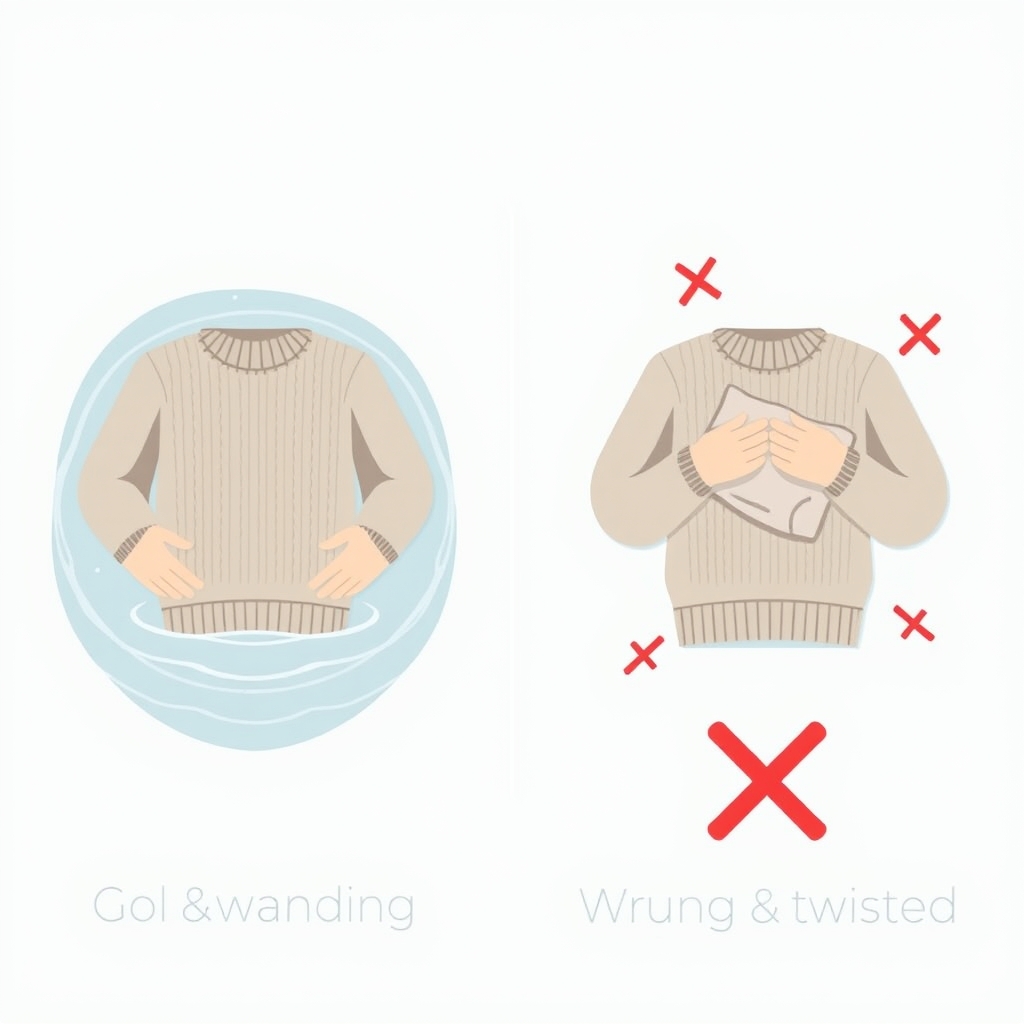
Slip the entire sweater into the water and let it sink on its own. Use your hands to gently guide it under if needed. Once fully submerged, leave it there for 10–15 minutes so the detergent can penetrate the fibers and lift the dirt. Many people assume they need to agitate the garment during washing; in fact, the longer soak does almost all the work.
Step 4: Gently squeeze the soapy water through the fabric.
After the soak, use soft, open-handed motions to encourage the water to flow through the garment not to wring or scrub it. Think of it as encouraging water movement, not friction. Pay a little extra attention to underarms and the neckline, where body oils and deodorant residue accumulate, but avoid any twisting or aggressive squeezing.
Step 5: Drain the sink and rinse in fresh cool water.
Lift the garment out carefully and drain the soapy water. Refill the sink with clean cool water (same temperature or slightly cooler). Submerge the sweater again and gently squeeze the clean water through it for 2–3 minutes to rinse out the detergent. If the water still looks soapy, drain and repeat once more. Any soap left behind will attract dirt and dull the fibers.
Step 6: Remove excess water without wringing.
Lift the sweater from the final rinse water. Support it with both hands under the torso so you’re not putting weight on the shoulders or neckline. Gently roll it in a clean, dry towel to blot out excess water do not wring or twist. If you have a mesh laundry bag, you can also place the damp sweater in it and very gently press it against the sink to remove water. The goal is to get it damp, not dripping, without putting mechanical stress on the fibers.
Non-obvious caveat: Never hang a wet wool sweater. The weight of the water will stretch it permanently, especially at the shoulders and underarms. Wet wool has almost no structural integrity treat it like a newborn: fully supported at all times.
Drying: Flat vs. Hanging (And Why It Matters)
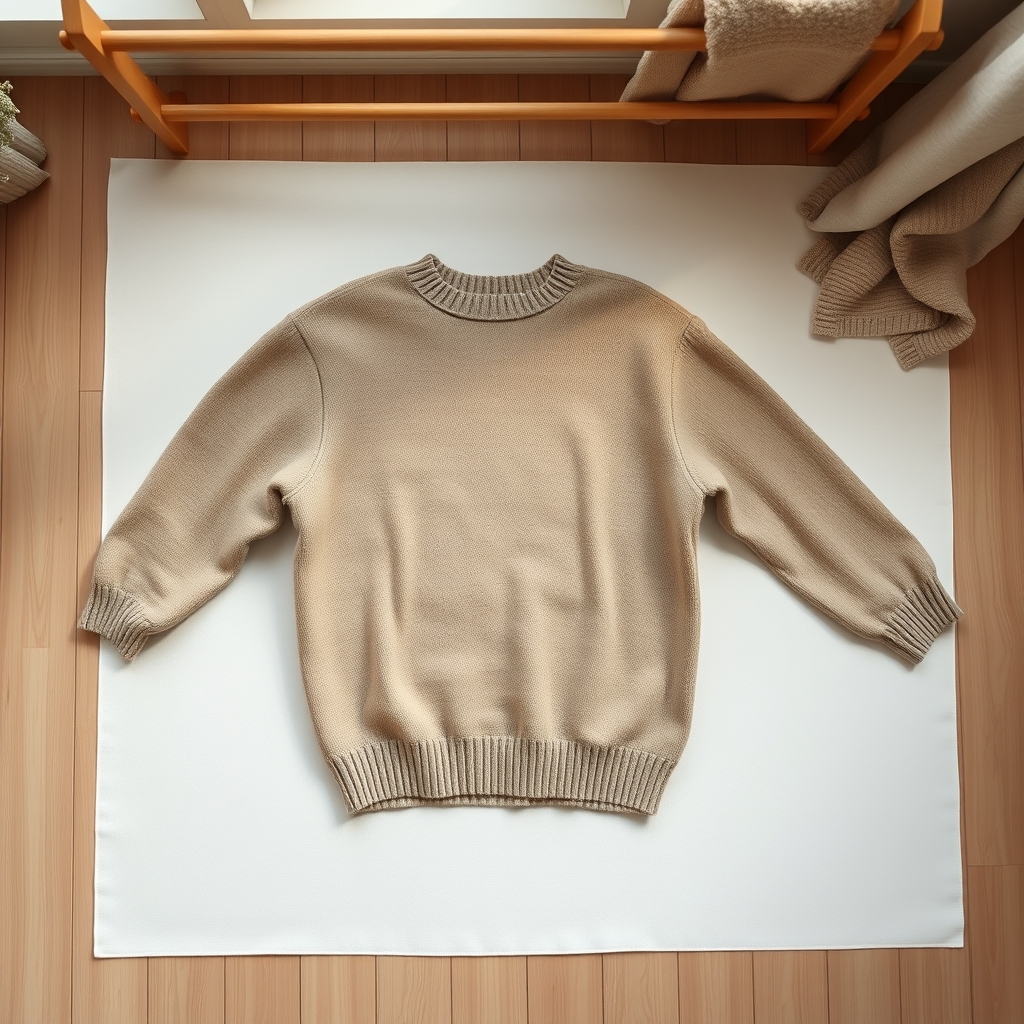
Flat-drying is the safest method for most wool garments. Lay the damp sweater on a clean, dry towel or a flat blocking mat in a well-ventilated area away from direct heat or sunlight. Gently reshape it to its original dimensions smooth out the sleeves, adjust the hem, and make sure the neckline lies flat. It will take 24–48 hours to fully dry, depending on humidity and air circulation. You can flip it halfway through to speed things up.
Hanging is acceptable only if the sweater is nearly dry (90%+ water removed) and you use a wide, padded hanger that supports the entire shoulder line. Most wool garments should never be hung while wet, and even a damp wool sweater risks shoulder stretch on a standard wire hanger. If you must hang while damp, use a wide wooden or padded hanger and don’t expect to wear it for at least 12 more hours.
Common mistake: Trying to speed up drying with a hairdryer, radiator, or sunny windowsill. Heat will set wrinkles, age the fibers, and sometimes cause yellowing or even partial felting if moisture is still present. Patience is the only safe accelerant.
Hand-Washing vs. Dry-Cleaning: When to Choose Each
Hand-washing is the default for regular wear and budget-conscious care.
Hand-wash every 2–4 wears for a sweater worn next to skin, or every 4–6 wears for an outer layer. It’s free (beyond the small cost of detergent), it’s gentler than commercial washing, and you control every variable. Use it for:
- Everyday sweaters and cardigans
- Lightweight merino or cashmere layers
- Any wool item you own multiple versions of (because frequent washing is sustainable with rotation)
Dry-cleaning is the right choice in specific cases:
- Expensive or heirloom pieces: if you paid over $200 or the sweater has sentimental value, dry-cleaning adds a professional insurance layer.
- Heavily soiled garments: if the sweater has a stain, oil, or visible dirt that didn’t lift in cool water, dry-cleaning solvents can handle it without the felting risk of hot water.
- Structured or tailored wool: blazers, coats, and tailored pieces with linings benefit from professional pressing and finish restoration.
- Knitwear with delicate finishing: if the sweater has beads, embroidery, or delicate trim, dry-cleaning avoids the risk of water damage.
- Once per season refresh: many people dry-clean wool coats or formal sweaters once yearly to restore body and remove accumulated odor.
In our experience reviewing owner feedback and textile care guidance, most people who hand-wash 90% of the time and dry-clean 1–2 pieces per season report the best balance of cost and longevity. Dry-cleaning adds up fast (typically $5–$15 per item, though prices vary by location and garment type), so reserve it for pieces where the investment makes sense.
Natural Moth Prevention Without Chemicals
Wool’s greatest enemy isn’t water it’s the clothes moth, which lays eggs in stored wool and the larvae eat the fiber. The good news: natural prevention is more effective than chemical mothballs and costs almost nothing.
Cedar Blocks and Shavings
Cedar is the gold standard. The wood contains natural oils (cedrol and thujone) that repel moths by masking the scent of wool. Cedar works best when:
- It’s stored with the wool directly: place a cedar block or sachet in the same drawer or bin as your folded sweaters.
- It stays dry: moisture reduces cedar’s effectiveness, so avoid humid closets. If your cedar smells faint, lightly sand the surface with fine sandpaper to expose fresh wood and restore potency. Based on common textile care practice, re-sanding cedar blocks roughly every 12–18 months of regular use is a reasonable rule of thumb.
- There’s air circulation: sealed plastic bins can trap moisture and reduce cedar’s scent reach. Use breathable cotton storage bags or cedar-lined boxes instead.
Dried Lavender
Lavender is a secondary option with a much milder scent than cedar. It works through the same principle (aromatic oils repel moths) but is less potent, so it’s best used as a supplement to cedar rather than a standalone solution. Dried lavender bundles or sachets work best in small spaces or with garments worn frequently enough that storage time is short.
Storage Containers and Folding
- Fold, don’t hang: hanging wool for storage stretches it. Fold sweaters neatly and stack them in a drawer, shelf, or cedar-lined box.
- Breathable containers only: plastic bins trap moisture and reduce cedar effectiveness. Use cloth storage boxes, wooden chests, or breathable garment bags.
- Separate from other fabrics: moths don’t care about synthetics, so store wool apart from cotton or polyester if possible. A dedicated drawer or bin is ideal.
- Cooler is better: moths are less active in cool, dark spaces. Avoid warm closets or attics.
What Not to Do
Chemical mothballs (paradichlorobenzene or naphthalene) are toxic, leave a heavy odor that’s nearly impossible to remove, and are increasingly restricted in regions with strict household-chemical regulations. Skip them entirely. Synthetic “cedar-scent” sachets are weaker than real cedar and often rely on fragrance oils rather than the active repellent compounds, so they’re less reliable.
How Often Should You Wash Wool?
Wool is naturally odor-resistant, so it needs washing far less often than cotton or synthetics. Based on common owner practices and textile care guidance, most people wash wool on this kind of schedule:
- Sweaters worn next to skin (merino base layers, thin cardigans): every 2–4 wears
- Sweaters worn over a base layer (crew-neck pullovers, thick knits): every 4–6 wears
- Outer layers (coats, blazers, structured knitwear): 1–2 times per season, or only when visibly soiled
If the sweater smells fine and has no visible stains, it doesn’t need washing. Overwashing, even with the gentlest method, gradually wears down the fibers and increases pilling. The longer you can extend the interval between washes, the longer the garment will last.
Spot-cleaning between washes: if there’s a small stain, dab it with cool water and a tiny amount of wool detergent applied to a soft cloth. Rinse the spot with clean water and let it air-dry flat. This extends the interval between full washes.
Storing Wool Long-Term
If you’re putting a sweater away for several months or across seasons:
- Hand-wash and thoroughly dry it first. Storing damp or dirty wool invites mold and moths.
- Fold it neatly and place it in a breathable container (drawer, cedar box, or cloth storage bag).
- Add a cedar block or sachet to the container. Replace or re-sand the cedar annually.
- Store in a cool, dark, dry place ideally around 60–70°F and, where possible, below 50% relative humidity as a general guideline. Avoid attics (too hot), basements (too damp), or radiator closets.
- Separate wool from other fibers if possible.
- Before wearing again, remove the garment a few hours early so any cedar scent dissipates, or gently air it outside.
Common Mistakes and How to Avoid Them
Using hot water: Even water that feels only slightly warm can begin the felting process. Stick to cool water, no exceptions.
Wringing or twisting: This is how sweaters get permanently warped or shrunken. Squeeze gently; never wring.
Washing with regular detergent: Standard laundry detergent is too harsh and leaves residue. Wool detergent has a gentler pH and includes lanolin or other conditioning agents.
Hanging while wet: This stretches the shoulders and neckline irreversibly. Flat-dry only when damp; hang only when nearly dry and on a wide, padded hanger.
Ignoring pilling: Pilling is normal and doesn’t mean the sweater is damaged. Use a de-piller tool (a battery-powered shaver-like device) or a fine comb to gently remove pills 2–3 times per season. This keeps the sweater looking new.
Storing without cedar: Wool stored in an open closet or plastic bin without moth protection can be devastated by a single clothes moth infestation. Cedar takes two minutes to add and costs under $10.
FAQ
Can I machine-wash wool on a delicate cycle?
Most washing machines, even on a delicate cycle, expose wool to more agitation than hand-washing. If your sweater is labeled machine-washable or made from superwash-treated merino, a wool-specific machine cycle (usually 30°C and with wool detergent) can work. Check the care label first; if it says “hand wash only,” listen to it. Hand-washing is always safer and takes only 15 minutes.
What if I accidentally shrink a wool sweater?
Shrunk wool is rarely recoverable felting is usually permanent. If the damage is minor, you can try soaking the sweater in cool water with a small amount of hair conditioner or a few drops of glycerin for 20 minutes, then gently stretching it back to shape while drying flat. This technique works only for very light shrinkage, not severe felting. Prevention (cool water, no agitation) is far more reliable than cure.
How do I remove pilling without damaging the sweater?
Use a de-piller tool (a handheld electric razor for fabric, under $15) or a fine-toothed comb. Hold the sweater flat against a table and gently drag the de-piller or comb over the pilled area. Do not dig hard or pull; you’re just removing the surface balls of fiber, not altering the sweater itself. Pilling is cosmetic and does not mean the sweater is falling apart.
Is merino wool easier to care for than standard wool?
Merino is finer, softer, and naturally less likely to pill, making it more pleasant to wear. But care is the same: cool water, gentle detergent, flat drying, and moth prevention. Merino does not change the washing rules, though it does often resist odor slightly better, so you may wash it slightly less frequently.
Can I use fabric softener on wool?
No. Fabric softener coats the fibers and reduces their natural ability to regulate temperature and wick moisture it also makes wool less breathable. Wool doesn’t need softening; it’s naturally soft when cared for properly. Skip softener entirely.
Wool care is timeless, but sorage and pest-prevention best practices evolve with new cedar products and moth control research. This guide reflects current best practice for home care based on common textile care heuristics and owner reports we’ve reviewed