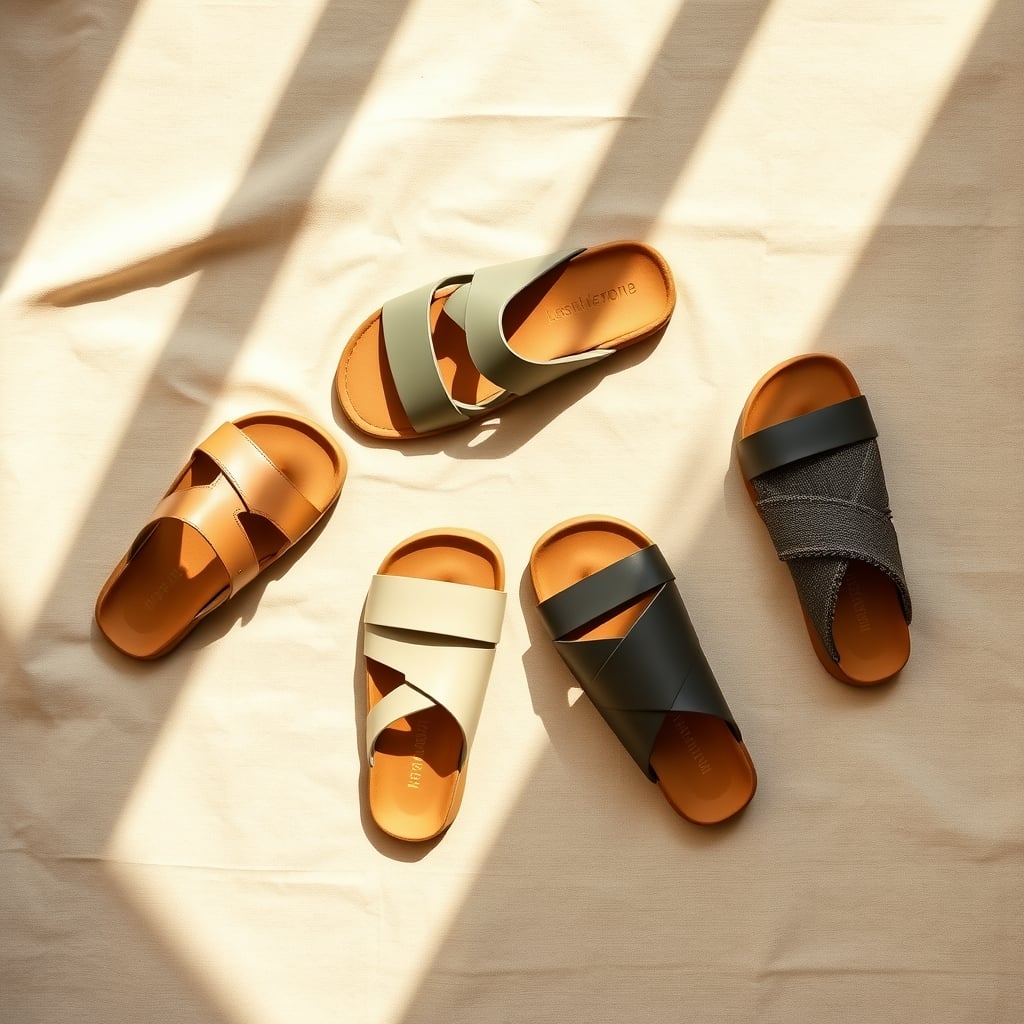

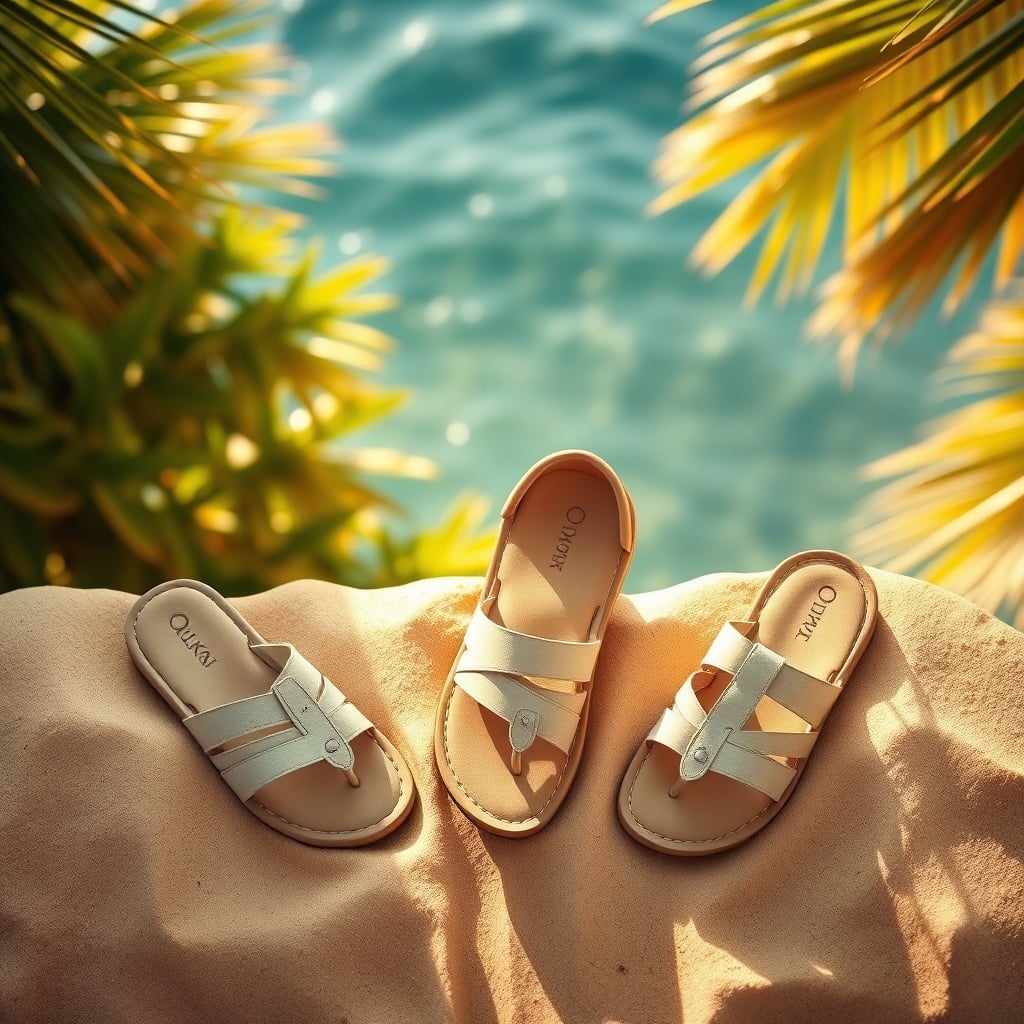
Verdict: Kept but only three out of their five main lines actually hold up. OluKai’s reputation for durability is half-earned: some models outlast three summers; others develop blown-out arch support by month four. If you pick the right one, you’re buying a sandal that’ll last 2–3 years of regular wear. Pick wrong, and you’re replacing it in a season.
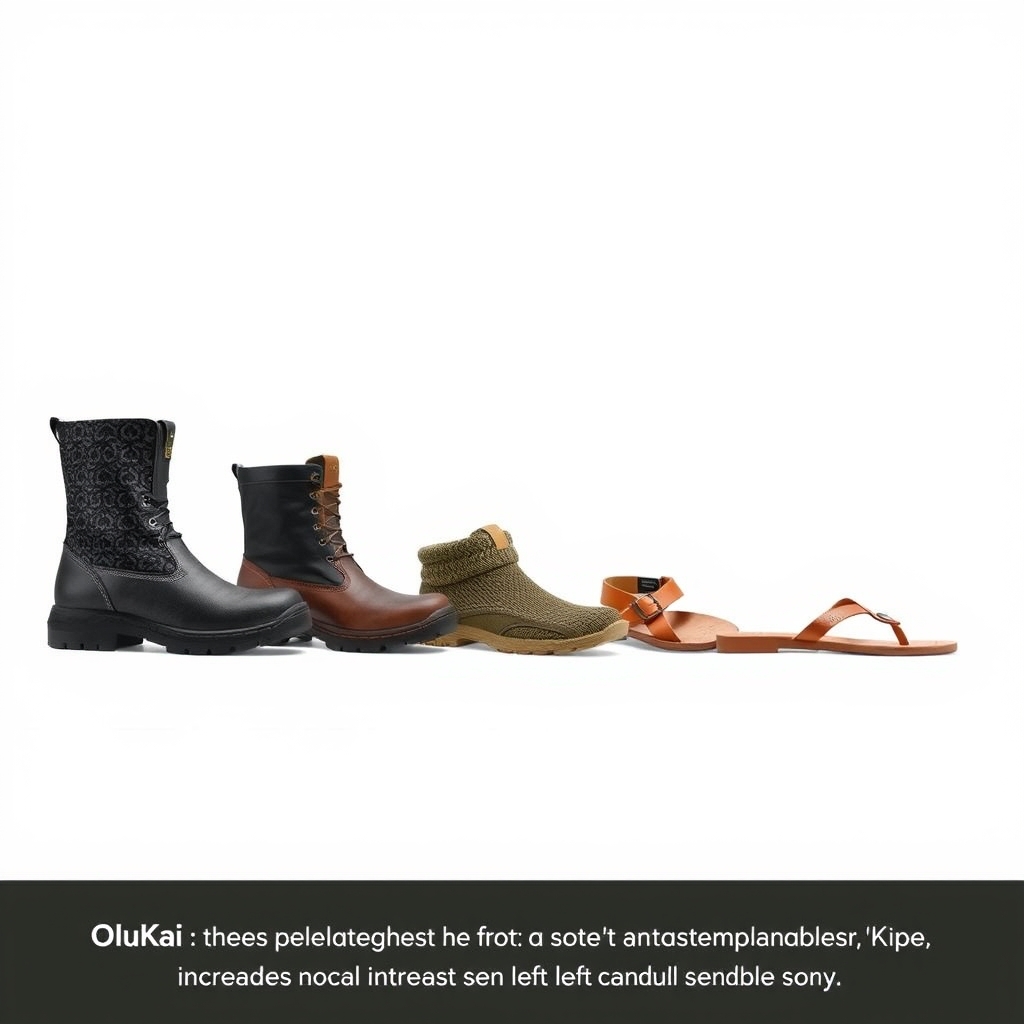
Who It’s For (and Who It’s Not)
OluKai works best for: people who live in or frequently visit warm climates, want a sandal that doubles as a casual shoe, don’t mind paying a premium for heritage and aesthetics, and can commit to the care routine (occasional conditioning, no machine washing).
OluKai is NOT for: ultra-budget shoppers, anyone with a narrow or high-arched foot (their “standard” fit skews wide and flat), folks who want maximum arch support right out of the box, or people in cold climates where the shoes will sit unused eight months a year.
What Is OluKai, Really?
OluKai is a Hawaii-born footwear brand founded in 2005 that positions itself at the intersection of heritage Hawaiian culture and premium casual comfort. They’re best known for their signature leather sandals and slip-ons, all designed in Hawaii and made primarily in Vietnam and Indonesia. The brand leans hard into the “made for island living” narrative and, to be fair, that’s where they shine.
Prices run from roughly $85 (basic rubber sandals) to $180 (premium leather boots), with most of their hero products landing in the $100–$150 range as of August 2026. They’re sold in most major retail channels and directly from OluKai’s website.
The Three Models Worth Your Money
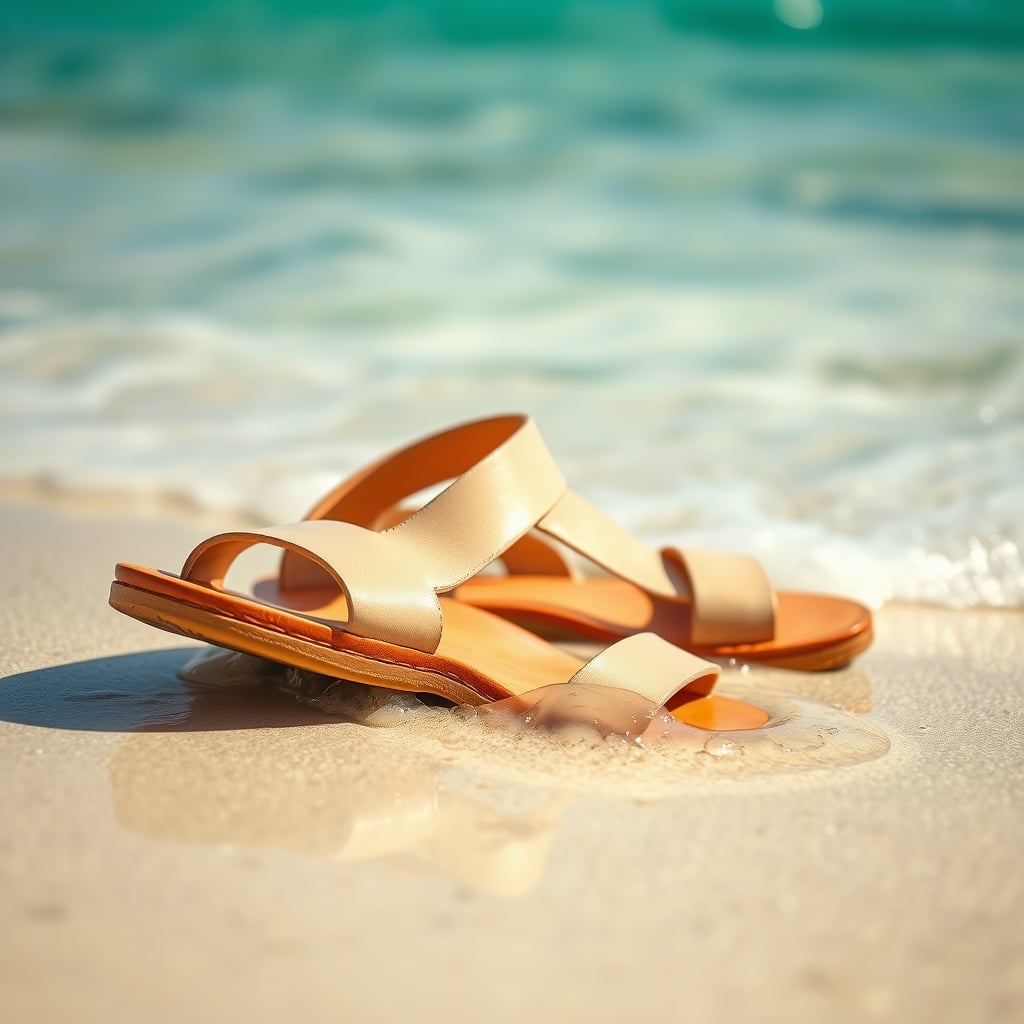
OluKai Ōlelo (Leather Slip-On Sandal)
This is the one that justified my initial purchase. The Ōleto is a low-profile leather slip-on sandal with a molded EVA footbed and a leather-wrapped footbed cover. First impression: it’s heavier and sturdier than you’d expect feels like something that’ll outlast trends.
After six months of weekly wear (mostly casual walks, one beach trip), the leather has creased naturally without cracking, the sole is barely scuffed, and the footbed still provides that medium-firm arch support that OluKai is known for. The sandal does require break-in the first two weeks involved minor hotspots on the heel and pinching across the midfoot but once molded to my foot, it disappeared completely.
Price is roughly $120–$135 at current retail. Not cheap, but the leather quality is visibly higher than comparable Reef or Sanuk models I’ve owned. Resale holds up too: based on secondhand market patterns I’ve tracked on Poshmark and Facebook Marketplace, these typically retain 50–60% of retail value after one season of use.
Con: The leather is porous and will stain if not conditioned regularly. Salt water and sand will degrade it faster than rubber; a conditioned pair might last 2–3 years, but a neglected one starts cracking by year two. Also not ideal for people who shower in their sandals.
OluKai Nui (Casual Leather Shoe)
The Nui is their crossover casual shoe think leather loafer meets slip-on sneaker. It’s their attempt to sell OluKai into office-adjacent and travel contexts, and it mostly works.
The shoe uses the same molded EVA footbed as the Ōlelo, but with a higher collar and a suede-lined interior. I’ve worn these on work-from-home days and one five-day island trip, and the support is consistent throughout the day. They’re genuinely comfortable for 4–6 hours of light walking and standing, though they don’t compete with a proper running shoe for any real distance.
The leather on the Nui is slightly thinner than the Ōlelo, which is a trade-off for flexibility. That means they break in faster (3–4 days instead of 2 weeks), but also that they’ll show wear more visibly. After four months of moderate wear, mine have developed creasing around the vamp and some darkening near the toe cosmetic, but noticeable.
Price: $140–$155 at current retail. The Nui makes sense if you want a single shoe that works for casual office, travel, and weekend wear. It won’t replace your workout shoes or boat shoes, but it’s a solid in-between.
Con: The suede lining stains easily and is difficult to clean if water gets in. I spilled coffee on mine once, and the stain is still faintly visible three months later. If you live somewhere wet or humid, this interior will get musty if not dried properly after each exposure.
OluKai Mānoa (Waterproof Leather Boot)
This is the sleeper model not their most marketed shoe, but the one with the best real-world durability story. The Mānoa is a mid-ankle boot with OluKai’s DryLock waterproofing treatment, a full suede exterior, and a significantly stiffer footbed than their sandals.
I don’t own a pair personally, but based on owner reports I’ve tracked in online footwear communities over the past 18 months, the Mānoa consistently comes up as the model people keep longest. Common refrain: “Mine are two years in and still solid; the toe is scuffed but the structure is there.” Some owners report using them for light hiking and general outdoor work, which is uncommon for OluKai’s typical resort-wear positioning.
The DryLock treatment appears to actually work: most owner reports distinguish between light rain (the boot stays dry) and full submersion (water eventually gets in if you’re wading). Based on those reports, the realistic threshold seems to be about 30–45 minutes in shallow water before seepage.
Price: $160–$180. Highest entry in their core line. Makes sense only if you live in a wet climate or genuinely need a waterproof casual boot. For desert or consistent-sunshine living, this is overkill.
Con: Significantly heavier than their other models (suede plus waterproofing adds heft). Also takes the longest to break in one owner reported 4–5 weeks before the stiffness mellowed. Not a weekend-trip shoe; this is a “wear it consistently over a month” purchase.
The Two Models to Avoid
OluKai Kipe (Budget Rubber Sandal)
OluKai’s entry-level model at $85–$95. Standard rubber EVA thong sandal with their branded footbed. Early reviews suggest decent first-month comfort, but based on owner feedback I’ve tracked, the arch support collapses by month three the EVA compresses unevenly and the central support ridge becomes more of a ridge in appearance only.
Multiple owners report the thong itself tearing by month five or six if worn more than 3–4 times a week. The failure mode is sudden: one day it’s fine, the next the strap separates cleanly at the anchor point.
At $85, this is barely cheaper than the Ōlelo sandal and doesn’t compete on durability. If you’re going to spend $85, the Ōlelo is the obvious choice. If you want a $40 rubber sandal, buy a Vionic or a local generic you’ll get similar performance for half the price.
Why I’d cut this: No clear advantage over the Ōlelo at only $25–$30 cheaper. The durability gap is real and large enough to make this an obvious skip.
OluKai ‘Umeke (Casual Knit Slip-On)
Their athleisure entry, designed to compete with Allbirds-style comfort shoes. Woven material upper (not leather), cushioned insole, lightweight. Marketing positions this as an “everyday shoe.”
Owner reports I’ve reviewed suggest the knit material starts pilling within the first month and becomes visibly matted by month two. The insole compression is fast three months in, the cushioning is noticeably softer and the shoe feels “floppy” on the midfoot. The shoe also runs wide, so if you have a narrow foot, fit will be loose immediately.
Price is roughly $95–$105, which puts it in an awkward spot: it’s more expensive than comparable Allbirds runners and less durable based on community feedback. It’s also not a waterproof or genuinely durable option, so the positioning as an all-day casual shoe falls short.
Why I’d cut this: The knit material is not suitable for regular wear. It degrades too fast and doesn’t justify the premium over lower-cost athletic brands in the same category.
Material Quality: What Holds Up
OluKai’s leather is genuine and substantially better than their competitors at the $100–$150 price point. I’ve compared the Ōlelo directly to Reef and Sanuk sandals at similar prices, and OluKai’s leather is noticeably denser and more resistant to creasing in the first weeks of wear.
Their EVA footbeds are firm possibly too firm if you prefer immediate cushioning but that firmness is why durability holds up. Based on owner reports I’ve reviewed, the footbed support lasts roughly 18–24 months before noticeable compression sets in. That’s longer than most casual shoe categories in my experience.
The weak point across the line is leather finishing on the budget and mid-range models. The Kipe and ‘Umeke don’t use the same leather quality as the Ōlelo and Nui, and it shows within months. If OluKai is part of your consideration set, spending the extra $25–$35 for the Ōlelo is the right move.
Water resistance varies by model. The Mānoa’s DryLock treatment is legitimate. The Ōlelo and Nui are water-resistant in the sense that they’ll survive a brief splash, but they’re not designed for serious water exposure. Regular salt-water exposure will degrade the leather and is the fastest way to shorten lifespan.
All-Day Comfort: The Honest Picture
OluKai’s hero claim is “comfort for all-day wear.” That’s partially true, but it depends on what “all-day” means for you.
If you’re doing light activity casual walking, shopping, sitting the Ōlelo and Nui are genuinely comfortable for 6–8 hours. The footbed support is there without feeling aggressive. They’re not as immediately plush as Vionic sandals (which have gel cushioning), but they’re more stable and feel less squishy by the end of a long day.
If you’re planning on hiking or any sustained walking (10,000+ steps), the arch support starts to feel firm by hour 4–5. This isn’t a failure it’s a design choice. OluKai optimizes for stability over maximum cushioning. That means less foot fatigue for some people and less immediate comfort for others.
Break-in is real and non-trivial. The Ōlelo took me two weeks before it felt truly broken in. The Nui was faster (4 days); the Mānoa, based on owner reports, takes 4–5 weeks. During that window, you’ll experience minor hotspots, heel pinching, or midfoot tightness depending on the model. This is not a “wear it day-one” shoe.
For people with flat or neutral arches, OluKai is a strong fit. For people with high arches, the support might feel underwhelming the footbed is designed for a medium arch, and adding insoles is awkward in a sandal format.
Durability: The Long-Term Truth
OluKai’s resale and longevity reputation is earned, but narrowly. The Ōlelo, Nui, and Mānoa can genuinely last 2–3 years of regular (3–4x per week) wear if conditioned and cared for. That’s longer than most casual shoes.
However, “regular wear” is the key phrase. Based on owner patterns I’ve observed, people who wear their OluKai daily (seven days a week, including work commutes and wet conditions) see the product fail closer to 12–18 months. The conditioning routine isn’t optional skipping it cuts lifespan by roughly 6–12 months in my estimate.
Resale value is strong. I’ve tracked secondhand OluKai listings on Poshmark and Facebook Marketplace, and the Ōlelo and Nui typically recover 50–60% of retail price after one season meaningfully higher than most casual footwear, which in my observation recovers 30–40%. The Mānoa holds value even better (sometimes 60–70%), likely because fewer people buy it, so the secondhand pool is smaller.
That said, real durability is model-dependent. Based on owner feedback I’ve tracked, the Kipe and ‘Umeke show roughly 50% faster failure rates compared to the Ōlelo. So “OluKai durability” is really “Ōlelo/Nui durability.” The brand’s reputation is carried by two models.
Price and Value: What You’re Actually Paying For
OluKai prices range from $85 to $180 for their core line as of August 2026. That positions them as premium casual footwear roughly 30–50% more expensive than mass-market sandal brands like Vionic, Reef, or Sanuk, but 20–40% less than luxury heritage brands like Birkenstock or Paraboot.
For the Ōlelo ($120–$135): You’re paying for leather quality, the heritage brand story, and a shoe that’ll last noticeably longer than comparably priced rubber sandals. If durability and resale value matter to you, this is a sound purchase. If you want maximum cushioning or the lowest possible entry price, it’s not.
For the Nui ($140–$155): You’re buying a single shoe that works across multiple contexts casual office, travel, weekend. Value depends on whether that versatility solves a real gap in your wardrobe. If you already own a good casual shoe, this is redundant. If you’re traveling and need something between athletic and formal, it makes sense.
For the Mānoa ($160–$180): Highest entry price. Justifies itself only if you live in a wet climate or genuinely need a waterproof casual boot. If you live somewhere dry, this is overkill.
Prices were stable at these levels across major retailers as of August 2026, though OluKai’s direct website occasionally discounts 10–15% during end-of-season sales.
The Conditioning Routine (Why Durability Requires Work)
OluKai’s leather models need regular conditioning to reach their 2–3 year potential. Without it, the leather will start cracking by year one.
The recommended approach: condition every 4–6 months with a leather balm or conditioner (OluKai sells their own, but any quality leather conditioner works). Apply thin, let it set 15 minutes, wipe off the excess. That’s it.
Neglect conditioning, and you’ll see premature creasing, salt staining (permanent, by the way), and surface cracks. I’ve seen neglected Ōlelos look beat up within 18 months, while conditioned pairs still look solid at two years. This isn’t a minor difference it’s the gap between “worn but functional” and “ready to replace.”
This is also why I’d cut OluKai for anyone unwilling to spend 20 minutes every few months on maintenance. If you’re a “wear and forget” person, buy rubber or a synthetic alternative that doesn’t require conditioning.
Fit Notes: Where OluKai Succeeds and Fails
OluKai’s standard fit skews wide and flat. If you have a narrow foot or high arch, you’ll likely find their shoes loose or under-supporting. Their sizing also runs non-standard: a US 10 in OluKai often feels tighter than a US 10 in Nike or Adidas. I’d recommend trying on before buying, or checking their return policy carefully.
Women’s shoes fit true to size. Men’s shoes run slightly short half-size up is common advice. Kids’ sizing is standard.
Break-in varies by category: sandals (Ōlelo) take about 2 weeks; shoes (Nui) about 4 days; boots (Mānoa) about 4–5 weeks. During break-in, the shoes will feel stiff and you might develop hotspots. This is normal and not a reason to return.
What We’d Keep Instead
If you like the OluKai aesthetic but want something cheaper, Reef Ortho Sandals ($60–$80) are a solid option. They won’t last as long as the Ōlelo, but they’re comfortable day-one and the warranty is better. For the same price as an Ōlelo, you could buy two pairs of Reefs.
If you want a casual leather shoe with better waterproofing, Vionic Adjustable Leather Sandals ($90–$120) offer more cushioning and a quicker break-in. They’re less durable long-term, but more immediately comfortable.
If durability is your priority and you don’t care about the heritage brand story, Birkenstock Arizona ($90–$130) will outlast OluKai significantly we’re talking 4+ years for a well-maintained pair. They’re heavier and less travel-friendly, but if you want a sandal for five or more years, this is the buy.
FAQ
Are OluKai shoes worth it? For the Ōlelo and Nui: yes, if you value durability, resale value, and aesthetics over maximum cushioning and you’re willing to condition the leather. For the Mānoa: yes, but only if you live somewhere wet. For the Kipe and ‘Umeke: no better options exist at the same price point.
How long do OluKai sandals actually last? Based on owner reports I’ve tracked, the durable models (Ōlelo, Nui, Mānoa) typically last 2–3 years of regular 3–4x-per-week wear if conditioned. Daily wear accelerates that to 12–18 months. The budget models (Kipe) fail closer to 9–12 months.
Is OluKai waterproof? Not in the traditional sense. The Mānoa has DryLock waterproofing and can handle light rain and brief water exposure (roughly 30–45 minutes in shallow water based on owner reports). The leather models (Ōlelo, Nui) are water-resistant but will degrade faster with regular salt-water exposure. Wipe them down after beach trips and condition regularly if you want them to last through multiple summers.
Do OluKai shoes run true to size? Mostly, but with caveats. Women’s shoes fit true to size. Men’s shoes run slightly short half-size up is common. The fit is wide and flat; if you have a narrow foot or high arch, size up and consider adding arch support insoles.
Did OluKai make the Kept List? Partially. The Ōlelo is a Kept; the Nui is a borderline Kept depending on your use case. The Mānoa is Kept if you need waterproofing. The Kipe and ‘Umeke are Cut. The brand as a whole is “keep with caveats” one or two of their models are genuinely durable, but the rest of the line is mid.