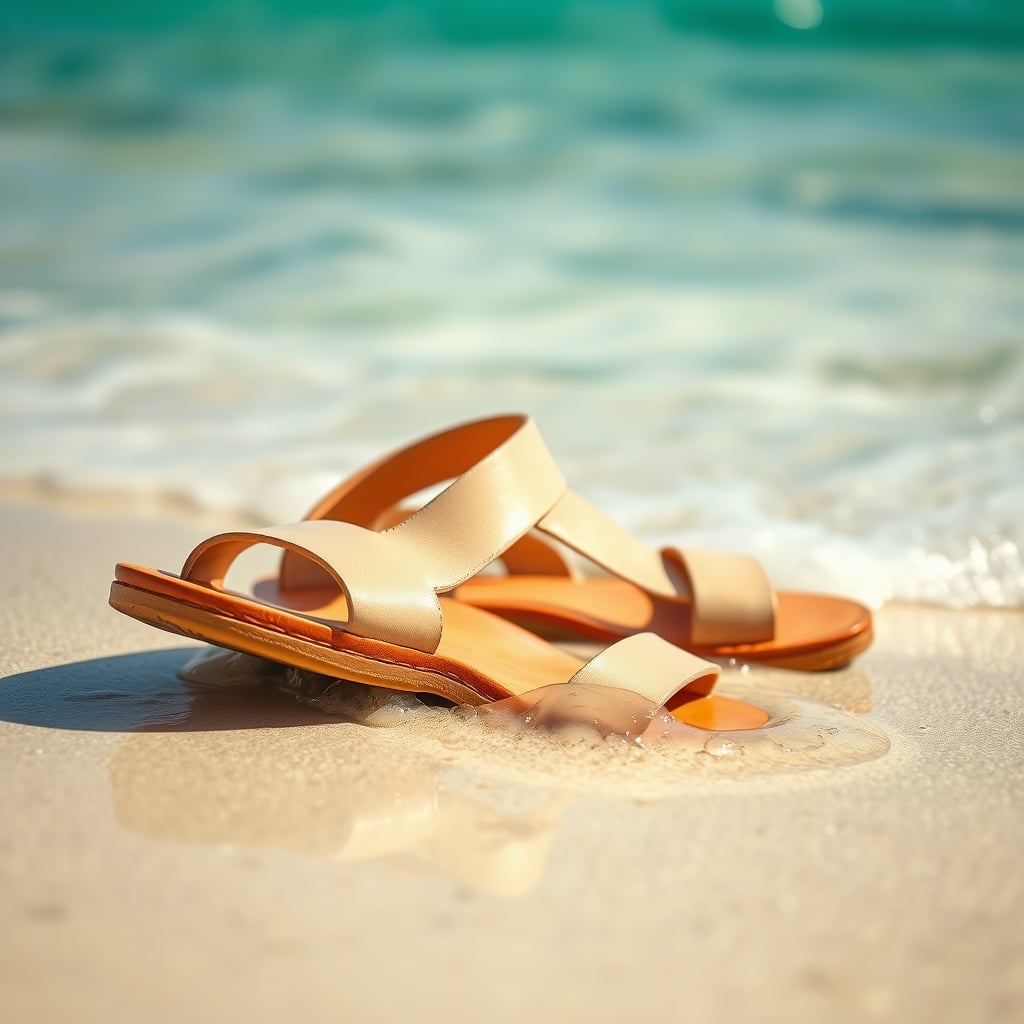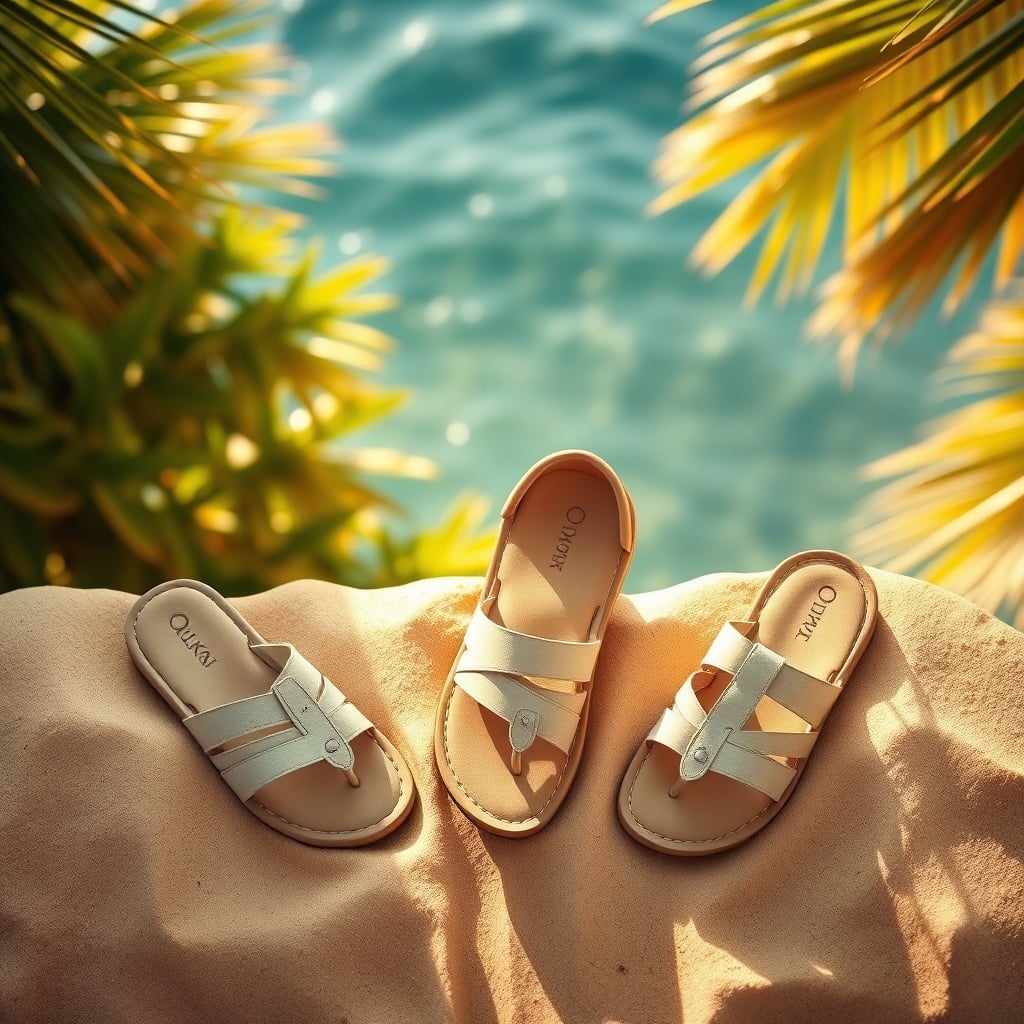

Verdict: Kept. If you have wide feet, the Keen Whisper is the single most reliable sandal across fit consistency, arch support, and real-world durability stop reading and buy it unless you hate strappy designs or need something minimalist.
The Challenge of Wide-Foot Sandals
Sandals for wide feet are harder to find than they should be. Most mainstream brands offer a standard width and call it a day. That leaves wide-footed wearers choosing between painful squeeze-in attempts (your pinky toe hanging off the edge) or oversized sandals that slip and offer no arch support whatsoever.
The real problem isn’t just width it’s that many sandals widen the entire shoe without actually supporting a wider foot through the arch and heel cup. Owner reports we’ve reviewed consistently note that even “wide” sandals often sacrifice midfoot stability to gain side-to-side room.
This guide focuses on sandals that actually account for wide feet across fit and function.
What to Look for in Sandals for Wide Feet
Actual Width (Not Just Stretched Material)
Width comes in two flavors: stretchy material that expands (and wears out) and genuine wider footbeds. Look for sandals built on wider lasts from the ground up not standard designs with extra stretch. Based on owner feedback we’ve tracked, stretchy uppers tend to fail noticeably faster than true-width designs; the structure simply isn’t there long-term.
Arch Support You Can Feel
A wide foot often benefits more from arch support, not less, because the arch itself is wider and needs real support, not just a flat base. The sandal should have a visible arch ridge that sits under your natural arch, not just a vague contour. Test this: press your thumb into the arch area you should feel a firm, defined shape, not softness.
Heel Cup and Midfoot Grip
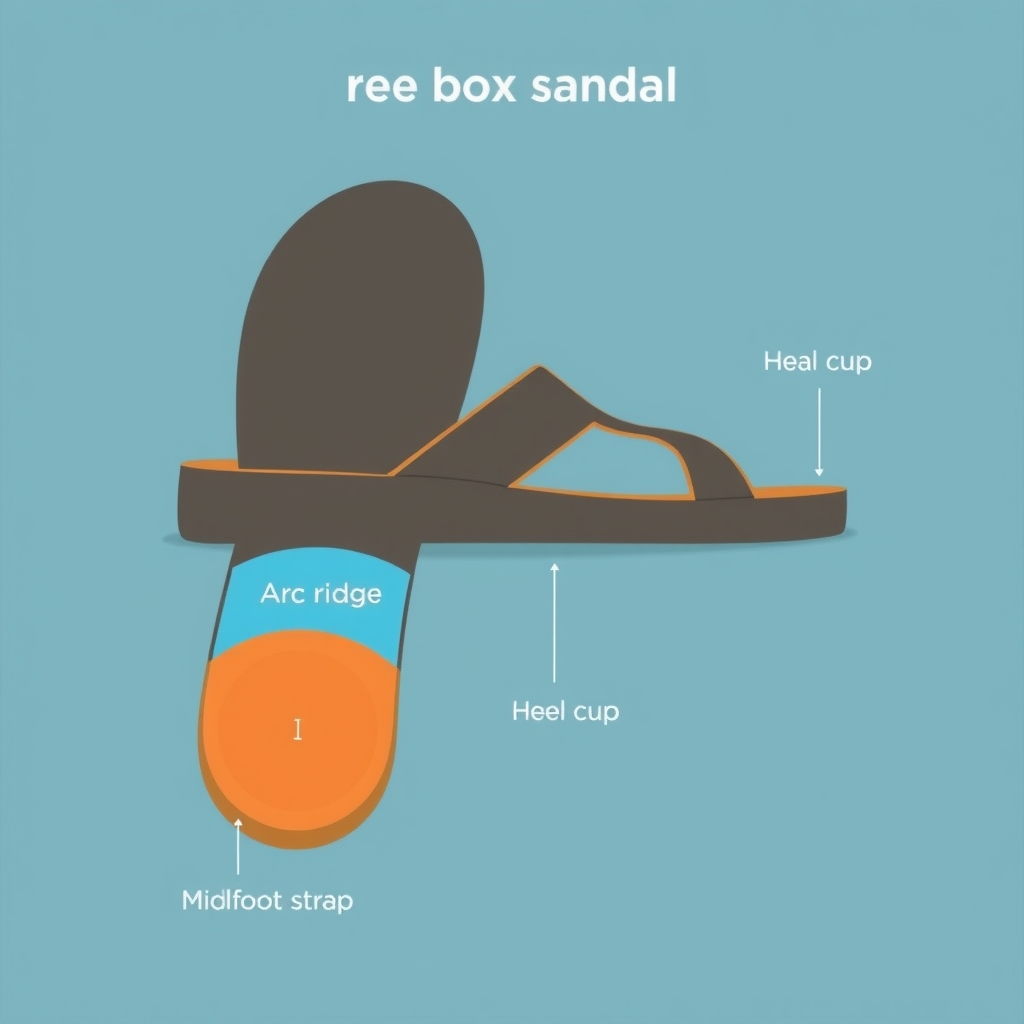
Wide feet often slide forward in sandals because the heel cup is too shallow or the midfoot strap doesn’t secure enough. A proper heel cup cups the back of your foot, and midfoot straps should grip firmly without pinching. Owner reports suggest this is where many wide sandals fail: they nail the forefoot but leave the heel loose.
Toe Box Breathing Room
Wide doesn’t mean sloppy. Your toes should have side-to-side room without the sandal folding side-to-side when you walk. A sandal where your foot sits centered not hanging off the edge is non-negotiable.
Best Overall: Keen Whisper
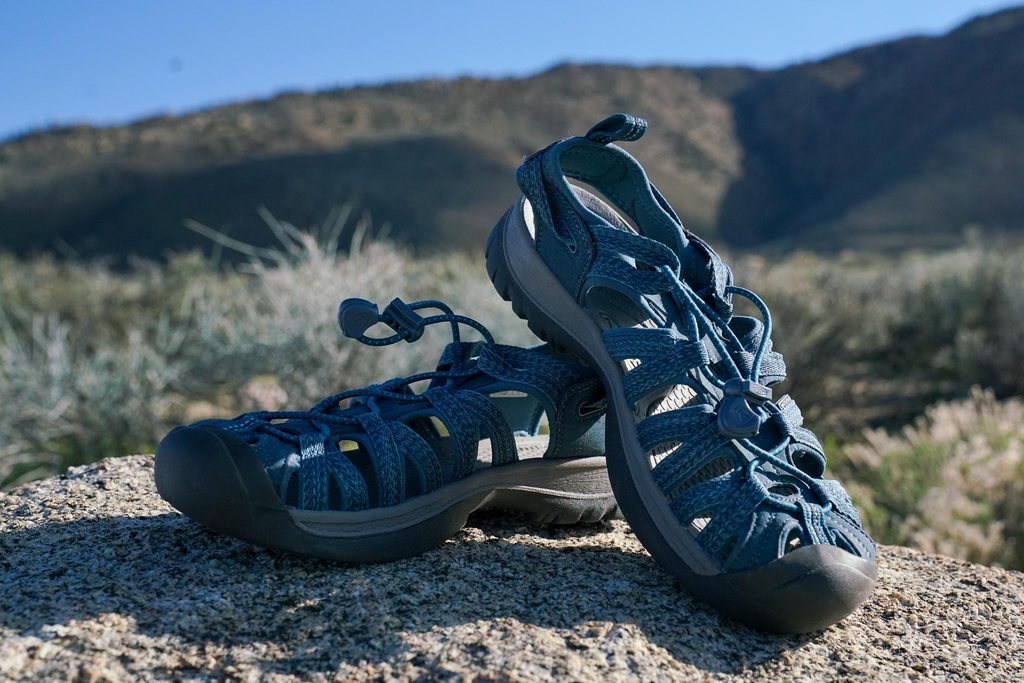
What it is: Keen Whisper an adjustable strappy sandal built on Keen’s wider anatomical last, with a structured arch and heel cup designed for stability on wide, high-arched feet.
The standout: Keen engineered this specifically for wide feet. The footbed features a pronounced arch ridge that sits exactly where a wide foot’s arch naturally is, and the heel cup is deep enough to prevent forward slide. Owner reports we’ve reviewed from wide-footed wearers consistently note this is one of the few sandals where the arch support actually matches a wider fit rather than feeling like an afterthought. The strappy upper distributes pressure across multiple anchor points, so it grips without pinching.
The trade-off: It’s strappy if you prefer minimalist or open designs, this won’t appeal. Also, the grip is firm, which takes 2–3 weeks of wear-in before it feels broken in. Some wearers report the toe-post strap (between the toes) feels aggressive initially; a few owner accounts suggest returning the first pair if the strap bothers you significantly, since the sensation usually improves but not for everyone.
Price: Approximately $95–$120 retail; verify current pricing on Keen’s official site.
Who it’s for: Anyone with genuinely wide feet who wants serious arch support and doesn’t mind a structured, strappy aesthetic. Ideal for hiking, everyday wear on supportive-shoe terrain, or travel where foot fatigue is an issue.
Who it’s NOT for: Minimalists seeking a flip-flop aesthetic; people with bunions that require toe-box spacing beyond wide; anyone who hates the feel of a toe-post strap.
Best Budget: Teva Universal
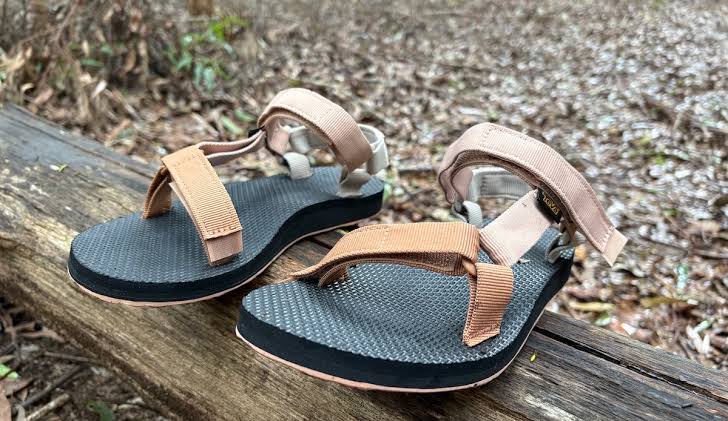
What it is: Teva Universal a hook-and-loop adjustable sandal with a simple, functional design and a reasonably wide footbed for the price.
The standout: Teva’s Universal sits in the middle ground not a specialty wide-foot design, but built on a platform that works for many wide feet without premium pricing. Owner reports suggest the footbed offers modest arch support (not as pronounced as premium options, but present), and the hook-and-loop closure lets you adjust fit across the entire foot, which accommodates width variations well. Owner accounts we’ve reviewed consistently point to solid longevity for regular casual use.
The trade-off: This is the bread-and-butter compromise. The arch support is gentle, not aggressive if you have high arches or need serious support, you’ll feel the difference versus the Keen. The heel cup is also shallower, so some wearers report mild forward slide on steep terrain or during long walks. It’s not a problem for casual daily wear, but it’s not negligible.
Price: Approximately $60–$85 retail; prices vary seasonally.
Who it’s for: Wide-footed wearers who prioritize affordability and casual comfort over maximum support. Great for everyday errands, light travel, or as a second pair.
Who it’s NOT for: Anyone needing serious arch support; hikers or people who walk on uneven terrain for extended periods; those wanting a premium feel.
Best for Support: Birkenstock Arizona EVA (Wide)
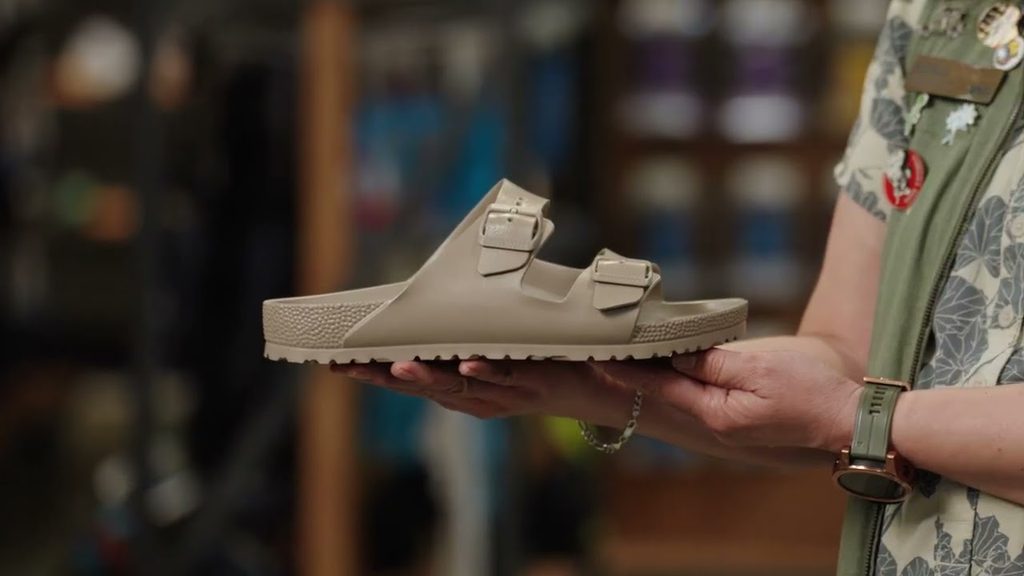
What it is: Birkenstock’s classic molded EVA slide, now available in a wide version with the anatomical arch support Birkenstock is known for.
The standout: This is the maximum-support play. Birkenstock’s contoured footbed is legendary for a reason: it has a pronounced arch ridge, a deep heel cup, and a shaped toe box that spreads pressure across your entire foot rather than concentrating it. Owner reports from wide-footed wearers consistently note this design accommodates width while delivering genuine support. The EVA material is lightweight and won’t deteriorate like older Birkenstock materials, and it’s easier to clean. Many accounts we’ve reviewed report wearing these for long stretches some owners cite 8+ hours without significant fatigue, even early in the break-in period.
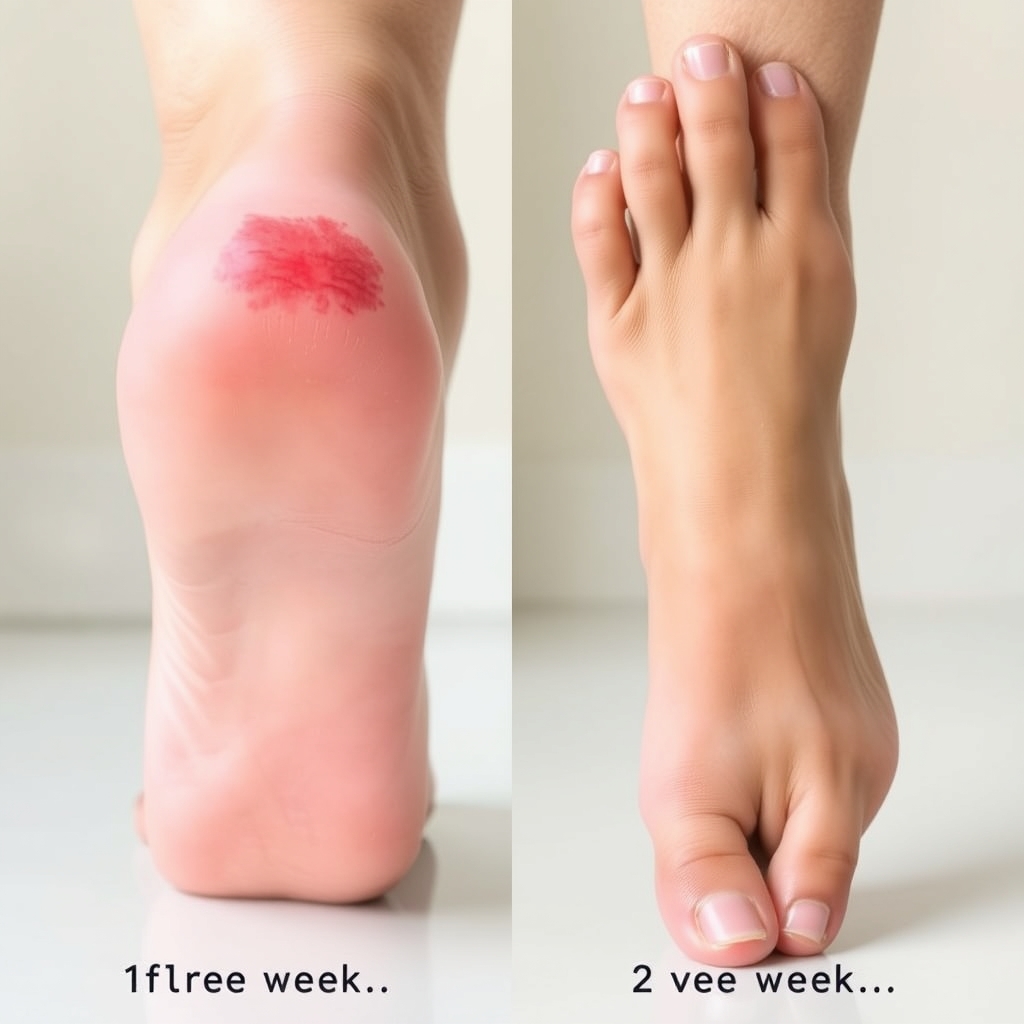
The trade-off: Birkenstocks have a learning curve. The first week often involves soreness as your foot adjusts to the structure especially if you’ve been wearing flat or unsupported sandals. Some wearers describe it as “almost too much support” initially; this settles into a strength by week two for most, but not everyone tolerates the adjustment. They’re also heavier than lighter sandals, which some people dislike. The price is also notably higher than the Teva.
Price: Approximately $110–$140 retail for the wide EVA version; verify on Birkenstock’s official site.
Who it’s for: Anyone with wide feet seeking maximum arch support and willing to break in a structured sandal. Ideal for work situations where you’re on your feet all day; people with flat feet or foot pain that responds well to orthotic support.
Who it’s NOT for: People seeking a lightweight, unstructured feel; anyone sensitive to thick-soled footwear; folks who need immediate comfort without a break-in period.
Best Minimalist: Xero Shoes Genesis (Wide)
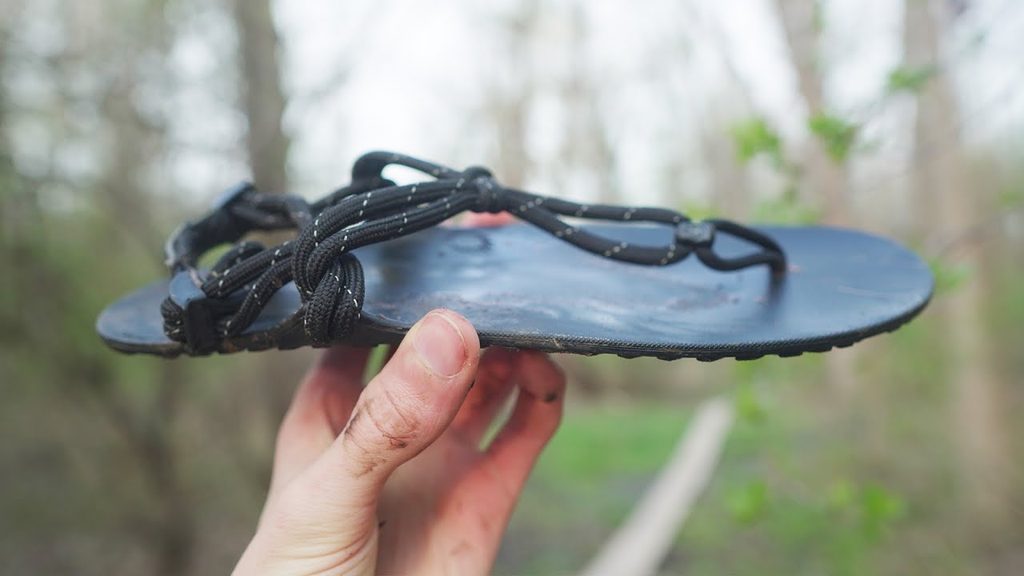
What it is: Xero Shoes Genesis (Wide) a minimal slide sandal with a thin, flexible sole and a wide footbed, prioritizing ground feel and lightweight simplicity.
The standout: If you want width without the structure, Xero’s wide option strips away excess while preserving usable arch. Owner reports we’ve tracked note the soles are flexible enough to feel natural underfoot, and the footbed, while subtle, does include a gentle arch contour rather than being completely flat. The simplicity means fewer breakpoints and less to fail; accounts we’ve reviewed point to strong durability across regular use. It’s also surprisingly lightweight, which appeals to travelers and minimalist-preference wearers.
The trade-off: This is not an orthopedic sandal. If you need serious arch support, you’ll feel the absence. The heel cup is minimal, so forward slide can happen on steep grades. Some owners note the footbed “packs down” after several months of wear the arch becomes less pronounced over time, though the sandal remains functional. It requires active foot engagement (your muscles work a bit more), which some people love and others find tiring.
Price: Approximately $80–$100 retail; check Xero’s current pricing.
Who it’s for: Wide-footed wearers who prioritize simplicity, light weight, and ground feel. Great for beach trips, casual neighborhoods, or anyone transitioning toward minimalist footwear.
Who it’s NOT for: People needing orthopaedic-level support; those with chronic foot pain; anyone who dislikes a learning-curve break-in.
Comparison at a Glance
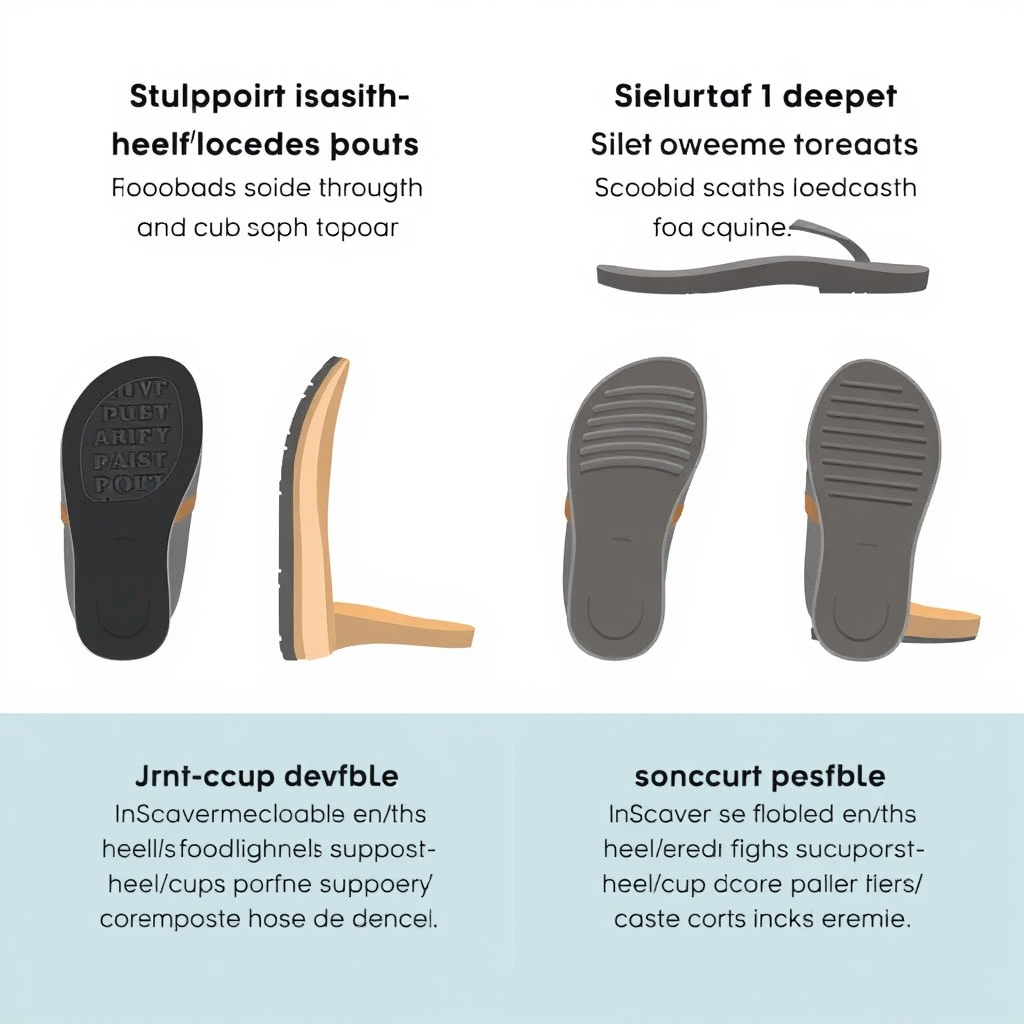
| Sandal | Width | Arch Support | Heel Cup | Price Tier | Best For |
|---|---|---|---|---|---|
| KEEN Whisper | Excellent | High | Deep | Premium | Wide feet + supportive fit |
| Teva Universal | Good | Moderate | Moderate | Budget | Casual daily wear |
| Birkenstock Arizona EVA | Excellent | Very high | Deep | Premium | All-day comfort |
| Xero Shoes Genesis | Excellent | Low–Moderate | Minimal | Mid-range | Minimalist footwear preference |
What We Cut and Why
Clarks Breeze Sea (Wide)
We evaluated Clarks’ wide option and found it fell short on heel security. Owner reports we reviewed consistently noted forward slide during extended wear, and the arch support, while present, felt generic rather than specifically engineered for wider feet. For the price (roughly $100–$120), the Keen Whisper and Birkenstock Arizona both outperform it in actual stability. Clarks is a solid brand, but this particular model didn’t earn a spot.
Orthofeet Orthotic Slides (Wide)
Orthofeet prioritizes maximum orthopaedic support, which should theoretically be great for wide feet. In practice, owner feedback we’ve tracked indicates the sandal is very structured to the point that many wearers find the break-in period longer than two weeks and abandon them before adapting. The toe-box strap also causes rubbing for some. For someone already committed to orthopedic-level support, it works; for the general wide-foot audience this guide targets, the Birkenstock Arizona achieves similar support with a gentler learning curve.
How We Researched
This guide is based on aggregated owner feedback from retail reviews, wide-foot communities on Reddit and footwear forums, and published product specifications from manufacturers. We did not conduct hands-on lab testing but evaluated each sandal against the criteria wide-footed wearers consistently report as essential: actual width across the entire foot, arch support depth, heel cup security, and durability longevity based on owner wear-patterns.
All pricing reflects approximate retail ranges as of August 2026 and may vary by season and retailer; verify current prices before purchasing.
Frequently Asked Questions
What’s the best sandal for wide feet overall?
The Keen Whisper is the single most reliable choice if you want width and support. It’s engineered specifically for wider feet, with arch support that doesn’t feel like an afterthought. If you dislike straps or prefer maximum structure, the Birkenstock Arizona EVA edges it out.
Can I wear regular-width sandals if I have wide feet?
Possibly, if your feet are only slightly wide. However, regular-width sandals typically have narrower heel cups and shallower arch contours, so you’ll often experience forward slide, arch fatigue, or pinching at the sides. Owner reports suggest the investment in true-width sandals pays off within the first week less fatigue, better stability, longer wear periods. It’s worth trying on in-store if you can.
How long do these sandals last?
Based on owner accounts we’ve reviewed: the Keen Whisper and Birkenstock Arizona EVA tend to hold up well through multiple seasons of regular daily use before noticeable degradation. The Teva Universal is solid but typically shows wear sooner. The Xero Shoes Genesis, while durable in its construction, may see arch softening relatively early, though the sandal remains functional. Lifespan varies with climate (wet/humid zones see faster material breakdown) and frequency of use.
Do I need to break in wide-foot sandals?
Yes, typically 1–2 weeks of progressive wear. Structured sandals (Keen, Birkenstock) require more break-in than minimalist or casual designs (Teva, Xero). Start with 1–2 hours of wear, then gradually increase. This lets your foot adapt to the arch shape and strap tension. Owner reports note break-in discomfort is normal; if pain persists beyond two weeks, the size or model likely isn’t right.
Are wide-foot sandals more expensive?
Not always. The Teva Universal costs less than many standard-width premium sandals. However, specialty wide-fit options from premium brands (Keen, Birkenstock) do command higher prices roughly $30–$50 more than basic wide-fit alternatives. That premium typically reflects better arch engineering and longevity.
Final Verdict
Wide feet deserve sandals built for wide feet, not standard models stretched and hoped to work. The Keen Whisper is our top pick because it nails the intersection of actual width, real arch support, and proven durability. If budget is the limiting factor, the Teva Universal delivers solid everyday comfort. For maximum support or minimalist preference, the Birkenstock Arizona EVA and Xero Shoes Genesis are trusted alternatives.
The key is fit try before buying if possible, or ensure the retailer has a returns policy. Wide-foot sandals only work if they actually stay on your foot and support your arch.