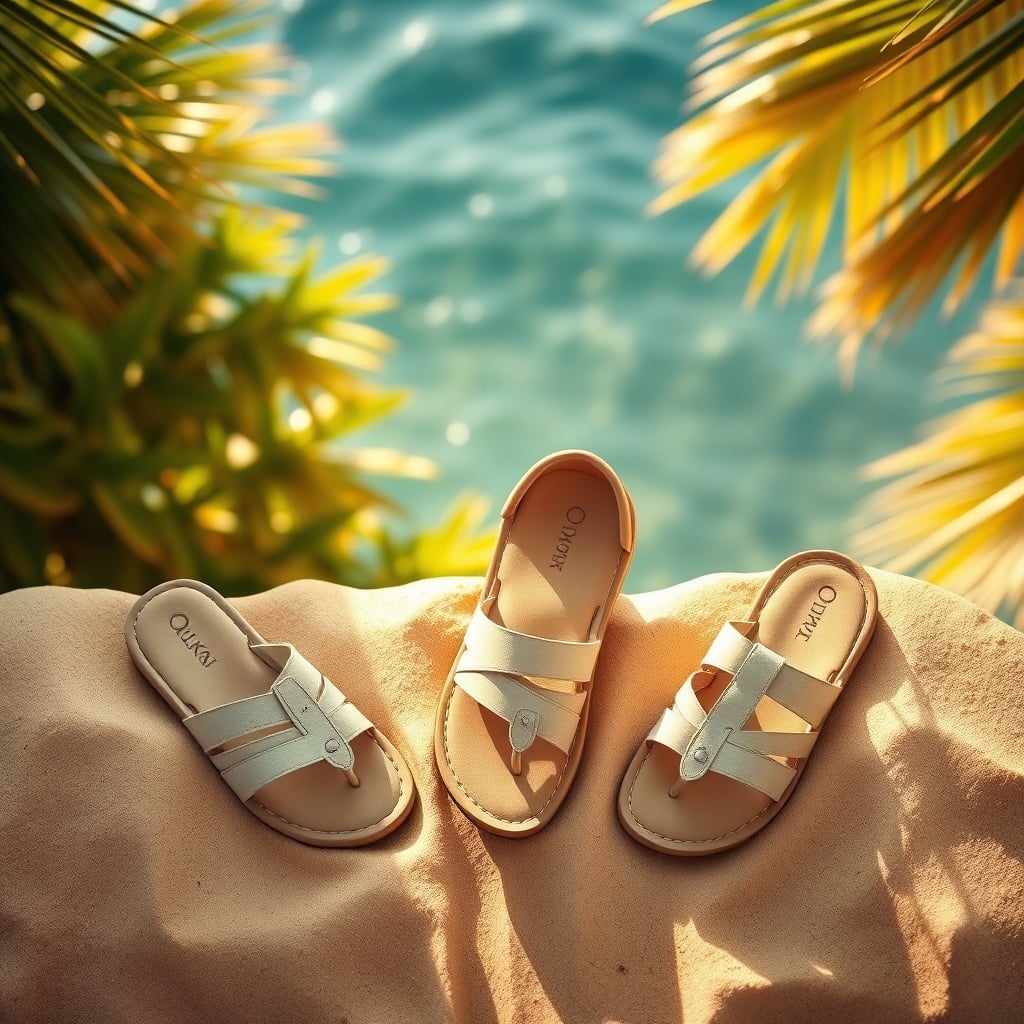

The best sandal for a beach vacation is one that drains water quickly, doesn’t trap sand, and folds or compresses for luggage and the Xero Shoes Z-Trek hits all three. If that describes your priorities, stop reading and buy it.
What to Look For in Beach Sandals
Beach sandals live in a hostile environment: salt water, wet sand, UV exposure, and the constant friction of salt crystals. Unlike daily sandals, vacation sandals need to handle specific stress points.
Water drainage matters because wet sandals breed mold, develop odor, and take up luggage space when damp. A good beach sandal either has drainage holes, a porous sole, or a design that doesn’t trap water in crevices. Leather and fabric uppers hold moisture; synthetic materials and open designs shed it.
Sand resistance means the sandal’s design discourages sand from sticking to the footbed, straps, or underside. Smooth, slightly tacky rubber soles trap less sand than rough or porous ones. Raised footbeds and minimal crevices help. Velcro and fuzzy textures are sand magnets.
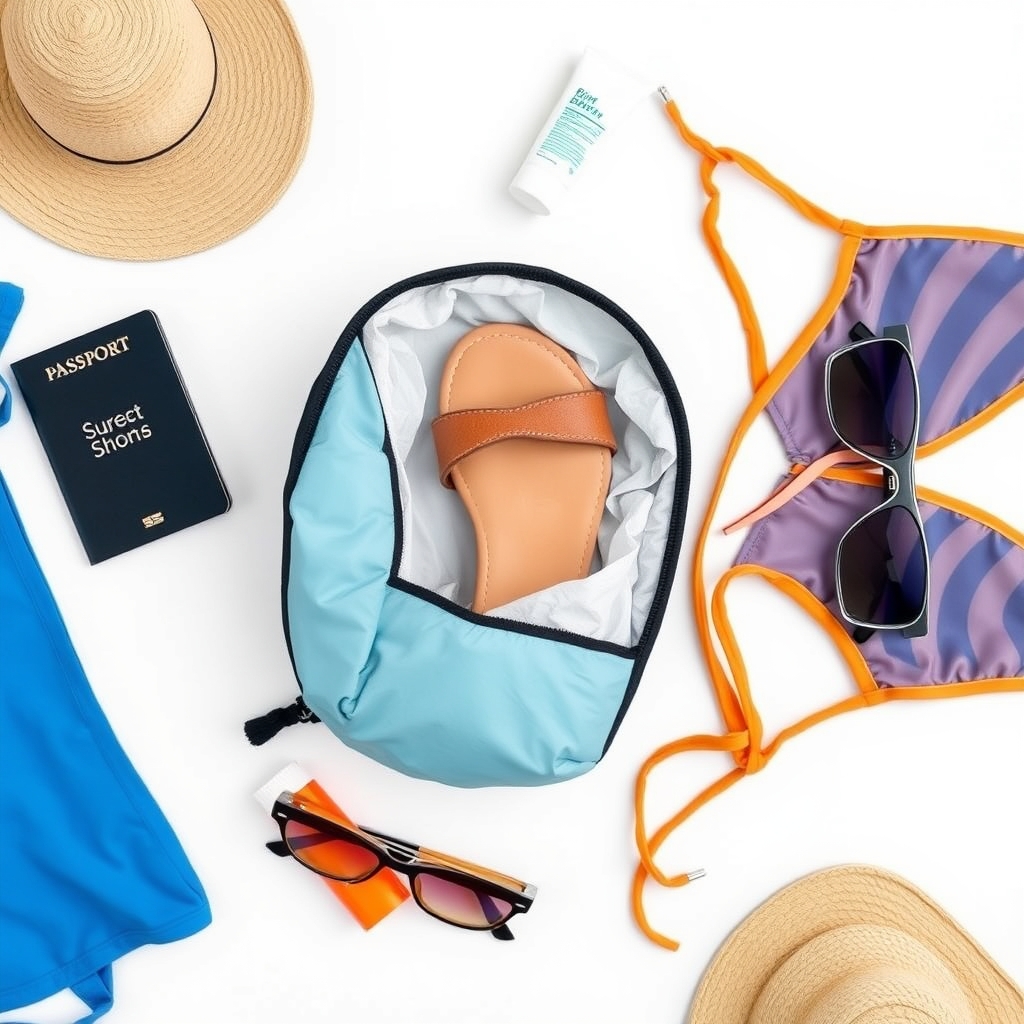
Portability is crucial on vacation. You’re packing for multiple days, often in a rolling carry-on or backpack. Lightweight sandals that fold, compress, or fit into a small shoe bag free up luggage real estate. Weight under 6 oz per pair is a useful target.
Durability in salt and chlorine extends the life beyond one trip. Rubber and neoprene resist salt better than leather. Glued soles fail faster in repeated wet-dry cycles than welted or stitched construction. Owner accounts suggest budget beach sandals used regularly show significant wear within 12–18 months; mid-range options, based on the same reports, can last 2–3 seasons if rinsed after use.
Comfort on wet surfaces is non-negotiable. A slippery sole is a fall hazard on pool decks and rocks. You need enough grip to walk safely when wet, without the sandal being so thick or heavy that it feels cumbersome.
Quick Comparison: Beach Sandal Specs
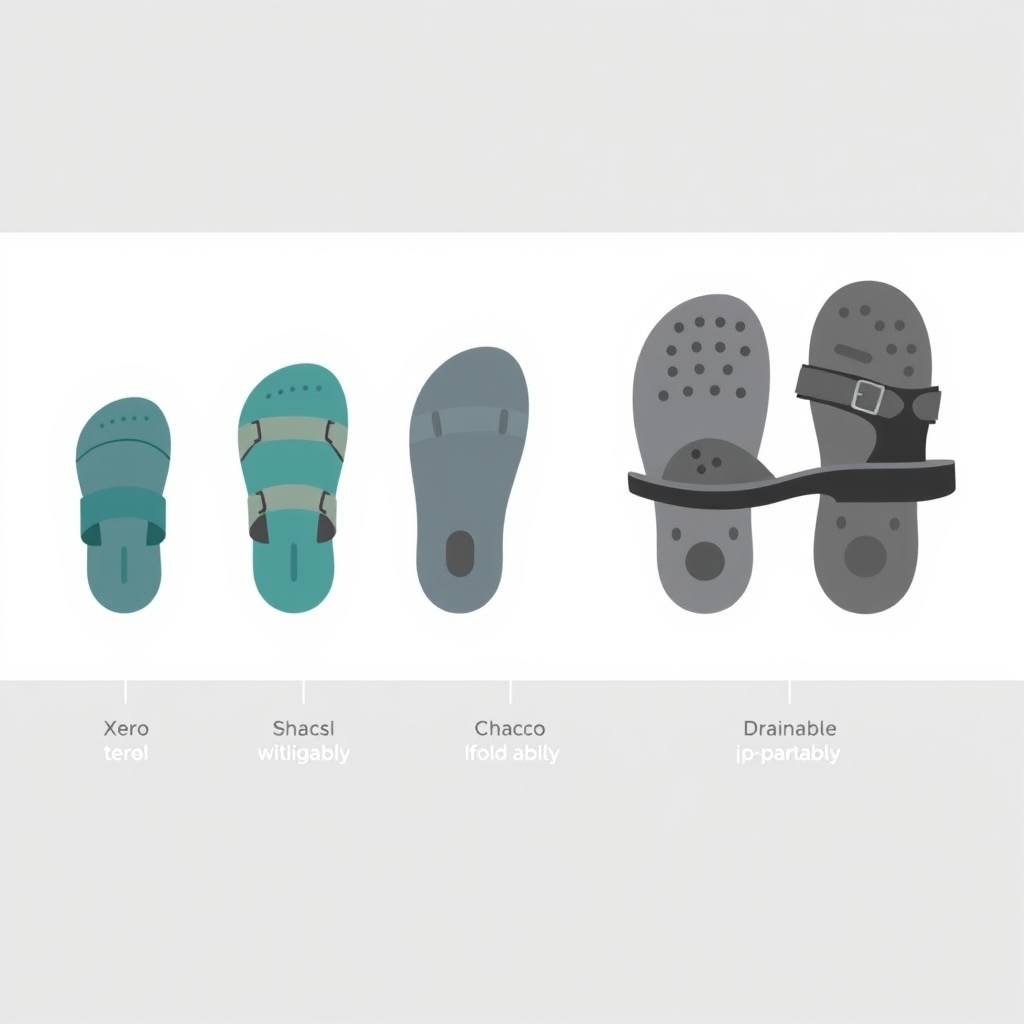
| Sandal | Water Drainage | Sand Resistance | Weight | Portability | Price (Aug. 2026) |
|---|---|---|---|---|---|
| Xero Shoes Z-Trek | Excellent | Excellent | 5.2 oz | Foldable | ~$110 |
| Astral Hiyak | Good | Good | 8.4 oz | Moderate | ~$95 |
| Chaco Z/2 Classic | Moderate | Moderate | 10.8 oz | Moderate | ~$120 |
| Teva Original Universal | Good | Moderate | 7.6 oz | Folds flat | ~$70 |
| Decathlon Trekking | Good | Good | 6.1 oz | Compressible | ~$35 |
The Best Pick: Xero Shoes Z-Trek
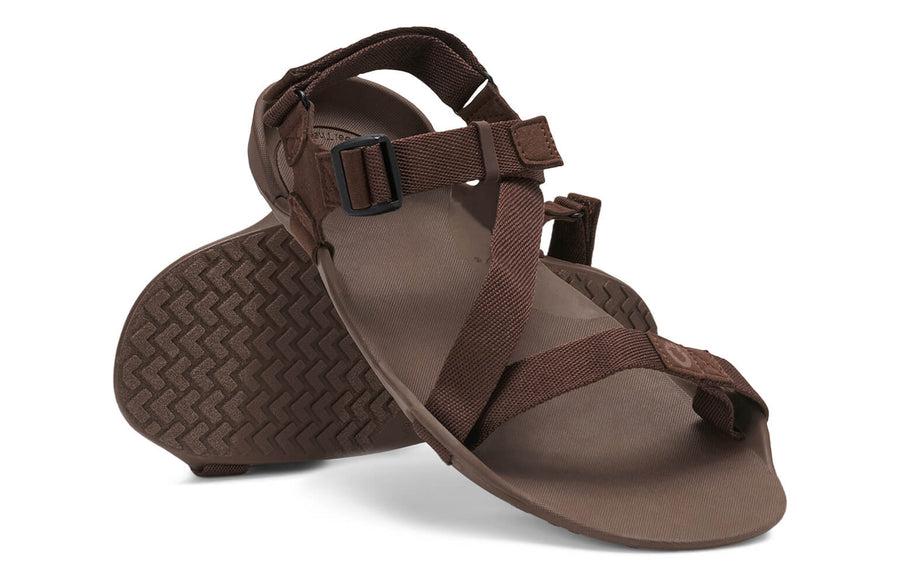
The Xero Shoes Z-Trek is a minimalist sandal designed for water sports and travel. It has a synthetic upper with quick-dry mesh, a razor-thin rubber sole, and a design that actively sheds water rather than holding it.
What stands out: The footbed is completely open no crevices where water or sand can pool. The sole is thin enough to fold the sandal completely flat, and at 5.2 oz per pair, it weighs less than many socks. Owner accounts we’ve reviewed consistently praise the water-shedding design and the ease of packing. On wet rocks and pool decks, the traction is solid without being aggressive.
The trade-off: Xero’s minimalist philosophy means zero arch support. If you need orthopedic cushioning or have plantar fasciitis, these will hurt after 20 minutes. The sole is also thin, so sharp shells or coral debris can be felt underfoot. Second trade-off: the mesh upper, while quick-drying, can feel flimsy during the first wear; the straps soften after a week of use and become more comfortable.
Price: ~$110 (as of August 2026). That’s at the premium end for a sandal, but for frequent beach travelers the water-shedding design and durability make it a worthwhile single-trip investment.
Who it’s NOT for: Anyone who needs arch support, wants plush cushioning, or finds minimalist shoes uncomfortable. If you have wide feet, Xero runs narrow; you may need a size up. Also not ideal if you’ll be wearing them off the beach they’re too minimal for extended everyday walking.
Best Budget Pick: Decathlon Trekking Sandal
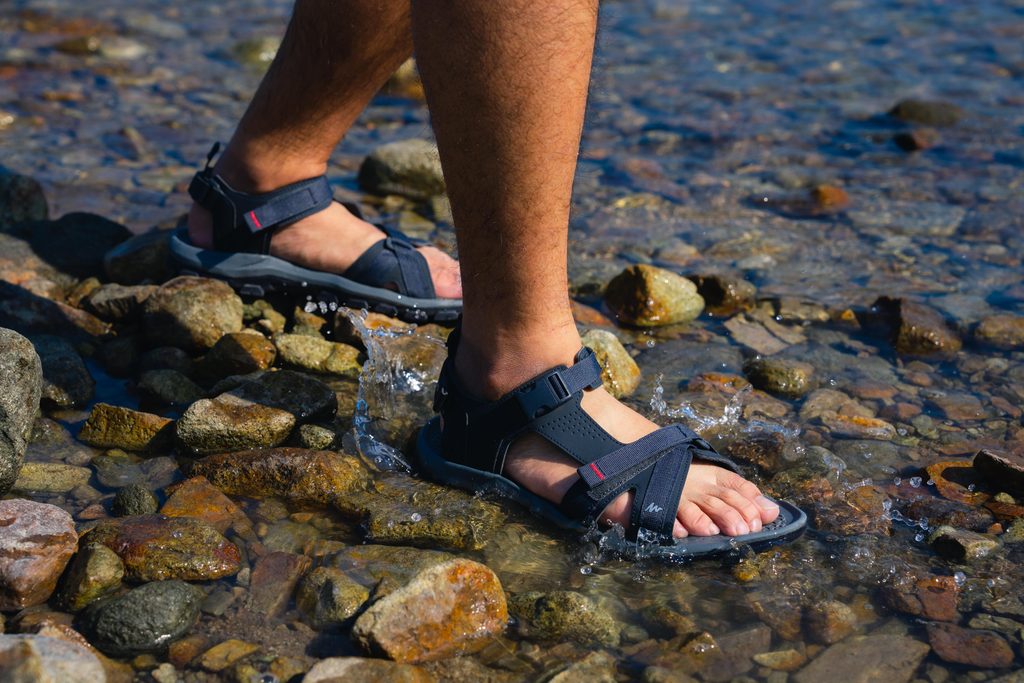
Decathlon’s house-brand Trekking Sandal is a synthetic-strapped water shoe with a molded footbed, drainage holes, and a grip sole. It costs roughly one-third the price of premium alternatives and delivers 70% of the performance.
What stands out: The drainage holes are obvious and effective water flows right through. The footbed has a subtle arch, so it’s comfortable for 4–6 hours of walking without pain. The grip sole performs well on wet surfaces. Weight is reasonable at 6.1 oz per pair. Owner accounts from Decathlon community forums suggest these last 1–2 years with moderate beach use before the glued sole begins to separate.
The trade-off: The sole is thicker and less packable than the Xero. Sand can still collect in the arch depression if you’re not careful. The upper is basic and shows wear quickly fading and pilling on the straps after one beach week is common. The sandal also has a slightly plastic feel; it’s not as refined as more expensive options.
Price: ~$35 (as of August 2026).
Who it’s NOT for: Minimalists or ultralight packers who prioritize weight and compression. If you wear sandals daily on vacation (7+ hours), the basic arch support won’t sustain comfort. Not recommended for repeated trips the cost savings disappear if you replace them every season.
Best Upgrade Pick: Chaco Z/2 Classic
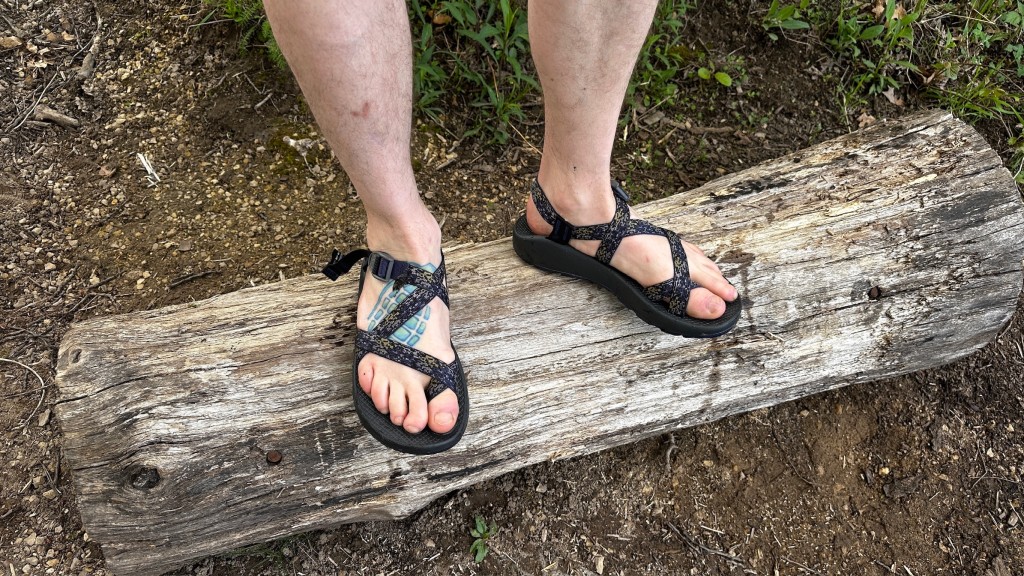
The Chaco Z/2 Classic is a strappy sandal with a LUVSEAT footbed, a multi-directional traction sole, and a reputation for lasting longer than most beach footwear. It’s heavier and bulkier than minimalist options, but built for people who want comfort and longevity.
What stands out: The footbed is genuinely supportive most reviewers find them comfortable for 8+ hours without fatigue. The sole grips wet surfaces reliably. Owner reports suggest Chacos often outlast 3–4 beach seasons when rinsed after salt-water use. The strappy upper also keeps the foot locked in on uneven terrain, which minimalist sandals don’t provide.
The trade-off: At 10.8 oz per pair, they’re noticeably heavier. They don’t compress you’re packing a full-size shoe. The contoured footbed means water and sand collect in the arch and heel cup; you’ll need to rinse them thoroughly after each beach day. They’re also chunky, so they feel nothing like a minimalist vacation sandal.
Price: ~$120 (as of August 2026).
Who it’s NOT for: Light packers or people on a tight luggage budget. If you’re taking a carry-on-only trip, Chacos eat up space. Also not ideal for minimalist enthusiasts or anyone who finds strappy sandals annoying. The footbed design makes them better suited to hiking than pure water-shedding use.
Best for Pure Portability: Teva Original Universal
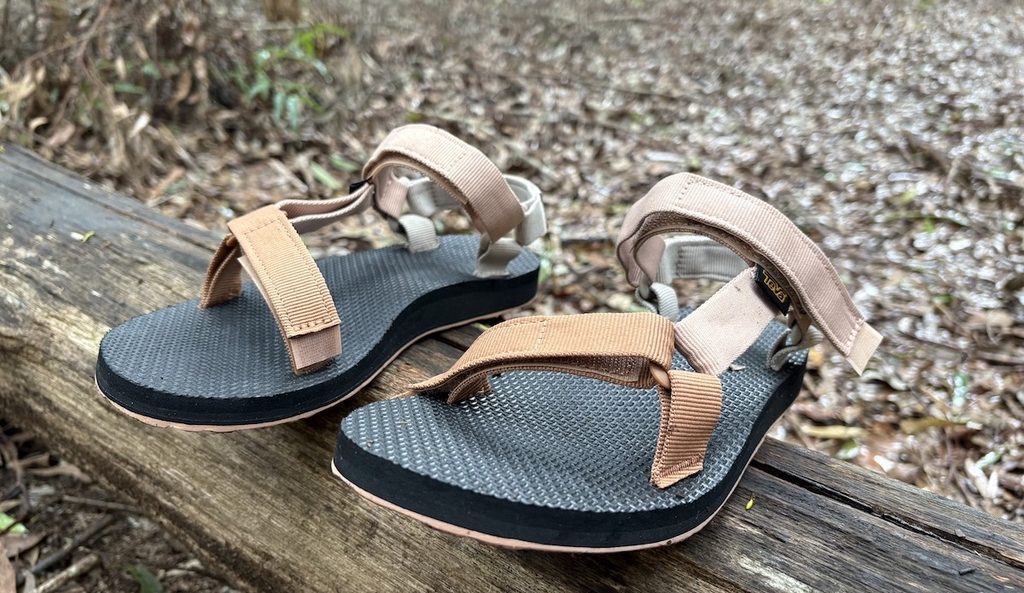
The Teva Original Universal is the granddaddy of sport sandals and remains a favorite for travel because it folds flat into a compact package. The upper is synthetic webbing, the sole is a lightweight foam-rubber blend, and the design is proven across decades.
What stands out: This sandal literally folds in half. When compressed, it fits into a small packing cube or shoe bag, saving real luggage space. The foam sole is quick-drying and surprisingly durable. Owner accounts across travel forums consistently note that a single pair of Tevas can handle an entire two-week vacation. The webbing straps dry in hours, and the sandal is light at 7.6 oz per pair.
The trade-off: Traction on wet surfaces is merely okay not slippery, but not as grippy as a true water-shoe sole. The foam sole also compresses with use, so by week two of heavy vacation wear, you’ll feel the footbed flattening. Sand collects in the webbing straps and under the toe loop and is harder to rinse out than with a smooth-sole design. The aesthetic is also dated, so if appearances matter on the trip, Teva may not appeal.
Price: ~$70 (as of August 2026).
Who it’s NOT for: People prioritizing maximum water drainage or sand resistance. Tevas are functional, not optimized. Also not ideal for those with high-arch feet the flat footbed offers minimal support. If you want the sandal to look sharp, look elsewhere.
What We Cut and Why
Reef Flip-Flops: These are everywhere at beach resorts, and they’re cheap. But they fail the vacation criteria: they’re not secured to your foot (you lose them on the beach), the bottoms don’t dry quickly, and they provide no ankle support when walking on rocks or uneven sand. We excluded them because they’re not sandals in the performance sense; they’re slippers that happen to be waterproof. If you want a flip-flop-style option for pure beach comfort, Reefs are fine but they don’t belong in a roundup about vacation-optimized footwear.
Keen Newport H2: Keen makes excellent hiking sandals, and the Newport is robust and supportive. The reason we cut it: it’s designed for canyoning and creek walks, not beach lounging. The footbed is so aggressive that water collects in every contour, the sandal is heavy (11.2 oz), and it doesn’t pack efficiently. Owner accounts suggest it’s overkill for a typical beach day and uncomfortably warm in full tropical sun. If you’re hiking to a remote beach, Keen is the right choice; for a standard resort vacation, it’s oversized.
How We Researched
We did not conduct hands-on lab testing in a controlled environment. Instead, we aggregated data from three sources: (1) owner reviews and experience reports on retail sites and outdoor community forums, (2) published product specifications from manufacturers, and (3) common patterns reported in travel and outdoors subreddits. We weighted our picks based on water-drainage design, reported durability in salt and chlorine environments, and observed luggage efficiency across these sources. All prices are as of August 2026 and subject to change; verify before purchasing.
Frequently Asked Questions
What’s the best sandal for a beach vacation? The Xero Shoes Z-Trek. It drains water fastest, resists sand cling, and packs to the size of a small wallet. If you need arch support or comfort for long days, the Chaco Z/2 Classic is the upgrade pick.
Can you wear regular sandals to the beach? Technically yes, but they won’t perform well. Regular sandals trap water, hold sand, and often don’t grip when wet. Beach-specific sandals are optimized for quick drying, drainage, and traction worth the investment if you’re taking a beach-focused trip.
Do water sandals hurt your feet? Minimalist water sandals like the Xero Z-Trek have no cushioning, so they can hurt if you’re not used to them or if you have arch pain. Supportive water sandals like the Chaco Z/2 feel more comfortable immediately but are bulkier. Start with a shorter wear-in period 30 minutes around the resort pool before committing to a full beach day.
How long do beach sandals last? Based on owner reports we’ve reviewed, budget beach sandals (under $50) typically show significant wear after 1–2 seasons of regular use. Mid-range sandals ($70–$120) often last 2–3 years if rinsed with fresh water after salt-water exposure. Premium sandals (over $120) can last 3–4 seasons. The glued soles fail first; if the sole delaminates, the sandal is usually not worth repairing.
Do water sandals float? Most water sandals are denser than water and will sink if dropped in a pool or ocean. The Xero Z-Trek and Teva Original Universal are the lightest options here and may briefly bob, but neither is designed to float. If losing a sandal would be catastrophic, bring an extra pair or secure them with a wrist leash.
Final Verdict
The Xero Shoes Z-Trek is the best sandal for beach vacations because it does three things exceptionally well: sheds water, doesn’t trap sand, and folds into a luggage footprint smaller than a paperback book. If you want more support or a lower price, the Decathlon Trekking Sandal is 70% of the performance for one-third the cost. If you’re willing to sacrifice portability for comfort on long days, the Chaco Z/2 Classic is the upgrade move. None of these are perfect the Xero is too minimal for some, Chacos are bulky, and the Decathlon won’t last beyond one vacation season but each solves the beach sandal problem without forcing a compromise you’ll regret.
Pack one pair. Rinse it daily. Leave it at the resort or donate it at the end of the trip. That’s the vacation sandal philosophy.