
What Is Frequency Response?
Frequency response is the range of pitches a speaker can reproduce, measured in hertz (Hz). It tells you whether a speaker leans warm and boomy, neutral and balanced, or bright and detailed or if it struggles with certain ranges entirely.
Most consumer portable speakers claim a range like “20Hz to 20kHz,” which theoretically covers the entire human hearing spectrum. That number means almost nothing by itself. What matters is how evenly the speaker handles those frequencies and whether the balance matches your ears and music taste.
A speaker’s frequency response curve a graph showing volume at each frequency is the honest picture. A flat curve means balanced sound. A bumpy curve means the speaker colors the music, boosting some ranges and cutting others. Neither is inherently wrong; they’re just different signatures.
The Three Frequency Bands: What They Do
Bass (20Hz–250Hz)
Bass frequencies deliver the weight and rumble. This is the kick in a drum, the low end of a voice, the foundation of electronic music. Most people notice bass first because it’s felt as much as heard.
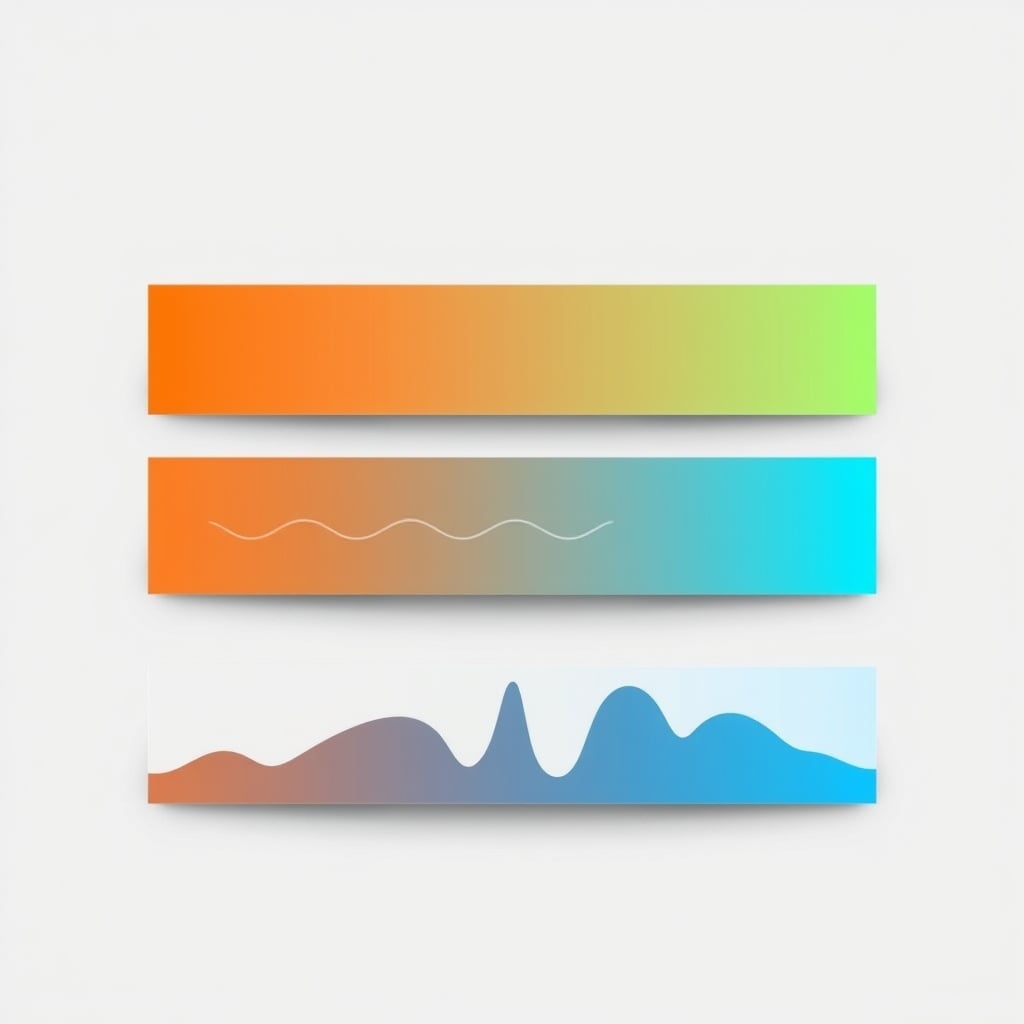
Portable speakers generally struggle with bass because small drivers (the cones that move air) can’t move enough air to generate deep, true bass. A speaker claiming “heavy bass” typically means it’s boosting the upper-bass range (roughly 100–250Hz) what feels punchy in a vocal or snappy in a beat rather than reproducing true sub-bass (below around 80Hz). This is a commonly reported pattern across consumer audio reviews and is worth keeping in mind when reading spec sheets.
Bass-heavy signatures are popular in consumer speakers because they sound impressive in a demo. Over time, however, heavy bass can fatigue you and mask detail in vocals and midrange. It also means the speaker is using power to push low frequencies at the expense of everything else.
Midrange (250Hz–4kHz)
This is where most musical information lives: vocals, guitars, piano, snare drums, strings. A speaker with weak or scooped mids will sound hollow even if the bass and treble are punchy.
Midrange is also where human ears are most sensitive, so a small mistake here tends to be more noticeable than a similar mistake in bass or treble. If you listen to a lot of podcasts, acoustic music, or vocals, you want a speaker with a full, clear midrange.
Many portable speakers cut the midrange to sound “wider” or to boost perceived detail in bass and treble. You’ll notice the effect immediately when you play a voice or acoustic guitar it sounds recessed, thin, or distant.
Treble (4kHz–20kHz)
Treble handles brightness, detail, and air. Cymbals, high vocals, sibilance (the “s” sound in speech), and high strings live here. Too little treble and the speaker sounds muffled or dull. Too much and it becomes fatiguing or harsh, especially in podcasts or audiobooks where sibilance gets exaggerated.
Portable speakers often boost treble in the upper midrange (roughly 4–8kHz) to sound crisp and detailed without actually having strong true-treble performance. This creates the impression of clarity without the substance.
Audio Signature vs. Flat Response
A flat response means the speaker reproduces all frequencies at roughly the same volume, mirroring the original recording. It’s the choice for mixing engineers and people who want the speaker to disappear and let the music speak.
An audio signature is a deliberate coloration a bass boost, a scooped midrange, a bright treble peak. Signatures are neutral about sound quality; they’re just different flavors.
The right choice depends on your use case:
- If you mix music, edit audio, or listen critically, you want flat response or close to it. Coloration introduces errors you can’t hear until you play the mix elsewhere.
- If you listen to bass-heavy genres (hip-hop, EDM, trap), a bass-boosted signature can be fun but verify it doesn’t bury vocals.
- If you listen to acoustic, jazz, or classical, you probably want a neutral or warm-but-balanced signature that doesn’t mess with the midrange.
- If you listen to podcasts or audiobooks, avoid bright, peaky treble and scooped mids; you want clarity without fatigue.
How to Read Frequency Response Specs
Manufacturers list frequency response as a range: “20Hz–20kHz ±3dB,” for example. That ±3dB is the tolerance how far the response can deviate from flat before they stop claiming it.
A tighter tolerance (±2dB) is harder to achieve and generally indicates flatter response. A loose one (±5dB or wider) suggests significant coloration is built in. Tolerance numbers are often marketing approximations, though; without your own measurement, you can’t verify them independently.
When you see no tolerance listed just “20Hz–20kHz” it typically means the speaker can technically produce those frequencies but not necessarily at useful volume. A speaker might reproduce 20Hz technically, but at such low volume that it contributes nothing.
What matters more than the headline range is the useful range: the frequencies the speaker handles loudly and clearly. A smaller range with flat response (say, 50Hz–16kHz) is often better than a wider range with aggressive coloration.
Common Frequency Response Mistakes
Confusing bass volume with bass accuracy. A boosted bass makes a speaker sound impressive in the store, but it doesn’t mean the speaker reproduces actual bass content correctly. Many portable speakers appear to hype the upper-bass (roughly 100–250Hz) because it feels punchy while avoiding the power draw of true deep bass.
Ignoring the midrange. People focus on bass and treble, but a recessed or scooped midrange breaks vocals and instruments. If the midrange sounds thin or distant, no amount of bass and treble boosts will fix it.
Assuming louder = better treble. Some speakers crank the treble around 5–8kHz to sound crisp, but it’s often just a peak that creates harshness rather than true clarity. Real treble detail comes from balance across the high frequencies, not a single spike.
Chasing the “bright” sound. Bright-sounding speakers feel detailed in a demo, but they can fatigue your ears over hours of listening. If you plan to use the speaker for music, podcasts, or calls throughout the day, you want a warmer, more balanced signature.
Mistaking presence peaks for precision. A presence peak (a deliberate boost around 2–4kHz) makes the speaker sound forward and energetic. It’s not the same as accurate reproduction of that range, and it can also make vocals sound aggressive or sibilant.
Budget and Frequency Response Trade-offs
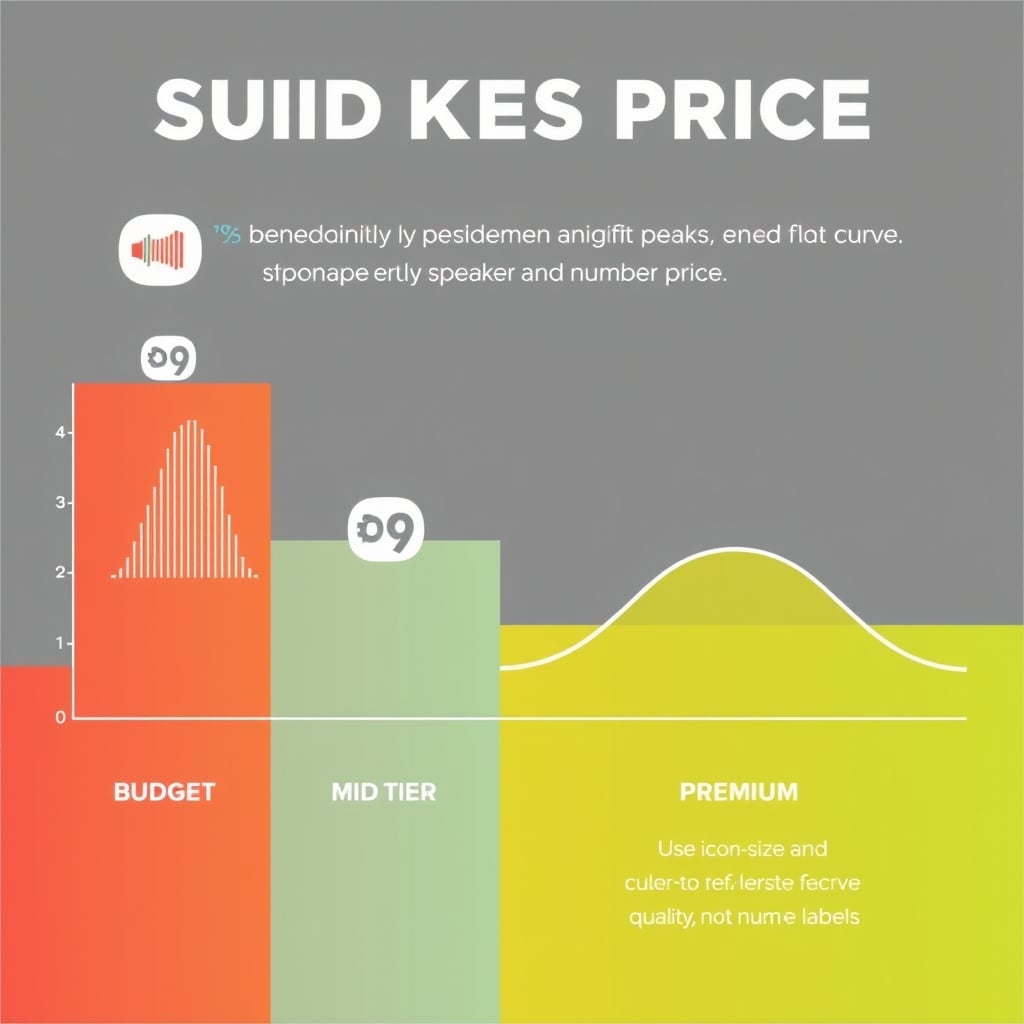
Better frequency response flatter curves, wider useful range, cleaner treble costs money. Small, inexpensive portable speakers have to make choices:
- They often boost bass to sound impressive despite limited driver size.
- They cut deep treble to avoid harshness in the treble peaks they do produce.
- They narrow the midrange focus to a specific frequency zone where they sound best, leaving other midrange content thin.
At the budget tier (under roughly $100 at current retail), expect significant coloration. The best budget speakers make smart signature choices warm, bass-boosted profiles that work for pop and hip-hop rather than trying to be neutral and failing.
Mid-tier speakers (roughly $100–$300 at current retail) often achieve closer to neutral response across most of the midrange while still having some bass boost and treble coloration. They can be good all-around choices if the signature matches your taste.
Premium portable speakers (over roughly $300 at current retail) tend toward flatter response, wider useful range, and more nuance across all three bands. They’re less about obvious bass or treble and more about balance and clarity.
However, price isn’t destiny. A well-designed budget speaker with a clear signature sometimes outperforms a mediocre mid-tier speaker that tries to do everything at once.
How Listening Context Shapes What Matters
The same speaker sounds different depending on where you use it.
In a bedroom or small room, reflections from walls amplify bass and color the sound. A bass-boosted speaker can sound boomy. A neutral speaker might sound thin because it’s not getting reinforcement from room boundaries.
Outdoors or in a large open space, the speaker has to project farther and competes with ambient noise. Bass and treble become less impactful. A slightly bright signature can help the speaker cut through.
Directly in front of you (near-field listening), at conversational distance, is where frequency response matters most. The speaker’s signature is most obvious, and room effects are minimal. This is the use case that reveals the true character of the speaker.
Before buying a portable speaker, test it in the environment where you’ll use it most often.
Frequency Response and File Quality
A speaker can only reproduce what’s in the audio file. Compressed audio (streaming at lower quality settings, or compressed MP3s) loses high frequencies and nuance. You won’t hear the benefit of a high-treble peak if the file doesn’t contain that detail.
High-quality audio (lossless, hi-res) contains more information, and a speaker with flatter, wider response will let you hear more of it. But a speaker with a strong signature will still color that detail.
The pairing matters: pair a high-quality file with a speaker that has a signature you like, and you get the best of both worlds. Pair compressed audio with a super-detailed speaker, and you’re wasting the speaker’s capability. Pair high-quality audio with a heavily colored speaker, and you’re masking what the file actually contains.
Key Factors When Comparing Speakers
- Stated frequency range vs. useful range. Ask what frequencies the speaker actually reproduces at useful volume, not just the marketing range.
- Presence of published measurements. Some manufacturers publish actual frequency response curves (graphs). If available, study them; they’re far more honest than spec claims.
- Bass signature. Decide if a bass-boosted, neutral, or bass-light signature matches your music and listening habits.
- Midrange clarity. Listen to a vocal or acoustic guitar sample. Does the midrange sound full and clear, or recessed and thin?
- Treble fatigue. A good indicator: listen for 30+ minutes. Does your ear get tired? That’s often a sign of treble coloration or peaks.
- Room and use case. If it’s for a bedroom, you probably want neutral or warm. If it’s for outdoor parties, slightly bright and bass-boosted is fine.
- Consistency across volume levels. Many speakers change character at different volumes bassy at high volume, thin at low. Test at your typical listening level.
Common Speaker Signatures You’ll Encounter
Warm / Bass-Boosted: Deep, punchy, forgiving of compressed audio. Popular in consumer speakers. Can mask detail and fatigue you over long sessions. Works well for hip-hop, EDM, pop.
Neutral / Balanced: Flat or near-flat across all frequencies. Requires good audio quality to shine. Best for critical listening, mixing, or if you listen to many genres. Less immediately impressive in a demo.
Bright / Treble-Forward: Crisp, detailed, energetic. Can sound thin in the midrange. Fatiguing for podcasts or over long sessions. Often found in mid-range consumer speakers trying to sound “premium.”
Scooped / V-Shaped: Boosted bass and treble with recessed midrange. Vocals sound distant; instruments lose clarity. Common in gaming headsets and some portable speakers. Generally not ideal for music listening.
Warm / Midrange-Forward: Bass rolled off, mids and treble present. Best for vocals, acoustic music, podcasts. Can sound thin compared to bass-boosted speakers in a demo. Great for long listening sessions.
Budget Tiers and Realistic Expectations
The price bands below reflect approximate current retail positioning and will shift over time; treat them as rough guidance rather than fixed cutoffs.
Under $50: Expect heavy bass boost, thin midrange, and bright or harsh treble. Best for casual listening and outdoor use where coloration matters less.
$50–$150: Mid-range options with better balance. Bass boost is still present but more controlled. Midrange improves. Treble still often peaks but less aggressively.
$150–$300: Closer to neutral across mids, though bass boost is still common. Treble becomes cleaner. Useful range expands. Suitable for serious music listening.
Over $300: Greater expectation of flatter response, wider useful range, and more nuance. Signature still varies by design choice some premium speakers intentionally maintain a colored signature.
FAQ
Q: Is a flat frequency response always better? No. Flat response is ideal for mixing and critical listening, but if you enjoy a warm or bass-boosted sound, that’s a valid preference. The right response is the one you enjoy using every day.
Q: Why do cheap speakers often sound boomy? Small drivers can’t reproduce true deep bass efficiently, so manufacturers commonly boost the upper-bass (roughly 100–250Hz), which feels like bass but uses less power. It’s a shortcut that works in a demo but can get tiring.
Q: Can I fix a speaker’s frequency response with EQ? Partially. If a speaker has a clear signature (boosted bass, peaked treble), EQ can flatten it. But you can’t recover detail or extend range that the speaker physically can’t produce. EQ is a band-aid, not a cure.
Q: Does hertz (Hz) relate to loudness? No. Frequency (Hz) is pitch. Loudness is measured in decibels (dB). A low frequency isn’t louder than a high frequency just because it’s lower it depends on how much volume the speaker devotes to it.
Q: Will a speaker with the same frequency range always sound the same? No. Two speakers with identical claimed ranges (20Hz–20kHz) can sound completely different depending on how they handle each frequency. The curve not the endpoints is what matters.
Q: How do I know if a speaker’s signature is for me? Test it with your music in your environment. If you enjoy it after 30 minutes of listening, it’s a good match. If your ears get tired or something sounds off, it’s probably the wrong signature for you.
Final Recommendation
Frequency response is the hidden layer behind why some speakers delight you and others annoy you. It’s not a single number; it’s a curve that defines the character of the sound.
When shopping for a portable speaker, don’t get distracted by marketing claims about range or bass. Instead, test the speaker with music you actually listen to, in the space where you’ll use it, at your normal volume. Listen for balance across vocals, instruments, and space. Your ears will tell you whether the signature works for you far more accurately than any spec sheet.
Choose a speaker whose signature matches your music taste and listening habits, not one that promises to do everything. A well-designed warm speaker beats a mediocre neutral one. A crisp, detailed speaker beats a boomy, colored one if you listen to podcasts all day.
Frequency response matters. Understanding it means you can decode what a speaker will actually sound like before you buy it and make peace with the trade-offs instead of feeling surprised.