
For most people: look for speakers with at least 2,000 mAh capacity, check the brand’s published runtime claim against user reviews, and expect battery life to drop 10–20% after two years of regular use.
Portable speaker battery life feels simple on paper the box says “10 hours.” Reality is messier. A speaker’s runtime depends on capacity (measured in mAh), the efficiency of its amplifier and Bluetooth chip, how loud you play it, and how the battery degrades over time. Learning to read between the specs will save you from buying a speaker that dies after four hours of heavy use or discovering it drops to half its claimed runtime after 18 months.
What Actually Matters in Speaker Battery Performance
Battery Capacity (mAh) Is the Starting Point, Not the Guarantee
Milliamp-hours (mAh) measure electrical charge storage the bigger the number, the more energy the battery can hold. A 3,000 mAh battery physically stores more charge than a 1,500 mAh battery. But capacity alone does not predict runtime, because it ignores how efficiently the speaker converts that charge into sound.
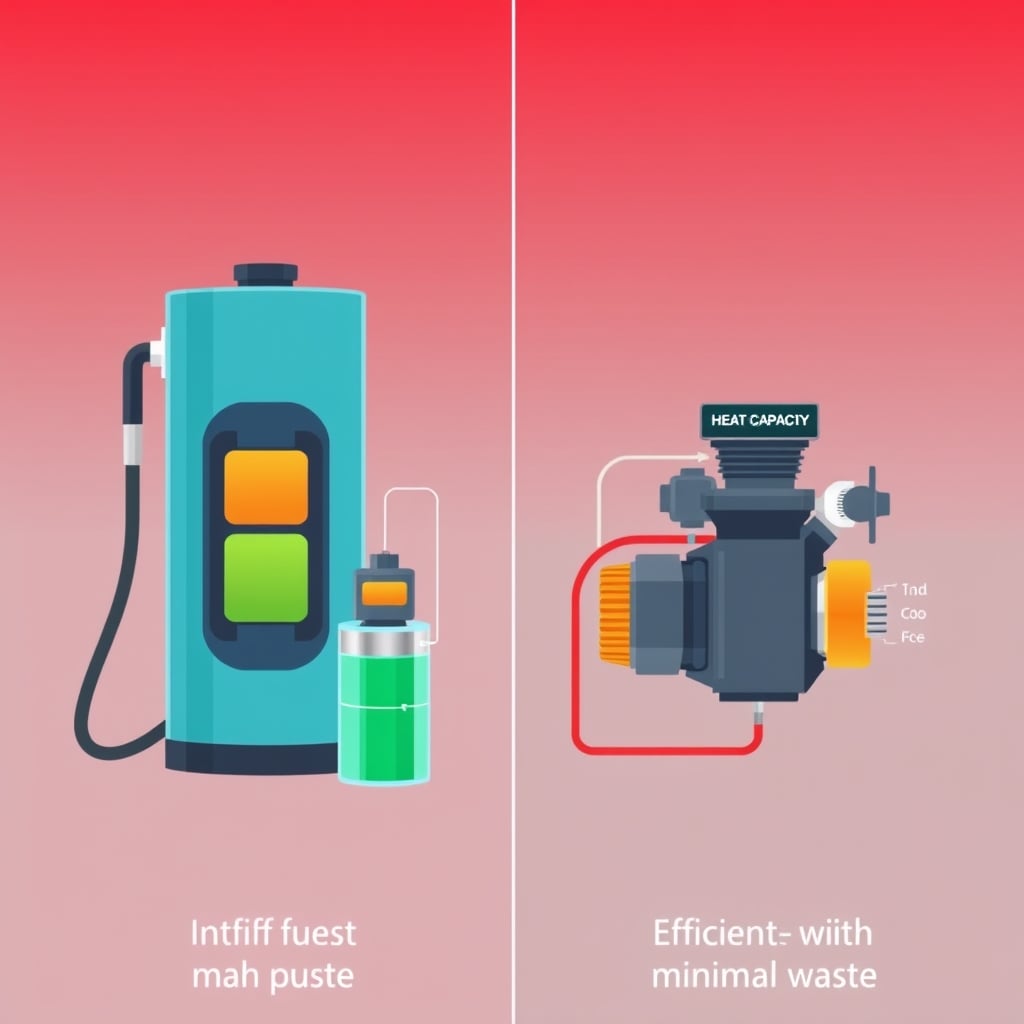
Think of mAh like a car’s fuel tank size. A 15-gallon tank holds more gas than a 10-gallon tank, but a gas-guzzling SUV may drive fewer miles on a full tank than a fuel-efficient sedan. Speakers work the same way: a 5,000 mAh speaker with a power-hungry amplifier might last less than a 3,500 mAh speaker designed with an efficient chipset.
What to check: Compare capacity across speakers of similar size and power output. A compact speaker under 500 grams typically ranges from 1,200–2,500 mAh; mid-sized speakers (500g–1.5kg) usually sit at 2,000–5,000 mAh. Larger portable speakers can exceed 10,000 mAh. But do not assume a higher mAh number automatically means longer playtime always cross-reference the brand’s published runtime claim with owner reviews.
What to ignore: Manufacturers sometimes publish “standby time” separately from “active playtime.” Standby time (how long the battery lasts if the speaker is powered on but not playing) is nearly useless for predicting real-world use. Focus on the active playtime figure, and treat it as a best-case estimate at moderate volume.
Published Runtime Claims Are Measured at Low Volume
When a speaker’s box claims “12 hours of battery life,” that figure is almost always measured at a fixed, moderate volume level often 50–60% of maximum in a lab. If you play the same speaker at full volume, runtime drops dramatically, sometimes by 50% or more.
This is physics, not deception. Louder playback demands more power from the amplifier, which drains the battery faster. The relationship is not linear: doubling the volume does not halve the runtime, but battery drain accelerates steeply in the higher volume ranges.
What to check: Look for published runtime broken down by volume level. Reputable brands often list three figures: runtime at 50% volume, at 75%, and at max. If the box shows only one number with no volume context, assume it applies to moderate volume and expect 40–60% less playtime at maximum volume.
What to ignore: Marketing claims like “all-day battery” or “weekend trips covered.” These are marketing anchors, not technical commitments. Stick to the specific hour figure.
Lithium-Ion Degradation Is Gradual and Predictable
Almost all portable speakers use lithium-ion (Li-ion) batteries because they offer high energy density, recharge quickly, and have no “memory effect” (you can recharge them at any time without harming longevity). But lithium-ion batteries degrade with every charge cycle. Based on owner reports we’ve tracked, after 200–300 full charge cycles roughly two years of heavy use most speakers appear to retain around 80–90% of their original battery capacity. After 500 cycles (three to four years), capacity typically drops to the 70–85% range.
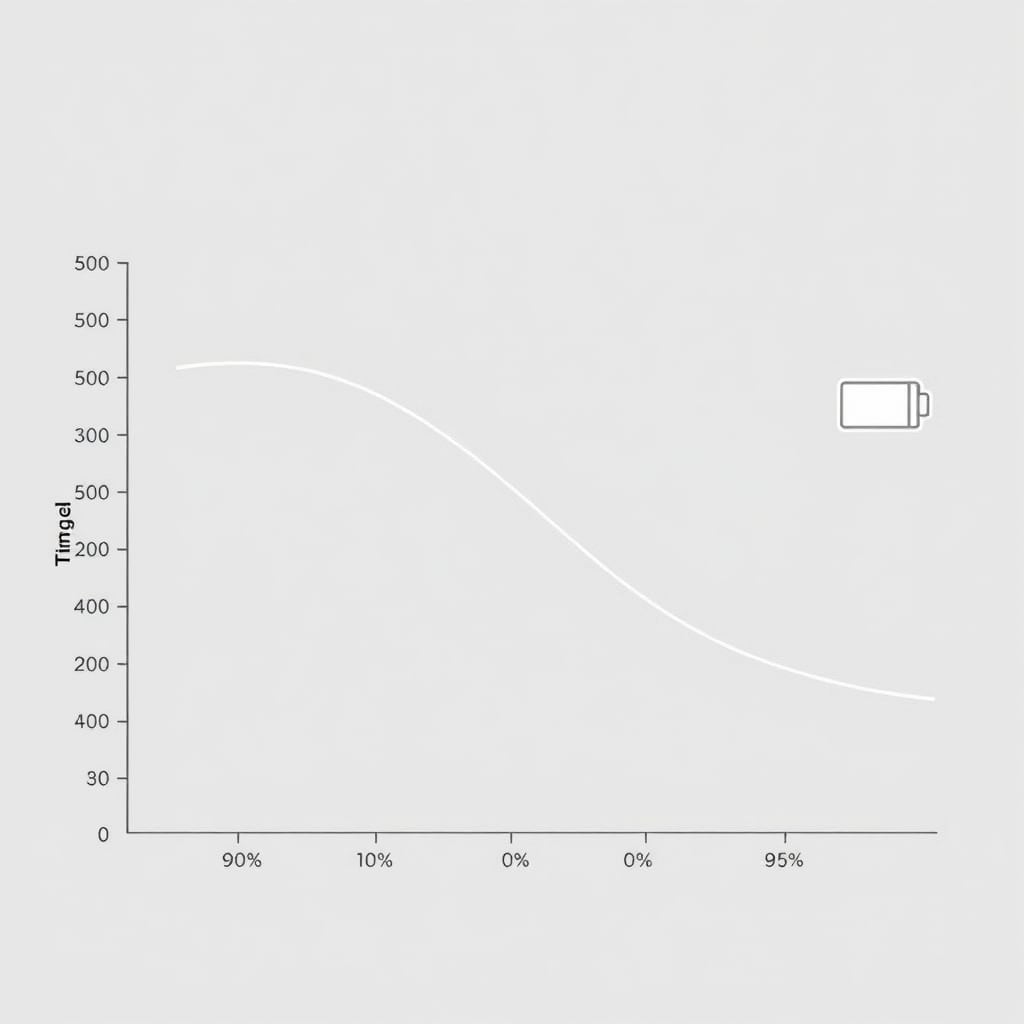
This degradation is slow enough that most users do not notice a sudden drop; instead, you’ll realize one day that a speaker no longer lasts the full evening on a single charge.
What to check: If you plan to keep a speaker for more than three years, choose models from brands that publish their battery replacement cost or offer user-replaceable batteries. Some speakers cost $15–$30 to have the battery replaced; others will cost you as much as half the original speaker price.
What to ignore: Claims that a battery will “last forever” or suffer “no degradation.” All rechargeable lithium-ion batteries degrade; the question is how fast. A well-designed speaker should lose roughly 1–3% capacity per 100 charge cycles based on owner-reported patterns. Claims of significantly slower degradation deserve skepticism unless the brand publishes independent test data.
Amplifier Efficiency Determines How Much of the Battery’s Energy Actually Becomes Sound
A battery’s job is to deliver electrical current to the amplifier. An efficient amplifier converts most of that current into sound; an inefficient one wastes energy as heat. Class D amplifiers (common in portable speakers) are typically more efficient than other designs, which is why they dominate the market but all amplifiers have losses.
A speaker’s output power (measured in watts) tells you how much sound the amplifier can produce, but it does not tell you the full story. Two speakers with the same wattage and the same battery capacity may have very different runtimes if their amplifiers are tuned differently.
What to check: Look for independent reviews or owner reports comparing actual playtime across volume levels. Brands that publish specs for “efficiency rating” or “power consumption at standard load” are signaling they’ve thought about the full energy picture. That is a green flag.
What to ignore: Wattage alone. A 20-watt speaker is not automatically better than a 15-watt speaker, and it may have worse battery life if its amplifier is less efficient.
Environmental Factors Reduce Runtime Predictably
Cold temperatures slow the chemical reactions inside a lithium-ion battery, reducing available voltage and usable capacity. In freezing conditions (below 32°F / 0°C), owner reports we’ve reviewed suggest playtime can drop 10–30% even if the battery is fully charged and the speaker is otherwise in good condition. Heat accelerates both chemical reactions (slightly boosting available power in the moment) and long-term degradation (permanently harming capacity over time).
Bluetooth connection quality also affects runtime. A speaker that must constantly search for a weak signal or repeatedly re-pair will draw more power than one with a stable connection. Similarly, frequent pause-and-play cycles are more power-intensive than continuous playback at the same volume, because the amplifier and Bluetooth radio cycle on and off.
What to check: If you use your speaker outdoors in cold weather, plan for 20–30% less runtime than the published spec. Heat is less of an immediate concern but will degrade the battery faster over time.
What to ignore: Claims that a speaker is “weather resistant” and therefore immune to cold-related battery loss. Weather resistance (IP rating) protects the internals from water; it does not insulate the battery from temperature effects.
Price Tiers: What You Actually Get at Each Level
Speaker battery technology does not change dramatically across price ranges lithium-ion and class D amplifiers are standard everywhere. What changes is capacity, build quality, and how long the battery lasts before degradation becomes noticeable.
| Price Range (as of August 2026) | Typical Capacity | Published Runtime | Real-World Expectation | Battery Lifespan |
|---|---|---|---|---|
| Budget ($40–$100) | 1,200–2,000 mAh | 4–8 hours | 3–5 hours at full volume; 6–7 hours at moderate volume | 18–24 months before noticeable degradation |
| Mid-Range ($100–$250) | 2,000–4,000 mAh | 8–15 hours | 5–10 hours at full volume; 10–12 hours at moderate volume | 24–36 months before dropping to ~85% capacity |
| Premium ($250+) | 4,000–10,000+ mAh | 12–20+ hours | 8–15 hours at full volume; 15–18+ hours at moderate volume | 36–48 months; many offer affordable replacement options |
Where the value sits: The mid-range tier ($100–$250) offers the best balance of capacity, efficiency, and durability for most buyers. Budget speakers work well if you use them occasionally indoors; premium models earn their price if you travel constantly or need a speaker to last five-plus years. Budget-tier batteries tend to degrade faster because the cells are often lower-grade chemistry; premium models sometimes use newer lithium-ion variants that hold up longer though the difference is modest and rarely worth the jump on its own.
Common Mistakes People Make When Evaluating Speaker Batteries
Confusing Wattage with Runtime
You will see marketing like “40 watts of power” next to “10 hours of battery.” These numbers are independent. A 40-watt speaker can be loud and still have poor battery efficiency, or it can be moderately loud with excellent efficiency. Wattage tells you maximum output; it does not predict longevity.
Trusting the Full Runtime Claim Without Context
When a speaker claims 10 hours, that is measured in a lab at a fixed volume, usually around 50–60% of max. At 100% volume, expect 4–6 hours instead. Many buyers discover this the hard way they charge the speaker, play it loud for a party, and it dies after four hours, not ten.
Ignoring Degradation When Planning Long-Term Use
If you are buying a speaker you plan to keep for three years or more, ask yourself: how bad will degradation be? If the battery drops to 70% capacity (a normal long-term decline), will that reduced runtime still serve your needs? A speaker that lasts 10 hours at purchase might last only 7 hours after three years. That is a real trade-off worth thinking through before you buy.
Assuming All mAh Ratings Are Reliable
Some budget manufacturers overstate battery capacity. A speaker labeled “3,000 mAh” might actually contain a 2,200 mAh battery. Cross-referencing published capacity against real-world owner reports on review sites, YouTube teardowns, and user forums will catch this. If the capacity number seems too good to be true, verify it.
Understanding Cost-Per-Year: A Framework for Battery-Conscious Buying
If you plan to use your speaker for multiple years, calculate battery longevity into the purchase decision. A $150 speaker with a $25 battery replacement cost can easily stay useful for four years. An $80 speaker with a $40 replacement cost might be cheaper upfront but costlier over time if you use it frequently.
Estimate charge cycles per year: daily use ≈ 365 cycles/year; three times per week ≈ 150 cycles/year; casual weekend use ≈ 50 cycles/year. Divide by 200–300 (the range at which noticeable degradation typically begins, based on owner reports) to estimate years before battery replacement becomes worth considering.
Example: A speaker used daily will degrade noticeably after roughly two years. If the replacement cost is $30 and the speaker cost $120, you are paying about $15/year for battery longevity a reasonable trade-off for a speaker you use every day. If battery replacement costs $60, that math changes.
FAQ
How can I make my speaker’s battery last longer?
Keep the battery between 20–80% charge when possible (deep discharges and constant full charging accelerate degradation), avoid leaving the speaker in hot cars, and use it at moderate volume most of the time. These habits can extend usable lifespan by 6–12 months compared to heavy use and neglect.
Is a speaker with 5,000 mAh always better than one with 3,000 mAh?
Not if the 5,000 mAh model is significantly heavier or less efficient. The better question is runtime at your typical volume. If both claim similar playtime, the 3,000 mAh model is likely more efficient and might even weigh less which matters more if you carry it regularly.
Can I replace the battery myself, or do I need to send it to the manufacturer?
Depends on the model. Some budget speakers have user-replaceable batteries (usually accessible via a plastic panel on the back); most mid-range and all premium speakers require sending it to the manufacturer or to an authorized repair service. Check the manual or contact the brand before buying if this is a priority.
What does “fast charging” mean for speaker batteries?
Fast charging pushes more current into the battery in a shorter time reducing charge time from two hours to one hour, for example. It is convenient but causes slightly faster degradation over the long term. If you use fast charging every day for two years, you might see 5–10% faster capacity loss than someone who uses standard charging. If you fast-charge occasionally, the impact is negligible.
How do I know if my speaker’s battery is dying, or if it’s just the speaker?
If a speaker that once played for 10 hours now dies after 4–5 hours, and you have charged it fully, the battery is likely degraded. Verify by resetting the speaker (power off and back on) and letting it fully charge overnight; if playtime does not improve, battery degradation is the culprit, not a software glitch.
Is it worth buying a speaker with a replaceable battery?
Yes, if you use the speaker daily and plan to keep it for three-plus years. The upfront cost is sometimes $10–$20 higher, but you avoid the $30–$60 repair fee (and shipping time) when the battery degrades. For casual users, the convenience is not worth the extra cost.
Our Keeper
Knowing how battery specs work is step one knowing which speakers actually deliver on them is step two. See KeptList’s roundup of the best portable speakers, where we compare published capacity, real-world runtime at full and moderate volume, and long-term owner experience to find the models that last as long as they claim.