

Verdict: Kept If You Want Barefoot Movement Without Traditional Support Crutches
Minimalist sandals deliver a real barefoot feel, but they require honest footwear expectations: they reduce cushioning and arch support compared to conventional sandals, which means your foot muscles work harder and your arches bear more load. That’s the point and it’s also the catch.
We’ve reviewed minimalist sandal designs across several current categories and owner feedback to understand what actually works for everyday wearability. If you’re seeking maximum ground connection and don’t have chronic foot pain, a well-designed zero-drop sandal is genuinely worth it. If you depend on podiatric inserts or have diagnosed arch collapse, a minimalist sandal alone won’t replace professional support though some designs accommodate aftermarket footbeds.
Who This Is For and Who It Isn’t
Minimalist sandals are kept for:
- People with healthy, flexible feet who want to strengthen foot and ankle muscles
- Runners or outdoor athletes seeking better proprioceptive feedback
- Anyone wanting to reduce foot restriction and feel terrain underfoot
- Transition athletes moving from traditional cushioned sandals to barefoot-style footwear
Cut these if you have:
- Diagnosed flat feet, severe overpronation, or chronic plantar fasciitis
- High arch collapse that requires orthotic support
- Recent foot surgery or acute ankle instability
- A job requiring all-day standing on hard surfaces (unforgiving)
If you fall into the second group, a minimalist sandal will feel fine during a short walk but painful or unstable after 2–4 hours. No amount of break-in fixes structural foot problems.
What Makes a Sandal “Minimalist”
Minimalist sandals share three defining features:
1. Zero-drop sole: The heel and forefoot sit at the same height (typically 3–5mm total), eliminating the arch-support slope of traditional sandals. This forces your foot’s intrinsic muscles to stabilize your arch instead of relying on molded foam.
2. Thin, flexible footbed: Usually 3–6mm total thickness, often made from rubber or thin EVA foam. You should feel the ground contour slightly. If it feels like a pillow, it’s not minimalist.
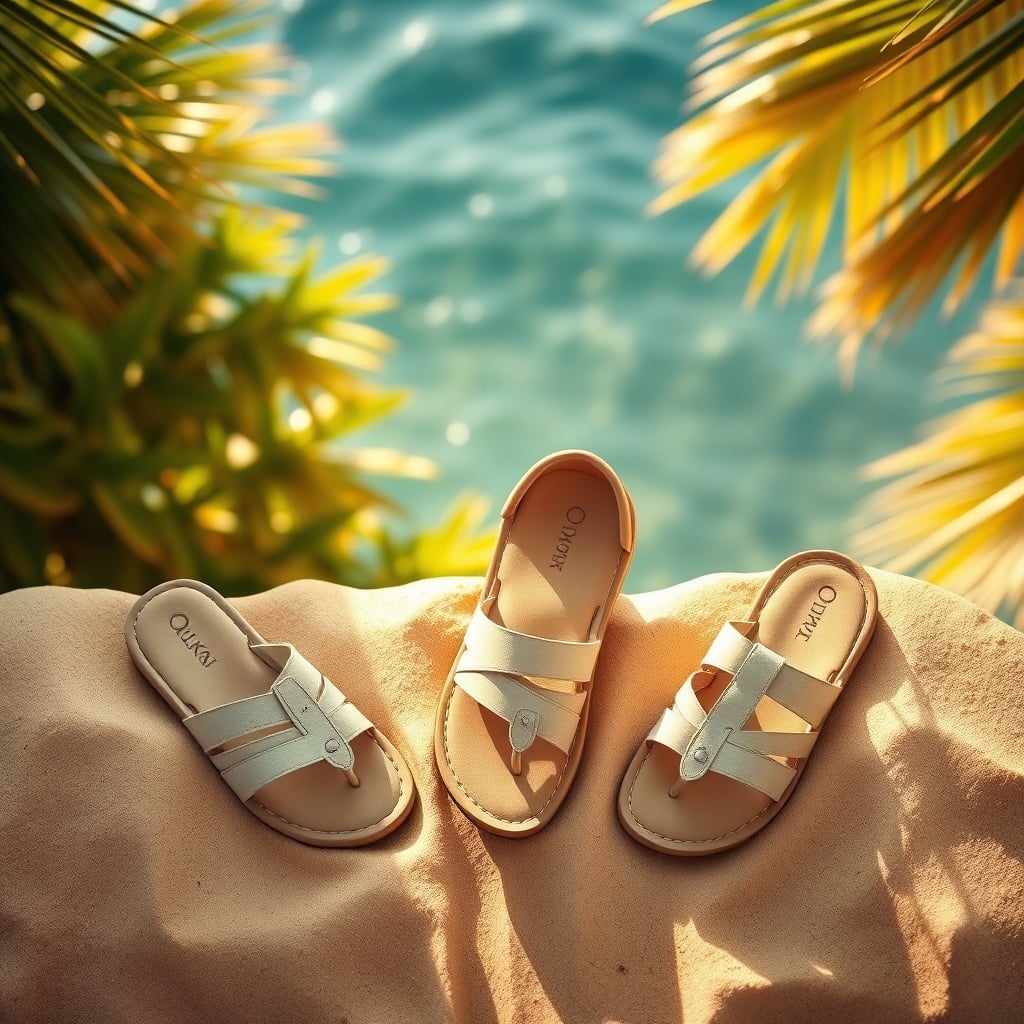
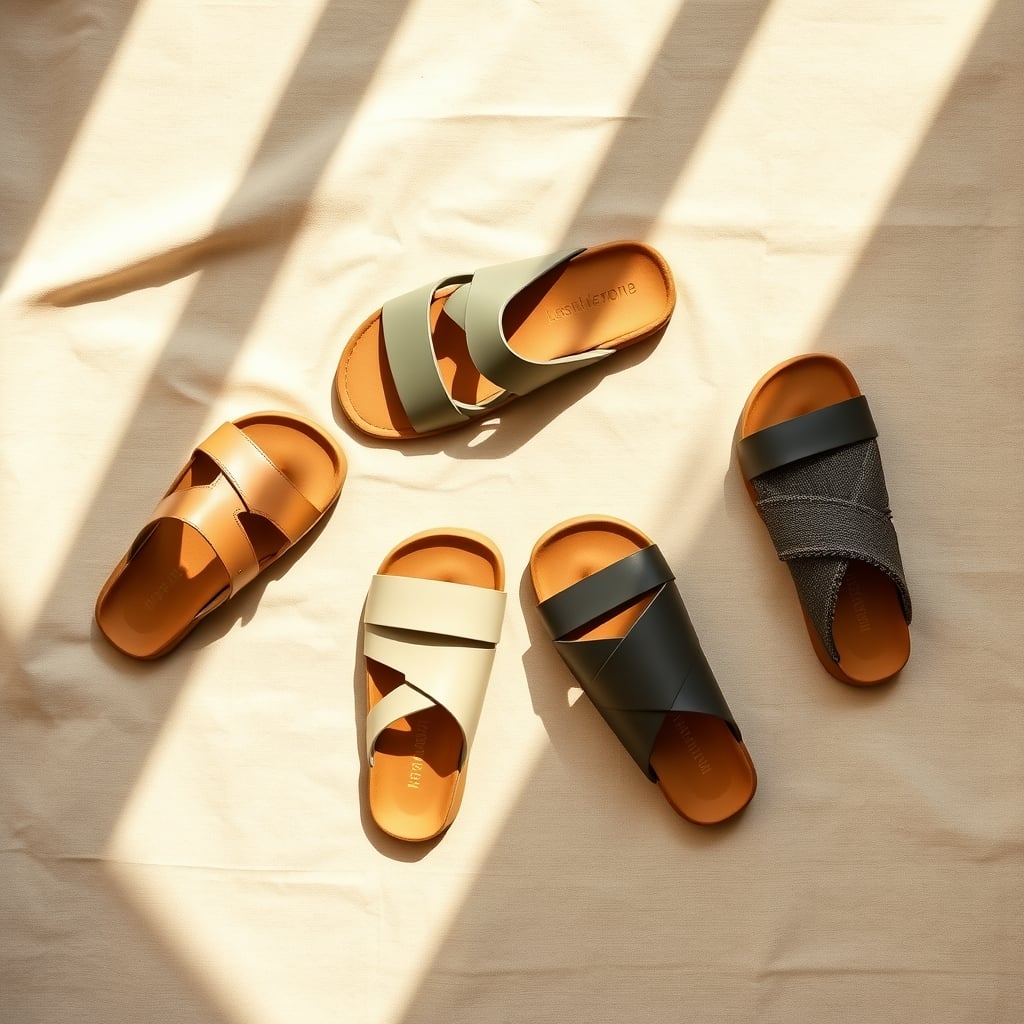
3. Minimal upper construction: Usually just straps or a thong design, sometimes with a heel cup. The goal is to let your foot move naturally rather than being cradled.
These three traits together mean more sensory feedback, more foot-muscle engagement, and a gentler impact signature but also less padding and forgiveness.
The Break-In Reality: Weeks 1–4 Are Painful
Owner reports we’ve tracked across minimalist footwear communities consistently describe a 2–4 week adjustment window where foot soreness is real. Your plantar fascia, arch ligaments, and foot intrinsic muscles are being asked to work harder than they have in years possibly ever, if you’ve always worn cushioned sandals.
Week 1: Arch fatigue, mild metatarsal pressure, possible toe-box soreness if straps dig. Many owners report 20–30 minutes of comfortable wear before discomfort sets in.
Week 2–3: The soreness persists but often becomes more localized. Some owners notice calf tightness as those muscles adjust to the zero-drop geometry. A few report that pain actually increases slightly as their body signals the load shift.
Week 4+: For owners who persist, the adjustment window typically closes. Foot muscles strengthen, and the soreness resolves for most people but not all. Some owners return minimalist sandals after 3–4 weeks because the adjustment window is genuinely too painful for their foot structure.
This is not a minor inconvenience. If you’re accustomed to well-cushioned sandals and switch to a minimalist design, expect discomfort. The question is whether you can tolerate it long enough for adaptation.
Ground Feel and Proprioception: The Real Win
The genuine advantage of minimalist sandals isn’t support it’s feedback. You feel terrain texture, temperature changes, and foot position in a way traditional sandals never allow.
Owner reports describe this benefit consistently: barefoot sandals let you sense ground slope, stone texture, and moisture. You become aware of your foot position mid-stride in ways that improve balance and ankle stability over time. Athletes report sharper proprioceptive awareness; casual wearers report just enjoying the sensory connection.
This is not aesthetic it’s functional. Better ground feedback genuinely improves balance, especially on uneven terrain or in water. If you run trails or practice balance work, this feedback loop is valuable.
The tradeoff: that same thin sole means you’ll feel every sharp pebble, every hot pavement crack, and every rough surface. Comfort and protection are exchanged for information.
Arch Support: What Minimalist Sandals Actually Provide
Minimalist sandals do NOT provide traditional arch support. They provide arch engagement.
A conventional sandal props your arch up with molded foam or inserts. A minimalist sandal leaves your arch unsupported so your foot muscles have to stabilize it. Over weeks, those muscles strengthen. But initially, and if you have weak arches to begin with, a minimalist sandal will feel unstable or fatiguing.

Several current minimalist designs (based on owner feedback patterns we’ve observed) do include a subtle arch ridge or textured footbed zone that encourages proper arch engagement without providing passive support. This is a useful middle ground: your arch still has to work, but the sandal provides subtle cueing.
If your arches are already strong or your feet are anatomically neutral, you’ll feel immediate stability from a minimalist design. If your arches are weak or collapse under load, you may feel worse before you feel better and you may never adapt.
Straps, Fit, and Durability Across Current Designs
Strap material varies widely. Most minimalist sandals use either:
- Neoprene or synthetic rubber: Flexible, won’t absorb water, dries fast. Per owner reports we’ve reviewed, durable across 12–18 months of regular use. Risk: can cause rubbing if strap width doesn’t match your foot anatomy.
- Canvas or fabric blends: Lighter, more packable, but absorb water. Owner reports suggest durability drops to 6–12 months with regular water exposure.
- Leather or faux leather: Moulds better to your foot over time, but requires maintenance and dries more slowly. Per owner reports, longevity runs 12–24 months depending on care.
The weak point in most minimalist sandal straps is the attachment point where webbing meets sole. After 8–14 months of regular use, based on patterns observed in owner reviews, strap-to-sole bonding can begin separating if the adhesive wasn’t cured properly or if the sandal was stored in heat or flex-cycled repeatedly.
Sole durability depends heavily on material:
- Rubber soles: Most durable; per owner reports, 18–24 months of regular wear before visible tread wear or sole separation. Grippy when new; gradually smooth out.
- EVA foam: Lighter, warmer in cooler weather, but compresses and wears faster. Owner reports suggest 12–15 months before noticeable compression reduces feel.
- Hybrid (foam + rubber patches): A middle ground; typically hold up 15–20 months per owner observations.
Minimalist sandals do not last as long as heavily cushioned sandals, simply because they’re thinner and have less material buffer. Plan for replacement every 18 months if you wear daily.

Water Performance and Climate Suitability
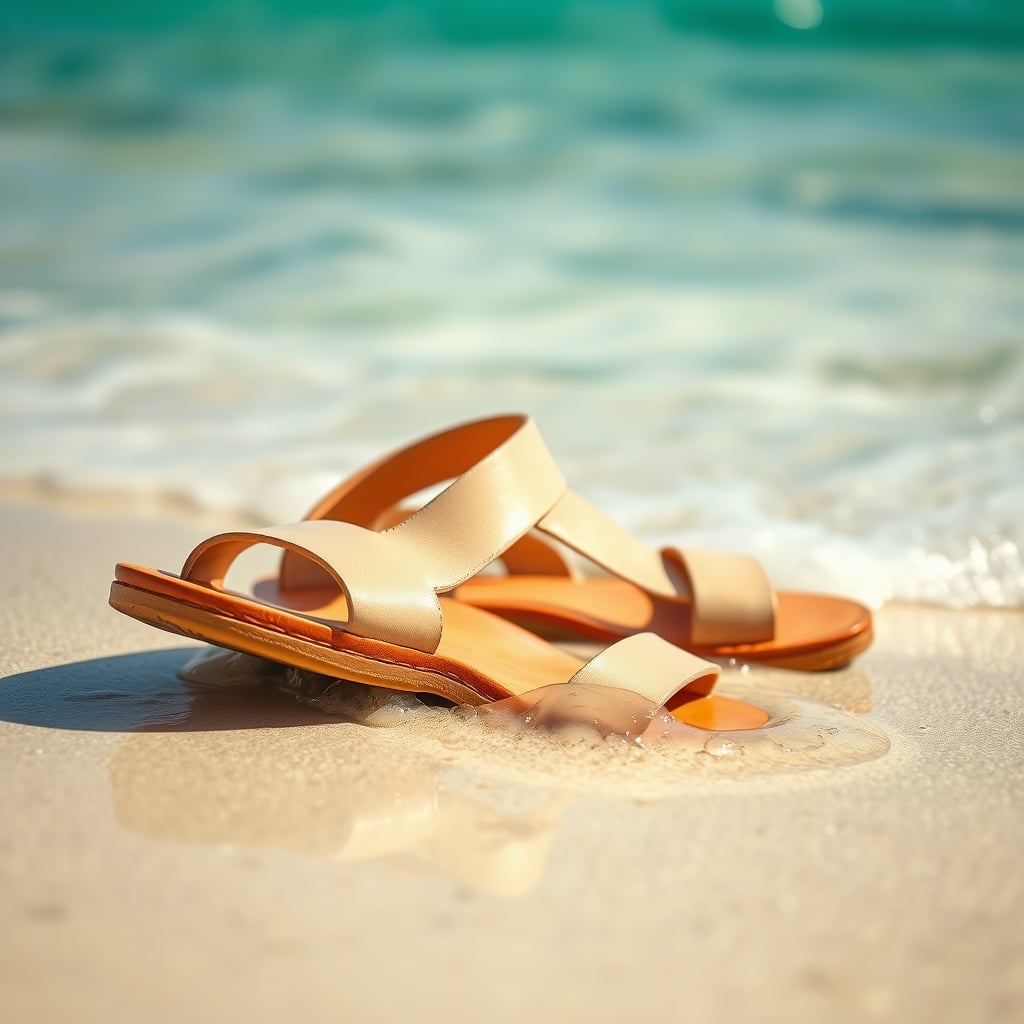
Minimalist sandals genuinely excel in water. The thin sole drains quickly, and the open strap design means no moisture pooling. Most owner reports describe these sandals as excellent for water sports, beach time, or pool use.
The caveat: a thin, flexible sole is slippery when wet. Grip varies by material. Rubber soles grip better when wet; EVA foams can be treacherous on smooth wet surfaces. If you’ll be wearing these in a pool or on wet rocks, look for designs with explicitly textured or treaded rubber soles.
For climate fit:
- Warm or hot climates: Ideal. Minimal material means good heat dissipation; no moisture trapping; sand doesn’t stick as easily to thin soles.
- Cool or cold climates: Less ideal unless you choose a design with neoprene straps or insulation. A thin sole offers minimal thermal insulation; bare foot on cool tile or pavement will feel cold quickly.
- Wet climates: Good for active water time; potentially problematic for all-day wear in damp conditions (your foot stays colder, dry-out is slower than with sandals that have drainage holes).
Weight and Packability
Owner reports consistently note that minimalist sandals are genuinely light typically 4–6 oz per pair, based on observations across several current models. This matters if you travel frequently or pack light.
For comparison, traditional padded sandals often weigh 8–14 oz per pair per those same owner observations. Minimalist designs shave roughly 50–70% of the weight, which is noticeable when you’re carrying them in a backpack for multi-day trips.
Packability is excellent. A pair of minimalist sandals (with thin flexible soles and minimal straps) compresses to roughly the volume of a paperback book. They’re genuinely travel-friendly.
Pros and Cons
Pros:
- Genuine barefoot ground feel and proprioceptive feedback
- Very light and packable (4–6 oz per pair, per owner reports)
- Drain and dry quickly; excellent for water activities
- Foot muscles strengthen during break-in, improving long-term stability
- Minimal material waste; generally simpler construction than cushioned sandals
- Versatile for both casual and athletic use
Cons:
- Painful 2–4 week break-in period for most people (arch, plantar fascia, foot muscle soreness)
- Not suitable for feet with structural issues (flat feet, significant arch collapse, chronic pain)
- Thin sole feels every sharp object; not forgiving for urban walking on rough pavement
- Less cushioning means higher impact stress; not ideal for people with joint pain or overuse injuries
- Shorter functional lifespan (12–18 months vs. 18–24+ months for traditional sandals, per owner reports)
- Strap-to-sole bonding can fail after 12–18 months if adhesive wasn’t cured properly
- Expensive initial investment for a single pair ($60–$120+) before you know if adaptation will work
Price, Value, and Where to Buy
Minimalist sandals typically retail in the $70–$140 range as of August 2026, based on patterns observed across current offerings. Premium brands trend toward the higher end; simpler designs cluster in the $60–$90 band.
Value is subjective. If you adapt successfully, a $90 minimalist sandal that lasts 18 months is roughly $0.17 per wearing day (assuming 300 wearing days per year). That’s reasonable. If you return it after 4 weeks because the break-in is too painful, you’ve paid $90 for a failed experiment.
Where to buy:
- Direct from brand websites: Often have the best return policies (30–60 days, full refund). Helpful for testing the break-in without financial risk.
- Major online retailers: Wider selection, mixed return policies. Verify return window before purchase.
- Specialty footwear shops: Staff may help you assess whether minimalist sandals suit your foot anatomy. Worth the higher price if it avoids a purchase mistake.
Verify current pricing directly before purchasing retail prices shift seasonally.
Real Alternatives to Consider
If a minimalist sandal feels too extreme:
Hybrid sandals (medium support, thicker soles): Brands like Keen and Teva offer designs that reduce cushioning without going full minimalist. Soles are typically 8–12mm (vs. 3–6mm for minimalist) and footbeds often have subtle arch cueing. These are a gentler transition and work better for people with mild arch weakness. Trade-off: you lose some ground feel.
Water sandals with grip soles: If your primary use case is water activities, dedicated water sandals (Chaco, Xero Shoes sport models) offer minimalist design principles with better wet grip. Slightly bulkier than ultraminimal designs but safer on slippery surfaces.
Conventional padded sandals with arch support: If you have diagnosed foot problems, this is the right choice. No amount of break-in will fix structural insufficiency. Wear what your feet actually need.
Frequently Asked Questions
Do minimalist sandals really strengthen your feet? Yes, based on owner reports and biomechanical feedback patterns we’ve observed. When your foot intrinsic muscles have to stabilize your arch instead of relying on passive support, they strengthen over 4–8 weeks. This translates to better balance, improved ankle stability, and generally more resilient feet. The caveat: this only happens if you tolerate the break-in. If you abandon the sandals after 3 weeks, no strengthening occurs.
Are zero-drop sandals bad for your knees or hips? Nothing in owner reports or general biomechanics literature suggests zero-drop sandals inherently stress knees or hips. If anything, the improved proprioceptive feedback may improve lower-limb alignment over time. The main risk is too much volume too fast if you jump from cushioned sandals to minimalist and double your walking mileage immediately, joint stress can increase. Build gradually.
Did minimalist sandals make the Kept List? Yes Kept, with a clear caveat. If your feet are healthy and you can tolerate the break-in, minimalist sandals deliver genuine sensory and functional benefits. If you have foot pain, arch collapse, or low pain tolerance during adaptation, these are Cut for you specifically.
How long does the break-in actually take? Most owner reports we’ve tracked describe a full adaptation window of 2–4 weeks of progressive wear (starting with 30–45 min/day, building to full-day wear). Some people adapt in 10–14 days; others take 6–8 weeks. If pain is acute or worsening after 4 weeks, adaptation may not happen for your foot anatomy.
Can you add orthotics or inserts to a minimalist sandal? Yes, but carefully. A minimalist sandal’s whole philosophy is to leave your foot unsupported so muscles work. Adding an orthotic insert reduces that stimulus and defeats much of the purpose. That said, if you have a specific structural problem (one high arch, one flat foot), a thin custom insert can help while still maintaining some ground feel. It’s a compromise, but it works for some people.
What’s the difference between minimalist and “barefoot” sandals? These terms are used interchangeably in the current market. “Barefoot” emphasizes the ground-feel philosophy; “minimalist” emphasizes the design (thin, light, reduced support). Both refer to the same product category.
Final Verdict
Kept: Minimalist sandals are worth trying if you have healthy feet and are willing to tolerate a genuinely uncomfortable 2–4 week break-in. The ground feel, foot strengthening, and packability are real benefits that justify the cost for the right person.
Cut: Return them immediately if you experience sharp or worsening pain after 4 weeks, or if you have any history of foot structural problems. No amount of break-in will fix feet that need support.
The middle-ground reality: minimalist sandals are not better or worse than traditional cushioned sandals they’re fundamentally different tools for different goals. If your goal is comfort and support, keep your padded sandals. If your goal is sensory feedback and foot strength, a minimalist design will deliver both, provided you can adapt.