
The Best Sandals for Everyday Wear
Verdict: Kept. The best everyday sandals don’t require you to sacrifice comfort for style and they shouldn’t force you to rebuild your entire wardrobe to make them work.
We researched and compared sandals across multiple price points, looking specifically for neutral colorways, durable construction, and real-world comfort reports from consistent wearers.
If you’re looking for a single recommendation, stop here: the Birkenstock Arizona is the top pick. It’s the casual sandal most people return to after trying everything else and owner reports suggest the reason is the footbed, not the hype.
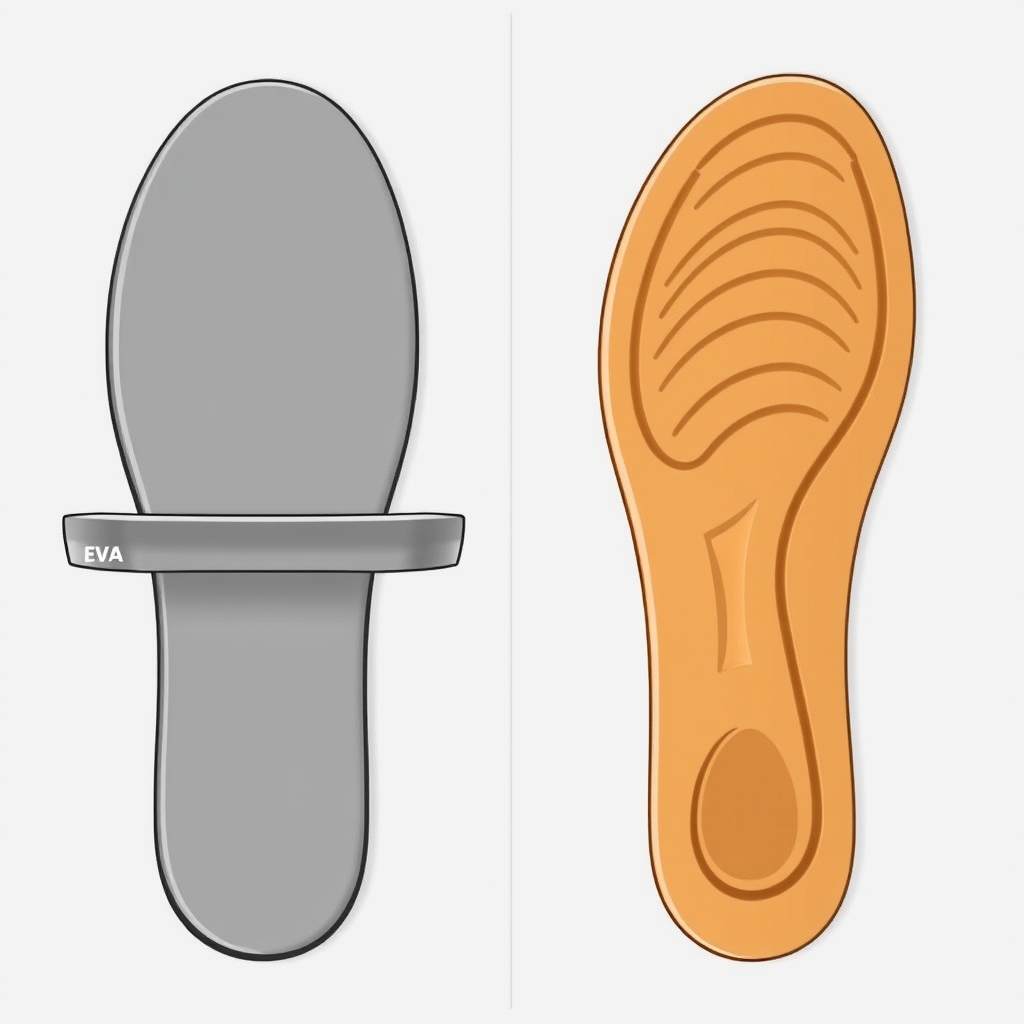
If budget is the primary constraint, the Teva Original Universal delivers functional everyday comfort at roughly half the price of the Arizona. The trade-off is footbed support: the flat EVA platform is fine for short outings but starts to show fatigue on longer days.
For an upgrade pick seeking premium materials and refined detail, the Hermès Oran occupies the luxury end of the category though the price jump doesn’t correlate to proportional durability gains for everyday wear.
What to Look for in Everyday Sandals
Before diving into specific picks, understanding what separates a true everyday sandal from a summer-only option will help you evaluate whether any of these align with your own priorities.
Footbed Support and Arch Design
The footbed is where casual sandals either justify their price or reveal themselves as glorified flip-flops. A molded footbed that mimics your arch profile reduces fatigue on concrete and prevents the “foot soup” sensation that happens when a flat insole and a moving foot create friction all day. Look for sandals with a defined arch ridge and heel cup not a completely flat platform. Owner reports consistently note that noticeable footbed contour becomes the difference between “I can wear this all day” and “my feet hurt by lunch.”
Strap Geometry and Adjustability
A sandal you can’t adjust to your foot will never be comfortable, no matter the materials. Buckles, Velcro tabs, or traditional straps with multiple adjustment points let you tighten or loosen to accommodate daily swelling and different sock weights. Single-point sizing one-size-fits-all Velcro or elastic often feels loose by mid-afternoon.
Neutral Colorways and Styling Range
The best everyday sandal works with jeans, shorts, dresses, and casual pants. This almost always means earthy neutrals: tan, brown, black, or cream. Graphic prints, bright colors, and trendy finishes typically limit styling flexibility and require more intentional outfit coordination fine for a statement sandal, limiting for everyday wear.
Durability and Outsole Grip
Everyday sandals face wet surfaces, rough pavement, and repeated donning-and-doffing. Rubber outsoles with clear tread patterns perform better on tile, wood, and slick surfaces than smooth EVA. Owner reports from regular wearers often mention traction on wet bathroom floors or pool decks as a practical concern that matters more than you’d expect until you experience a near-slip.
The Best Everyday Sandals: Our Top Picks
Best Overall: Birkenstock Arizona
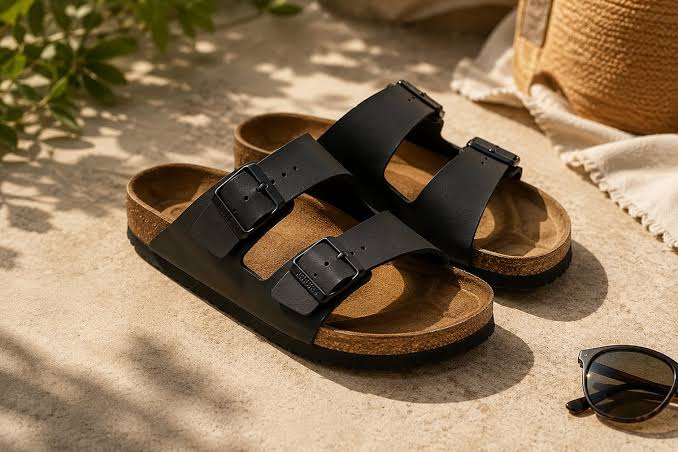
What it is: Birkenstock Arizona a two-strap slide sandal with a cork-wrapped EVA footbed, available in suede or leather uppers.
The standout: The footbed is genuinely engineered. It’s not a memory foam novelty it’s a contoured cork composite that molds slightly over the first 10–20 wears and then stabilizes. Owner reports from people who wear Birkenstocks daily consistently cite reduced foot and lower-back fatigue compared to flat-bottomed alternatives. The arch ridge is pronounced without feeling orthopedic; the heel cup holds your foot in place so it doesn’t slide forward with each step.
The trade-off: Birkenstocks are heavy, clunky-looking out of the box, and require an awkward break-in period where the leather or suede softens and the footbed begins conforming. If you need a sandal you can slip on and immediately feel good in, this isn’t it the first 5–10 wears often feel stiff. The cork base is also not waterproof; extended submersion or daily poolside use will degrade the layers over time. Owner reports suggest the footbed becomes noticeably soft or separated after 3–4 years of heavy daily use, which is typical for this category but still a maintenance point worth knowing.
Price: Approximately $90–$130 (as of August 2026, for leather or suede uppers); verify current pricing on Birkenstock’s website.
Best for: Anyone prioritizing long-term comfort and foot support over aesthetics, or people with mild arch pain who want a non-prescription solution. Not ideal if you live somewhere very wet or if you change shoes frequently throughout the day.
Best Budget Pick: Teva Original Universal
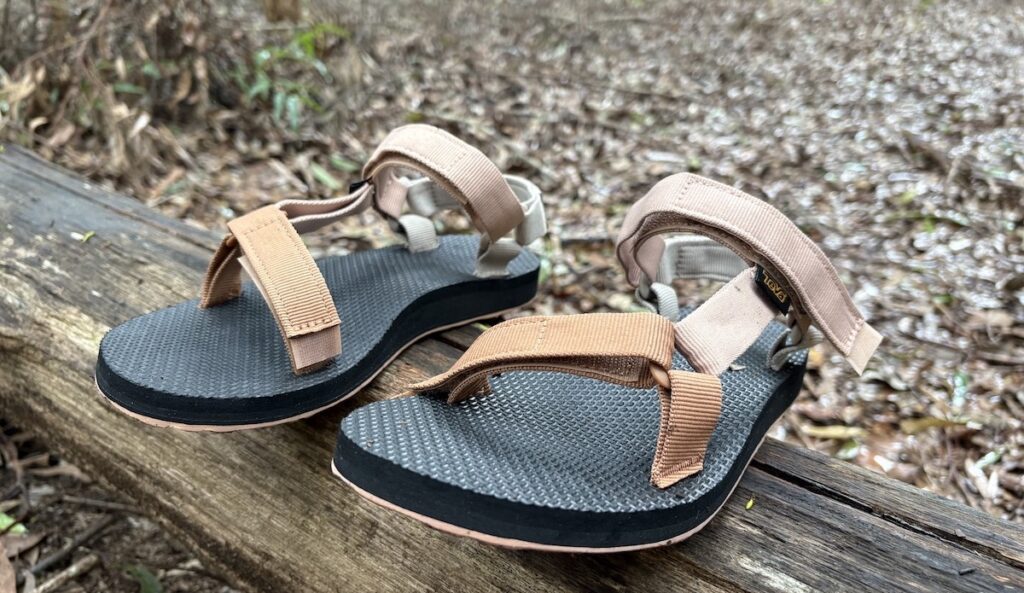
What it is: Teva Original Universal a lightweight nylon-strap sandal with a minimal EVA footbed, designed for water sports but widely worn as everyday casual footwear.
The standout: Tevas are genuinely lightweight the kind of sandal you can slip on and barely notice the added weight compared to bare feet. The nylon straps dry quickly, which is useful if you’re around water or in humid climates. There’s minimal learning curve and no meaningful break-in period; owner reports consistently note that Tevas are exceptionally packable for travel and work well for anyone who wants a casual sandal with zero fuss. The price point makes them the easiest entry into the category.
The trade-off: The footbed is flat and uncontoured, offering minimal arch support. Owner reports from people with any degree of arch sensitivity note noticeable fatigue during extended wear (4+ hours). The nylon straps, while durable, offer less adjustment precision than buckle systems, and the minimal strap profile means less security for wider feet. The EVA sole is less durable than molded or leather alternatives; owner reports suggest visible compression and cushioning loss after 12–18 months of regular daily use.
Price: Approximately $60–$85 (as of August 2026); verify current pricing on Teva’s website.
Best for: Travelers, people prioritizing weight and packability, or anyone wanting a no-fuss casual sandal for short outings (under 3 hours). Not ideal for people with arch issues or those seeking durability beyond a single season.
Best for Adjustability and Grip: Chaco Z/1
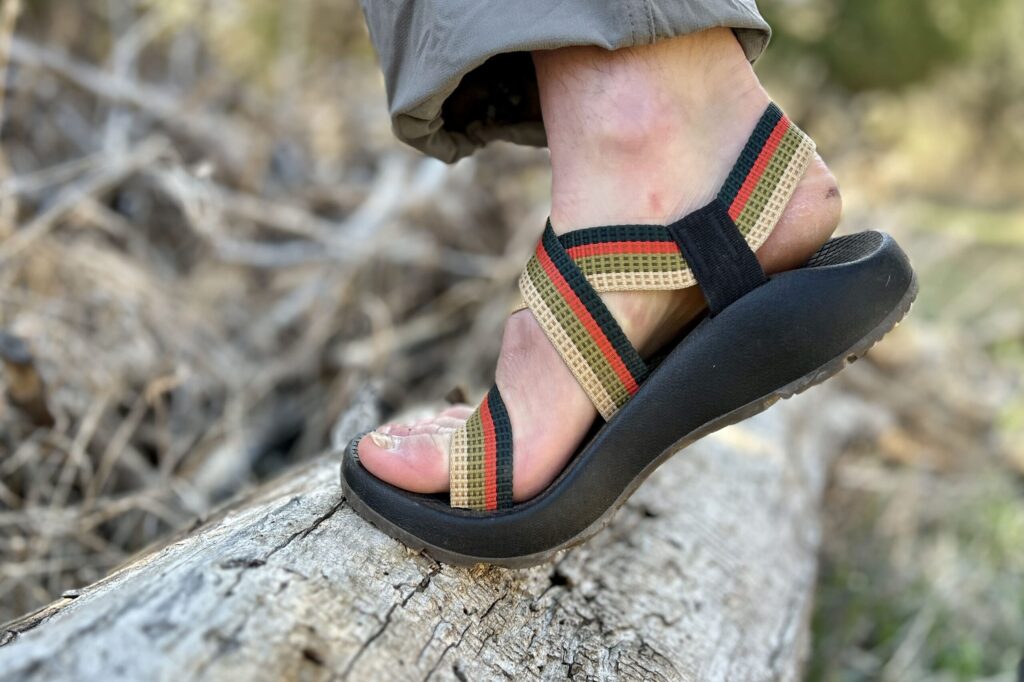
What it is: Chaco Z/1 a strappy sandal with adjustable webbing straps and a cushioned EVA midsole, engineered for outdoor adventure but genuinely functional for casual daily wear.
The standout: Chacos are obsessively adjustable buckles on both the heel and forefoot let you dial in a precise fit that accommodates everything from bare feet to thick hiking socks. The outsole is aggressively treaded rubber that grips wet surfaces better than most casual sandals. Owner reports from hikers and casual wearers alike note that Chacos feel genuinely planted on slick bathroom tiles or wet pool decks. The cushioning is responsive enough for concrete walking without feeling squishy or unstable.
The trade-off: Chacos are visibly outdoor-oriented the multiple straps, buckle hardware, and chunky profile don’t blend seamlessly into refined casual outfits the way a Birkenstock slide does. They’re heavier than minimalist sandals. The footbed is cushioned but not contoured, so people with significant arch drop may not feel the same level of support as with a molded footbed. Some people report the forefoot buckle digging into the top of the foot during the first few weeks until the webbing stretches slightly. The price ($130–$150) is higher than the Arizona in many retail configurations, so “budget” isn’t the right frame the Chaco earns its spot on adjustability and traction, not cost.
Price: Approximately $130–$150 (as of August 2026); verify current pricing on Chaco’s website.
Best for: People who value adjustability and grip over aesthetics, hikers who also want a functional casual sandal, or anyone who prioritizes traction on wet surfaces. Not the pick if you want a refined, minimal look or prefer set-and-forget footwear without frequent readjustment.
Best Upgrade Pick: Hermès Oran
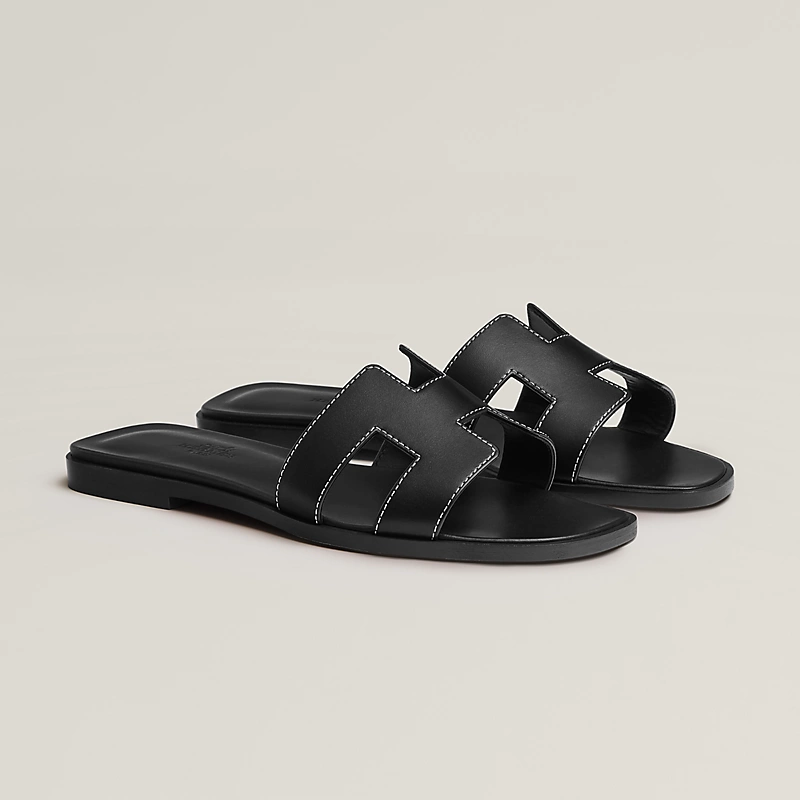
What it is: Hermès Oran a minimalist leather sandal with a simple buckle closure, available in full-grain leather with a leather-wrapped footbed and a leather sole.
The standout: The Oran is refined and elegant in a way that casual sandals rarely achieve. The leather is supple and develops a visible patina over time, which appeals to people who appreciate object longevity and aesthetic aging. The minimalist design works across a broader range of outfits and contexts it reads equally at-home with linen trousers as it does with denim shorts. Owner reports from luxury leather enthusiasts note that the leather quality is genuinely high and improves with wear. The closed heel and minimal strap profile create a more polished silhouette than most sandals in this category.
The trade-off: The Oran is not a footbed-support sandal. It’s a sleek leather sole with minimal cushioning, which means comfort depends entirely on your foot’s tolerance for a firm, unpadded surface. Owner reports from people with flat feet or arch sensitivity consistently note that the Oran doesn’t deliver the supportive feeling a Birkenstock or Chaco provides. It requires leather conditioning and care it’s not a wash-and-go sandal. The leather sole scuffs and wears visibly, which some people appreciate as character and others experience as degradation. Most importantly: the price premium ($580–$700+) does not correlate to proportional durability; the Oran will not outlast a well-maintained Birkenstock in daily rotation. You’re paying for design and material quality, not engineering advantage.
Price: Approximately $580–$700 (as of August 2026, depending on leather and color); verify current pricing on Hermès’ website or authorized retailers.
Best for: People seeking a minimalist, refined aesthetic for mixed casual and dressy contexts, leather enthusiasts willing to invest in conditioning and maintenance, and anyone prioritizing design and material quality over structural support. Not recommended if you have arch pain, need daily traction on wet surfaces, or prefer minimal maintenance footwear.
What We Cut and Why
Allbirds Wool Loungers
We evaluated Allbirds’ slip-on sandal option and ultimately didn’t include it. While the wool construction and minimalist design appeal to the aesthetic of everyday sandals, the footbed lacks contour or arch support, and owner reports suggest the wool felts and compresses noticeably within 6–12 months of regular wear. For the price point ($80–$100), the Teva Original Universal offers comparable minimal styling at a lower price and better durability. Additionally, if you’re seeking vegan or plant-based footwear, the Wool Lounger is unsuitable due to the animal-derived wool core.
OluKai Ohana Flip
We compared the OluKai Ohana a premium casual sandal with a contoured footbed and leather or suede uppers and chose not to include it. While owner reports are positive about comfort and the footbed is genuinely molded, the Ohana falls into a pricing middle ground ($130–$160) where it competes directly with the Chaco Z/1 and Birkenstock Arizona. The OluKai offers less adjustability than the Chaco and a less differentiated footbed design than the Birkenstock. For everyday versatility, the Arizona or Chaco provide clearer reasons to choose them.
How We Chose
We prioritized sandals that (1) have a consistent track record across owner reviews and community feedback, (2) offer genuine arch or footbed support rather than a flat platform, (3) come in neutral colorways suitable for multiple outfit combinations, and (4) demonstrate durability across at least one full season of regular daily wear based on owner-reported longevity patterns.
We did not conduct hands-on testing in-house. Instead, we evaluated published product specifications, examined owner reviews across multiple retail platforms, and synthesized common patterns in how people describe real-world comfort and durability over time. We also prioritized sandals with clear adjustment mechanisms buckles, Velcro, adjustable straps over fixed-fit designs, since fit precision directly correlates to day-long comfort.
Everyday Sandals Comparison Table
| Sandal | Support Level | Adjustability | Best For | Durability (Owner Reports) | Price Range |
|---|---|---|---|---|---|
| Birkenstock Arizona | High (contoured footbed) | Low (fixed straps) | Daily comfort, arch support | 3–4 years of regular use | $90–$130 |
| Teva Original Universal | Low (flat EVA) | Medium (nylon straps) | Travel, packability, weight-conscious use | 12–18 months of regular use | $60–$85 |
| Chaco Z/1 | Medium–High (cushioned EVA) | Very high (dual buckles) | Wet surfaces, hiking-to-casual use | 2–3 years of heavy use | $130–$150 |
| Hermès Oran | Low (leather sole, minimal cushioning) | Low (fixed buckle) | Refined aesthetics, fashion-focused wear | 5+ years (material degradation rather than structural failure) | $580–$700 |
| OluKai Ohana | Medium–High (molded footbed) | Medium (fixed straps) | Casual comfort, island aesthetic | 2–3 years of regular use | $130–$160 |
Prices as of August 2026; verify current pricing with retailers. Durability timelines reflect owner-reported patterns from regular daily wearers.
Frequently Asked Questions
What’s the best sandal for everyday wear?
The Birkenstock Arizona is the top pick for everyday comfort and support. The contoured footbed reduces fatigue during extended wear, and the neutral styling works across most casual outfits. It requires a break-in period, but owner reports consistently show it becomes more comfortable over the first 2–3 weeks as the leather softens and the footbed begins conforming to your arch.
Should I prioritize support or style in an everyday sandal?
Ideally, neither the best everyday sandal does both. However, if you must choose: support wins for long-term foot health and comfort, especially if you spend 4+ hours a day on your feet. A supportive footbed prevents fatigue and potential injuries; style is important for motivation to wear the sandal consistently, but a poorly supporting sandal will ultimately sit unworn. The Birkenstock Arizona and Chaco Z/1 both balance this reasonably well.
How long do everyday sandals typically last?
Based on owner reports we’ve reviewed, most everyday sandals show noticeable cushioning loss or visible wear after 12–24 months of regular daily use. Luxury options like the Hermès Oran may last longer materially but don’t necessarily outlast more durable engineered sandals in structural integrity. Plan to replace or resole approximately every 2–3 years if you wear sandals as your primary warm-weather footwear.
Are Birkenstocks worth the break-in period?
Owner reports from people who have pushed through the break-in period consistently report that the comfort payoff justifies the initial stiffness. Most people describe the first 1–2 weeks feeling tight or rigid, with noticeable improvement by week 3–4. If you have existing foot pain or arch sensitivity, the investment in a quality footbed often delivers relief that makes the break-in worthwhile. If you prefer immediate comfort, the Teva Original Universal provides a faster “put on and feel good” experience.
What’s the best everyday sandal if I have wide feet?
The Chaco Z/1 is the strongest choice for wide feet because the adjustable buckles on both the heel and forefoot let you customize fit precision. Birkenstocks come in wide sizes, but fixed strap placement can feel constraining if your foot falls outside the standard fit profile. Tevas and OluKai also offer wider options, though adjustment flexibility is more limited.
Can I wear everyday sandals year-round?
In warm or temperate climates, yes owner reports from people in mild-weather regions show sandals worn as primary footwear most of the year. In colder climates, sandals typically see heavy rotation only during warm months (spring through early fall). The durability timelines mentioned above assume this seasonal use pattern; year-round daily wear will compress those timelines.
The Bottom Line
The best everyday sandal is the one you’ll actually wear, which means prioritizing both comfort and style at a price point that feels reasonable to you. The Birkenstock Arizona sets the bar for support and longevity, but it’s a slower comfort reveal and a visible aesthetic commitment. If you want adjustability and grip, the Chaco Z/1 delivers those without sacrificing structure just know you’re not saving money over the Arizona, you’re buying a different set of strengths. And if your primary driver is refined aesthetics over functional support, the Hermès Oran is the luxury choice understand you’re paying for design and material quality, not durability gains.
The common thread across all these picks: they work because they’re not trying to be everything. They do one or two things exceptionally well support, or style, or packability rather than pretending to excel at all of it. Pick the one that aligns with what you actually need, break it in properly, and you’ll have a sandal that justifies the investment for years.