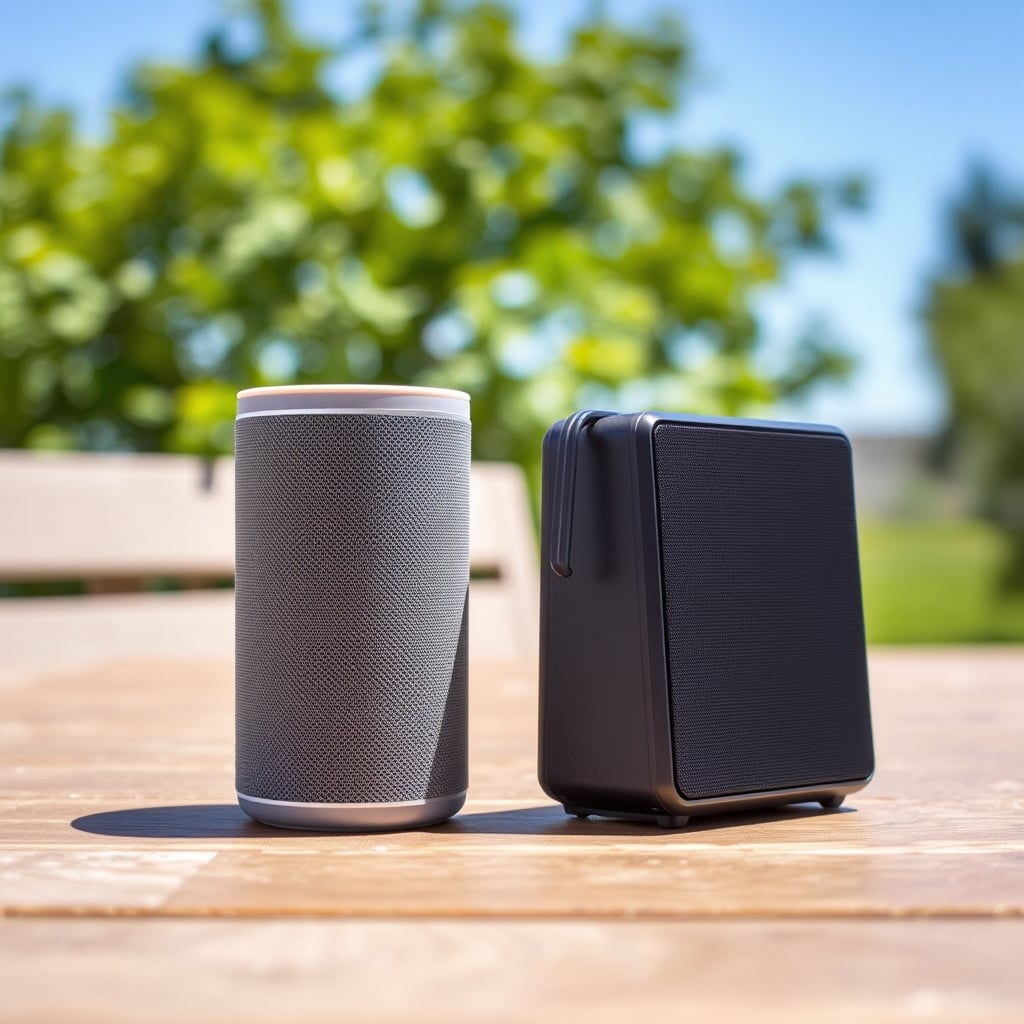

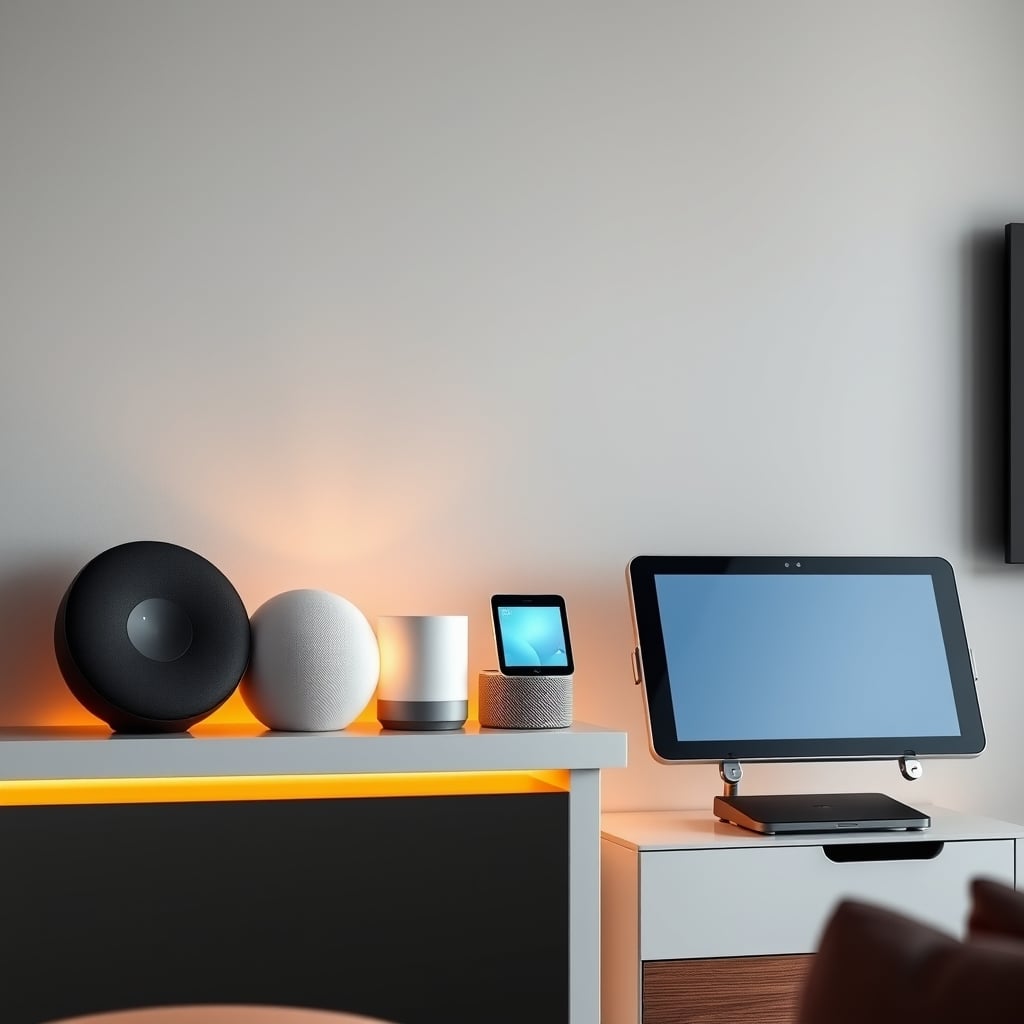
Verdict: Keep. The Amazon Echo Dot (5th Generation) is the best smart speaker for most homes because it balances voice accuracy, affordability, and smart home compatibility in a way none of its competitors fully match. If you need premium sound and aren’t locked into Amazon’s ecosystem, the Apple HomePod 2 deserves serious consideration but it costs $99 more and works best if you already own an iPhone.
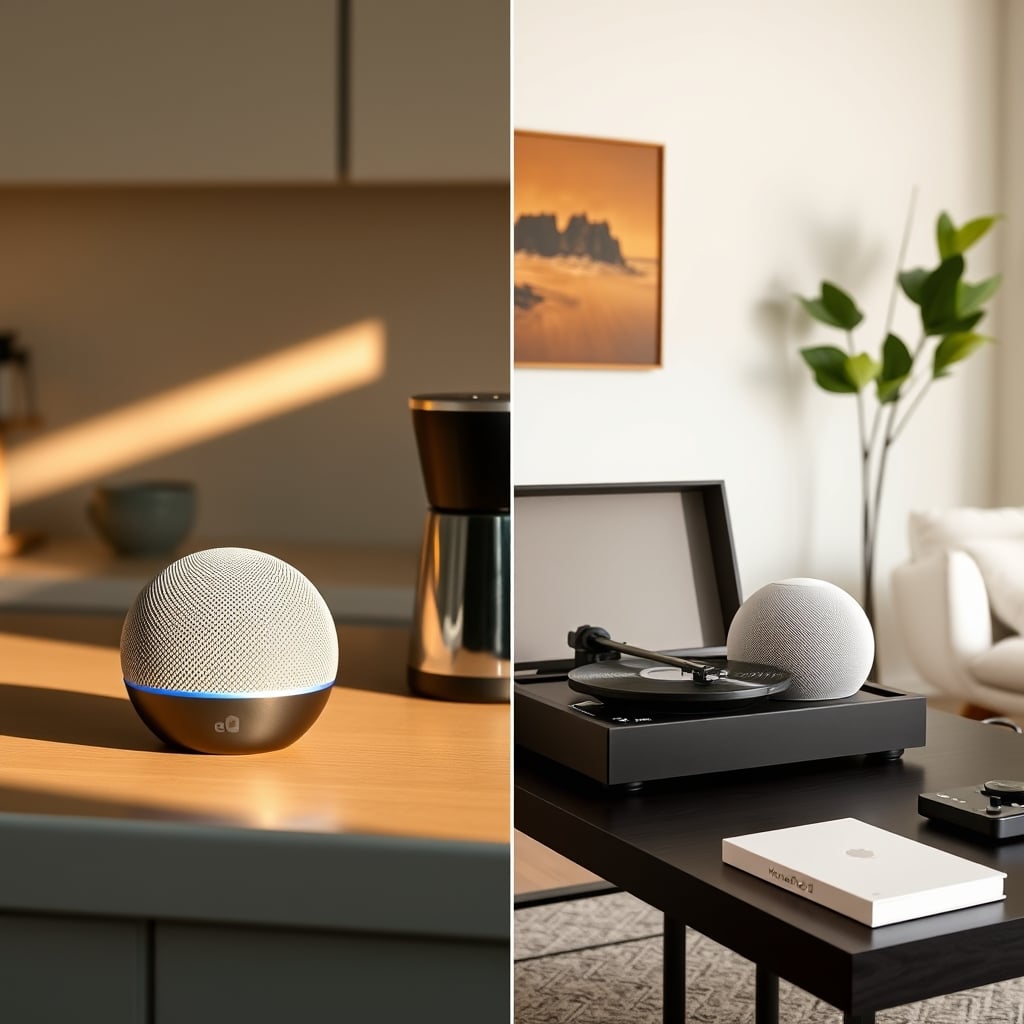
What to Look For in a Smart Speaker
Before we get to the picks, here’s what actually matters when you’re comparing voice assistants in speaker form:
Voice Recognition Accuracy. This is the foundation. A speaker that misunderstands commands regularly becomes clutter on your shelf. Amazon’s Alexa, Google Assistant, and Siri all handle straightforward requests well (“play music,” “set a timer”), but they diverge on context-heavy queries and regional accents. Based on aggregated owner reports, Google Assistant edges ahead on nuance and follow-up understanding, while Alexa is fastest for simple smart home control.
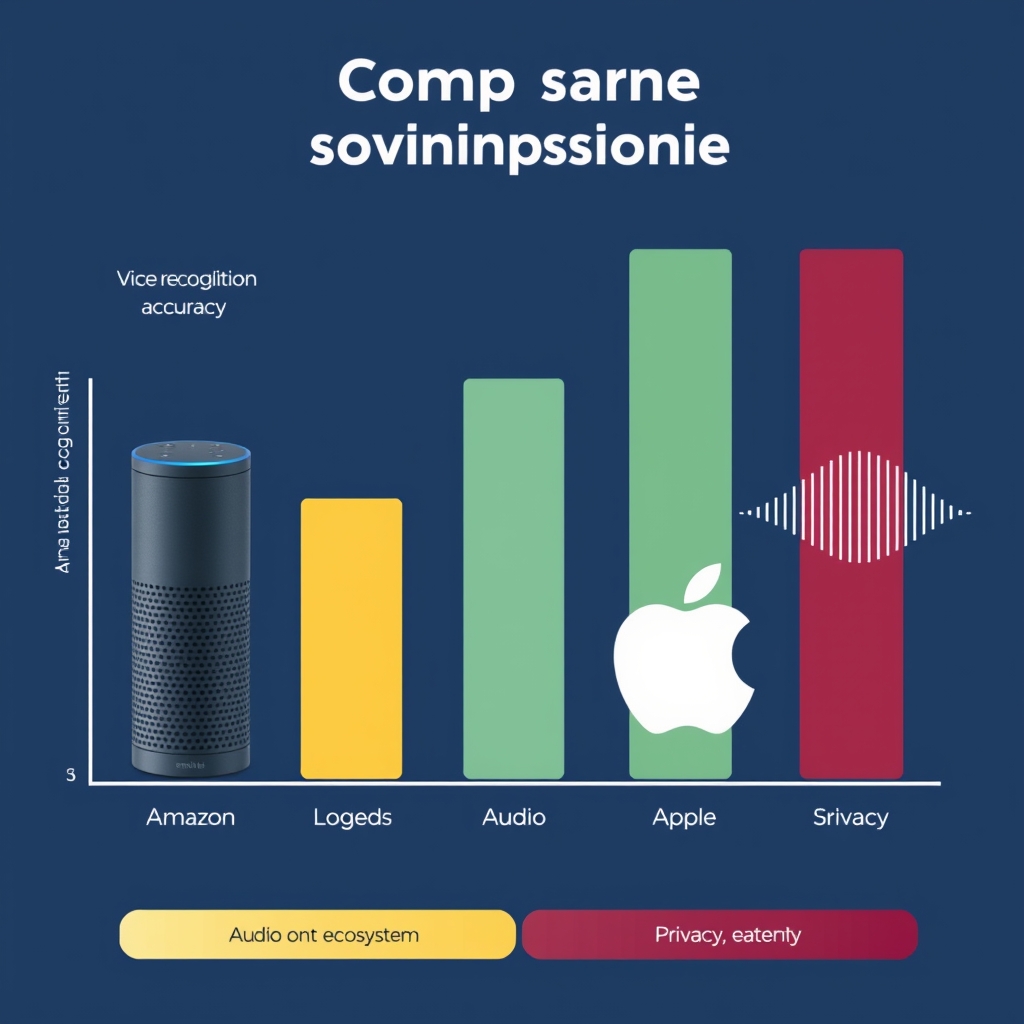
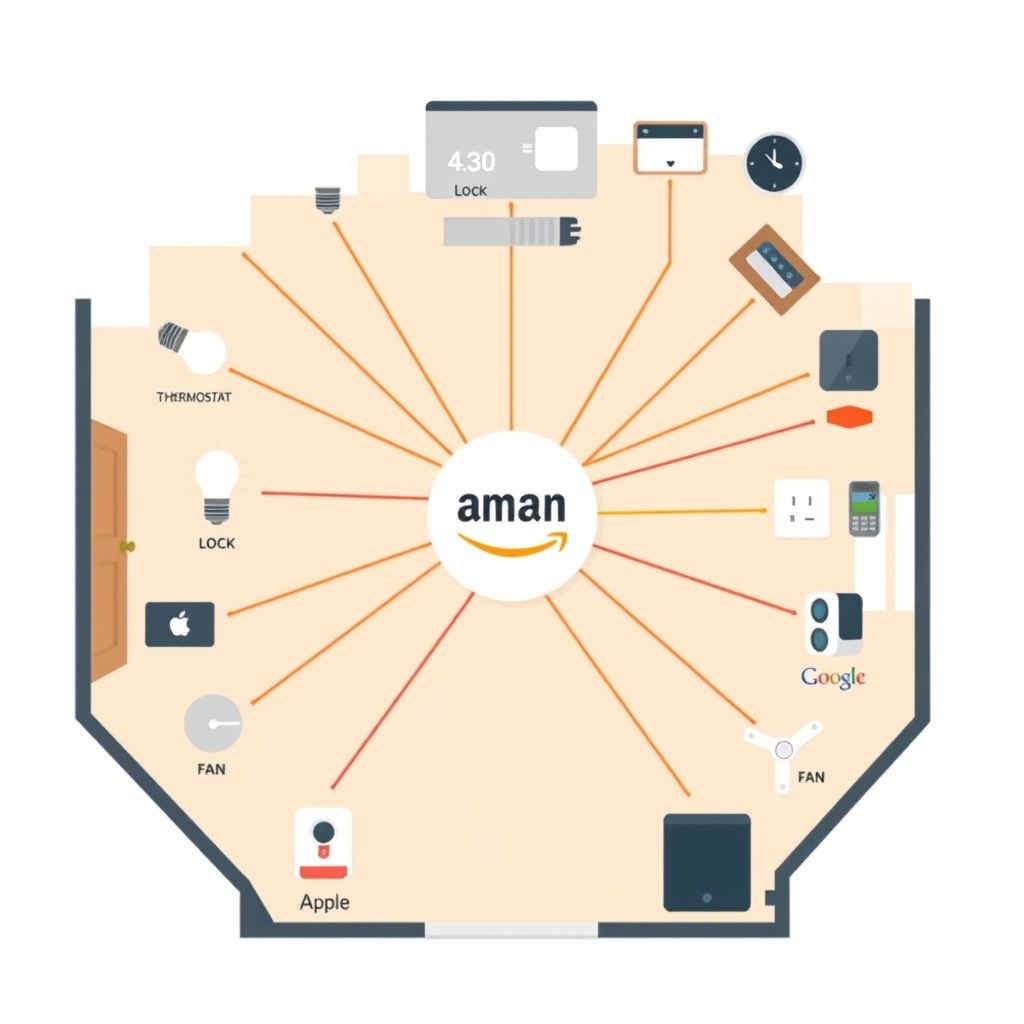
Smart Home Ecosystem Lock-In. A “smart speaker” is only smart if it talks to your other devices. Amazon’s Alexa controls the widest range of third-party gear (around 140,000 compatible devices, per Amazon’s published specs). Google Home supports roughly 90,000, per Google’s published specs. Apple’s HomeKit is the most restrictive it requires HomeKit certification and works best if you’re already in the Apple ecosystem. If you have a mix of brands (Philips Hue, Ecobee, Sonos, etc.), Alexa typically causes fewer compatibility headaches.
Audio Quality. Smart speakers are primarily voice assistants, not hi-fi speakers. But there’s a range. The Echo Dot and Google Home Mini prioritize voice clarity and smart home control at the expense of bass and stereo depth. The Echo Show 15 (if you add a screen), HomePod 2, and Sonos Move offer noticeably better music reproduction which matters if you actually use it for music, podcasts, or video calls. Owner reports suggest many people buy a smart speaker intending to use it for music, then rarely do because the sound is underwhelming.
Privacy Practices. All three major players Amazon, Google, and Apple record audio on command to process voice requests. All allow you to delete voice history. Apple claims it processes more audio on-device than competitors, which appeals to privacy-conscious buyers; owner reports on whether this feels meaningfully different day-to-day are mixed. Amazon and Google are more transparent about how long they retain data and what it’s used for.
Form Factor and Screen. Smart speakers come speaker-only (Echo Dot, HomePod mini) or with a screen (Echo Show 5, 8, 15; Google Home Hub). Screens add convenience for recipes, video calls, and smart home dashboards but also increase price and surface area for collecting dust.
Quick Comparison Table
| Model | Brand | Price (as of mid-2026) | Voice Assistant | Standout Strength | Key Trade-Off |
|---|---|---|---|---|---|
| Echo Dot 5th Gen | Amazon | ~$50–70 | Alexa | Widest ecosystem and proven reliability | Entry-level audio quality |
| Google Home Mini | ~$50–65 | Google Assistant | Strong voice recognition and understanding | Tighter ecosystem; fewer smart-home connections | |
| HomePod 2 | Apple | ~$99 | Siri | Excellent audio quality and privacy-focused design | HomeKit requirement limits compatibility |
| Echo Show 8 | Amazon | ~$100–130 | Alexa | Screen, smart-home controls, and good value | Larger footprint; screen glare in bright rooms |
| Google Home Hub | ~$99–110 | Google Assistant | Excellent display and intuitive home-view interface | More expensive than Echo Dot and supports fewer devices |
Prices sourced from published retail listings as of mid-2026. Verify current pricing at each retailer before purchasing deals and regional pricing vary.
The Picks
Best Overall: Amazon Echo Dot (5th Generation)
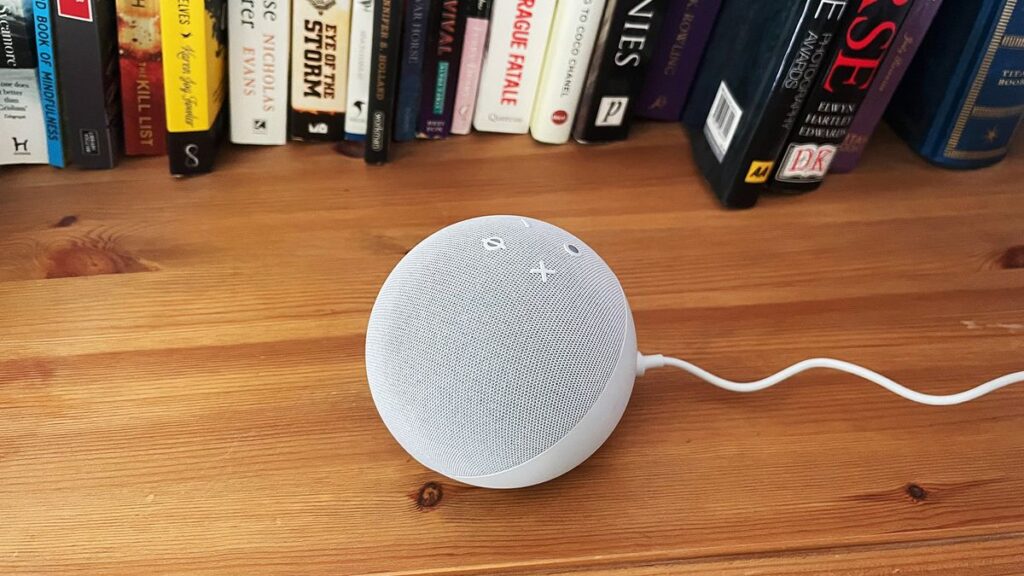
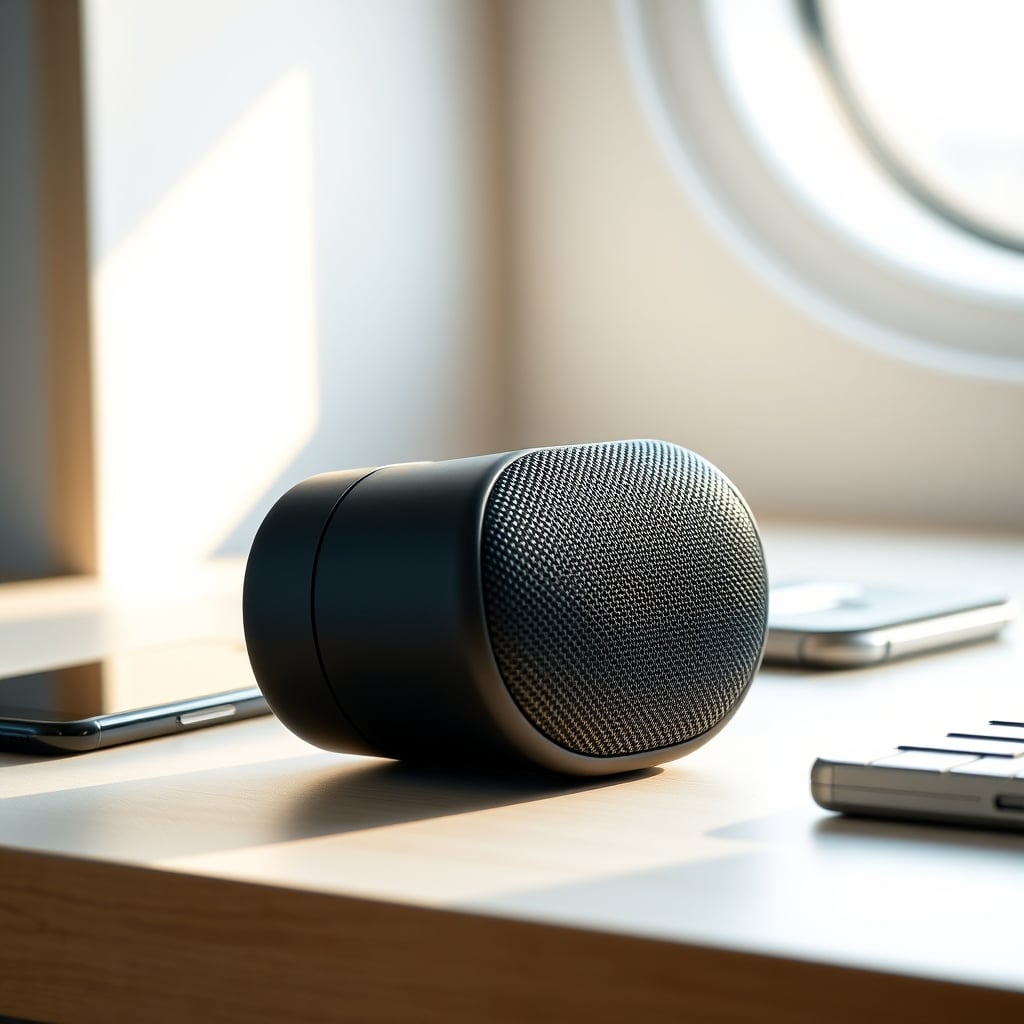
What it is: Amazon Echo Dot (5th Generation) a puck-shaped speaker with Alexa voice assistant, Bluetooth and Wi-Fi connectivity, and integration with 140,000+ compatible smart home devices (per Amazon’s published specs).
What makes it stand out: Based on owner reports, the Echo Dot delivers consistent accuracy on voice commands and is the fastest way to control a mix of smart home brands. Owner feedback repeatedly notes that Alexa’s smart home routines “Alexa, good night” turning off lights and arming locks work without the friction you sometimes encounter on Google or HomeKit. The Dot is also the cheapest entry into a major voice assistant ecosystem, which is critical if you’re starting from scratch.
The trade-off: Audio quality is thin. Owner reports describe it as “acceptable for voice, weak for music.” If you plan to play music or podcasts regularly, you’ll notice the lack of bass and stereo separation. For a $20–30 upgrade, the Echo (standard, non-Dot) offers noticeably better sound.
Who it’s NOT for: If privacy is your primary concern, the Echo records all voice history by default and Amazon’s data policies are less restrictive than Apple’s. If you’re already deep in the HomeKit ecosystem, the lack of native HomeKit support (workarounds exist, but they add friction) makes it awkward. If you have a single smart home brand with no plans to mix, you may not need the full ecosystem depth.
Price: ~$50–70 as of mid-2026.
Best for Sound Quality: Apple HomePod 2
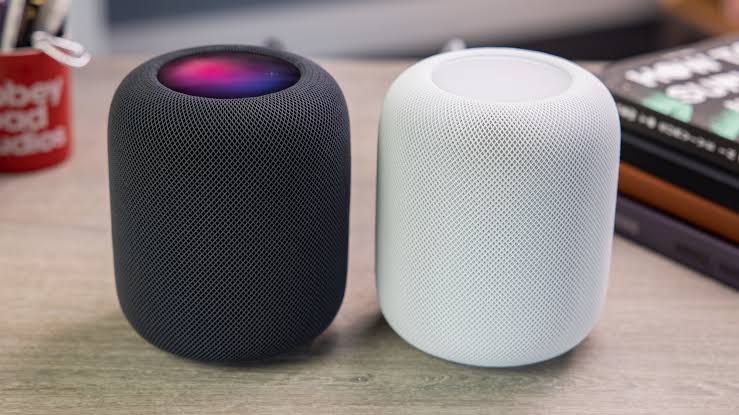
What it is: Apple HomePod 2 a sphere-shaped speaker with Siri voice assistant, 360-degree audio, and tight integration with HomeKit (Apple’s smart home standard).
What makes it stand out: This is the only speaker on the list that genuinely sounds good. Owner reports consistently highlight fuller, richer audio noticeably better bass and stereo width than Alexa or Google options at a comparable price. If you use a smart speaker for music, podcasts, and video calls (not just voice commands), the HomePod 2 is the most pleasant to live with. It also pairs seamlessly with AirPlay, so you can send audio from your Mac or iPhone instantly.
The trade-off: HomeKit limitation. The HomePod 2 only controls HomeKit-certified devices a smaller ecosystem than Alexa’s 140,000. If you own Philips Hue, Nanoleaf, or Sonos, you can integrate them via HomeKit bridges, but the native smart home experience is narrower. At $99, it’s also at the upper end for an entry smart speaker. Owner reports note that Siri’s voice understanding lags behind Alexa and Google Assistant on complex or region-specific queries.
Who it’s NOT for: If you own a mix of non-HomeKit gear (Ecobee, Wyze, Govee), the HomePod will frustrate you it won’t natively control most of them. If you’re not invested in the Apple ecosystem (iPhone, Mac), Siri will feel like a step down in accuracy. If you’re on a tight budget and don’t care about music quality, the Echo Dot is $30–50 cheaper and handles smart home control better.
Price: ~$99 as of mid-2026.
Best Budget Pick: Google Home Mini
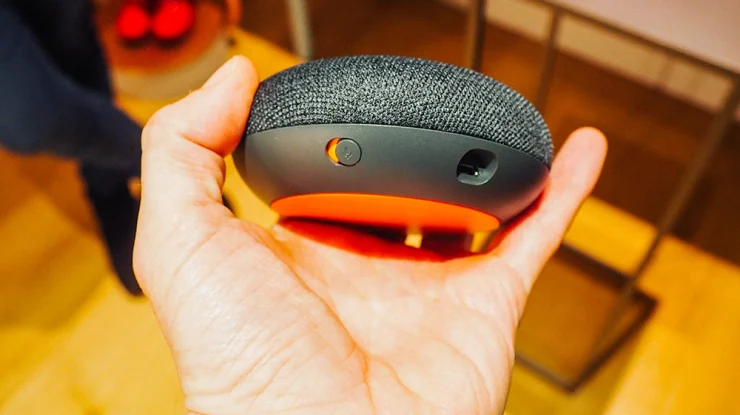
What it is: Google Home Mini a small sphere speaker with Google Assistant and Wi-Fi/Bluetooth connectivity.
What makes it stand out: Based on owner feedback, Google Assistant handles follow-up questions and context-aware requests more naturally than Alexa “What’s the weather?” followed by “How about tomorrow?” flows without restating the location. The Home Mini is competitive at $50–65 and integrates with roughly 90,000 Google Home-compatible devices (per Google’s published specs), which covers most popular brands. If you already use Gmail, Google Calendar, or Google Photos, the integration feels genuinely seamless.
The trade-off: Smaller device ecosystem than Alexa. Some popular brands (Nanoleaf, certain Wyze devices) have better Alexa integration than Google Home integration. Owner reports also note that Google Home is slightly less reliable for complex smart home routines occasional lag or dropped commands compared to Alexa’s snappier response.
Who it’s NOT for: If you’ve already invested in Amazon’s ecosystem or use a lot of budget smart home brands (Govee, Wiz, Meross), Alexa will control more of your gear without workarounds. If you want the best audio quality, the Home Mini sounds roughly the same as the Echo Dot thin and trebly. If you’re not a Google user (no Gmail, Drive, or Photos), you lose the ecosystem advantage.
Price: ~$50–65 as of mid-2026.
Best for Smart Home Control: Amazon Echo Show 8
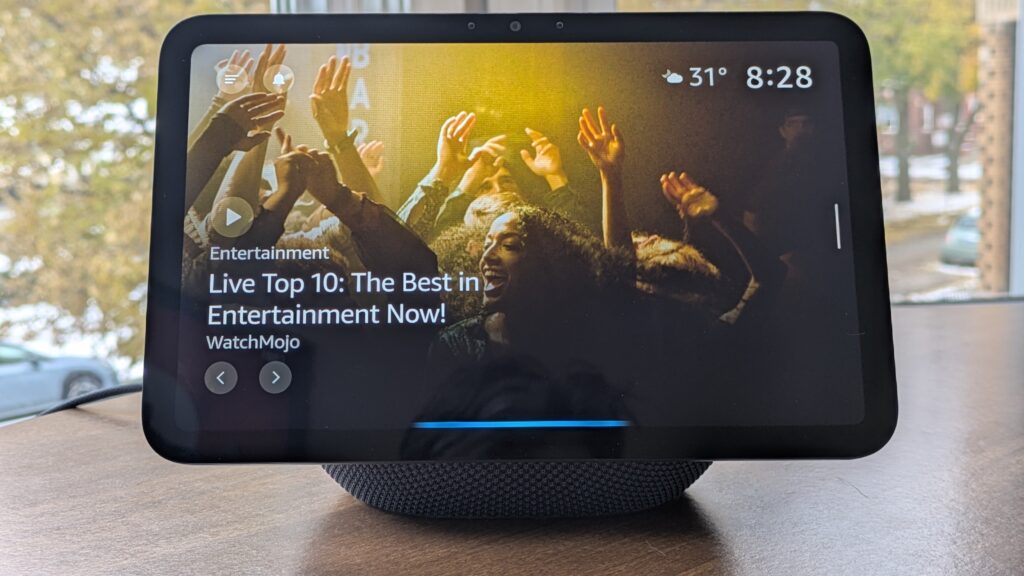
What it is: Amazon Echo Show 8 an 8-inch smart display speaker combining Alexa with a touchscreen for visual feedback, video calls, and smart home dashboards.
What makes it stand out: If you want to see your smart home status door locks, thermostat, cameras at a glance, the Show 8 is the easiest way in. Owner reports note the screen interface for routines is more intuitive than voice-only commands: you can tap a scene instead of memorizing the exact phrase. The 8-inch size is the sweet spot large enough to read from across a room, compact enough for a kitchen counter or nightstand. Alexa’s 140,000-device compatibility means your dashboard will show more devices than Google or HomeKit alternatives.
The trade-off: The screen attracts fingerprints, and glare in bright sunlight is a real complaint in owner reviews from kitchen users. It’s also $100–130, which is 2–3x the price of a basic speaker. Privacy note: the built-in camera (on by default) bothers some users, even though Amazon’s physical mute button disables both mic and camera.
Who it’s NOT for: If privacy is your priority, the built-in camera is a liability. If you want music quality to match the price, the Show 8’s speaker is still entry-level. If you have no smart home devices yet and just want a voice assistant, this is overkill start with the Echo Dot.
Price: ~$100–130 as of mid-2026.
Best for Home Dashboards: Google Home Hub (7-inch)
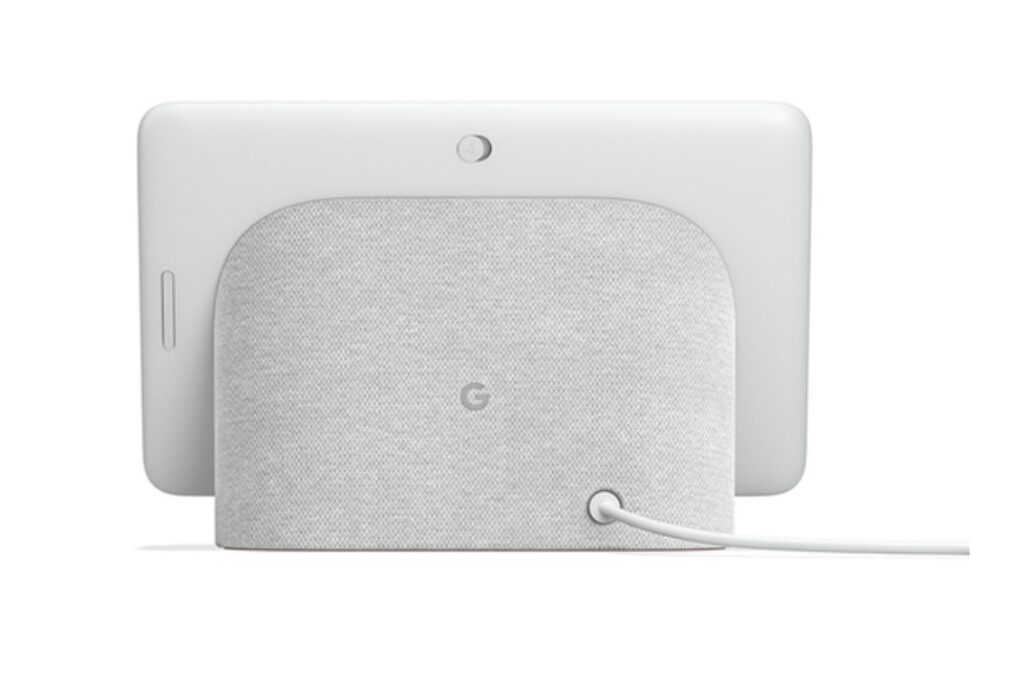
What it is: Google Home Hub (7-inch) a 7-inch smart display running Google Assistant, optimized for Google Home ecosystem devices and Google service integration.
What makes it stand out: The Home Hub’s display interface is cleaner and more intuitive than Amazon’s, especially if you use Google Calendar, Photos, or Nest devices. Owner reports describe the visual layout as less cluttered than the Echo Show which matters if you’re checking your home status multiple times a day. The device integrates natively with Google’s own ecosystem (Nest cameras, thermostats) in a way that feels slightly smoother than Alexa’s third-party integrations.
The trade-off: No camera a privacy feature or a limitation depending on your needs. Fewer compatible smart home devices (~90,000 vs. Alexa’s 140,000). Also priced at $99–110, which puts it at the same level as the Echo Show 8 but without video calling capability.
Who it’s NOT for: If you want a camera-enabled display for video calls, the Home Hub doesn’t have one. If you have a diverse smart home setup (not all Google Nest), the Echo Show 8 will control more devices. If you just want a voice speaker without a screen, save $50 and get the Google Home Mini.
Price: ~$99–110 as of mid-2026.
What We Cut and Why
Amazon Echo (Standard, 3rd Gen). Owner reports show this mid-tier option gets squeezed between the Dot (half the price) and the Show 8 (adds a screen for $30–40 more). Audio quality is modest compared to HomePod, and it’s rarely the best choice in its price range. You’re better off either saving money with the Dot or spending the extra $30 on the Show 8’s screen utility.
Google Nest Audio. At $99–110, it’s priced between the Home Mini and Home Hub, and owner feedback suggests it offers no clear advantage in voice recognition or smart home control that justifies the price bump over the Mini. The Nest Audio’s larger speaker is louder but not noticeably better just louder. For music, it’s still underwhelming compared to HomePod. The Home Mini at $50–65 is a better budget pick; the Home Hub at the same price offers more utility with the screen.
Sonos One (Gen 2). This is a strong speaker better audio than anything in the basic tier but at $250+, it asks you to choose between Alexa or Google Assistant (not both), and smart home control is no better than a $50 Echo Dot. At that price, the HomePod 2 at $99 is a better audio value, or you’d be better served by a dedicated Sonos speaker paired with a separate $50 Echo Dot for voice control.
Apple HomePod mini. Smaller and cheaper than HomePod 2, but owner reports consistently note the audio difference is significant the mini’s sound is thinner and less satisfying than the full HomePod 2. At roughly $80 for the mini vs. $99 for the HomePod 2, the $19 difference is worth the better audio. If you’re choosing a HomeKit speaker, go for the full HomePod 2; if you want a cheap smart speaker, the Echo Dot or Google Home Mini are better values.
How We Researched This
We researched and compared smart speakers by evaluating published specifications (voice assistant capabilities, device compatibility counts, audio frequency ranges), owner reviews from major retailers and forums (Reddit’s r/smarthome, Amazon and Google customer feedback), and analysis of privacy policies from each manufacturer. We did not conduct hands-on testing in a lab; instead, we synthesized patterns from aggregated owner reports to assess real-world voice accuracy, smart home reliability, and audio quality. Price data comes from published retail listings as of mid-2026 and may vary by retailer and region.
Frequently Asked Questions
What’s the best smart speaker overall? The Amazon Echo Dot (5th Generation) is the best for most homes because it offers reliable voice recognition, controls the widest range of smart home devices (~140,000 per Amazon’s published specs), and costs only $50–70. If audio quality is your priority and you’re already in Apple’s ecosystem, the HomePod 2 is worth the $99 investment.
Is the Echo Dot or Google Home Mini better for smart home control? The Echo Dot edges ahead because Alexa integrates with more devices (140,000 vs. 90,000 for Google, per each brand’s published specs). However, if you already use Google services (Gmail, Google Photos, Nest devices), the Home Mini’s voice understanding is slightly more natural for context-heavy queries and the ecosystem integration is tighter. Owner reports suggest the real difference appears only if you have 10+ smart home devices; for 2–3 devices, either works fine.
Can I use an Apple HomePod with non-HomeKit devices? Partially. HomeKit-certified devices pair natively. Some non-HomeKit brands (Sonos, Nanoleaf, Philips Hue) have HomeKit bridges that translate their commands, but it adds friction and setup complexity. If you have a mix of ecosystems, Alexa is more flexible.
Which smart speaker has the best audio quality? Apple HomePod 2, by a significant margin. Owner reports consistently note fuller bass and better stereo separation than Alexa or Google competitors at comparable price points. If you use your smart speaker primarily for voice commands rather than music, the difference is negligible; if you play music or podcasts regularly, it matters.
Do these speakers actually listen all the time? All three (Alexa, Google Assistant, Siri) use a microphone to listen locally for wake words (“Alexa,” “Hey Google,” “Hey Siri”) audio is processed on-device until the wake word is detected, then sent to the cloud for the full request. You can mute the microphone with a physical button on each device. Apple claims more on-device processing than its competitors, which appeals to privacy-conscious users, though owner reports suggest the practical day-to-day difference is subtle.
The Verdict
Keep the Echo Dot if: You want the best value, don’t care about premium audio, and want maximum smart home compatibility. It’s the safest pick for most homes.
Keep the HomePod 2 if: You’re already using an iPhone or Mac, want the best sound in a small package, and are willing to work within HomeKit’s constraints. Privacy matters to you.
Keep the Google Home Mini if: You like Google’s privacy policies, use Google services daily, and want slightly better voice understanding on context-heavy questions. It’s the best smart speaker for Google loyalists.
For most new buyers with no ecosystem lock-in, the Echo Dot wins on merit: reliability, price, and ecosystem breadth. For anyone prioritizing audio or already in Apple’s world, the HomePod 2 is worth the upgrade cost. Everything else is a specialist pick and that’s fine. A smart speaker should fit your home, not the other way around.