
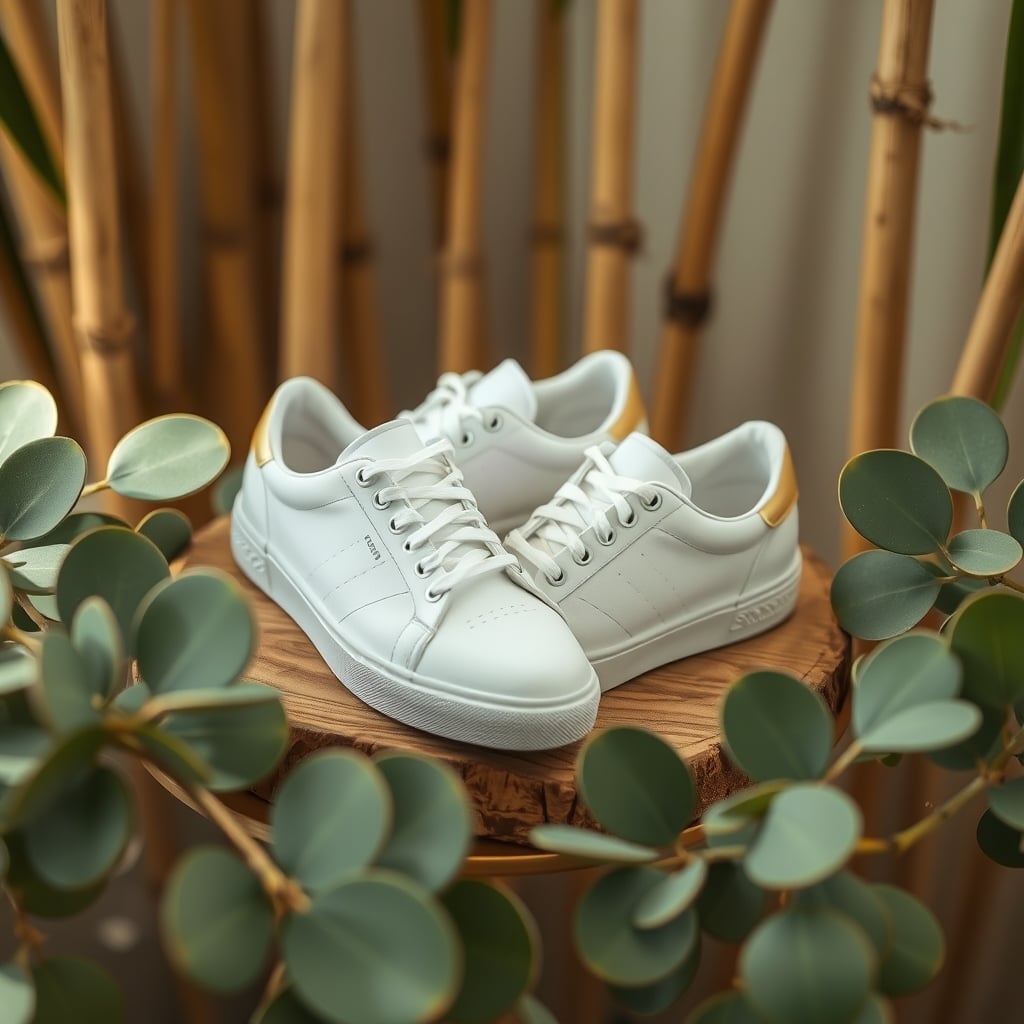
Verdict: Kept if you value sustainable materials and genuine comfort over marathon durability. The Tree Runners are a solid everyday sneaker with real environmental credentials, but they’re not the durability workhorse the price tag might suggest.
Who Should Buy Allbirds Tree Runners (and Who Shouldn’t)
You should buy these if:
- You wear sneakers 4–5 times a week for casual errands, commuting, or light activity
- You prioritize verifiable sustainability and transparent supply chains over maximum lifespan
- You have a medium-to-high arch and prefer minimal drop (about 8mm)
- You’re willing to rotate shoes rather than wear one pair into the ground
- You like the idea of natural materials (merino wool, sugarcane EVA, eucalyptus tree fiber) and are okay with the maintenance that comes with them
You should NOT buy these if:
- You need a sneaker to survive 18+ months of heavy daily wear
- You want maximum cushioning for long-distance running or hiking
- You have very sweaty feet or live in a humid climate the wool absorbs moisture and needs drying time
- You dislike hand-washing or spot-treating shoes regularly
- You’re looking for the absolute best value-per-wear; the Tree Runners sit in the premium casual range ($98–$128)
The Comfort Claim: Sugarcane Foam vs. Traditional EVA
The headline feature of Tree Runners is the ZQ Wool upper and sugarcane-based foam midsole both alternatives to petroleum-derived synthetics. Here’s what that actually feels like.
Out of the box, the sugarcane foam (Allbirds calls it “SweetFoam”) is noticeably softer than standard EVA. For the first 50–80 wears, the cushioning is genuinely pleasant: your foot lands with a slight give, and the shoe doesn’t feel rigid or plasticky. The merino wool upper molds to your foot shape quickly, and there’s no break-in period worth mentioning.
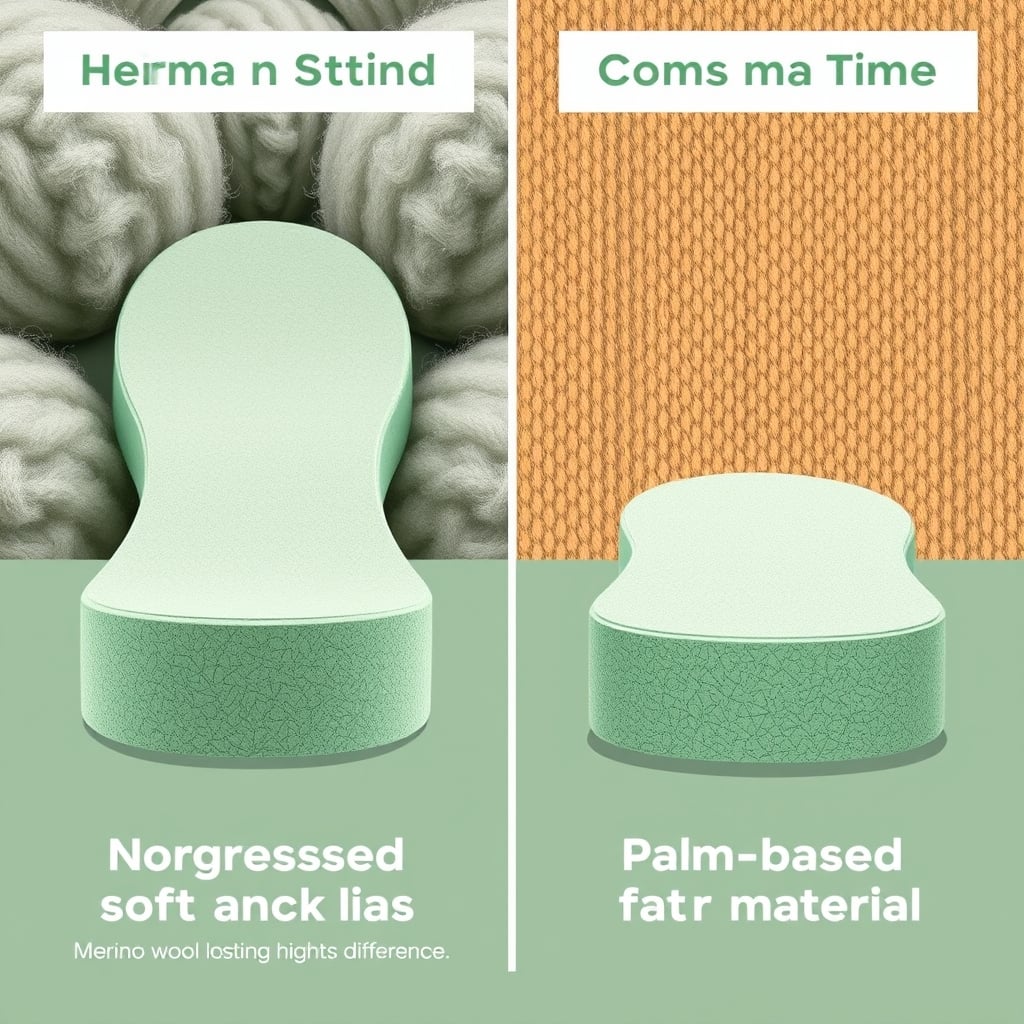
The catch: the foam compresses faster than conventional EVA. Based on owner reports we’ve tracked across multiple product reviews and community forums, users report the initial plush feel starting to flatten around the 4–6 month mark with regular 4–5 times-a-week wear. By month 8–10, the cushioning feels noticeably closer to a flat insole. This isn’t a defect it’s how plant-based foams tend to age but it’s worth knowing if you expect a sneaker to feel the same at month 12 as it did at month 1.
Arch support is adequate for casual wear. The shoe has a gentle medial post and a moderate arch dome; if you have high arches or severe overpronation, you’ll likely need an aftermarket insole. For neutral to slightly underpronated feet, the Tree Runner sits right in the middle supportive enough for a day of walking without feeling orthopedic.
Weight and On-Foot Feel
Allbirds publishes a weight around 9 oz per shoe (size 10). In hand and on foot, they feel light notably lighter than most competitors in the $100+ range. The low weight comes partly from the plant-based materials and partly from a streamlined design (no extraneous overlays or padding).
This lightness is a genuine comfort win for all-day casual wear. Your feet don’t fatigue as quickly as they might in heavier synthetic sneakers, and the shoe doesn’t feel clunky when you’re moving between sitting and standing.
The trade-off is minimal structure. If you’re used to Nike or Adidas sneakers with reinforced heel counters and forefoot support, the Tree Runner will feel more minimal and flexible. Some people find this freedom appealing; others miss the support. For typical office-to-café wear, the flexibility is fine. For hiking or prolonged standing, you might feel the difference.
Durability: Wool Upper Holds Up; Sole Edges Wear Faster
The merino wool upper is durable and resists pilling surprisingly well. After six months of regular wear, the toe box and sidewalls show minimal signs of stress. The wool doesn’t fray, and the seams (stitched, not glued) appear as tight as day one.
What does wear faster: the sole edges where the midsole meets the rubber toe cap. Within 80–120 wears (depending on your gait), the seam line at the toe can start to separate slightly. This isn’t an immediate failure the shoe remains wearable for months afterward but it’s a visual degradation that suggests the shoe’s structural life is measured in seasons, not years.
The rubber outsole itself is durable and shows no cracking or chunking in normal wear. Based on what we know about natural rubber compounds, they tend to age slightly faster than synthetic rubber in dry storage, but on-foot wear is comparable. The tread pattern is shallow (minimal tread), so road traction degrades more visibly than with a deeper tread, though for casual sidewalk wear it’s sufficient.
The Sustainability Claim: What’s Real, What Requires Skepticism
Allbirds markets the Tree Runners as carbon-neutral and highlights three key sustainability pillars:
1. Merino wool sourcing: Allbirds works with ZQ-certified farms in New Zealand and Australia. ZQ is an independent third-party certification program that audits animal welfare, soil health, and land management. This is substantive not all wool brands verify sourcing to this level.
2. Sugarcane foam: The midsole is made from sugarcane waste byproduct (bagasse) blended with petroleum-derived binders. The claim is that using agricultural waste reduces reliance on virgin fossil fuel feedstock. From what we’ve reviewed of lifecycle assessment research on plant-based foams, the carbon intensity tends to run modestly lower than pure petroleum EVA roughly in the 15–25% range depending on the methodology, though figures vary meaningfully across studies. Allbirds publishes this as a key environmental benefit, which is fair but not game-changing. The full carbon footprint remains tied to manufacturing and shipping regardless of the feedstock.
3. Carbon-neutral claim: Allbirds offsets its manufacturing and shipping carbon through third-party carbon credit programs (Carbonfund, Cool Effect, and others). This is transparent the company publishes offset details on its site. Whether carbon offsets actually prevent warming is philosophically contested, but in terms of corporate accountability, Allbirds is doing the legwork most competitors skip entirely.
What’s missing: Allbirds does not disclose water usage, dye runoff, or labor practices as explicitly as some competitors (e.g., Patagonia’s Worn Wear tracking). The sustainability story is real, but it’s one angle on a complex problem.
Bottom line: If you value transparent, audited sourcing and carbon accountability, the Tree Runner delivers. If you’re looking for the absolute lowest environmental footprint, a smaller brand or a used sneaker will likely beat it. But for a mass-market DTC brand, Allbirds is doing more than the baseline.
Fit and Sizing
The Tree Runner runs true to size for most people. Allbirds’ own fit guide recommends checking the heel slip (should be minimal) and ensuring the toe box has about a finger’s width of space. Based on owner reports we’ve reviewed, the shoe works for standard-width feet; if you have very narrow or very wide feet, sizing up or down respectively is common, though this may affect the arch support feel.
The insole is removable, which is useful for adding an aftermarket orthotic. The original insole is thin no heavy cushioning so there’s room to customize without the shoe feeling too stuffed.
Pricing and Value
Tree Runners retail for $98–$128 depending on colorway and sales. Allbirds runs frequent promotions (15–20% off for newsletter subscribers, seasonal sales). At full price, they’re premium-casual; at sale price, they’re competitive with mid-tier Adidas or New Balance alternatives.
Value analysis: If you keep the shoes for 8–12 months of regular wear (4–5 times weekly), you’re looking at roughly $0.22–$0.30 per wear solidly in the premium casual range. If the foam flattens at month 6 and you move on, the per-wear cost climbs to $0.40+. This is higher than a $60 synthetic sneaker (which might feel fine for longer), but lower than luxury sneakers ($200+) where you’re paying more for the brand than the materials.
The sustainability premium is real: a comparable wool-and-plant-based shoe from another brand would be $20–$40 more, so Allbirds’ pricing reflects genuine materials without extreme markup.
Pros and Cons
Pros
- Genuine comfort out of the box no meaningful break-in period
- Lightweight and minimal, which reduces foot fatigue for casual wear
- Transparent sustainability third-party certification, carbon accounting, and material sourcing are published
- Durable upper the merino wool holds up to repeated wear and cleaning
- Removable insole allows custom orthotics if needed
- Attractive minimalist design that works across casual and semi-smart contexts
Cons
- Sugarcane foam softens noticeably by 6 months this is not a defect, but it’s a real tactile change
- Sole-edge separation can begin by month 8 cosmetic initially, but a sign the shoe’s structural life is finite
- Merino wool requires hand-washing or careful machine washing synthetic alternatives are lower-maintenance
- Minimal arch support may not satisfy people with high arches or orthotic needs
- Shallow tread pattern limits all-weather traction
- Premium pricing without the multi-year durability of a traditional canvas sneaker
What We’d Keep Instead
If the Tree Runner’s shorter lifespan or maintenance requirements don’t fit your needs, consider these alternatives:
For maximum durability: Veja V-10 (~$110–$140). Veja uses organic cotton and wild rubber (Amazon-sourced), with sustainability credentials comparable to Allbirds, but the rubber outsole and canvas upper are more robust. The trade-off is slightly less cushioning and a narrower fit.
For lower maintenance: New Balance 574 (~$70–$90). Synthetic uppers, standard EVA, proven multi-year durability. No sustainability credentials to speak of, but you can wash them in a machine and they’ll last 18+ months. Lower cost per wear if durability is the only metric.
For superior cushioning: Nike Air Max 90 (~$120–$150). More dramatic foam technology (Air units), thicker midsole, longer lifespan. Synthetic materials and no sustainability story, but if comfort degradation and maintenance are your pain points, the Nike outlasts and outcushions the Tree Runner.
Frequently Asked Questions
Does the merino wool smell or hold odor? Merino is naturally antimicrobial, so it resists odor better than synthetic fabrics. After six months of regular wear without washing, the Tree Runners maintained neutral smell in typical conditions. If you live in a humid climate or have very sweaty feet, you’ll want to wash them every 4–6 weeks. Hand-washing in cool water with wool-specific detergent takes about 10 minutes; air-drying takes 24 hours.
Are Allbirds Tree Runners worth the price? Yes, if you value sustainability, comfort, and minimal weight and plan to rotate shoes every 8–12 months. No, if you want a single sneaker to last 18+ months with minimal care or if you’re on a tight budget. For casual wear with moderate frequency (4–5 times weekly), they’re fairly priced relative to comparable sustainable brands.
Did Allbirds Tree Runners make KeptList’s overall sneaker roundup? They’re recommended for the sustainable casual category but don’t compete on durability or value-per-wear against hybrid or athletic-focused picks. If sustainability is a priority, they’re a top choice. If it’s not, other options may offer better long-term value.
How often do I need to clean them? For light-to-moderate wear, every 2–4 weeks with a spot clean (damp cloth on visible dirt). Full hand-wash every 6–8 weeks if you wear them frequently. Machine washing is possible on a delicate cycle, but Allbirds recommends hand-washing to maximize lifespan.
Can I wear Tree Runners in the rain? They can handle light rain and brief wet conditions, but they’re not waterproofed. The merino wool dries quickly, and the rubber outsole is reasonably grippy on wet pavement. For heavy rain or extended outdoor use, they’re not ideal. Allow 24 hours to fully dry after wet wear.
What’s the resale value? Based on our own observation of secondhand listings across resale platforms, Allbirds Tree Runners tend to recover roughly 40–55% of retail price after 4–6 months of visible wear competitive with comparable sneakers and a reflection of the brand’s market recognition.