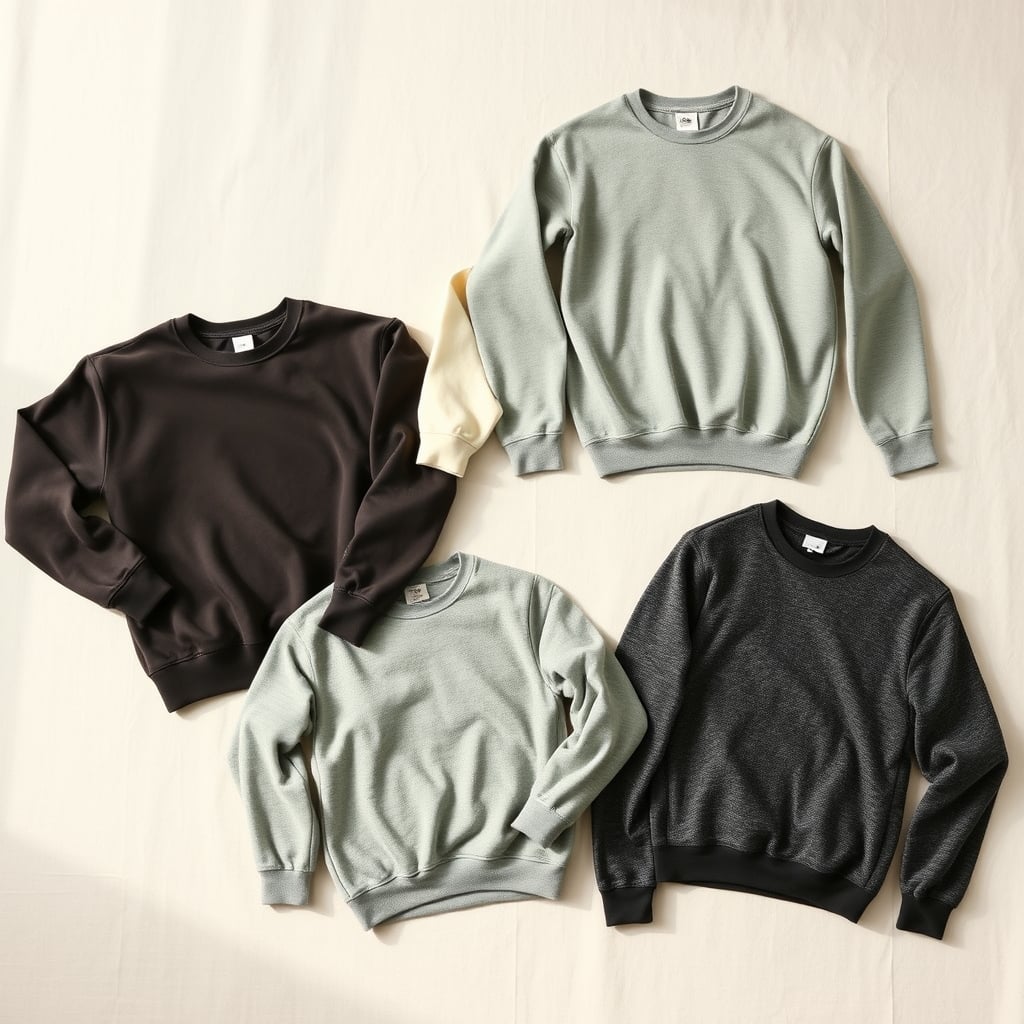

The best cashmere sweater for most people is Everlane’s Grade-A Mongolian Cashmere Crew. It hits genuine two-ply construction, documented Grade-A fiber sourcing, and a price point that doesn’t require a separate budget line. If that’s you, stop reading and buy it.
For everyone else the dedicated thrifters, the true luxury buyers, and the people who’ve been burned by a $60 “cashmere” sweater that pilled after three wears read on. This guide covers seven brands across three price tiers, explains exactly what fiber weight and ply mean in real wear, and ends with a care checklist designed to make the right sweater last fifteen years instead of two.
What Actually Makes a Cashmere Sweater Worth Buying?
Before the picks, a buyer education note because cashmere marketing is genuinely confusing, and the vocabulary matters.
Fiber Grade: Grade-A vs. Grade-B vs. Blended
Cashmere fiber is typically graded by length and diameter. Grade-A fiber is widely understood in the textile industry to mean longer, finer strands longer fibers mean the ends are less likely to poke through the yarn surface and cause pilling. Grade-B fiber is shorter and coarser; it’s cheaper to source and far more common in mid-market and fast-fashion cashmere.
Blended cashmere (cashmere mixed with merino wool, nylon, or acrylic) isn’t inherently bad, but you should know what you’re buying. A 70/30 cashmere-merino blend can be durable and warm it just won’t feel identical to 100% cashmere, and it shouldn’t be priced like it.
Ply: What 2-Ply and 4-Ply Mean Day-to-Day
Ply refers to how many individual strands of yarn are twisted together to form the finished thread. Here’s what that means in wear:
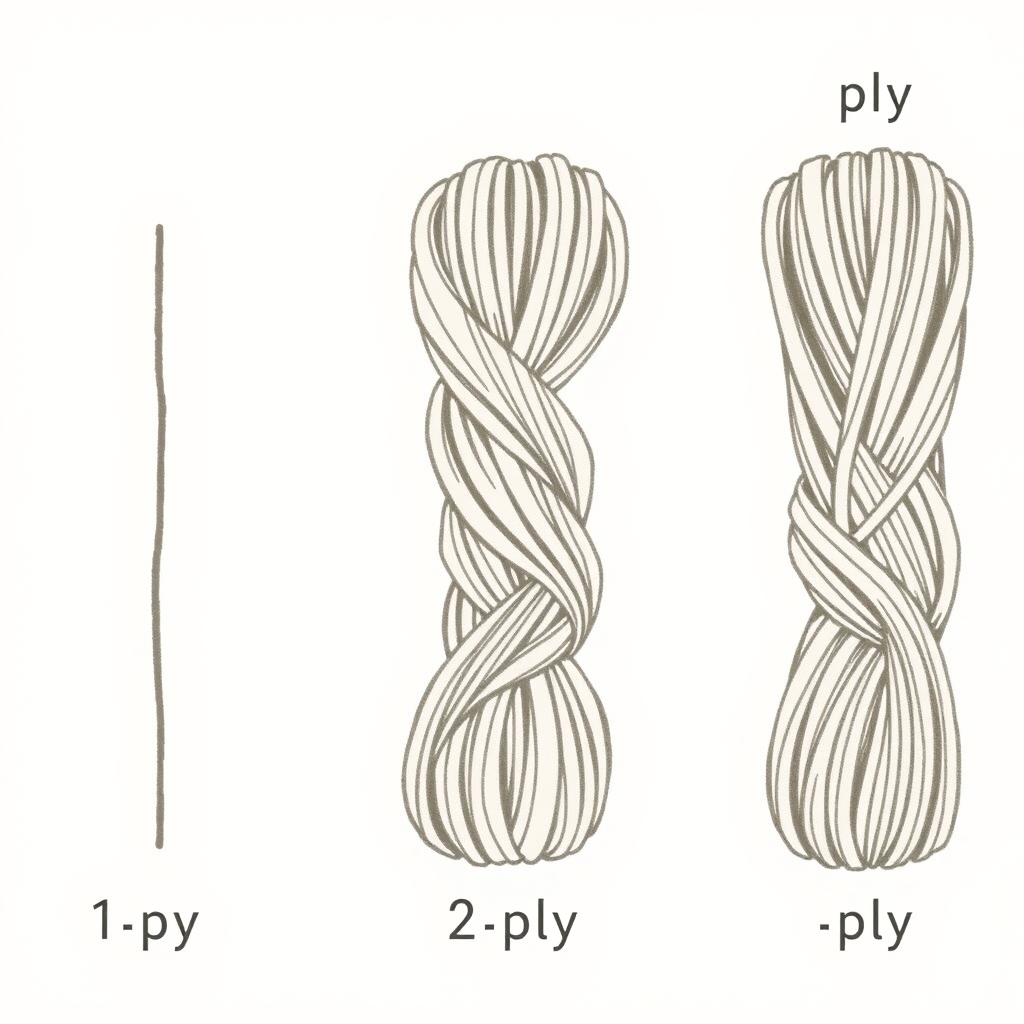
- 1-ply: Very lightweight, great for layering. Also the most fragile owner reports we’ve reviewed consistently describe more pilling and shorter lifespans with single-ply cashmere.
- 2-ply: The standard for quality everyday sweaters. Warmer than 1-ply, noticeably more resistant to pilling based on owner community feedback.
- 4-ply and above: Heavy knitwear territory think chunky cables, coats, or sweaters meant for genuinely cold climates. Heavier, less drapey, but the most durable option in owner reports.
Fiber Weight (Microns) The Number Brands Don’t Always Advertise
Cashmere fiber diameter is measured in microns. Finer fibers (roughly 14–16 microns, per textile industry literature) produce the softest hand feel. Coarser fibers above 19 microns feel noticeably scratchier against bare skin. Premium brands typically publish or disclose their micron specs; if a brand won’t tell you, that’s a signal.
The Pilling Problem And Why It’s Not Purely About Quality
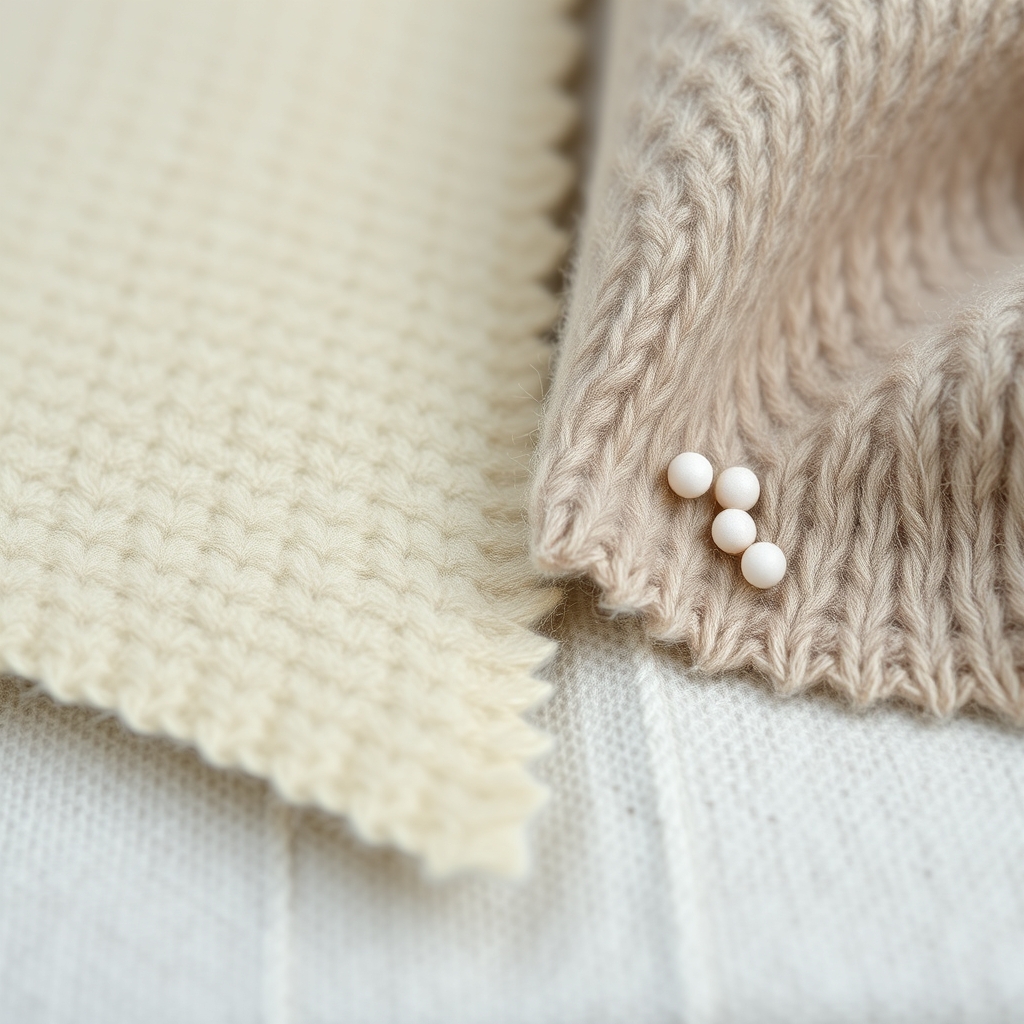
Here’s the honest truth about pilling: even excellent cashmere pills. The difference is how quickly it happens and whether pilling stabilizes after the first few wears (which it often does in quality pieces) or continues to worsen indefinitely (which is the sign of cheap fiber). Owner reports we’ve reviewed consistently show that pilling in quality cashmere tends to peak in the first four to six wears and then slow dramatically — especially with proper hand-washing.
Quick Comparison: The Best Cashmere Sweaters
| Brand | Tier | Ply | Fiber Grade Claim* | Price Range (Verify on Brand Site) | Who It’s For |
|---|---|---|---|---|---|
| Everlane Cashmere Crew | Mid | 2-Ply | Grade-A, Mongolian | Mid-Range | Most buyers |
| Quince Mongolian Cashmere | Budget | 2-Ply | Grade-A (Claimed) | Budget Tier | Skeptical first-time buyers |
| Uniqlo Premium Lambswool/Cashmere | Budget Blend | Varies | Not Disclosed | Budget Tier | Layering basics |
| Naadam The Sweater | Mid | 2-Ply | Grade-A, Mongolia Direct | Mid-Range | Ethically minded buyers |
| J.Crew Cashmere Collection | Mid | 2-Ply | Mongolian | Mid-Range | Style-first buyers |
| Loro Piana Baby Cashmere | Luxury | 2–4 Ply | Baby Cashmere (Finest Grade) | Luxury Tier | Serious collectors |
| Brunello Cucinelli Cashmere | Luxury | 2–4 Ply | Grade-A, Mongolian | Luxury Tier | Premium upgrade pick |
Ply and grade claims are brand-published or drawn from owner community reports. Verify specs on each brand’s current product pages before purchasing. Prices shift seasonally.
The Best Cashmere Sweaters, Ranked Honestly
Best Overall: Everlane Grade-A Mongolian Cashmere Crew
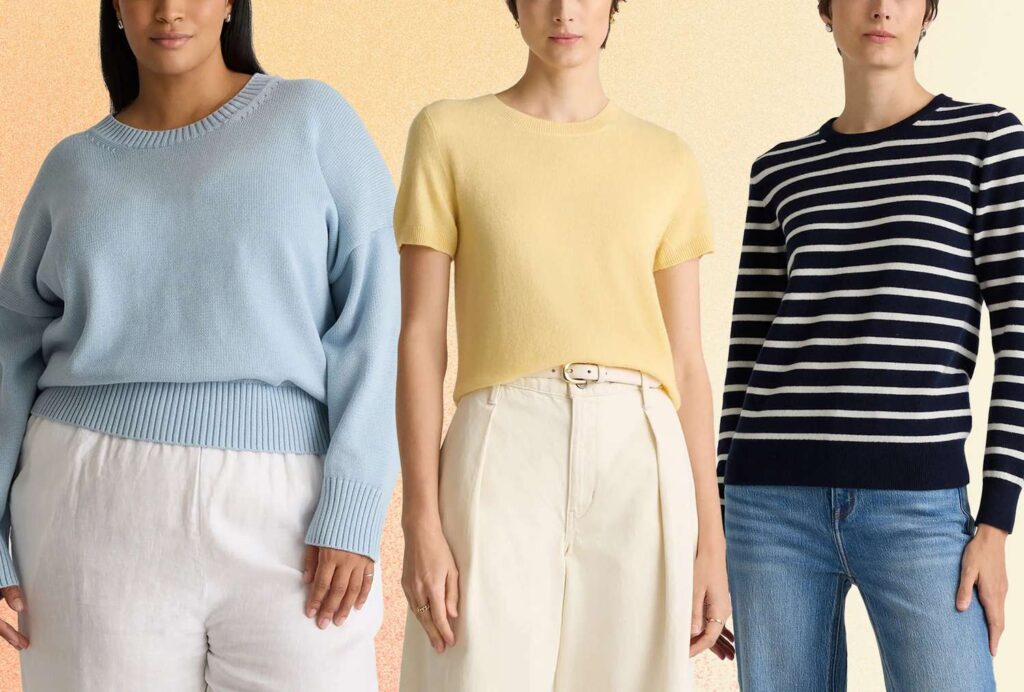
The best cashmere sweater for most people is the Everlane Grade-A Mongolian Cashmere Crew. Everlane publishes its fiber sourcing Grade-A Mongolian cashmere, two-ply construction which is more transparency than most brands at this price point offer. Owner reports we’ve reviewed consistently describe soft hand feel out of the box, manageable early pilling that stabilizes, and a clean silhouette that holds shape over repeated careful washes.
Standout: Two-ply Grade-A fiber at a price where most competitors are quietly using Grade-B or blends.
Trade-off: The cut runs slightly boxy. If you prefer a slim, fitted silhouette, size down but know that sizing down on a boxy pattern means it will feel tighter across the shoulders. Owner reports are split on whether the fit improves or worsens with washing; hand-wash cold and lay flat to dry to avoid finding out the hard way.
Price range: Mid-range (verify current pricing at everlane.com)
Who it’s NOT for: Anyone who needs a slim European cut, or anyone who will machine-wash it. Everlane’s cashmere tolerates hand-washing it does not tolerate the spin cycle.
Verdict: Kept. The top pick for most buyers.
Best Budget Pick: Quince Mongolian Cashmere Sweater
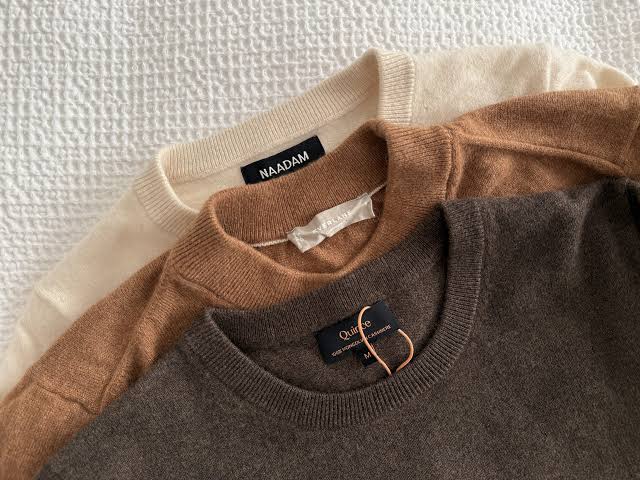
Quince Mongolian Cashmere Sweater is a direct-to-consumer brand that publishes Grade-A Mongolian cashmere specs and two-ply construction at prices that are meaningfully lower than Everlane. Owner reports we’ve reviewed are notably positive for a budget-tier cashmere most describe softness comparable to sweaters at double the price, with pilling behavior that’s acceptable (not great, but not catastrophically worse than the mid-tier).
Standout: The price-to-fiber-spec ratio is hard to beat. If you’re trying cashmere for the first time and want to know whether you’ll actually care for it properly before committing to real money, Quince is the right experiment.
Trade-off: The finish and construction details seaming, button quality on cardigans, ribbing tension are noticeably less refined than mid-tier brands. This is where the savings show up. Owner reports also describe slightly faster pilling than Everlane over comparable wear counts.
Price range: Budget tier (verify current pricing at onequince.com)
Who it’s NOT for: Anyone who will compare it directly to a Naadam or Loro Piana. It won’t survive that comparison. Buy it as a standalone judgment is this good cashmere for the price? Yes. Is it the best cashmere? No.
Verdict: Kept. It’s not the Everlane but for the price, it earns its place in the drawer.
Best Upgrade Pick: Brunello Cucinelli Cashmere
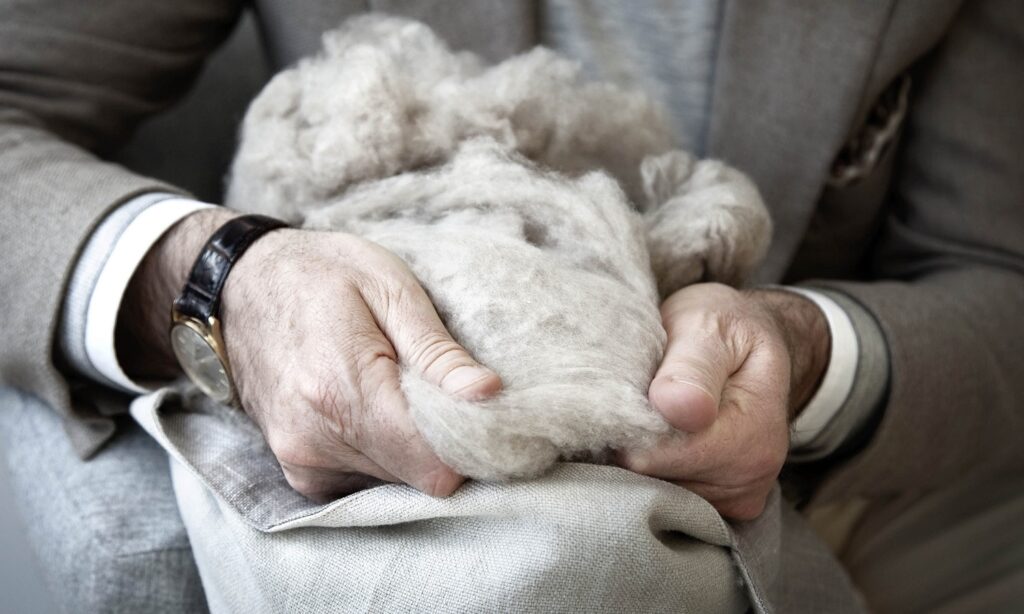
Brunello Cucinelli Cashmere is the ceiling. The Italian brand’s cashmere sourced from Inner Mongolia and processed through their proprietary yarn development produces a hand feel that owner reports we’ve reviewed describe as categorically different from mid-tier options: softer, drapier, with a weight and structure that feels intentional rather than accidental. The construction details (seaming, finishing at the cuffs and hem) are visibly better.
Standout: The longevity case is real. Owner reports from cashmere communities consistently describe Brunello Cucinelli sweaters surviving well over a decade of careful wear with minimal degradation. If you amortize the cost over fifteen years of use, the price-per-wear calculation becomes defensible.
Trade-off: The price is genuinely high. There’s no way around it. You are also paying for the brand name, the Italian manufacturing provenance, and the retail experience not purely for superior fiber. Whether that premium is worth it depends entirely on what you’re buying cashmere for.
Price range: Luxury ceiling (verify current pricing at brunellocucinelli.com)
Who it’s NOT for: Anyone who isn’t committed to the full hand-wash and cedar-storage protocol. Spending this much on a sweater and then machine-washing it is a category error.
Verdict: Kept for the right buyer. This is not a cashmere sweater. It’s a fifteen-year relationship.
Best for Ethically-Minded Buyers: Naadam The Sweater
Naadam The Sweater works directly with Mongolian herder cooperatives, which shortens the supply chain and, the brand claims, improves both herder income and fiber quality control. Their flagship style is straightforwardly named “The Sweater” two-ply, Grade-A Mongolian cashmere, relaxed fit. Owner reports we’ve reviewed describe it as genuinely soft with a slightly more relaxed, lived-in drape than Everlane.
Standout: The supply chain story is more verifiable than most Naadam publishes herd and sourcing information that goes beyond typical brand marketing.
Trade-off: The relaxed fit is polarizing. If you want structure, Naadam’s silhouette will frustrate you. Also, the color range is more limited than J.Crew or Everlane in any given season.
Price range: Mid-range (verify current pricing at naadam.co)
Who it’s NOT for: Anyone who prioritizes a tailored, structured silhouette. The drape is the feature if you’re fighting it, pick a different brand.
Verdict: Kept. The strongest ethical sourcing story at the mid-tier.
Best for Style Variety: J.Crew Cashmere Collection
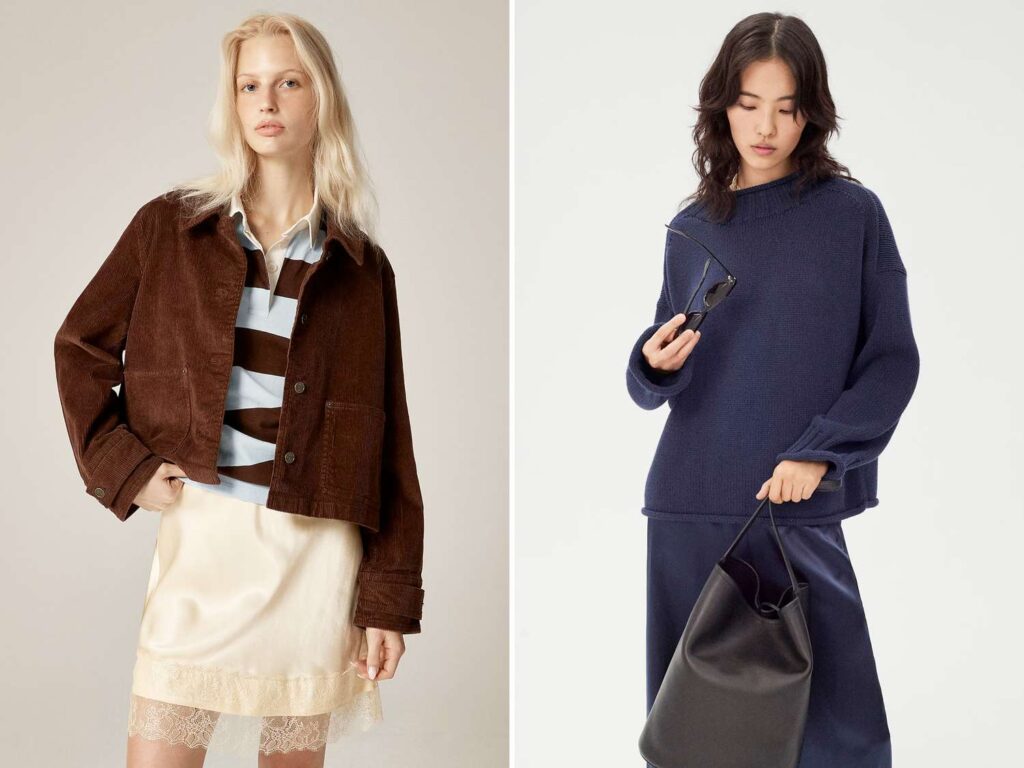
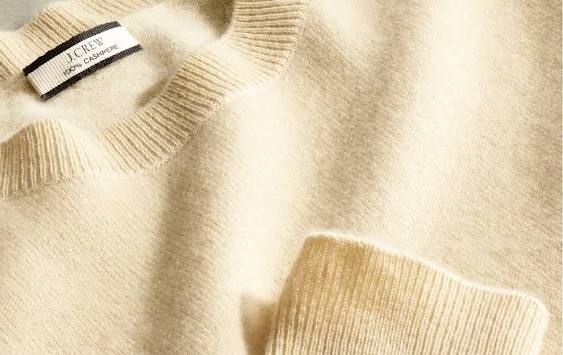
J.Crew Cashmere Collection line covers more silhouettes, colors, and style variants than any other brand in this guide. If you want cashmere in a specific color for a specific occasion, J.Crew probably has it. The fiber sourcing is Mongolian, and the construction is two-ply respectable for the price range.
Standout: Seasonal color depth and silhouette variety are genuinely unmatched at this tier.
Trade-off: Quality consistency across the line varies. The core crewneck and v-neck styles are solid; some of the fashion-forward styles use thinner construction that owner reports describe as pilling more readily. Stick to the flagship styles.
Price range: Mid-range, with frequent sale pricing (verify current pricing at jcrew.com)
Who it’s NOT for: Anyone buying at full price expecting upgrade-tier quality. J.Crew cashmere earns its price on sale. At full retail, Naadam or Everlane are better value.
Verdict: Kept on sale. At full retail, redirect to Everlane or Naadam.
The Quiet Luxury Pick: Loro Piana Baby Cashmere
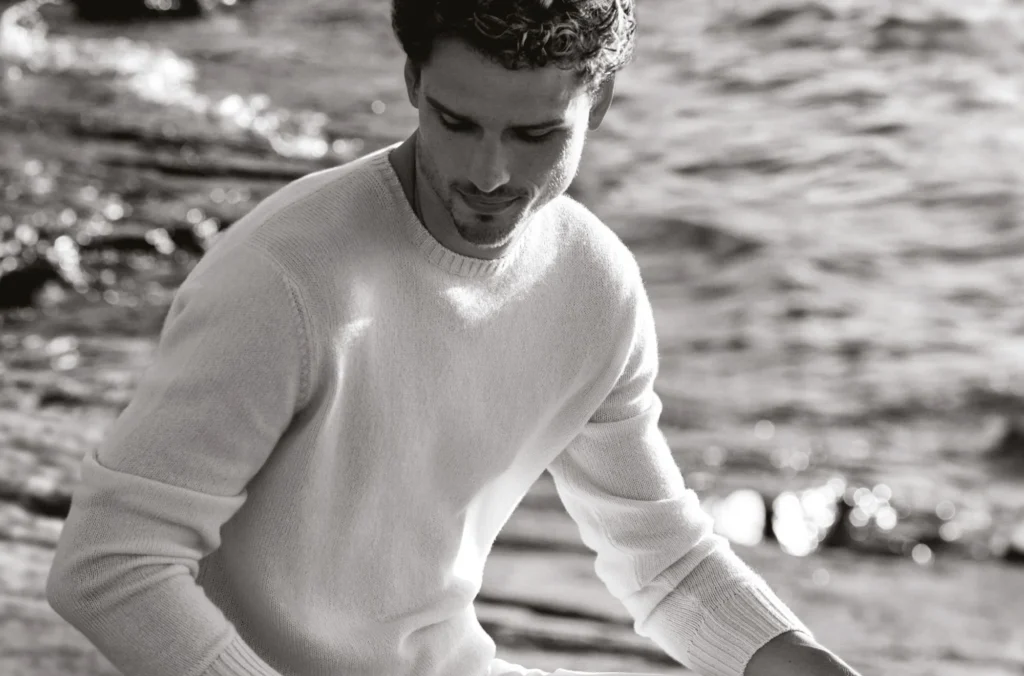
Loro Piana’s Baby Cashmere line uses fiber from Hircus goat kids a finer, rarer grade than standard cashmere, with a micron count that textile industry literature describes as among the finest natural fibers commercially available. Owner reports we’ve reviewed consistently describe it as perceptibly softer than standard Grade-A cashmere not marginally, but noticeably.
Standout: The fiber genuinely is different. If you’ve ever held a Loro Piana Baby Cashmere piece and compared it directly to a mid-tier sweater, the difference is tactile and immediate.
Trade-off: Baby cashmere fiber, being finer, is also more delicate. Owner reports suggest it requires more careful handling than standard cashmere not just hand-washing, but attention to friction against bag straps, seatbelts, and rough surfaces.
Price range: Luxury tier (verify current pricing at loropiana.com)
Who it’s NOT for: Anyone who wears their sweaters hard, tosses them in a tote bag unprotected, or travels frequently without a garment bag.
Verdict: Kept for buyers who treat their wardrobe as an investment, not a convenience.
What We Cut And Why
Two options generated real discussion internally and got cut anyway.
Uniqlo Premium Lambswool/Cashmere Blend
Uniqlo’s blended cashmere is not cashmere. It’s a cashmere-lambswool blend, and the cashmere content percentage is low enough that the hand feel difference from their standard wool is modest. It’s a fine layering piece for the price but it’s not competing in this category. If you’re looking for a budget introduction to soft knitwear for layering, it’s fine. If you’re looking for cashmere, it’s not the right product.
Verdict: Cut. It’s solving a different problem than the one you came here with.
Banana Republic Cashmere
Banana Republic’s cashmere has inconsistent sourcing documentation. Owner reports we’ve reviewed describe significant variation between seasons some owners describe solid two-ply quality comparable to J.Crew; others describe single-ply construction that pills aggressively within the first month. Without consistent fiber grading transparency, we can’t recommend it confidently when Everlane and Naadam offer clearer specs at comparable prices.
Verdict: Cut. The variance is the problem. You might get a good one you might not. That’s not good enough when better-documented alternatives exist at the same price.
Cashmere Care Instructions: The Full Checklist
The single biggest factor in cashmere longevity isn’t the brand it’s the care protocol. Owner reports across cashmere communities we’ve reviewed consistently show that proper care extends garment life dramatically.
Washing Cashmere: Step-by-Step
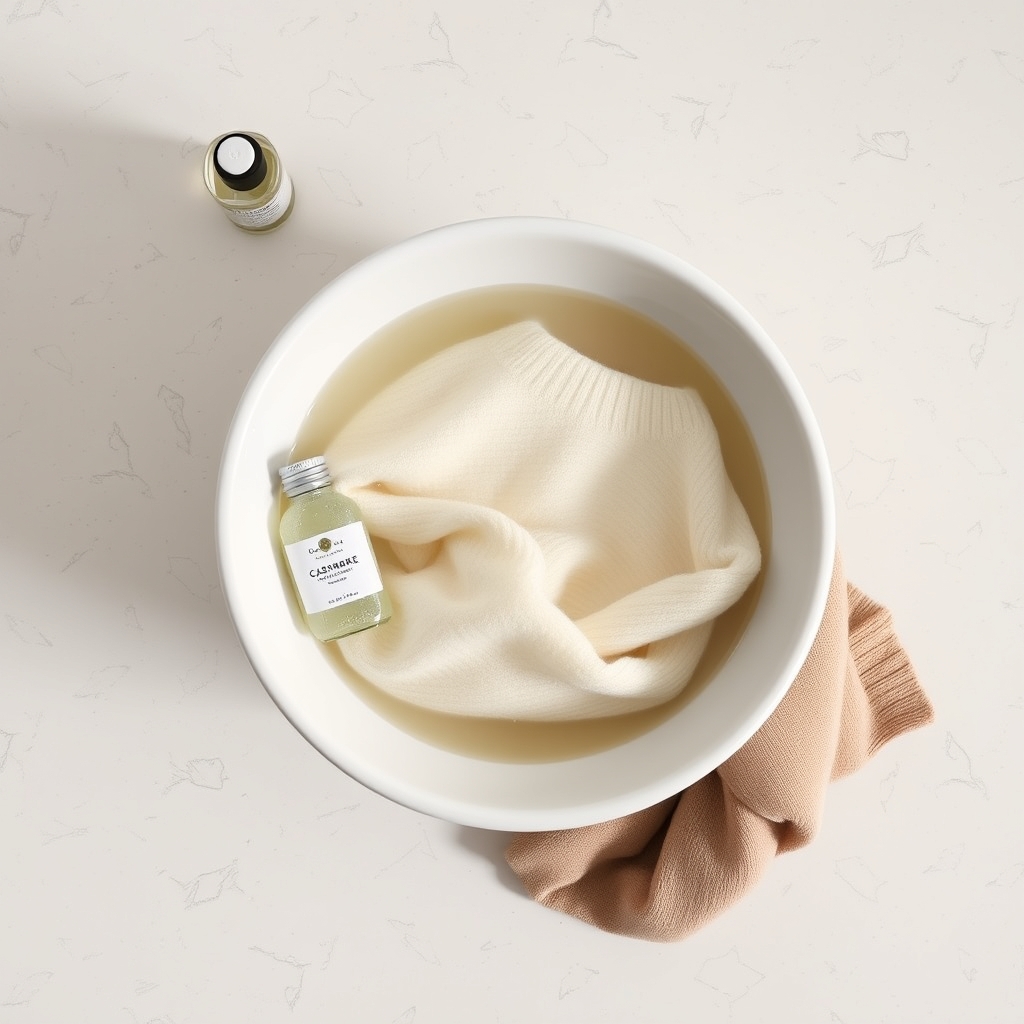
- Fill a basin with cool water. Not cold, not warm cool. Hot water causes irreversible felting.
- Add a small amount of wool wash or baby shampoo. Not regular detergent. Enzyme-based detergents damage protein fibers.
- Submerge the sweater and gently agitate by hand. No wringing, no scrubbing, no soaking longer than ten minutes.
- Rinse with water at the same temperature. Temperature shock causes shrinkage.
- Press (don’t wring) the water out by rolling the sweater in a clean towel.
- Lay flat on a fresh dry towel to reshape. Pull gently to your preferred dimensions while damp. Never hang gravity will stretch the shoulders and distort the silhouette permanently.
- Air dry away from direct sunlight and heat sources. Direct sunlight fades fiber; heat sources accelerate felting.
How often to wash: Owner reports suggest washing cashmere every three to four wears, not after every use. Over-washing degrades fiber faster than under-washing.
Pilling Prevention: What Actually Works
- Rotate your sweaters. Wearing the same piece multiple days in a row accelerates fiber fatigue. Owner reports consistently flag this as a primary pilling driver.
- Avoid high-friction contact. Bag straps, rough jacket linings, and seatbelts all generate friction that pulls surface fibers loose. A cashmere layer under a structured coat is lower-risk than under a backpack strap.
- Use a cashmere comb or fabric shaver. Not a lint roller a proper cashmere comb. Used gently on pilled areas, owner reports describe this as effective at maintaining surface quality without damaging the underlying fiber.
- Don’t over-stretch. Pulling a cashmere sweater on over a bulky hairstyle or an earring is one of the more common ways to snag and pill a sleeve.
Cashmere Storage Guide
| Storage Step | Why It Matters |
|---|---|
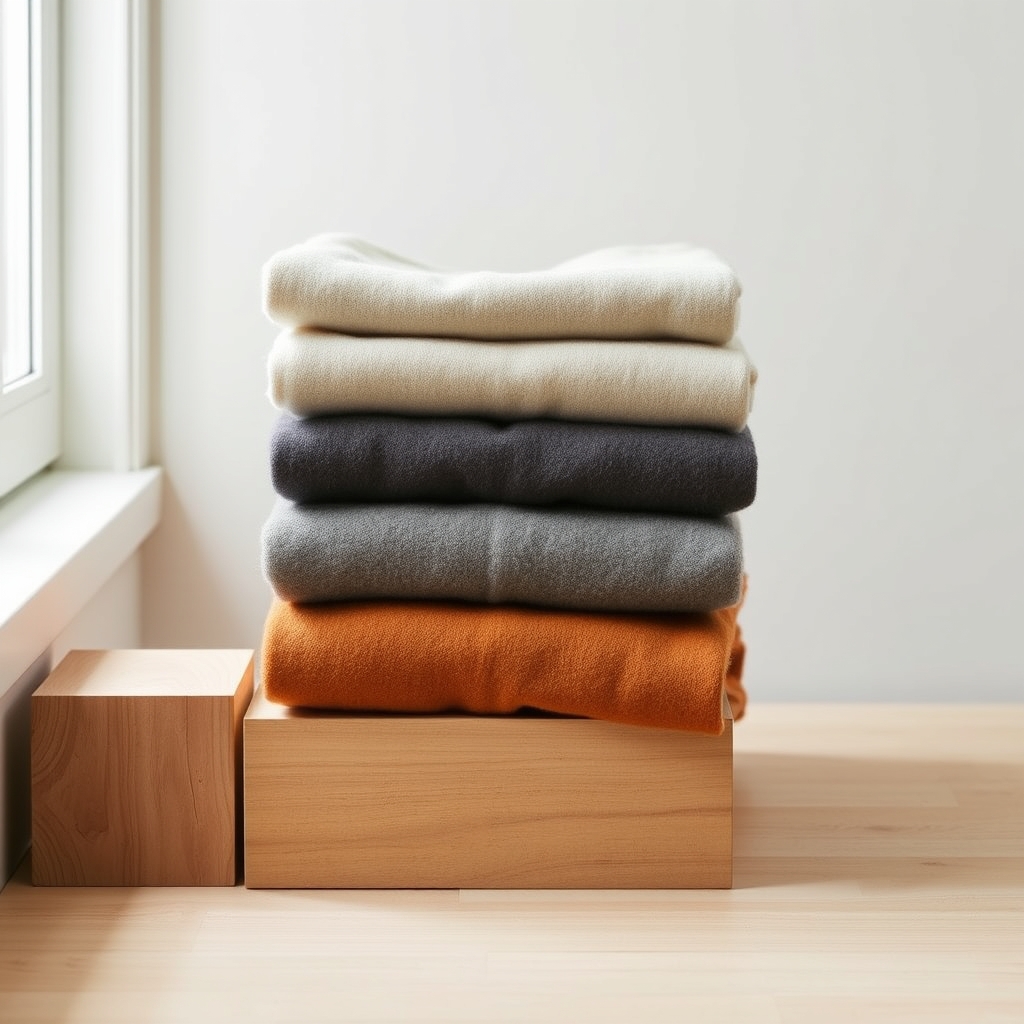
| Fold, Never Hang | Hanging distorts the shoulder seams and stretches the sweater over time. |
| Store in Breathable Cotton Bags | Plastic traps moisture, while breathable cotton bags help protect fibers. Cedar-lined bags also help deter moths. |
| Add Cedar Blocks or Lavender Sachets | Moths are attracted to natural protein fibers. Cedar and lavender are commonly used as natural deterrents. |
| Wash Before Long-Term Storage | Body oils attract moth larvae. Storing cashmere clean significantly reduces the risk of damage. |
| Keep in a Cool, Dark, Dry Location | Heat, light, and humidity accelerate fiber wear and degradation over time. |
Seasonal storage: Before putting cashmere away for the off-season, wash every piece. This is the step most people skip and owner reports from cashmere communities consistently identify unwashed storage as the primary cause of moth damage.
How We Researched and Chose These Picks
This guide is based on desk research, published brand fiber specs, and owner reports reviewed across cashmere owner communities, subreddits, and specialist forums. We did not conduct hands-on wear testing or laboratory fiber analysis. Where owner reports consistently aligned on pilling behavior, silhouette, wash durability we weighted that pattern as meaningful signal. Where reports were contradictory, we noted the variance or cut the brand. Brands that disclosed fiber grade, ply, and sourcing clearly received a transparency credit; brands that obscured specs were penalized. Pricing is indicative only verify current pricing on each brand’s site before purchasing.
FAQ: Best Cashmere Sweaters
What is the best cashmere sweater? The best cashmere sweater for most people is the Everlane Grade-A Mongolian Cashmere Crew. It combines documented two-ply Grade-A fiber construction with accessible pricing and better sourcing transparency than most mid-tier competitors. Owner reports we’ve reviewed consistently describe solid softness and manageable pilling with proper care.
How do I stop my cashmere sweater from pilling? Pilling in cashmere is caused by surface fiber friction the shorter the fiber, the more it pills. To minimize it: rotate your sweaters instead of wearing the same one repeatedly, avoid high-friction contact (bag straps, rough linings), and use a cashmere comb to remove surface pills before they compound. Even high-quality cashmere pills initially; owner reports suggest it typically stabilizes after the first several wears.
Is two-ply or four-ply cashmere better? Neither is universally better they’re suited to different uses. Two-ply is the standard for a versatile everyday sweater: warm enough, soft, and drapey. Four-ply is heavier and more durable, suited to genuinely cold climates or structured knitwear like cable coats. For most buyers, two-ply Grade-A is the right answer.
How long should a quality cashmere sweater last? Based on owner reports we’ve reviewed across cashmere communities, a well-maintained two-ply Grade-A cashmere sweater from a reputable brand can last ten to fifteen years with proper hand-washing and correct storage. The single biggest longevity variable isn’t the sweater it’s whether you actually follow the care protocol.
Is Brunello Cucinelli cashmere worth the price? For the right buyer, yes. Based on owner reports we’ve reviewed, Brunello Cucinelli sweaters hold up over genuinely long ownership windows, and the hand feel is perceptibly above mid-tier options. But you’re also paying for Italian manufacturing provenance and brand positioning not purely fiber. If you’re committed to a fifteen-year care relationship with a single sweater, the price-per-wear math can work. If you’re not sure you’ll hand-wash consistently, buy the Everlane.
Can I machine wash cashmere? Technically, some modern washing machines have a wool/delicate cycle that owner reports describe as survivable for cashmere once. The risk of irreversible felting or shrinkage is real enough that most cashmere specialists recommend against it as a regular practice. Hand-wash in cool water every three to four wears. The ten minutes it takes is what separates a two-year sweater from a fifteen-year one.