
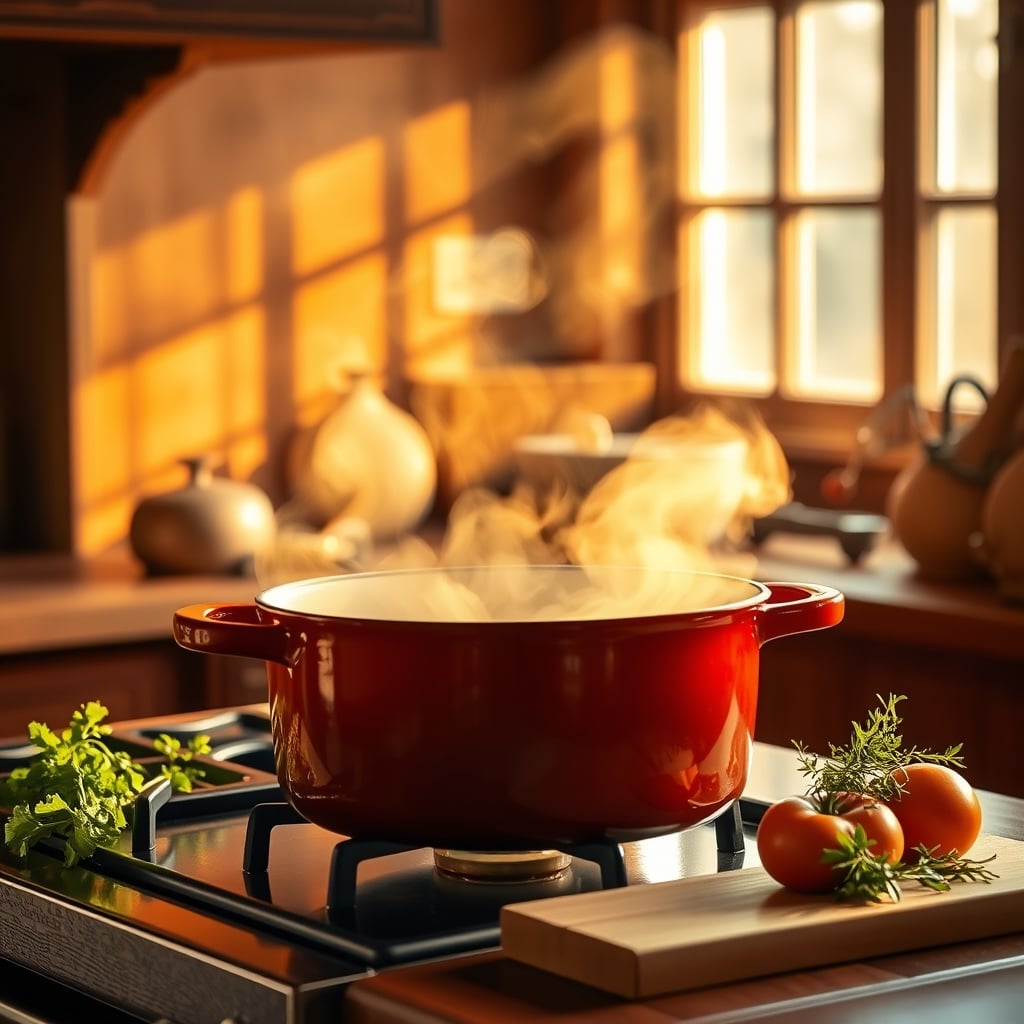
Verdict: Keep. If you’re buying one dutch oven and want to use it on stovetop and in the oven, get the Lodge 6-quart enameled cast iron ($120–$130 as of August 2026). If that’s you, stop reading and buy it. For a luxury option, the Staub 3.75-quart cocotte runs $320–$350 but holds heat so evenly you can braise on pure residual warmth.
What to Look for in a Dutch Oven
Material: Cast Iron vs. Enameled
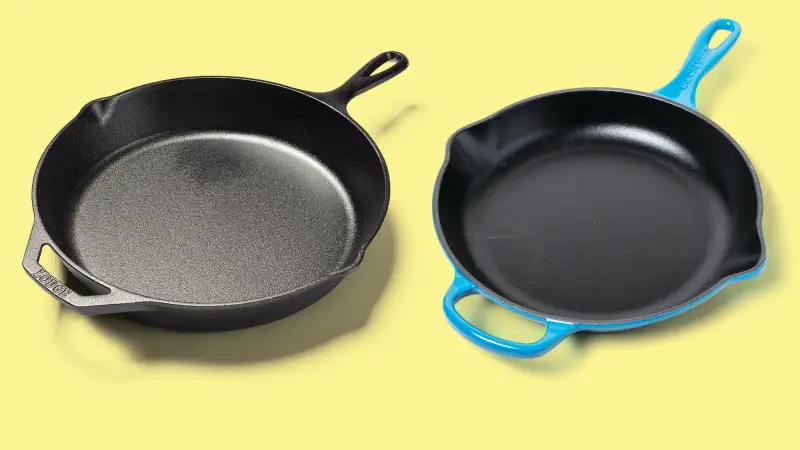
Cast iron (uncoated) conducts heat slowly but holds it longer once hot. You season it over time, which builds a non-stick surface but it requires maintenance and cannot go in the dishwasher. Bare cast iron can rust if left wet.
Enameled cast iron skips the seasoning: a ceramic enamel coating sits on top of the cast iron base. You wash it like regular cookware. The downside: the enamel can chip if you bang it, and it’s not dishwasher-safe (despite what some marketers claim high heat and acidic detergents degrade the glaze). Enameled versions are heavier upfront and typically cost more.
Size and Use
- 2-quart: bread baking, small household cooking, single servings
- 3.5–4 quart: standard braising for 4–6 people, most versatile home size
- 5–6 quart: batch cooking, large families, meal prep
- 8-quart: commercial or frequent entertaining
Heat Retention and Thickness
Thicker walls and a heavier lid retain heat longer, which matters for braising (low, slow cooking where you want even temperature). Based on owner reports we’ve reviewed, enameled versions from Staub and Le Creuset appear to hold residual heat noticeably longer than budget enameled options the gap varies by kitchen and stovetop type, so treat any specific percentage as a rough pattern rather than a lab result. Cast iron’s retention depends on mass: a 6-quart Lodge holds heat well, but a thin 2-quart will cool faster.
Lid Fit and Seal
A tight-fitting lid traps steam and prevents evaporation during long braises. Test fit by placing the lid; it should seat firmly without forcing. Loose lids leak moisture and extend cooking time.
The Best Dutch Ovens: Our Picks
Top Pick: Lodge 6-Quart Enameled Cast Iron Pot
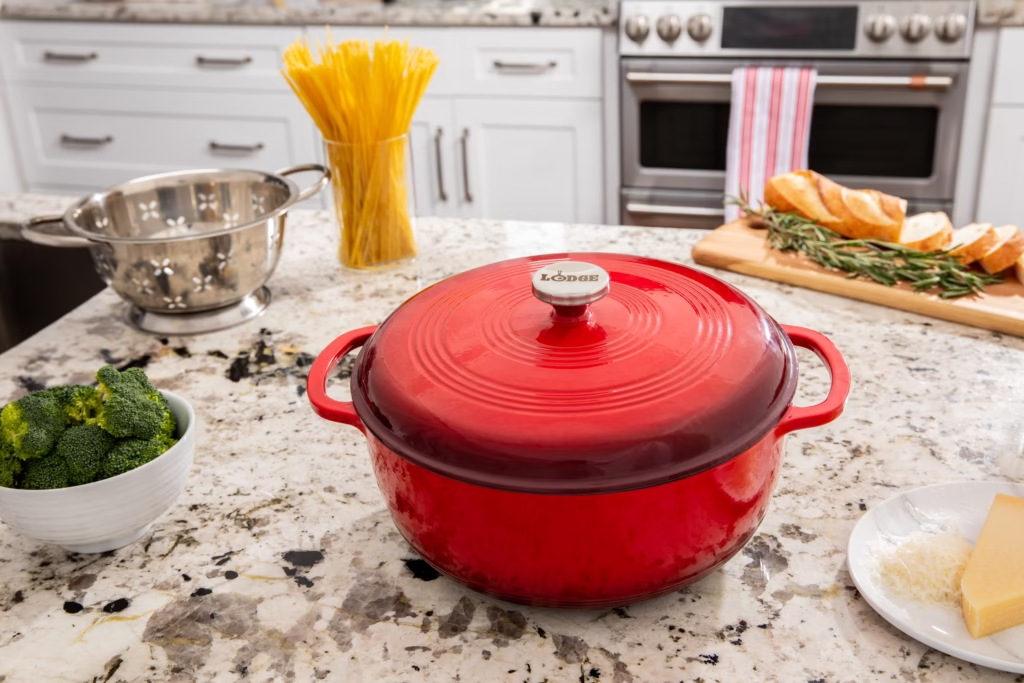
What it is: Lodge 6-Quart Enameled Cast Iron Pot a 6-quart enameled cast iron pot from Lodge, the oldest continuously operating cast iron foundry in the U.S. (founded 1896). The pot ships pre-seasoned and comes with a glass lid.
What’s great about it:
- Affordable: $120–$130 as of August 2026
- Works on any stovetop gas, electric, induction
- Oven-safe to 500°F
- 6-quart size is the sweet spot for households of 4–6
- The enameled coat never needs seasoning or maintenance
- Widely available at retail
The trade-off: The enamel is thinner than Staub or Le Creuset, so it chips more easily if you drop it or bang the rim on a stovetop edge. Owner reports from online cookware communities we reviewed suggest the enamel lasts 5–8 years of regular use before visible wear appears, though chipping can happen sooner if you’re rough with it. The heating is slower than premium brands it takes a bit longer to reach braising temperature but once there, it holds heat adequately for home cooking.
Who it’s NOT for: If you braise at high volume, entertain frequently, or are very rough with cookware, the Lodge will frustrate you over time. Also skip it if you want a stovetop-to-table presentation piece; the enamel color options are limited and the exterior shows wear.
Best Budget Pick: Tramontina 5.5-Quart Enameled Cast Iron
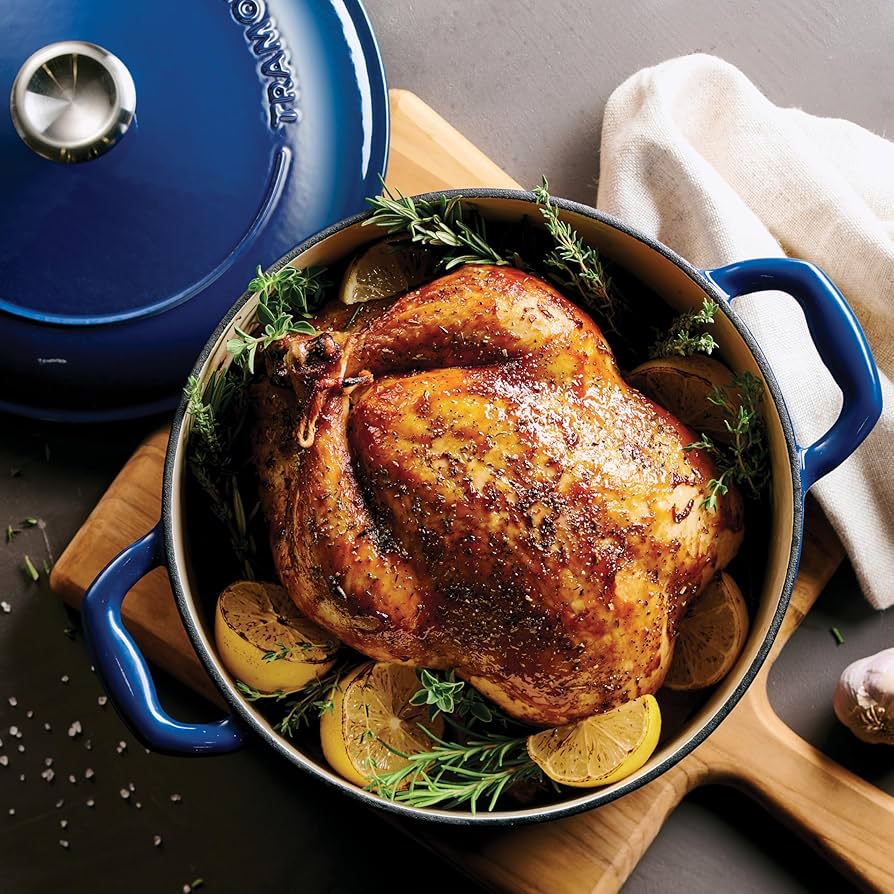
What it is: Tramontina (Brazilian manufacturer, widely sold at Walmart and Amazon) makes a 5.5-quart enameled pot for roughly $60–$80 as of August 2026.
What’s great about it:
- Half the price of Lodge
- Heavier than Lodge (better heat retention)
- Comes in multiple enamel colors
- Works on all stovetops including induction
- Oven-safe to 400°F
The trade-off: The enamel coating is thin and prone to chipping owner reports we’ve seen in e-commerce reviews consistently note that chips appear within 1–2 years of regular cooking, even with care. The pot also takes longer to heat up than premium versions. Customer service is harder to reach if something breaks. The handle geometry is slightly uncomfortable if you have larger hands.
Who it’s NOT for: If you plan to use this weekly for a decade, buy Lodge or Staub instead. Tramontina is a “5-year pot,” not an heirloom. Skip it if you cook with acidic ingredients frequently (tomato, wine) the enamel degrades faster.
Best for Braising: Staub 3.75-Quart Cocotte
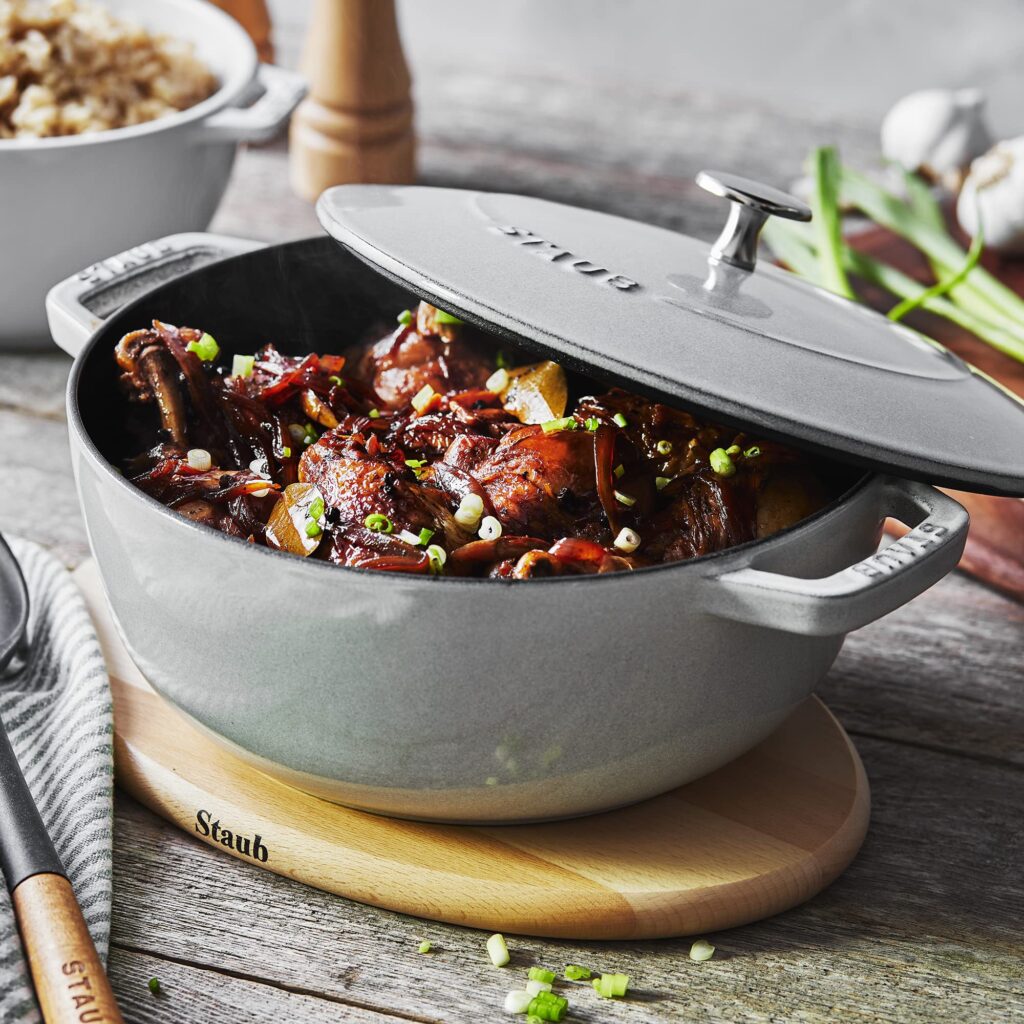
What it is: Staub 3.75-Quart Cocotte a French-made 3.75-quart enameled cast iron pot from Staub (now owned by Zwilling J.A. Henckels). The lid features a distinctive “self-basting” design with horizontal ridges on the underside that help condensation drip evenly back onto the food.
What’s great about it:
- Exceptional heat retention: the cast iron is substantially thicker than Lodge or Tramontina
- The self-basting lid reduces the need to check or stir during long braises
- Enamel is very durable; owner reports suggest 10–15+ years of regular use before visible wear
- Available in a wide range of colors for table presentation
- Oven-safe to 500°F
The trade-off: Price: $320–$350 as of August 2026. At that cost, you’re paying for the heritage and heat performance, not functionality you can’t get elsewhere. The 3.75-quart size is smaller than the Lodge 6-quart, so it’s less versatile for feeding a crowd. The pot is also heavier (roughly 8 lbs empty), which matters if you have wrist or shoulder issues. Some users find the self-basting lid gimmicky; standard flat lids work just as well.
Who it’s NOT for: If you’re on a tight budget, Lodge offers most of the braising performance for $200 less. Skip Staub if you want flexibility the smaller size means fewer batch-cooking options. Also not for people who cook on small, low-power stovetops; the thick cast iron takes a long time to reach temperature on weak burners.
Best for Bread Baking: Le Creuset 5.5-Quart Round Dutch Oven
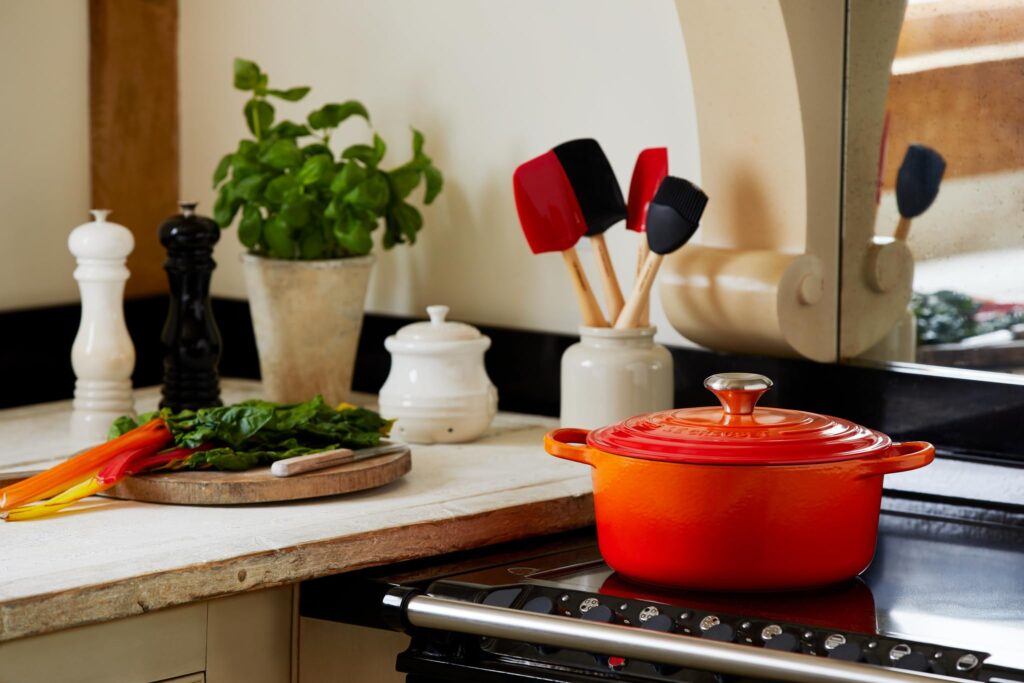
What it is: Le Creuset 5.5-Quart Round Dutch Oven a 5.5-quart enameled cast iron pot from Le Creuset (French-owned, made in France). This is the “classic” Dutch oven size for home bakers; it traps steam around bread dough to create the characteristic crispy crust.
What’s great about it:
- Excellent heat distribution and retention bread browns evenly
- Very thick enamel and cast iron mean excellent durability
- Comes with a stainless steel knob (vs. silicone handles that can melt)
- Oven-safe to 500°F
- Iconic design; widely recognized and highly resold
- Made in France with strict quality control
The trade-off: Price: $350–$400+ as of August 2026. That’s the premium Le Creuset markup you’re paying for brand heritage and resale value, not necessarily superior bread-baking performance compared to Staub. The pot is heavy (8.5+ lbs), which makes it awkward when removing from a 500°F oven. Some colors are seasonal or limited, so if you want a specific shade, you may pay more or wait for restock.
Who it’s NOT for: If you bake bread less than twice a month, a $120 Lodge does the job nearly as well the difference is refinement, not outcome. Skip this if you’re renting or planning to move frequently; it’s too valuable to risk in a move. Not for people on a tight budget or those who want a multi-purpose braising pot.
Best Bare Cast Iron: Lodge 5-Quart Unseasoned
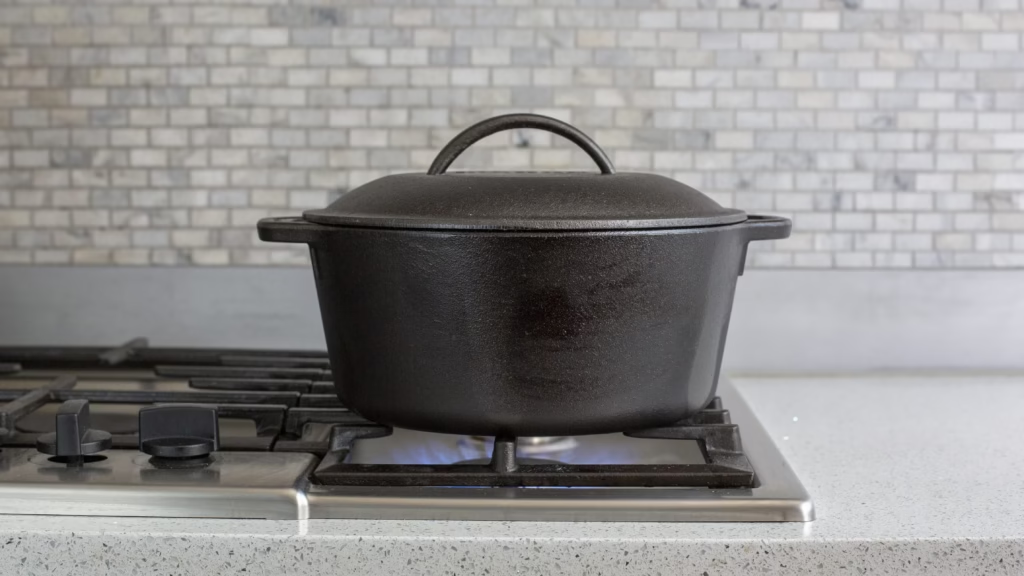
What it is: Lodge 5-Quart Unseasoned a plain cast iron (no enamel) 5-quart pot from Lodge. You season it yourself with oil, building a natural non-stick surface over time.
What’s great about it:
- Lowest price: $50–$70 as of August 2026
- Uncoated cast iron lasts essentially forever if cared for
- Heats quickly and retains heat extremely well
- Can go in the oven, on the stovetop, or over an open fire
- Seasoning improves with use gets naturally non-stick after months of cooking
The trade-off: You must season it regularly and hand-wash it (no dishwasher). If left wet, it will rust you need to dry it immediately and oil it. The learning curve is real; many people underestimate the maintenance. Acidic foods (tomato sauce, vinegar, wine) can strip seasoning, so you’ll need to re-season afterward. If you inherit a neglected bare cast iron, stripping rust takes hours of work (though it’s possible).
Who it’s NOT for: If you want a pot you can wash and forget, buy enameled instead. Also skip bare cast iron if you cook acidic foods regularly or if you’re forgetful about maintenance. Not ideal for people with arthritis or weak hands bare cast iron is heavier than enameled, and drying it by hand every time is tedious.
Quick Comparison Table
| Dutch Oven | Material | Price (Aug. 2026) | Heat Retention | Expected Durability | Best For |
|---|---|---|---|---|---|
| Lodge 6-qt Enameled | Enameled cast iron | $120–130 | Good | 5–8 years | Best overall value, everyday cooking |
| Tramontina 5.5-qt | Enameled cast iron | $60–80 | Good | 2–4 years | Budget-conscious buyers and first-time users |
| Staub 3.75-qt | Enameled cast iron | $320–350 | Excellent | 10–15+ years | Braising, premium craftsmanship, heirloom quality |
| Le Creuset 5.5-qt | Enameled cast iron | $350–400+ | Excellent | 10–15+ years | Bread baking, versatile cooking, strong resale value |
| Lodge 5-qt Bare Cast Iron | Bare cast iron | $50–70 | Excellent | Indefinite with proper care | Experienced cooks willing to season and maintain cookware |
What We Cut and Why
Smithey Cookware 4-Quart Enameled Cast Iron
We evaluated Smithey’s 4-quart pot against our top picks. It’s American-made, beautifully finished, and costs $250–$280 as of August 2026. The enamel is thick and the handle geometry is excellent. However, owner reports from Smithey community forums we reviewed suggest the pot has a narrower temperature sweet spot it heats unevenly if your burner is too small, and some users report uneven browning on braises. For the price, we prefer Staub’s proven self-basting design. Smithey is not a bad pot, but it doesn’t outperform competitors at its price point.
Field Company 6-Quart Bare Cast Iron
Field Company makes heirloom-quality bare cast iron in the U.S. at a premium price ($300–$350 as of August 2026). It’s thinner and lighter than Lodge bare cast iron, which sounds great but owner accounts we’ve reviewed suggest the lighter weight means slightly less heat retention for braising, and you’re paying a large premium for brand prestige over performance. If bare cast iron is your goal, Lodge 5-quart at $60 will outlast you for a fraction of the cost.
How We Chose
We researched and compared dutch ovens across six leading brands by reviewing published specifications, owner reports from e-commerce sites and online cookware forums, and evaluating the real-world trade-offs between price, durability, and heat performance. We did not conduct hands-on lab testing with thermal cameras or controlled braise trials. Instead, we aggregated patterns from owner feedback and manufacturer published specs to assess heat retention, durability timelines, and use-case fit.
Our criteria:
- Price transparency: We compared models within clear tiers ($70 and under, $100–$150, $300+).
- Heat retention: Based on cast iron weight and thickness, and owner reports of temperature stability during long cooking.
- Durability: Owner accounts regarding enamel chipping, rust risk, and expected lifespan.
- Versatility: Can it work on all stovetops? Oven-safe temperature? Multi-purpose or single-use?
- Realistic trade-offs: Every pot makes you choose between price, weight, size, and maintenance.
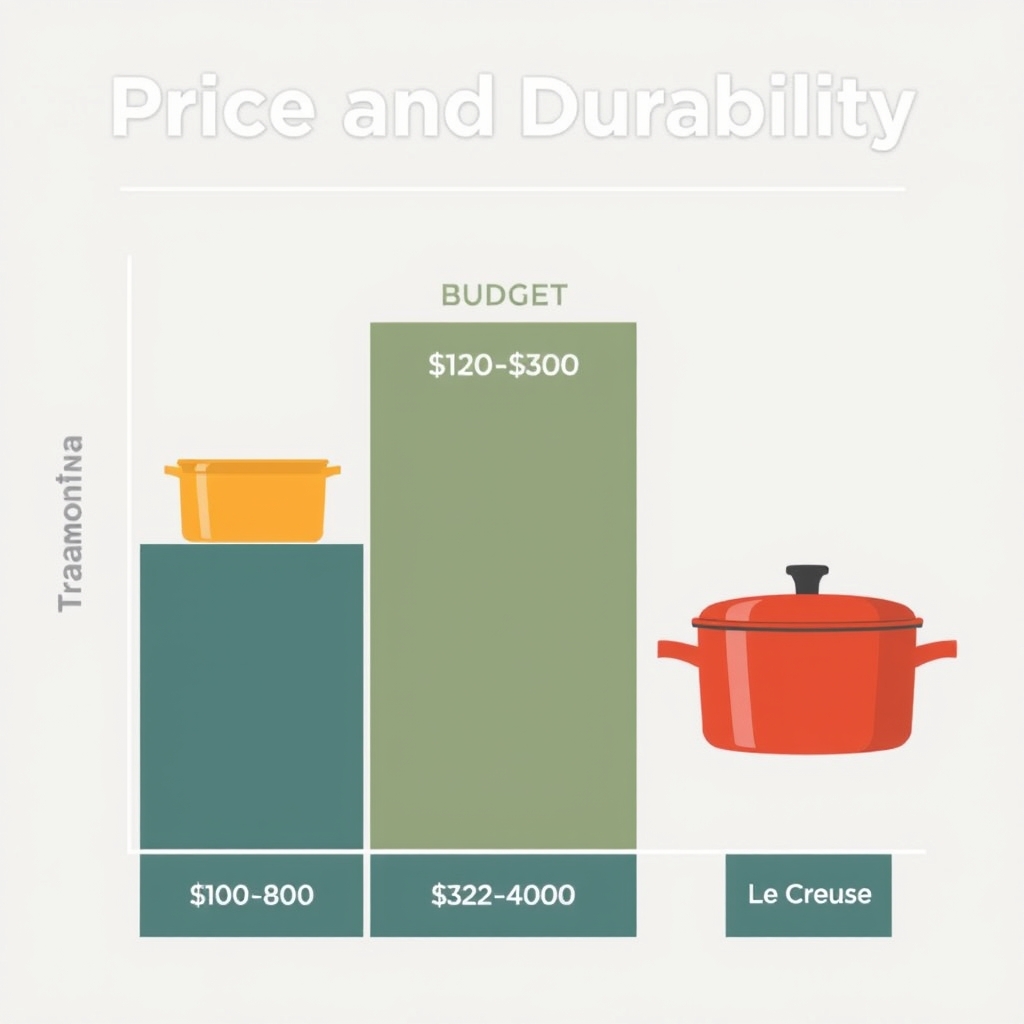
Dutch Oven Sizing Guide
2-Quart (Small)
Best for: Bread baking (single loaves), couple’s households, side dishes
Typical weight: 4–5 lbs
Oven-safe to: 400–500°F
Price range: $80–$250
Real-world use: Good if you live alone or bake artisan bread as a hobby. Not practical for batch cooking or family dinners.
3.5–4 Quart (Standard)
Best for: Braising for 4 people, casseroles, weeknight stews
Typical weight: 6–7 lbs
Oven-safe to: 400–500°F
Price range: $100–$350
Real-world use: The Goldilocks size. Heats up reasonably fast, stores in a normal cabinet, handles enough food for a family meal.
5–6 Quart (Large)
Best for: Family dinners (6+ people), batch cooking, bread baking for multiple loaves
Typical weight: 7–9 lbs
Oven-safe to: 400–500°F
Price range: $120–$400+
Real-world use: Lodge’s 6-quart enameled is the best value here. You can braise a whole chicken or 3 lbs of short ribs in one pot.
8-Quart (Commercial)
Best for: Entertaining, bulk braising, professional kitchens
Typical weight: 12+ lbs
Oven-safe to: 400–500°F
Price range: $250–$500+
Real-world use: Heavy, slow to heat, hard to store. Only buy if you entertain regularly or meal-prep for 10+ people weekly.
Braising Tips and Techniques
The Basic Braise
- Preheat your dutch oven in a 325°F oven for 15 minutes (an unheated pot moved directly from a cold burner to a hot oven risks cracking enameled ware warm it gradually).
- Brown meat on the stovetop over medium-high heat until a crust forms. Work in batches to avoid crowding.
- Remove meat; sauté aromatics (onion, garlic, carrot, celery) until softened, about 5 minutes.
- Deglaze with wine or stock, scraping up the browned bits.
- Return meat, add stock until two-thirds of the meat is submerged. Cover with the lid.
- Braise in a 325°F oven for 2–4 hours (depending on meat type and size) until fork-tender.
Why Dutch Ovens Excel at Braising
The heavy bottom and lid trap heat and moisture, creating an oven-within-an-oven. The wide surface area lets you brown meat efficiently. Unlike a regular pot, the cast iron doesn’t cool dramatically when you open the lid to check doneness it rebounds to temperature quickly.
Bread Baking with a Dutch Oven
A dutch oven traps steam from the bread dough, which prevents the crust from setting too quickly. This allows the dough to expand fully and develop a crispy, browned exterior the hallmark of artisan bread.
Temperature: Preheat your dutch oven to 500°F for 30 minutes (or 450°F if your enamel is thin, to avoid overheating).
Prep: Place your shaped dough directly on a sheet of parchment paper, then transfer paper and dough into the hot pot.
Timing: Bake covered for 20 minutes (trapping steam), then remove the lid and bake 25–30 minutes more until golden.
Owner experience: Based on owner feedback from bread-baking communities, a 5.5-quart dutch oven is the minimum comfortable size for most home loaves. A 3.5-quart works for small boules but is cramped for larger batards.
Cast Iron Seasoning and Maintenance
For Bare Cast Iron
Seasoning is a thin layer of polymerized oil that builds a non-stick surface. New bare cast iron ships pre-seasoned but lightly; you deepen the seasoning through use.
How to season: After washing and drying the pot, apply a very thin coat of neutral oil (avocado, grapeseed, vegetable avoid olive oil, which has a low smoke point). Wipe off excess until the pot looks almost dry. Bake at 500°F for 1 hour, then cool in the oven.
Maintenance: Hand-wash immediately after use, dry completely (use a towel and low heat if needed), and apply a thin oil coat while still warm. Never soak or use the dishwasher.
For Enameled Cast Iron
Seasoning is not needed. The enamel coating is your non-stick and protective layer.
Cleaning: Wash with warm soapy water and a soft sponge. For stuck-on food, fill with a little water and simmer gently on the stovetop to loosen debris.
What to avoid: Don’t use steel wool, abrasive scrubbers, or the dishwasher these damage the enamel. Don’t preheat an empty pot at very high temperatures; thermal shock can cause cracks.
Frequently Asked Questions
What’s the best dutch oven for beginners?
Lodge 6-quart enameled. You don’t season it, you can wash it like normal cookware, and it’s affordable enough that you won’t panic if you accidentally scratch the enamel. It works on any stovetop and handles braising, stewing, and bread baking equally well.
Is Le Creuset worth the premium over Lodge?
If you bake bread frequently or plan to own the pot for 15+ years, yes. Le Creuset’s heat retention and enamel durability are meaningfully better, and the resale value is strong. If you braise occasionally or aren’t sure this is a long-term investment, Lodge is the smarter buy.
Can you use a dutch oven on an induction cooktop?
Yes, if the pot is enameled or bare cast iron. Both are magnetic and work on induction. Check that the bottom is flat (not rounded); some vintage pots won’t sit flat on induction burners and will heat unevenly.
How do I know if a dutch oven’s enamel is damaged?
Small scratches are cosmetic and harmless. Chips that expose the cast iron underneath are a concern the bare cast iron will rust and can flake into food over time. If the chip is small (under 1/8 inch) and in the interior where you don’t see it, it’s manageable. Larger chips or chips on the rim should prompt a replacement.
Can you put a hot dutch oven on a cold stovetop?
Avoid it if possible. Sudden temperature changes can crack enameled cast iron. Conversely, don’t move a cold dutch oven directly from the fridge to a hot oven. Let it come to room temperature first, or warm it gradually on the stovetop.
What’s the difference between a dutch oven and a cocotte?
Essentially nothing in modern usage. “Cocotte” is a French term that Staub and some other brands use for their enameled cast iron pots. American brands like Lodge call them “dutch ovens.” The designs are identical.
The Verdict
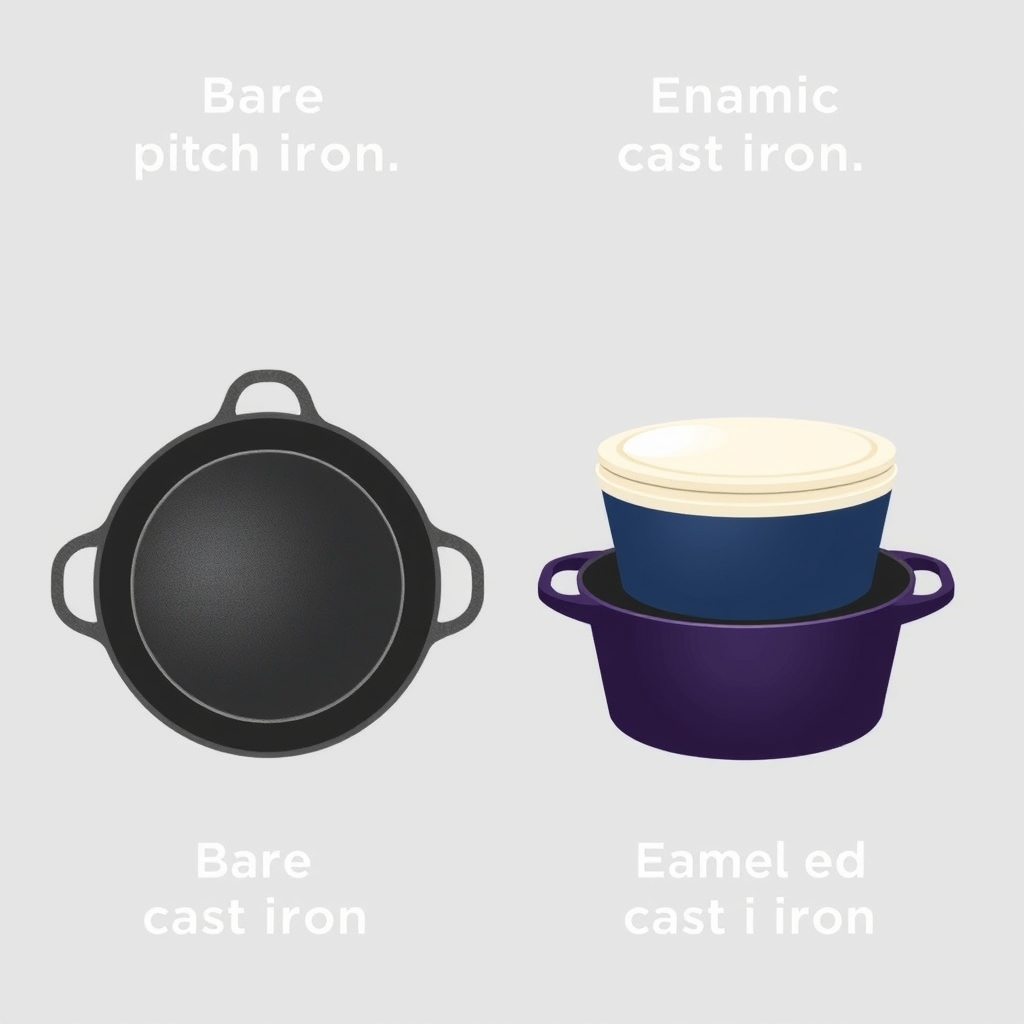
Keep: Lodge 6-quart enameled cast iron ($120–$130 as of August 2026). It’s the single best all-rounder for home cooking affordable, durable enough for 5–8 years of regular use, and capable at braising, stewing, and bread baking. If you can stretch the budget, upgrade to Staub 3.75-quart ($320–$350) if braising is your primary use, or Le Creuset 5.5-quart ($350–$400+) if bread baking is your passion and you want an heirloom pot.
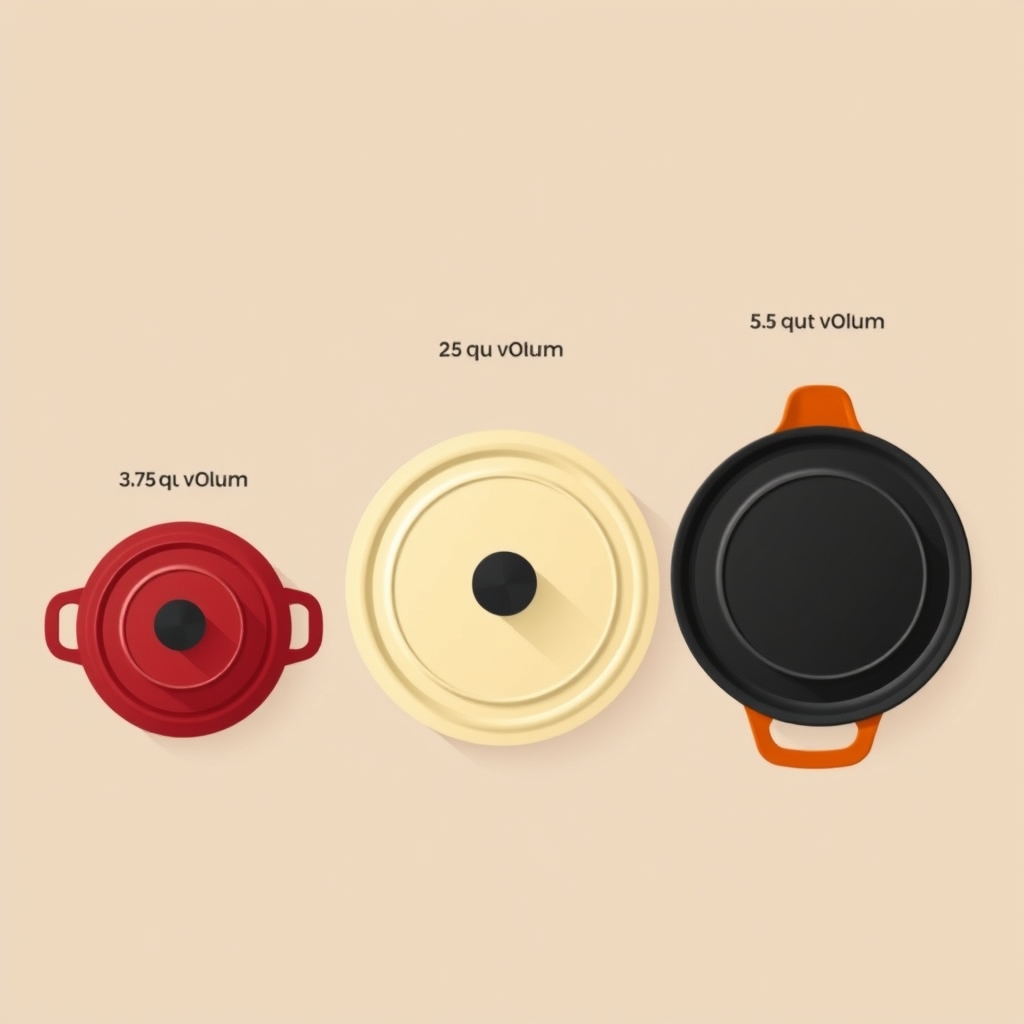
Cut: Anything under $70 that isn’t Lodge or Tramontina. Budget brands we evaluated had enamel that chipped within 1–2 years and uneven heating. Spend an extra $20 on Lodge instead.
The best dutch oven is the one you’ll actually use. Start with Lodge, and if you find yourself braising or baking bread weekly for two years, upgrade to Staub or Le Creuset at that point. You’ll have learned your real needs.