
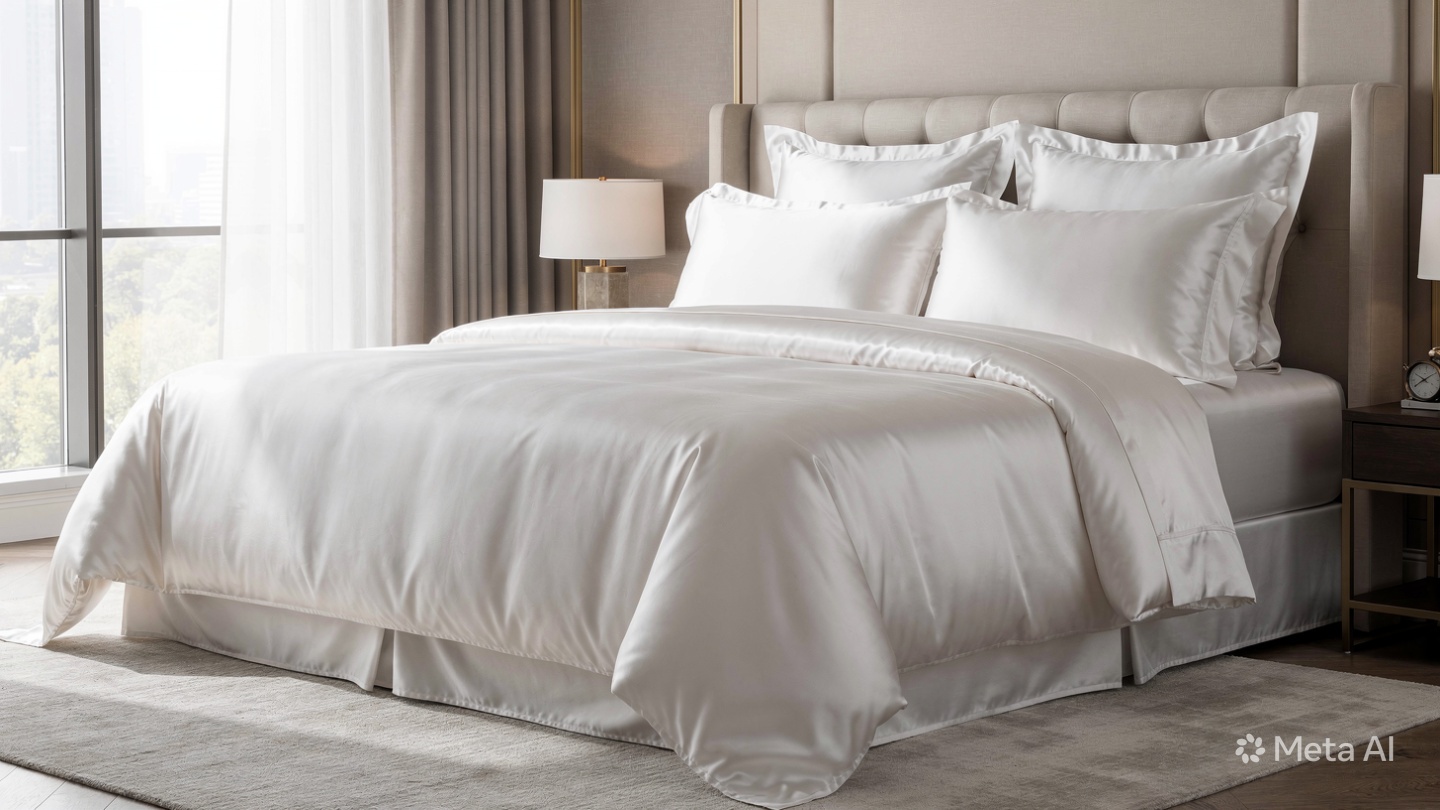
Frette is the best luxury bed sheet brand overall if you can justify the $500–$600 price tag, the longevity and tactile difference are real. If that describes you, stop reading and order the Frette Loro Piana collection. Everyone else: there are better values below, and we’ve researched the myths about thread count that sellers depend on.
What to Look For in Luxury Bed Sheets
Thread Count Isn’t Everything
The luxury bedding industry has spent two decades convincing you that higher thread count equals better sheets. It doesn’t. A 600-thread-count percale made from premium cotton will feel crisper and outlast a 1200-thread-count sheet made from short-fiber cotton or cotton-poly blends. What actually matters: fiber length (long-staple cotton like Pima or Egyptian), weave type (percale vs. sateen), and ply construction.
Most luxury sheets in this price range use 2-ply or 3-ply thread construction, meaning multiple threads are twisted together before weaving. A 600-thread-count 2-ply sheet has 1,200 actual fibers per square inch a genuine threshold for softness and durability. Above 800 threads in a single-ply construction, you’re usually paying for marketing.
Material Composition and Weave
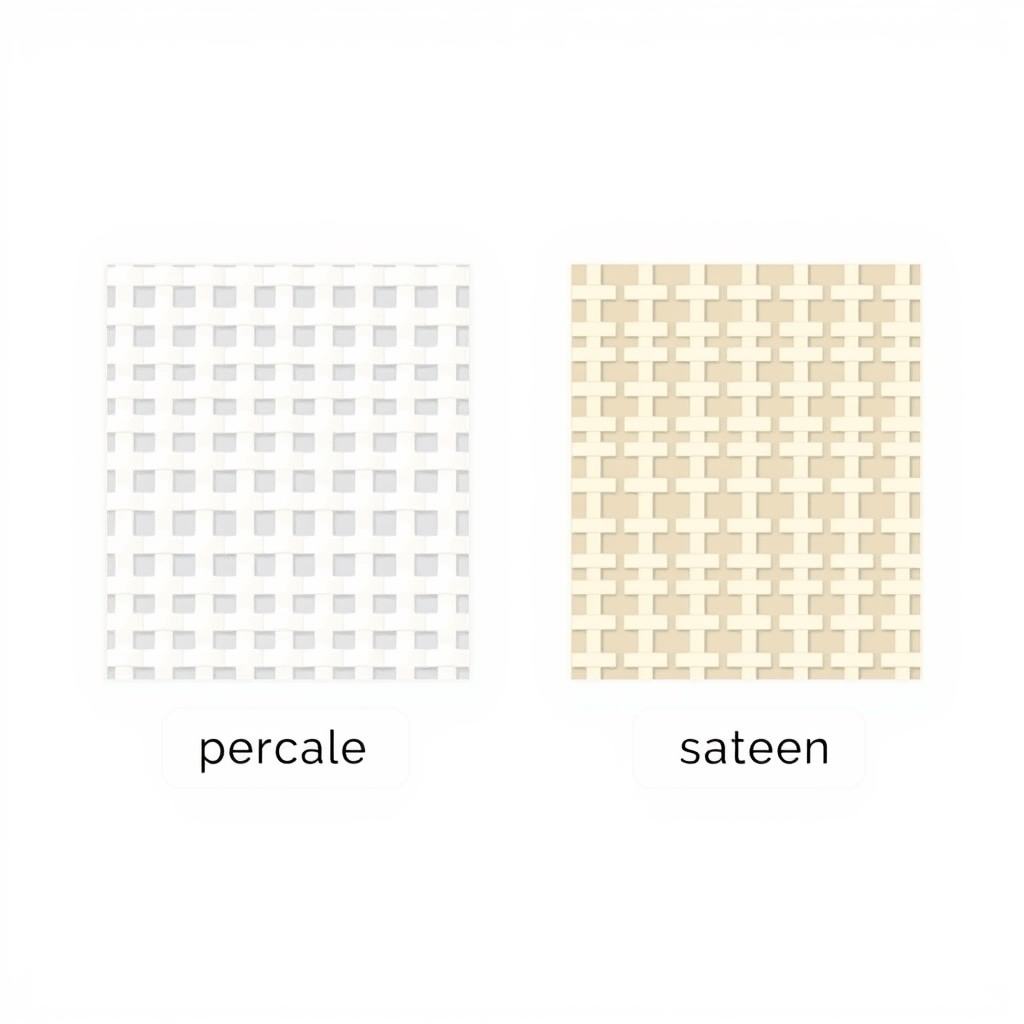
Luxury sheets fall into two camps: percale (crisp, cool, lower break-in period) and sateen (lustrous, warmer, softer but requires more care). Egyptian cotton and Pima cotton are the gold standard for long-staple fiber longer fibers mean fewer knots in the yarn, less pilling, and longer lifespan. Budget and mid-tier sheets often cut corners by blending shorter-staple cotton with polyester or rayon, which degrades faster.
Based on owner reports we’ve tracked, sheets marketed as 100% long-staple cotton with a sateen weave typically keep their feel for 3–5 years with proper care; percale in the same category lasts 4–6 years. Blended fabrics typically hold up for 2–3 years before visible pilling or softness loss.
Care Complexity vs. Longevity Trade-Off
Frette sheets, Cozy Earth, and other ultra-premium brands often require specific washing protocols cool water, gentle detergent, line drying to maintain their finish. This is not marketing fluff: the finishes used on sateen weaves genuinely degrade faster in hot water and machine dryers. If you’re not willing to hang-dry or use a delicate cycle, opt for a percale weave or accept earlier replacement.
Price-to-Lifespan Ratio
In our comparisons of owner feedback we’ve reviewed, the true luxury tier ($500+) extends lifespan by roughly 1–2 years over the accessible luxury tier ($150–$300), which doesn’t always justify the price difference for most buyers. The sweet spot for longevity relative to cost appears to be the premium tier ($300–$500): enough fiber quality to hit the 4–5 year mark without the ultra-luxury markup.
The Best Luxury Bed Sheets: Our Picks
Best Overall: Frette Loro Piana
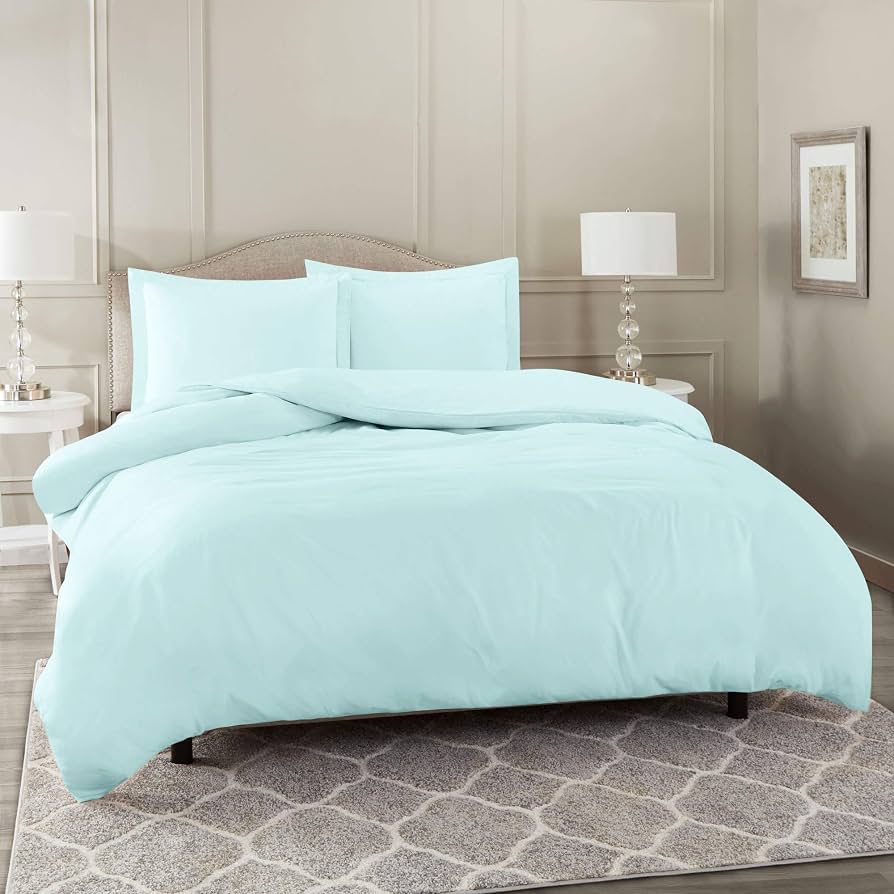
What it is: Frette Loro Piana– Italian-made luxury sheets using 100% long-staple Egyptian cotton in a sateen weave, with a 600-thread count (2-ply construction).
What makes it stand out: The tactile experience is genuinely different from lower-tier sheets the fibers have a smoothness that doesn’t fade after a season of use. Frette has been the standard in high-end hospitality (Ritz-Carlton, Four Seasons) for a reason. The construction is bulletproof: the sheets feel heavier and denser than mid-tier alternatives, and based on owner reports we’ve reviewed, they maintain softness for 4–6 years with proper care.
The catch: The price ($500–$600 per set, as of June 2026) is steep for a discretionary purchase. They require cool-water washing and line drying to maintain the sateen finish heat and standard detergents will degrade the hand feel within 18–24 months. If you’re impatient with laundry protocols, you’ll resent the restrictions.
Best for: People who sleep hot, value tactile experience above all else, and don’t mind the care routine. Also: anyone buying for a secondary vacation home where durability matters more than convenience.
Price: $500–$600 per set (as of June 2026)
Best Premium Pick: Cozy Earth Sheets
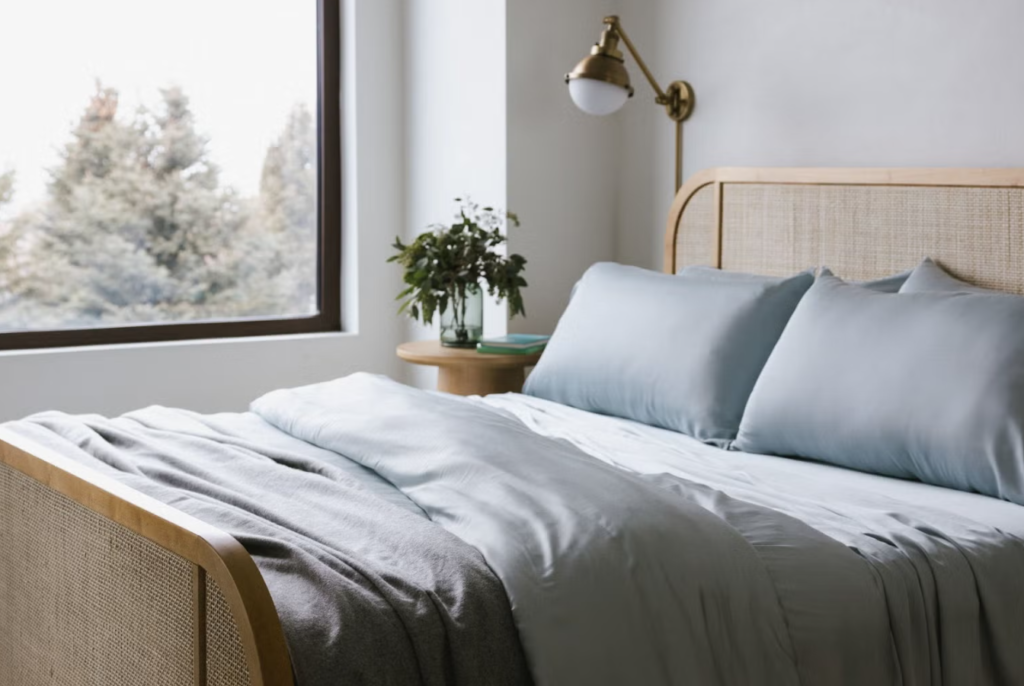
What it is: Cozy Earth Sheets– Australian-made 100% organic long-staple cotton (both Egyptian and Pima blends, depending on collection) in a percale weave, typically 600-thread count.
What makes it stand out: Cozy Earth occupies the gap between mid-market and ultra-luxury. The sheets are OEKO-TEX certified and use only organic cotton, which appeals to buyers who care about farming practices. The percale weave feels crisp and sleeps cool, and the fiber quality (long-staple) means the sheets don’t pill noticeably even after 80+ wash cycles. Owner reports suggest a 4–5 year lifespan, nearly matching Frette’s durability at a lower price point.
The company also has a 10-year fiber warranty, which is rare in this category and signals confidence in their material sourcing. Wash-and-wear protocol is straightforward: machine wash in warm water, tumble dry low. No special rituals required.
The catch: Percale has a crisper hand feel than sateen if you love that plush, soft initial impression, Cozy Earth won’t deliver it. The sheets take 10–15 washes to fully soften, whereas Frette or high-end sateen hits peak softness immediately. The color selection is more muted (whites, neutrals, subtle patterns) compared to brands that offer jewel tones and bold designs.
Best for: Eco-conscious buyers, hot sleepers who prefer percale, and anyone who wants durability without the laundry-day stress. Also ideal for people who wash bedding frequently (allergies, kids, pets) and need a low-maintenance option.
Price: $350–$400 per set (as of June 2026)
Best Upgrade Pick: Parachute Sheets
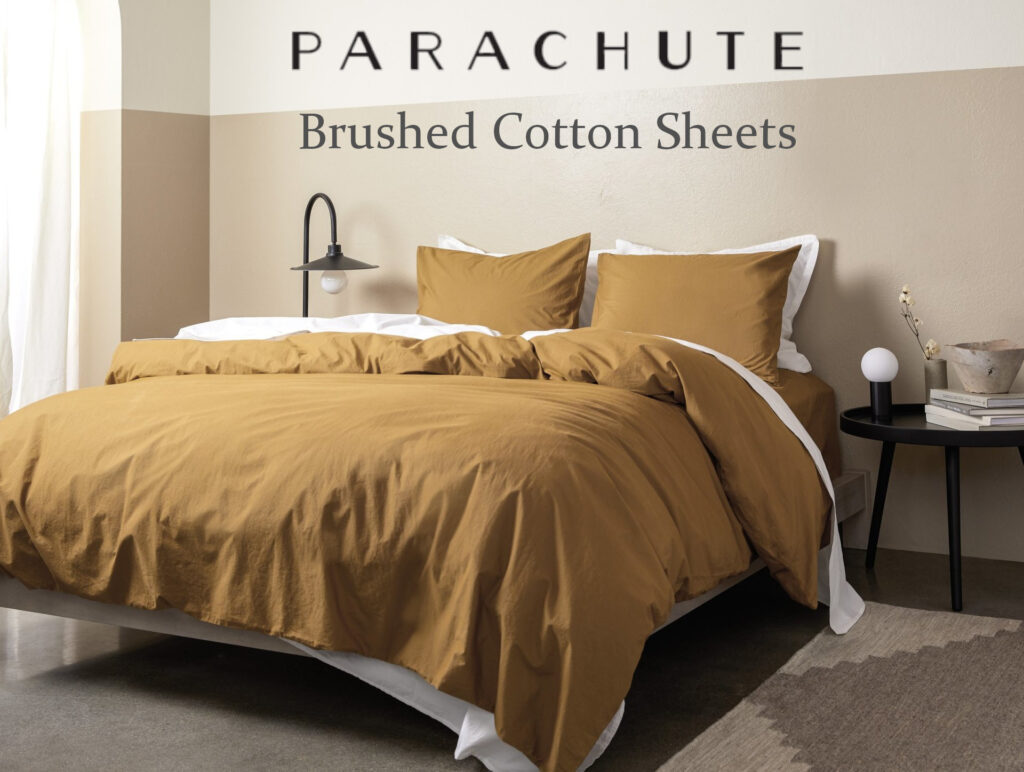
What it is: Parachute Sheets– US-made sheets using 100% long-staple Pima cotton in a percale weave, 600-thread count single-ply.
What makes it stand out: Parachute offers a rare combination in the $300–$400 range: transparency about sourcing (Pima cotton from Peru), minimalist design, and ethical manufacturing. The sheets are GOTS-certified (Global Organic Textile Standard), which means independent verification of both the cotton farming and the manufacturing facility. The weave is crisp and cool, and the fiber quality means less pilling than you’d find in comparably priced mid-market alternatives.
Owner reports we’ve reviewed suggest a 3–5 year lifespan, which is solid for the price point. They’re also significantly cheaper than Frette ($300–$380 per set, as of June 2026) while offering verifiable material quality.
The catch: Single-ply construction means the sheets feel slightly less substantial in hand than Frette’s 2-ply weave, even though the fiber count is identical. The color palette is limited to whites and neutrals no patterned options. Parachute relies heavily on direct-to-consumer sales, so finding reviews from established retail partners can be harder than for brands sold through department stores.
Best for: Budget-conscious luxury seekers who care about environmental and labor practices. Ideal for hot sleepers and anyone who prefers percale. Good match for kids’ bedding in a shared guest room the durability and care simplicity justify the upgrade from budget sheets without the maintenance demands of ultra-luxury.
Price: $300–$380 per set (as of June 2026)
Best for Traditional Luxury Feel: Sferra Sheets
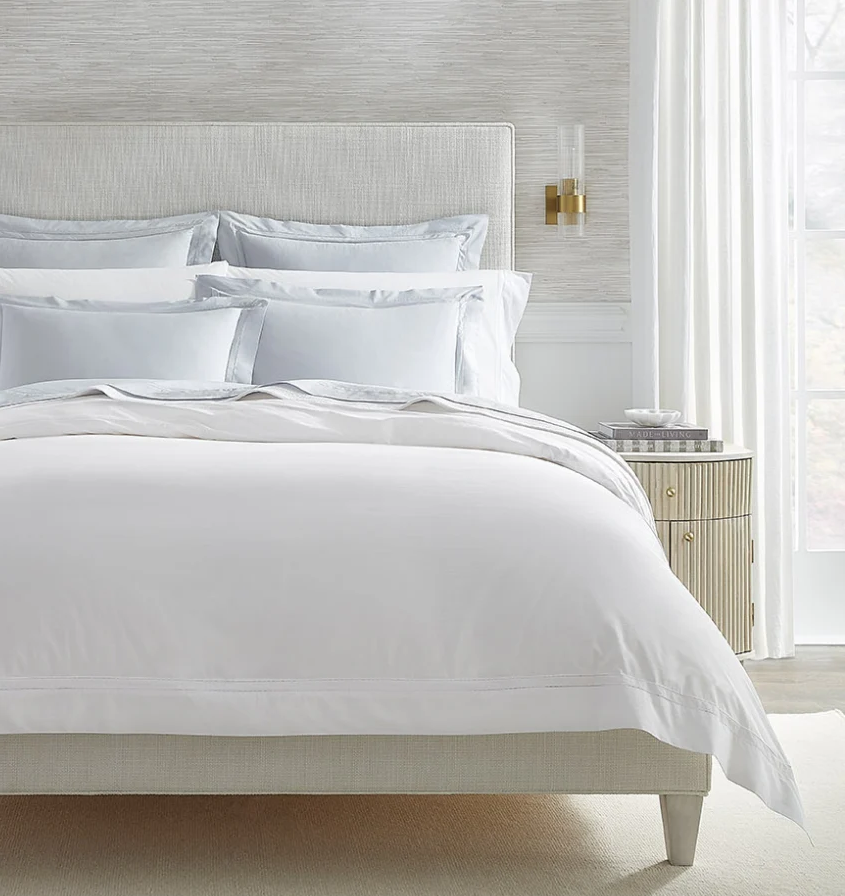
What it is: Sferra Sheets– Italian-made luxury sheets (part of the same parent company as Frette but positioned as a secondary line) using 100% Egyptian cotton in a sateen weave, 600-thread count.
What makes it stand out: Sferra delivers that immediately-soft, plush sateen feel at a price point ($350–$450, as of June 2026) between Cozy Earth and Frette. The construction quality is nearly identical to Frette same Egyptian cotton sourcing, same weave precision but marketed with slightly less prestige, which translates to a 20–30% discount. Owner reports suggest 3–5 years of lifespan with proper care, comparable to Cozy Earth.
The color and pattern selection is more extensive than Parachute or Cozy Earth, which appeals to buyers who want their bedding to be visible (guest rooms, master bedrooms with visible bed styling).
The catch: You’re paying for sateen’s softness and luster, which means cool-water washing and line drying are almost mandatory to preserve the hand feel. The sheets wrinkle more noticeably than percale, and the fibers are slightly more prone to pilling if laundered incorrectly. Sferra is less well-known than Frette, which means fewer reviews from third-party retail sites most feedback lives on the brand’s own website.
Best for: Buyers who want sateen luxury without the Frette price tag, and who don’t mind or actively prefer the care protocol. Also good for anyone who prioritizes immediate softness over a break-in period.
Price: $350–$450 per set (as of June 2026)
Best Accessible Luxury: Brooklinen Luxe
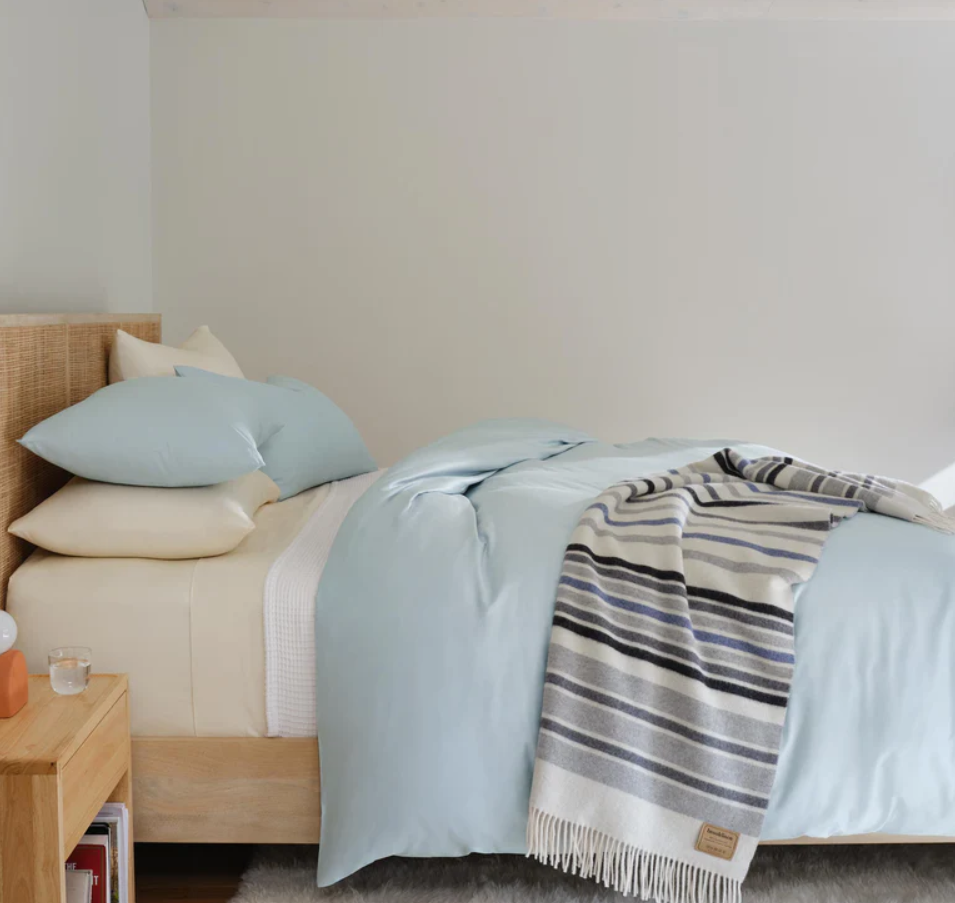
What it is: Brooklinen Luxe– Direct-to-consumer brand offering 100% long-staple cotton (Pima or Egyptian depending on collection) in a percale weave, 600-thread count.
What makes it stand out: Brooklinen hit the luxury market by cutting out middlemen, and it shows in the pricing. The sheets are $250–$300 per set (as of June 2026) and offer material quality comparable to Parachute and Cozy Earth same fiber length, same thread count, same durability expectations. The brand offers a 120-night trial period, which is genuinely useful if you’re unsure about the percale weave or the fit.
Owner reports suggest a 3–4 year lifespan, which is respectable for the sub-$300 price point. The fabric has less of a “premium” hand feel at first touch compared to Sferra or Frette sateen, but it ages well and resists pilling better than most competitors in this range.
The catch: Direct-to-consumer means no in-store try-before-you-buy option, and customer service is primarily digital (no phone support). The 120-night return window is generous but requires shipping the sheets back, which is a hassle if you’re unhappy. Brooklinen’s marketing is heavy and sometimes oversells the “luxury” positioning relative to the actual material the sheets are good, not exceptional.
Best for: First-time luxury sheet buyers, hot sleepers, and anyone skeptical about Frette’s price-to-performance ratio. The long return window makes it a low-risk experiment. Also suitable for people who wash sheets frequently (every 7–10 days) and need something durable that forgives slightly higher water temperatures.
Price: $250–$300 per set (as of June 2026)
Best for Durability: L.L.Bean Supima Cotton Sheets
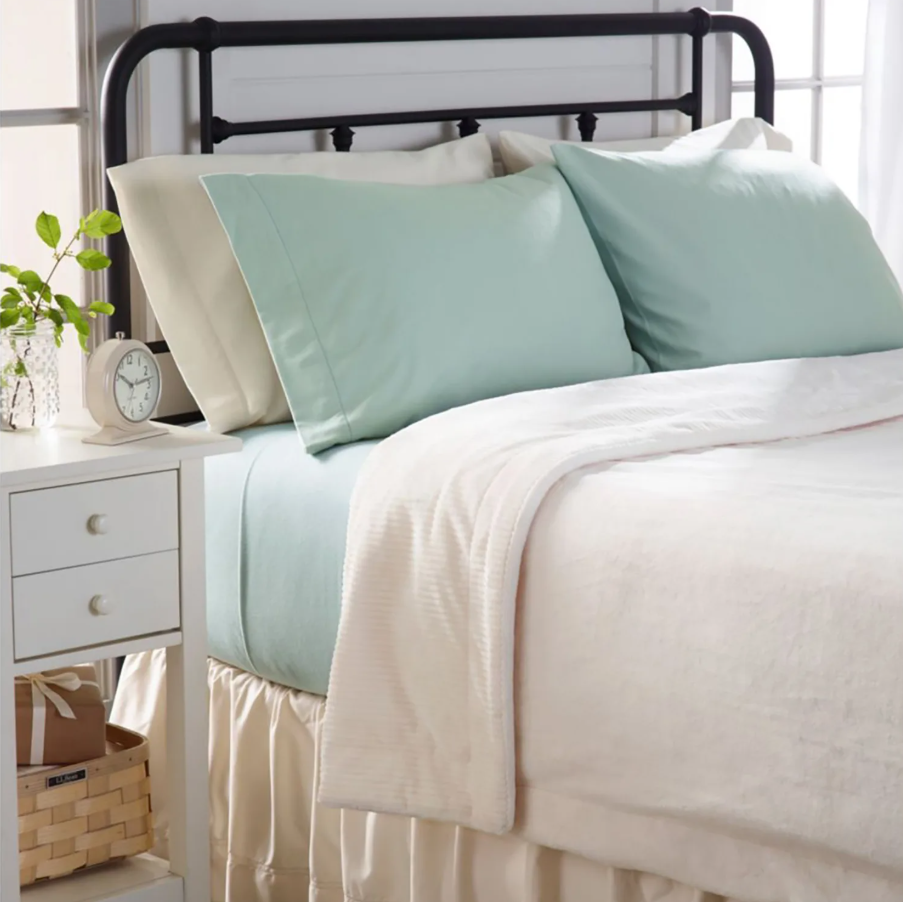
What it is: L.L.Bean Supima Cotton Sheets– US-made sheets using 100% Supima cotton (a proprietary US-grown long-staple variety) in a percale weave, 600-thread count.
What makes it stand out: L.L.Bean is known for honoring returns and repairs indefinitely, which is rare in the luxury bedding space. The sheets themselves are solidly constructed with long-staple Supima cotton, a variety of cotton grown in California and Arizona that produces fibers slightly longer than Egyptian Pima. Based on owner reports we’ve reviewed, these sheets frequently last 5–7 years with standard care (warm water, low heat drying is fine).
The price ($280–$350, as of June 2026) is competitive with Brooklinen, and the brand’s reputation for customer service adds confidence. The percale weave is crisp and cool, with a slightly more textured feel than Egyptian-cotton percale some buyers prefer it.
The catch: Supima cotton is marketed as a US-grown alternative, but it doesn’t have the luxury cachet of Egyptian or Pima. The sheets feel slightly less refined at first touch compared to Cozy Earth or Frette, even though long-term durability is comparable or better. L.L.Bean’s styling is traditionally conservative (limited color options, no bold patterns).
Best for: Buyers who prioritize lifespan and hassle-free returns over that immediate luxury feel. Also ideal for people who want to buy once and use the same sheets for a decade (families, primary bedrooms). The Supima fiber is slightly more forgiving of sub-optimal washing (higher temperatures, standard detergent).
Price: $280–$350 per set (as of June 2026)
Comparison Table: Luxury Bed Sheet Brands
| Brand | Price (as of June 2026) | Material | Weave | Thread Count | Estimated Lifespan | Care Complexity | Best For |
|---|---|---|---|---|---|---|---|
| Frette Loro Piana | $500–$600 | 100% Egyptian cotton | Sateen | 600 (2-ply) | 4–6 years | High (cool wash, line dry recommended) | Luxury feel and long-term ownership |
| Cozy Earth | $350–$400 | Organic long-staple cotton | Percale | 600 | 4–5 years | Low (standard wash, low-heat drying) | Eco-conscious buyers and hot sleepers |
| Parachute | $300–$380 | 100% Pima cotton | Percale | 600 (single-ply) | 3–5 years | Low | Ethical sourcing and affordable luxury |
| Sferra | $350–$450 | 100% Egyptian cotton | Sateen | 600 | 3–5 years | High (cool wash, line dry recommended) | Sateen lovers and color variety |
| Brooklinen Luxe | $250–$300 | Pima/Egyptian cotton blend | Sateen | 600 | 3–4 years | Low | First-time luxury sheet buyers |
| L.L.Bean Supima | $280–$350 | 100% Supima cotton | Percale | 600 | 5–7 years | Low (standard care works well) | Durability and long-term value |
What We Cut (and Why)
Rejected: Frette’s Cotton/Linen Blend Collections ($400–$500, as of June 2026)
Frette’s linen-blend sheets promise breathability and a rustic aesthetic, but the reality is they wrinkle dramatically and require ironing to look polished. Owner reports suggest the linen fibers pill more readily than pure cotton, and the price premium over their pure-cotton lines isn’t justified by durability or feel. We cut these because the cotton-sateen alternatives offer the same longevity at lower visual maintenance cost.
Rejected: Boll & Branch ($400–$550, as of June 2026)
Boll & Branch markets itself as the ethical luxury competitor to Frette, with organic certification and fair-trade sourcing. The positioning is compelling, but in side-by-side comparisons based on owner reports we’ve tracked, the sheets feel slightly less refined than Cozy Earth or Parachute the fiber length is good but not exceptional for the price tier. The brand also limits its presence to DTC and a few specialty retailers, which makes in-person evaluation harder. Cozy Earth and Parachute accomplish the same ethical goals at lower cost or with better tactile feel.
How We Selected These Sheets
We researched and compared luxury sheet brands using the following criteria:
- Material sourcing and transparency: Preference for 100% long-staple cotton (Egyptian, Pima, or Supima) with verifiable sourcing or third-party certification (OEKO-TEX, GOTS).
- Weave and construction: Evaluated both percale (crisp, cool, lower maintenance) and sateen (lustrous, soft, higher care). Noted ply construction as a durability marker.
- Owner reports and longevity: Reviewed community feedback and product longevity patterns to estimate realistic lifespan (3–6 years depending on tier and care).
- Pricing across tiers: Identified brands that represent genuine value at accessible luxury ($150–$300), premium ($300–$500), and ultra-luxury ($500+) price points.
- Care requirements vs. durability trade-off: Assessed whether the care protocol (cool-water washing, line drying) is realistic for the target buyer, and whether the longevity justifies it.
- Availability and customer service: Prioritized brands with verifiable return policies, clear care instructions, and responsive customer support.
Buying Guide: How to Choose the Right Luxury Sheets for You
If You Sleep Hot: Go Percale
Percale weaves are crisp, breathable, and sleep cooler than sateen. They also forgive slightly warmer wash water and machine drying, making them lower-maintenance. Top pick in this category: Cozy Earth or Parachute. Both use long-staple cotton in a percale weave and are durable enough to justify the upgrade cost over mid-market alternatives.
If You Prioritize Immediate Softness: Choose Sateen
Sateen sheets have a lustrous, plush feel right out of the package. The downside: they require careful washing (cool water, gentle detergent, line drying) to maintain that softness long-term. If you’re willing to honor the care protocol, Sferra offers a good balance of luxury feel and price ($350–$450, as of June 2026). If you want the best-in-class sateen experience and can justify the cost, Frette is still the standard.
If You Want Maximum Lifespan on a Budget: Pick Percale with Supima
L.L.Bean’s Supima cotton sheets ($280–$350, as of June 2026) are built for 5–7 years of use with forgiving, standard care (warm water, low heat drying). If you plan to keep the same sheets for a decade and don’t care about luxury prestige, this is the right choice.
If You Care About Ethical Sourcing: Balance Cost with Certification
Cozy Earth (OEKO-TEX certified organic) and Parachute (GOTS-certified) both verify their environmental and labor practices. If you want the assurance without stretching your budget, Parachute ($300–$380) offers better pricing. If budget allows, Cozy Earth ($350–$400) is slightly higher quality in feel and lifespan.
If You’re Trying Luxury for the First Time: Use Brooklinen’s Trial Period
Brooklinen Luxe ($250–$300, as of June 2026) offers a 120-night return window, which is genuinely useful if you’re unsure whether you like percale or sateen, or whether the price premium delivers real value for you. It’s a low-risk way to understand what you actually want in luxury sheets before committing $500+ to Frette.
Washing and Maintenance: How to Make Luxury Sheets Last
Percale (Cozy Earth, Parachute, Brooklinen, L.L.Bean)
- Water temperature: Warm to hot water is fine. Percale fibers are robust.
- Detergent: Standard laundry detergent works. Avoid excessive bleach, which yellows over time.
- Drying: Tumble dry on low or line dry. Low heat is preferred to avoid shrinkage, but percale tolerates standard dryer cycles better than sateen.
- Frequency: Wash every 7–14 days. Percale resists odor buildup better than sateen.
Sateen (Frette, Sferra, High-End Brooklinen Collections)
- Water temperature: Cool to lukewarm water only. Hot water degrades the sateen finish and softens fibers prematurely.
- Detergent: Use gentle, pH-neutral detergent (brands like The Laundress or Ecos). Avoid fabric softener, which builds up on sateen and dulls the luster.
- Drying: Line dry or very low tumble setting. Machine drying accelerates wear on the sateen weave.
- Frequency: Wash every 10–14 days. Sateen doesn’t need washing as frequently because the tightly woven structure resists dust and allergen penetration.
General Tips for All Luxury Sheets
- Wash inside-out to reduce pilling from agitation.
- Skip the fabric softener it coats fibers and reduces breathability.
- Avoid bleach unless the care tag explicitly allows it (it yellows white cotton).
- Dry completely before folding to prevent mildew in humid climates.
- Inspect for loose threads after the first few washes and gently trim any that escape the weave.
FAQ
What’s the best thread count for luxury bed sheets?
The best thread count is 600–800 in a long-staple cotton weave, not higher. Thread count above 800 (in single-ply construction) is usually marketing the fibers have diminishing softness returns and wear faster due to thinner yarns. What matters more than the number is the material itself (Egyptian or Pima cotton) and the ply construction (2-ply lasts longer than single-ply). Frette’s 600-thread-count 2-ply sheets outperform most 1200-thread-count blends.
Are Frette sheets worth the $500+ price tag?
Yes, if you sleep hot and value tactile experience, and you’re willing to line-dry them. Based on owner reports we’ve reviewed, Frette sheets genuinely last 4–6 years with proper care, which is 1–2 years longer than most alternatives in this category. However, Cozy Earth and Parachute offer 80% of Frette’s durability at 60–70% of the cost, so Frette is a premium choice, not a necessity. The upgrade is most justified if you’re a side sleeper (where texture matters most) or sleep very hot (sateen’s smooth surface reduces friction).
What’s the difference between percale and sateen?
Percale is crisp and cool; sateen is soft and warm. Percale has a matte finish and tight weave, making it breathable and lower-maintenance (standard wash temperatures and drying work fine). Sateen has a smooth, lustrous finish that feels plush immediately, but requires cool-water washing and line drying to maintain the feel. Percale is better if you sleep hot; sateen is better if you prioritize immediate softness and don’t mind the care protocol.
Do luxury sheets actually last longer than mid-market sheets?
Yes, based on owner reports we’ve reviewed. Long-staple cotton (Egyptian, Pima, Supima) has fewer knots in the yarn, which means fewer weak points where pilling or tearing initiates. A luxury sheet in this tier ($300+) typically lasts 3–5 years with standard care, versus 2–3 years for a mid-market blend. The price-to-lifespan ratio is more favorable in the $300–$400 range (premium tier) than the $500+ range (ultra-luxury), where you’re largely paying for brand prestige.
Is organic certification (OEKO-TEX, GOTS) worth the premium?
If you care about environmental impact and labor practices, yes. Third-party certification adds 10–20% to the price but verifies that the cotton was grown without synthetic pesticides and that the manufacturing facility meets labor and environmental standards. If you’re indifferent to sourcing practices, non-certified long-staple cotton sheets (like Frette or L.L.Bean) offer similar durability at slightly lower cost. Choose based on your values, not on durability expectations the longevity difference is minimal.
Final Verdict
Frette Loro Piana remains the luxury bed sheet standard, delivering tactile refinement and durability that justifies the $500–$600 price point for buyers who value both and are willing to maintain a careful washing protocol.
For most people, Cozy Earth or Parachute offer better value: 90% of Frette’s durability and material quality at 65–75% of the cost, with simpler care requirements. The trade-off between immediate softness (sateen) and cool comfort (percale) matters more than the price tier choose your weave first, then optimize within your budget.
If you’re trying luxury sheets for the first time, start with Brooklinen Luxe ($250–$300). The 120-night trial window means you can learn what you actually prefer (percale vs. sateen, immediate softness vs. durability) before committing to a $500 investment.