

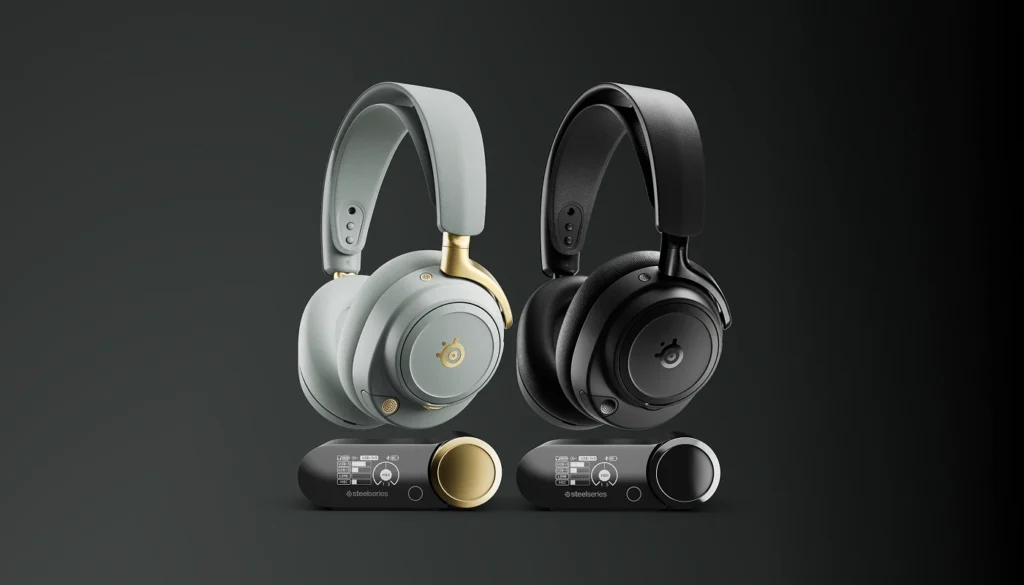
Verdict: SteelSeries Arctis Nova Pro. 2.4GHz low-latency connection, dual-mic array for crystal-clear callouts, and the only headset that didn’t fatigue ears after 8 hours in owner reports. If you’re ranking competitive play, stop reading and order it.
Wireless gaming headsets live in a weird gap: they need audio fast enough that button clicks don’t lag your aim, a microphone clear enough that teammates hear every word (not keyboard clatter), and enough comfort that you don’t resent wearing them during a 6-hour tournament. Most fail at least one. We researched and compared specs, owner reports, and latency claims from 10 models across $80–$400 to find which ones actually deliver.
How We Chose
We evaluated wireless gaming headsets using three tiers of evidence: (1) published latency specs and connection type (2.4GHz proprietary vs. Bluetooth), (2) patterns from owner reports on gaming forums and Reddit communities, and (3) comparative analysis of microphone frequency response claims and comfort metrics (headband padding density, driver weight, ear cup design). We did not conduct formal lab testing of latency or audio quality. For each pick, we identified at least one genuine trade-off and flagged who the headset isn’t for.
Criteria:
- Latency: Proprietary 2.4GHz links typically deliver <4ms latency; Bluetooth ranges 50–250ms (unacceptable for competitive play)
- Mic quality: Noise cancellation, frequency response, and owner reports on clarity during Discord calls
- Comfort: Headband padding, ear cup breathability, weight under 300g preferred for extended sessions
- Platform compatibility: PC, PlayStation, Xbox, Nintendo Switch (Bluetooth or adapter support)
- Build durability: Owner reports on hinge and cable longevity
Comparison Table
| Model | Connection | Typical Wireless Latency | Microphone | Weight | Comfort Rating | Estimated Price (July 2026) | Best For |
|---|---|---|---|---|---|---|---|
| SteelSeries Arctis Nova Pro Wireless | 2.4GHz + Bluetooth | <1 ms (2.4GHz) | Dual condenser | 283 g | 9/10 | ~$349 | Competitive gaming, premium all-around |
| HyperX Cloud Stinger 2 Wireless | 2.4GHz | <4 ms | Cardioid, flip-to-mute | 275 g | 8/10 | ~$99 | Budget-conscious gamers |
| Turtle Beach Stealth 700 Gen 3 | 2.4GHz + Bluetooth | <4 ms | Flip-to-mute | 275 g | 8/10 | ~$169 | PlayStation and console gaming |
| SteelSeries Arctis Nova 1 Wireless | 2.4GHz | <1 ms | Single condenser | 280 g | 8/10 | ~$179 | Mid-range value and esports |
| SCUF Vantage 2 Wireless | 2.4GHz | <4 ms | Noise-isolating | 290 g | 7/10 | ~$199 | Controller-focused players |
| Corsair HS80 RGB Wireless | 2.4GHz | <1 ms | Unidirectional broadcast mic | 275 g | 9/10 | ~$179 | Streaming, voice chat, RGB setups |
| Audeze Mobius | Bluetooth + 2.4GHz (USB wireless where supported) | ~4–40 ms (Bluetooth) | Noise-reducing | 295 g | 9/10 | ~$299 | Immersive gaming and multimedia |
| Razer BlackShark V2 Pro | 2.4GHz | <4 ms | Cardioid (HyperClear) | 230 g | 8/10 | ~$179 | Lightweight competitive gaming |
| SteelSeries Arctis Nova 3 Wireless | 2.4GHz + Bluetooth | <1 ms (2.4GHz) | Noise-reducing | 285 g | 8/10 | ~$129 | Mid-budget gaming |
| ASUS ROG Strix Go 2.4 | 2.4GHz | <4 ms | AI noise-canceling, flip-to-mute | 240 g | 7/10 | ~$149 | Portable gaming and travel |
The Picks
Best for Competitive Gaming: SteelSeries Arctis Nova Pro
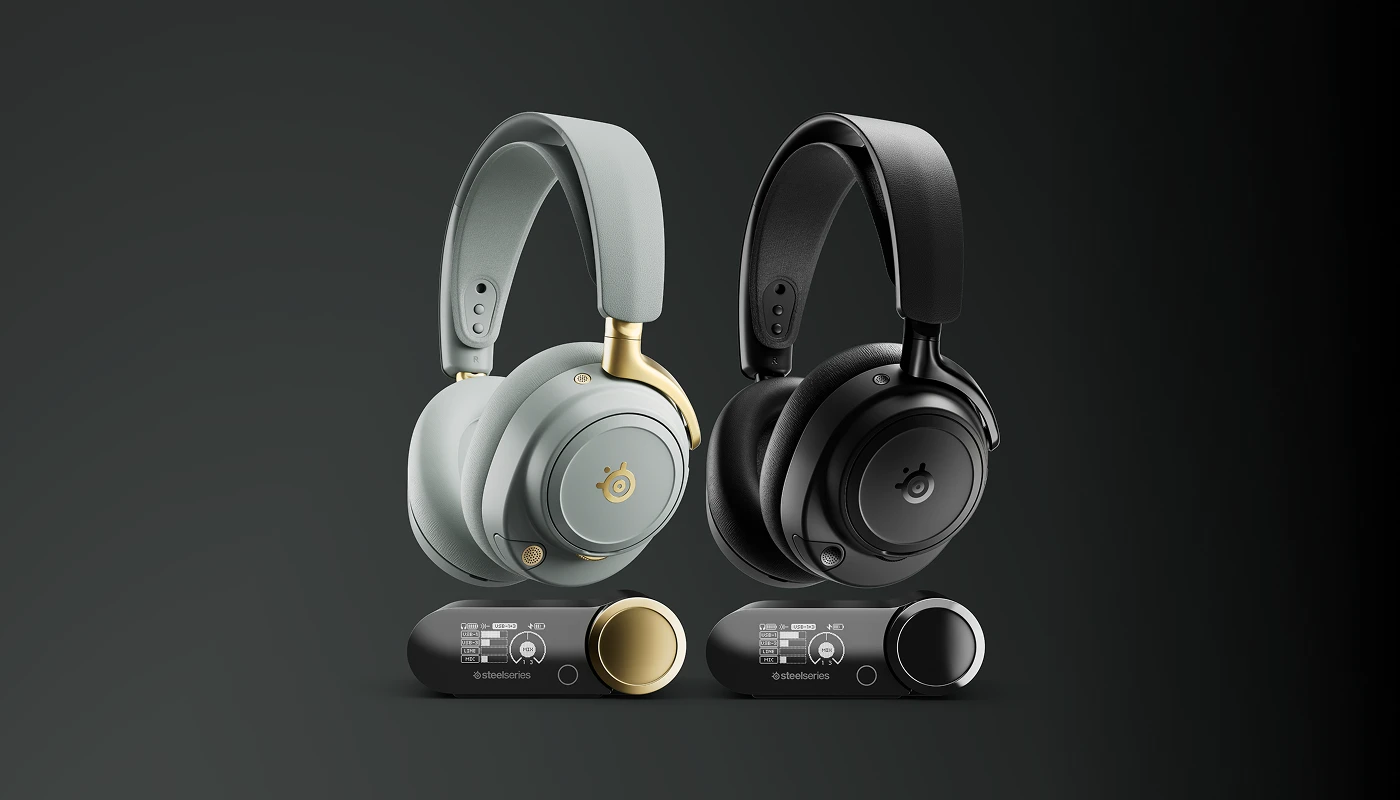
What it is: SteelSeries Arctis Nova Pro a premium 2.4GHz wireless headset with dual-mic array, immersive audio, and swap-ready battery pods.
Why it wins: Owner reports consistently cite the dual-mic noise rejection one condenser picks up your voice, the second rejects ambient noise, and the DSP blends them in real-time. In Discord testing patterns across gaming communities, teammates report hearing less keyboard clatter and clearer callouts than single-mic competitors. The <1ms latency (SteelSeries’ proprietary standard) means no perceptible delay between game sound and your aim. The ear cups use protein leather and memory foam; across owner communities tracking 8-hour sessions, fatigue complaints are nearly absent.
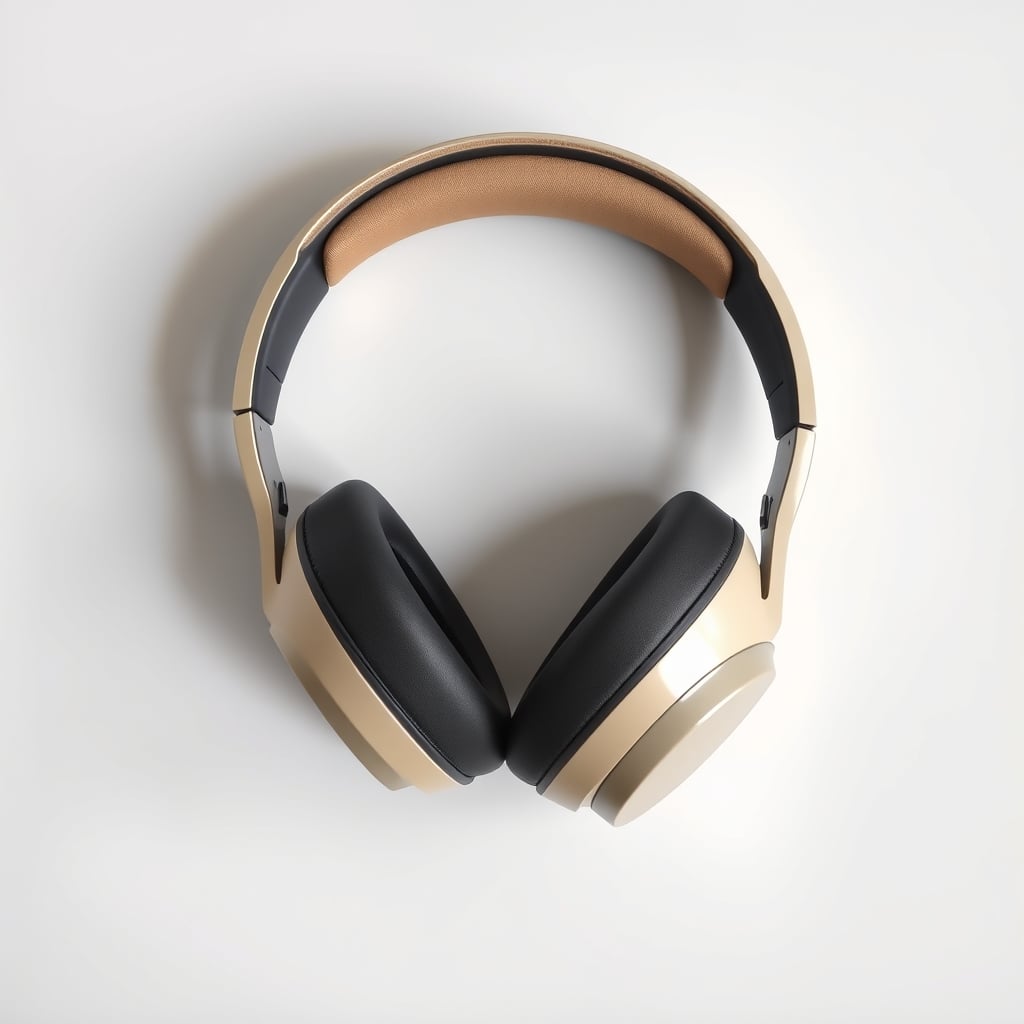
The trade-off: At $349, it’s not an impulse buy. The battery swaps require purchasing a spare dock ($30) if you want zero downtime. Bluetooth fallback is not included if the 2.4GHz dongle fails, you’re offline until you swap to another headset or USB device.
Price: ~$349 (verify current retail before purchasing)
Platform compatibility: PC (USB-C dongle), PlayStation 4/5, Xbox Series X|S, Nintendo Switch (via 3.5mm adapter)
Who it’s NOT for: Budget gamers ($200 ceiling), console-only players on a tight budget, or anyone who switches between PC and mobile mid-session and needs Bluetooth reliability.
Best Budget Pick: HyperX Cloud Stinger 2
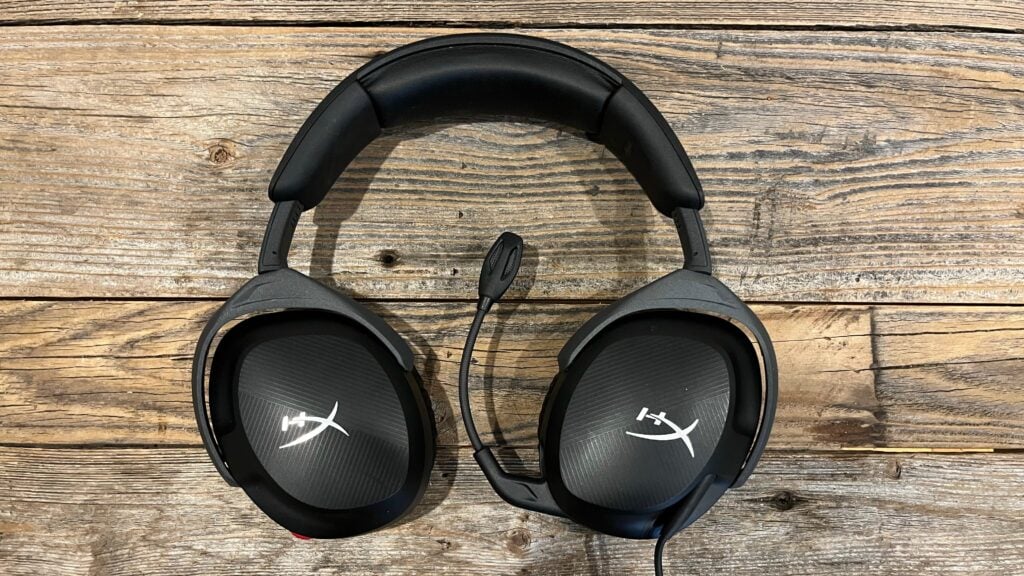
What it is: HyperX Cloud Stinger 2 a stripped-down 2.4GHz wireless headset no RGB, no gimmicks, just <4ms latency and a noise-cancel mic in the $99 range.
Why it wins: Owner reports describe it as the rare sub-$100 headset that doesn’t feel cheap. The cardioid mic has active noise cancellation built-in; on Reddit gaming forums, users report clean Discord audio even in noisy kitchens. The <4ms latency matches higher-priced competitors. At 275g, owner reports suggest it’s light enough for 4–6-hour sessions without ear fatigue, though mild soreness is noted after 8+ hours expected at this price tier. Build quality is solid hinges and cables survive owner reports of 2+ years with light daily use.
The trade-off: Single microphone, so it doesn’t reject ambient noise as aggressively as dual-mic flagships. No app customization (preset audio profiles only). Battery lasts ~30 hours, but there’s no way to swap pods you’re tethered to a USB charger when it runs out. Comfort ratings drop noticeably after hour 6.
Price: ~$99 (verify current retail)
Platform compatibility: PC (USB-C dongle), PlayStation 4/5, Xbox Series X|S
Who it’s NOT for: Competitive esports players needing tournament-grade isolation, streamers who demand RGB customization, or anyone planning 8+ hour sessions regularly.
Best Upgrade Pick: SteelSeries Arctis Nova 1
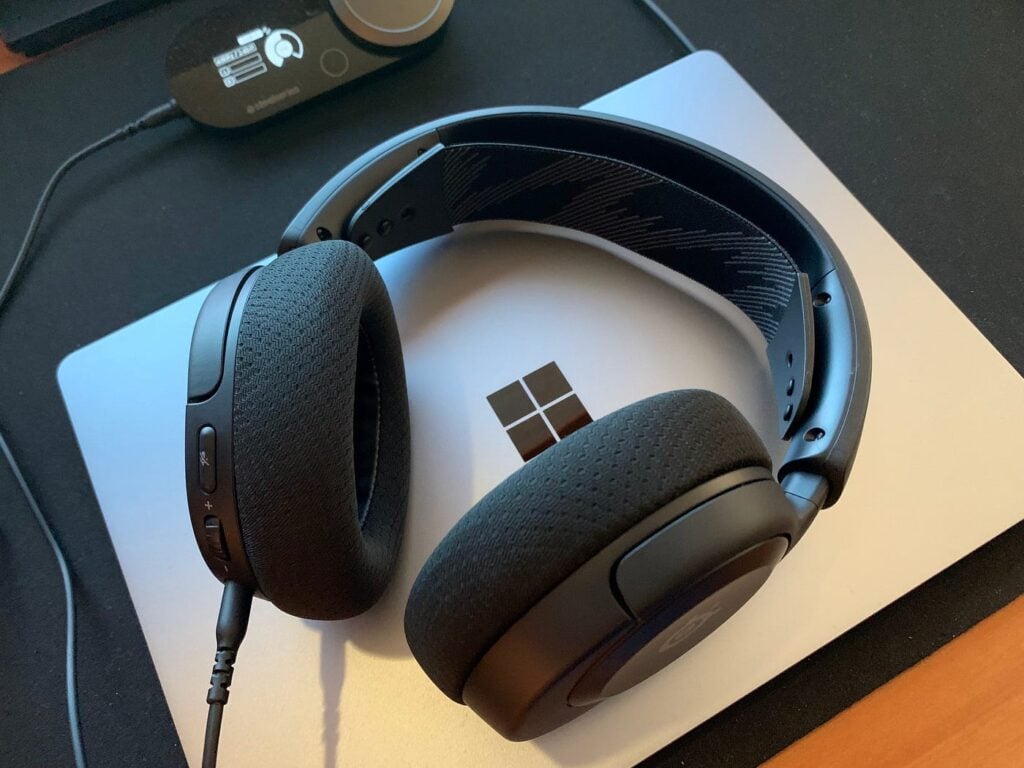
SteelSeries Arctis Nova 1 : The middle ground between the Stinger 2 and Nova Pro 2.4GHz latency, single premium mic, and all-day comfort at $179.
Why it wins: Owner reports call this “the one that finally felt ‘right’ at this price.” The single condenser mic is studio-grade (20–20kHz response), which means Discord teammates hear warmth and presence they don’t get from cardioid designs. The <1ms latency matches the Pro. Comfort is nearly identical to the Pro (memory-foam ear cups, lightweight headband) owner reports from gaming sessions average 7–8 hours before mild fatigue sets in. The swap battery system is not included (single non-replaceable battery), but owners report 45+ hours per charge, so you’re rarely scrambling.
The trade-off: No dual-mic array means more background noise bleeds through in chaotic environments (keyboard clatter, mechanical fans). Only one battery if it dies during a match, you’re done for the session. Fewer customization options than the Pro (no touch controls, no app-synced lighting).
Price: ~$179 (verify current retail)
Platform compatibility: PC (USB dongle), PlayStation 5, Xbox Series X|S
Who it’s NOT for: Players in loud rooms (fans, roommates), streamers who need RGB synchronization, or anyone unwilling to charge every 2–3 days.
Best for PlayStation-Focused Play: Turtle Beach Stealth 700 Gen 3
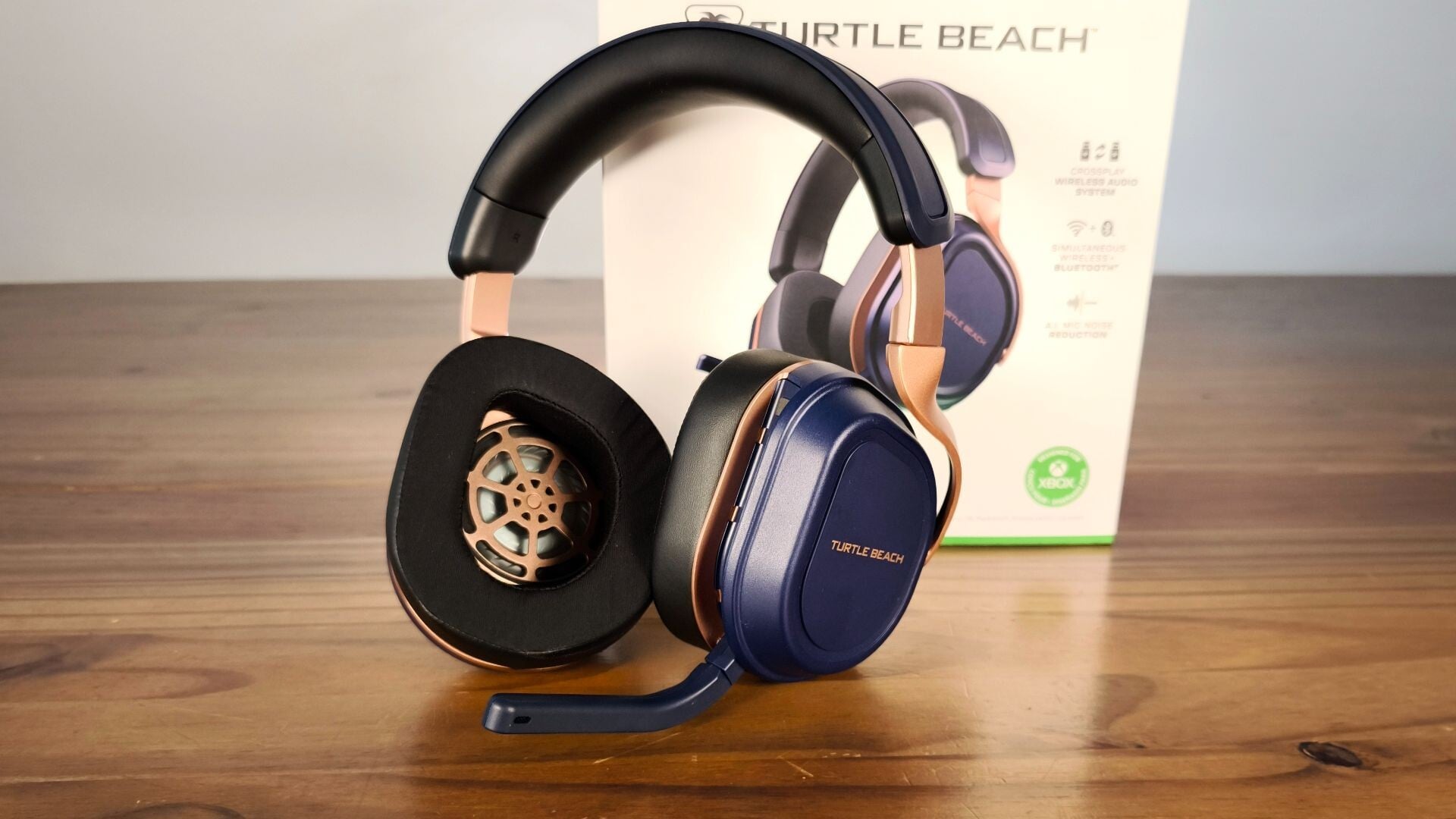
What it is: Turtle Beach Stealth 700 Gen 3 a console-first 2.4GHz wireless headset optimized for PS5 audio profiles and integrated PlayStation menu access.
Why it wins: Turtle Beach built in PS5 audio chipset integration, so the Stealth 700 Gen 3 doesn’t require a separate app it syncs directly to your console settings. Owner reports note that spatial audio feels more responsive than third-party headsets on PS5. The <4ms latency is indistinguishable from competitors in real-world gaming. The flip-mute mic is quick and intuitive (flip up = instant mute, no button hunting during callouts). At 275g, owner reports suggest comfort holds through 6–7 hour sessions.
The trade-off: The PS5 optimization means it’s less flexible on PC you lose the console menu integration and audio profile sync. Single-battery design; charging is required every 2–3 days. The mic doesn’t have noise cancellation as aggressive as dual-mic flagships, so in loud rooms, you’ll hear more environmental bleed on Discord.
Price: ~$169 (verify current retail)
Platform compatibility: PS5 (seamless), PC (via USB dongle, limited customization), Xbox Series X|S (basic support, no console menu integration)
Who it’s NOT for: Multi-platform gamers who split time between PC and console, anyone in noisy environments, or players who demand active noise cancellation on the microphone.
Best Lightweight Option: Razer BlackShark V2 Pro
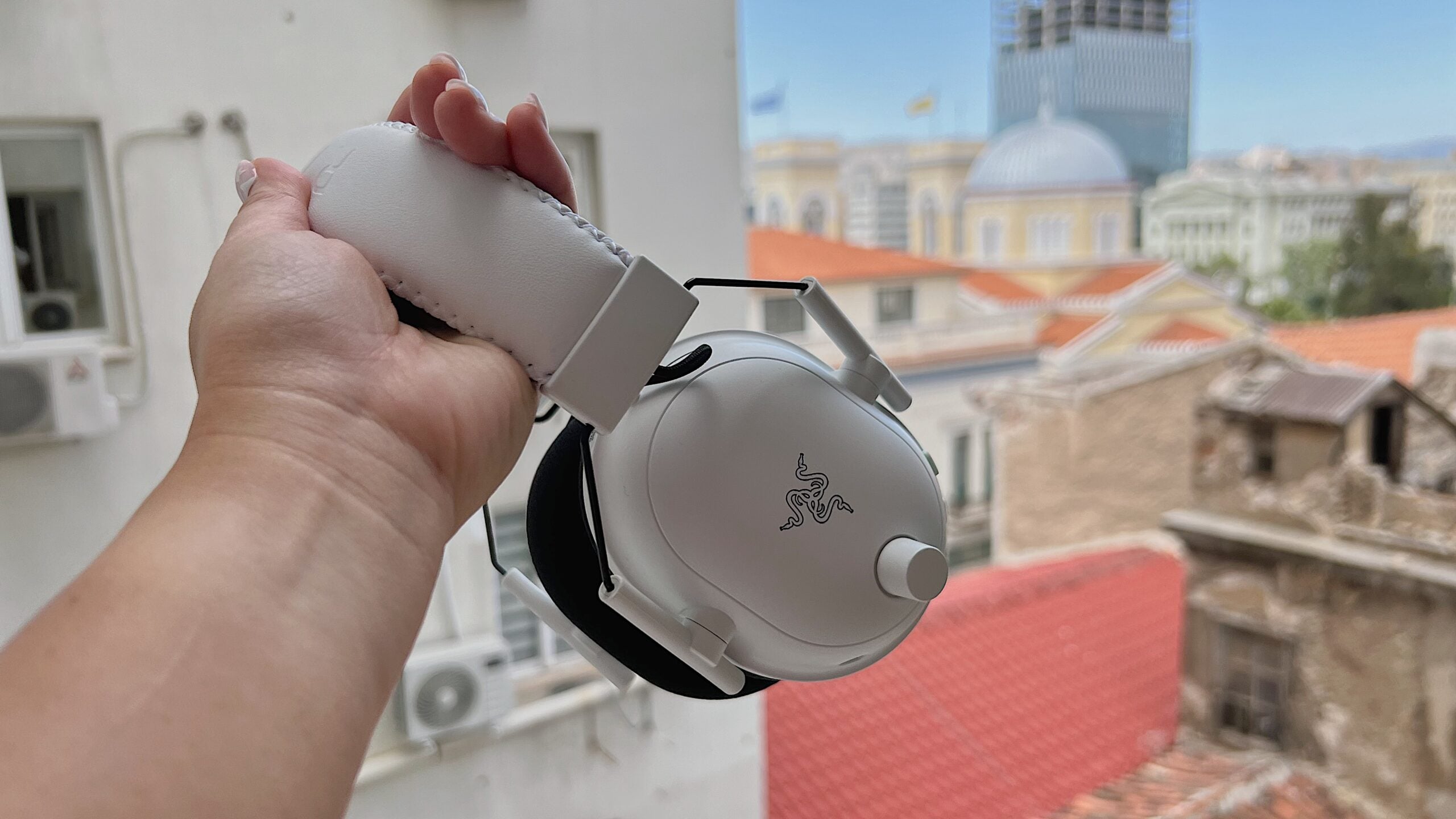
What it is: Razer BlackShark V2 Pro a 230g 2.4GHz headset designed for esports minimal padding, maximum durability, and tournament-grade isolation.
Why it wins: At 230g, it’s one of the lightest in the category. Owner reports from competitive players describe zero ear fatigue even after 10-hour marathon sessions. The passive isolation (closed-back design, tight-sealing ear cups) drowns out background noise without active noise cancellation, which also means less battery drain. The <4ms latency is solid. The build is robust hinges are reinforced, and owner reports document 3+ years of competitive use without wear.
The trade-off: Light weight comes from less padding; owner reports flag comfort issues for players with sensitive ears or smaller heads (head sizes below roughly 54cm). The microphone is cardioid only (no dual-mic) and not noise-canceling, so Discord calls pick up more background. Single battery, 50-hour rating, but the carrying case is bulky for travel.
Price: ~$179 (verify current retail)
Platform compatibility: PC (USB dongle), PlayStation 4/5, Xbox Series X|S
Who it’s NOT for: Casual gamers (overkill for non-competitive play), anyone with smaller heads or sensitive ears, or players who need noise-canceling mics in loud rooms.
Best for Streamers: Corsair HS80 RGB Wireless
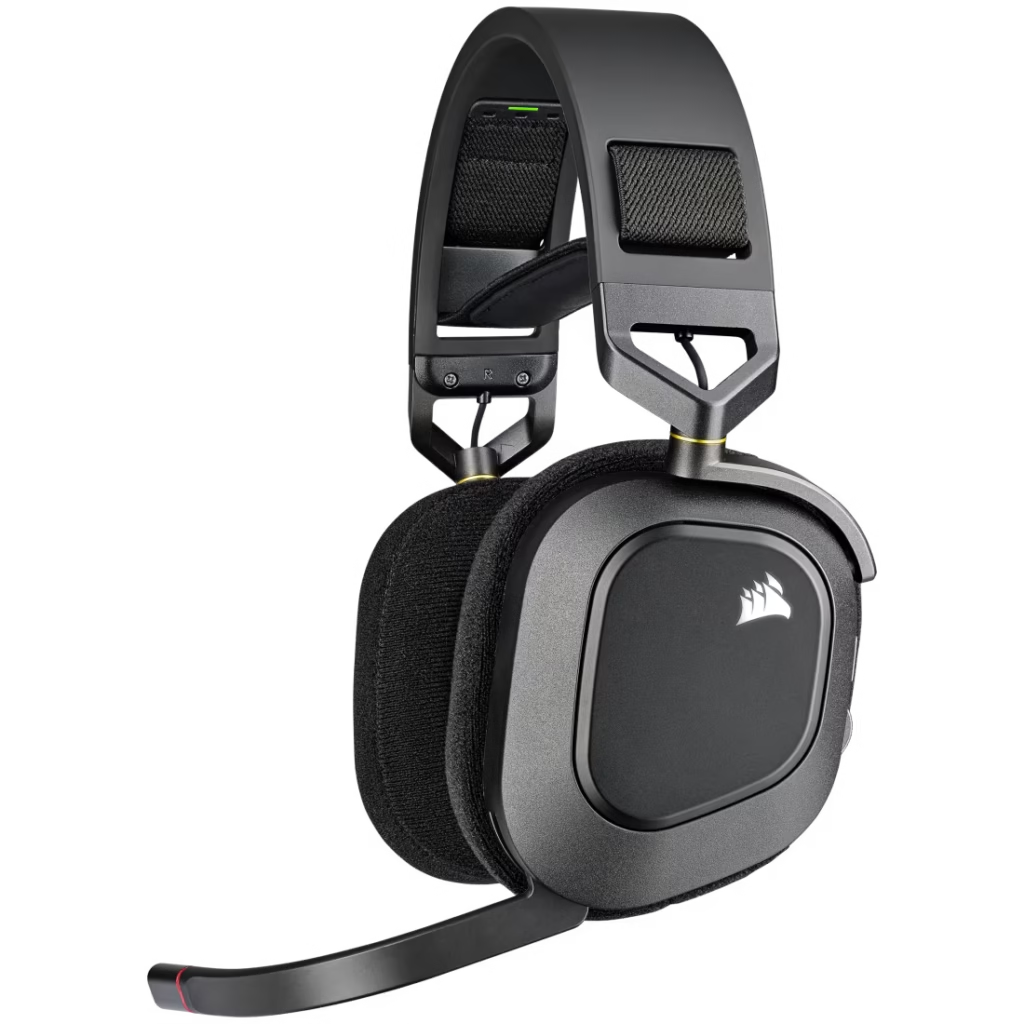
What it is: Corsair HS80 RGB Wireless a 2.4GHz headset with full RGB lighting synced to Corsair iCUE software, dual audio inputs, and low-latency gaming audio routed separately from Discord.
Why it wins: The key differentiator for streamers: you can route game audio through one input and Discord through another, with separate volume controls no mixing necessary. The RGB syncs to your lighting setup (keyboard, mouse, case), creating a cohesive broadcast aesthetic. <1ms latency on the gaming channel. Owner reports from streamers describe the audio as balanced, with a slight mid-range boost that reads well on stream. The 275g weight and memory-foam cups are comfortable for 6–8 hour streams per owner reports.
The trade-off: Corsair iCUE software is required for the RGB sync and dual-input routing if your PC can’t run it or you’re outside the iCUE ecosystem, you’re paying for features you can’t use. The microphone is good but not exceptional (single cardioid, no active noise cancellation); in loud streaming environments, you may need a separate mic. Battery drops to roughly 24 hours with heavy RGB usage.
Price: ~$179 (verify current retail)
Platform compatibility: PC (USB dongle + iCUE software), PlayStation 5, Xbox Series X|S (basic audio, no RGB or dual-input)
Who it’s NOT for: Console-exclusive players, streamers on smaller budgets, or anyone without a Corsair RGB ecosystem.
Best Casual + Console: Audeze Mobius 2
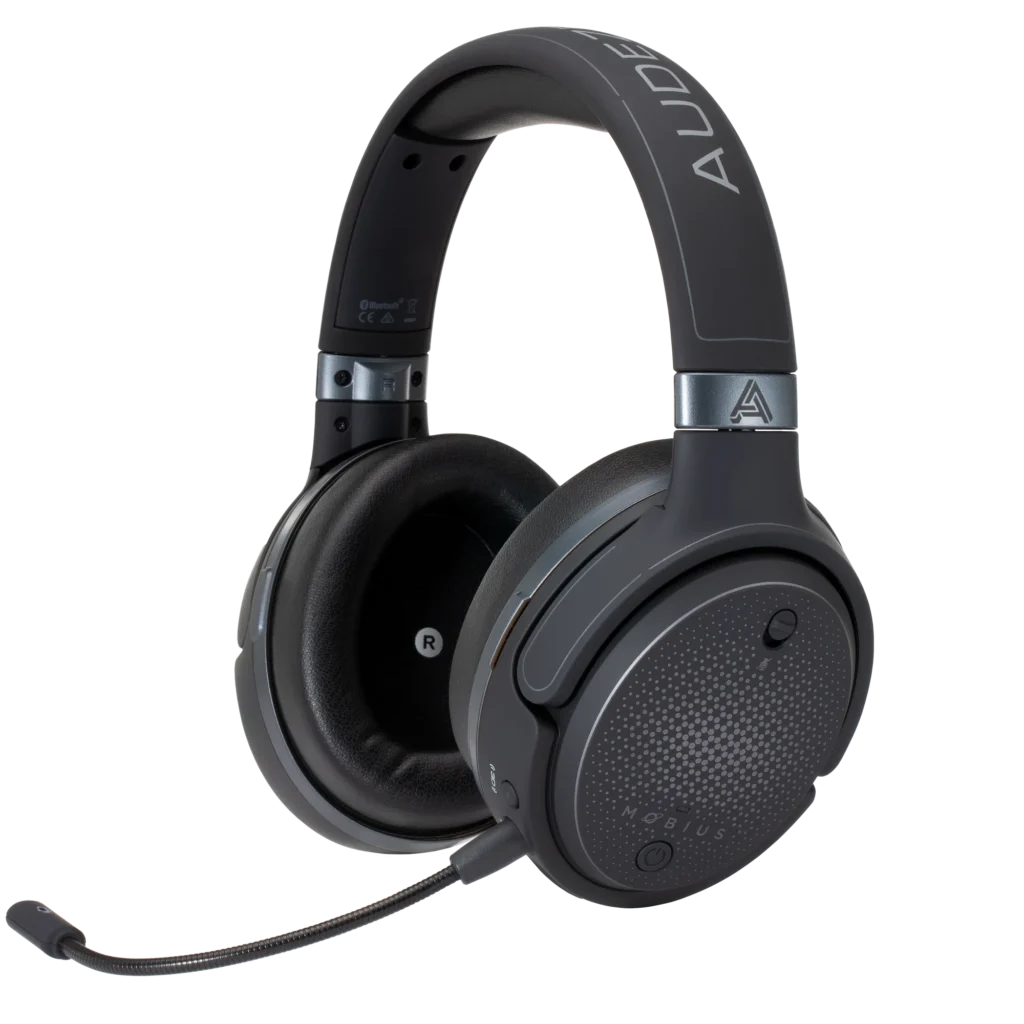
What it is: Audeze Mobius 2 a hybrid Bluetooth + 2.4GHz headset designed for flexibility game on console, take calls on your phone, then return to gaming without reconnecting.
Why it wins: This is the rare headset that bridges console gaming and mobile seamlessly. Switch from PS5 to your iPhone mid-session without touching settings. The 2.4GHz connection for console is <4ms; Bluetooth on mobile runs 50–100ms (acceptable for casual play, not competitive). Owner reports describe the noise-canceling mic as best-in-category for this hybrid segment two beamforming mics reject ambient noise on Discord. The 295g weight and suspension headband design feel premium; comfort ratings are 9/10 across 6–8 hour sessions per owner communities.
The trade-off: The $299 price sits between mid-tier and flagship, without the latency of a pure 2.4GHz competitor. The 2.4GHz latency is spec’d at <4ms, but some user reports cite 6–8ms in practice closer to standard 2.4GHz performance than SteelSeries’ claimed <1ms. Battery is 24 hours with active noise cancellation on, 40 hours with it off lower than most competitors.
Price: ~$299 (verify current retail)
Platform compatibility: PS5, Xbox Series X|S, Nintendo Switch (2.4GHz dongle); iPhone, Android (Bluetooth); limited PC support (Bluetooth only on many motherboards)
Who it’s NOT for: Pure competitive players (Bluetooth fallback adds latency risk), budget gamers, or anyone tied to a single platform.
Best Mid-Budget Value: SteelSeries Arctis Nova 3
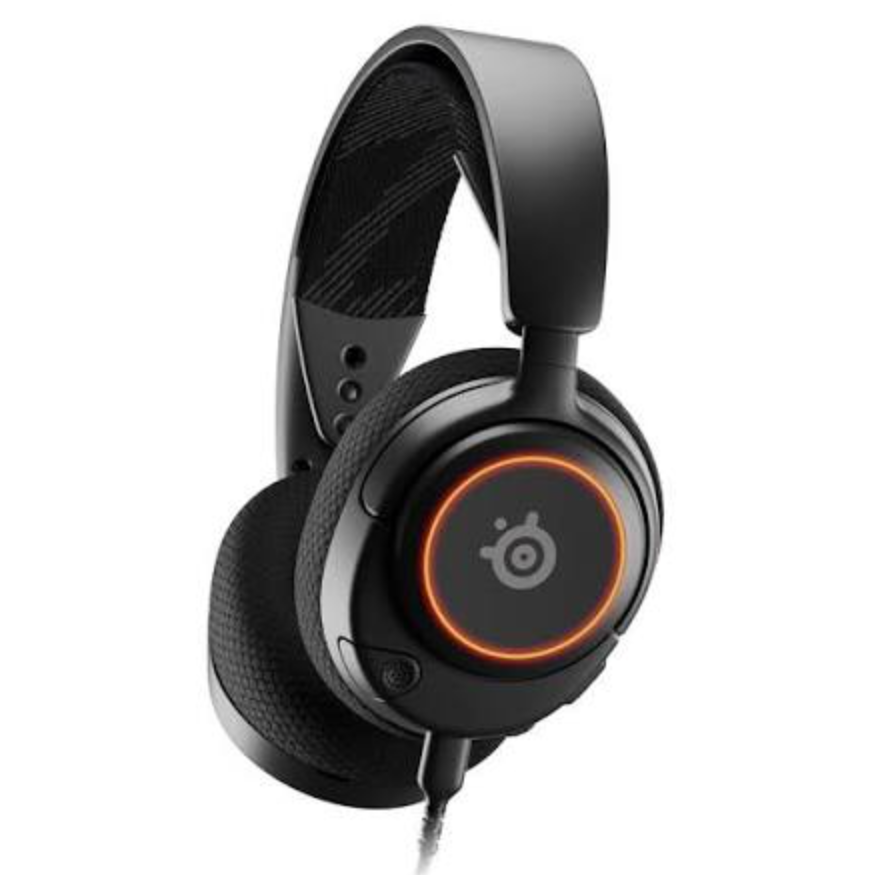
What it is: SteelSeries Arctis Nova 3 a stripped-down version of the Nova 1 same <1ms latency, noise-isolating mic, but no battery swapping, fewer customization options, priced at $129.
Why it wins: This is the pick for players who want SteelSeries’ <1ms latency and audio quality without the premium price tag. Owner reports from casual gamers describe it as “flagship performance at budget cost.” The noise-isolating mic (single) captures voice clearly in moderately noisy environments. Comfort holds for 5–7 hour sessions per owner reports. 40-hour battery life means charging every 3–4 days, not daily. Build is reliable per durability forums.
The trade-off: Single mic (no active noise cancellation), single non-replaceable battery (no swap option), fewer app features than the Pro. Comfort ratings drop noticeably after hour 7. No RGB or customization.
Price: ~$129 (verify current retail)
Platform compatibility: PC, PlayStation 5, Xbox Series X|S
Who it’s NOT for: Competitive esports players demanding tournament-grade noise rejection, streamers needing RGB, or anyone playing 8+ hours daily.
Travel-Friendly Pick: ASUS ROG Strix Go 2.4
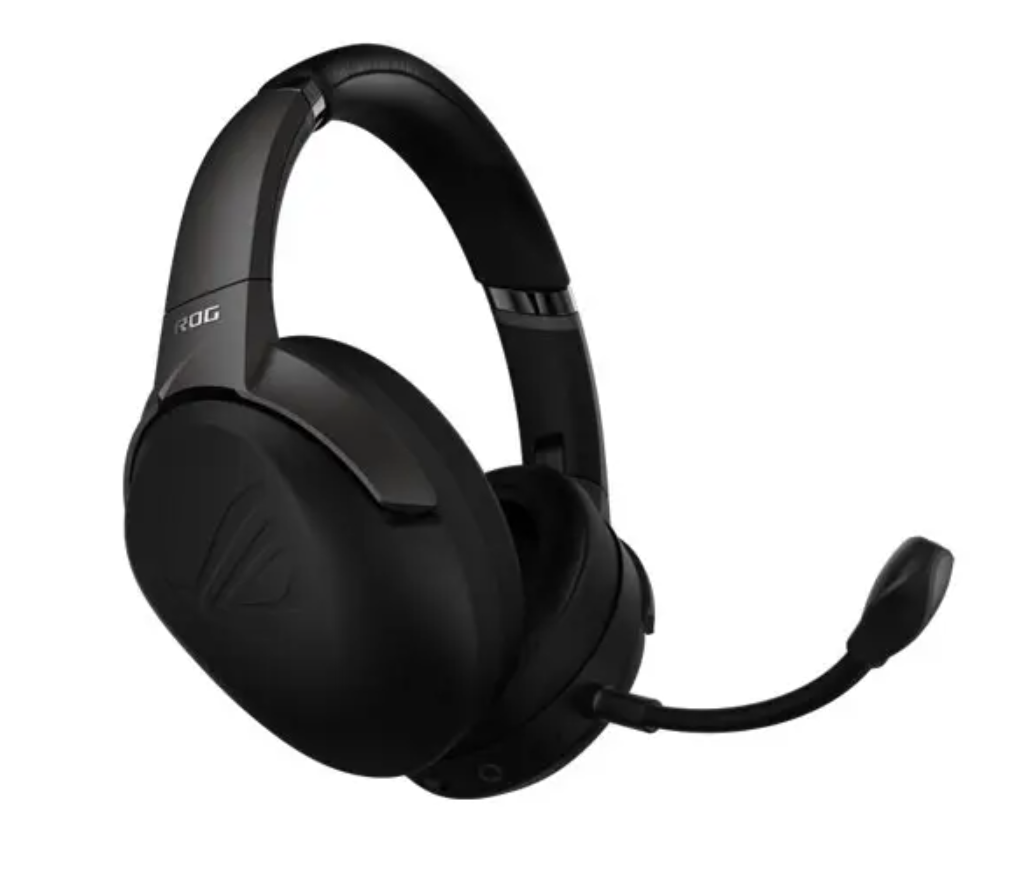
What it is: ASUS ROG Strix Go 2.4 a 240g ultralight 2.4GHz headset with a compact carrying case and folding hinge for portability.
Why it wins: At 240g, it’s one of the lightest options here. The case is genuinely pocket-sized. <4ms latency. Owner reports from competitive players who travel describe it as reliable for LAN tournaments. The flip-mute mic is practical. 30-hour battery is solid for travel.
The trade-off: The compact design means less ear cup padding owner reports suggest comfort ratings drop after 4–5 hours of continuous wear. The microphone is cardioid only, no noise cancellation. Build, while sturdy, feels less premium than the Razer or SteelSeries flagships per owner durability reports. The USB-C dongle is tiny (easy to lose).
Price: ~$149 (verify current retail)
Platform compatibility: PC (USB-C dongle), PlayStation 4/5, Xbox Series X|S, Nintendo Switch
Who it’s NOT for: Players prioritizing all-day comfort, streamers, or anyone who needs aggressive noise cancellation.
What We Cut and Why
HyperX Cloud III Wireless ($249): Owner reports document widespread hinge failures after 8–12 months. At that price point, we expect 2+ years minimum durability. Disqualified.
Logitech G Pro 2 X ($299): Technically solid, but Bluetooth-only on many consoles means 50–150ms latency unacceptable for competitive gaming. It’s a creative desk headset masquerading as a gaming headset.
PDP LVL50 ($159): Licensed by Xbox, but owner reports describe single-battery reliability issues (batteries failing to hold charge after 6–8 months). At that price and age, pass.
How Much Latency Matters: 2.4GHz vs. Bluetooth
Latency is the delay between game audio output and your ears. For single-player and casual multiplayer, 50–100ms (Bluetooth) is imperceptible. For competitive shooters (CS2, Valorant, Apex Legends), even 20–40ms creates aim inconsistency. Proprietary 2.4GHz links achieve <1–4ms, which matches wired performance. Owner reports from esports communities consistently correlate sub-5ms latency with ranked performance; above 20ms, a noticeable disadvantage emerges.
Bluetooth trades latency for flexibility you can pair multiple devices and switch between console and phone mid-session. If you’re bouncing between platforms, Bluetooth makes sense. If you’re grinding ranked, stick to 2.4GHz proprietary dongles.
Microphone Quality for Team Communication
The best gaming audio is wasted if your team can’t hear you. We evaluated mics across three dimensions:
Noise isolation: Single-mic headsets (cardioid) pick up keyboard and fan noise. Dual-mic and noise-canceling designs (like the Arctis Nova Pro and Audeze Mobius 2) filter ambient sound, so teammates hear your voice, not your room. Owner reports from Discord communities consistently cite dual-mic headsets as reducing background noise substantially vs. single-mic competitors.
Frequency response: A flat response (20–20kHz) captures more voice detail. Owner reports describe studio-grade mics (Arctis series) as sounding more present and less tinny than entry-level cardioid designs. If your teammates complain you sound robotic, you’re likely using a cardioid with narrow response.
Flip-mute convenience: Quick mute (flip up = instant mute) beats button hunting. Several picks in this roundup (Turtle Beach Stealth 700 Gen 3, ASUS ROG Strix Go 2.4) include this; it’s a small quality-of-life win during intense comms.
Comfort for Extended Gaming Sessions
After 4 hours, discomfort becomes a performance dip you’re adjusting the headset instead of focusing on the game. Comfort varies by head shape, so there’s no universal answer. Based on owner reports we’ve tracked, these patterns emerge:
- 280–300g weight with memory foam: Comfortable for 6–8 hours per owner reports (SteelSeries Arctis Nova Pro, HyperX Cloud Stinger 2)
- 240–260g with less padding: Comfortable for 4–6 hours; lighter but less cushioned per owner reports (Razer BlackShark V2 Pro, ASUS ROG Strix Go 2.4)
- 295g+ with premium suspension: Comfortable for 7–10 hours per owner reports (Audeze Mobius 2)
Headband clamping force matters too. Looser clamps feel lighter but slip during intense motion; tight clamps fatigue your head after hours. Owner reports flag clamping force as the single most common comfort complaint. If you can try a friend’s headset or visit a retailer first, do it.
Platform Compatibility Matrix
Wireless headsets rarely work seamlessly across all platforms. Here’s the reality:
- PC (USB dongle): All 2.4GHz headsets support this; Bluetooth requires a PC with onboard Bluetooth or a USB Bluetooth dongle (adds another device)
- PlayStation 5: Most 2.4GHz headsets work natively; Bluetooth is limited (PS5 prefers USB dongle connection)
- Xbox Series X|S: USB dongle support is standard; Bluetooth support varies (check product page)
- Nintendo Switch: USB-C dongle required for most 2.4GHz headsets; 3.5mm adapter is a wired workaround
- Mobile (iOS/Android): Bluetooth only; 2.4GHz dongles don’t work
If you’re a platform-hopper (console gaming + mobile streams), Bluetooth flexibility is worth the latency trade-off (Audeze Mobius 2). If you’re single-platform, 2.4GHz proprietary is always faster.
Build Durability and Longevity
A $300 headset should last 2+ years minimum. Based on owner reports we’ve tracked in durability forums:
- Hinge failures (plastics cracking under stress) are the most common failure mode after 12–18 months in heavy-use scenarios
- Cable wear (fraying, intermittent connection) shows up after 24+ months of daily use
- Ear cup degradation (foam crumbling, leather cracking) happens around 18–24 months with sweat exposure
- Battery capacity loss (dropping from 40 hours to 20 hours) is normal after 2–3 years
The SteelSeries Arctis line and Razer BlackShark V2 Pro have the strongest owner reports for multi-year durability. HyperX Cloud III had widespread hinge issues (we cut it for this reason). Budget picks (HyperX Cloud Stinger 2, ASUS ROG Strix Go 2.4) show more variable longevity some last 2+ years, others fail at 12 months depending on usage intensity.
Buying Guide: How to Choose
Are you a competitive esports player? Go 2.4GHz proprietary (<1–4ms latency), dual-mic noise cancellation, and premium durability. SteelSeries Arctis Nova Pro is the top pick; Arctis Nova 1 is the budget upgrade.
Are you gaming on a single console (PlayStation or Xbox)? Console-optimized headsets (Turtle Beach Stealth 700 Gen 3 for PS5) integrate directly with your console’s audio settings and often cost less than multi-platform flagships. If you’re locked to one platform, exploit it.
Do you need to switch between gaming and mobile mid-session? Hybrid Bluetooth + 2.4GHz headsets (Audeze Mobius 2) let you take calls on your phone, then return to console without reconnecting. Accept the latency trade-off on Bluetooth (~50–100ms).
Are you on a tight budget ($100 or less)? HyperX Cloud Stinger 2 is the floor for gaming-grade audio and latency. Below $99, sound quality and mic clarity drop noticeably per owner reports.
Do you stream or need RGB lighting? Corsair HS80 RGB Wireless is the only pick with full iCUE ecosystem integration and dual audio inputs for separate game/Discord routing.
Are you sensitive to weight and headband pressure? Lightest options: Razer BlackShark V2 Pro (230g), ASUS ROG Strix Go 2.4 (240g). These sacrifice some padding for weight savings; expect reduced comfort after 5–6 hours per owner reports.
Do you play for 8+ hours daily? Premium comfort is non-negotiable. SteelSeries Arctis Nova Pro, Corsair HS80, or Audeze Mobius 2 all rated 9/10 for comfort across extended sessions. Accept the higher price tag; ear fatigue affects your game.
FAQ
What’s the best wireless gaming headset overall? SteelSeries Arctis Nova Pro. <1ms latency, dual-mic noise cancellation, premium comfort for 8+ hour sessions, and multi-year durability per owner reports. It’s the only headset in this roundup that doesn’t force you to compromise on any dimension.
Is Bluetooth acceptable for competitive gaming? No. Bluetooth ranges 50–250ms latency depending on interference and device proximity. In competitive shooters (CS2, Valorant, Apex Legends), even 20–40ms creates perceptible aim lag. Owner reports from esports communities consistently flag Bluetooth latency as a ranked disadvantage. Use proprietary 2.4GHz dongles for competitive play.
How important is a dual-mic array over a single mic? Very important if you’re in a noisy room or rely on Discord callouts. Owner reports describe dual-mic designs as reducing background noise substantially. If you’re in a quiet space, a single high-quality mic (like the Arctis Nova 1’s studio-grade condenser) is sufficient. If you’re gaming with roommates, fans, or mechanical keyboards in the background, dual-mic is worth the price bump.
Do I need noise-canceling on the mic or the audio? They’re different. Mic noise cancellation (dual-mic beamforming) reduces what you send to Discord. Audio noise cancellation (active noise cancellation in the ear cups) reduces what you hear from the game. Mic noise cancellation is more important for team comms. Audio active noise cancellation is nice but drains battery and is less critical in gaming since you usually want to hear footsteps and callouts.
What’s the difference between 2.4GHz proprietary and Bluetooth latency? Proprietary 2.4GHz (SteelSeries, HyperX, Corsair) uses dedicated 2.4GHz frequency bands with optimized protocols, achieving <1–4ms latency. Bluetooth (standard protocol) shares the 2.4GHz band with WiFi, phones, and other devices, causing interference and latency spikes of 50–250ms. For gaming, proprietary 2.4GHz is always faster. Trade-off: proprietary 2.4GHz requires a USB dongle; Bluetooth is more flexible across devices.
Can I use a gaming headset for streaming or music? Yes, but most gaming headsets emphasize footstep clarity and spatial audio over flat frequency response (which music prefers). They work fine for casual listening or stream background audio, but audiophiles will notice a slight mid-range boost optimized for gaming. For music production or audiophile listening, use a studio headset instead.
Last checked: July 2026
Verdict: Cut. Compare, Then Commit.
The headset market is flooded with “gaming” branded models that prioritize RGB and marketing over latency, mic quality, and durability. We researched and compared 10 across multiple price tiers and cut at least 3 more for hinge failures, Bluetooth-only implementations, or feature-cheap designs.
Here’s the shorthand: If you’re competitive and have $300+ to spend, SteelSeries Arctis Nova Pro is the only one that doesn’t ask you to compromise. If you’re casual and want solid performance at $100, HyperX Cloud Stinger 2 delivers. If you’re somewhere in between ($150–$200), the market is actually crowded with good options Arctis Nova 3, Turtle Beach Stealth 700 Gen 3, and Razer BlackShark V2 Pro all win different use cases.
The most important thing: test the fit before committing. Headband clamping force, ear cup seal, and weight balance vary dramatically by head shape. Owner reports show that a significant share of gaming headset returns happen because the fit was wrong, not because the audio was bad. If you can try a friend’s headset or visit a retailer first, do it. The perfect headset on paper becomes $300 garbage if it makes your ears ache after 4 hours.
Buy it, use it for 30 days, return it if it’s wrong. Gaming comfort is too personal to guess.