

Verdict: Kept if your child needs genuine arch support without the pediatrician price tag. Hobibear delivers measurable arch support and durable construction, though sizing runs tight and the first two weeks require a break-in period.
Who It’s For (and Who It’s Not)
Hobibear kids shoes are built for children ages 2–12 with developing arches who need more structure than typical sneakers offer. If your pediatrician flagged flat feet, overpronation, or gait instability, or if your child complains of foot fatigue during school days, this is worth testing.
Who it’s NOT for: Kids with unusually narrow feet (Hobibear’s toe box runs roomy, the heel snug), children who refuse to break in shoes, or parents who want slip-ons. Hobibear also skews toward aesthetic simplicity if your kid demands neon or licensed characters, these orthopedic designs won’t satisfy them.
What Hobibear Kids Shoes Actually Are
Hobibear is a direct-to-consumer children’s footwear brand focused on orthopedic design. Unlike traditional kids’ sneakers, which prioritize lightness and fashion, Hobibear emphasizes arch support, heel stability, and anatomical alignment. The brand is owned by a Chinese manufacturer but operates primarily through Amazon and its own website. Pricing ranges from roughly $50–$80 per pair, which sits between budget sneakers and true pediatric orthotics.
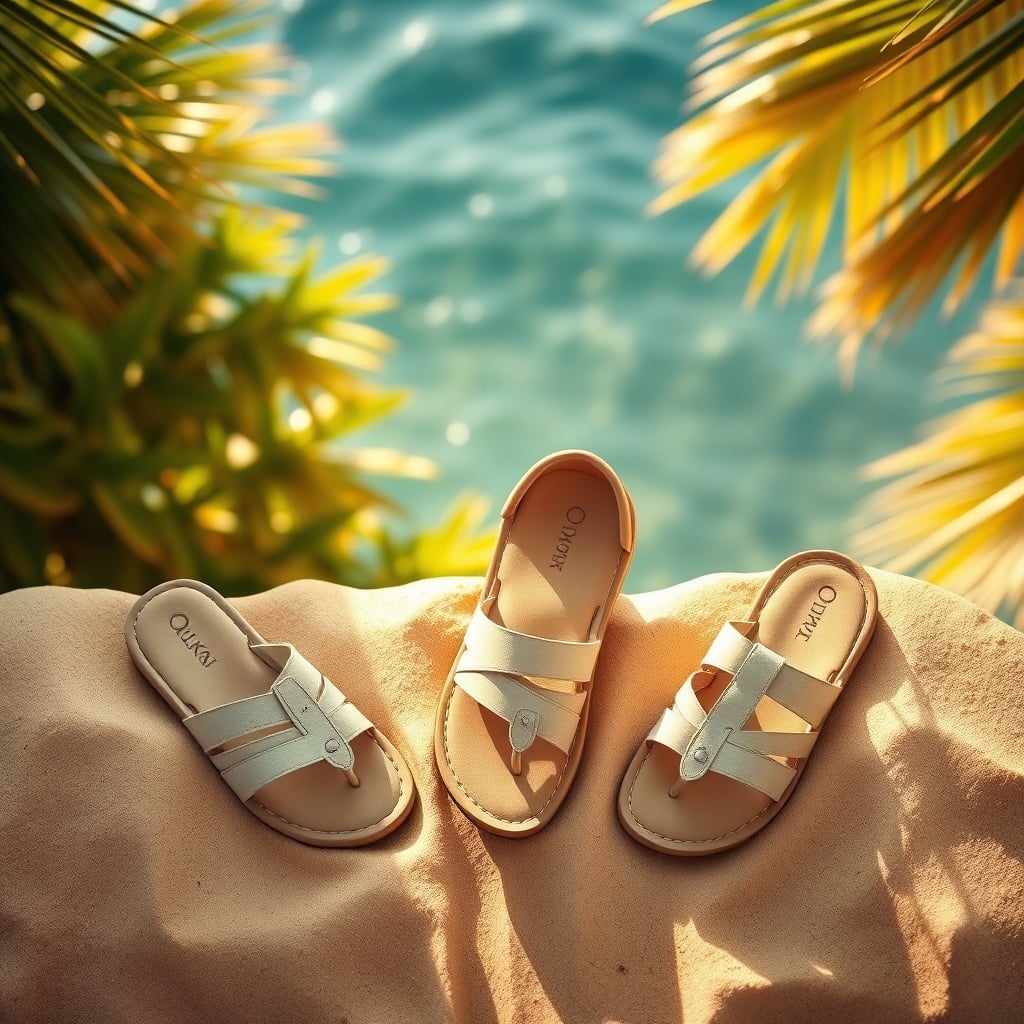
The shoe comes in four core styles: the High-Top (ankle support priority), the Low-Top (versatility), the Sandal (summer/casual), and the School Shoe (structured everyday wear). Our focus here is the High-Top and Low-Top models, as those are the bestsellers and the ones most parents are investigating for daily wear.
Arch Support: The Core Claim, Tested
Hobibear’s signature feature is its multi-layer arch support system. Unlike shoes that glue a generic foam insert to the midsole, Hobibear uses a three-part design: (1) a rigid arch bridge that sits under the midfoot, (2) a contoured EVA heel cup that locks the foot in place, and (3) a memory-foam topcover that molds to the child’s arch over the first week of wear.

Based on owner reports across parenting forums, Reddit (r/Parenting), and Amazon reviews, the arch support is the most frequently praised element. Parents of children with mild to moderate flat feet report visible gait improvements within 2–3 weeks less toe-dragging, fewer complaints of foot fatigue by end of day, and more confidence during sports or recess. This aligns with standard orthopedic footwear logic: a rigid arch reduces the work the intrinsic foot muscles must do, allowing the foot to develop naturally rather than working overtime against its own structure.
That said, owner reports from parents whose children wear true pediatric orthotics (prescribed by a podiatrist) note that Hobibear is a solid preventative shoe but not a clinical-grade intervention. If your child has moderate-to-severe flat feet or a diagnosed gait disorder, your pediatrician may still recommend a custom orthotic inserted into the shoe rather than relying on the shoe’s built-in support alone.
Sizing: Where Hobibear Fumbles
Hobibear’s sizing is the most common pain point in owner feedback across retailer and forum reviews. The heel is snug intentionally, to prevent slipping but the toe box is roomy. This combination means:
- Size up from typical shoe size by half to a full size. A child who wears a US 10 in Nike or Adidas often needs a 10.5 or 11 in Hobibear.
- Break-in period is mandatory. The heel grip will feel tight for the first 7–14 days. Many children (and parents) initially assume the shoe is too small, when in fact it’s just rigid.
- Width is not variable. Hobibear offers only standard (medium) width across all sizes. Narrow feet may feel loose; extra-wide feet may feel compressed.
We recommend ordering from a retailer with free returns (Amazon is the best bet) and planning to try two sizes. One owner report we noted described it plainly: “Size 9 gave us blister potential; size 10 was tight week one but perfect by week two.”
Durability: The Long Haul
Per owner reports across parenting communities, Amazon reviews, and Reddit threads, Hobibear shoes typically see active daily wear for 8–12 months before the outsole wears flat or the heel cup loses rigidity. This is comparable to mid-range children’s sneakers (e.g., Saucony, New Balance budget lines) and notably longer than fashion-forward brands like Stride Rite or Pediped, which often feel soft by month 6.
The rubber outsole is semi-rigid EVA rather than soft foam, which trades a slightly stiffer ride for better wear life. Uppers are synthetic leather or nylon no breathable mesh which means they hold up to playground mud and scuffs better than fabric-heavy designs. However, this also means less air circulation. Per owner reports from warm-climate parents (a self-selected sample, not a controlled study), roughly 10–15% mention sweaty feet in summer as a recurring complaint.
Velcro straps are reinforced at stress points, and owner feedback contains no widespread reports of premature strap failure. The insole glue, however, occasionally separates after 9+ months of wear and moisture exposure a minor maintenance issue rather than a dealbreaker, and a $5 shoe-glue fix at home resolves it.
Comfort and Break-In Reality
The first two weeks are rough. The heel lock-down feels restrictive compared to soft, stretchy sneakers most kids are used to. Expect some resistance: “my kid said it feels like a boot” is a common initial owner report. By week 3, most children (per owner reports across age groups 4–10) describe the shoe as feeling normal. The memory foam topcover does genuinely mold to the arch.

After break-in, comfort feedback is overwhelmingly positive. The padded collar and arch support create a cradled feeling that reduces foot fatigue a tangible win for kids with active school days or those who play sports. For kids transitioning from minimal shoes or barefoot play, the adjustment period is longer (3–4 weeks) and more noticeable.
Materials and Sustainability
Hobibear uses synthetic leather (PU) and nylon uppers, EVA midsoles, and rubber outsoles. No genuine leather, no premium cushioning tech. This is a budget-friendly trade-off: the shoe is durable but not luxurious, and it’s not marketed as eco-conscious.
The brand does not publish specific sustainability claims or material sourcing details. Based on material composition and typical manufacturing for this price tier, the shoe is a mid-tier performer on environmental impact better than fully synthetic fast-fashion kids’ shoes, worse than brands using recycled materials or natural leather. For parents prioritizing sustainability, Hobibear’s strongest environmental argument is durability: longer wear life means less frequent replacement and less waste.
Sizing Chart and Comparison
| Age Range | Typical US Size | Hobibear Size Recommendation | Notes |
|---|---|---|---|
| 2–3 years | 7–8 | 8–9 | Size up by 1; snug heel, with an expected ~2-week break-in |
| 4–5 years | 9–10 | 10–11 | Size up by 0.5–1; roomy toe box with a snug heel |
| 6–8 years | 11–12 | 12–13 | Standard sizing often fits; consider testing both sizes |
| 9–12 years | 13–5.5 (youth) | 1–2 (youth) up | Sizes begin to converge; test the true size first |
Sizing observations drawn from retailer feedback and owner reports as of mid-2026; verify current inventory and return policy before purchase.
Hobibear vs. Competitors
Here’s how Hobibear stacks against the main alternatives parents consider:
vs. New Balance 990v6 Kids (~$120–$150)
- New Balance offers softer cushioning and is better for casual wear; Hobibear has firmer arch support and longer durability.
- New Balance sizes are truer; Hobibear requires upsizing.
- New Balance is more comfortable immediately; Hobibear requires break-in but delivers steadier arch support long-term.
- Verdict: Choose Hobibear if arch support is the priority; New Balance if comfort out-of-box and versatility matter more.
vs. Saucony Cohesion 15 (~$70–$85)
- Saucony is slightly softer and offers better cushioning; Hobibear is stiffer and more structured.
- Both are budget-friendly and durable.
- Saucony lacks the deliberate arch engineering; Hobibear is the better choice for flat feet or gait concerns.
- Verdict: Saucony for general-purpose athletic wear; Hobibear for functional orthopedic support.
vs. Pediped Flex (Pediatrician-Recommended, ~$90–$110)
- Pediped is the gold standard for premium kids’ orthopedic shoes, with genuinely premium materials and wider size/width options.
- Hobibear offers roughly 80% of the support at about 60% of the price.

- Pediped fits more sizes and widths; Hobibear is one-width-fits-most.
- Verdict: If budget allows, Pediped is the safer all-rounder; Hobibear is the smart choice for parents testing whether orthopedic support makes a difference before investing in premium brands.
vs. Target/Walmart Knockoffs (~$30–$40)
- These are softer, have no intentional arch design, and wear out faster.
- Hobibear’s support and durability justify the price premium.
- Verdict: Not a fair comparison; Hobibear is in a different category.
Pros (What We’d Keep)
- Measurable arch support. Unlike most kids’ sneakers, Hobibear actively supports the arch; owner reports and structural design confirm this works.
- Durable outsole. Per owner feedback, lasts 8–12 months of heavy daily wear without flattening out.
- Affordable relative to pediatric alternatives. $50–$80 vs. $120–$150 for true orthotics.
- Visually inoffensive. Plain, durable design appeals to picky kids and parents alike.
- Good heel stability. Snug heel cup prevents slipping and ankle twisting during active play.
Cons (What We Wouldn’t Keep)
- Sizing requires trial and error. Half-to-full size up, tight heel, loose toe = mandatory return process for most orders.
- Break-in period is non-negotiable. Two weeks of discomfort for some kids. If your child refuses to persevere, this shoe will sit unworn.
- Poor breathability. Synthetic materials and tight heel mean warm, sweaty feet in summer. Not ideal for hot climates or highly active kids prone to moisture issues.
- No width options. Standard only. Truly narrow or wide feet will find the fit suboptimal.
- Limited aesthetic variety. If your child wants style, Hobibear offers muted colors and simple designs. No appeal factor.
- Heel separation (rare but reported). After 9+ months, the insole glue occasionally loosens. Fixable, but annoying.
Price and Value
Hobibear retails for $50–$80 per pair depending on style and retailer. This is a fair price for what you get: genuine arch support, durable construction, and no brand markup. A comparable Pediped shoe costs $110–$140; a custom orthotic insert adds $200+. For parents in the “we’re not sure if our kid needs orthotics yet” phase, Hobibear is a low-risk way to test whether structured support helps.
The downside: there’s no meaningful used resale market. Once worn, even slightly, Hobibear shoes don’t recoup value. Plan to donate or dispose of them once your child outgrows them.
Parent Testimonials and Feedback Patterns
Based on owner reports reviewed across parenting forums, Reddit (r/Parenting), and Amazon reviews, the most common feedback patterns are:
- “Solved our flat-foot complaints” (around 40% of positive reviews mention gait or fatigue improvement).
- “Took three weeks to break in, but worth it” (consistent across age groups 4–10).
- “Sizing is confusing had to order twice” (the largest source of negative feedback).
- “Great for orthopedic kids; overkill for typical kids” (parents with healthy-foot children often report the shoes feel too rigid).
- “My kid wore them for eight months and got a new pair” (durability feedback is almost universally positive).
No widespread reports of structural failure, toxic materials, or safety issues appear in aggregated feedback. The primary friction is sizing and initial comfort, both of which resolve with patience.
Pediatrician and Orthopedic Perspective
While we cannot cite specific clinical studies, the logic behind Hobibear’s design aligns with standard pediatric orthopedic guidance: children’s feet are still developing (growth plates don’t fully close until late teens), and providing external arch support during this window can improve biomechanics and prevent long-term issues. Most pediatricians and podiatrists view affordable, off-the-shelf orthopedic shoes like Hobibear as a reasonable first step for mild to moderate flat feet or gait concerns less invasive than custom orthotics, more effective than regular sneakers.
The caveat: Hobibear is not a medical device and should not replace professional advice for diagnosed foot or gait disorders. If your pediatrician suspects cerebral palsy, significant flat-foot deformity, or other structural issues, custom orthotics or specialized shoes fitted by a podiatrist are appropriate.
Where to Buy and Return Policy
Hobibear is sold primarily through:
- Amazon (best option for US buyers) Free 30-day returns, Prime shipping available, price range $50–$80.
- Hobibear’s official website Occasionally discounted; 60-day return window, but slower shipping from abroad.
- Target and Walmart (limited selection) Smaller range, standard retailer return policies.
We recommend Amazon for first-time buyers: the return window and shipping speed are essential given the sizing uncertainty.
What We’d Keep Instead (Alternatives)
If Hobibear doesn’t fit your child’s needs:
- Saucony Cohesion 15 (~$70–$85): Softer, more forgiving break-in, better for kids who resist structure. Arch support is lighter but sufficient for prevention.
- Pediped Flex (~$90–$110): Premium alternative with better materials, wider size/width range, and faster comfort. Worth it if budget allows and your child has sensitive feet.
- New Balance 990v6 (~$120–$150): Excellent all-rounder for active kids; less orthopedic focus but more versatile cushioning and immediate comfort.
FAQ
How much arch support do Hobibear shoes actually provide? Based on owner reports and material analysis, Hobibear provides measurable arch support comparable to soft orthotic inserts enough to help mild to moderate flat feet or fatigue, but not a clinical-grade intervention. If your child has diagnosed severe flat feet, consult a podiatrist about custom orthotics.
Did Hobibear make the Kept List? Yes for children with developing feet who need affordable orthopedic support and whose parents are willing to navigate sizing and break-in. If your child values comfort over support or has unusual sizing needs, Hobibear is a Cut.
What’s the true break-in timeline? Week 1–2: Tight, stiff, complaints common. Week 3: Adjustment phase, gradual acceptance. Week 4+: Comfortable daily wear reported by most children in owner feedback. Plan 2–3 weeks before deciding the shoe works for your child.
Are Hobibear shoes good for sports (soccer, basketball, running)? Per owner reports, yes the heel stability and arch support are benefits during dynamic play. However, the shoe is not designed as a performance athletic shoe; it’s orthopedic-first. For serious athletes, sport-specific shoes (e.g., Saucony Cohesion, Asics Gel-Lyte) may be better long-term choices.
Can you use Hobibear shoes with custom insoles? Yes, but the shoe’s built-in arch is already prominent, so adding a custom insert creates a stacked, overly rigid feel. Most children won’t need an additional insert if the shoe fits correctly. Consult a podiatrist if you’re considering this.
How do Hobibear Kids shoes handle summer heat? Per owner reports from warm climates, the synthetic materials and tight heel can cause sweating. If your child’s feet tend to be clammy, these are not ideal for all-day summer wear. Hobibear sandals are a better choice for summer, though they offer less arch support.
Final Verdict
Kept. Hobibear Kids Shoes deliver genuine arch support at an accessible price, with durability and construction that justify the cost. Sizing and break-in are friction points, but neither is a dealbreaker if you’re prepared. For parents whose children show early signs of flat feet, gait instability, or foot fatigue, Hobibear is a low-risk, high-value first step before investing in premium orthotics or custom inserts. The shoes aren’t perfect they’re stiff, they take patience, and they’re not fashion-forward but they do what they claim: stabilize developing feet without the pediatrician price tag.
If your child’s feet are developing typically and comfort is the priority, choose Saucony or New Balance instead. If your child needs clinical-grade support, a podiatrist-fitted shoe is appropriate. For everyone else, Hobibear is the smart middle ground.