
Authenticating a designer handbag requires checking three core elements: the serial number or date code, the material quality and hardware, and the stitching precision. Most fakes fail one or all three tests within the first 30 seconds of inspection. This guide walks you through the specific checks that work for the major luxury brands.
What You’ll Need
Authentication requires almost no tools just your hands and eyesight, plus one or two optional aids:
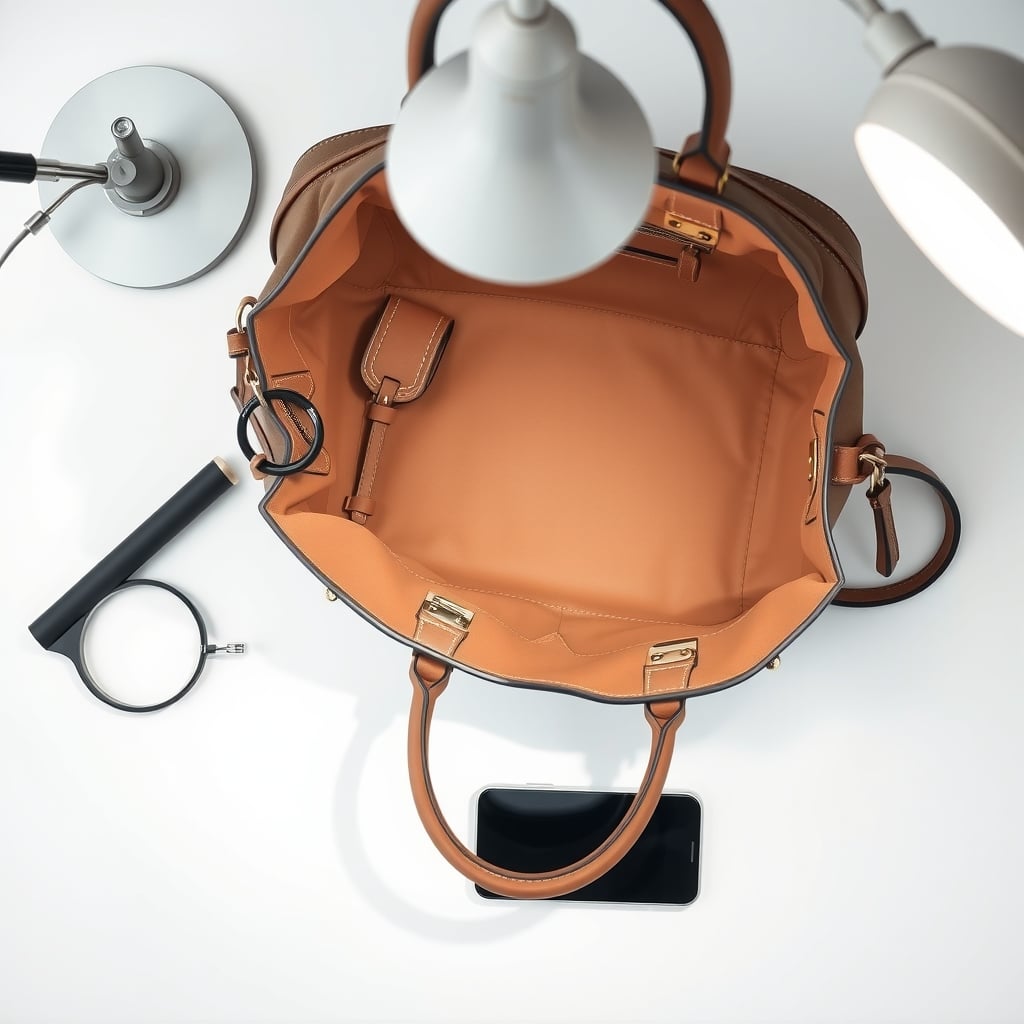
- A loupe or jeweler’s magnifier (10x magnification, ~$15–$20). Optional but reveals stitching flaws fakes can’t hide.
- Good lighting (daylight or a bright desk lamp). Fakes show color inconsistency and seam gaps under bright light that disappear in dim retail settings.
- A smartphone camera with macro mode (if you don’t have a loupe). Zoom in on stitching and hardware markings.
- Access to the brand’s official website (to cross-check logo details, serial-number format, and hardware finish).
- A reference photo or video from a known authentic bag (your own, a trusted friend’s, or from a brand’s official campaign).
None of these are deal-breakers
you can authenticate most bags with just a clear photo and the steps below.
Step-by-Step Authentication Process
Step 1: Locate and Decode the Serial Number or Date Code
Every luxury handbag has an internal serial number, date code, or maker’s mark. Counterfeits either omit it entirely, use incorrect formatting, or stamp it poorly.
Where to find it:
- Louis Vuitton: Rectangular leather tab, usually inside a zippered pocket. Format is two letters + four digits (e.g., “FL1234”). The first letter is the factory code, the second is the year, and the four digits are the week and day.
- Gucci: Metal plate or leather tab inside the bag. Reads “Made in Italy” or “Made in [country]” plus a 10- or 14-digit serial. Modern Gucci bags have a QR code on the serial plate that you can scan via the Gucci app to authenticate.
- Hermès: Leather patch stamped with the craftsperson’s mark (often a letter and number) and date. Real Hermès stamps are perfectly centered and evenly spaced; fakes often have off-center or blurry impressions.
- Chanel: Hologram sticker inside the bag (pre-2021) or laser engraving on a metal plate (post-2021). The hologram is extremely difficult to counterfeit; fakes often use cheap hologram material that looks dull or peels easily.
- Prada: Metal plate or leather tab inside. Reads “Made in [country]” + serial number. Prada switched from six-digit to nine-digit serials around 2010.
How to check authenticity:
- Compare the format and placement to the brand’s official website or a known authentic bag.
- Look at the stamp itself: authentic stamps are sharp, centered, and evenly spaced. Fakes are often blurry, off-center, or have letters that don’t align.
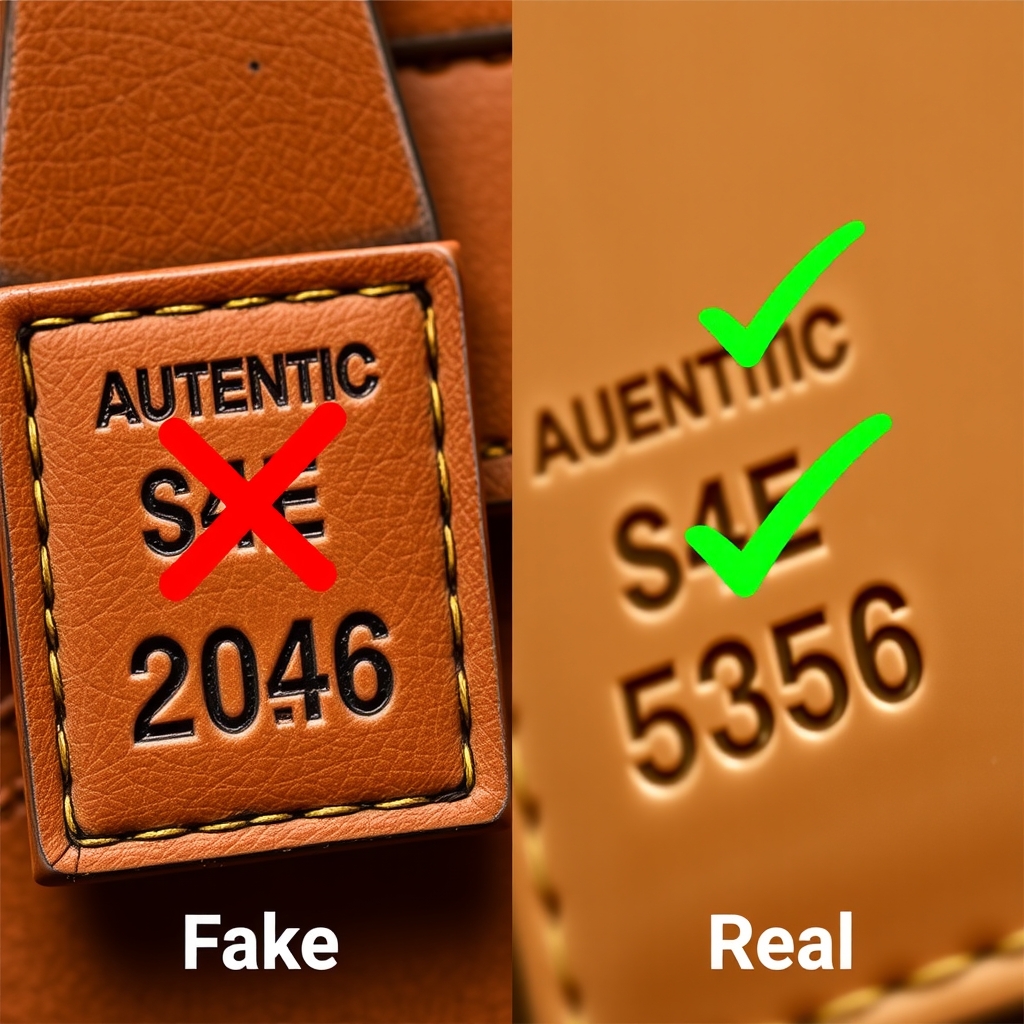
- Verify the factory code or year if you know the bag’s production date. Louis Vuitton’s factory codes (like “SP” for Spain, “MI” for Italy) are specific to production locations; a code that doesn’t match the claimed origin is a red flag.
- Caveat: Some counterfeiters buy old factory hardware or replicate serial numbers perfectly. A “correct” serial number alone is not proof of authenticity it must pass the material and stitching tests below.
Step 2: Inspect the Material Quality and Texture
Luxury leather and hardware have specific feels and finishes that counterfeits can’t replicate precisely.
Leather:
- Real luxury leather (Hermès Togo, Chanel caviar, LV Epi) has a distinct texture that feels supple, slightly waxy, or buttery depending on the tannage. Run your fingers across the leather it should feel consistent, with no rough patches or visible seams.
- Fake leather often feels plastic-y, too uniform, or has a waxy coating that feels artificial. Some counterfeits use bonded leather (scraps glued together and stamped with a pattern), which feels rigid and sometimes has a chemical smell.
- Color inconsistency is a major red flag. Real bags are dyed evenly; fakes often have color bleeding at seams or uneven patches. Check the underside and interior fakes sometimes cut corners there.
- Patina and aging. Real leather develops a natural sheen and deepens in color over time. If a “vintage” bag shows no patina but claims to be 10 years old, it’s likely a fake or never used unusual for a luxury bag.
Hardware:
- Weight and finish matter. Authentic hardware (gold, silver, or mixed plating) is heavy and has a specific matte or polished finish depending on the brand. Fake hardware is often lighter, shinier, or flimsy.
- Engraving quality on hardware (like “Chanel” or the Louis Vuitton lock engravings) should be crisp and precise. Fakes often have shallow or uneven engravings, or letters that don’t line up.
- Plating durability. Real hardware resists tarnishing for years; fake plating wears off within weeks or months. If a “new” bag has visible discoloration or flaking on the hardware, it’s almost certainly counterfeit.
Zipper pulls and closures:
- Real zippers have smooth, precise teeth and move effortlessly. Fake zippers often stick, have misaligned teeth, or separate under light pressure.

- Designer zippers usually carry a brand mark (like “YKK” for authentic suppliers). Counterfeits use generic or misspelled zipper markings (e.g., “YKK” spelled “YKl” with a lowercase L).
Step 3: Examine the Stitching Pattern and Precision
Stitching is where most counterfeits fail. It’s hard to replicate by hand at scale, and machine stitching never perfectly mimics luxury-brand precision.
What to look for:
- Stitch spacing. Real luxury bags have consistent, evenly spaced stitches. Compare your bag to an authentic reference photo or video the spacing should match exactly. Fakes often have irregular stitch spacing, with gaps that widen or tighten unpredictably.
- Stitch type. Some brands use specific stitching patterns (Hermès uses saddle stitch, which creates a double line; Louis Vuitton uses single stitches at exact angles). Fakes use the closest available method, which often looks different under magnification.
- Stitch color. The thread color should match the leather (or contrast intentionally, as in some Hermès designs). Fakes sometimes use thread that looks too bright or doesn’t match the dye lot.
- Loose or missing stitches. Real bags ship with perfect stitching. If a “new” bag has loose or missing stitches, it’s either been used heavily or is counterfeit.
- Seam placement. Check the corners, handle attachments, and pocket seams. On real bags, seams align perfectly with the bag’s structure. Fakes often have seams that drift or wander.
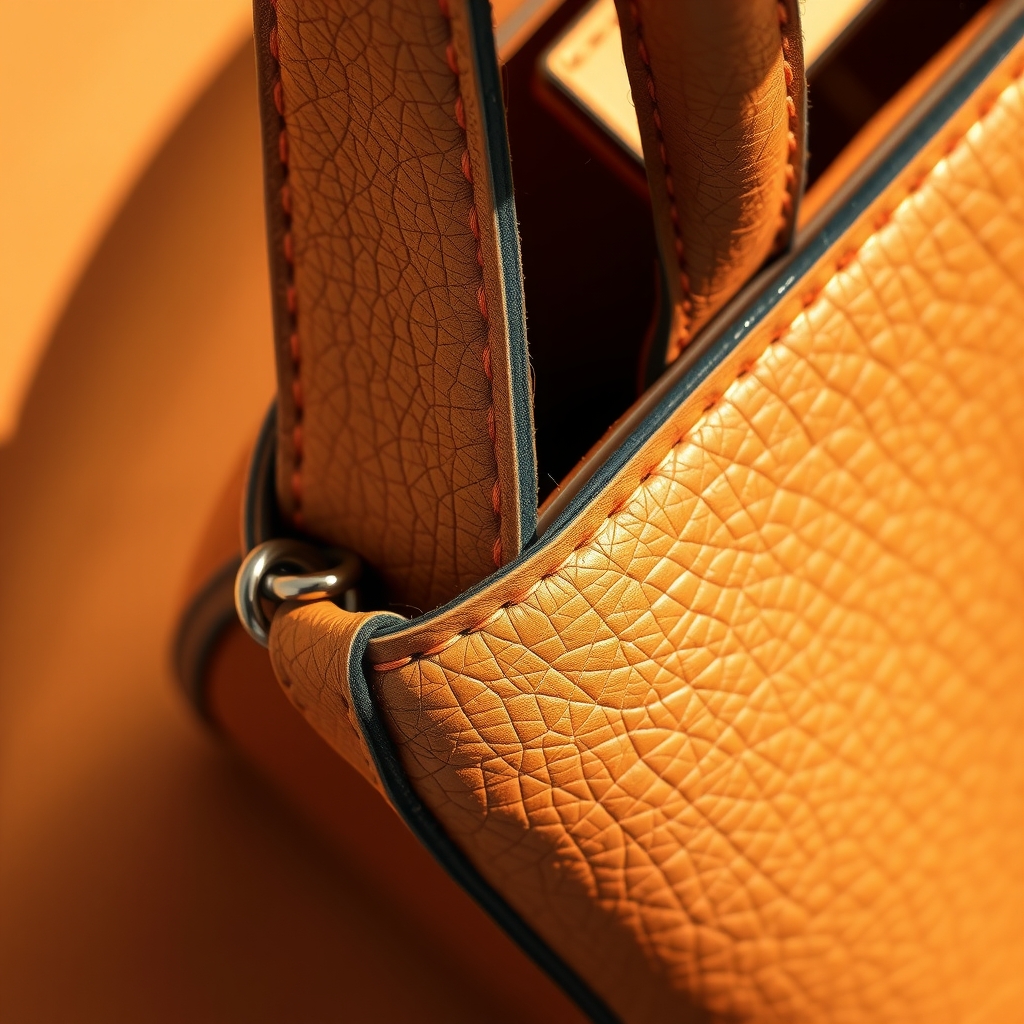
Pro tip: Use a loupe to examine stitching at the base of a handle (where two pieces meet) or along a pocket seam. This is where counterfeits struggle most, because the angle and precision required are difficult to fake.
Step 4: Cross-Check the Logo and Brand Markings
Logos, lettering, and brand plaques are the most-faked elements because they’re visible and require only surface-level attention to seem authentic.
Common logo red flags:
- Blurry or misaligned text. Brand plaques or embossed logos should have crisp, centered lettering. Fakes often have fuzzy impressions or letters that tilt or misalign.
- Inconsistent font size or weight. Compare the size and boldness of lettering on your bag to a known authentic. Fakes sometimes use a slightly different typeface or weight.
- Misspellings. Rare, but counterfeits have been caught with “Prad” instead of “Prada” or “Chnal” instead of “Chanel.” Check every letter.
- Logo placement. The logo should be centered on plaques, tabs, and exterior panels. Off-center logos are a reliable red flag.
- Coating or protection. Some brand plaques (like Gucci’s) have a protective clear coating. If the coating is missing, peeling, or uneven, the bag is likely counterfeit or damaged.
Step 5: Examine Interior Details and Labels
Counterfeits often neglect the interior because it’s hidden, but luxury brands maintain precision everywhere.
Interior checks:
- Lining material and pattern. Real luxury linings are made from high-quality fabric (often silk or canvas) with specific patterns or prints. Fake linings are often flimsy, thin, or printed poorly. Check that the lining pattern is crisp and doesn’t bleed or fade unevenly.
- Interior pockets and hardware. All pockets and interior dividers should be neatly finished with no loose threads or seam gaps. Fakes cut corners here.
- Made-in stamp. The interior label should clearly state the country of manufacture. Authentic stamps are crisp and centered; fakes are often blurry or crooked.
- Leather interior tabs. If the bag has an interior leather tab (like Louis Vuitton’s ID pocket), it should feel and look identical to the exterior leather. Mismatches in color or texture suggest a counterfeit using reclaimed or mismatched materials.
The Mistake Everyone Makes
Trusting a single element. Counterfeits are often very good at replicating one aspect a perfect serial number, crisp stitching, or even convincing hardware. But they almost never pass all three tests (serial, material, stitching). Spot-checking only the serial number or logo is how most fakes slip through. Always run the full battery: check the serial, feel the leather, inspect the stitching under magnification, and compare interior details. A fake almost always fails at least two of these.
Another common mistake: believing the seller’s story. Phrases like “It’s from a sample sale” or “My cousin works at the factory” are red flags, not explanations. Authenticate based on the bag itself, not the narrative around it.
The Non-Obvious Caveat: Authentication Limitations
Super-fakes (high-end counterfeits made in boutique operations) are engineered to pass basic authentication checks. If you have significant doubts, consider sending photos to a third-party authentication service many specialize in luxury bags and provide a written report. This is particularly important for vintage or high-value pieces.
Also: counterfeit standards vary by brand. Hermès counterfeits are rare and easily spotted; Chanel, Louis Vuitton, and Gucci fakes are highly engineered and require more scrutiny. The more expensive and iconic the bag, the higher the counterfeiting risk.
FAQ
Can I authenticate a bag from photos alone? Partially. Clear, close-up photos of the serial number, stitching, and hardware can reveal obvious fakes. But you can’t assess leather quality or feel the weight of hardware from a photo. If you’re buying sight-unseen, always ask for multiple detailed photos (including interior, stitching closeups, and serial number) and plan to have the bag authenticated in person if you’re uncertain.
What if the serial number is correct but the bag still seems fake? Focus on the material and stitching. Real serial numbers are easier to counterfeit than real leather or precision stitching. Many counterfeits replicate the serial format perfectly but fail on texture, stitch consistency, or hardware weight. A correct serial number is necessary but not sufficient for authentication.
Are all bags made in Italy or France authentic? No. The country of manufacture is important (Louis Vuitton only makes bags in specific facilities), but counterfeits are made worldwide and sometimes use fake serial numbers indicating “Made in France.” The country label is one data point, not a guarantee. Cross-check it with the factory code (for brands that use them) and verify against the brand’s production records if available.
How much does a professional authentication service cost? Based on what services were advertising as of August 2026, most charge roughly $20–$75 per bag, depending on complexity and turnaround time. If you’re buying a bag over $500, professional authentication is generally worth the cost. For a $200 bag, personal inspection using this guide is usually sufficient but prices can shift, so confirm directly with any service before you book.
Can counterfeiters replicate the serial number system? Yes, many can. That’s why serial-number checks alone aren’t reliable. Counterfeits use stolen factory codes, reverse-engineered date-code systems, or QR codes that spoof the Gucci or other brand apps. The serial check is a starting point; material and stitching are where the truth emerges.
Getting the Most Out of Your Authenticated Bag
Once you’ve verified authenticity, maintain the investment with basic care:
- Store it flat or standing upright, never hanging by the handles, which can warp the bag shape over time.
- Use a dust bag when not carrying. This protects the leather from dust, sunlight, and accidental scuffs.
- Condition leather periodically with a luxury leather conditioner designed for the bag’s leather type. A common rule of thumb is every 6–12 months, though how often you’ll need to do it depends on your climate and how frequently you carry the bag.
- Spot-clean immediately. If leather gets marked, use a soft cloth (microfiber is ideal) and a dedicated luxury leather cleaner. Rubbing alcohol and regular soaps can strip the finish.
- Keep hardware dry. Moisture causes tarnishing and plating damage. Dry the bag if it gets wet, and store it in a cool, dry place.
- Monitor the zipper. If it starts to stick, apply a small amount of graphite (like a pencil) along the teeth never lubricating oil, which attracts dirt.
Authenticating and maintaining a luxury bag is part of the responsibility of ownership. Done right, a real designer bag will outlast its counterfeit equivalent by years.