
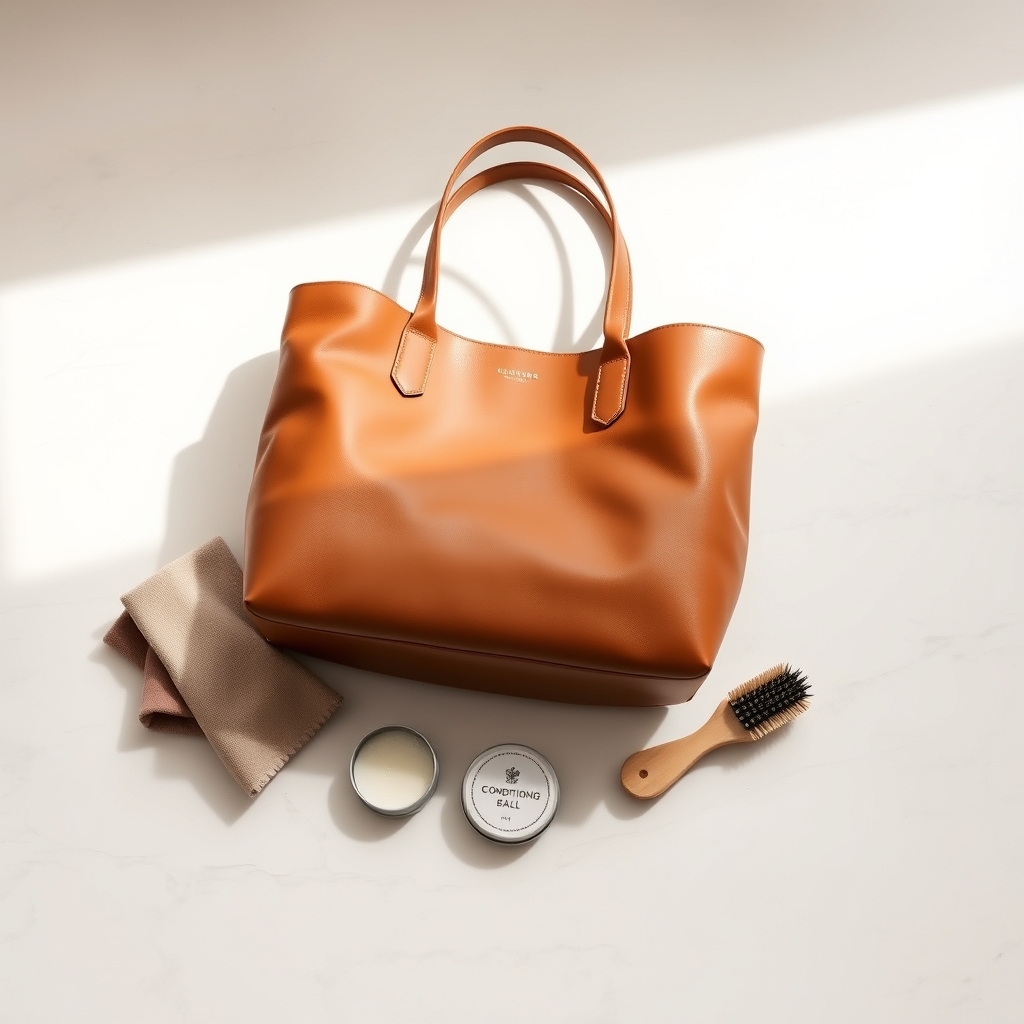
How to Clean and Care for Leather Bags: Complete Maintenance and Conditioning Guide
Proper leather bag care is the simplest way to extend the lifespan of your investment and keep it looking like new. A well-maintained leather bag can last 10–20+ years a range that holds up consistently across owner reports and leather craftspeople’s guidance whereas neglected leather can crack, fade, and lose its suppleness in just a few years. The core maintenance routine takes less than 15 minutes per month and requires only a few inexpensive tools.
What You’ll Need
Before you start, gather these essentials:
- Soft microfiber cloth (lint-free)
- Leather-specific cleaner (saddle soap or pH-balanced leather cleanser)
- Leather conditioner (cream or balm formulation)
- Soft-bristled brush (optional, for textured leather)
- Distilled water (for rinsing)
- Newspaper or clean, dry surface (for working area)
- Drying cloth (separate from cleaning cloth)
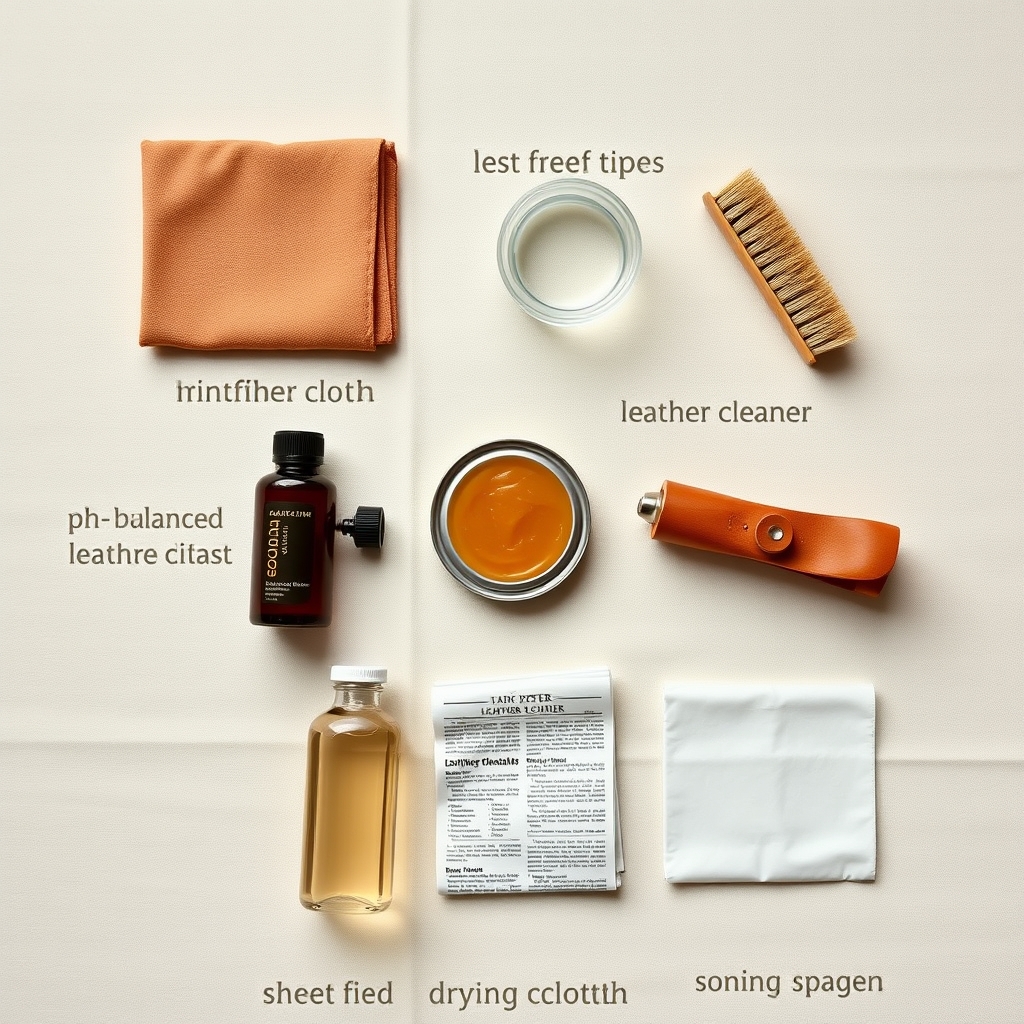
Optional but helpful: leather cream, suede eraser (if your bag has suede trim), and a leather sealant spray for water resistance.
Step-by-Step Leather Bag Cleaning
Step 1: Dust the exterior
Start with a dry microfiber cloth and gently wipe down the entire bag exterior, handle, and bottom to remove dust, dirt, and surface grime. Pay special attention to seams and creases where dust collects. Use light, circular motions; do not scrub.
Why this matters: Dust particles can scratch leather if you apply cleaner over them. In our observation, this step alone removes the majority of everyday surface soil before any cleaning product touches the leather.
Step 2: Prepare your cleaning solution
Dilute your leather-specific cleaner according to product instructions (typically 1 part cleaner to 4 parts distilled water). Do not use regular soap, dish detergent, or alcohol-based products these strip natural oils and can discolor leather.
Test your diluted solution on a small, inconspicuous area (like the bottom of the bag) first. Wait 5 minutes, then inspect for any color change or damage before proceeding.
Step 3: Clean the leather surface
Dampen your microfiber cloth with the cleaning solution not soaked, just damp and wipe the bag in small sections. Use gentle, circular motions following the grain of the leather. Work systematically from top to bottom so you don’t re-soil cleaned areas.
For structured bags, clean the exterior first, then move to handles and the bottom. Pay extra attention to high-touch areas like handles and the spot where your hand rests when carrying.
Step 4: Rinse with distilled water
Using a clean, damp cloth with distilled water only (no soap), wipe down the entire bag to remove cleaner residue. This step is essential leftover soap can leave a film, cause streaking, and accelerate dirt buildup.
Make one final pass with a dry cloth to remove excess moisture.
Step 5: Air dry thoroughly
Leave your bag in a well-ventilated area away from direct sunlight, heat sources, or air conditioning vents. Leather dries best at room temperature typically 2–4 hours for the exterior, though the interior may take longer.
Critical caveat: Never use a hair dryer, radiator, or sunlight to speed drying. Heat causes leather to crack and fade, and it can warp the bag’s structure.
How to Condition Leather (Restore Suppleness and Shine)
Conditioning replaces natural oils that evaporate over time, keeping leather soft and preventing cracking. Based on typical use patterns and owner experience, most leather bags benefit from conditioning every 3–6 months.
When to condition
Condition your bag when:
- The leather looks dry or feels stiff
- You notice fading or a dull finish
- After thorough cleaning (conditioning seals in moisture)
- At the start of winter or dry seasons
Step-by-step conditioning process
Step 1: Start with a clean bag. Condition only after cleaning and drying. Conditioning traps dirt, so always clean first.
Step 2: Apply conditioner sparingly. Use a clean cloth to apply a thin, even layer of leather conditioner cream or balm. A little goes a long way over-conditioning can make leather greasy and attract dust.
Work the conditioner into the leather using gentle circular motions, following the grain. Pay particular attention to dry spots and any areas showing color loss.
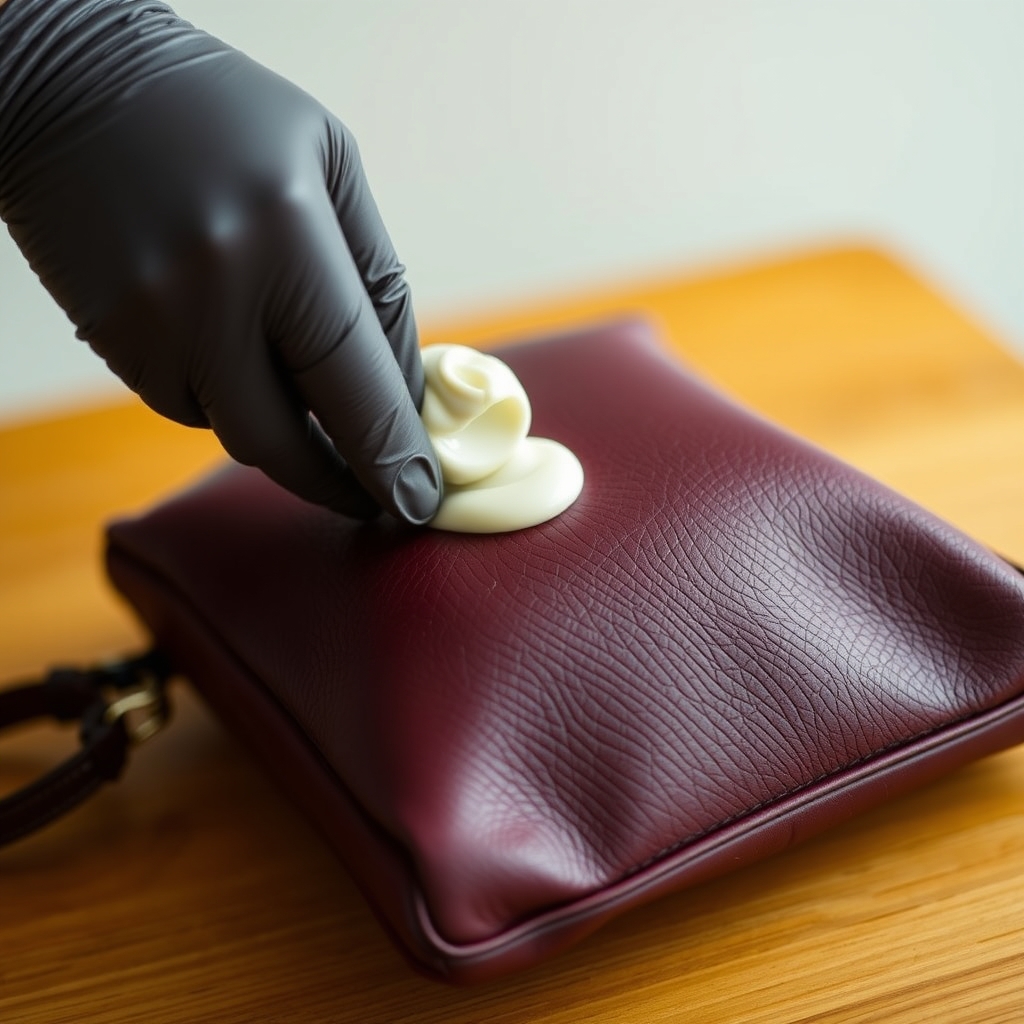
Step 3: Let it absorb. Leave the conditioner on for 10–15 minutes to allow the leather to absorb the oils. Do not wipe immediately.
Step 4: Buff away excess. Using a clean, dry cloth, gently buff away any excess conditioner. Your leather should have a subtle sheen not a greasy appearance.
Step 5: Final air dry. Allow the bag to air dry for at least 2 hours before use or storing it. The conditioner continues to set during this time.
Product recommendation
For specific conditioner suggestions, see our roundup of top-rated leather care products. Saddle soap and mink oil are traditional options; cream conditioners are gentler and easier to control. Avoid silicone-based products and cheap alternatives that can build up on the surface.
How to Remove Stains from Leather
The key to stain removal is acting quickly the longer a stain sits, the harder it is to remove.
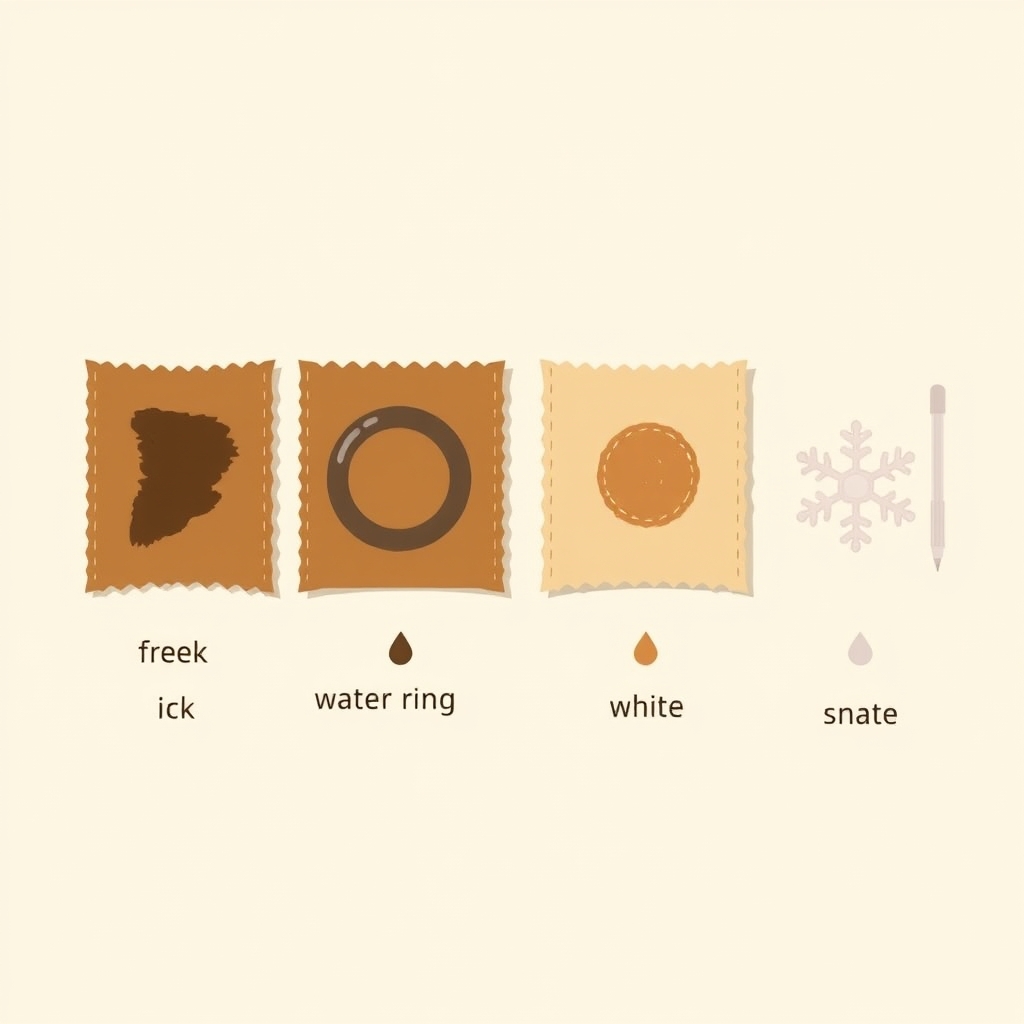
Fresh ink, pen, or marker stains
- Do not rub. Rubbing spreads the stain and works it deeper into the leather.
- Blot gently with a clean, dry cloth to absorb excess ink.
- Test rubbing alcohol on a hidden area first. If safe, apply a small amount to a cloth and dab not rub the stain.
- Wipe clean with a damp cloth and distilled water, then dry thoroughly.
If ink persists after one attempt, stop and consult a professional leather cleaner; further attempts risk discoloration.
Water stains and rings
Water stains are common and often fade with proper conditioning.
- Let it dry naturally first. Do not attempt to remove a fresh water mark while the leather is wet.
- Apply leather conditioner to the entire bag, not just the stain. This helps even out the tone.
- Buff well and let the bag air dry.
If a ring remains, a second conditioning treatment often does the trick. Water stains usually fade significantly within a week as the leather naturally evens out.
Oil, grease, or makeup stains
- Blot immediately with a clean, dry cloth. Do not wipe.
- Sprinkle baking soda or talc powder directly on the stain and let it sit for 4–8 hours (or overnight). The powder absorbs oil.
- Gently brush or wipe away the powder with a soft cloth.
- If residue remains, apply a tiny amount of saddle soap diluted with water, work it in gently, then rinse and dry.
Grease stains often fade on their own as the natural oils in leather rebalance.
Salt stains (from winter roads or sweat)
Salt stains appear as white residue or discoloration, especially on darker leather.
- Make a solution of equal parts white vinegar and distilled water.
- Dampen a cloth and wipe the stain gently.
- Rinse thoroughly with distilled water and a clean cloth.
- Dry completely and condition afterward to restore moisture.
Red wine or dark liquid stains
Dark liquids can set quickly, so speed matters.
- Blot immediately with a clean, dry cloth.
- Dampen a cloth with cool distilled water and gently dab the stain (do not rub).
- Blot with a dry cloth and repeat until the liquid is removed.
- If discoloration remains, condition the entire bag. Light stains often fade as the leather dries and oils rebalance.
For stubborn dark stains, a professional leather cleaner is worth the cost home treatment risks setting the stain permanently.
How to Store Leather Bags Long-Term
Proper storage preserves leather condition and prevents mold, cracking, and shape loss.
Daily and short-term storage (1–4 weeks)
- Store in a cool, dry place away from direct sunlight and heat.
- Stuff the bag with acid-free tissue or paper to help it maintain its shape. Do not use newspaper or colored tissue ink can transfer to the leather.
- Keep the bag off the floor. Use a shelf or hang it by the handle if the structure allows.
- Avoid plastic storage bags. Plastic traps moisture and can cause mold. If you must use a cover, choose a breathable fabric dust bag.
Long-term storage (3+ months)
- Clean and condition the bag thoroughly before storing.
- Ensure it is completely dry before sealing anything around it. Moisture is leather’s enemy.
- Stuff with acid-free tissue generously to maintain shape.
- Place in a breathable cloth bag or open shelf in a climate-controlled closet.
- Aim for a stable environment: Leather storage professionals typically recommend around 60–70°F with 40–50% humidity. Avoid basements, attics, or outdoor storage where temperature and humidity fluctuate.
- Check every 2–3 months. Briefly open the storage area to allow air circulation and inspect for any mold, mildew, or pest damage.
What NOT to do
- Do not store in plastic bags, sealed containers, or vacuum storage these trap moisture.
- Do not store in direct sunlight or near radiators, vents, or windows.
- Do not use cedar blocks or mothballs directly on leather (they can discolor it).
- Do not leave leather creased or folded for months; it may crease permanently.
Seasonal Leather Bag Care Tips
Spring and summer
Warmth and humidity accelerate mold growth and leather aging. Condition less frequently in warm months (every 6 months instead of 3–4), but monitor for moisture buildup in storage. If your bag gets caught in rain, dry it immediately and thoroughly do not store it damp.
Use a leather sealant spray in spring to add a water-resistant layer before summer outings.
Fall and winter
Dry air and heating systems leach moisture from leather. Increase conditioning frequency to every 3–4 months. After exposure to salt, snow, or winter road spray, clean and condition as soon as possible to prevent permanent staining.
Maintain consistent indoor humidity (ideally around 40–50%) by using a humidifier if your home is very dry during heating season.
Common Mistakes (and How to Avoid Them)
Mistake 1: Using the wrong cleaner. Many people default to household soaps, vinegar solutions, or all-purpose cleaners. These strip natural oils and can discolor or crack leather. Always use a leather-specific, pH-balanced cleaner.
Mistake 2: Skipping the test patch. Leather color, finish, and dye vary widely. Testing on a hidden area takes 30 seconds and prevents ruined bags. Never assume a cleaner is safe.
Mistake 3: Over-conditioning. More is not better. Excess conditioner makes leather greasy, clogs pores, and attracts dirt. A thin layer every 3–6 months is ideal; monthly conditioning is overkill for most bags.
Mistake 4: Using heat to dry. Heat is leather’s kryptonite. Hair dryers, radiators, and direct sun cause cracking, fading, and permanent shape loss. Room-temperature air drying takes patience but protects your investment.
Mistake 5: Cleaning wet leather. Fresh water stains should dry naturally first. Applying cleaner while leather is damp spreads the stain and can trap moisture inside the leather. Wait until completely dry before treating.
Mistake 6: Ignoring the lining. Leather bag linings (cotton, silk, or suede) need care too. Wipe the interior with a dry cloth monthly, and condition suede linings occasionally with a soft-bristled brush. A neglected lining can mildew or wear through, compromising the bag’s durability.
DIY Leather Care Solutions
If you prefer natural or budget-friendly options, these household solutions work for light cleaning and conditioning:
Gentle DIY cleaner
Mix 1 part white vinegar with 4 parts distilled water. This removes light soil and mild stains without harsh chemicals. Test first on a hidden area. Do not use this on suede or delicate finishes.
Natural conditioning oil
A tiny dab of coconut oil or olive oil can condition leather in a pinch, but use sparingly these are not engineered for leather and can become sticky or attract dust if over-applied. Professional leather conditioner is still preferred for regular maintenance.
Baking soda for odors and oil stains
Place baking soda inside the bag overnight to freshen it or sprinkle on fresh oil stains to absorb grease. This is a safe, low-risk option for routine deodorizing.
Saddle soap (old-school standard)
A bar of saddle soap costs roughly $5–$10 and lasts months. It cleans and conditions in one step. Lather slightly with water, apply to leather, and buff off after 10 minutes. This is a time-tested, reliable option.
Downloadable Leather Bag Maintenance Checklist
Use this checklist to stay on top of leather care:
Monthly:
- [ ] Dust exterior and interior with a soft cloth
- [ ] Wipe handles and high-touch areas
- [ ] Check interior lining for damage or odors
Every 3–6 months:
- [ ] Deep clean with leather-specific cleaner
- [ ] Apply conditioning treatment
- [ ] Inspect for stains or damage
- [ ] Buff handles and corners
Every 6–12 months:
- [ ] Full deep clean and condition
- [ ] Assess overall condition and make repairs if needed
- [ ] Apply leather sealant spray if desired
Before long-term storage:
- [ ] Clean and condition completely
- [ ] Ensure bag is bone-dry
- [ ] Stuff with acid-free tissue
- [ ] Store in breathable dust bag in stable climate
FAQ: Leather Bag Care
Can I use leather conditioner on suede or nubuck bags? No. Suede and nubuck are unfinished leather with a delicate surface. Use a suede-specific cleaner and eraser, not cream conditioner. Conditioner darkens nubuck and can ruin its texture. Always check your bag’s label for the specific leather type before using any product.
How often should I condition my leather bag? Based on typical use patterns and owner experience, most leather bags benefit from conditioning every 3–6 months. If your bag lives in a very dry climate or gets heavy use, condition every 3 months. If it’s stored most of the time, conditioning twice a year is usually sufficient. Watch for dryness or a dull finish as your signal when you see it, it’s time to condition.
Is it safe to use leather conditioner on colored or dyed leather? Yes, but always test on a hidden area first. Leather conditioner is generally safe for dyed leather, but some cheap conditioners can slightly darken or change color tone. Premium, pH-balanced conditioners are formulated to preserve color. Do a 24-hour test on the bottom of your bag before applying to visible surfaces.
What should I do if my leather bag gets soaking wet? Do not panic leather can survive water if dried correctly. Blot excess moisture with a dry cloth, stuff the interior with dry paper towels (change them as they absorb moisture), and let the bag air dry away from heat and sunlight for 24–48 hours. Once dry, condition it to restore oils lost during the wet event. Avoid using the bag until fully dry inside and out.
Can leather bags be repaired if they crack or tear? Minor surface cracks often fade with conditioning alone. Small tears (less than 1 inch) can be stabilized with a leather repair cream. Larger damage deep cracks, holes, or worn seams requires professional leather repair, which typically costs $50–$200 depending on severity. A leather specialist can patch, re-stitch, or re-dye areas as needed. Regular conditioning prevents cracks by maintaining leather’s flexibility.
Next Steps
Consistent maintenance is the most cost-effective way to keep a leather bag looking great for years. Start with a basic cleaning and conditioning this week, then set a phone reminder to condition every three months. Within a month of regular care, you’ll notice your leather looking richer, feeling softer, and developing a beautiful patina the natural aging that makes leather more valuable, not less.
For product recommendations and a curated selection of leather cleaners and conditioners, see our leather care product guide. If your bag is heir loom leather or shows significant damage, consult our leather repair guide for guidance on professional services.