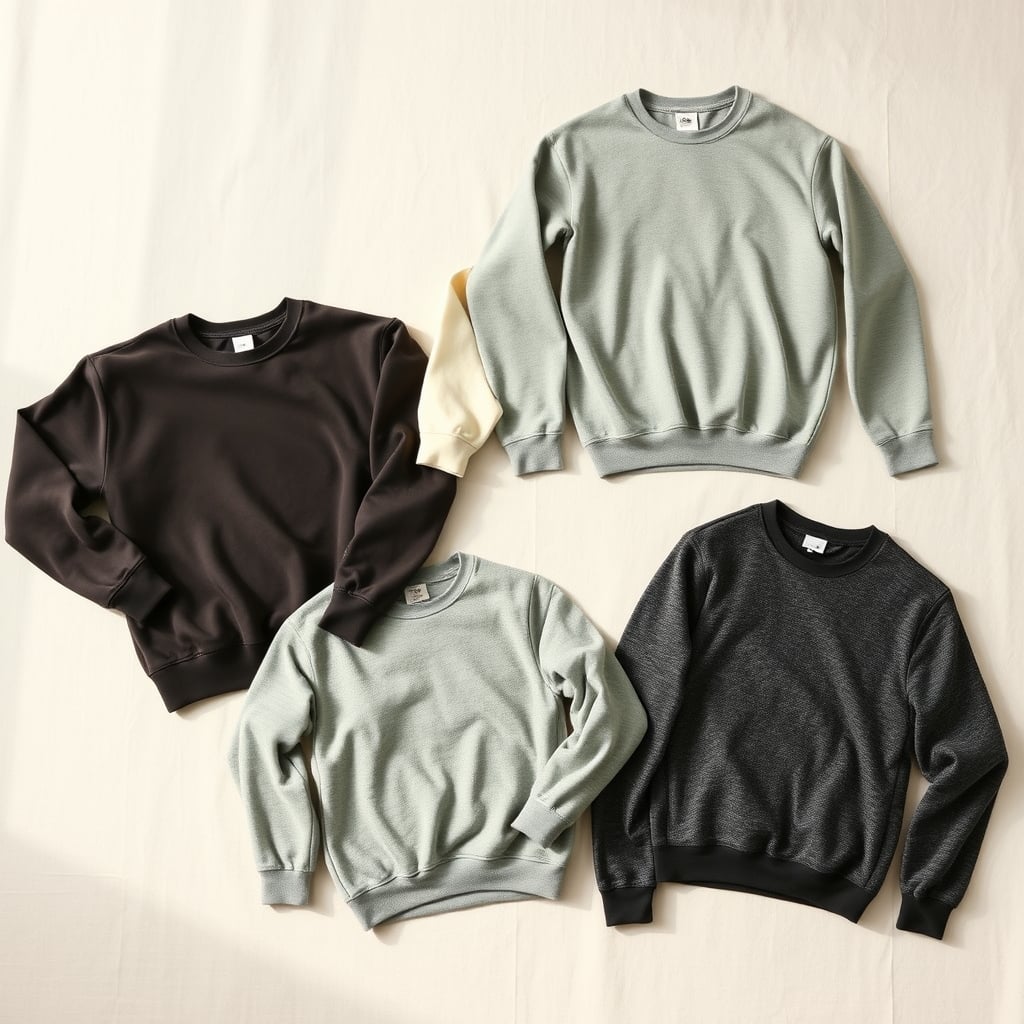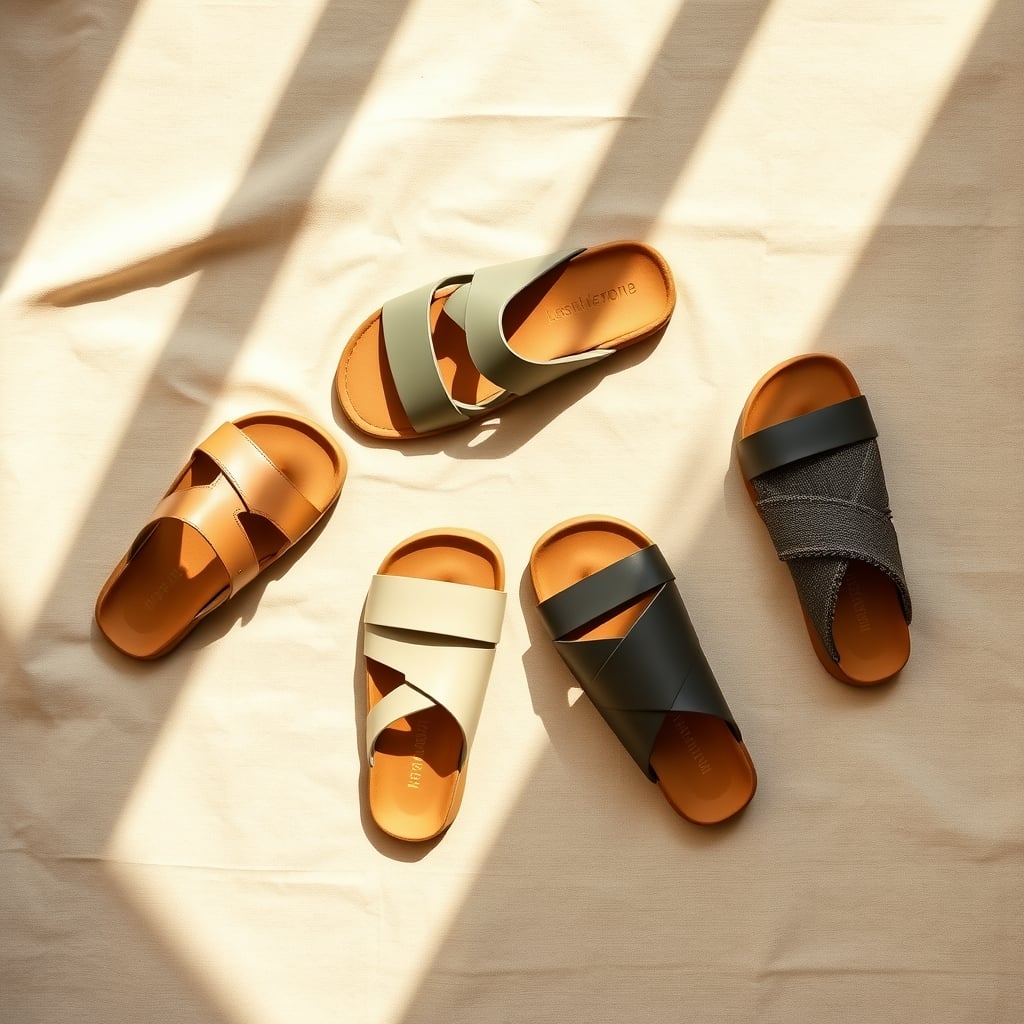

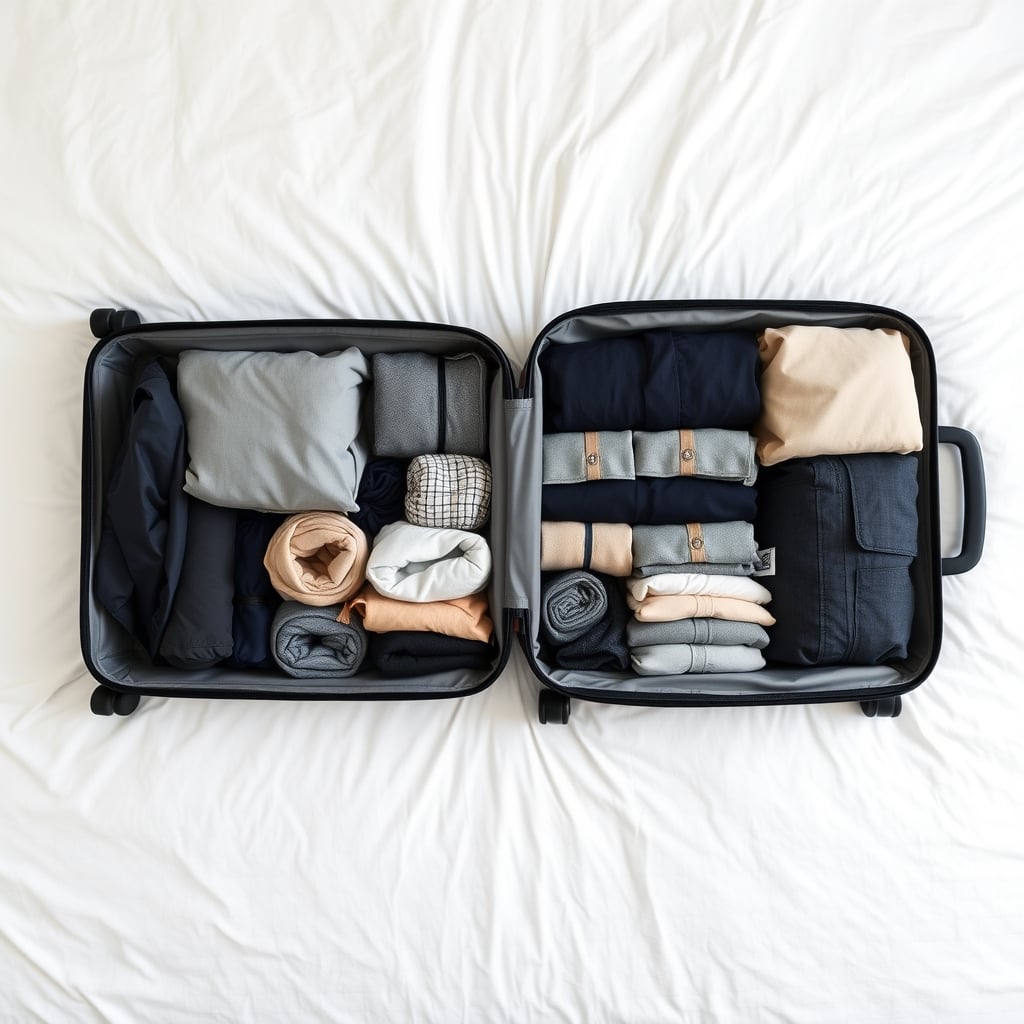
Packing efficiently means using layering, compression, and strategic weight distribution to fit more into your luggage while protecting your belongings from wrinkles and damage. With the right system, most travelers find they can pack noticeably more into the same suitcase, stay within airline weight limits, and retrieve items without unpacking the entire bag. Most people can master this in one trip; the habits stick.
What You’ll Need
- A suitcase, carry-on, or backpack (soft-sided works best for compression)
- Packing cubes or compression bags (optional but highly effective)
- Tissue paper or dry-cleaner plastic (for wrinkle-prone items)
- A small scale (to verify weight before heading to the airport)
- A packing list (downloadable template below)
- Ziplock bags (various sizes, for toiletries and wet items)
The Rolling vs. Folding Debate: What Actually Works
Rolling and folding aren’t opposites they’re tools for different garment types. Roll knit items (t-shirts, sweaters, jeans) to save space and minimize wrinkles; fold structured pieces (dress shirts, blazers, light jackets) to prevent creases. Rolling compresses soft fabrics efficiently and lets you stack rolled items vertically, creating a filing-cabinet effect that maximizes suitcase depth. Folding preserves the shape of tailored garments and prevents the permanent creases that rolling can create on button-ups.
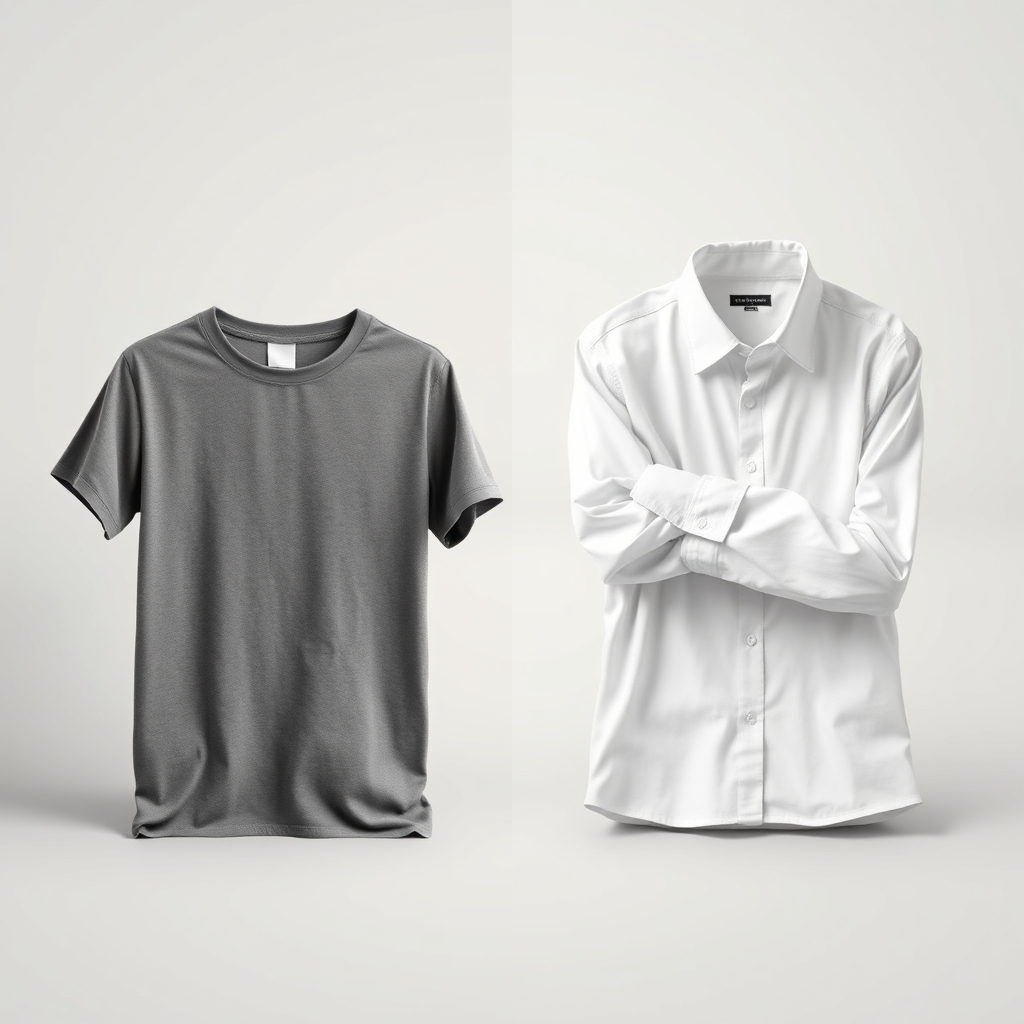
In practice, a hybrid method works best: roll roughly 60–70% of your clothes (basics, layers, casual wear) and fold the rest anything with a collar, structured jackets, or delicate fabrics you plan to wear on arrival. These ratios are a starting heuristic, not a hard rule; adjust based on your wardrobe mix.
Step-by-Step Packing Instructions
Step 1: Lay Out Everything and Edit Ruthlessly
Before touching your suitcase, arrange every item you think you’ll need on your bed or a large surface. This is the most underestimated step most overpacking happens because you can’t see the full inventory. Now eliminate: anything you haven’t worn in a year, duplicates, “just in case” items, and anything that doesn’t match at least two other things in the pile.
Ask yourself: Do I need this, or do I want to have it? The best packers choose need every time.
Step 2: Organize by Category and Trip Type
Group items into piles: bottoms, tops, underwear, socks, shoes, toiletries, and accessories. This prevents the chaos of searching for one shirt buried under five others.
For business travel, prioritize wrinkle-prone items (dress pants, blazers) and fold them flat on top at the end. For leisure trips, maximize comfort layers and casual wear. For adventure travel, pack moisture-wicking and quick-dry fabrics in the rolling section.
Step 3: Place Heavy Items at the Wheel-End
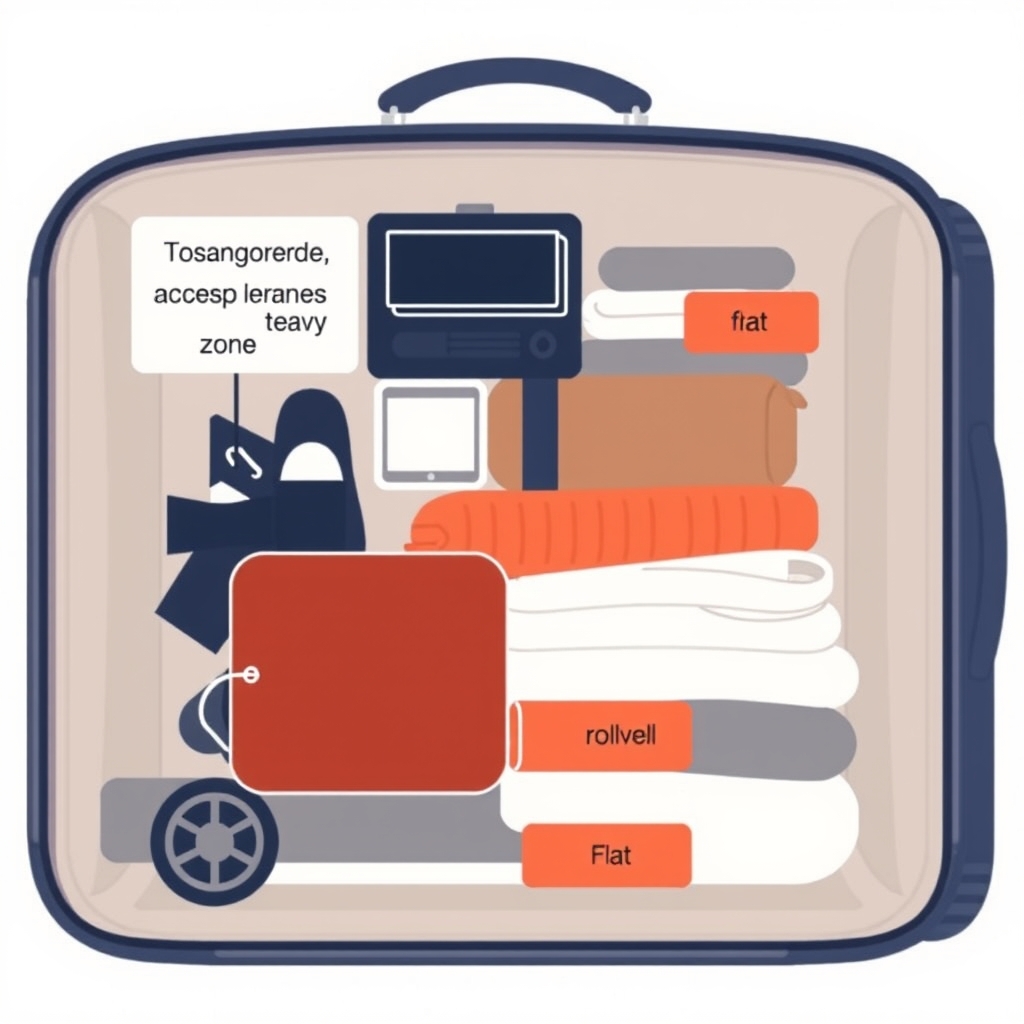
Position shoes, toiletries, and electronics (heaviest items) along the bottom of the suitcase near the wheels. This distributes weight evenly and prevents the bag from feeling top-heavy when you’re pulling it through an airport. Heavy items at the bottom also protect delicate fabrics above them from compression damage.
Step 4: Create a Layering Foundation
Start with a layer of rolled jeans, towels, or heavy sweaters as a cushion above the shoes and toiletries. This creates a stable base and keeps hard items from pressing against softer fabrics.
Step 5: Roll and Stack Knit Items Vertically
Roll each t-shirt, sweater, and casual top tightly (not military-tight, just firm), and stand them on their end like files in a cabinet. This lets you see every item at a glance and, in practice, fits noticeably more than layering flat owner reports and packing community consensus consistently point to meaningful space gains over flat-stacking. Roll from the hem toward the collar to minimize wrinkles on the visible side.
Step 6: Fold and Layer Structured Items
Fold dress shirts, blouses, and light jackets using the hanger method: lay the item flat, fold both sleeves inward, then fold the whole piece in thirds lengthwise. Stack these flat on one side of the suitcase to keep them separate from rolled items and prevent creasing.
Step 7: Use Packing Cubes or Compression Bags for Organization
If you’re using packing cubes, assign one to underwear and socks, one to workout clothes, and one to accessories. Compression bags (vacuum or roll-sealed) can substantially reduce volume on bulky items like sweaters or jackets manufacturer specs commonly cite reductions in the range of 40–50%, though real-world results vary by fabric and how tightly you seal the bag. The trade-off: compression can wrinkle soft fabrics and is less efficient than rolling for items you’ll wear early in your trip.
Step 8: Protect Shoes and Fragile Items
Wrap shoes individually in plastic bags or cloth to prevent dirt from touching your clothes. Place them in the toe-to-heel position along the perimeter of the suitcase not the center, where they’ll press against folded items. Use ziplock bags to isolate toiletries, cosmetics, and anything that might leak.
Step 9: Fill Gaps with Socks and Accessories
Stuff socks, scarves, and belts into shoe openings and along suitcase corners. These items pack zero volume and are your best gap-fillers. Avoid leaving empty air pockets they’re wasted space.
Step 10: Place Delicate or Wear-Ready Items on Top
Put items you’ll need immediately (underwear, tomorrow’s outfit, any business-critical piece) on top or in an exterior pocket. Lay one or two dress items flat on very top, protected by tissue paper, if you need them wrinkle-free on arrival.
Step 11: Weigh and Adjust
Place your packed suitcase on a scale. Most airlines allow 50 lbs for checked bags and 22 lbs for carry-ons but limits vary by carrier and ticket class, so verify yours before packing. If you’re over, remove the items you use least and find a way to wear them or leave them behind. Better to discover this at home than at the ticket counter.
The Common Mistake Everyone Makes
Packing for worst-case scenarios instead of your actual itinerary. Most travelers bring three pairs of shoes when they’ll wear two, pack a formal outfit they won’t attend an event for, and include “emergency” items they never use. Check your calendar, your destination’s weather, and your planned activities pack only for what you’ll actually do. If uncertainty creeps in, ask: Can I buy this if I really need it, or can I wear something I already packed instead?
The second mistake is packing liquids and shoes first, which wastes prime suitcase real estate. Shoes belong on edges, liquids belong in a dedicated corner or cube near the bottom.
Non-Obvious Caveats
TSA rules on liquids in carry-ons are strict. Anything liquid, gel, or paste must be 3.4 oz (100 ml) or smaller, and all bottles go in a single quart-sized bag. Many travelers pack full-size toiletries in a carry-on and discover the problem at security. Decant products into travel bottles or pack them checked-only.
Compression bags can damage elastic. If you pack underwear, swimsuits, or elastic-heavy items in a vacuum bag, remove them immediately upon arrival they can lose shape if left compressed for extended periods.
Weight limits vary by airline and ticket class. Budget carriers (Spirit, Frontier) often charge significant fees per pound over the limit. Check your airline’s baggage policy before packing, not after.
Packing Tips by Trip Type
Business Travel
Prioritize wrinkle resistance and versatility. Pack 4–5 neutral bottoms (black, gray, navy pants or skirts), 6–8 tops in coordinating colors, and one blazer or structured jacket. Roll everything except the blazer and dress shirts, which should be folded flat on top. Use packing cubes to separate work clothes from casual wear. Include a small pouch for laptop cords and chargers losing these at a hotel is more costly than overpacking them.
Leisure / Vacation
Max out comfort and mix-and-match potential. Stick to a color palette (e.g., earth tones or denim + white + one accent color) so pieces combine freely. Pack 7–10 tops, 3–4 bottoms, and 1–2 casual dresses or rompers if applicable. Bring lightweight layers for air conditioning. Shoes: aim for three pairs (casual sneakers, dressier flat or sandal, and one special-occasion shoe).
Adventure / Outdoor Travel
Prioritize technical fabrics (merino wool, synthetic blends) over cotton. Cotton holds moisture and takes a long time to dry in humid environments. Pack base layers, mid-layers, and one insulating layer, all roll-able. Bring hiking boots and casual shoes only (ditch the third shoe). Toiletries: bring concentrated, multi-use items (Dr. Bronner’s soap, solid shampoo bars). Weight matters on backcountry trips choose an ultralight packing cube system.
Pro Tips for Maximum Space
The hanger trick for button-ups: Lay a dress shirt on a hanger, fold both sleeves toward the center, fold the whole shirt in half lengthwise, then remove the hanger and fold once more. This creates a compact rectangle that fits flat in a suitcase corner.
Wear bulky items on the plane. Jackets, sweaters, and bulky shoes can take up a significant portion of suitcase volume. Wear them during travel and pack lighter items instead.
Decant and downsize. Travel bottles of shampoo, lotion, and sunscreen are non-negotiable for carry-ons and save checked-luggage space. Solid deodorants and solid shampoo bars are compact and TSA-approved in carry-ons.
Layer, don’t duplicate. Instead of packing five different outfits, pack mix-and-match pieces. Five tops, three bottoms, and one jacket create 15 outfit combinations.
Use the suitcase as a dresser. Once unpacked, keep using your suitcase as a drawer for clean clothes. This keeps your hotel room organized and makes repacking faster on departure.
Downloadable Packing Checklist
Use this as a starting point and edit for your specific trip:
Clothing
- Underwear: 5–8 pairs
- Socks: 4–6 pairs
- Bottoms: 3–5 (jeans, pants, skirts, shorts)
- Tops: 6–8 (t-shirts, blouses, casual shirts)
- One structured jacket or blazer
- Sleepwear: 2 sets
- One outfit for special occasion (if applicable)
Shoes
- Casual sneakers or everyday shoe
- Dressier flat, sandal, or loafer
- (Optional) athletic shoes if exercise is planned
Toiletries
- Travel-size shampoo and conditioner
- Deodorant (solid preferred)
- Toothbrush and toothpaste
- Skincare: face wash, moisturizer, sunscreen
- Any medications
- Female hygiene items (if applicable)
- Nail clippers, tweezers (checked bag only)
Accessories & Misc.
- Phone charger
- Laptop charger (if traveling with a device)
- Glasses or contacts (if applicable)
- Jewelry or watch
- 1–2 lightweight scarves (doubles as a blanket)
- Lightweight bag or backpack for day activities
Documents
- Passport or ID
- Travel insurance and booking confirmations
FAQ
Can I pack wrinkle-prone items and still avoid creases?
Yes. Fold dress shirts and blouses using the hanger method (above), place them flat on top of your suitcase, and cover them with tissue paper. Pack them last so they’re not compressed by other items. On arrival, hang them immediately and let them air for 15–20 minutes most wrinkles release naturally. If needed, use the bathroom shower steam trick: hang the item above a hot shower for 10 minutes.
How do I prevent my shoes from staining my clothes?
Wrap each shoe individually in a plastic bag (grocery or ziplock). This isolates dirt and prevents transfer. For extra protection, place wrapped shoes along the suitcase perimeter, not in the middle where they press against folded items.
What’s the most space-efficient packing method for a two-week trip?
Roll roughly 70% of your items (all knits and casual wear) and fold the remainder (structured pieces). Use one compression bag for off-rotation items (extra sweaters, backup outfit). Assign one packing cube to underwear and socks, one to accessories. Wear your bulkiest item (jacket, boots) on travel days. Plan to do laundry mid-trip if possible most destinations have laundromats or hotel services.
Is it ever okay to exceed the airline weight limit slightly?
No. Overweight fees ($35–$75 per pound at many carriers) add up fast, and some carriers won’t let you board until you pay or remove items. Weigh your bag at home and build in a 2-lb buffer for items you might buy during the trip.
Do compression bags actually work, or are they hype?
They work, but with limits. Vacuum or roll-sealed compression bags can meaningfully reduce volume on bulky items like sweaters, jackets, and towels manufacturer specs commonly cite 40–50% reductions, though in practice results vary by fabric density and seal quality. The trade-off: items develop creases and elastic loses shape over time. Best use: packing heavy sweaters or off-season layers in checked luggage, not for delicate fabrics or items you’ll wear early in your trip.