
Proper bedding washing keeps your sheets soft, colors bright, and fabrics intact for years. Most people wash sheets too hot or with too much detergent, causing premature fading, shrinkage, and wear. The right approach takes the same time but preserves fibers and saves money in the long run.
This guide walks you through water temperature selection, detergent choices, drying methods, and care for specialty materials like silk and down. By the end, you’ll know exactly how to wash every piece in your linen closet and how often to do it.
What You Need to Wash Bedding Properly
- A washing machine (front-load or top-load, both work, though front-loaders use less water)
- Gentle or mild laundry detergent (liquid or powder; see section below for material-specific picks)
- Stain treatment (optional, for pre-treating spots)
- Mesh laundry bag (optional, for delicate fabrics like linen or silk)
- Dryer or clothesline (for air-drying)
- Iron (optional, for crisp finishes on some fabrics)
You don’t need fabric softener, it leaves a waxy residue that dulls colors and reduces absorbency over time. Skip it entirely or use white vinegar (¼ cup in the rinse cycle) if you want to soften fibers naturally.
Step-by-Step: How to Wash Sheets and Comforters
Step 1: Check the Care Label and Sort by Fabric Type
Flip over your sheets or comforter and locate the care tag. The symbols tell you the safe water temperature, whether bleach is allowed, and if dry cleaning is required. Here’s what the most common symbols mean:
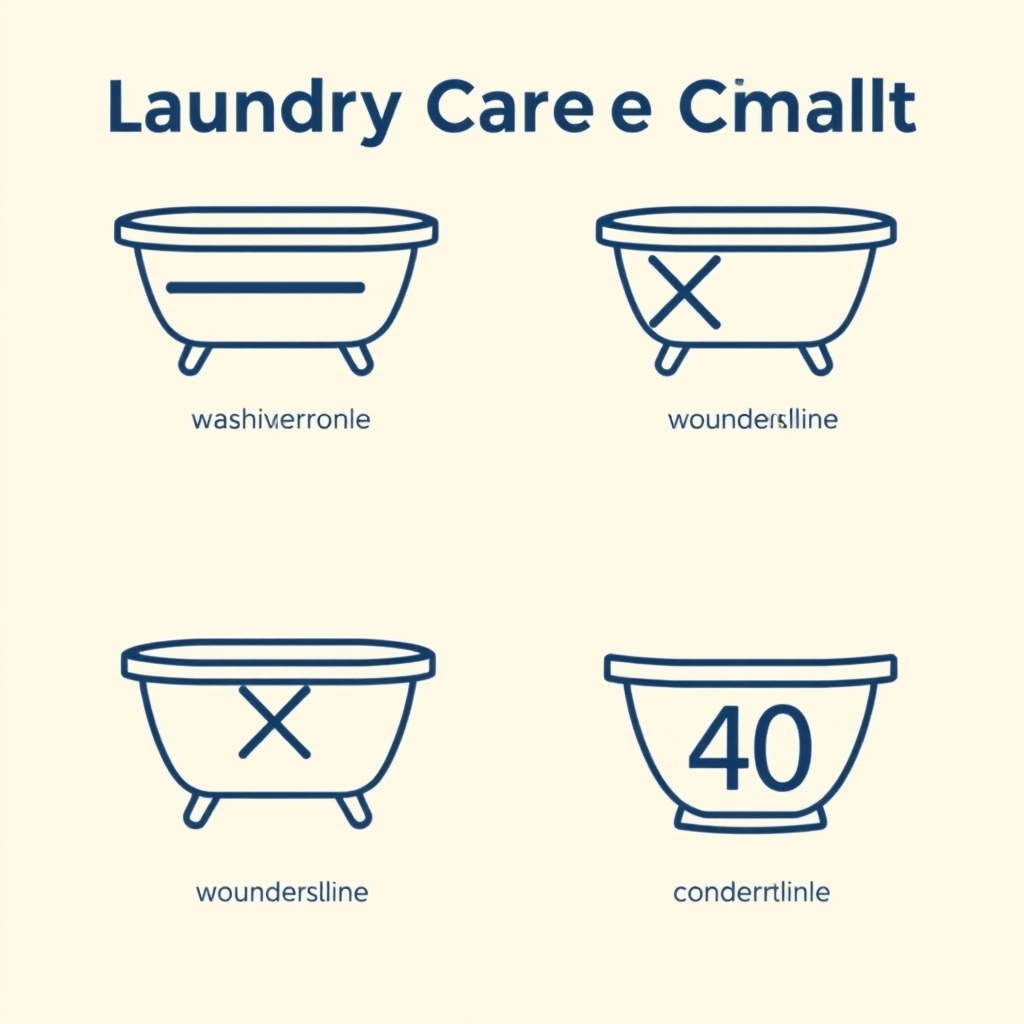
- Washtub with a single line underneath: Gentle cycle, cool water
- Washtub with two lines underneath: Very gentle cycle, cool water (delicate fabrics like silk or linen blends)
- Washtub with an X through it: Do not wash (take to dry cleaning)
- Temperature number inside the tub (30, 40, 60): Maximum water temperature in Celsius (roughly 86°F, 104°F, 140°F)
Sort bedding by color (whites, lights, darks) and fabric type (cotton, silk, linen, synthetic blends). Washing delicate materials with heavy cotton sheets causes pilling and damage.
Step 2: Pre-Treat Visible Stains
If you see a stain (sweat, food, blood), address it before washing. Blot the spot with a damp cloth and a drop of mild detergent or stain remover. Let it sit for 10–15 minutes, then gently rub. Do not scrub aggressively, you’ll push the stain deeper into fibers. Once the stain lightens, proceed to the wash cycle.
Step 3: Load the Washing Machine (Don’t Overstuff)
Place sheets and comforters loosely in the drum. Cramming them in prevents detergent from reaching all fibers and creates creases that are hard to remove. A single set of queen sheets should fill roughly half the drum. If washing a comforter, wash it alone, it needs space to move and rinse thoroughly.
Step 4: Choose Water Temperature Based on Fabric and Soil Level
This is where most people go wrong. Hot water (130°F+) is rarely necessary for bedding and causes fading and shrinkage. Here’s the breakdown:
Cold water (60–70°F)
- Best for: colored sheets, linen, silk, any synthetic blends, everyday washing
- Why: prevents dye bleeding, shrinkage, and fiber breakdown
- Effective for: light to moderate soil (normal sleeping use)
Warm water (90–100°F)
- Best for: white cotton sheets, moderately soiled bedding (sweat, light stains)
- Why: better detergent activation than cold, but gentler than hot
- Skip if: washing delicate fabrics or anything with elastic or trim
Hot water (130°F+)
- Best for: white cotton sheets that are heavily soiled or contaminated (post-illness)
- Why: kills bacteria and dust mites more effectively
- Avoid for: anything other than plain white cotton, it causes fading and shrinkage on other materials
If your care label specifies a maximum temperature (e.g., 40°C / 104°F), follow it. When in doubt, use cold water, it works for 90% of home laundry and extends lifespan dramatically.
Step 5: Measure and Add the Right Amount of Detergent
Most people use 2–3 times more detergent than necessary. Excess soap leaves residue on fibers, traps dirt, and causes buildup that makes sheets feel stiff and dingy. Use this guide:
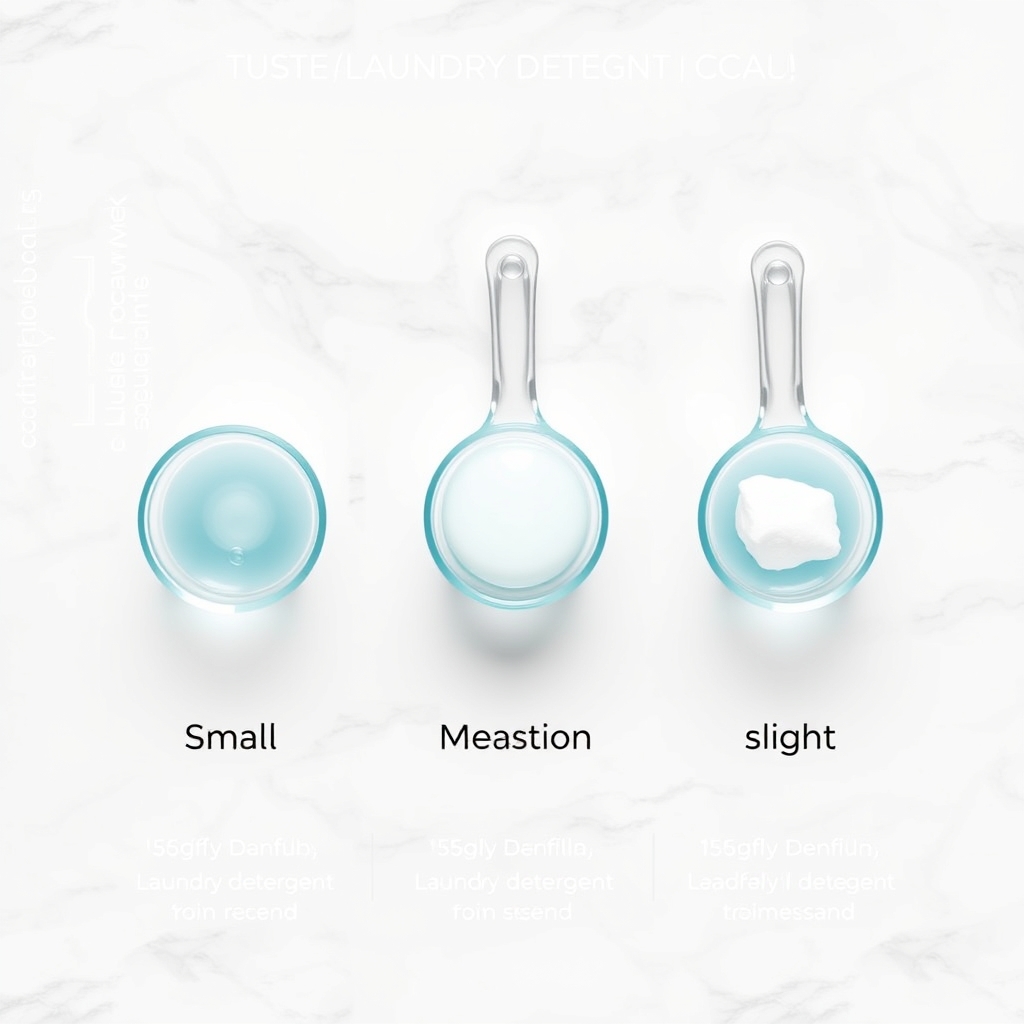
- Standard load (one sheet set), lightly soiled: 1 tablespoon of liquid detergent or ½ teaspoon of powder
- Standard load, moderately soiled: 1.5 tablespoons liquid or ¾ teaspoon powder
- Large load (multiple sets or a comforter), heavily soiled: 2 tablespoons liquid or 1 teaspoon powder
If your water is very soft (low mineral content), use the lower end. If it’s hard (high minerals), use the higher end. Most standard detergent caps hold 1–2 ounces; that’s roughly 2–4 tablespoons, so fill it only one-quarter to one-half way.
Detergent picks by fabric type:
- Cotton sheets: Any mild detergent works (Woolite Delicates, The Laundress Delicate Wash, or standard mild options like All Free Clear or Seventh Generation Free & Clear)
- Linen sheets: Use Woolite Delicates or The Laundress Delicate Wash to prevent creasing and stiffness
- Silk sheets or pillowcases: Must use Woolite Delicates, The Laundress Silk & Lingerie, or a dedicated silk detergent, regular detergent is too harsh
- Down comforters: Specialized down wash (The Laundress Down Comforter Wash, Eucalan Delicate Wash) prevents clumping; avoid regular detergent
- Memory foam toppers: Use a gentle, residue-free detergent; avoid fabric softener or bleach
All of these are widely available at grocery and drugstore chains and online retailers. A bottle lasts 4–6 months with the conservative dosing above.
Step 6: Select Wash Cycle and Start
Use a gentle or delicate cycle for anything with elastic, trim, or delicate fibers (linen, silk, blends). Use a normal cycle for sturdy white cotton. Most machines have a cycle option right on the dial. If unsure, gentle is always safe, it just takes a few minutes longer.
Do not add fabric softener to the wash. If you want softness, add ¼ cup white vinegar to the rinse cycle instead, it removes detergent residue and naturally softens fibers without the waxy buildup.
Step 7: Dry on Low Heat or Air-Dry
Once the cycle finishes, remove bedding promptly to prevent mildew and wrinkles. You have two main options:
Machine drying (low heat)
- Set dryer to low or delicate heat (under 130°F)
- Add a wool dryer ball or a clean tennis ball to help fluff without agitation
- Remove sheets when still slightly damp (not bone dry), they’re easier to fold and less prone to wrinkles
- For down comforters, use tumble-dry low and run for 45–60 minutes, checking every 15 minutes to ensure even drying
Air-drying (best for longevity)
- Hang sheets on a clothesline or drying rack in sunlight
- Sunlight naturally whitens and freshens without chemicals
- Takes 2–4 hours depending on humidity
- Fold immediately when dry to prevent creasing
- For comforters, lay flat on a clean surface or hang over a drying rack in a shaded area, direct sun can fade colors
High heat is the single biggest cause of fiber breakdown, shrinkage, and early wear-out. In practice, low heat or air-drying adds just a few minutes to laundry day and based on owner reports; can meaningfully extend bedding lifespan.
Step 8: Fold and Store Properly
Fold sheets neatly and store in a drawer or linen closet away from direct light. Rotate between two sets of sheets so each set gets a break between uses; this reduces wear on fibers and lets moisture evaporate. Store comforters in a breathable cotton bag (not plastic, which traps moisture), in a cool, dry place away from heat and humidity.
The Mistake Everyone Makes: Overwashing and Using Too Much Detergent
The biggest error is treating bedding like towels that get visibly dirty. Sheets trap dead skin, sweat, and oils; but you can’t see most of this without a microscope. Washing in warm or hot water with a full cap of detergent every time strips natural oils from fibers and causes premature fading and breakdown.
The fix: Wash sheets every 1–2 weeks in cold water with 1–1.5 tablespoons of detergent. If sheets are visibly soiled (stains, spills, pet accidents), pre-treat the spot and still use the same gentle cycle and low detergent amount. You’ll see colors stay brighter, fabrics stay softer, and pilling become much less common.
Comforters don’t need washing more than 2–3 times a year unless you have pets, spill something, or use the comforter without a duvet cover. A duvet cover protects the comforter and gets washed instead; it’s much easier to maintain.
How Often Should You Wash Different Bedding?
Sheets and pillowcases: Every 7–14 days (once a week is standard; twice a week if you sleep hot or have pets)
Comforters: 2–3 times a year, or only when visibly soiled (use a duvet cover to reduce washing frequency)
Down pillows: 2–3 times a year (wash on gentle cycle with down-specific detergent)
Memory foam pillows: Do not wash in machine; spot-clean the cover only and air-dry
Mattress pads or toppers: 3–4 times a year (follow the manufacturer’s care label closely)
Fitted sheets: Same as regular sheets (7–14 days); inspect the elastic for signs of wear before washing
Troubleshooting: How to Fix Common Bedding Problems
Pilling (Little Balls of Fiber on the Surface)
Cause: Friction between fibers; normal wear, especially on lower-quality cotton. Overwashing and high-heat drying accelerate it.
Fix: Use a fabric shaver or soft brush to gently remove pills. Wash in cold water on a gentle cycle with minimal detergent. Air-dry instead of machine-drying. If pilling is severe and new, the sheets may be low-quality; consider replacing them.
Fading
Cause: Hot water, too much detergent, and direct sunlight break down dyes.
Fix: Wash in cold water, use ½–1 tablespoon detergent, and dry in shade or on low heat. Turn sheets inside-out before washing to reduce surface fading. For whites, mild bleach (¼ cup) used occasionally is safe; for colors, skip bleach entirely.
Shrinkage
Cause: Hot water and high heat drying shrink cotton and linen fibers.
Fix: Check the care label for maximum water temperature and follow it. Wash in cold or warm (not hot) water and air-dry or use low-heat drying. Pre-shrunk bedding (usually labeled) minimizes further shrinkage, but even these shrink slightly if you ignore temperature guidelines.
Stiffness After Washing
Cause: Excess detergent residue or hard water mineral buildup.
Fix: Rewash with no detergent, or add ¼ cup white vinegar to the rinse cycle. Run an extra rinse cycle if your machine allows. Use less detergent on the next wash; measure carefully using the guidelines above.
Dull or Dingy Color
Cause: Detergent residue, hard water minerals, or sweat buildup (especially on pillowcases).
Fix: Soak sheets in ¼ cup baking soda and water for 30 minutes before washing, then wash normally in cold water with minimal detergent. White vinegar in the rinse cycle also helps. For whites, a small amount of bleach (¼ cup) restores brightness, but use sparingly to avoid weakening fibers.
Elastic Losing Stretch
Cause: Overwashing, hot water, and machine drying break down elastic fibers on fitted sheets.
Fix: Wash fitted sheets on a gentle cycle in cold water and air-dry. Hand-wash the elastic edges if possible. Replace fitted sheets when the elastic no longer holds; this is normal wear, not preventable, but good care slows it down.
Special Care for Delicate Fabrics
Linen Sheets
Linen gets softer with every wash but can wrinkle easily and feels stiff if care is skipped.
- Wash in cold water on a gentle cycle with Woolite Delicates or a mild detergent
- Use ½–1 tablespoon detergent only
- Air-dry to prevent stiffness; wrinkles from air-drying are normal and part of linen’s charm
- For a crisp look, press while still damp with a warm iron
Silk Sheets and Pillowcases
Silk is delicate and expensive; washing incorrectly destroys the sheen and causes tears.
- Always hand-wash or use a dedicated silk/delicate cycle with cool water
- Use only Woolite Delicates, The Laundress Silk & Lingerie, or a silk-specific detergent
- Place in a mesh laundry bag for machine washing to reduce agitation
- Never use hot water, bleach, or fabric softener
- Air-dry away from direct sunlight
- Iron on low heat while damp if desired
Down Comforters and Pillows
Down requires special handling to prevent clumping and matting.
- Wash in cold or cool water (under 100°F) on a gentle cycle
- Use The Laundress Down Comforter Wash, Eucalan Delicate Wash, or another down-specific detergent
- Measure detergent carefully; even small amounts are enough
- Rinse thoroughly (an extra rinse cycle helps remove all soap)
- Machine-dry on low or tumble-dry low only; do not air-dry a wet down comforter indoors, as it takes too long and can trap moisture
- Add wool dryer balls to help distribute down evenly and prevent clumping
- Check every 15 minutes while drying; fluff by hand as needed
- Lay flat to finish air-drying if still damp after machine drying
Memory Foam and Gel Pillows
Memory foam is sensitive to water and heat.
- Do not machine-wash the pillow itself; it will break down
- Wash only the removable cover on a gentle cycle in cold water
- Spot-clean the foam core with a damp cloth and mild soap if needed
- Air-dry the cover completely before re-inserting; never machine-dry on high heat
- Do not bleach or use fabric softener
How to Maintain Bedding Between Washes
- Flip and rotate fitted sheets weekly so they wear evenly and the elastic gets a break
- Use a duvet cover on comforters so the duvet itself rarely needs washing; covers wash easily and frequently
- Air out sheets weekly by opening windows or hanging them outside for an hour to reduce odors and freshen fibers
- Spot-clean stains immediately; the longer a stain sits, the harder it is to remove
- Keep the bedroom clean and dry; excess humidity and dust encourage odors and mildew
- Sleep on a clean mattress and use a mattress protector to reduce sweat and debris that gets into sheets
Frequently Asked Questions
Q: How often should I wash sheets?
A: Once a week (every 7 days) is the standard recommendation for most people. If you sleep hot, have pets, or are ill, wash every 3–5 days. If you wash infrequently and live in a cool, dry climate, every 10–14 days is acceptable. Washing more frequently than weekly speeds up wear without added hygiene benefit.
Q: Is cold water effective for washing sheets?
A: Yes, cold water removes sweat, oil, and dirt just as well as warm water and is gentler on fibers. Modern detergents are formulated to work in cold water. Hot water is only necessary for white cotton that is heavily soiled (post-illness) or visibly stained; for everything else, cold saves energy and extends lifespan.
Q: Can I use regular laundry detergent on silk and linen?
A: Regular detergent is too harsh for silk and will dull the sheen and weaken fibers. Linen tolerates mild detergent better than silk, but Woolite Delicates or a silk-specific wash is still preferable. For delicate fabrics, use half the detergent amount you’d use for cotton and always use a gentle cycle.
Q: Why do my sheets feel stiff after washing?
A: Stiffness is usually caused by excess detergent residue or hard water minerals. Use less detergent (aim for 1 tablespoon per load) and add ¼ cup white vinegar to the rinse cycle. Run an extra rinse if available. If you live in a hard water area, a water softener can help, but vinegar is a simpler and cheaper fix.
Q: How do I remove stains from sheets before washing?
A: Blot the stain with a damp cloth and a drop of mild detergent or stain remover (like a paste of baking soda and water). Let it sit for 10–15 minutes, then gently rub. Do not scrub hard; you’ll push the stain deeper. For blood or protein-based stains, use cold water only (hot water sets protein stains). Wash the entire sheet set normally once the stain lightens. Avoid bleach on colored sheets.
Q: Should I use fabric softener on bedding?
A: No. Fabric softener leaves a waxy residue that reduces absorbency, dulls colors, and builds up over time. If you want soft sheets, use white vinegar (¼ cup) in the rinse cycle instead; it removes detergent residue and softens naturally without the buildup. Air-drying also softens fibers naturally.
The Bottom Line
Washing bedding correctly is simple: use cold water, minimal detergent, a gentle cycle, and low heat or air-drying. This approach takes no extra time but based on owner reports and textile care guidance can meaningfully extend the lifespan of your sheets and comforters, while keeping colors bright and preventing pilling and shrinkage. Rotate between two sets of sheets, use duvet covers on comforters, and spot-clean stains immediately. With these habits, quality bedding stands a much better chance of lasting years longer than it would under high-heat, high-detergent routines.