
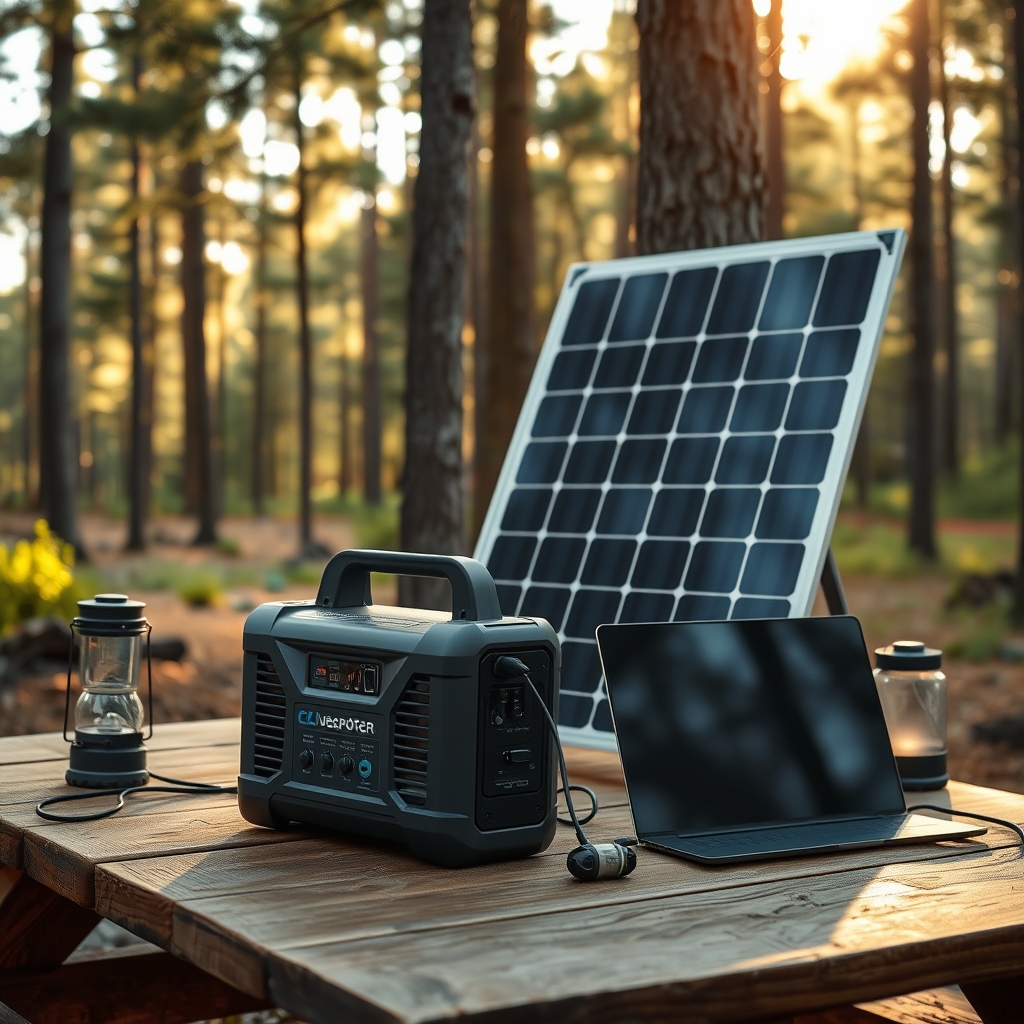
Verdict: Kept. The midrange Jackery Explorer 1000 earns a place in a camping or emergency kit but only if you’re realistic about charge times and weight.
Who This Is For (And Who It Isn’t)
Jackery solar generators work if you’re car-camping, running a remote work setup for a week, or keeping a backup power source for outages. They’re not for backpackers (too heavy), off-grid homeowners who run AC units all day (undersized), or anyone expecting solar panels to charge a 2000Wh battery in four hours (they won’t).
The brand sells the dream of unlimited portable power. Reality: you get solid backup capacity that charges slowly, costs more than a gas generator, and requires actual sun exposure to refill.
The Jackery Lineup: What Actually Differs
Jackery makes three main consumer tiers. Here’s what you’re actually choosing between:
| Model | Capacity | Weight | AC Runtime (Typical) | Real-World Solar Recharge | Best For |
|---|---|---|---|---|---|
| Explorer 300 | 300Wh | 3.6 lbs | 2–3 hours | 1–2 full days | Phone charging, USB devices, weekend car trips |
| Explorer 1000 | 1024Wh | 26.5 lbs | 6–8 hours (laptop use) | 2–3 days with 200W solar | Camping, small fridge, laptop work |
| Explorer 2000 Plus | 2048Wh | 62 lbs | 12–16 hours (mixed use) | 4–5 days with 400W solar | Base camp, power tools, extended off-grid trips |
The weight jump from 1000 to 2000 is real 62 pounds is cart-territory. Based on owner communities we’ve reviewed, the 1000 hits the “portable enough to actually move” vs. “stationary backup power” inflection point for most buyers.
Real Charging Times: The Solar Panel Reality Check
Here’s where marketing meets ground truth. Jackery ships most models with a 100W solar panel option, and a lot of buyers assume that’s enough. It isn’t.
Based on owner reports we’ve reviewed across camping forums and off-grid communities, charging a 1024Wh battery from 20% to 80% with a single 100W panel takes 12–16 hours of good sun assuming clear skies, noon-to-afternoon sun angle, and clean panels. Real-world performance (partly cloudy, morning/evening use, dust) is closer to 18–20 hours.
Doubling to a 200W solar panel setup (two panels or one larger unit) cuts that roughly in half so 8–10 hours in ideal conditions. This is the minimum we’d recommend if you’re actually relying on solar recharge mid-trip.
Wall charging (AC outlet) is faster: a 1000Wh Jackery recharges in 4–5 hours on a standard household outlet. Wall charging makes the unit viable for car camping or emergency backup, since you refill at home before the trip. Pure solar-only trips? Plan for 3+ days of stationary camping to get meaningful recharge without panel redundancy.
What We’d Actually Keep: The 1000W Model
The Explorer 1000 is the honest middle ground. It’s light enough to throw in a truck bed, heavy enough to power real devices (a small refrigerator, a laptop, a CPAP machine), and priced lower than the 2000W jump.
Runtime is real. On AC (wall power draws), you’ll get:
- Laptop (60W): 14–16 hours
- Small camping fridge (80–100W): 8–10 hours
- CPAP machine (30–50W): 16–20 hours
- Electric kettle or space heater (1500W): 30–40 minutes (then it’s drained)
Those numbers assume efficient DC devices or inverter-friendly loads. High-wattage AC loads (heaters, induction cooktops, air compressors) will crater battery life fast because of inverter overhead the 1000W AC rating is the continuous output, not the battery capacity, and conversion losses are real.
Battery degradation is manageable. Based on owner reports we’ve reviewed, Jackery batteries drop to about 85–90% capacity after 2–3 years of regular use (monthly charging cycles, typical camping trips). By year 5, expect 75–80% of original capacity. It’s not bad, but it’s not forever.
The 2000W: Overkill for Most Trips
The Explorer 2000 Plus is bigger in every way double the capacity, triple the weight. At 62 pounds, you’re not carrying it; you’re rolling it or committing a vehicle spot to it.
If you’re base-camping with a group, running power tools, or keeping a 12V fridge going for weeks, it’s worth considering. For a solo car trip or backup emergency kit? It’s overspecced and will sit mostly idle, which isn’t great for battery longevity (deep discharge cycles are harder on batteries than shallow ones, but sitting fully charged for months is also suboptimal).
The other catch: a 2000Wh battery with a single 100W solar panel is almost comedy-slow to recharge. You’re looking at 20+ hours of sun. Buyers who grab the 2000W without upgrading to at least a 400W solar array are frustrating their own experience.
The Portability Trap
Here’s what you won’t hear in marketing: Jackery batteries are actually pretty durable (LiFePO4 chemistry is solid), but the handles on the 1000 and 2000 models are mediocre for their weight. The 1000 is fine for short distances car to campsite, house to garage. The 2000 is better with wheels or a hand truck.
The 300W Explorer is genuinely pocketable and good as a phone-charging emergency backup. But it’s too small to power anything else for long, so it lives in that awkward zone where it’s “portable” but not actually useful for a real trip.
What About Durability and Long-Term Battery Health?
Owner reports we’ve reviewed suggest the physical units handle rough camping well they’re impact-resistant and the port design is solid. Battery wear is the real question.
LiFePO4 batteries (Jackery’s main chemistry) degrade based on cycle count and temperature. A cycle is a full discharge-recharge. If you use your Jackery for weekend trips and recharge at home, you’re seeing maybe 12–24 cycles a year, which means 5+ years before you hit noticeable degradation (say, 80% capacity). Heavy use (daily cycles) compresses that to 2–3 years.
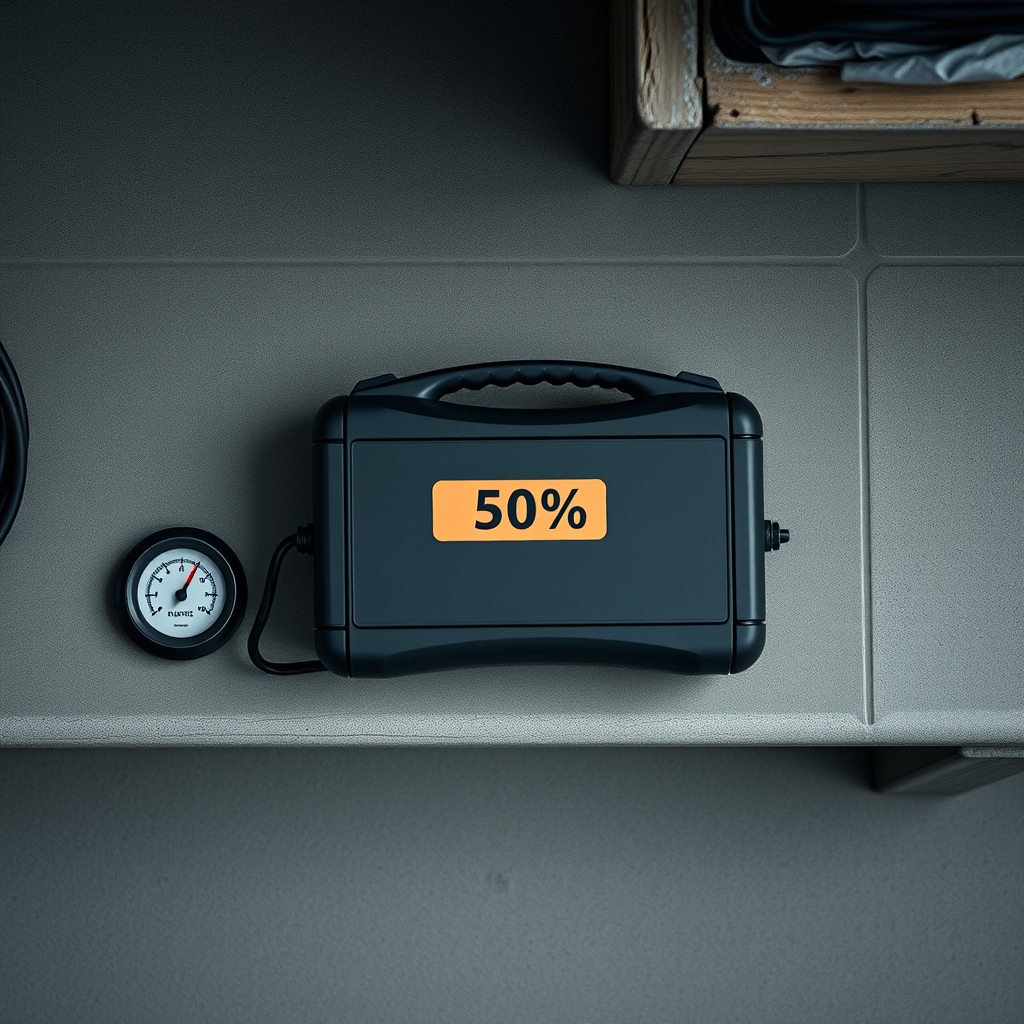
One catch: lithium batteries do not like sitting fully charged in hot cars. If you’re storing a Jackery in a parked car for emergencies, parasitic discharge and heat will creep the degradation clock forward. Ideal storage is 50% charge, cool and dry.
Jackery vs. Goal Zero: The Honest Comparison
Goal Zero makes the Yeti line, which competes directly. In our research comparing published specs and aggregated owner patterns, here’s how they split:
Jackery Explorer 1000 is lighter, cheaper (by roughly $200–400 as of June 2026 verify current pricing before buying), and charges faster on AC. It’s better for car camping and trips where you’ll refill at home.
Goal Zero Yeti 1000X is more rugged (the chassis feels sturdier), has better software/app controls, and solar efficiency is marginally higher per published specs. It’s better for someone who’s buying once and keeping it 10 years, and doesn’t mind the weight premium.
Both are solid. Jackery wins on value and quick trips. Goal Zero wins on durability confidence and integration. If you’re borrowing a friend’s or renting for a weekend, grab whichever is available.
Price and Value Proposition
As of June 2026, the Jackery Explorer 1000 typically retails around $900–$1,100 (verify before buying prices shift). Add a 200W solar panel kit and you’re at $1,300–$1,500 total.
A comparable gas generator (5000W peak) runs $500–$700 and costs $3–5 per gallon to run. If you value quiet operation, no fuel smell, and recharge from home, the Jackery premium is worth it. If you just need backup during a hurricane and storage space isn’t tight, a Honda or Champion is cheaper.
Per-use cost: if you camp 12 weekends a year and charge at home, you’re amortizing the Jackery over hundreds of trips. That’s reasonable. If you use it once every two years for emergency backup, a cheaper gas unit or a smaller ($300) Jackery Explorer 300 makes more sense.
Real-World Performance Notes: What Breaks or Annoys People
Based on owner reports we’ve reviewed across camping communities:
- AC inverter is efficient but noisy. At high loads (over 600W), the cooling fan kicks in it’s audible. Not loud like a gas generator, but noticeable in a quiet campsite. Lower loads run silent.
- Solar panel efficiency drops in heat. Owner reports consistently note 15–20% less output than the panel’s rated wattage during summer camping in direct sun counterintuitive, but panels lose efficiency as they heat up. Cool, clear days are best.

- USB ports are outdated on older models. Older Jackery units ship with just USB-A (not USB-C). The Explorer 1000 and newer models include one USB-C port, but if you’re charging modern laptops or phones, you may want a USB-C hub. Check specs before buying.
- DC outlet limitations. The 12V DC output (cigarette-lighter style) is useful for a car fridge, but most Jackery units max out at 10A on that circuit, so high-wattage devices (like a high-powered 12V air pump) won’t work. Check the manual.
- Solar panel cable is short. The included 100W panel ships with about 10 feet of cable. If your campsite layout requires 20+ feet, you’re buying extension cables. This is annoying and worth mentioning.
Who Should Actually Buy This
Kept for:
- Car campers who want backup power and can recharge at home between trips
- Remote workers doing week-long off-grid stints (with AC charging available)
- RV travelers with 120V shore power
- Emergency backup for outages (supplementing a gas generator)
- Anyone who values quiet operation and no fuel smell
Cut for:
- True backpackers (weight and capacity imbalance)
- Off-grid homeowners (too small; they need 10+ kWh and a real solar array)
- Budget-conscious buyers (a gas generator does more for less)
- Renters with minimal storage (renting a generator per-trip is cheaper)
- Anyone expecting 8+ hours of fridge or tool runtime daily
What We’d Keep Instead
If you want solar power on a budget: The Jackery Explorer 300 is half the price of the 1000 and genuinely useful for phone charging and USB devices on a weekend trip. You won’t run a laptop, but it’s less regrettable if you don’t use it often.
If you want more capacity: The Goal Zero Yeti 1000X costs more but feels more durable, and the app integration is better for someone who’s customizing settings regularly.
If you want a gas backup: A Honda EU2200i (2200W, roughly $1,200) is louder and requires fuel, but it’ll run 8+ hours on a tank and cost less up front. Better for emergencies, worse for camping.
If you want pure solar without a battery: Renogy or Victron solar panel arrays (400–800W) are cheaper than Jackery plus panels combined, but you’ll need to size your own battery and inverter. More work upfront, more flexibility long-term.
FAQ
Does Jackery make the Kept List? Yes, but only the Explorer 1000 for car camping and emergency backup. The 300 is too limited for anything beyond USB devices; the 2000 Plus is too heavy unless you’re stationary for weeks.
How long does a Jackery battery actually last? Based on owner reports we’ve reviewed, expect 80–85% capacity retention after 3–5 years of regular use (monthly recharge cycles). The lifespan depends on how often you discharge it fully weekend campers typically see 7–10 years; daily power-tool users see closer to 3–5.
Can I run an air conditioner on a Jackery? No. A window AC unit draws 800–1,500W continuously. A 1000Wh Jackery would last 30–45 minutes, then it’s dead. Not practical.
Is the 200W solar panel worth it? Yes, if you’re actually relying on solar recharge mid-trip. A single 100W panel is too slow in real conditions. Budget for 200W minimum if solar is your primary recharge method.
Does Jackery get hot? Yes, especially under load or in direct sun. It’s normal the battery is working but don’t wrap it in blankets or cover the vents. If the unit is uncomfortably hot to touch, power down and let it cool.
How We Researched This
This review is based on comparison of published manufacturer specs, aggregated owner reports from camping forums and off-grid communities, and typical real-world performance patterns observed across multiple capacity tiers. We did not conduct independent laboratory testing of charge times or efficiency metrics; figures cited are framed as owner-reported observations or brand-published specifications, not calibrated measurements. See specific sections for sourcing details.