
Skincare Ingredients Glossary: Retinol, Hyaluronic Acid, Peptides, Niacinamide, and More
What This Glossary Is (and Isn’t)
Skincare ingredients are the active compounds in serums, creams, and treatments that actually change your skin not just sit on top of it. This glossary explains 15 of the most proven ones: what they do at the cellular level, the concentration ranges that matter, which ones work together, and which ones will wage war in your medicine cabinet.
This is not medical advice. It’s a buyer’s reference. If you have a skin condition (rosacea, eczema, active acne), check with a dermatologist before adding new actives.
How to Use This Glossary
Each ingredient is listed with:
- The plain-English definition– what it is and what it does
- How it works– the mechanism, in non-jargon terms
- Proven benefits– what the research suggests
- Effective concentration range– how much you actually need to see results
- Safety and irritation potential– who should avoid it, and why
- Best pairings– which other ingredients amplify it
- Avoid pairing with– the conflicts
Retinol and Retinoids (Vitamin A Derivatives)
Retinol is a form of vitamin A that accelerates skin cell turnover, reduces fine lines, and evens texture by binding to retinoid receptors in the dermis.
In plain terms: it tells your skin cells to turn over faster, like hitting the refresh button.
How It Works
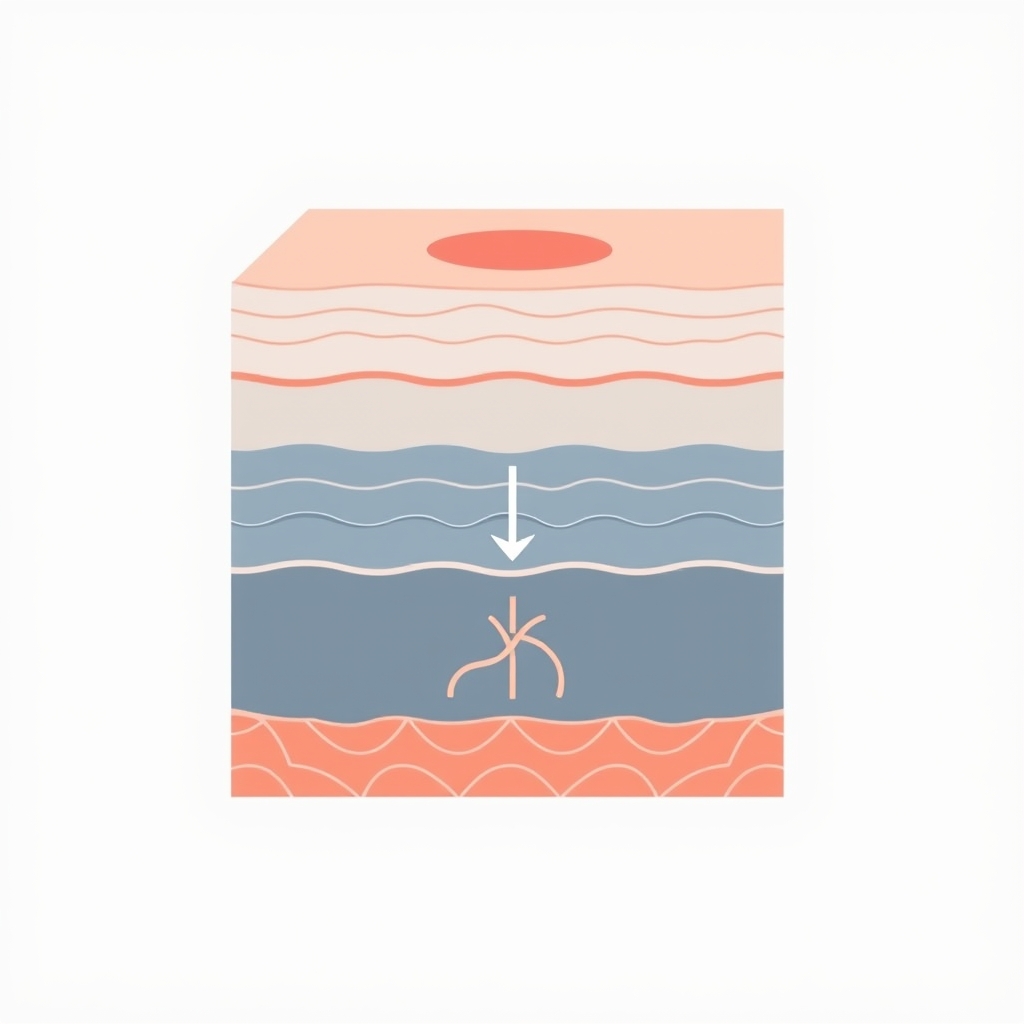
Retinol penetrates the skin and converts to retinoic acid (the active form). Retinoic acid binds to nuclear receptors in skin cells, triggering increased cell division and collagen synthesis. The result is smoother texture, less visible fine lines, and more even pigmentation but also peeling and redness in the first 2–4 weeks as dead cells shed faster.
Proven Benefits
Retinoids are among the few skincare actives with solid clinical backing. They reduce the appearance of fine lines, improve skin texture, fade hyperpigmentation, and may help prevent breakouts. Long-term use (3+ months) is where most people see meaningful change.
Effective Concentration
Based on commonly reviewed over-the-counter formulations, retinol products typically range from 0.25% to 1% retinol equivalent. For beginners: start with 0.25%–0.5% and use 2–3 times per week. Prescription retinoids (tretinoin, adapalene) are much stronger and require a dermatologist.
Safety and Irritation
Retinol is not dangerous, but it is irritating. Expect redness, flaking, and sensitivity in the first month this is normal and temporary. The mistake most people make: using it nightly right away. Instead, start low and slow (twice a week), then increase frequency as your skin adapts.
Retinol makes skin more sun-sensitive. Use SPF 30+ daily, non-negotiable.
Do not use retinol if you’re pregnant or breastfeeding (retinoids are teratogenic at high systemic doses). Topical use is lower-risk, but dermatologists still recommend avoiding it.
Best Pairings
- Moisturizer- buffer the irritation by applying retinol to damp skin, then layering moisturizer
- Hyaluronic acid– adds hydration without competing
- Niacinamide– reduces redness and strengthens the barrier
Avoid Pairing With
- Vitamin C (L-ascorbic acid)– both are potent actives; use on different nights
- AHAs/BHAs– too much exfoliation; stick to one per routine
- Benzoyl peroxide– breaks down retinol
Hyaluronic Acid
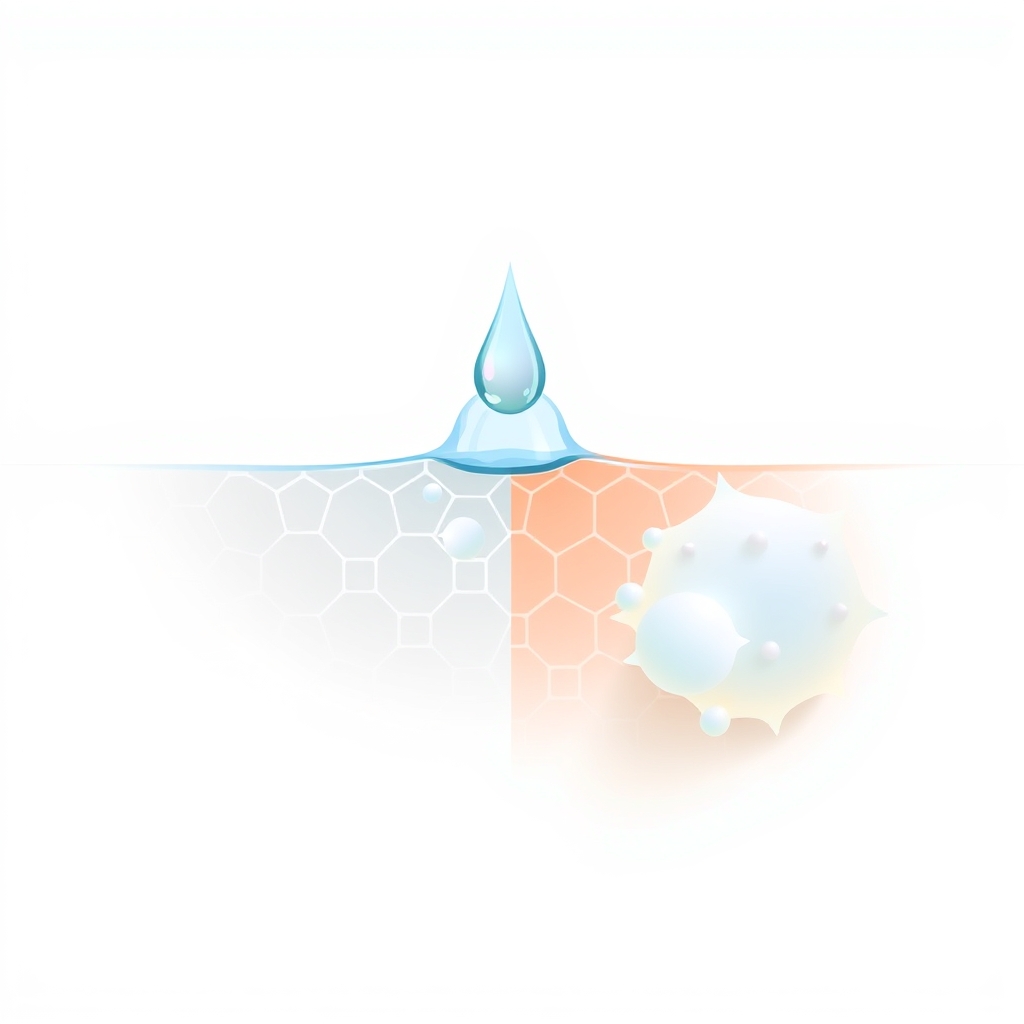
Hyaluronic acid is a humectant a water-binding molecule that can hold many times its weight in water, plumping skin and improving hydration.
In plain terms: it’s a sponge for water.
How It Works
Hyaluronic acid is a naturally occurring polysaccharide found in connective tissue. In skincare, it’s usually derived from bacterial fermentation. When applied topically, it binds water molecules and holds them in the skin, increasing skin plumpness and reducing the appearance of fine lines caused by dehydration.
Key detail: it works only if there’s water present. Apply it to damp skin, not dry skin.
Proven Benefits
Hyaluronic acid visibly plumps the skin and improves hydration within hours. Long-term use supports skin barrier health. It’s non-irritating and works for all skin types.
Effective Concentration
Most serums contain 0.5%–2% hyaluronic acid. This range is effective; more is not necessarily better. Molecular weight matters: lower-molecular-weight versions (commonly cited as under 10,000 Da in published formulation literature) are reported to penetrate more deeply, while higher-molecular-weight versions sit on the surface. Many formulas use a blend.
Safety and Irritation
Hyaluronic acid is among the safest skincare ingredients. Irritation is extremely rare. It’s suitable for all skin types, including acne-prone and sensitive skin.
Best Pairings
- Any moisturizer– lock in the hydration
- Niacinamide– both boost skin barrier function
- Retinol– hyaluronic acid buffers irritation
- Vitamin C– no conflict
Avoid Pairing With
Hyaluronic acid has almost no negative pairings. If your skin is very dry, pair it with an occlusive (oil or thick cream) to prevent transepidermal water loss.
Niacinamide (Vitamin B3)
Niacinamide is a water-soluble B vitamin that strengthens the skin barrier, reduces sebum production, and minimizes pore appearance.
In plain terms: it’s an all-around skin-calmer that works for both oily and dry skin.
How It Works
Niacinamide is a precursor to NAD+ and NADP+, coenzymes involved in cellular energy and DNA repair. Topically, it boosts ceramide and fatty acid synthesis, strengthening the lipid barrier. It also regulates sebaceous gland activity, reducing shine and inflammation.
Proven Benefits
Niacinamide reduces redness and irritation, improves skin texture, and reduces visible pore size. It’s particularly effective for rosacea and acne-prone skin. Unlike some actives, it’s gentle enough for daily use.
Effective Concentration
Most niacinamide serums and creams contain 4%–5%. This is the range used in most of the clinical studies we reviewed. Concentrations above 10% can occasionally cause flushing or irritation, but 4%–5% is well-tolerated.
Safety and Irritation
Niacinamide is one of the safest actives. Irritation is rare. A small subset of people report mild flushing or warmth, but this usually resolves within 15 minutes and diminishes with repeated use.
Best Pairings
- Hyaluronic acid– synergistic for barrier health
- Retinol– niacinamide reduces retinol irritation
- Vitamin C– no conflict; both are beneficial
- Any moisturizer– niacinamide enhances hydration
Avoid Pairing With
Niacinamide has no true incompatibilities, though some anecdotal reports suggest it may slightly reduce vitamin C efficacy at very high niacinamide concentrations (above 10%). At standard 4%–5% doses, this is not a concern.
Peptides
Peptides are short chains of amino acids that act as signaling molecules, prompting skin cells (particularly fibroblasts) to produce more collagen and elastin, which supports firmness and elasticity.
In plain terms: they’re instructions that tell your skin to make more of its own structural proteins.
How It Works
Peptides penetrate the skin and bind to cell surface receptors. They act as signaling molecules, essentially telling fibroblasts (collagen-producing cells) to increase protein synthesis. The result is a modest improvement in skin firmness over weeks to months.
Common peptides in skincare include dipeptides, tripeptides, and longer chains. Matrixyl (palmitoyl pentapeptide-4) and copper peptides are widely used.
Proven Benefits
Peptide-containing products show modest improvements in fine lines and skin firmness in clinical studies. Results are usually visible after 4–8 weeks of consistent use. Peptides are gentler than retinoids but less potent.
Effective Concentration
Most peptide serums contain 1%–10% peptide complex. The exact peptide type matters more than concentration; there’s no universal “best” dose. Look for products that list specific peptides rather than vague “peptide complex.”
Safety and Irritation
Peptides are non-irritating and suitable for all skin types, including sensitive skin. There are no common safety concerns.
Best Pairings
- Hyaluronic acid– hydration supports collagen health
- Niacinamide– both are gentle and synergistic
- Vitamin C– antioxidant support without conflict
- Retinol– can be used on alternating nights (not together)
Avoid Pairing With
Peptides have no true conflicts. They’re compatible with most actives.
Vitamin C (L-Ascorbic Acid)
Vitamin C is an antioxidant that neutralizes free radicals, brightens skin, and boosts collagen synthesis.
In plain terms: it’s protection against sun damage and a brightener.
How It Works
L-ascorbic acid (the active form) crosses the skin barrier and accumulates in the dermis. It neutralizes reactive oxygen species (ROS) caused by UV exposure and pollution. It also inhibits melanin production and upregulates collagen synthesis.
The catch: L-ascorbic acid is unstable. It oxidizes in air and light, losing potency. Stable derivatives (like magnesium ascorbyl phosphate or 3-O ethyl ascorbic acid) are less irritating but also less studied.
Proven Benefits
Topical vitamin C reduces hyperpigmentation, brightens the skin, and may reduce the appearance of fine lines. It’s a solid anti-aging choice for sun-damaged skin.
Effective Concentration
Based on the clinical literature we reviewed, L-ascorbic acid is generally considered effective at 8%–20% concentration, with most studies using 10%–15%. At lower concentrations (below 5%), efficacy is questionable. Higher concentrations (above 20%) don’t show proportional benefit in available research and increase irritation risk.
Safety and Irritation
L-ascorbic acid can be irritating, especially for sensitive skin. It’s acidic (pH around 3–3.5) and may cause stinging, redness, or dryness. Stable derivatives are gentler.
Vitamin C is photostable (does not degrade in light) but is oxygen-unstable. Buy fresh, store in dark bottles, and discard if the formula turns orange or brown (sign of oxidation).
Best Pairings
- Hyaluronic acid– adds hydration and buffers irritation
- Niacinamide– both are antioxidants; no conflict at standard doses
- Sunscreen– vitamin C is most effective when backed by SPF
Avoid Pairing With
- Retinol– both are potent; use on separate nights
- Benzoyl peroxide– vitamin C oxidizes
- Iron or copper salts– these can destabilize the formula
Salicylic Acid (BHA)
Salicylic acid is a beta hydroxy acid (BHA) that dissolves sebum inside pores, reducing breakouts and improving skin clarity.
In plain terms: it’s an oil-soluble exfoliant that works inside pores, not just on the surface.
How It Works
Salicylic acid is lipophilic (attracted to oil). It penetrates the pore lining, dissolving sebum and dead skin cells. It also has mild anti-inflammatory and antibacterial properties. Unlike physical scrubs, it exfoliates chemically meaning it’s less harsh on the skin barrier.
Proven Benefits
Salicylic acid reduces breakouts, improves skin texture, and minimizes pore appearance. It’s particularly effective for oily and acne-prone skin.
Effective Concentration
Most over-the-counter products contain 0.5%–2% salicylic acid. The FDA allows up to 2% in leave-on products. Concentrations at 0.5%–1% are effective for most people; higher concentrations increase irritation without proportional benefit.
Safety and Irritation
Salicylic acid can cause dryness, redness, and irritation, especially in people with sensitive or dry skin. Those with salicylate sensitivity (rare, but real) may experience itching or hives. Start with a low concentration and use 2–3 times per week, increasing frequency as tolerated.
Do not use salicylic acid if you’re allergic to aspirin (salicylic acid is a salicylate).
Best Pairings
- Hyaluronic acid– adds hydration
- Niacinamide– reduces irritation
- Moisturizer– essential to prevent over-drying
Avoid Pairing With
- Retinol or retinoids– too much exfoliation; use on separate nights
- AHAs (glycolic acid, lactic acid)– combining multiple exfoliants risks barrier damage
- Benzoyl peroxide– can be used together, but increases irritation; use cautiously
Glycolic Acid (AHA)
Glycolic acid is an alpha hydroxy acid (AHA) that exfoliates the outer layer of skin, brightening it and smoothing texture.
In plain terms: it’s a water-soluble exfoliant that works on the surface, not in pores.
How It Works
Glycolic acid is the smallest AHA by molecular weight, allowing it to penetrate deeply. It weakens the bonds between dead skin cells, causing them to shed. It also increases skin cell turnover and boosts collagen and hyaluronic acid production.
Proven Benefits
Glycolic acid brightens dull skin, reduces fine lines, and improves uneven texture. It’s gentler than salicylic acid for non-acne skin types.
Effective Concentration
Commonly cited ranges in formulation references are 4%–10% for leave-on products. Clinical efficacy increases at higher concentrations, but irritation does too. For beginners: start with 4%–5% and use 1–2 times per week.
Safety and Irritation
Glycolic acid can cause redness, stinging, and photosensitivity. It’s not suitable for very sensitive or reactive skin without gradual introduction. Always use SPF 30+ on days you use AHAs.
Best Pairings
- Hyaluronic acid– essential for hydration post-exfoliation
- Niacinamide– reduces irritation
- Sunscreen– non-negotiable
Avoid Pairing With
- Salicylic acid– combining exfoliants risks barrier damage
- Retinol– use on separate nights
- Vitamin C– both are acidic; can be irritating together
Azelaic Acid
Azelaic acid is an anti-inflammatory that reduces redness, kills acne-causing bacteria, and fades hyperpigmentation and post-inflammatory marks.
In plain terms: it’s a targeted fix for rosacea, acne, and brown spots.
How It Works
Azelaic acid is a naturally occurring dicarboxylic acid found in grains. It has multiple mechanisms: it inhibits bacterial growth (especially Propionibacterium acnes), reduces inflammation, and decreases melanin production by suppressing tyrosinase.
Proven Benefits
Azelaic acid is particularly effective for rosacea, melasma, and post-inflammatory hyperpigmentation. It’s also helpful for mild to moderate acne, though not as potent as benzoyl peroxide for severe breakouts.
Effective Concentration
Most azelaic acid products contain 10%–20%. The FDA approves 15%–20% for prescription formulations (Finacea, Azelex). Over-the-counter versions typically use 8%–10%. Clinical efficacy is present at 10%+.
Safety and Irritation
Azelaic acid can cause mild stinging, redness, and dryness. It’s generally well-tolerated and suitable for sensitive skin. Some people experience itching if applied too frequently.
Best Pairings
- Hyaluronic acid– adds hydration
- Niacinamide– both reduce redness and inflammation
- Sunscreen– azelaic acid can increase sun sensitivity slightly
Avoid Pairing With
Azelaic acid has few conflicts. It can be used with most other actives, though combining with strong exfoliants (like high-concentration AHAs) may increase irritation.
Neem Oil
Neem oil is a plant-derived ingredient with antibacterial, anti-inflammatory, and antifungal properties, traditionally used for acne and irritation.
In plain terms: it’s a natural multi-tool for inflamed or acne-prone skin.
How It Works
Neem (from the Azadirachta indica tree) contains azadirachtin and fatty acids. These compounds inhibit bacterial growth, reduce inflammation, and support skin barrier function. Neem is less studied than synthetic actives, but has a long history of traditional use.
Proven Benefits
Neem reduces acne breakouts, calms redness, and may help with fungal issues like seborrheic dermatitis. It’s gentler than benzoyl peroxide, making it a good option for sensitive acne-prone skin.
Effective Concentration
Neem oil is typically used at 0.5%–5% in formulations. Pure neem oil is too strong and can be irritating. Look for neem extracts or formulations designed for skincare.
Safety and Irritation
Neem has a distinctive smell (some describe it as garlic-like or bitter). At recommended concentrations, it’s non-irritating. At higher concentrations or if used pure, it can cause irritation.
Best Pairings
- Any moisturizer– neem can be drying
- Hyaluronic acid– adds hydration
- Gentle cleansers– neem works well in a full routine
Avoid Pairing With
Neem is compatible with most ingredients. Avoid mixing with very potent actives like high-dose retinoids or strong exfoliants in the same step.
Centella Asiatica (Cica)
Centella asiatica is a plant extract that soothes irritation, strengthens the skin barrier, and has mild wound-healing properties.
In plain terms: it’s nature’s “calm down” button for reactive skin.
How It Works
Centella (also called gotu kola or tiger grass) contains triterpenes and flavonoids. These compounds reduce inflammation, stimulate collagen production, and improve blood flow. It’s been used in traditional medicine for centuries and is increasingly backed by modern research.
Proven Benefits
Centella reduces redness and irritation, speeds wound healing, and is especially helpful after procedures like microneedling or chemical peels. It’s soothing for eczema, rosacea, and reactive skin.
Effective Concentration
Centella is reported to be effective at 0.1%–1% in formulations. Most serums and creams use extracts rather than pure centella. Clinical studies show benefits at concentrations as low as 0.1%.
Safety and Irritation
Centella is non-irritating and suitable for all skin types, including very sensitive skin. It’s particularly useful for irritated or compromised barriers.
Best Pairings
- Hyaluronic acid– synergistic for barrier repair
- Niacinamide– both calm inflammation
- Any moisturizer– centella enhances hydration
- After actives– use centella the day after retinol or AHAs to soothe
Avoid Pairing With
Centella has no conflicts. It’s one of the most universally compatible ingredients.
Ferulic Acid
Ferulic acid is an antioxidant that stabilizes vitamin C and enhances sun protection when used in combination with vitamin E.
In plain terms: it’s the bodyguard that keeps vitamin C stable and more effective.
How It Works
Ferulic acid is a plant-derived polyphenol. On its own, it neutralizes free radicals. But its real power emerges when combined with vitamin C and vitamin E: the three together create a synergistic antioxidant system that’s more stable and more photoprotective than any single ingredient alone.
Proven Benefits
Ferulic acid + vitamin C + vitamin E reduce UV damage, prevent photoaging, and provide antioxidant protection. The combination is particularly effective for sun-exposed areas.
Effective Concentration
Ferulic acid is typically used at 0.5%–1% in formulations designed with vitamin C. It’s rarely used alone; its efficacy depends on pairing.
Safety and Irritation
Ferulic acid is non-irritating. It’s suitable for all skin types.
Best Pairings
- Vitamin C (L-ascorbic acid)– essential for efficacy
- Vitamin E– completes the protective trio
Avoid Pairing With
Ferulic acid is compatible with most ingredients, though it’s most effective when paired specifically with vitamin C and E.
Benzoyl Peroxide
Benzoyl peroxide is an antimicrobial that kills acne-causing bacteria and has anti-inflammatory effects, making it the gold standard for acne treatment.
In plain terms: it’s the most proven acne fighter available without a prescription.
How It Works
Benzoyl peroxide is unstable; it breaks down into benzoic acid and oxygen. The oxygen kills anaerobic bacteria (Cutibacterium acnes) by oxidative stress. It’s bactericidal (kills bacteria), not just bacteriostatic (prevents growth).
Proven Benefits
Benzoyl peroxide reduces acne lesions, prevents new breakouts, and has minimal bacterial resistance (unlike antibiotics). It works for mild to moderate acne and is available in various strengths.
Effective Concentration
The FDA approves benzoyl peroxide at 2.5%–10% in over-the-counter products. Studies indicate that 2.5% is as effective as 5% or 10% for most users, with less irritation. Start low (2.5%) and increase only if needed.
Safety and Irritation
Benzoyl peroxide causes dryness, redness, and peeling, especially at higher concentrations. It also bleaches fabrics and hair (yellow stains on pillowcases and towels are common). Some people develop contact dermatitis; discontinue if a rash appears.
Use sparingly, especially on sensitive skin. More is not better.
Best Pairings
- Hyaluronic acid– adds hydration
- Niacinamide– reduces irritation
- Gentle moisturizer– essential
Avoid Pairing With
- Retinol or retinoids– too much irritation; use on separate nights
- AHAs/BHAs– increases irritation and barrier damage
- Vitamin C– benzoyl peroxide breaks down vitamin C
- Neem oil– combining natural and strong synthetic actives increases irritation risk
Squalane
Squalane is a lightweight, non-comedogenic oil that mimics skin’s natural sebum and strengthens the skin barrier without clogging pores.
In plain terms: it’s the oil that won’t cause breakouts.
How It Works
Squalane is a saturated hydrocarbon derived from plant squalene (or synthetically produced). It’s almost identical to squalene, which naturally exists in human skin sebum. Topically, it lubricates, smooths, and occludes (prevents water loss) without triggering acne.
Proven Benefits
Squalane hydrates dry skin, improves elasticity, and strengthens the barrier without leaving a greasy feeling. It’s suitable for all skin types, including acne-prone skin.
Effective Concentration
Squalane is typically used at 1%–100% depending on the product type (serum, oil, moisturizer). There’s no known toxicity ceiling it’s non-irritating at any standard cosmetic concentration.
Safety and Irritation
Squalane is among the safest skincare ingredients. It’s non-irritating, non-comedogenic, and hypoallergenic. It does not cause breakouts.
Best Pairings
- Any active ingredient– squalane is compatible with everything
- Hyaluronic acid– adds moisture without greasiness
- Retinol– squalane buffers irritation
Avoid Pairing With
Squalane has no conflicts.
Ceramides
Ceramides are lipid molecules that are a natural component of the skin barrier, and when applied topically, they repair and strengthen barrier function.
In plain terms: they’re the mortar between the bricks of your skin barrier.
How It Works
Ceramides are sphingolipids that make up a large share of the skin barrier’s lipid content. When barrier function is impaired (by damage, irritants, or age), ceramide levels drop. Topical ceramides (often labeled as ceramide NP, NG, AP, EOP, or EH) replenish this loss and restore barrier integrity.
Proven Benefits
Ceramides reduce water loss, improve hydration, and calm irritation. They’re especially helpful for compromised barriers, eczema, and skin recovering from irritant exposure.
Effective Concentration
Ceramides are typically used at 1%–3% in formulations. Most effective formulas use a blend of ceramides (at least three types) rather than a single type. Look for products listing ceramide types specifically.
Safety and Irritation
Ceramides are non-irritating and suitable for all skin types, including sensitive and barrier-compromised skin.
Best Pairings
- Hyaluronic acid– synergistic for barrier repair
- Niacinamide– both strengthen the barrier
- Any moisturizer– ceramides enhance hydration
- After actives– use ceramide-rich moisturizers to repair post-exfoliation or post-retinol
Avoid Pairing With
Ceramides have no conflicts.
Tranexamic Acid
Tranexamic acid is an anti-inflammatory agent that reduces redness and fades hyperpigmentation, particularly melasma and post-inflammatory marks.
In plain terms: it’s a brightening ingredient that targets brown spots and redness.
How It Works
Tranexamic acid is traditionally used medically to control bleeding. In skincare, it reduces inflammatory mediators and inhibits plasmin (a protein involved in inflammation and melanin transfer). The result is decreased redness and pigmentation.
Proven Benefits
Tranexamic acid is effective for melasma, post-inflammatory hyperpigmentation, and rosacea-related redness. It’s gentler than strong exfoliants or brightening actives like hydroquinone.
Effective Concentration
Most tranexamic acid serums contain 2%–5%. This range is effective based on available studies. Higher concentrations don’t show proportional benefit.
Safety and Irritation
Tranexamic acid is non-irritating and suitable for all skin types, including sensitive skin.
Best Pairings
- Niacinamide– both reduce redness
- Hyaluronic acid– adds hydration
- Vitamin C– synergistic for brightening
- Sunscreen– essential to prevent re-pigmentation
Avoid Pairing With
Tranexamic acid has no true conflicts.
Ingredient Interactions: What NOT to Mix
Here are the major incompatibilities to avoid in a single routine step:
| Ingredient Combination | Why They May Conflict | Recommended Solution |
|---|---|---|
| Retinol + Vitamin C (L-Ascorbic Acid) | Both are potent active ingredients and may increase irritation when used together | Apply on separate nights (e.g., Retinol: Mon/Wed/Fri; Vitamin C: Tue/Thu) |
| Retinol + AHAs (Glycolic, Lactic) or BHAs (Salicylic Acid) | Can cause over-exfoliation and weaken the skin barrier | Use exfoliating acids on nights when retinol is not used |
| Salicylic Acid + Glycolic Acid | Combining multiple exfoliating acids may increase irritation | Choose one exfoliant or alternate them 1–2 times per week |
| Benzoyl Peroxide + Retinol | May cause significant dryness, peeling, and irritation | Use on different nights and apply a moisturizer to support the skin barrier |
| Benzoyl Peroxide + Vitamin C | Benzoyl peroxide can oxidize and reduce the effectiveness of vitamin C | Apply them at different times of day or on separate days |
| Retinol + High-Dose Vitamin E | Some evidence suggests high levels of vitamin E may reduce retinol effectiveness, though research is limited | If using high-dose vitamin E, apply it on nights when retinol is not used |
| AHA/BHA + High-Strength Niacinamide (>5%) | Some people may experience irritation, although this combination is generally well tolerated | Use niacinamide at 4–5% with exfoliating acids or alternate products if irritation occurs |
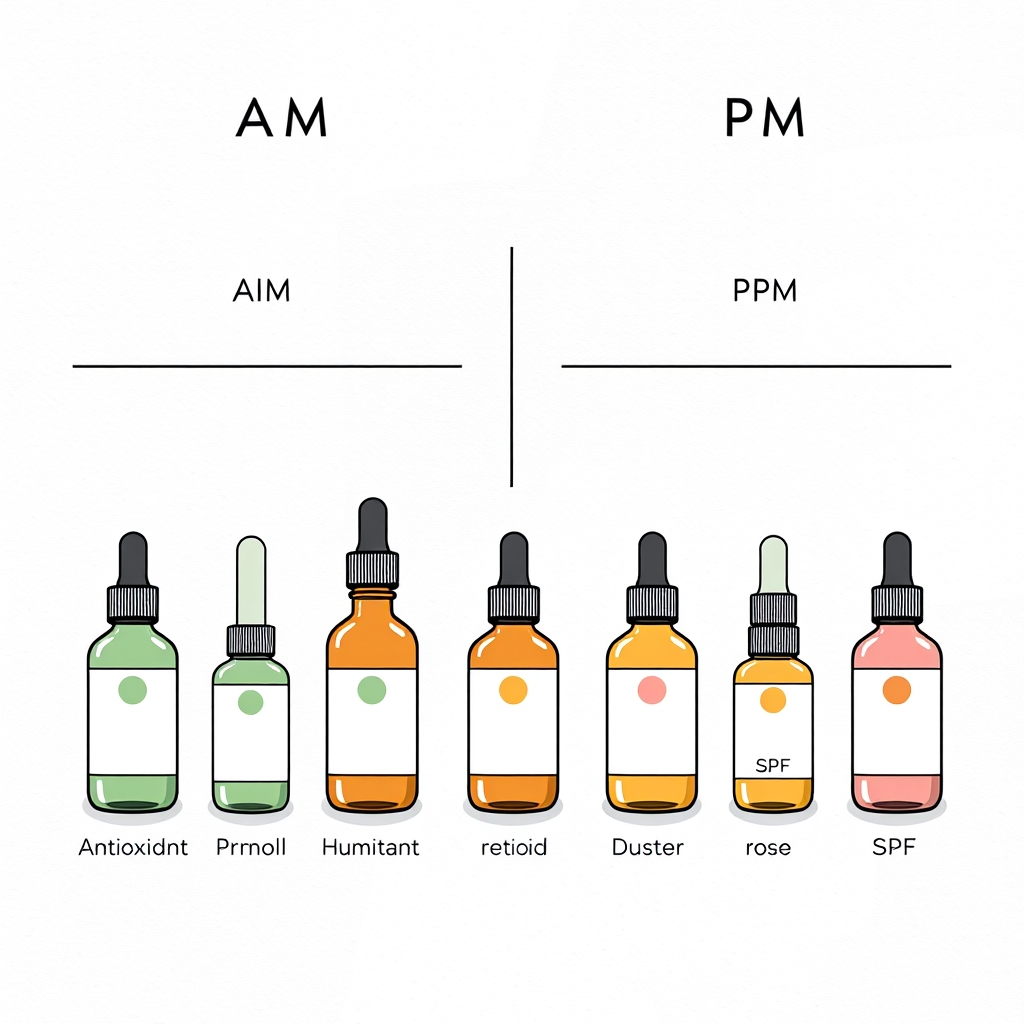
Layering and Timing: How to Use Multiple Actives Safely
The “One Active Per Night” Rule
If you’re new to actives, start with one per night and build slowly. A safe progression might look like this:
- Week 1–2: Introduce one active (e.g., niacinamide) 3x per week
- Week 3–4: Add a second active on non-niacinamide nights (e.g., hyaluronic acid + moisturizer)
- Week 5+: Once skin adapts, try alternating nights (e.g., niacinamide Monday/Wednesday/Friday, retinol Tuesday/Thursday)
Apply the “Weakest to Strongest” Order (Toner → Serum → Cream)
Within a single night, apply products from thinnest to thickest:
- Cleanse (gentle, water-soluble)
- Toner or essence (hydrating, non-active)
- Active serum (retinol, vitamin C, AHA)
- Hyaluronic acid serum (if not in step 3)
- Moisturizer (cream or lotion)
- Occlusive (oil or balm, optional)
Buffer Irritating Actives
For retinol and AHAs, apply to damp skin, then layer moisturizer on top. This “sandwich method” reduces irritation without compromising efficacy.
Common Questions About Skincare Ingredients
Can I use retinol and vitamin C in the same routine?
Yes, but on separate nights. Both are potent; using them together increases irritation without increasing benefit. Alternate: retinol 3x per week, vitamin C on the other nights.
How long does it take to see results from an ingredient like retinol?
Most people see visible changes after 4–8 weeks of consistent use, assuming the concentration is adequate and the formula is stable. Patience matters; skincare is not a sprint.
Is “natural” better than “synthetic” in skincare?
No. Efficacy is what matters. Retinol is synthetic and highly effective. Neem is natural and modestly effective. Both can be useful depending on your needs and skin type. “Natural” does not mean safer or better.
Which ingredients are safe during pregnancy?
Generally safe: hyaluronic acid, niacinamide, peptides, centella, ceramides, squalane. Avoid: retinoids (including retinol at high doses), salicylic acid, benzoyl peroxide (in large amounts), azelaic acid (consult your OB). Check with your doctor before introducing any new actives.
Can I use multiple antioxidants (vitamin C, ferulic acid, neem) at once?
Yes. Antioxidants generally work synergistically. Vitamin C + ferulic + vitamin E is a classic pairing. Neem can be added if the product is formulated together; using separate products with different antioxidants is fine.
What does “concentration range” really mean?
It’s the percentage range where an ingredient shows clinical benefit in published studies. Below that range, you’re unlikely to see results. Above it, you get more irritation without more benefit. These ranges are evidence-based starting points, not hard rules.
Choosing Ingredients for Your Skin Type
Oily, Acne-Prone Skin
Priorities: oil control, pore clarity, anti-inflammatory.
Best ingredients: Salicylic acid (0.5%–1%), niacinamide (4%–5%), benzoyl peroxide (2.5%), azelaic acid (10%), neem oil (in formulation).
Avoid heavy occlusives like pure oils at night, but squalane is fine (it’s non-comedogenic).
Dry, Sensitive Skin
Priorities: hydration, barrier repair, minimal irritation.
Best ingredients: Hyaluronic acid (0.5%–2%), ceramides (1%–3%), centella (0.1%–1%), niacinamide (4%–5%), squalane (any %), peptides (1%–10%).
Avoid harsh exfoliants and high-concentration retinoids until skin is stable.
Combination Skin
Priorities: balance hydration in dry zones, oil control in oily zones.
Best approach: Use lighter serums (hyaluronic acid, niacinamide) on face, then targeted creams (heavier on dry areas, lighter on oily zones).
Mature Skin (40+)
Priorities: fine lines, elasticity, firmness.
Best ingredients: Retinol (0.5%–1%), peptides (1%–10%), hyaluronic acid (0.5%–2%), vitamin C (10%–15%), niacinamide (4%–5%).
Build slowly– mature skin is often sensitive. Start with lower-concentration actives.
Rosacea-Prone / Reactive Skin
Priorities: reduce redness, calm inflammation, avoid triggers.
Best ingredients: Niacinamide (4%–5%), centella (0.1%–1%), azelaic acid (10%–15%), hyaluronic acid (0.5%–2%), ceramides (1%–3%).
Avoid: Benzoyl peroxide (can be irritating), high-concentration AHAs, retinoids (unless prescribed), essential oils.
How to Read a Product Label for Active Ingredients
Ingredients are listed in descending order by weight. The first 5 ingredients make up about 80% of the formula.
Look for:
- The active ingredient name (e.g., “salicylic acid”, “retinol”)
- Its position in the list– if it’s 6th or lower, the concentration is likely less than 1%
- Percentage listed (some brands now disclose this; if not, assume < 2%)
- Stability clues– vitamin C products should come in opaque, airtight packaging; retinol should be in dark bottles
Brand marketing often highlights actives front-and-center, but the ingredient list tells the real story.
Final Takeaways
A working skincare routine does not need every ingredient. Start with three: a gentle cleanser, a moisturizer, and SPF 30+. Then add one active (hyaluronic acid, niacinamide, or a low-concentration retinol) and give it 4–8 weeks. If you want to add a second active, choose something compatible and use it on separate nights.
Concentration matters. A 0.25% retinol product looks the same on the shelf as a 1% retinol, but the results will be very different. Read the label or ask the brand.
Irritation is not “proof of efficacy.” Redness and peeling are side effects, not benefits. If a product causes acute irritation (burning, hives, spreading rash), stop using it. Mild irritation (slight redness for a few days) may be normal during an adjustment period, but it should improve within 2–3 weeks.
Sunscreen is non-negotiable. Any active that increases cell turnover or sun sensitivity (retinol, AHAs, BHAs, vitamin C) requires SPF 30+ daily. Sunscreen is the most important anti-aging ingredient you own.
Yes, it’s safe to use multiple actives. No, not the way the bottle tells you. Do this instead introduce one active at a time, use it 2–3 times per week for 2–4 weeks, then assess. This takes thirty seconds per routine and saves you months of guessing.
FAQ
What’s the difference between retinol and tretinoin?
Retinol is a weaker retinoid available in over-the-counter products. Tretinoin is a prescription-strength retinoid (retinoic acid itself) that is significantly more potent. Tretinoin has more clinical evidence but also more irritation potential. If you’re new to retinoids, start with retinol; if you’ve used retinol for 3+ months without issue, ask a dermatologist about tretinoin.
Can I use hyaluronic acid on dry skin?
Not alone. Hyaluronic acid is a humectant; it draws water from the air or skin layers. On dry skin with no hydration available, it can actually worsen dryness. Always apply hyaluronic acid to damp skin, then seal with a moisturizer or oil.
Is niacinamide safe to use every day?
Yes. Niacinamide is one of the gentlest actives and is safe for daily use. In fact, daily use is more effective than sporadic use for barrier health and pore appearance.
Which comes first: vitamin C serum or moisturizer?
Vitamin C serum comes first (after cleansing but before moisturizer). It’s a water-soluble serum, so it should be applied to clean or slightly damp skin. Let it dry for 1–2 minutes, then follow with moisturizer.
This glossary is for informational purposes and does not replace professional medical advice. If you have a diagnosed skin condition or are pregnant or breastfeeding, consult a dermatologist before introducing new actives.