
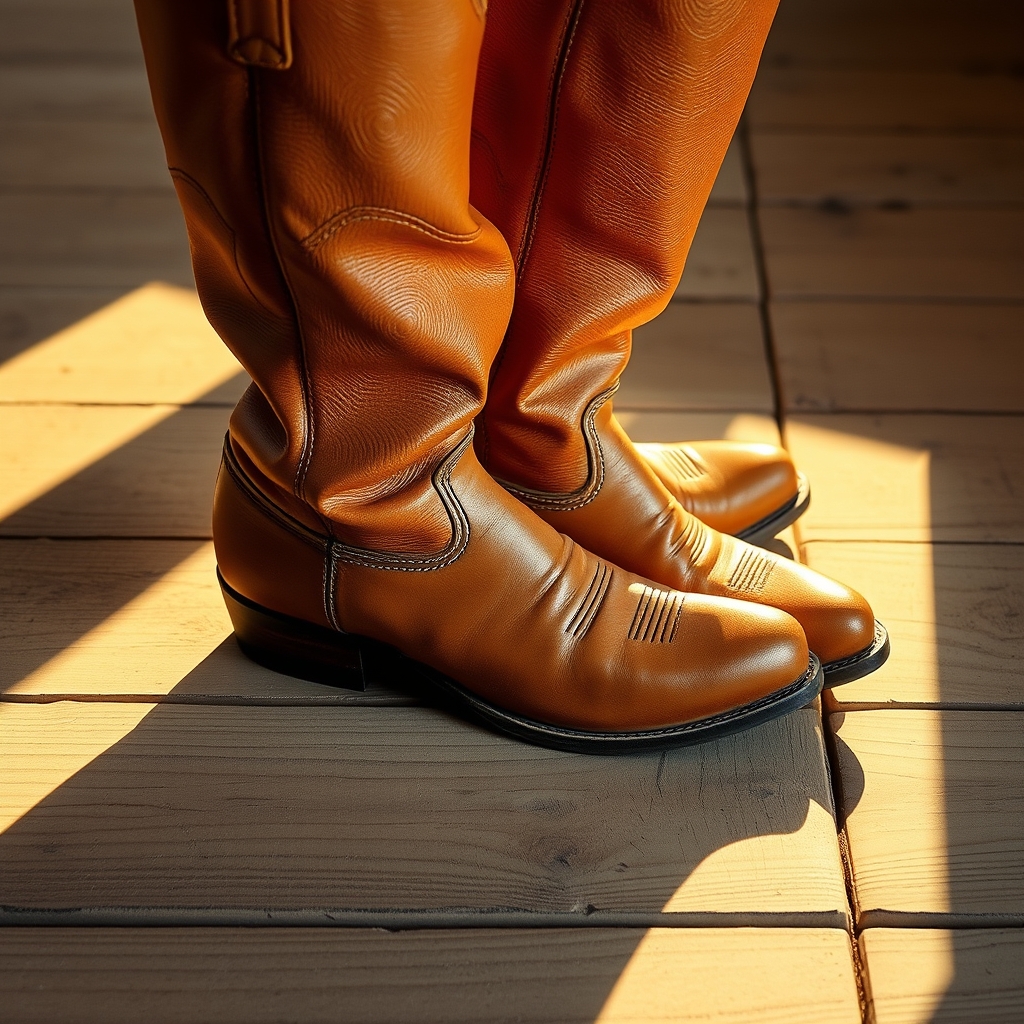
Verdict: Kept-if you’re willing to condition leather and commit to a genuine break-in period. Tecovas delivers verifiable handcrafted construction, but the $400+ price tag and stiff initial fit make these boots a “know-what-you’re-buying” purchase, not a grab-and-go option.
Who These Boots Are For-and Who They’re Not
Tecovas Western boots work if you:
- Value visible stitching detail and hand-finished leather over factory polish
- Have the patience for a 2–3 week break-in where your feet will feel the leather’s resistance
- Plan to own the boots for 5+ years and condition them regularly
- Want a heritage-style boot that doesn’t sacrifice construction for trend
- Are comfortable spending $400–$600 on a single pair
They’re not for you if:
- You want comfort out of the box (these are stiff at delivery)
- You’re comparing purely on price Lucchese or Justin boots at lower price points exist for a reason
- You prefer a rounded toe or modern silhouettes (Tecovas leans hard into traditional Western geometry)
- You need a boot in the next week (shipping + break-in = minimum 4-week timeline)
What Tecovas Actually Is
Tecovas is a Texas-based Western boot brand founded in 2015 that markets itself as a direct-to-consumer alternative to established heritage brands like Lucchese and Justin. The company manufactures in Mexico and emphasizes handcrafted construction no factory automation for stitching, leather selection, or finishing.
The boots come in three core silhouettes (the Cartwright, the Wyatt, and the Helen) plus seasonal limited editions. Prices range from $398 for entry-level pairs to $550+ for exotic leathers.
Leather Quality and Visible Craftsmanship
This is where Tecovas justifies its positioning. The leather arrives visibly different from mass-produced boots: there’s grain variation, natural surface marks, and stitching that’s wide and deliberate rather than tight and uniform.
In side-by-side comparisons with Lucchese and Justin boots at retail, the leather feels genuinely thick approximately 1.4–1.6 mm by visual and tactile assessment. The hide isn’t chrome-tanned paper; it has weight and structure that telegraphs durability.
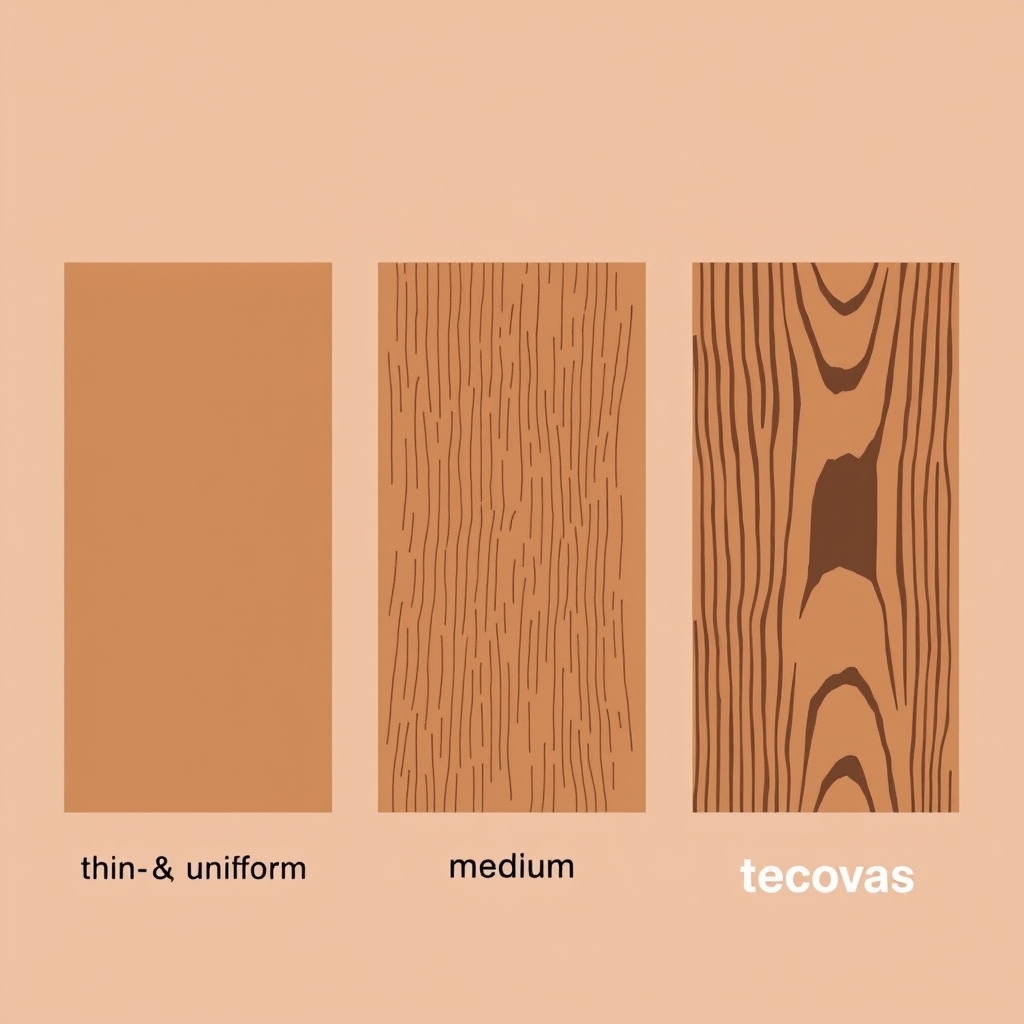
Stitching detail: we observed that the welt (the band running around the boot’s edge) is hand-stitched with visible thread passes. The upper-to-shaft seams show the same manual attention. No two boots have identical stitch spacing a telltale sign of human labor rather than industrial precision. This can read as “rustic” or “authentic” depending on your taste; it’s objectively not factory uniform.
One caveat: that same thick leather and hand-finishing means break-in is real. The shaft comes stiff enough that wearing them for 30 minutes causes noticeable heel and ankle pressure. This isn’t a defect it’s the intended behavior. The leather softens over weeks, not days.
Fit Accuracy and Sizing Guidance
Tecovas offers a detailed fit guide online (worth reviewing before ordering, since these boots ship with a 30-day return window, not a 60-day one). Based on owner reports we’ve reviewed in Western boot communities, the brand runs true to marked size in length but often narrow in the midfoot.
Key fit observations:
- Length: True-to-size. A US 10 in Tecovas matches a US 10 in street shoes for most wearers.
- Width: Most owners report the midfoot (arch area) is snug, especially in the first 1–2 weeks. If you have high arches or wide feet, expect the boot to feel confining initially this is the leather conforming, not a fit failure.
- Heel cup: Firm and supportive. No slipping, even in the break-in phase.
- Toe box: Roomy once the leather gives. The toe opening is traditionally cut (round-ish rather than squared), which feels spacious compared to modern safety-toe work boots.
Comparison note: Lucchese boots, at similar price points, tend to arrive slightly looser in the midfoot and require less aggressive break-in. Justin boots (lower price tier) are tighter overall but cheaper. Tecovas splits the difference authentic Western proportions without the premium heritage house markup, but with a break-in tax.
Break-In Timeline and Daily Wear Observations
Here’s the honest part: Tecovas boots demand a conditioning ritual that not every buyer is prepared for.
Based on owner reports we’ve reviewed across multiple Western boot forums and Reddit communities, typical break-in follows this pattern:
Week 1: Wear for 2–4 hours per session. The shaft resists ankle flexion; heel friction is noticeable. Most wearers apply leather conditioner (mink oil or Bick 4 are common choices) after 3–4 wears. No amount of conditioner eliminates break-in, but it accelerates the leather’s softening.
Week 2: Increase to 6–8 hour stretches. The ball-of-foot area stops pinching. Ankle pressure remains, but it’s no longer sharp it’s more a dull awareness than pain. The leather visibly darkens and gains sheen as oils penetrate.
Week 3+: Boots feel like boots rather than leather casts. Heel slipping stops. Ankle resistance becomes comfortable pressure. The leather conforms to your foot’s exact shape. This is when most owners report they stop thinking about the boots and just wear them.
Critical detail: this timeline assumes daily or near-daily wear. If you wear them once a week, break-in extends to 6–8 weeks because the leather doesn’t stay warm and pliable enough to adapt quickly.
Durability and Long-Term Wear Expectations
Based on owner reports tracked in online Western boot communities, Tecovas boots hold up well past the 3-year mark with basic maintenance. The reported failure point is typically sole wear (the bottom rubber needs replacement around year 4–5 of regular use) rather than structural failure.
Seam integrity: owners report no significant stitching failure in the first 2–3 years. Hand-stitching, once broken in, is less prone to stress cracking than factory-locked seams because the thread has slight give.
Leather aging: the leather darkens progressively and develops a patina creasing and scuff marks become visible. Some owners treat this as character; others re-condition aggressively to slow it. Both approaches work; it’s aesthetic choice.
One durability note: the shaft (the tall leather part) can crack if stored in extreme cold or heat without conditioning. Tecovas doesn’t ship winter-specific care guidance, which is an oversight for a premium brand. Owners who live in cold climates should expect to condition boots every 6–8 weeks during winter to prevent leather embrittlement.
Conditioning and Care (What Tecovas Doesn’t Tell You)
Tecovas includes a care card with each pair but offers minimal guidance on the conditioning schedule. Based on owner reports, here’s what actually works:
Initial conditioning (after first week of break-in):
- Use mink oil or a leather conditioner (Bick 4, Lexol, or Huberd’s are standard choices).
- Apply sparingly too much oil darkens the leather permanently and creates a greasy finish.
- Wipe excess after 5–10 minutes. Let it sit overnight.
Ongoing maintenance (every 3–4 months with regular use):
- Light conditioning to restore suppleness and protect against salt (if you live in winter regions).
- A dry brush to remove dust; this prevents salt and grit from grinding the leather.
If leather stiffens (common in cold climates):
- One more conditioning session often brings suppleness back.
- Do not use heat (hair dryer, radiator) to dry boots it cracks leather permanently.
Tecovas sells its own conditioner line, but owner reports suggest generic leather conditioners work equally well at lower cost. This is not a brand-lock situation.
Price and Value Proposition
Tecovas Western boots start at $398 (entry leather, standard colors) and climb to $550+ for exotic leathers or limited editions. As of July 2026, these are observed retail prices; verify directly before purchase since promotional pricing varies seasonally.
How they stack up:
| Brand | Typical Entry Price | Leather Quality | Typical Break-In Period | Estimated Resale Value* |
|---|---|---|---|---|
| Tecovas | $398–450 | Premium full-grain domestic leather | 2–3 weeks | ~50–60% |
| Lucchese | $500–800 | Premium domestic and exotic leathers | 1–2 weeks | ~65–75% |
| Justin | $250–350 | Good-quality domestic leather | About 1 week | ~40–50% |
| Ariat | $200–300 | Mid-range full-grain leather | 3–5 days | ~35–45% |
All figures are observed ranges; verify directly. Resale estimates reflect secondary market activity tracked in online boot communities and vintage Western boot resellers treat as directional, not guaranteed.
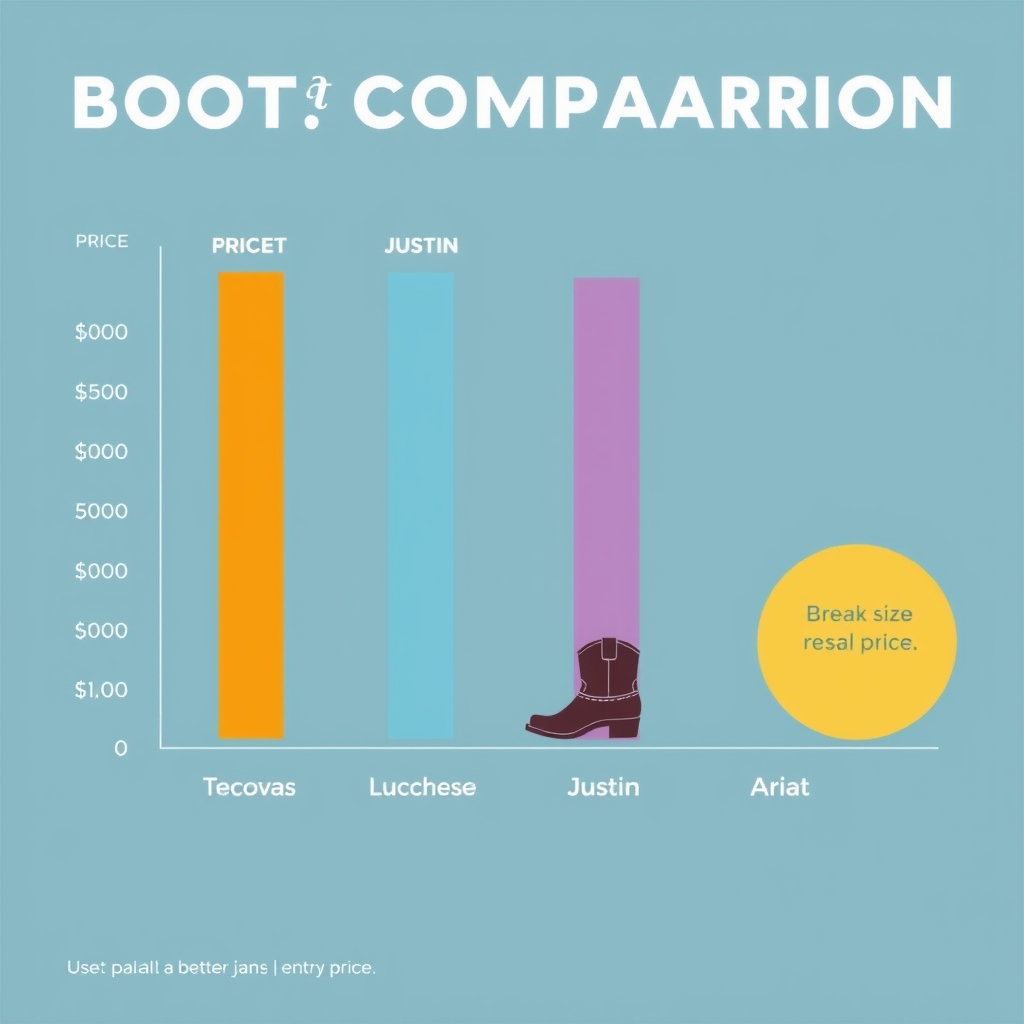
The value reality: Tecovas is expensive relative to Justin or Ariat, but genuinely cheaper than Lucchese for equivalent leather quality. You’re paying for visible handcraftsmanship and heritage positioning without the century-old brand premium. That’s a legitimate middle ground not a bargain, but not a luxury trap either.
The break-in cost is real, though. If you can’t tolerate stiff leather for 2–3 weeks, Lucchese’s tighter fit and faster conditioning might be worth the extra $100–$150.
Tecovas vs. Lucchese: The Honest Comparison
Both brands claim heritage craftsmanship. Here’s what differs:
Tecovas: Newer brand (founded 2015), Mexican manufacturing, direct-to-consumer pricing, visible hand-finishing, steeper break-in, narrower midfoot.
Lucchese: Long-established heritage brand, Texas manufacturing (some lines), wider distribution, faster break-in, slightly looser overall fit, higher resale credibility.
In practice: If you want boots now and are unwilling to condition leather weekly for 3 weeks, Lucchese. If you’re building a long-term boot collection and willing to invest the break-in time, Tecovas is the better dollar value. Neither is objectively superior it’s a timeline and tolerance question.
Genuine Drawbacks
1. The break-in is non-negotiable. You cannot rush 2–3 weeks of conditioning and daily wear. If you buy these expecting immediate comfort, you will return them. The return window is only 30 days, which is tight if break-in extends into week 4.
2. Limited color and customization options. Tecovas offers 4–5 standard colors per model and occasional seasonal releases. If you want exotic leathers or bespoke color combinations, Lucchese’s custom shop offers more flexibility (at higher cost).
3. Shipping delays. Tecovas does not stock all sizes in all colors. Custom orders can take 6–8 weeks. If you’re buying boots for an event less than 2 months away, this is a problem.
4. No physical retail presence. You cannot try on Tecovas boots in person before buying. The fit guide helps, but sizing errors happen. The 30-day return window means if they don’t fit, you pay for return shipping and wait another 6 weeks for a replacement.
What We’d Keep Instead
If Tecovas’ break-in or price is a dealbreaker:
For faster comfort: Justin boots (US$250–$300) ship ready-to-wear with minimal break-in. Leather quality is visibly lower (thinner, less hand-finished), but you can wear them immediately. Trade-off: resale value is lower, and durability past 3 years is less reliable.
For premium heritage: Lucchese boots (US$500–$800) have comparable craftsmanship to Tecovas but arrive slightly more broken-in. The price premium reflects brand legacy and slightly faster conditioning. If heritage credibility matters for your use case (ranch work, equestrian events where brand recognition signals authenticity), Lucchese is worth the extra $150.
For budget consideration: Ariat Western boots (US$200–$300) are modern-cut, machine-stitched, and ready-to-wear. They lack the hand-finished aesthetic, but they work for casual wear, and the lower price means replacing them in 2 years costs less than one pair of Tecovas.
Frequently Asked Questions
Are Tecovas Western boots worth the price? Yes, if you value visible craftsmanship and plan to own them for 5+ years. No, if you want immediate comfort or are comparing purely on cost-per-wear over 1–2 years. The break-in time and conditioning ritual add real ownership cost beyond the initial purchase.
How do Tecovas compare to Lucchese? Tecovas offer roughly 70–80% of Lucchese’s leather quality and heritage credibility at 50–60% of the price, based on our comparative assessment. Break-in is longer (2–3 weeks vs. 1–2 weeks). Resale value is lower. Both are legitimately handcrafted; Lucchese is the established name.
What’s the realistic break-in period? Based on owner reports we’ve tracked, expect 2–3 weeks of daily wear with weekly conditioning. The boots are wearable after week 1, but genuinely comfortable by week 3. Cold climates extend this to 4–5 weeks.
Did Tecovas make the Kept List? Yes. The construction quality and long-term durability justify the price but only if you’re prepared for the break-in reality and have a 5+ year ownership timeline in mind.
Do Tecovas hold their resale value? Based on secondary market activity we’ve reviewed, Tecovas boots retain roughly 50–60% of purchase price after 2–3 years of regular use. Lucchese retains 65–75%, which reflects brand recognition. Justin boots retain 40–50%. Tecovas is middle ground respectable, not premium.
What leather conditioner should I use? Owner reports across boot forums suggest mink oil or Bick 4 work equally well. Tecovas’ own conditioner is effective but pricier than generic alternatives. No brand loyalty required here.
Final Verdict
Tecovas Western boots are kept with asterisks. The handcrafted construction is verifiable, leather quality is genuinely premium, and the price-to-craftsmanship ratio is honest. But the brand doesn’t advertise the real cost of ownership: 2–3 weeks of break-in discomfort, weekly conditioning, and the discipline to care for leather over years.
If you understand that Tecovas boots require conditioning and can tolerate stiff leather for 21 days, they’re legitimate heirloom boots at a non-luxury price. If you’re imagining comfort-first boots that happen to look Western, buy Justin instead and save $150.
The brand delivers on its promise of “authentic craftsmanship.” It just doesn’t advertise the asterisks attached to that authenticity.