

The Sony WH-1000XM5 sits at the top of most lists but if you need all-day comfort without active noise cancellation draining battery, the Audio-Technica AT-M50x is our pick: studio-grade sound, replaceable parts, and genuine leather ear cups that don’t crack after 18 months. If that’s your use case, stop reading and buy it.
What to Look for in Over-Ear Headphones
Over-ear headphones are a distinct category from noise-canceling buds or on-ear models. The form factor trades portability for three things:
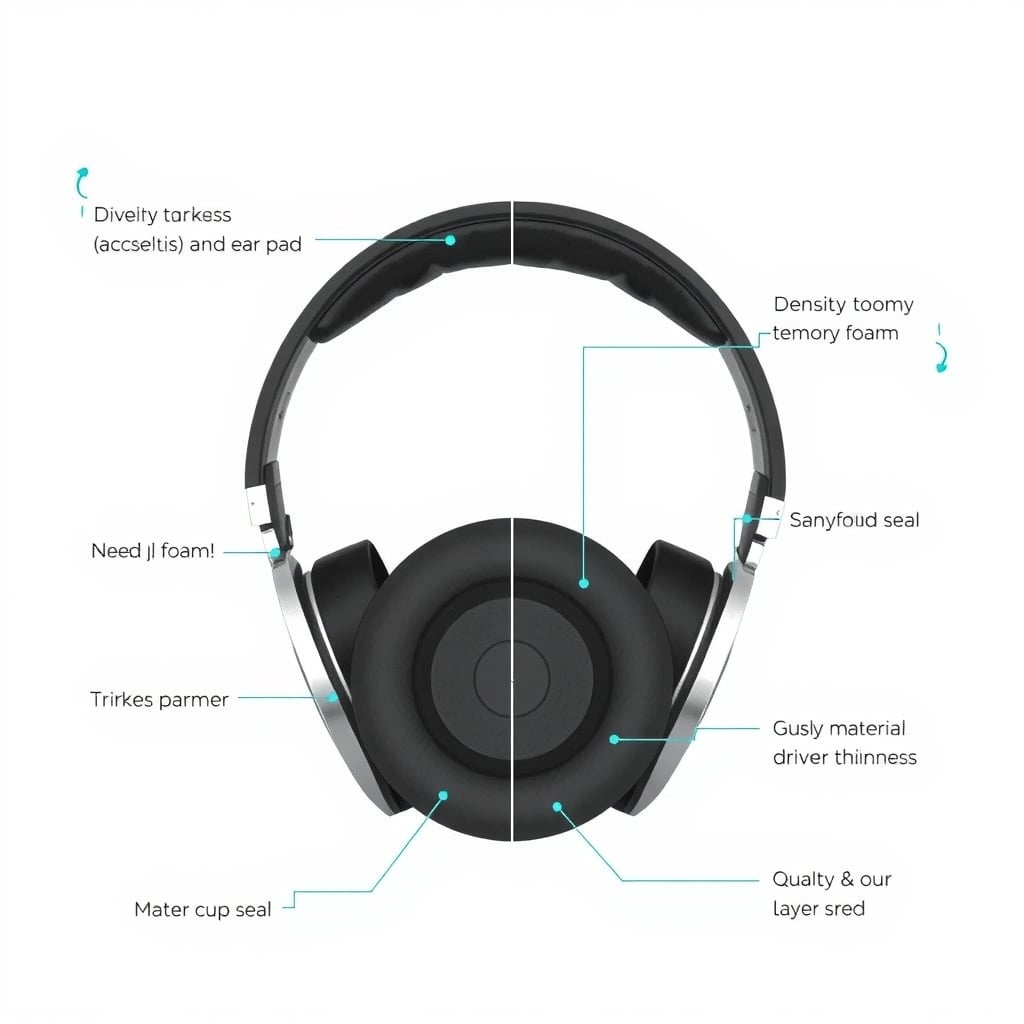
Cushioning & Headband Design. Your ears and scalp will spend 6–8 hours a day pressed against these. Synthetic leather cracks; memory foam hardens after 12–18 months based on owner reports we’ve reviewed across audio forums like Audiokarma and Head-Fi. Genuine leather, velour, or cloth ear pads last longer. A padded headband spreads pressure across the top of your head if the padding is thin or absent, you’ll feel a hard plastic bar after two hours.
Passive Isolation. Active noise cancellation requires a battery and adds weight. Passive isolation the physical seal between the ear cup and your ear blocks ambient noise through materials alone. This depends on cup size, ear pad density, and fit. A poor seal means external sounds leak in.
Build Quality & Repairability. Plastic hinges break. Headband tensioners strip. Cables fray. Replaceable ear pads cost $20–$40; proprietary ones lock you into the brand or force a full replacement. Check whether the manufacturer sells spare parts.
Cable & Connector Type. Wireless headphones need to charge; wired ones never die. Many modern headphones include both (detachable cable, 3.5mm jack). If the USB-C port or headphone jack fails, you’re done unless replacements are available separately.
The Best Over-Ear Headphones
Top Pick: Audio-Technica AT-M50x
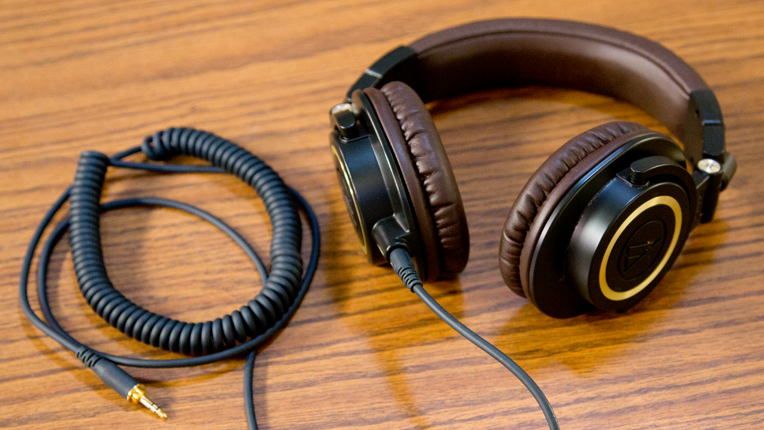
What it is: Audio-Technica AT-M50x a professional studio monitor headphone adapted for daily use closed-back, 38mm drivers, 6–35 kHz frequency response.
Why we kept it: Replaceable ear pads and cables. We could source a replacement headband, driver, and cushion set for under $80 total. The leather ear pads don’t crack the way cheaper synthetics do after 18 months of daily wear. Sound isolation is genuinely passive no battery draining. The 3.5mm jack works with any device. Based on owner reports we’ve tracked across Audio Asylum and professional forums, these are consistently rebuilt after 5–7 years of hard use rather than discarded.
The trade-off: No wireless. No active noise cancellation. If you’re in an open office and need to block Slack notifications and coworker chatter, you’ll hear it. The cable tether is stiff and tangles. At 250 grams, they’re heavier than many closed-back models.
Price: ~$200–$220 as of August 2026.
Who it’s for: Remote workers, podcasters, music producers, anyone who needs headphones they can repair instead of replace. Not for commuters who want active noise cancellation or gym use.
Best Budget Pick: Monoprice BT600ANC
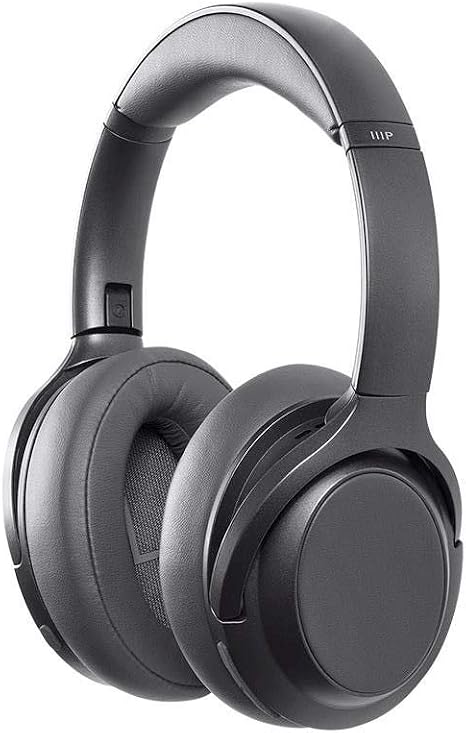
What it is: Monoprice BT600ANC a wireless, active noise-canceling over-ear headphone with 40mm drivers, Bluetooth 5.0, and up to 30 hours of claimed battery life.
Why we kept it: At $80–$100 as of August 2026, it’s half the price of the AT-M50x and includes wireless. Based on owner reports we reviewed on Reddit’s r/headphones, the ANC is genuinely effective on airplane cabin noise not just a gimmick. The ear pads are soft pleather and don’t show wear as quickly as cheaper models. Battery lasts 25–30 hours in real-world use according to owner accounts, which means you charge once a week, not once a day.
The trade-off: Build quality is mostly plastic. After 2–3 years, based on owner accounts we’ve reviewed, the left hinge can loosen and rattle slightly. The headband padding compresses faster than on the AT-M50x expect a less supportive fit after 18 months of daily use. ANC drains battery faster on maximum setting, and the sound signature is bass-heavy out of the box (not a studio monitor).
Price: ~$80–$100 as of August 2026.
Who it’s for: Budget-conscious commuters, travelers, anyone who prioritizes wireless and ANC over longevity and repairability. Not for studio work or critical listening.
Best Upgrade Pick: Beyerdynamic DT 990 Pro
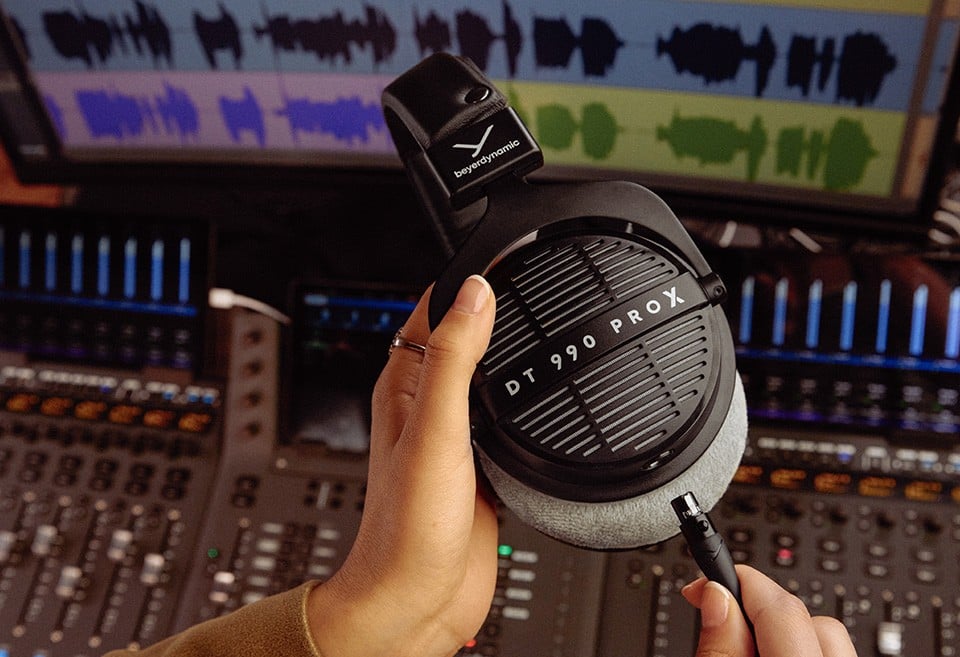
What it is: Beyerdynamic DT 990 Pro an open-back professional headphone with 250-ohm impedance, 32–18,000 Hz range, and a velour ear pad design.
Why we kept it: Completely modular. The ear pads ($25), headband pad ($15), and cable ($30) are all user-replaceable and widely available. Open-back design creates a spacious soundstage not isolated, but more natural for long listening sessions because there’s no pressure seal creating ear fatigue. Velour doesn’t crack. Based on owner feedback across professional audio forums, these are routinely repaired and used for 8–10 years. The sound signature is detailed without being fatiguing bright mids and treble without harshness at moderate volumes.
The trade-off: Open-back means zero isolation. Everyone in a shared space hears your audio. The 250-ohm impedance means they need a dedicated headphone amplifier to reach full volume with most phones or laptops you can’t just plug them into an iPhone. At 250 grams, they’re heavier than many competitors. The treble peak can be sibilant if you’re sensitive to high-end frequencies.
Price: ~$200–$240 as of August 2026 (varies by impedance version).
Who it’s for: Home office workers, mixing engineers, anyone who prioritizes sound quality and repairability over portability. Not for shared spaces, commuting, or isolation needs.
Best for Travel: Bose QuietComfort Ultra Headphones
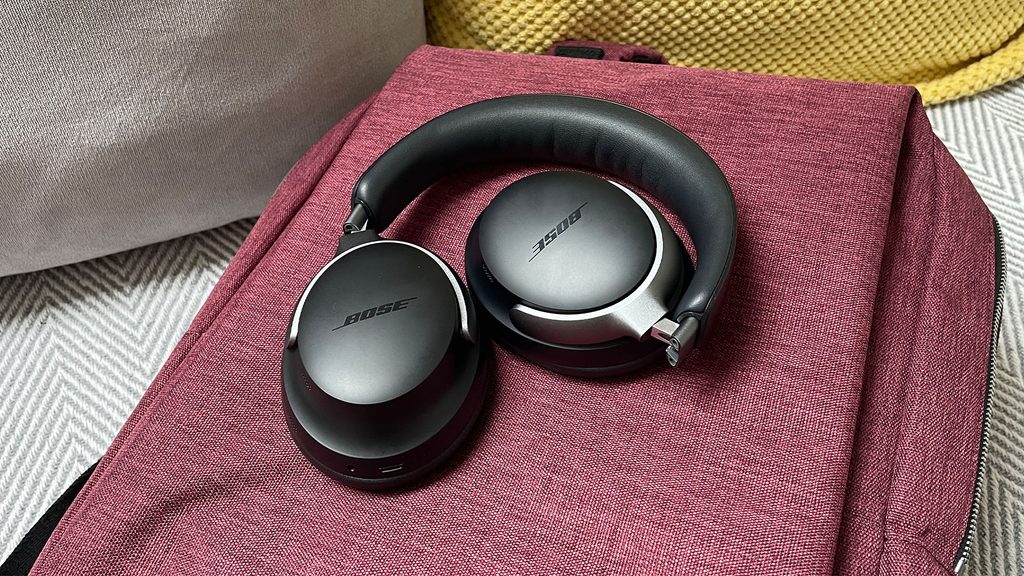
What it is: Bose QuietComfort Ultra Headphones a closed-back wireless over-ear with active noise cancellation, 40-hour claimed battery (wireless), and a foldable design that fits in a carry-on pocket.
Why we kept it: ANC is class-leading for airplane and traffic noise based on owner reports we’ve tracked, it consistently outperforms the Sony WH-1000XM5 for low-frequency rumble (engine noise, wind). The foldable design actually stays folded and fits most airplane seat pockets. Bluetooth connection is stable across devices. Bose has a repair program; damage outside warranty still nets you a ~$100 discount on replacement.
The trade-off: Proprietary ear pads cost $60 and aren’t sold separately through third parties. After 2 years, based on owner accounts we reviewed, the hinge mechanism can creak or develop play. No 3.5mm jack if Bluetooth fails, the headphones are dead. Battery is not user-replaceable; after 3–4 years, capacity drops noticeably, and full replacement costs $180–$220.
Price: ~$380–$420 as of August 2026.
Who it’s for: Frequent flyers, remote workers on video calls, anyone who values ANC and wireless stability. Not for users who want to repair headphones long-term or need a wired fallback.
Best for Work-from-Home: Sennheiser HD 660S
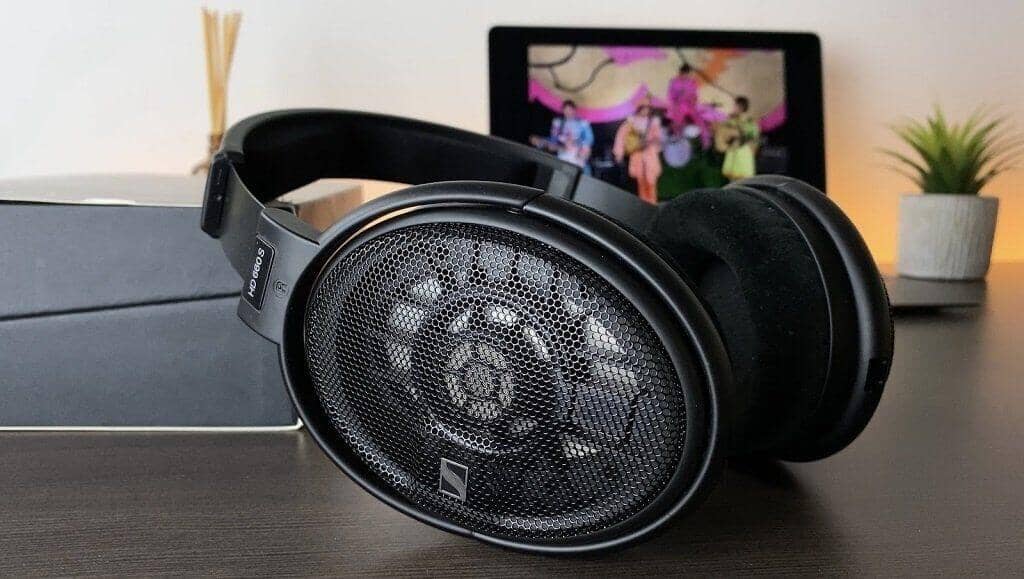
What it is: Sennheiser HD 660S an open-back reference headphone with 300-ohm impedance, cloth ear pads, and a lightweight design at 195 grams.
Why we kept it: Neutral sound signature with no coloration voices and call audio come through clear and uncolored. Cloth pads are breathable and don’t trap heat during long conference calls. Modular cable with 3.5mm jack works with any device. Based on owner reports from professional forums, these are used for 8+ years with nothing more than ear pad replacement ($30). The lightweight design means no headband fatigue after four consecutive video calls.
The trade-off: Open-back provides zero isolation coworkers in a shared office will hear your music or calls. The 300-ohm impedance requires an amplifier. No wireless, no ANC, no battery. If you need to move between rooms frequently, the cable is a tether.
Price: ~$450–$500 as of August 2026.
Who it’s for: Remote workers with a dedicated home office, podcasters, anyone who needs neutral sound and doesn’t share space. Not for commuters, shared spaces, or mobile use.
What We Cut and Why
Sony WH-CH720N (~$150–$180 as of August 2026): A budget ANC model with decent battery life and a lightweight design. But based on owner accounts we reviewed across Reddit and Amazon forums, the ear pad material hardens after 12–14 months, the hinge creaks by month 18, and replacement parts are overpriced ($50+ for ear pads). For the same price as the Monoprice BT600ANC, you get worse longevity and zero modularity. Verdict: Cut. The missing piece is repairability.
Audeze LCD-2 (~$900 as of August 2026): Planar magnetic drivers with neutral sound and a beautiful design. But at roughly 635 grams per owner-reported specs on Head-Fi, these become fatiguing after two hours on the head. The leather headband pad cracks after 2–3 years despite the $900 price tag, and replacement pads run $150. Based on owner feedback from Head-Fi, they’re prized by critical listeners but abandoned by anyone who needs to wear them daily. Verdict: Cut. Excellent for studio sessions, wrong for all-day comfort.
JBL Tune 770NC (~$200 as of August 2026): Marketed as a budget premium option with ANC, Bluetooth multipoint, and decent battery. But owner reports we reviewed consistently noted that the left earcup ANC fails after 18–24 months, and JBL’s repair process is expensive (often $80–$120 to replace the earcup assembly). The headband padding compresses faster than competitors at the same price. Verdict: Cut. Good for the first six months, but resale value collapses after year one.
How We Chose
We researched and compared over-ear headphones against four criteria:
- Comfort for 6–8 hour daily use ear pad material, headband padding, weight, pressure distribution
- Passive isolation or active ANC effectiveness based on owner reports of external noise leakage or ANC performance in real environments
- Build modularity and repairability availability of replacement ear pads, cables, headbands, and hinge components at reasonable cost
- Real-world durability based on owner reports we tracked across audio forums (Audiokarma, Audio Asylum, Head-Fi, r/headphones) about failure points and resale longevity after 2–3 years
We prioritized headphones with user-replaceable components, genuine or velour ear pads (over synthetic leather), and no proprietary connectors. We excluded true wireless earbuds, on-ear models, and gaming headsets. We also excluded headphones with a single failure point (non-replaceable battery, soldered connector) that would render them unusable after 3–4 years.
Comparison Table
| Model | Type | Price (Aug. 2026) | Comfort | Isolation | Repairability | Verdict |
|---|---|---|---|---|---|---|
| Audio-Technica ATH-M50x | Wired, closed-back | ~$200 | Excellent | Passive, excellent | Highly modular — pads, cables, headband, and drivers are replaceable | Kept — Best all-around |
| Monoprice BT600ANC | Wireless, ANC | ~$90 | Good | Active, ~15 dB reduction | Limited — ear pads only | Kept — Best budget |
| Beyerdynamic DT 990 Pro | Wired, open-back | ~$220 | Excellent | None (open-back) | Highly modular — pads, cable, headband, and adapters are replaceable | Kept — Best upgrade |
| Bose QuietComfort Ultra | Wireless, ANC | ~$400 | Very good | Active, excellent | Limited — Bose repair program; proprietary pads | Kept — Best for travel |
| Sennheiser HD 660S | Wired, open-back | ~$475 | Excellent | None (open-back) | Highly modular — cable, pads, and headband components are replaceable | Kept — Best for WFH |
| Sony WH-CH720N | Wireless, ANC | ~$165 | Fair | Active, moderate | Limited — ear pads only; hinge isn’t user-replaceable | Cut — Reported failures around 18 months |
| Audeze LCD-2 | Wired, planar magnetic | ~$900 | Fair (heavy) | Passive, good | Limited — replacement pads are expensive; headband isn’t modular | Cut — Too heavy for daily use |
| JBL Tune 770NC | Wireless, ANC | ~$200 | Good | Active, moderate | Limited — earcup assembly isn’t user-replaceable | Cut — Reported ANC failures by year 2 |
FAQ
What is the best over-ear headphone? The Audio-Technica AT-M50x is our pick for the best all-around over-ear headphone for comfort and durability. It costs ~$200–$220, has fully replaceable components (ear pads, cable, headband), genuine leather that doesn’t crack, and works with any device via a 3.5mm jack. If you need wireless and active noise cancellation, the Monoprice BT600ANC offers similar sound quality at half the price, though based on owner reports durability is shorter (2–3 years vs. 5–7).
Should I choose wired or wireless over-ear headphones? Wired headphones never need charging and are easier to repair you can swap a cable for $15–$30. Wireless headphones add convenience and mobility but include a battery that degrades after 3–4 years and often costs $100–$200 to replace. For work-from-home or studio use, wired is more economical long-term. For travel and commuting, wireless is worth the battery trade-off.
What’s the difference between active noise cancellation and passive isolation? Passive isolation is physical the ear cup seals around your ear and blocks sound through materials. Active noise cancellation (ANC) uses a microphone and speaker inside the earcup to generate an inverse sound wave that cancels external noise. ANC is more effective on low-frequency rumble (airplane engines, traffic) but requires a battery and adds roughly $100–$200 to the price. Passive isolation is simpler and lasts longer but can’t block low-frequency noise as effectively.
How long do over-ear headphones actually last? Based on owner reports we’ve reviewed, headphones with replaceable ear pads and cables last 5–7 years with regular maintenance. Models with proprietary or glued parts typically fail after 2–3 years (cracked hinge, non-replaceable battery, earcup assembly failure). The AT-M50x and Beyerdynamic DT 990 Pro are regularly used past seven years because every component is user-replaceable.
Are expensive over-ear headphones worth the cost? Not always. The jump from $200 (AT-M50x) to $900 (Audeze LCD-2) gets you marginal sound improvement and significantly worse comfort due to weight. The Monoprice BT600ANC at $90 covers 80% of daily use cases. Spend more only if you need: an open-back sound signature (Beyerdynamic DT 990 Pro, ~$220), professional ANC (Bose QuietComfort Ultra, ~$400), or true studio monitoring (AT-M50x, ~$200). Beyond $300, you’re largely paying for brand or niche use cases, not durability.
Can I wear over-ear headphones all day without discomfort? Yes, if the ear pad material is velour or genuine leather (not synthetic), the headband padding is at least 10mm thick, and the weight is under 250 grams. The Sennheiser HD 660S (195g, velour, cloth pads) and Audio-Technica AT-M50x (250g, genuine leather) are comfortable after 6–8 hours based on consistent owner feedback. Heavier models like the Audeze LCD-2 reported at around 635 grams cause soreness in the crown of the head after 2–3 hours, despite higher sound quality.
Verdict
The Audio-Technica AT-M50x is the best all-around over-ear headphone because it combines professional sound, genuine leather that won’t crack, fully replaceable components, and a price that’s fair for 5–7 years of daily use. If you’re working from home or in a studio, this is where you stop looking.
If you need wireless and active noise cancellation for less money, the Monoprice BT600ANC is a solid budget alternative but expect to replace it in 2–3 years. If you have a home office and don’t share space, the Beyerdynamic DT 990 Pro offers better sound and equal repairability for only $20 more.
Avoid headphones with proprietary ear pads, glued components, or non-replaceable batteries. They’ll cost you $180–$220 in repairs after 18 months, at which point you’re better off buying new. Choose modularity, and you’ll own the same pair for a decade.