
The Short Version
For most people, the mattress construction that matters most is what’s inside, not the brand name. Memory foam feels conforming and is best for side sleepers and heavier bodies; latex feels bouncy and breathable, ideal for hot sleepers and couples; hybrids balance both comfort and support; spring mattresses offer the firmest feel and lowest price, though they often wear out faster.
If you sleep on your side, weigh under 200 pounds, and tend to sleep hot, start with latex or hybrid. If you’re a back or stomach sleeper, weigh over 200 pounds, or prioritize durability, consider a hybrid or quality spring. If budget is the main constraint, a basic spring or budget foam works fine but expect to replace it sooner.
What Actually Matters When Comparing Mattress Types
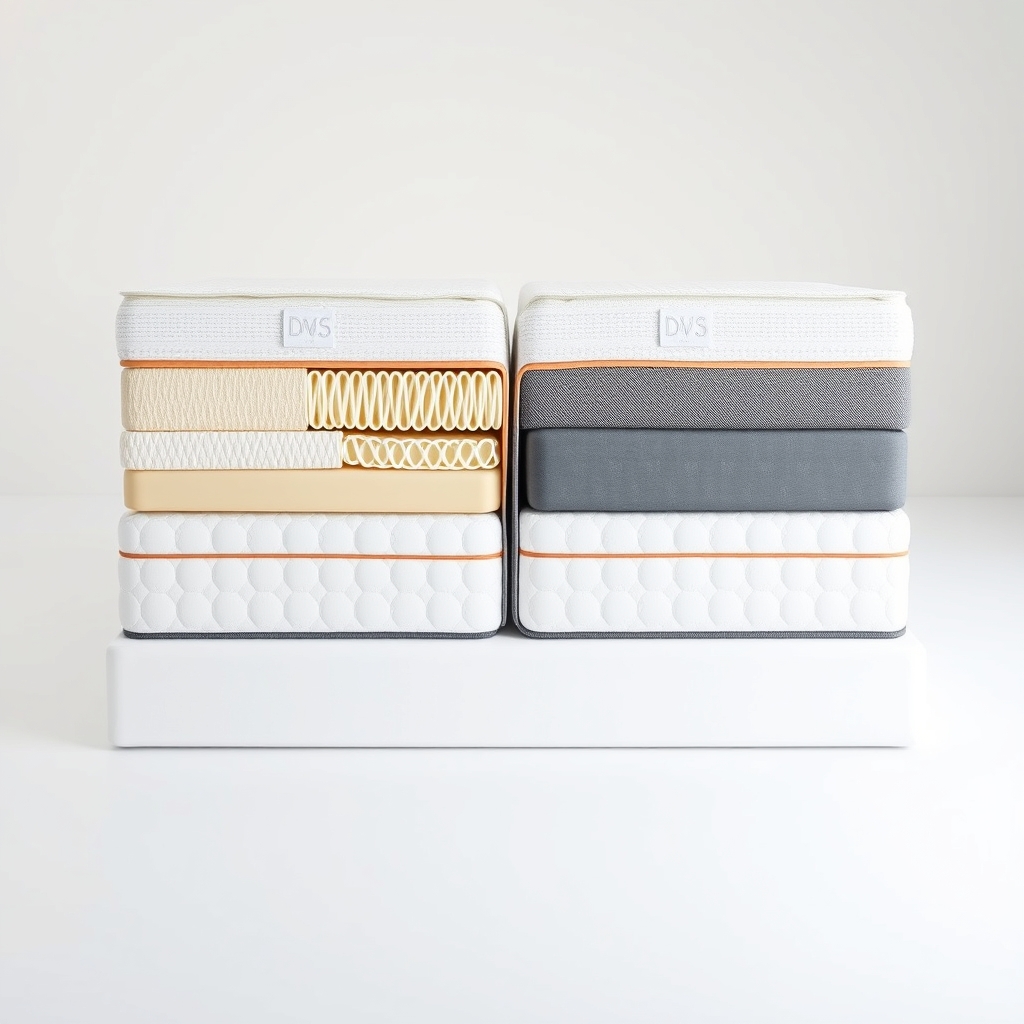
Mattress construction type the core material and how it’s layered determines how a mattress feels, how long it lasts, how well it sleeps hot or cool, and what you’ll pay. Most marketing focuses on thread count, brand prestige, or vague comfort claims. None of that matters as much as the four basic types below.
Support and Conforming Feel
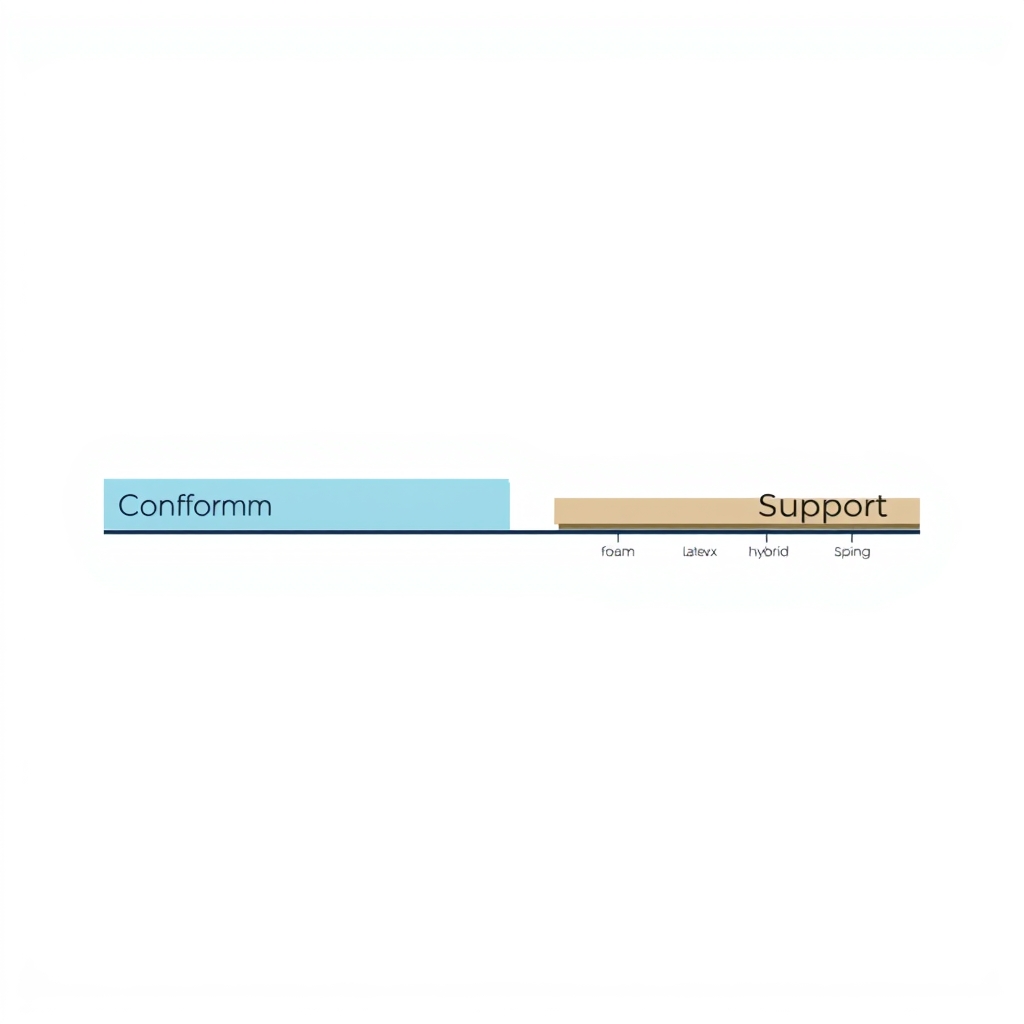
Support means how well the mattress prevents your body from sinking too far; conform means how much the mattress hugs your shape. These are opposites, and the type of mattress core determines the trade-off.
Memory foam conforms aggressively your body sinks into it, and heat gets trapped. Latex bounces back faster and creates less body imprint. Hybrids split the difference with a foam top layer and spring coils below. Spring mattresses offer the least conform but the most push-back, which some sleepers love and others hate.
What to ignore: “gel-infused” foam or “cooling” memory foam claims. These are mostly marketing; the material underneath is still memory foam.
Temperature Regulation
Memory foam retains body heat. Latex breathes better naturally. Spring mattresses breathe best because air flows through the coils. Hybrids are middle ground.
If you wake up drenched or your partner complains about heat coming off your side of the bed, memory foam is your worst choice. Latex or spring is better. Based on owner reports we reviewed, memory foam sleepers consistently report needing a cooling mattress pad or bed fan, while latex and spring sleepers rarely do.
What to ignore: Brands that claim their memory foam “stays cool forever.” It doesn’t. The material traps heat by design. Gel, graphite, or copper-infused foam slow the heat retention they don’t eliminate it.
Durability and Expected Lifespan
Based on the owner reports and product-longevity discussions we reviewed, memory foam typically shows noticeable sagging or loss of support somewhere in the 7–10 year range. Latex tends to hold up longer owner accounts frequently cite 10–15 years before meaningful degradation, especially with natural latex cores. Spring mattresses vary more widely: budget coil systems in the reviews we read often started sagging around years 5–7, while higher-quality coil builds were reported to reach 8–10 years. Hybrids fall in the middle, typically 7–12 years depending on the quality of both the foam comfort layer and the coil system beneath it. Treat these as observed ranges, not guarantees your body weight, rotation habits, and foundation all affect the actual outcome.
The real wear point is the foam top layer. Even if the coils or latex core is fine, a 2–4 inch foam comfort layer on top degrades faster.
What to ignore: “25-year warranty” claims. Warranties cover manufacturing defects, not normal sagging. Sagging is not a defect it’s normal wear.
Price and Value Across Budget Tiers
Based on our review of current mattress listings (as of mid-2026), here’s what you typically get at each price range:
| Price Tier | Typical Construction | Expected Lifespan | Best For | Main Trade-Off |
|---|---|---|---|---|
| Under $500 | Budget memory foam or basic innerspring | 5–7 years | Budget-conscious shoppers, guest rooms, first apartments | Thinner comfort layers, faster sagging, limited edge support |
| $500–1,200 | Higher-quality foam, entry-level hybrid, or upgraded innerspring | 7–10 years | Side sleepers, average-weight adults, hot sleepers | Good balance of comfort and durability, with some compromises in cooling performance |
| $1,200–2,500 | Premium memory foam or latex blends, high-quality hybrids | 10–12 years | Couples, back sleepers, heavier individuals, people with back pain | Better pressure relief, stronger edge support, and improved temperature regulation at a higher price |
| $2,500+ | Luxury latex, premium hybrid, or natural-material construction | 12–15 years | Buyers seeking maximum durability, premium materials, and luxury comfort | Diminishing returns—higher prices often reflect brand reputation and premium materials more than dramatic comfort improvements |
The best value sits at $800–$1,500. You avoid the cheapest foam sagging, but you’re not paying luxury markups yet.
What to ignore: “Trial period pricing” or “introductory deals.” Base your decision on the regular price.
Sleeping Position and Body Type
Your sleep position and body weight determine how much support you need.
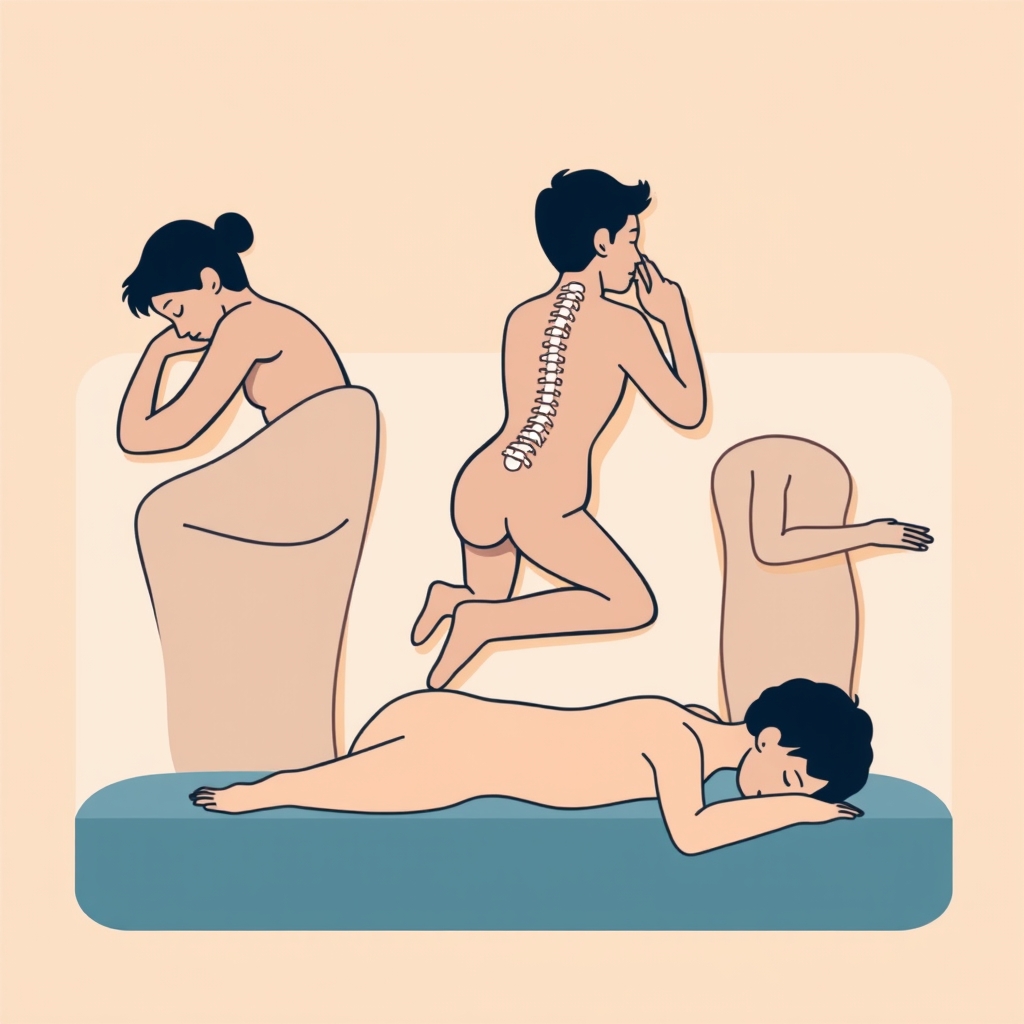
Side sleepers (you curl up on your hip) need conforming material to support your shoulder and hip without pressure points. Memory foam or latex work best. Springs alone feel too firm.
Back sleepers need medium support too much conform causes your lower back to sag, but too much firmness strains your neck. A quality hybrid or medium-firm foam works well.
Stomach sleepers need firm support to prevent your hips from sinking. Springs or firm hybrids are best; memory foam can sag under your core.
Heavier bodies (over 200 pounds) sink deeper into foam, which can be comfortable for side sleeping but leads to faster sagging. A hybrid with a stronger coil core or a denser foam holds up better.
What to ignore: “Universal comfort” claims. No single mattress feels perfect for a side sleeper and a stomach sleeper in the same bed.
The Four Mattress Types Explained
Memory Foam Mattresses
Memory foam (polyurethane with added chemicals that slow its rebound) conforms to your body shape and gradually returns to its original shape when you move. The feel is hugging and supportive of curves.
Pros:
- Excellent conforming for side sleepers; reduces pressure points on shoulders and hips
- Affordable at lower price tiers
- Isolates motion well your partner’s tossing doesn’t disturb you
- Works for heavier sleepers (dense foam doesn’t collapse as easily as cheap spring)
Cons:
- Retains heat; many sleepers wake up hot
- Off-gassing smell when new (in our research of owner reports, most describe the smell as fading within a week or two, though some note it lingers longer in poorly ventilated rooms)
- Sags faster than other materials; owner accounts suggest noticeable softening by the 7–10 year mark
- Less bouncy harder to change positions during the night
- Not ideal for stomach sleepers on a soft foam (creates too much sag in the lower back)
Price range (based on our review of current listings): Queen size, roughly $400–$1,500 depending on foam density and thickness. Budget foam ($400–$700) sags faster; mid-tier ($800–$1,200) lasts longer.
Best for: Side sleepers, couples, people with pressure-point pain, those in cool climates.
Latex Mattresses
Latex is a rubber-derived foam that bounces back faster than memory foam. It can be natural (from rubber trees) or synthetic, or a blend of both.
Pros:
- Breathes much better than memory foam; stays cooler
- Bouncy feel easier to move around and change positions
- Durable; natural latex especially holds up well over time, with many owners reporting 12–15 years of use
- Good for hot sleepers and couples (bouncy surface reduces heat pooling)
- Hypoallergenic (latex is naturally resistant to dust mites, though some people are allergic to latex itself)
Cons:
- More expensive than memory foam at all price points
- Can feel less conforming to some sleepers; may lack the “hugged” sensation
- Off-gassing smell can be stronger and last longer than foam
- Some back sleepers find latex too bouncy (feel like you’re rolling around rather than sinking into support)
- Natural latex claims require verification many “natural” latex blends contain mostly synthetic latex
Price range (based on our review of current listings): Queen size, roughly $1,200–$3,000+. Synthetic-blend latex ($1,200–$1,800) is more accessible; high-percentage natural latex ($2,000+) commands premium pricing.
Best for: Hot sleepers, back sleepers, couples, people without latex allergies seeking longevity.
Hybrid Mattresses
A hybrid combines a foam or latex comfort layer (2–4 inches) on top of a coil spring core below. The idea is to balance the conforming feel of foam with the support and breathability of springs.
Pros:
- Balanced feel for multiple sleep positions bouncy enough for stomach sleepers, conforming enough for side sleepers
- Breathes better than foam-only due to air flowing through coils
- Responsive and easier to move in bed
- Good edge support (the coils prevent you from rolling off the side)
- Works well for couples with different sleep preferences
Cons:
- The foam top layer still sags and wears faster than the coils (so you get the lifespan of the weakest material, not the strongest)
- Coil layers can be noisy if coils are connected (feels bouncy but you hear the springs compress)
- Mid-range hybrids don’t excel at any one thing they’re a compromise
- More expensive than pure memory foam at the budget tier, but not as durable as a pure latex mattress
Price range (based on our review of current listings): Queen size, roughly $800–$2,000. Budget hybrids ($800–$1,200) pair cheaper foam with basic coils; premium hybrids ($1,500–$2,000) use higher-density foam and better coil systems.
Best for: Couples with different sleep needs, back sleepers, hot sleepers on a budget, those who want a bit of everything.
Spring Mattresses (Innerspring)
Spring mattresses use steel coils as the primary support system. The coils are topped with a thin foam or fiber layer for comfort. The most affordable and firmest option.
Pros:
- Cheapest option entry-level queen starts around $300–$600
- Most bouncy feel; easiest to move in bed
- Best temperature regulation air flows through coils constantly
- Good for stomach sleepers (firmness prevents lower-back sag)
- Lightweight and easy to move
Cons:
- Coils compress and sag after 5–8 years, especially in cheaper systems
- Can be noisy you hear coil compression, and connected coils transfer motion (your partner’s movement disrupts you)
- Little conforming for side sleepers; can create pressure points on shoulders and hips
- Very firm models lack cushioning; very soft models sag in the middle
- Minimal edge support; you feel like you’re rolling off the side
Price range (based on our review of current listings): Queen size, roughly $300–$1,000. Budget innerspring ($300–$600) uses thinner coils and minimal padding; better models ($700–$1,000) use thicker coils and more comfort layers.
Best for: Stomach sleepers, budget-conscious buyers, people who like a very firm feel, hot sleepers who don’t mind some noise.
Common Mistakes and Overselling
Mistake 1: Thinking brand name = quality. Two different brands at the same price point can use nearly identical foam cores. The brand markup reflects marketing, not always better materials. Check what’s actually inside.
Mistake 2: Prioritizing thread count or fabric thickness. The cover doesn’t determine comfort. The inside does.
Mistake 3: Falling for “cooling” claims on memory foam. As mentioned earlier, memory foam retains heat by design. Gel-infused or graphite-added foam is marginally better, but it’s not a substitute for choosing latex or spring if you sleep hot.
Mistake 4: Ignoring your sleep position. A firm spring mattress feels amazing to a stomach sleeper and terrible to a side sleeper. Your position matters more than “medium firmness.”
Mistake 5: Assuming a trial period is “risk-free.” Trial periods are marketing you pay shipping both ways if you return it, and restocking fees can add up. Use the trial to confirm you like the general feel, but decide carefully before ordering.
Mistake 6: Overweighting warranty length. A 25-year warranty doesn’t mean the mattress will feel good for 25 years. It covers defects, not normal wear. Based on owner accounts we reviewed, expect real-world life from a foam or spring mattress to be 5–10 years, and a quality latex mattress to reach 12–15 years.
Price Tiers and Where Value Sits
As noted above, the best balance of durability and comfort sits at $800–$1,500 for a queen. Here’s why:
- Under $600, you’re buying thin foam or cheap coils that sag fast.
- $600–$800, you get better foam or entry hybrid good value if you plan to replace every 7 years.
- $800–$1,500, you hit the sweet spot where foam density is higher, coil systems are better, and you’re more likely to get 10+ years of use.
- $1,500+, you’re paying for brand prestige, natural materials, or handmade construction comfort doesn’t increase proportionally.
If budget is tight, a $500–$700 memory foam is fine. Just accept you’ll replace it in roughly 7 years. If you sleep hot, don’t buy budget foam jump to a mid-tier hybrid or latex instead.
FAQ
Is memory foam bad for your back? No, but soft memory foam can allow your spine to sag if you’re a stomach sleeper or a heavier side sleeper. If you have back pain, try a hybrid or medium-firm memory foam, and test it for at least a week if possible. Memory foam often feels great for the first few nights but can sag into a painful position after a few months of use.
Can I use a memory foam mattress if I’m a hot sleeper? Not comfortably. Memory foam holds heat, and even “cooling” versions are less effective than latex or spring. If you insist on memory foam, use a cooling pad, a breathable mattress cover, or keep your bedroom at 65°F or cooler. Better option: choose latex or hybrid instead.
Do I need to flip or rotate my mattress? Flipping is mostly outdated most modern mattresses aren’t designed to flip. Rotating (turning it 180 degrees) can extend lifespan slightly by evening out wear. Check the brand’s guidance; some say don’t rotate at all.
What’s the difference between natural and synthetic latex? Natural latex comes from rubber tree sap and is more durable and eco-friendly; synthetic is petroleum-based and cheaper. In practice, most “natural” latex mattresses blend both (often 30–70% natural). Check the spec sheet if it matters to you. Synthetic-only latex is still durable and breathable, just not as premium-feeling.
Is a hybrid mattress worth the extra cost over pure memory foam? If you sleep on your side only and don’t care about heat, foam is fine. If your partner sleeps on their stomach, you’re a hot sleeper, or you want better edge support, the hybrid premium ($300–$500 more) is worth it. Hybrids are the middle ground for couples.
Can I extend mattress lifespan with a topper? A topper can mask sagging and add a few years, but it doesn’t stop the underlying foam or coils from breaking down. It’s a bandage, not a solution. If your mattress is sagging badly, replace it rather than layer more on top.
Our Recommendation
The best mattress for you depends on your sleep position, temperature preference, and budget. We recommend visiting a mattress showroom (even if you buy online) to lie down on different types for 10–15 minutes each foam, hybrid, and spring side by side. Notice whether you sink or bounce, whether heat builds up, whether your lower back sags or stays neutral.
If you can’t visit a showroom,for specific models in each category. We research and compare options across all four types and price tiers so you don’t have to.
Remember: the cheapest option isn’t always the worst choice, and the most expensive isn’t always the best. Match the type to your body and sleep style, set a realistic budget, and you’ll sleep better for less.