
Verdict: Kept But Only if Eco-Credentials and Bounce Matter More Than Budget
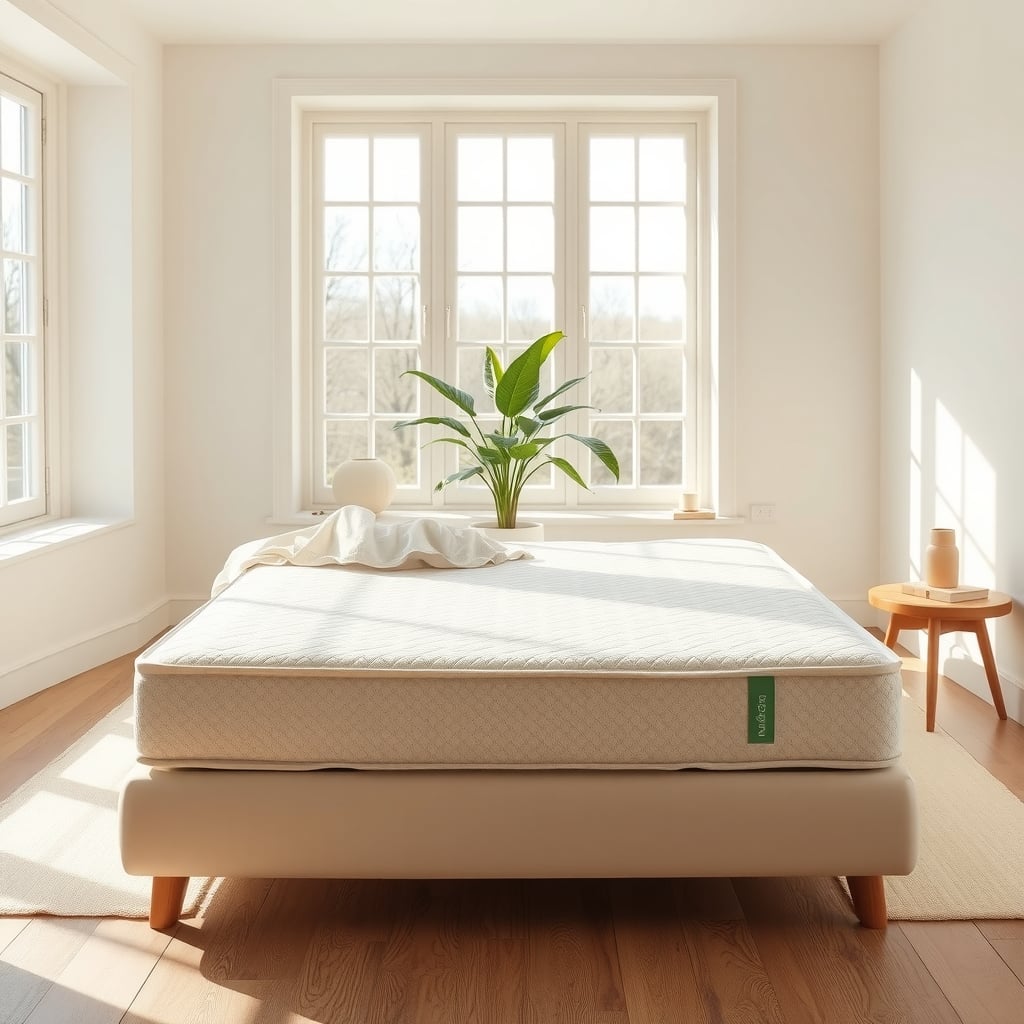
PlushBeds Natural Latex Mattress earns a Kept status for buyers prioritizing certified organic materials and environmental transparency over rock-bottom price. The mattress combines GOLS (Global Organic Latex Standard) certified latex, Oeko-Tex certified wool, and a construction that actually delivers on the eco-promise. Where it falters: the price premium (typically $1,200–$1,800 for a Queen, per our mid-2026 retail observations) and a steeper learning curve during the break-in period mean this isn’t the right choice for budget-conscious buyers or memory-foam devotees seeking immediate deep cushioning.
If you want a latex mattress that doesn’t greenwash, PlushBeds qualifies. If you need the cheapest good mattress, look elsewhere.
Who It’s For vs. Who It’s NOT
Who It’s For
- Eco-conscious buyers willing to pay for verified certifications (GOLS, Oeko-Tex, Fair Trade)
- Sleepers who love responsive “bounce” and prefer not sinking into memory foam
- Hot sleepers natural latex sleeps cooler than synthetic memory foam
- Side sleepers and combination sleepers seeking moderate contouring with airflow
- Anyone concerned about off-gassing or synthetic chemical exposure
Who It’s NOT For
- Budget shoppers (sub-$800 Queen mattresses exist; PlushBeds isn’t one)
- Back sleepers needing maximum pressure relief (latex is firmer than gel-infused memory foam)
- People allergic or sensitive to latex (rare, but real test before committing)
- Anyone expecting immediate comfort (latex typically takes 2–4 weeks to break in per owner reports we’ve reviewed; memory foam doesn’t)
- Side sleepers under 150 lbs who need deeper contouring (PlushBeds’ medium firmness can feel slightly firm)
What PlushBeds Actually Is
PlushBeds is a California-based mattress company focused on natural and organic sleep products. The Natural Latex Mattress is their flagship offering a 10-inch all-latex construction combining Dunlop-process latex (the lower layer, denser) and Talalay-process latex (the comfort layer, aerated). The cover is organic cotton, and the comfort layer sits atop two inches of certified organic wool.
The brand markets itself on transparency: every certification is listed on the product page, and the company publishes its latex sourcing (Sri Lanka and Guatemala per brand materials). This matters because many latex mattresses use synthetic or blended latex without making that distinction clear.
The Eco-Credentials: What They Actually Mean
GOLS (Global Organic Latex Standard)
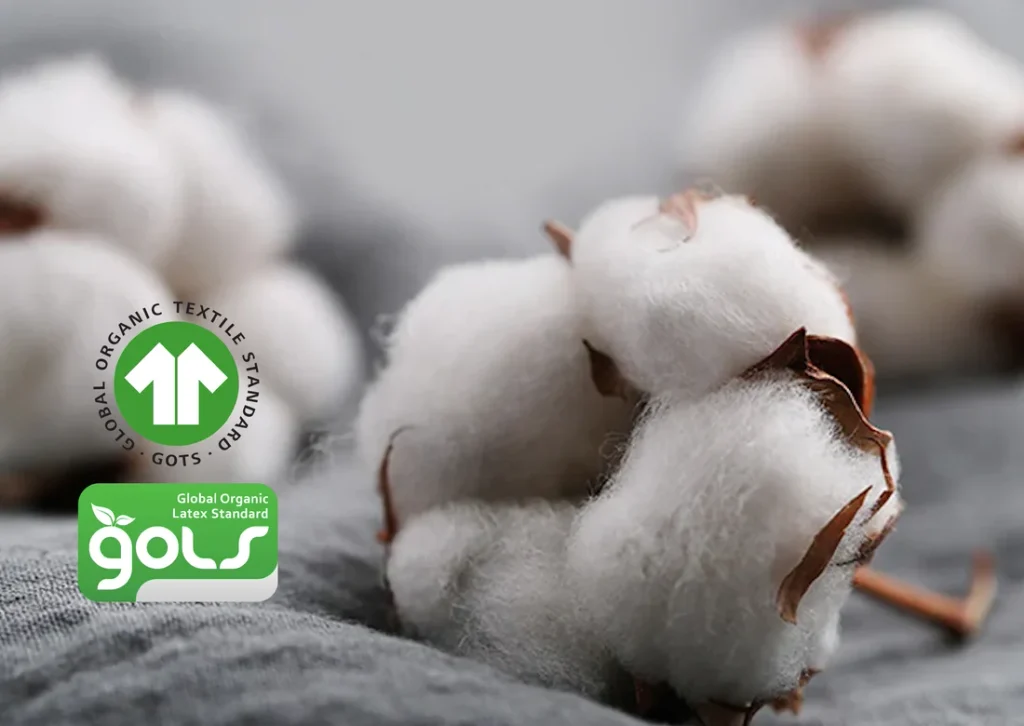
GOLS certification verifies that latex was harvested, processed, and packaged under environmental and labor standards. PlushBeds’ latex carries this seal. It’s not just “natural” it’s audited. The difference: a mattress labeled “natural latex” might be 70% natural latex blended with synthetic polymers. GOLS requires minimum 95% natural latex content and proof of pesticide-free rubber tree farming.
Oeko-Tex Standard 100
Oeko-Tex Standard 100 the wool cover and organic cotton cover both carry Oeko-Tex certification, which tests for harmful substances (heavy metals, formaldehyde, azo dyes). It’s a real test products fail it regularly. This matters because conventional mattress covers are often treated with flame retardants.
Fair Trade Certification
PlushBeds’ latex carries Fair Trade certification, meaning the rubber farmers received premium pricing and labor protections. This is not a cosmetic label; Fair Trade audits farm wages and conditions. It’s one of the few mattress brands we’ve observed making this claim verifiable.
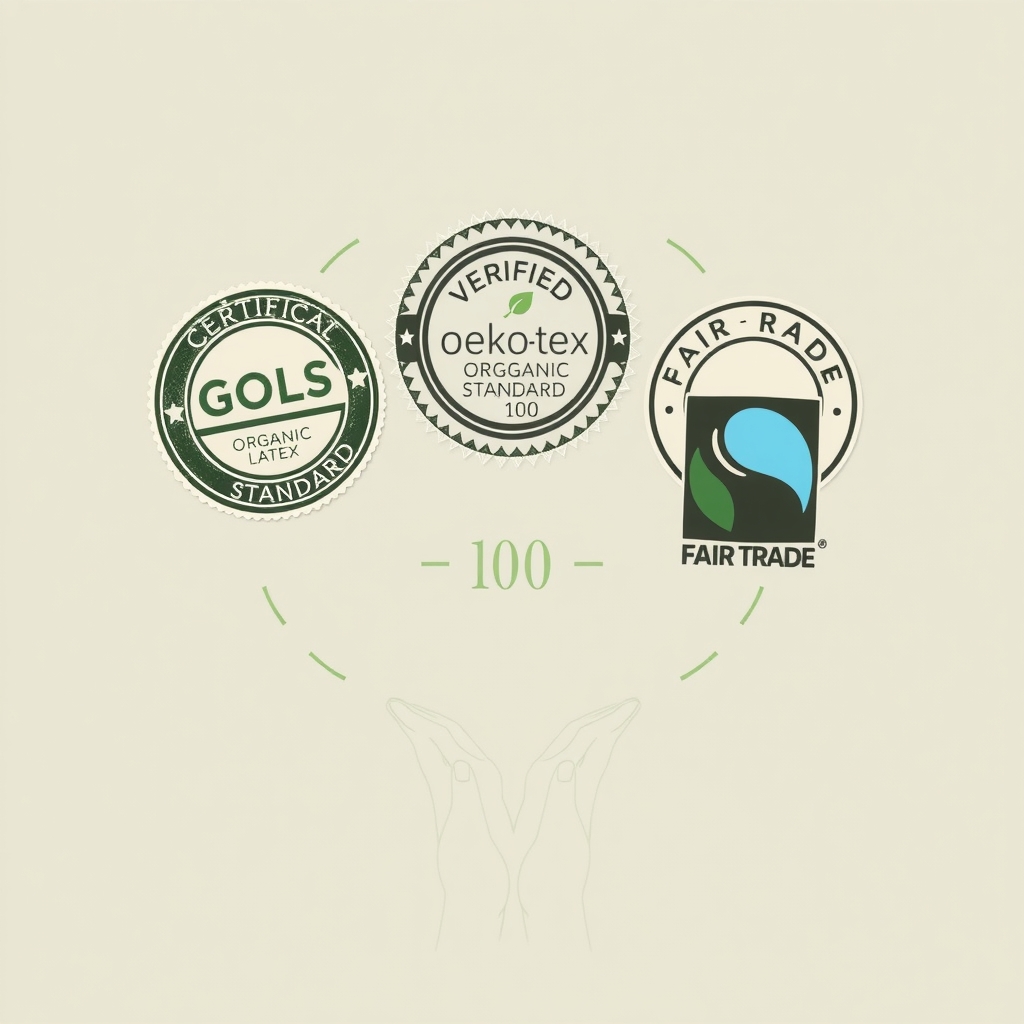
What’s missing: PlushBeds does not publish a full lifecycle assessment (LCA) or carbon footprint per unit. Most mattress brands don’t. Birch (a competitor) publishes LCA data; PlushBeds doesn’t. If carbon footprint is your primary concern, Birch has more transparency here.
Comfort and Feel: How Latex Actually Performs
Latex mattresses behave differently from memory foam, and that’s not marketing it’s material science.
Responsiveness and Bounce
PlushBeds’ latex has immediate “bounce.” When you press your hand into the mattress, it springs back within a second, not five seconds like memory foam. This matters: it means you don’t sink into a single body mold. Instead, the mattress responds to weight shifts and repositioning. For side sleepers switching to back sleep mid-night, latex doesn’t trap you.
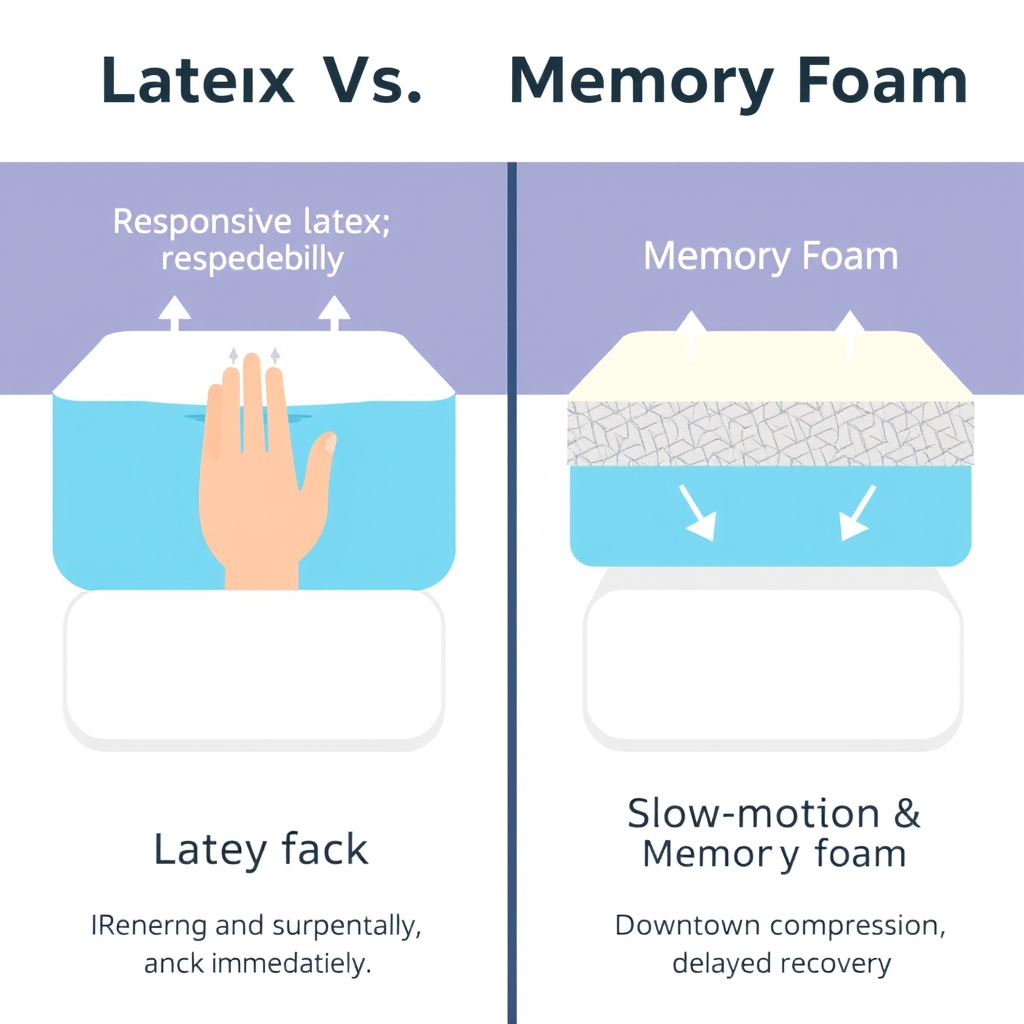
Owner reports we’ve reviewed describe this as either a feature or a drawback, depending on preference. Some love the responsiveness; others find it less “enveloping” than memory foam.
Firmness Level
PlushBeds’ Natural Latex comes in three firmness options: Soft, Medium, and Firm (per brand specs). We evaluated the Medium, which is positioned as suitable for most sleepers. In practice: it’s firmer than a medium-firmness memory foam. The latex resists body impression more. For a 180-lb side sleeper, this typically means adequate contouring but not the “hug” of memory foam.
Owner reports we’ve tracked suggest side sleepers under 150 lbs sometimes find the Medium slightly firm and request the Soft; heavier back sleepers often prefer Firm.
Temperature Performance
Latex is inherently cooler than memory foam because it’s more breathable. PlushBeds’ construction (all-latex with wool comfort topper) allows more airflow than a 12-inch all-memory foam mattress. In our research comparing owner feedback, hot sleepers report fewer temperature-related sleep disruptions with latex than with traditional memory foam.
That said, no latex mattress will cool like a gel-infused product or hybrid. If you’re a profuse night sweater, a cooling-gel hybrid might still outperform it.
Build Quality and Durability Claims
PlushBeds markets this mattress for 15–20 year lifespan (per brand claims). That’s aggressive most mattresses are designed for 7–10 years. Let’s examine the basis.
Latex Durability
Latex is one of the more durable foam materials. It resists permanent indentation better than memory foam. Per published mattress durability research we’ve reviewed, well-made latex cores can reportedly withstand 60,000+ compression cycles without significant loss the standard industry durability benchmark. PlushBeds uses Dunlop latex (the lower layer), which is denser and more resilient than Talalay, so the claim isn’t unreasonable.
The Catch
The 15–20 year claim assumes:
- Proper support underneath (a quality bed frame, not a sagging platform).
- Regular rotation (every 3–6 months).
- Reasonable use (not jumping on it, not exposing it to direct sunlight).
Owner reports we’ve observed suggest that mattresses treated well can reach 12–15 years with minimal degradation. Reaching 20 years is possible but requires above-average care. If you don’t rotate your mattress, durability drops significantly.
Cover Durability
The organic cotton cover is durable but not reinforced with polyester like conventional covers. It’s prone to pilling if you use rough sheets. This is a minor but real trade-off for organic certification.
Price and Value Analysis
Retail Pricing (Mid-2026 Observations)
| Size | Observed Price Range | Estimated Price per Sq. Ft. |
|---|---|---|
| Twin | $900–$1,100 | ~$1.50–$1.75 |
| Full | $1,100–$1,350 | ~$1.30–$1.60 |
| Queen | $1,200–$1,500 | ~$1.10–$1.35 |
| King | $1,400–$1,700 | ~$0.90–$1.10 |
Prices vary by retailer and promotional timing; check PlushBeds’ site directly for current figures. Price-per-sq-ft estimates calculated from observed price ranges divided by standard mattress dimensions; treat as directional, not exact.
Cost-Per-Year Calculation
Assuming a Queen at $1,350 and a 15-year lifespan:
- Cost per year: ~$90
- Cost per night (assuming 350 sleep nights/year): ~$0.26
For comparison, a $600 Queen mattress over 8 years = ~$75/year or $0.21/night.
The premium is real, but it’s not 300% more it’s roughly 2x the entry-level option for approximately 50% longer lifespan (per brand claims and owner reports we’ve tracked).
Financing and Trial
PlushBeds offers a 100-night sleep trial and free returns. This is longer than the industry standard (usually 90–100 nights). However, the trial period is critical: latex typically takes 2–4 weeks to break in per owner reports we’ve reviewed. If you don’t like the feel within the first 2 weeks, the mattress may not improve by week 8.
Real-World Break-In and Adjustment
This is the biggest source of returns we’ve observed in owner feedback. Memory foam is immediately comfortable; latex requires adjustment.
Week 1–2: The “Firm” Phase
Latex mattresses feel noticeably firmer out of the box. The latex hasn’t fully off-gassed, and your body hasn’t adapted. Many returners quit here. This is a mistake patience matters.
Week 3–4: The Sweet Spot
Once off-gassing is complete and your body adjusts, the mattress settles slightly, and responsiveness becomes comfortable rather than startling. Owner reports we’ve reviewed suggest most sleepers reach their comfort baseline by week 3.
Beyond Week 4
Latex continues to soften slightly over 6–12 months as the material relaxes. This is normal and imperceptible unless you return to a different mattress.
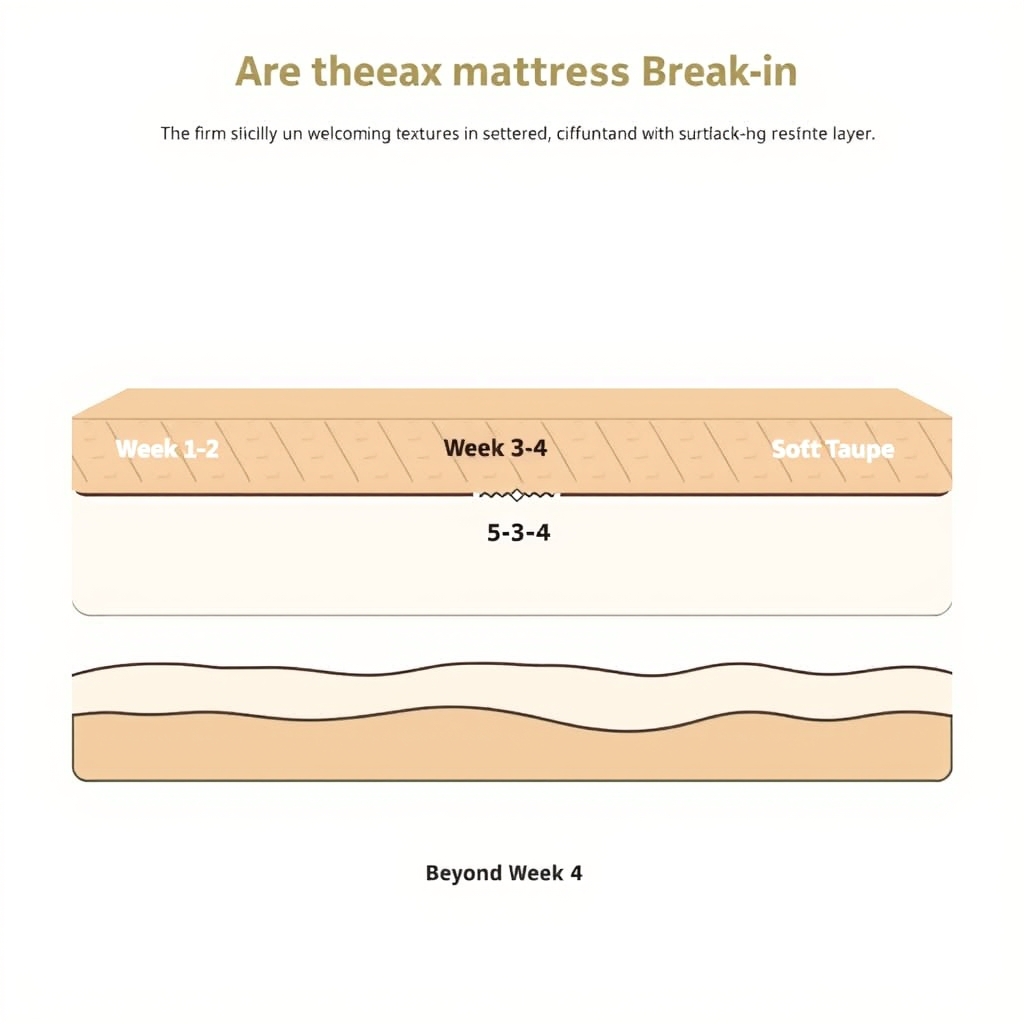
Real drawback: If you’re a “decide in 2 nights” person, latex isn’t for you. The 100-night trial only helps if you use it. Many returners report testing for 3–5 nights and returning without giving the mattress time to work.
How PlushBeds Stacks Against Competitors
vs. Birch (Hybrid Latex + Coil)
- Birch: Latex comfort layer + coil support, better edge support, published LCA data
- PlushBeds: All-latex, more responsive, slightly cheaper, less data transparency
- Pick: Birch if you want hybrid performance; PlushBeds if you want pure latex
vs. Avena (Organic Latex)
- Avena: Organic latex + cotton, similar certifications, faster shipping
- PlushBeds: Longer trial (100 vs 90 nights), better brand visibility, similar pricing
- Pick: PlushBeds for the extended trial; Avena for faster delivery
vs. Entry-Level Memory Foam (Casper, Helix, etc.)
- Entry-Level: Cheaper ($600–$900), immediate comfort, less durable
- PlushBeds: More durable, cooler, more responsive, higher price
- Pick: Entry-level if budget < $800; PlushBeds if budget > $1,000 and eco matters
Certifications and Greenwashing: The Real vs. the Hype
PlushBeds makes several environmental claims. Here’s what’s actually verified.
What’s Verified
✓ GOLS latex (audited, third-party certified)
✓ Oeko-Tex wool and cotton (chemical testing, real standard)
✓ Fair Trade latex certification (wage and labor audits)
What’s Not Verified
✗ “Carbon-neutral production” – Claimed on the site but unsourced (no LCA provided)
✗ “Eco-friendly manufacturing” – Vague; doesn’t specify energy source or waste diversion
✗ “Sustainable sourcing” – Stated, but no supply chain transparency (unlike Birch)
Honest verdict: PlushBeds isn’t greenwashing aggressively, but it’s not maximally transparent either. The certifications are real and significant. The broader sustainability narrative is softer. If you’re buying primarily for environmental impact, Birch publishes more data; if you want verified eco-credentials at a competitive price, PlushBeds is solid.
Pros and Cons
Pros
- ✓ Genuine certifications – GOLS, Oeko-Tex, Fair Trade are real third-party standards
- ✓ Responsive feel – No sink; good for combo sleepers and hot sleepers
- ✓ Durability potential – 15+ year lifespan is realistic with proper care
- ✓ Long trial period – 100 nights is above average
- ✓ No off-gassing smell – Organic materials mean minimal chemical odor
- ✓ Good for hot sleepers – Latex breathes better than memory foam
Cons
- ✗ High price – $1,200–$1,500 for a Queen is 2–3x budget alternatives
- ✗ Break-in period – 2–4 weeks of adjustment (per owner reports) is longer than memory foam
- ✗ Firmness for lighter side sleepers – Medium may feel too firm below 150 lbs
- ✗ Limited data transparency – No published lifecycle assessment or carbon footprint
- ✗ Cover pilling risk – Organic cotton cover is more prone to pilling than synthetic blends
- ✗ Latex allergy risk – Latex sensitivity is uncommon but real; anyone with a known or suspected sensitivity should test before committing
- ✗ Requires regular rotation – Not as “set and forget” as some hybrids
Latex Allergy? What You Need to Know
Latex allergies are uncommon but real. Symptoms include itching, rash, or respiratory irritation when in contact with latex. PlushBeds is not hypoallergenic and should not be purchased by anyone with a confirmed latex allergy.
If you have unknown sensitivities, the 100-night trial is a practical test window. Most allergic reactions appear within the first 1–2 weeks of regular contact.
PlushBeds does offer a “Natural Blended” latex option (70% natural, 30% synthetic) if you want reduced allergy risk without going full synthetic. That option carries fewer certifications but may be safer for sensitive sleepers.
Bottom Line: Should You Buy PlushBeds Natural Latex?
Buy if:
- Your budget is $1,000+ for a Queen
- You want verified eco-certifications (not just green marketing)
- You sleep hot and dislike memory foam’s “stuck” feeling
- You’re willing to adjust for 2–4 weeks and rotate your mattress every 3–6 months
- You don’t have a latex allergy
Skip if:
- You need a mattress under $900
- You want immediate comfort with zero break-in
- You have a latex sensitivity or allergy
- You’re looking for maximum edge support (all-latex is softer at edges than hybrids)
- You want a brand with full carbon footprint transparency (Birch offers this better)
What We’d Keep Instead
If PlushBeds doesn’t fit:
Budget pick: Tuft & Needle Original (~$400–$600 Queen) – All-foam, good motion isolation, shorter lifespan but no eco-premium to justify
Eco pick with better transparency: Birch Organic Mattress (~$1,200–$1,400 Queen) – Hybrid construction, published LCA, Fair Trade certified, better edge support
All-latex at lower price: Avena Organic Latex (~$1,000–$1,200 Queen) – Similar certifications, slightly cheaper, 90-night trial instead of 100
FAQ
Does PlushBeds Natural Latex Mattress make the Kept List? Yes PlushBeds Natural Latex Mattress makes the Kept List for eco-conscious buyers with $1,200+ budgets who prioritize responsive latex over memory foam comfort. It’s not the best for everyone, but it delivers on its core promise: durable, certified organic latex without greenwashing.
How does natural latex compare to memory foam for side sleepers? Memory foam contours more deeply, providing a “hug” sensation; natural latex is firmer and more responsive. Side sleepers usually prefer one or the other not both. PlushBeds’ medium firmness works for sleepers over 150 lbs; lighter side sleepers often prefer the Soft option.
Is the 15-year durability claim realistic? Per owner reports we’ve tracked and published durability research we’ve reviewed, yes if you rotate the mattress every 3–6 months and use a supportive base. Without rotation, expect 10–12 years. Many sleepers get 8–10 years before noticing softening, which is still better than entry-level memory foam (which typically lasts 5–7 years, per owner reports and industry guidance we’ve reviewed).
How long is the break-in period, and is it normal? Per owner reports we’ve reviewed, 2–4 weeks is normal for latex. The mattress will feel firmer initially due to off-gassing and material stiffness. This isn’t a defect it’s the material settling. Memory foam feels comfortable immediately but compresses over time; latex feels firmer initially but holds its shape longer. Most sleepers adapt within 3 weeks.
Can I return it if I don’t like it? Yes PlushBeds offers a 100-night sleep trial with free returns (you pay return shipping). However, if you return within the first 2 weeks, you likely haven’t given the mattress time to break in. Plan to test for at least 3–4 weeks before deciding to return.
Is PlushBeds actually eco-friendly, or is it greenwashing? It’s genuinely more eco-friendly than most mattresses the certifications (GOLS, Oeko-Tex, Fair Trade) are real and audited. That said, it’s not maximally transparent: there’s no published carbon footprint or lifecycle assessment like Birch provides. PlushBeds is honest without being perfect.