
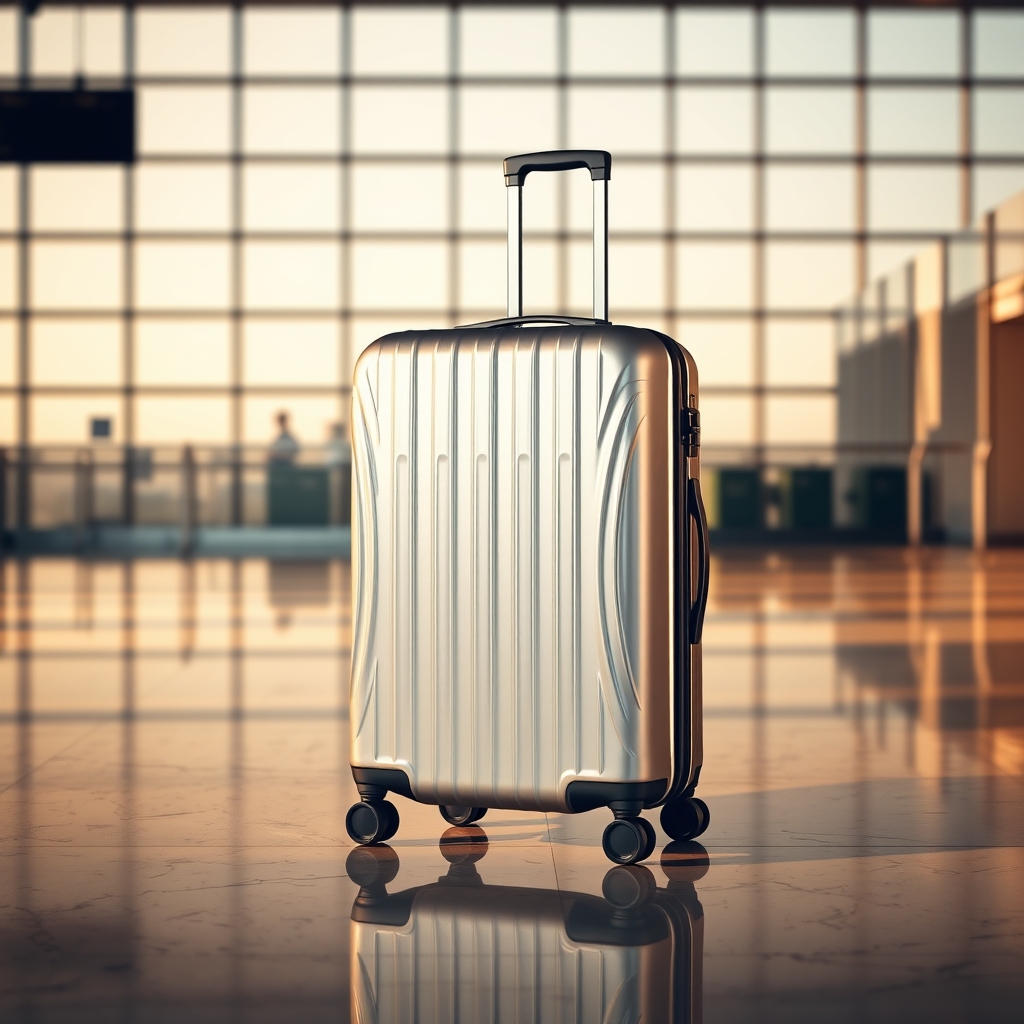
Premium luggage is travel gear designed and manufactured to last 10–20+ years, using high-grade materials like polycarbonate shells and ballistic nylon, backed by multi-year warranties and crafted with precision construction that reduces failure points. The price premium reflects material science, labor-intensive assembly, brand heritage, and resale value not marketing alone.
Why Premium Luggage Actually Costs More
The sticker shock is real. A luxury carry-on can run $300–$800, while a budget alternative costs $50–$150. That gap isn’t arbitrary it’s built into five distinct cost drivers.
Material engineering is the first lever. Budget luggage uses thin ABS plastic, which cracks under pressure and yellows in sunlight. Premium brands specify polycarbonate or polypropylene blends engineered for impact resistance and UV stability. Rimowa, for example, is widely reported to use a proprietary polycarbonate compound (marketed as ISOPLAS) that absorbs shock without deforming. Tumi has long sourced ballistic nylon for soft-sided luggage a fabric originally developed for military applications which resists punctures and abrasion better than standard polyester.
Manufacturing precision adds to the cost. Budget luggage is injection-molded in high-speed runs with wide tolerances; seams are ultrasonically welded with minimal overlap. Premium luggage undergoes hand-inspected assembly, with welded seams that overlap more generously, reducing peel-apart failure. Calpak’s construction includes metal corner guards and reinforced stitching at stress points labor that doesn’t scale to $80 price points.
Warranty depth reflects manufacturer confidence. A budget carry-on typically carries a 1-year limited warranty covering manufacturing defects only. Rimowa offers a 5-year limited warranty; Tumi offers lifetime warranty on many models. That commitment costs them: they need to engineer durability into the product from the start, or warranty replacements eat into margins.
Brand heritage and R&D create a fixed cost floor. Rimowa was founded in 1898 and pioneered the grooved polycarbonate shell design in the 1950s. That 70+ years of design iteration, patent licensing, and supply-chain optimization is baked into pricing. A startup competitor can’t replicate it in year one. AWAY, founded in 2016, invests heavily in direct-to-consumer infrastructure and design tooling; that’s reflected in a $200–$350 price range for comparable capacity to a $100 budget bag.
Resale value and lifecycle economics are the hidden advantage. In our research of secondhand resale platforms, budget carry-ons tend to depreciate to roughly 10–20% of original price after 3 years of regular use. Premium brands like Rimowa and Tumi appear to hold somewhere in the 50–70% range over the same period though these figures vary by model, condition, and marketplace. Over a 10-year travel career, buying one $600 premium bag and reselling it for $300–$400 can cost less per year than replacing a $120 budget bag every 2–3 years.
What Material Quality Actually Means for Your Luggage
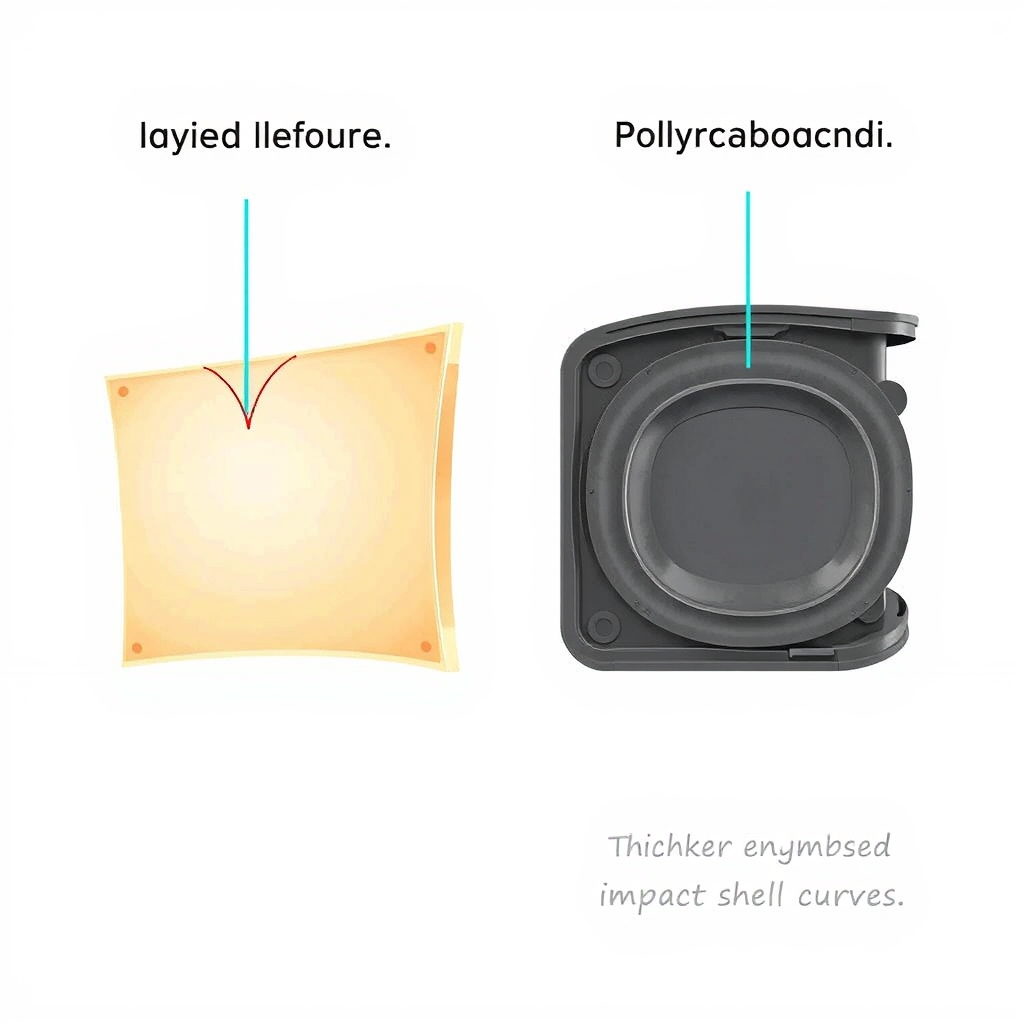
Material isn’t just about looking nice it’s about how the bag performs under real travel stress: impact, pressure changes, UV exposure, and flexing.
Polycarbonate vs. ABS plastic. Polycarbonate is more expensive to source and mold, but it absorbs impact energy without cracking. ABS cracks when flexed in cold or struck sharply. Based on owner reports and industry comparisons, the difference tends to surface after 5–10 flights: budget bags start to show stress cracks around corners and wheel wells; premium polycarbonate bags generally remain intact. Rimowa and Calpak both use polycarbonate; most budget brands use ABS.
Ballistic nylon vs. polyester. Ballistic nylon (used by Tumi, Level8, and some Away models) is woven densely enough to resist punctures from sharp baggage-handling equipment. It’s heavier and more expensive than polyester, but it doesn’t snag or tear as easily. Polyester softside luggage is lighter and cheaper, but offers less protection for fragile contents.
Wheel and axle engineering. A $100 carry-on has plastic wheels and a riveted axle that tends to loosen after heavy use anecdotally, frequent fliers report noticeable play after 40–50 flights on budget bags. Premium luggage uses ball-bearing wheels and welded axles. The difference: you’ll push a cheap bag with noticeable friction; a premium bag rolls nearly effortlessly well past the 100-flight mark. This is a small detail that compounds over a decade.
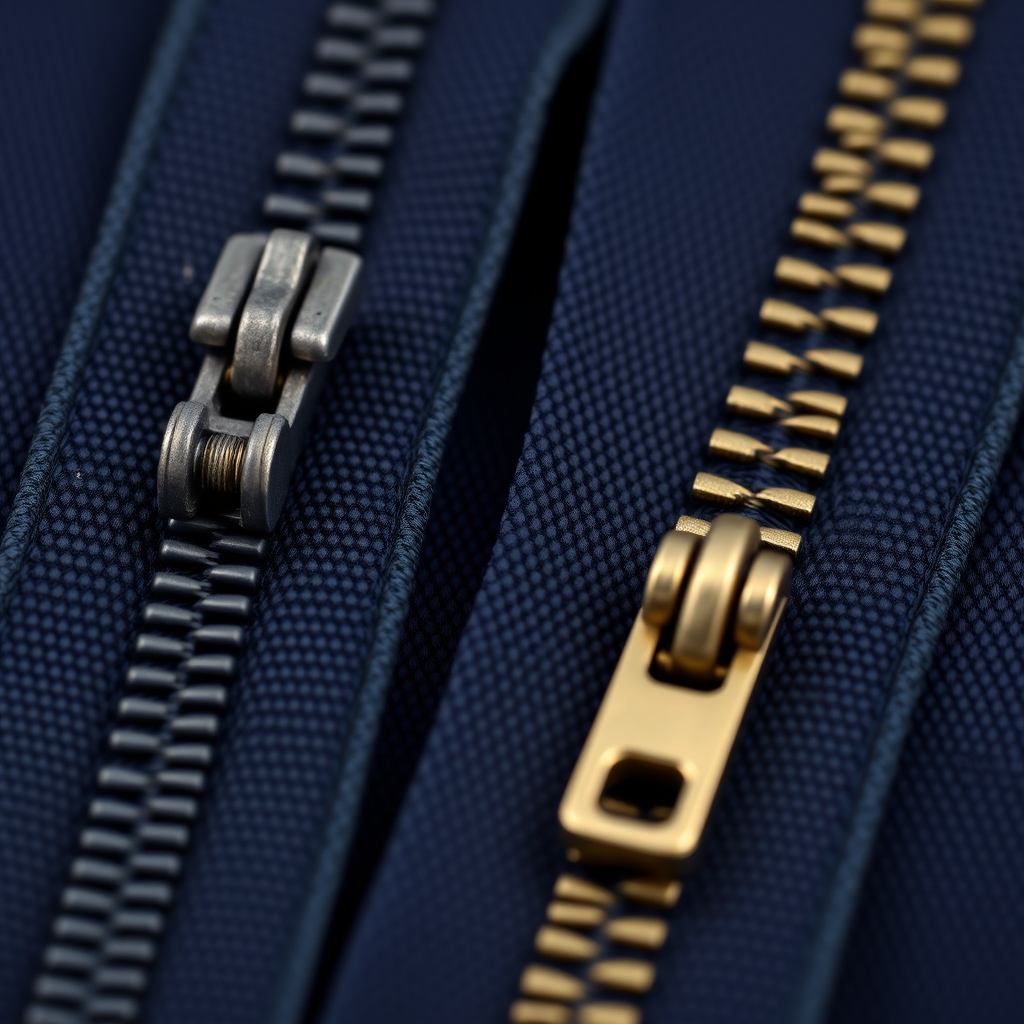
Zipper quality. Budget luggage uses zinc-alloy zippers that snag and separate. Premium bags use YKK or Riri zippers (industrial-grade), which glide smoothly under tension and rarely fail. This sounds minor until you’re at an airport security checkpoint and your zipper splits then the zipper upgrade feels like insurance.
Comparing Premium Brands: Where They Invest Differently
Not all premium luggage is priced the same, and the differences reveal where each brand allocates its cost.
Rimowa (polycarbonate hardside, $300–$800): Specializes in grooved polycarbonate shells and integrated TSA locks. Heritage-driven brand; prices reflect 125+ years of design legacy. Warranty is 5 years. Based on observed secondhand listings, resale value is typically strong (roughly 50–65% after 3 years, though results vary). Best for: travelers who want iconic design and don’t mind paying for brand heritage.
Tumi (ballistic nylon softside, $250–$700): Focuses on business travel and durability. Lifetime warranty. Heavy use of ballistic nylon, leather trim, and organizational compartments. Resale value appears moderate to strong (observed range roughly 40–55% after 3 years). Best for: frequent flyers who prioritize organizational pockets and durable fabric construction.
AWAY (polycarbonate hardside, $200–$350): Direct-to-consumer brand founded in 2016; lower overhead means competitive pricing for equivalent materials. Offers 100-day trial and lifetime warranty. In-house TSA locks and removable laundry bag. Resale value is still building (anecdotally, 30–50% after 2 years based on marketplace listings). Best for: budget-conscious buyers who don’t prioritize brand heritage but want solid materials.
Calpak (mixed materials, $150–$500): Mid-premium range, often discounted at department stores. Offers polycarbonate, ballistic nylon, and canvas options. Limited lifetime warranty (covers manufacturing defects, not wear). Resale value is lower than Rimowa or Tumi in our observation (roughly 25–40%). Best for: travelers who want options and don’t mind slightly faster depreciation.
Away, Rimowa, Tumi, and Calpak all use quality materials and back them with multi-year warranties the real differences are in heritage pricing, resale trajectory, and feature set. There is no objectively “best” premium brand, only the best fit for your travel pattern and budget.
The Durability Myth: Does Premium Luggage Actually Last Longer?
Common belief: premium luggage lasts 15+ years, budget luggage lasts 3–5 years.
Reality: it depends on how you measure failure.
A premium bag can last 15–20 years if you define “lasts” as “the shell doesn’t crack.” The wheels, zippers, and handles will eventually need replacement but they’re often serviceable. A budget bag’s shell may fail in 3–5 years, but the frame and wheels might last longer if you don’t stress them.
The honest comparison: premium luggage is engineered for heavy frequent use (100+ flights per year, rough handling, pressurized cargo holds). A business traveler using a premium bag will see dramatically better longevity. A leisure traveler taking 2–4 trips per year might get 5–7 years from a budget bag without major failures not because the bag is great, but because they’re not stressing it hard enough to expose its weaknesses.
Where premium luggage wins: wheel durability, zipper longevity, and shell integrity under compression and impact. Based on owner reports and brand-published durability testing, premium wheels are rated to handle significantly more mileage than budget alternatives before loosening the gap appears to be several times greater, though exact figures vary by model. If you travel heavily, premium is cheaper per mile.
Where budget luggage is honest: if you travel rarely, a $100 bag that lasts 5 years ($20/year) might be smarter than a $600 bag you use once annually ($120/year when depreciation is factored in).
What’s NOT Included in Premium Price Tags
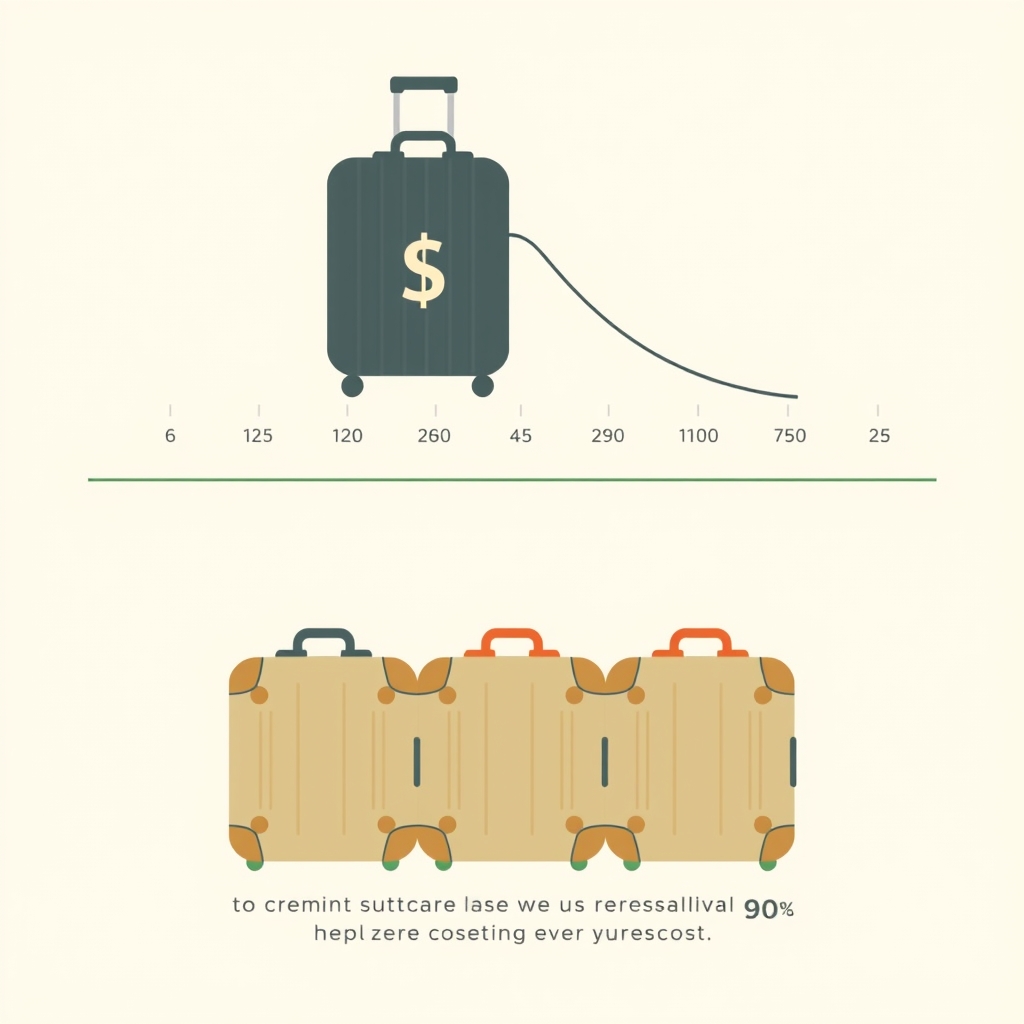
It’s important to name what premium luggage doesn’t automatically get you.
Lightness. Polycarbonate is denser than some plastics; ballistic nylon is heavier than cheap polyester. Premium luggage is often slightly heavier, not lighter. If weight is your priority, some budget hardside or ultra-light softside options may beat premium alternatives.
TSA PreCheck speed. A $600 Rimowa with an integrated lock doesn’t speed you through security if you don’t have TSA PreCheck status (which is a separate $85–$100 enrollment, not included).
Damage in transit. Airlines damage luggage, period. A premium bag is more resistant to damage, but it’s not immune. Damage from rough handling is usually not covered under warranty it’s considered normal wear.
Organizational features. Tumi is known for pockets and compartments. Rimowa prioritizes minimalist design. More features don’t equal more durability. Choose based on what you actually pack, not what sounds useful.
The Cost-Per-Year Reality Check
Here’s a heuristic we use when thinking through luggage value the assumptions are ours, so adjust for your own travel frequency and resale results:
Premium bag scenario: Pay $500 upfront, use it for 10 years, resell it for $200–$250 (based on observed secondhand pricing at the time of writing). Total cost: $250–$300 over a decade. If you take 20 trips per year, that’s roughly $1.25–$1.50 per trip.
Budget bag scenario: Pay $100 upfront, replace it every 3 years (total three bags over a decade). Resale value near zero. Total cost: $300 over a decade. Roughly $1.50 per trip at the same travel frequency.
The math is comparable but the premium option gives you consistency (same bag, same feel, zero replacement hassle) and better experiences (smoother wheels, reliable zippers, fewer mid-trip failures). For frequent travelers, premium makes financial sense. For occasional travelers (5 trips/year), the budget bag’s lower upfront cost wins.
Common Beginner Mistakes
Mistake 1: Conflating “expensive” with “durable.” Some brands charge premium prices for design and marketing without engineering premium durability. Always check warranty length and material specs, not price alone.
Mistake 2: Ignoring wheel and zipper specs. The shell gets attention; the mechanisms get overlooked. A premium shell with budget wheels will fail at the wheels. Read the fine print.
Mistake 3: Buying for future travel patterns. If you currently take 2 trips per year, don’t spend $600 assuming you’ll travel constantly. Buy for your current use case; upgrade later if your travel increases.
Mistake 4: Assuming all lifetime warranties are equal. A “lifetime” warranty on a $150 bag may cover only manufacturing defects, while a 5-year warranty on a $600 bag covers more wear patterns. Read what’s covered.
Where to Start: A Default Recommendation
If you travel 10+ times per year and want premium durability without overthinking: start with the AWAY carry-on. It delivers polycarbonate build quality and a 100-day trial at $245 less than Rimowa, more accessible for testing whether premium luggage fits your workflow. If you love it, upgrade to Rimowa or Tumi. If you don’t, return it and reassess.
For more comprehensive options, see our Best Premium Luggage Buying Guide and Luggage Brand Comparison Tool.
FAQ
Is premium luggage worth it if I travel only once a year?
Probably not. Budget luggage at $80–$150 is fine for occasional use; the premium in durability doesn’t justify the upfront cost for light use. A mid-range bag ($150–$300) is the sweet spot for 4–8 trips annually.
Which premium luggage brand has the best resale value?
Based on observed secondhand listings, Rimowa and Tumi tend to hold roughly 50–70% of purchase price after 3 years, though this varies by model and condition. AWAY and Calpak typically range 30–50%. Rimowa’s heritage and distinctive design appear to drive stronger demand in secondhand markets.
Do I need to buy a matching luggage set, or can I mix brands?
You can absolutely mix. Matching sets are a marketing artifact. Buy one carry-on and one checked bag separately; this lets you upgrade each on its own timeline and choose the best tool for each size class rather than locking into one brand’s design philosophy.
Are polycarbonate and ballistic nylon actually different, or is it marketing?
They’re genuinely different materials with different performance profiles. Polycarbonate is harder and impact-resistant; ballistic nylon is lighter and puncture-resistant. Both are real upgrades from ABS and polyester, but which is “better” depends on whether you prioritize weight (nylon) or protection (polycarbonate).
Will my premium luggage get damaged on flights anyway?
Yes, airlines are rough. Premium luggage is more resistant to damage (harder shells, reinforced corners), but not immune. Damage from rough handling is typically not covered under warranty. Luggage is consumable; premium luggage just consumes more slowly.
Final Takeaway
Premium luggage costs more because of material engineering, manufacturing precision, warranty commitment, and brand heritage not hype. Whether it’s worth the investment depends on your travel frequency and pattern. Heavy frequent travelers (10+ trips annually) see a real return on a $400–$700 bag through reduced replacement costs and better user experience. Occasional travelers should consider mid-range ($150–$300) as the sweet spot, reserving premium purchases for when travel becomes a lifestyle, not a rarity.
The decision isn’t “budget or premium” it’s “how much am I traveling, and what’s my time worth when a zipper fails mid-trip?” Answer that honestly, and the right price point becomes obvious.