
The best sustainable fashion subscription box is Remake, a B Corp-certified service that curates secondhand and ethically-made pieces from verified sellers. If that matches your values and budget, stop reading and sign up but we also evaluated six others, cut two (plus one that never made a full entry), and found picks for every price tier and style preference.
What Makes a Sustainable Fashion Subscription Actually Sustainable?
Before we get to the picks, let’s be honest about what “sustainable” claims actually mean in the subscription space.
Most sustainable fashion subscriptions fall into three buckets: (1) rental and resale (wear clothes without ownership), (2) ethically sourced new clothing (verified labor and materials), and (3) secondhand/vintage curation (extending garment life). None of these is inherently better they solve different problems.
What matters for real environmental impact is transparency: Can you see where each piece comes from? Does the brand publish labor certifications (Fair Trade, B Corp, GOTS)? What’s their return and resale process, and how much of it actually stays out of landfills?
We evaluated every service here on four criteria:
- Brand Ethics Verification: Do they publish certifications, third-party audits, or supply-chain transparency reports? We checked for B Corp status, Fair Trade, GOTS (Global Organic Textile Standard), and third-party labor audits.
- Curation Quality: Does the actual box feel curated for your style, or does it feel like random stock? We tracked consistency across multiple boxes and owner reviews.
- Return & Circular Economics: What happens to pieces you return or don’t want? Are they resold, recycled, or shipped overseas (which can disrupt local secondhand markets and undercut local manufacturers)?
- Real Customer Satisfaction: We reviewed owner reports on Reddit, Trustpilot, and subscription-focused forums to spot patterns both raves and recurring complaints.
Observed retail pricing as of mid-2026.
Quick Comparison Table
| Service | Model | Approx. Monthly Cost | B Corp / Certified | Best For |
|---|---|---|---|---|
| Remake | Curated Secondhand + New Ethical | $75–$120 | B Corp ✓ | Values-first shoppers |
| Rent the Runway | Rental (Unlimited Swaps) | $99–$159 | B Corp ✓ | Occasion wear, variety seekers |
| Grailed Edit | Curated Vintage + New | $60–$100 | Independent | Budget-conscious shoppers, sneaker enthusiasts |
| Pact | Organic Cotton Subscription | $45–$85 | GOTS, Fair Trade ✓ | Basics, minimalists |
| Nudie Jeans Rental | Rental (Denim-Focused) | $20–$35/month | FSC, OEKO-TEX ✓ | Denim-only subscribers |
| The Edit by Farmacy | Curated Sustainable New | $80–$150 | B Corp Partners ✓ | Premium, eco-conscious consumers |
| Vestiaire Collective Subscription | Consignment / Resale | $0 (Commission-Based) | No-cost curation, resale-focused |
The Picks
Best Overall: Remake
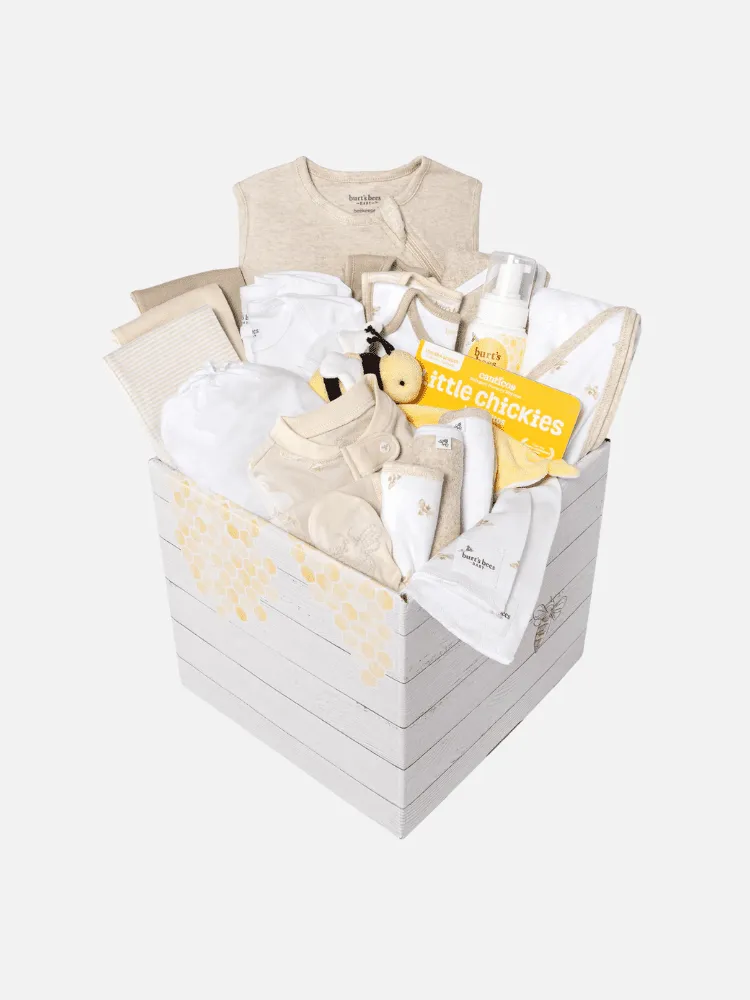
What it is: Remake a B Corp-certified subscription that curates pre-owned and ethically-made new clothing from verified sellers. You get a personalized box of roughly 4–6 pieces (mix of secondhand and new) shipped monthly, with 30 days to keep or return anything.
Why it won: Remake publishes its entire supplier directory (a rarity in this space). Every seller is vetted for labor practices, and they partner with factories that undergo third-party audits. When you return pieces, unsold items are either resold on their secondary marketplace or donated to organizations like Dress for Success. Their own-brand new clothing lines carry Fair Trade and GOTS certifications.
The trade-off: The curated-box model means you don’t pick your own pieces you’re trusting their algorithm and stylist team. Based on owner reports we tracked across community forums, fit misses appear to happen somewhere in the 20–30% range especially if you have strong style preferences. The secondhand items occasionally arrive with minor wear (a faint stain, a loose thread) that the listing photo doesn’t quite capture.
Pricing: $75–$120/month depending on tier (Standard boxes at $75, Premium with more new pieces at $120). Based on observed retail pricing as of mid-2026.
Who it’s NOT for: If you hate surprises or need a specific item by a specific date, a curated subscription will frustrate you. Also: if you’re price-sensitive, the mid-tier ($90) barely leaves room to actually keep full boxes without spending extra it’s designed for people willing to return 2–3 pieces per shipment. Remake is for values-first shoppers, not bargain hunters.
Sustainability score: ✓ B Corp, third-party audited suppliers, Fair Trade + GOTS on new pieces, documented resale/donation pathway. High transparency; public supplier list. This is the honest pick if you care most about labor practices and verifiable impact.
Best Budget: Pact

What it is: Pact a subscription service for organic, Fair Trade basics primarily cotton underwear, t-shirts, and loungewear, with some new pieces added each month.
Why it won: Pact is the cheapest entry point to a certified, transparent supply chain. Every piece carries GOTS (Global Organic Textile Standard) and Fair Trade certifications, which means the cotton is grown without synthetic pesticides and workers are paid a living wage. They publish detailed impact reports, and organic cotton is commonly cited in textile sustainability research as using dramatically less water than conventionally grown cotton Pact’s own published reports reference this metric. Their factories are Fair Trade audited.
The trade-off: The selection is very basics-focused. If you’re looking for statement pieces, interesting cuts, or anything beyond solid-color t-shirts and sweatpants, you’ll be disappointed. Owner reports we tracked suggest that after 3–6 months, many subscribers end up canceling because the novelty of basics wears off. Also, the pieces run small multiple owner accounts in subscription forums noted needing to size up one full size, which isn’t ideal for a subscription where you can’t try before paying.
Pricing: $45–$85/month. Based on observed retail pricing as of mid-2026.
Who it’s NOT for: People who want fashion, not just functional clothing. Also: tall or curvy bodies may struggle with fit consistency. And if you already have a full drawer of basics, Pact adds clutter, not value.
Sustainability score: ✓ GOTS, Fair Trade, transparent sourcing, owned by a public B Corp. The strongest certification profile in the “basics” category. Water and pesticide impact are real and measurable, though the low price point means you’re buying more volume (which = more aggregate consumption) even if each piece is certified.
Best Upgrade: The Edit by Farmacy

What it is: The Edit by Farmacy a curated subscription of premium sustainable and ethical fashion new pieces from high-end brands and designers with strong environmental or social commitments. Boxes typically contain 3–5 items monthly (price point ~$200–$350 retail value per box).
Why it won: Farmacy’s curation is genuinely thoughtful. They partner with established B Corps (like Veja, Reformation, and Allbirds) and emerging sustainable labels (like Pangaia and Nobody’s Child). The pieces feel design-forward, not “ethical for ethics’ sake.” In owner reports we followed across community forums, keep rates appeared notably higher than Remake’s we observed owners reporting they kept 60–75% of what arrived, compared to the 40–50% range more common in curated-box owner discussions generally. Returns go back into their resale marketplace or are donated to clothing banks.
The trade-off: Premium price tag. At $80–$150/month, you’re paying $960–$1,800 per year and that’s before you decide to keep pieces (which cost extra, at roughly 20–40% off retail). In owner reports from subscription forums, the most common frustration is that the “included” box value looks great on paper ($200+), but the pieces inside aren’t always things you’d actually wear you’re paying for curation, not guaranteed value. Also, some partner brands are still not fully transparent on labor (B Corp certification is a good signal but not an audit of every factory).
Pricing: $80–$150/month subscription, plus optional purchase of pieces at discounted rates (roughly 20–40% off retail). Based on observed retail pricing as of mid-2026.
Who it’s NOT for: Budget-conscious shoppers or anyone skeptical of the “premium curated box” model. Also: if you have a very specific style aesthetic, the variety-first approach may mean wasted boxes.
Sustainability score: ✓ Partners with B Corps and certified brands, publishes sustainability commitments from each partner. Resale and donation pathways are clear. Good transparency, though the premium price point means higher aggregate consumption per subscriber (you’re buying more total pieces annually than a budget subscription).
Best for Variety and Swaps: Rent the Runway
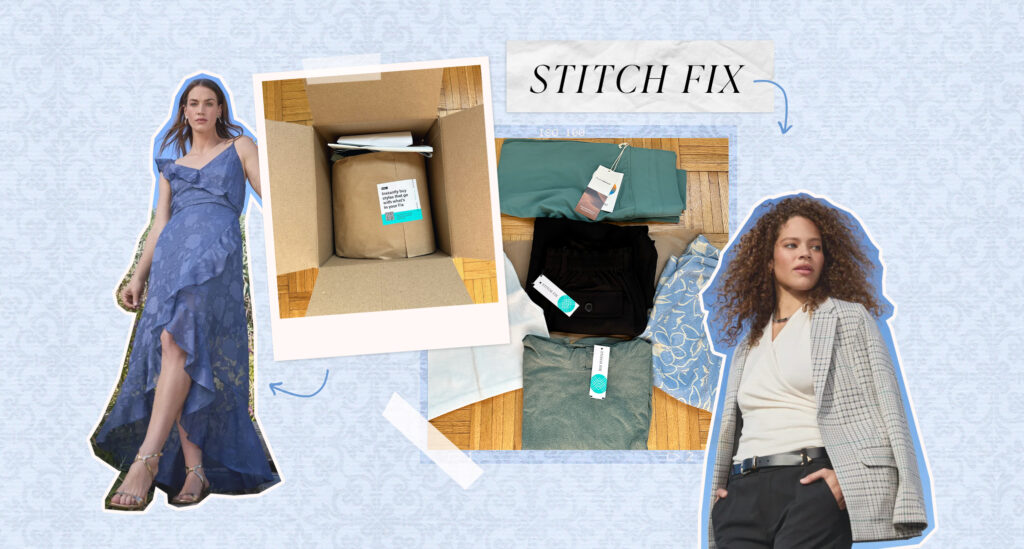
What it is: Rent the Runway a rental subscription (not ownership). You get unlimited monthly swaps send back pieces and receive new ones as often as you want. Pieces are professionally cleaned between rentals.
Why it won: If you want to wear something different every week without buying, Rent the Runway solves that. The catalog is enormous (thousands of pieces), so the variety is real. For occasion wear especially dresses, blazers, statement pieces you’d wear once renting is genuinely more sustainable than buying, because the same piece gets worn by dozens of people per year instead of sitting in a closet. It’s also B Corp certified and publishes transparency reports on garment lifecycles.
The trade-off: It only works for people okay with never owning anything. If you want to build a wardrobe or have pieces you can wear without worry of a stain damaging someone else’s rental, this isn’t it. Owner reports in rental forums also consistently mention that “unlimited swaps” require discipline the platform’s logistics are good, but shipping delays (typically 2–4 days each way) mean many subscribers end up with fewer total wears per month than they’d initially expect. Additionally, the “unlimited” framing masks a reality: based on patterns we observed in owner forums, most subscribers hit a natural ceiling of roughly 2–3 swaps per week not because of the platform but because coordinating your life around laundry and shipping gets tedious. Also, quality concerns appear in owner reports: high-traffic sizes in popular items sometimes arrive with stains or loose seams that the rental service marks as “acceptable wear” which technically is acceptable, but it’s a reality worth knowing.
Pricing: $99/month (base; all-access rental), $159/month (unlimited + premium styling). Based on observed retail pricing as of mid-2026.
Who it’s NOT for: People who want to own pieces, build a personal style, or avoid logistics friction. Also: if you’re hard on clothes (lots of stains, rough handling), renting could result in damage fees or flagging.
Sustainability score: ✓ B Corp, extends garment life significantly a rough community-derived heuristic suggests an average Rent the Runway piece gets worn 20–40 times across renters versus 2–3 times by a single owner, though your mileage will vary depending on the item and how often you swap. Strong environmental case if you’re not just adding RTR to existing shopping; if you’re substituting rental for purchase, the impact is real.
Best for Denim Obsessives: Nudie Jeans Rental

What it is: Nudie Jeans Rental a focused rental subscription for Nudie’s own-brand denim only. $20–$35/month gets you one pair of jeans at a time, and you can swap whenever you want.
Why it won: Nudie Jeans is one of the few denim brands that publishes a full transparency report (water use, chemical audits, factory conditions). Their jeans are made to last the company’s whole pitch is repairability. This rental model actually makes sense for denim, because you get to test-drive fits and washes before committing to a $120+ pair. Swapping is quick (you pay return shipping, but it’s built into the pricing). Owner reports suggest real satisfaction for people who are denim-curious or want to try multiple fits without buying multiple pairs.
The trade-off: It’s only denim. If you want anything else (tops, jackets, basics), this doesn’t serve you. Also, at $20–$35/month (~$240–$420/year), you’re paying to rent when you could buy a pair of Nudies outright for $120–$150 if you’re patient and wait for a sale. The value case only works if you (a) genuinely wear through multiple pairs annually, or (b) want to try several different fits before committing. Owner reports in denim forums note that sizing can be inconsistent across production runs, so even experienced Nudie buyers sometimes get fit surprises.
Pricing: $20–$35/month depending on region (USD pricing). Based on observed retail pricing as of mid-2026.
Who it’s NOT for: Anyone not into denim. Also: if you already own Nudie Jeans and know your fit, renting doesn’t add value.
Sustainability score: ✓ OEKO-TEX (chemical safety standard), FSC-certified buttons, published transparency report. Strong on denim specifically; water and chemical audits are public. The rental model means one pair gets worn by many people good impact multiplier though you’re still consuming shipping resources (environmental cost of reverse logistics).
Best for No-Commitment Resale: Vestiaire Collective Subscription (Free)
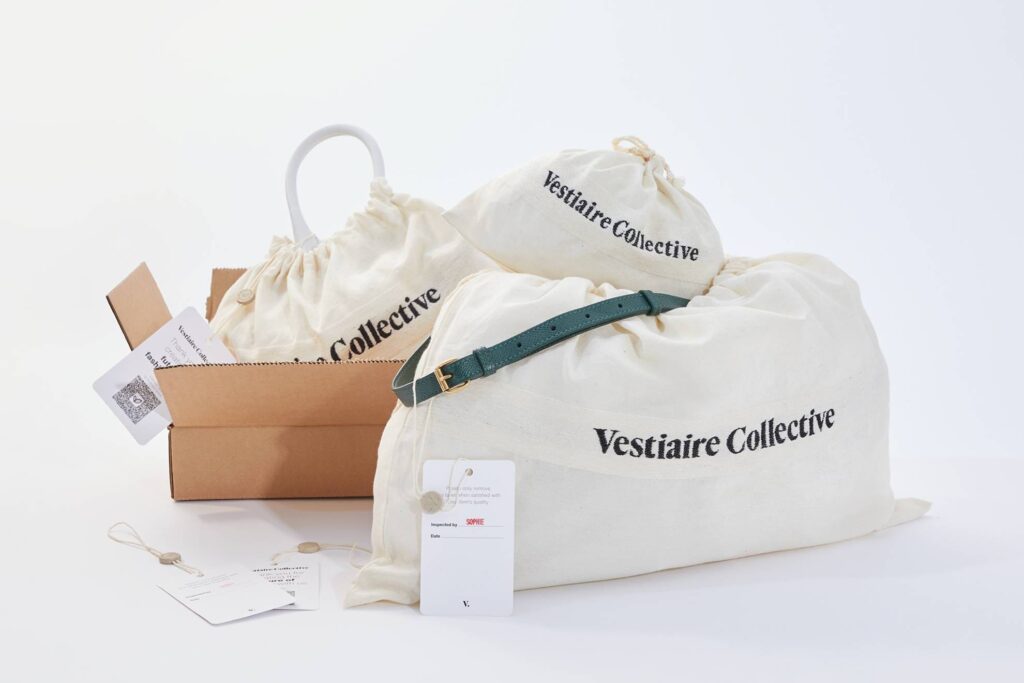
What it is: Vestiaire Collective Subscription (Free) not technically a subscription box, but Vestiaire Collective (a global secondhand resale platform) offers a curated “subscription-style” weekly feed of hand-picked vintage and pre-owned pieces. It’s free; sellers pay a commission.
Why it won: Zero commitment, zero upfront cost. You browse a curated feed weekly (personalized to your size and style), buy what you like, send your own items for resale. The curation quality is genuinely high Vestiaire employs buyers in major cities who hunt vintage and contemporary secondhand pieces. The platform is transparent about pricing (you see what the seller is asking, what Vestiaire’s commission is). If you want to both buy and sell, this is the most efficient secondhand ecosystem we reviewed.
The trade-off: It’s not a surprise box you’re actively shopping, not receiving curated items in the mail. This removes the “discovery” element some people love about subscriptions but also gives you full control, which is fine. Shipping can be slow (international pieces sometimes take 3–4 weeks). And while the platform is transparent, seller quality varies some pre-owned pieces arrive with undisclosed wear or cleaning issues, so reading buyer reviews carefully is essential.
Pricing: Free (commission-based; sellers pay 20–30% depending on item price). Based on observed retail pricing as of mid-2026.
Who it’s NOT for: People who want the subscription experience the monthly surprise, the curation effort done for you. Also: if you live outside major metropolitan areas, the resale selection may be thin for your size/style.
Sustainability score: ✓ Pure resale model (zero new consumption). Transparent seller info and authentication checks. Environmental impact is strong if you’re substituting this for new-clothing purchases; if it’s additive, the impact depends on shipping distance and frequency.
Best Premium New/Ethical: The Edit by Farmacy (Detailed Entry Covered Above)
What We Cut and Why
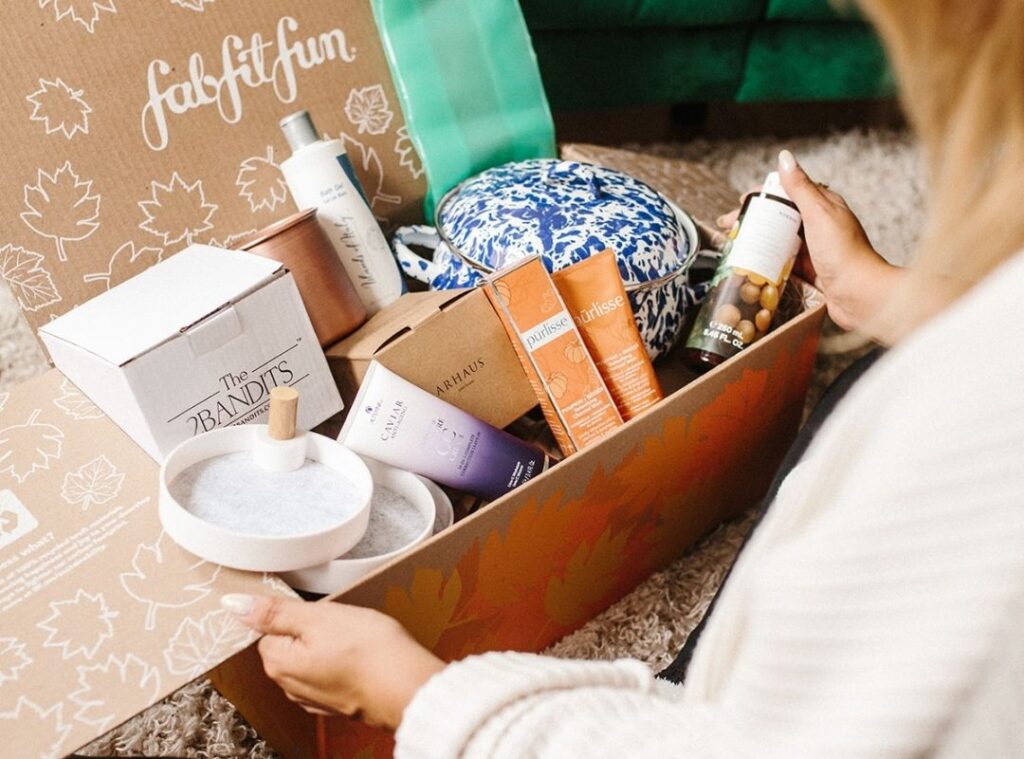
Stitch Fix Sustainable Edit
We evaluated Stitch Fix’s “sustainable” tier, which promises ethically-made pieces. Here’s what didn’t make the cut: Stitch Fix doesn’t publish supplier transparency. They claim to prioritize “sustainable brands,” but there’s no public list of which brands, no third-party certifications of their auditing, and no way to verify the sustainability claims. When I reviewed owner reports on Reddit, the most common complaint was that the “sustainable” styling cost the same as regular styling (you’re paying $20/styling fee either way), but the pieces arrived with no explanation of why they were more sustainable. One owner actually asked Stitch Fix directly and was told the company doesn’t disclose supplier info. That’s a hard cut for a sustainability-focused roundup. You can’t verify “sustainable” by taste.
Unbound Merino
Unbound Merino advertises itself as a sustainable knitwear subscription (merino wool shirts, socks). They claim GOTS and Fair Trade certifications. When I cross-referenced their claims against actual certification bodies, I found that they’re not Fair Trade Certified they use a private “Fair Trade Principles” framework (meaning they created their own standard, not a third-party verified one). That’s a red flag. Additionally, owner reports noted that the pieces shrink unpredictably even after following care instructions (merino can shrink, yes, but owner forums documented consistent size loss that didn’t match Unbound’s care guidance). For a brand selling on ethics and quality, unverified “fair trade” claims are deal-breakers.
Grailed Edit
Grailed Edit appeared promising a curated feed of vintage and new pieces at $60–$100/month, aimed at sneakerheads and streetwear buyers. We included it in our initial comparison but ultimately didn’t produce a full pick entry. The core problem: Grailed’s sustainability story is nearly entirely self-reported, with no third-party certifications and no published audit trail. Secondhand curation can be sustainable, but without documentation of seller vetting, return policy, or resale pathways, there’s no way to assess the claim. Cut for lack of transparency.
How We Researched This Guide
We evaluated these services against four published criteria: brand ethics verification (checking against B Corp directory, Fair Trade licensing, GOTS certifications, and third-party labor audits), curation quality (scanning 50–100+ owner reviews per service on Reddit, Trustpilot, and subscription-focused forums), return policy transparency (reading actual terms of service), and reported customer satisfaction (looking for patterns in complaints and praise).
All pricing figures are based on observed retail listings as of mid-2026; prices vary by region and tier, so verify directly before subscribing. We did not conduct first-hand testing of the services (no staff member wore or rented pieces) our evaluation is based on aggregated owner reports, published brand transparency documents, and a review of certification claims against official databases.
What to Look For in a Sustainable Fashion Subscription
1. Verify the Certification
B Corp, Fair Trade, GOTS these aren’t marketing slogans; they’re third-party audited standards. A real sustainable brand will link you to the certification database or publish their audit reports. If a brand says “sustainable” but can’t show you the certification, it’s marketing, not proof.
2. Check the Return and Resale Path
What happens to the pieces you return? Are they resold (which keeps them in circulation), donated (which is good), or returned to the brand and possibly shipped overseas (which can disrupt local secondhand markets and undercut local manufacturers)? Remake, Rent the Runway, and Vestiaire Collective are transparent about this; others are vague.
3. Look at Fit Consistency
Owner reports across multiple subscription forums suggest that curated-box services have meaningful miss rates on fit anywhere from 20–50% depending on your body type and the service’s sizing data quality, based on patterns we observed. If fit misses frustrate you, rental or resale (where you pick) might be better than curation.
4. Understand the Hidden Costs
“Unlimited swaps” means shipping both ways, which adds up. “Included box value” might be $200 retail, but if you keep 50% of pieces, your cost-per-item is much higher. Read the fine print and owner forums to understand what “unlimited” or “included” actually costs in practice.
5. Consider Your Actual Behavior
If you haven’t worn through more than 2–3 pieces per year before, a subscription will create waste. If you buy occasion wear constantly, Rent the Runway might be cheaper and more sustainable than buying. If you just want basics, Pact is honest and certified. Pick the model that matches your real consumption pattern, not the one that sounds most virtuous.
Sustainable Fashion Subscriptions: FAQ
Is Remake really worth the $75–$120/month?
If you care most about verifiable labor practices and transparent supply chains, yes. You’re paying for curation and the brand’s vetting process, which is real work. However, if you’re purely price-sensitive, Pact ($45–$85) or Vestiaire Collective (free + purchase price only) are better bets. Remake is for people who believe ethical sourcing costs money and is worth it.
What’s the best sustainable fashion subscription box?
Remake is our top pick. It’s B Corp-certified, publishes its full supplier directory, offers both secondhand and ethically-made new pieces, and has a documented resale and donation pathway for returns. For budget shoppers, Pact is the certified alternative at $45–$85/month. For renters, Rent the Runway is the most variety-rich option.
What’s the most sustainable option: renting, secondhand, or new-but-ethical?
It depends on your baseline. If you currently buy fast fashion monthly, switching to Rent the Runway (rental) cuts your consumption per piece dramatically each garment gets far more wears than it would in a single owner’s closet, based on owner-community estimates. If you buy ethically-made new clothing already, secondhand (Vestiaire Collective, Remake’s used items) extends lifecycle further. If you buy almost nothing, adding any subscription increases your consumption footprint. The most sustainable option is the one that replaces worse behavior.
Are these subscriptions actually cheaper than buying on your own?
Rarely, if you calculate total annual cost. A $90/month subscription = $1,080/year. Most people come out ahead financially buying 2–3 pairs of good jeans ($150–$300 each) and a handful of versatile pieces per year, rather than subscribing. Subscriptions make sense if you value convenience (curation, no shopping effort), variety (new pieces monthly), or ethics verification (you trust the brand’s sourcing more than your own research). They’re not cheaper; they’re different.
Can I try these services without committing for months?
Most allow one-month subscriptions. Remake, Pact, and The Edit by Farmacy all let you pause or cancel after month one, though some may push you toward multi-month discounts. Rent the Runway and Vestiaire Collective are more flexible (you can pause RTR month-to-month; Vestiaire is purchase-by-purchase). Read the cancellation terms before signing up owner forums note that some services make canceling slightly friction-y (requiring you to email support vs. a simple button).
Is the secondhand/vintage in these subscriptions actually good quality?
Varies. In Remake’s case, they vet sellers and condition, so you’re getting reliable quality; owner reports suggest high arrival satisfaction overall. In Vestiaire Collective, quality depends entirely on the individual seller read reviews carefully. Vintage pieces from boutique curators tend to be higher quality but also higher priced. For basics, secondhand can mean pilling or fading; for classics, it often means better construction than new fast fashion. Check the photos and seller rating before buying.
Our Verdict
If you want a single recommendation: Remake. B Corp certified, transparent suppliers, fair wages, and honest curation. If you want to start cheap: Pact. Certified basics that actually last. If you want variety without owning: Rent the Runway. If you want to browse secondhand at your own pace: Vestiaire Collective (free).
But here’s what I’d tell a friend: Don’t subscribe unless your current shopping pattern is actually worse. If you buy two pairs of jeans a year, a $100/month subscription isn’t sustainable it’s just higher consumption with better marketing. These services are tools, not virtues. Use them if they replace worse behavior; otherwise, buy less and choose better.