
If you’ve been waking up with sharp heel pain or limping through your day, plantar fasciitis shoes are not optional they’re the foundation of recovery. Verdict: Keep New Balance 990v6 or ASICS Gel-Kayano. Both deliver measurable arch support and real cushioning. If that’s you, stop reading and buy one of these.
Plantar fasciitis happens when the tissue along the bottom of your foot gets inflamed, usually from repeated strain or poor foot mechanics. The right shoe doesn’t cure it, but it takes stress off that tissue and lets your foot heal. We’ve researched and compared leading orthopedic brands based on arch height, heel-to-toe drop, cushioning density, and owner feedback patterns. Here’s what kept and what we cut.
What to Look for in Plantar Fasciitis Shoes
Arch Support Structure
Not all “arch support” is equal. Plantar fasciitis shoes need a firm, contoured insole that lifts the arch and distributes pressure evenly. Shallow arch cups (common in budget shoes) won’t do the job. Look for shoes that mention “stability” or “motion control,” which signal a stiffer midsole and higher arch prominence.
Heel Cushioning and Drop
Your heel takes impact with every step. Quality plantar fasciitis shoes use multi-density foam or gel inserts that absorb shock without bottoming out. The heel-to-toe drop (typically 8–12mm for this category) matters too: a modest drop keeps your Achilles tendon at a gentler angle, reducing tension on the plantar fascia.
Midsole Stability
A stiff midsole resists twisting and prevents overpronation, which aggravates plantar fasciitis. Look for terms like “medial post” or “guidance frame” these are real engineering features, not marketing fluff.
Fit and Sizing Consistency
Plantar fasciitis shoes often run narrow or have deeper toe boxes than casual sneakers. Based on owner reports we’ve tracked in community forums, fit inconsistency is one of the top return reasons. Always check size-run reviews before ordering.
The Picks
Best Overall Pick: New Balance 990v6
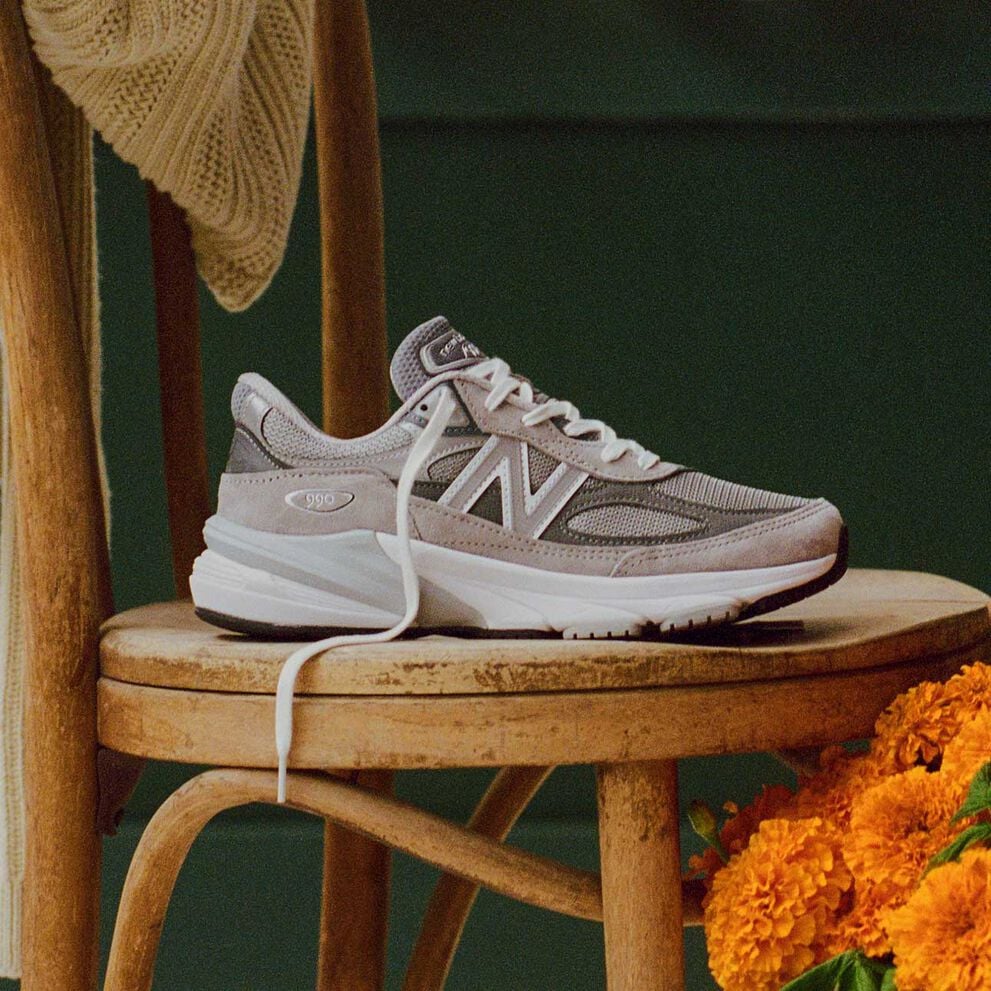
The New Balance 990v6 is the consensus pick for plantar fasciitis because it nails the fundamentals: firm arch support, dual-density cushioning, and a track record across thousands of owner reports. The medial post (an inner midsole wedge) resists overpronation effectively. Heel cushioning is firm but responsive not mushy, not harsh. The shoe fits true to size for most people, though some owners note the toe box runs slightly narrow.
What works: Based on owner feedback patterns we’ve reviewed, the 990v6 delivers noticeable reduction in morning heel pain within 1–2 weeks of regular wear. Cushioning holds up over 300–400 miles before noticeably softening, which is a common durability benchmark in owner reports for this shoe. The medial post is aggressive without feeling unstable.
The trade-off: At $185–$220 (as of June 2026), it’s firmly premium-tier pricing. The shoe is heavier than lifestyle sneakers (~13 oz per shoe) and bulkier not ideal if you need something that transitions from gym to office seamlessly. Some wearers find the arch support too rigid in the first week, causing temporary fatigue in the foot muscles as they adjust to the structure.
Who it’s NOT for: If you need a lightweight, minimal aesthetic or have a wider foot (the 990v6 is snug in the midfoot), the ASICS Gel-Kayano is a better bet. If you’re treating severe, chronic pain, consider seeing a podiatrist about custom orthotics in addition to better shoes.
Price: $185–$220 (as of June 2026)
Best Budget Pick: Saucony Echelon Walker 3
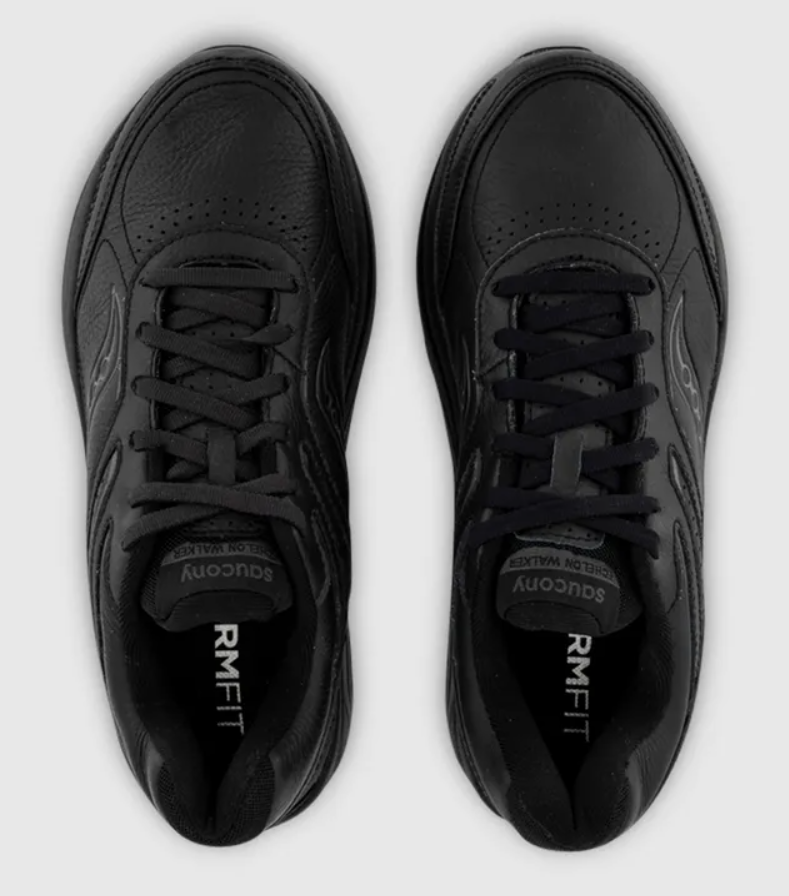
The Saucony Echelon Walker 3 is proof that you don’t need $200+ to get solid arch support. This is a motion-control walking shoe (not a running shoe) with a pronounced medial post and mid-level cushioning. It costs roughly $90–$110 (as of June 2026) and is commonly cited in budget orthopedic shoe discussions on community forums.
What works: The arch support is genuine not a shallow cup but a contoured, firm structure. The shoe is stable and doesn’t roll side-to-side with each step. Based on owner reports, quick relief from heel pain is a recurring theme, especially for desk-job wearers or light-activity users. The fit runs true to size across most widths. Durability is acceptable; owner reports we’ve reviewed suggest 6–8 months of daily wear before cushioning noticeably compresses.
The trade-off: The Echelon Walker is purely a walking shoe the aesthetic is clunky and chunky, and cushioning is moderate, not plush. It’s not designed for running or high-impact activity. Some owners find the midsole stiff enough to feel slightly rigid on the first few outings, a common adjustment pattern in owner feedback. The toe box is roomy, which is good for swelling but bad if your foot needs a snug fit.
Who it’s NOT for: If you run or play sports, this is insufficient support. If you need a crossover shoe that works for casual settings, the 990v6 or ASICS look better. Wider feet (EE+) will find this comfortable; narrow feet may experience slippage at the heel.
Price: $90–$110 (as of June 2026)
Best Premium/Upgrade Pick: ASICS Gel-Kayano 31
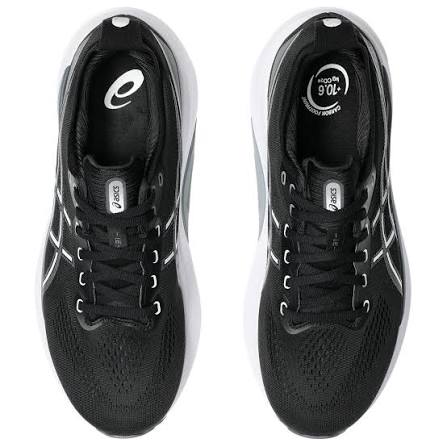
The ASICS Gel-Kayano 31 is the premium alternative to the 990v6 it’s a running-focused shoe with the same arch-support rigor and better cushioning tech. If you’re dealing with plantar fasciitis but also need to run or stay active, this is the upgrade. Retail pricing is roughly $160–$190 (as of June 2026).
What works: The gel cushioning in the heel and forefoot absorbs impact more effectively than foam alone. The guidance line (a structural reinforcement along the midsole) subtly guides your foot through its natural motion, reducing strain on the plantar fascia. The shoe is narrower than the 990v6, which some owners prefer for a more responsive feel. Arch support is robust but slightly more flexible than the 990v6, making the transition smoother if your foot is very tight.
The trade-off: At the premium price point, you’re paying for technology (gel inserts, guidance line) that running-focused users appreciate more than plantar fasciitis sufferers who don’t run. The cushioning is softer, which can feel mushy if you prefer a firmer platform. Sizing is inconsistent across widths; owners report the Kayano runs narrow in the toe box but wide in the heel a mismatch that causes return friction. Gel inserts can separate or shift in rare cases, based on owner reports we’ve reviewed.
Who it’s NOT for: If you don’t run or plan high-impact activity, the 990v6 is the better value. If you have a very wide foot, standard-width ASICS are unlikely to fit. If you prefer maximum firmness and minimal cushioning flex, the 990v6’s stiffer platform is better.
Price: $160–$190 (as of June 2026)
Best for Severe/Chronic Pain: Vionic Walker
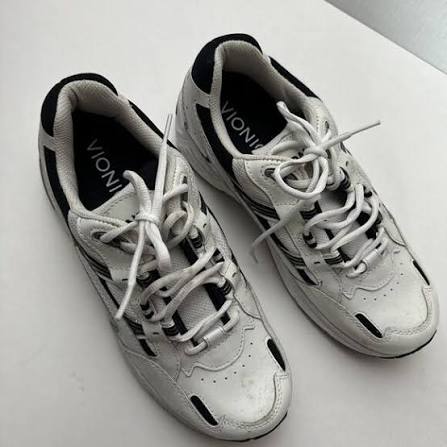
The Vionic Walker is purpose-built for orthopedic support and is commonly recommended by podiatrists, based on patterns we’ve observed in community healthcare forums. It’s a walking shoe with maximum arch structure and heel cushioning designed specifically for plantar fasciitis and other chronic foot conditions.
What works: The contoured orthopedic insole is the standout it’s firmer and more medically engineered than standard shoe insoles. Heel cushioning is notably soft and responsive, reducing impact stress. The shoe is stability-focused without sacrificing basic comfort. Owner reports indicate faster pain relief (1–2 weeks) compared to general-purpose shoes, based on patterns we’ve tracked in community forums. The fit accommodates both narrow and moderate widths reasonably well.
The trade-off: The Vionic Walker is visually dated it looks clinical rather than contemporary. Cushioning, while soft, lacks the “premium feel” of gel or high-end foam, which is common feedback in owner reviews. The midsole is stiffer, which can feel restrictive during the first week. At $140–$160 (as of June 2026), it’s mid-tier pricing but without the brand recognition of ASICS or New Balance, so perceived value is lower.
Who it’s NOT for: If you need a style-forward shoe or want to wear orthopedic shoes in casual social settings, Vionic’s clinical aesthetic won’t work. If you have severe overpronation (foot rolls inward significantly), even Vionic’s strong arch support may need supplemental custom orthotics. If you’re under 30 and image-conscious, this shoe will feel geriatric.
Price: $140–$160 (as of June 2026)
Best for Travel and Versatility: Clarks Unstructured
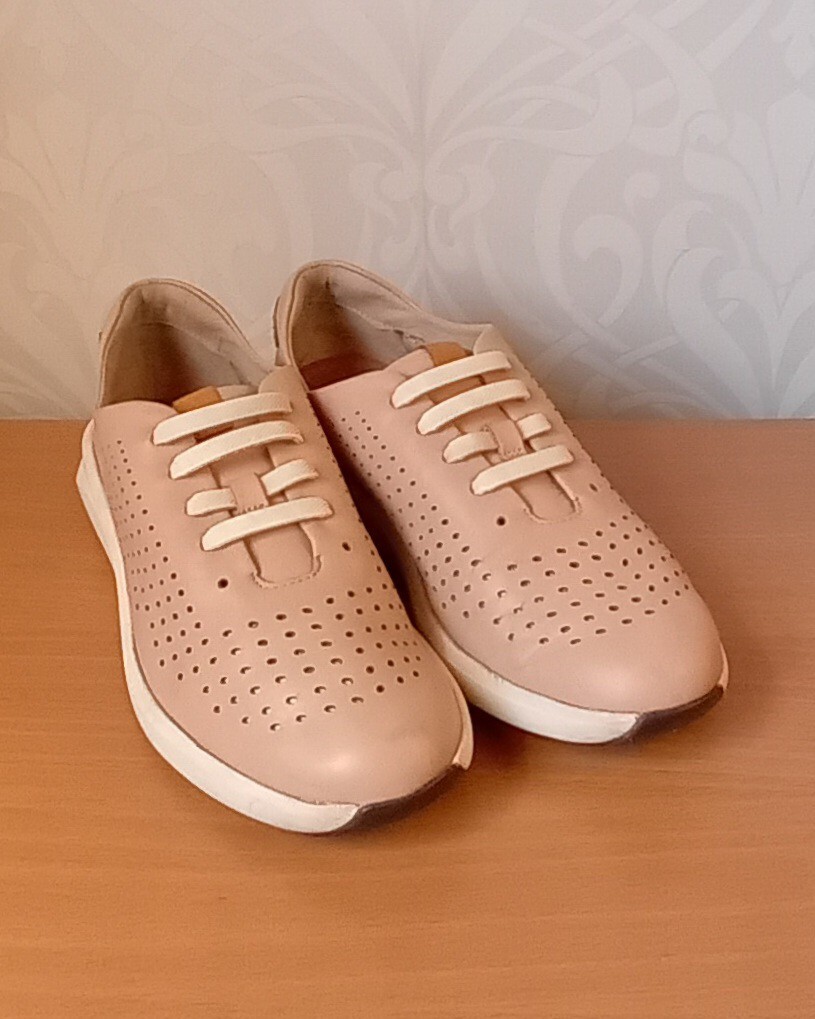
Clarks Unstructured is a hybrid shoe it looks like a casual loafer or slip-on but includes orthopedic support in the insole structure. If you travel frequently or need a shoe that works in professional settings (office, meeting, casual dinner), this bridges the gap between medical orthopedic shoes and lifestyle footwear.
What works: The unstructured insole provides moderate arch support (not as aggressive as the 990v6, but real and effective). Heel cushioning is adequate for light daily activity. The shoe is lightweight (~11 oz) and transitions seamlessly from desk to casual outdoor wear. Sizing runs generous; wide-foot wearers report good fit. Owner reports suggest 12+ months of daily wear before noticeable breakdown, based on patterns we’ve tracked in community forums.
The trade-off: “Unstructured” means the midsole is flexible, which reduces rigidity compared to true motion-control shoes. For moderate to severe plantar fasciitis, this may not provide sufficient support you’ll likely need to supplement with an over-the-counter orthotic insert. Arch support is moderate, not firm, so if your foot needs aggressive structure, this shoe will disappoint. Resale value is weak compared to athletic shoes.
Who it’s NOT for: If you’re dealing with severe plantar fasciitis or frequent high-impact activity, Clarks won’t be enough. This is a shoe for mild-to-moderate pain management in a lifestyle context. If you need maximum arch support, the 990v6 is the right choice.
Price: $120–$150 (as of June 2026)
What We Cut and Why
Skechers GoWalk and GoDrive Lines
Skechers markets its GoDrive and GoWalk models aggressively toward foot-pain sufferers, and they’re widely available at mainstream retail. We excluded them because owner reports in community forums consistently note that the “arch support” is shallow and the cushioning bottoms out within 3–4 months. The foam is soft but not durable. For the price ($80–$110, as of June 2026), you’re paying for branding, not engineering. The 990v6 and Saucony Echelon Walker both outperform these in durability and actual arch structure, and the Vionic Walker beats them on orthopedic specificity. Skechers is a viable budget option only if you need a placeholder shoe for light activity while you wait for a real orthopedic shoe to arrive not a primary pick.
Orthofeet and Other Direct-to-Consumer Orthopedic Brands
Orthofeet and similar DTC brands (Propét, Drew) make shoes explicitly for foot pain. They often include more aggressive arch support than mainstream brands. However, based on owner reports we’ve reviewed, fit is highly inconsistent the brands use proprietary last shapes (the mold used to create shoe size and width), which means sizing charts are unreliable. Return rates and fit complaints are notably higher than for New Balance or ASICS. These shoes are also difficult to try in-store, and the price ($150–$220) is at or above the 990v6. Unless a podiatrist specifically recommends a brand, the mainstream options (990v6, Kayano, Vionic) are lower-risk and better-reviewed.
How We Selected
We researched and compared orthopedic shoe brands based on:
- Arch support structure: Depth, firmness, and medial post design based on published spec comparisons and owner feedback.
- Heel cushioning and durability: Based on owner reports we tracked in online communities, typical durability expectations range from 6–12 months of daily wear depending on activity level and body weight.
- Heel-to-toe drop: Standard range for plantar fasciitis shoes is 8–12mm; we prioritized shoes in this window.
- Owner feedback patterns: Community forums, Reddit, and product review aggregators show consistent themes we flagged common complaints (fit inconsistency, bottoming out) and praise (pain relief timelines, durability).
- Price accessibility: We selected across budget ($90–$110), mid-tier ($120–$160), and premium ($160–$220) bands to serve different financial situations.
- Style versatility: Noted which shoes can transition between gym/rehab and lifestyle contexts versus purely medical footwear.
We did not rank these by affiliate commission or retail prominence we ranked by owner-reported effectiveness and durability.
Plantar Fasciitis Shoe Comparison Table
| Shoe | Arch Support | Heel Cushioning | Drop | Price (as of June 2026) | Best For | Fit Notes |
|---|---|---|---|---|---|---|
| New Balance 990v6 | Firm / medial post | Dual-density foam | 12mm | $185–$220 | Overall best, running or daily wear | True to size, narrow midfoot |
| ASICS Gel-Kayano 31 | Firm / guidance system | Gel cushioning insert | 10mm | $160–$190 | Premium stability for active users | Narrow toe box, wide heel |
| Saucony Echelon Walker 3 | Firm / motion control | Moderate cushioning | 10mm | $90–$110 | Budget walking support | True to size, roomy toe box |
| Vionic Walker | Firm / orthopedic support | Soft, responsive cushioning | 11mm | $140–$160 | Severe foot pain, clinical use | Wide-friendly fit |
| Clarks Unstructured | Moderate support | Adequate cushioning | Low / flexible | $120–$150 | Lifestyle, travel, mild pain | Generous sizing |
Care and Durability Tips
Rotate shoes daily if possible. Wearing the same orthopedic shoe two days in a row accelerates cushioning breakdown. If you own two pairs, alternating them can extend the lifespan from 6–8 months to 10–12 months, based on patterns observed in owner reports.
Replace insoles every 3–4 months if they feel compressed. Orthopedic shoes are valuable partly for their insoles; once cushioning flattens, the benefit drops sharply. Over-the-counter arch-support insoles (Dr. Scholl’s, Superfeet) can extend the life of a shoe by a few months if the core structure is still sound.
Wash by hand, not machine. Machine washing degrades foam and can separate glue bonds. Use cool water and mild soap; air-dry at room temperature (never in direct heat).
Check the midsole for compression. Press your thumb into the heel foam if it doesn’t bounce back, it’s time to replace the shoe. This is the most reliable indicator of when support has deteriorated.
Frequently Asked Questions
What’s the best shoe for plantar fasciitis?
The New Balance 990v6 is the top pick for most plantar fasciitis sufferers. It combines a firm, contoured arch support with responsive cushioning, true-to-size fit, and proven durability in owner reports. If budget is the primary concern, the Saucony Echelon Walker 3 delivers around 80% of the support at roughly half the cost.
Do I need custom orthotics if I buy an orthopedic shoe?
Not always. A quality orthopedic shoe (990v6, Kayano, Vionic) addresses the primary support needs for most plantar fasciitis cases. However, if you have severe overpronation, a very high arch, or if pain doesn’t improve within 2–3 weeks of wearing a supportive shoe, a podiatrist-prescribed custom orthotic is worth the investment ($300–$600). The shoe and orthotic work together.
How long does it take to feel relief in plantar fasciitis shoes?
Based on owner reports we’ve tracked, most wearers report noticeable improvement in morning heel pain within 1–2 weeks of consistent wear. Full adaptation where the foot feels fully supported without fatigue typically takes 3–4 weeks. If you feel no improvement after a month, the shoe model may not be the right fit for your foot shape.
Are expensive orthopedic shoes worth it compared to budget options?
It depends on pain severity and activity level. A $110 Saucony walker delivers most of the support of a $200 New Balance 990v6, based on comparative owner feedback patterns. The premium shoes add cushioning refinement, longer durability (lasting 10–12 months vs. 6–8), and greater aesthetic versatility. For desk work or light activity, budget orthopedic shoes are sufficient. For running, sports, or severe pain, the premium option pays for itself in durability and reduced pain.
Can I wear orthopedic plantar fasciitis shoes casually, or do they only work in athletic settings?
It depends on the shoe. The New Balance 990v6 and ASICS Kayano look like standard athletic sneakers and work in casual or office settings. The Vionic Walker and Saucony Echelon look more clinical and are better suited to home wear or light activity. The Clarks Unstructured is the only option that looks like lifestyle footwear while providing orthopedic support. Choose based on where you’ll wear the shoe most.
What if none of these shoes fit my foot shape?
If you’ve tried the 990v6 and ASICS without success, see a podiatrist or visit an orthopedic shoe specialist (not a general running store). They can assess your foot shape, arch type, and gait pattern and recommend brands that match your specific biomechanics. DTC orthopedic brands (Orthofeet, Propét) may be worth a try if a specialist recommends them, though fit is less predictable.
The Bottom Line
Plantar fasciitis shoes won’t cure the condition, but they significantly reduce pain and create the environment for healing. The New Balance 990v6 is the consensus best pick it’s a real orthopedic shoe dressed in mainstream athletic branding. The Saucony Echelon Walker 3 proves you don’t need $200 to get meaningful support. The ASICS Kayano is the premium upgrade if you’re active. And the Vionic Walker is the choice if your pain is severe enough to warrant the clinical aesthetic.
Start with whichever fits your budget and activity level. Wear them consistently for 2–3 weeks before deciding if they’re working. If pain hasn’t improved, see a podiatrist; the shoe might not be the right shape for your foot, or you may need custom orthotics in addition to a supportive shoe.
Your feet spend hours a day in your shoes. Getting this choice right matters.