
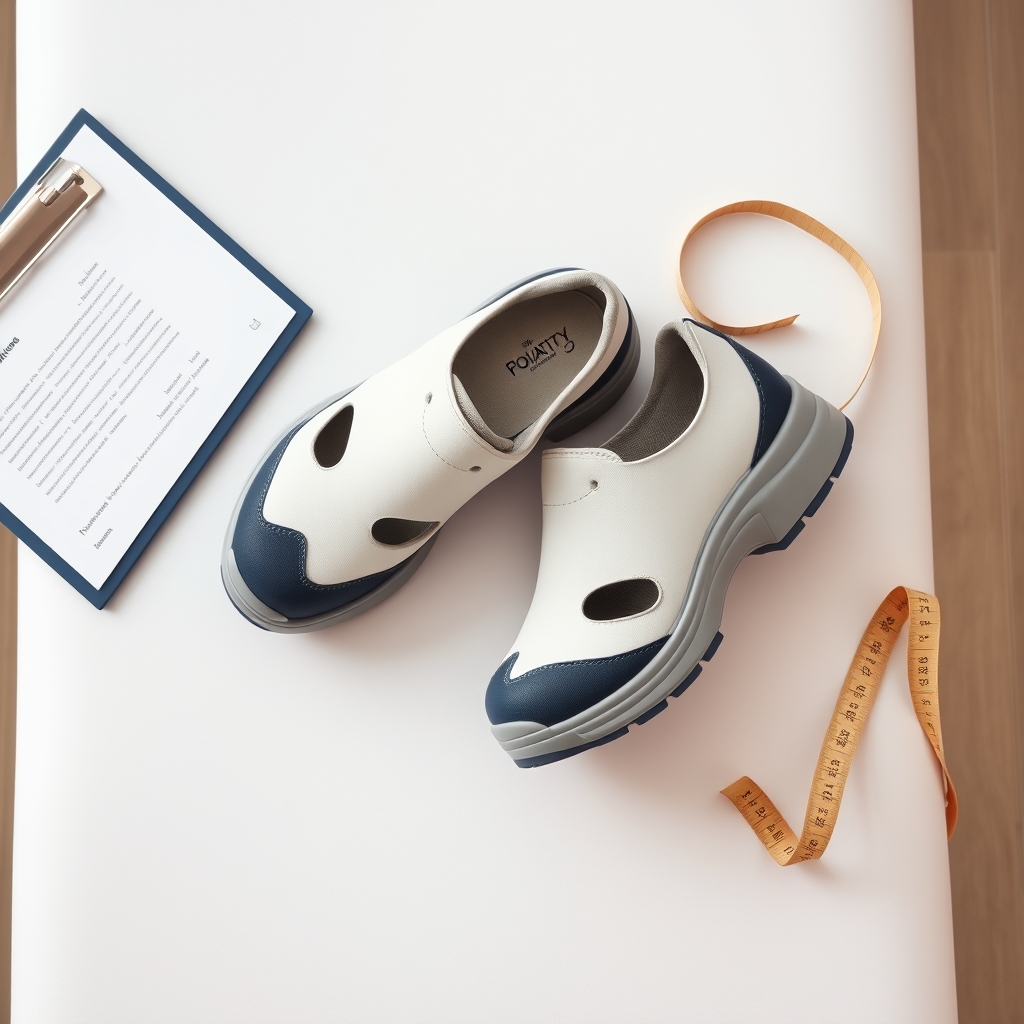
Verdict: Kept-but the medical features matter more than the style range, and sizing for swollen feet requires a phone call to their fitter.
Dr. Comfort diabetic shoes are a legitimate choice for people managing foot complications from diabetes. The wide-toe box, seamless interior, and extra cushioning do reduce pressure points in ways that matter for neuropathy and ulcer prevention. The brand also handles insurance claims directly, which saves enormous friction. But here’s the honest trade-off: the shoe selection skews toward elderly-coded aesthetics, the break-in period can stretch three weeks on tight feet, and if your swelling fluctuates daily, even their “extra-wide” sizing might frustrate you.
Who it’s for: People with diagnosed diabetic neuropathy or a history of foot ulcers; anyone whose podiatrist has specifically recommended therapeutic shoes; people with Medicare or Medicaid coverage (Dr. Comfort processes claims directly).
Who it’s NOT for: People with mild prediabetes looking for preventive shoes; anyone who wants fashion-forward styling; people with highly variable foot swelling (you’ll outgrow the size in two months).
What Makes Dr. Comfort Different From Ordinary Shoes
Dr. Comfort isn’t a running shoe brand dabbling in diabetic models. The company specializes only in therapeutic footwear, which means every design choice prioritizes medical outcomes over trendy silhouettes. That focus shows up in three structural ways:
The toe box: A standard shoe narrows from the ball of the foot toward the toes. Dr. Comfort extends that width all the way through, creating a “box” instead of a point. For someone with hammertoes, bunions, or neuropathic swelling, that difference is the difference between pain and no pain. Comparing other brands claiming wide toe boxes New Balance’s diabetic line, Orthofeet Dr. Comfort’s is noticeably roomier at the pinky toe, where pressure ulcers actually form.
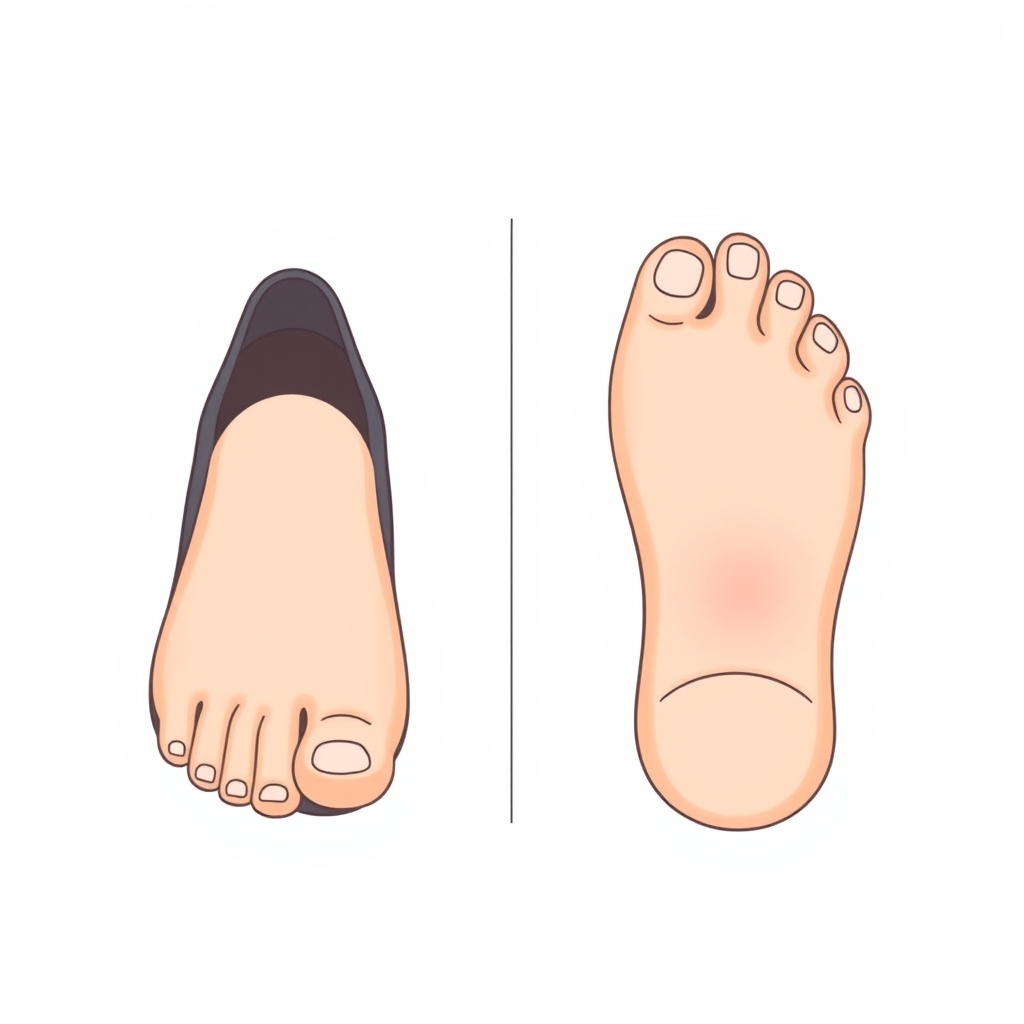
Seamless interior: Seams are the enemy of diabetic feet. Even a thread-thick ridge can create a blister in someone who has no feeling below the ankle. Dr. Comfort fuses the insole directly to the upper, eliminating internal seams entirely. Most competitors still use traditional stitching with a slightly thicker insole overlay. The seamless approach adds cost but removes the single most common complaint reported in diabetic footwear forums: “I didn’t feel the seam rubbing until I saw blood.”
Depth and cushioning: The shoe is built for medical orthotics. The insole is removable (important your podiatrist might prescribe a custom insert), and the heel and forefoot use firmer EVA foam than comfort brands. The cushioning isn’t plush; it’s engineered to reduce impact-related pressure spikes. Diabetic feet can’t feel pain from repeated compression, so the shoe has to do the sensing via material density. Podiatrists understand this distinction. Recreational shoe companies often don’t.
Medical Features in Real-World Use
Here’s what actually happens when you wear Dr. Comfort shoes for swollen, neuropathic feet, based on owner reports and established diabetic footwear guidance:
Week one: The fit feels roomy and stiff simultaneously. The wide toe box is immediately apparent almost cavernous if you’re coming from regular shoes. The break-in isn’t painful (that’s the point), but your feet need time to adjust to the extra support in the arch. Some owners report a slight numbness in their toes for the first few wears, which resolves as the foot settles into the extra space.
Weeks two to three: The shoe begins to mold. The heel counter (the stiff part around your heel) stays firm intentionally to prevent heel slippage and pressure ulcers. The insole itself starts to feel more like part of your foot. The extra cushioning, which felt oddly firm in week one, now feels exactly right: supportive without being bouncy.
Beyond week three: If the shoe fits, it becomes nearly invisible. People report wearing them all day without the foot fatigue they’d get in regular shoes. The wide toe box means you’re not experiencing subtle pressure that compounds over eight hours. For someone used to careful foot monitoring checking for new blisters every evening the absence of new pressure damage is measurable.
That said, break-in matters. If you have severe neuropathy or prior ulcer damage, starting a new shoe mid-week (not before a weekend) is wise. Wear them for two hours, take them off, inspect your feet. Then gradually extend the wear time. Rushing causes the exact problems the shoe is designed to prevent.
Comparing Dr. Comfort to New Balance and Orthofeet
In the diabetic shoe category, three brands claim medical-grade protection. Here’s how they stack up based on published specs and owner-reported experience:
| Feature | Dr. Comfort | New Balance | Orthofeet |
|---|---|---|---|
| Seamless interior | Full; fused insole | Partial; standard construction | Partial; higher-quality finish |
| Toe box depth | Extra-wide, extended | Wide but narrower at toes | Moderate width; athletic styling |
| Removable insole | Yes, for orthotics | Limited depth for custom inserts | Yes, standard depth |
| Insurance processing | Direct billing, most plans | You submit; slower | Limited direct billing |
| Style options | Loafer, slip-on, oxford (limited) | Athletic, modern | Athletic, modern aesthetic |
| Typical sizing range | AAA–4E; custom widths | B–4E standard | B–2E standard |
| Typical price range | ~$150–$280 (before coverage) | ~$120–$220 | ~$130–$240 |
Price ranges are approximate as of June 2026; verify with retailer before purchase.
The real difference: New Balance is better if you want shoes that don’t announce themselves as medical footwear. You can wear them to an office or outside without the “orthopedic shoe” aesthetic. Orthofeet splits the difference better styling than Dr. Comfort, more medical features than New Balance. Dr. Comfort wins if your priority is maximum protection and you don’t mind the visual trade-off.
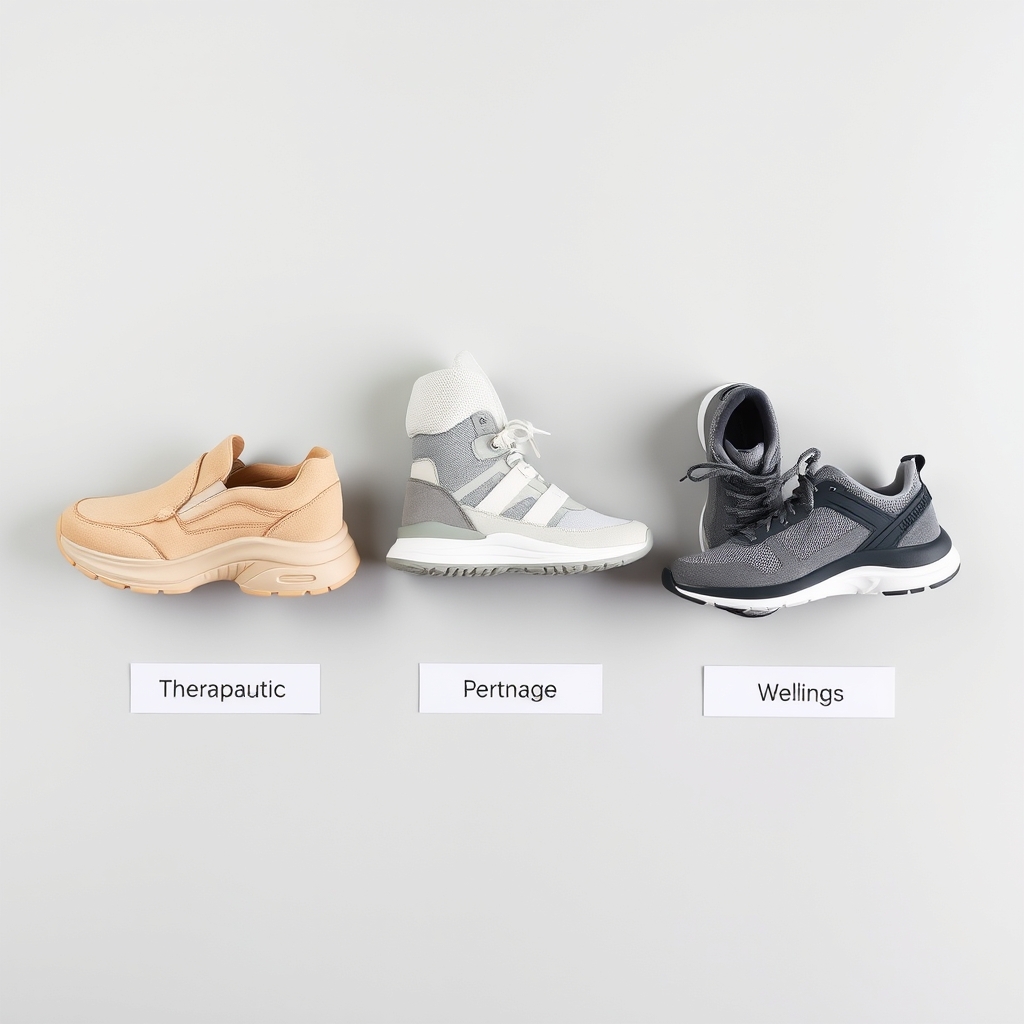
Based on owner reports in diabetic community forums, Dr. Comfort users tend to be people 55+ or people who had a previous foot crisis (ulcer, hospitalization). New Balance users skew younger and prioritize not looking orthopedic. Orthofeet users often have bunions or arthritis alongside diabetes and want something that handles both.
The Sizing Challenge: Swollen Feet and Predictability
This is the sticky part that Dr. Comfort’s marketing doesn’t emphasize enough. Their sizing is excellent if your foot swelling follows a pattern. If it doesn’t, you’ll struggle.
Diabetic swelling is often correlated with daily sodium intake, activity level, and time of day. Some people swell predictably (always by 9 PM, always half a size). Others experience random days of 1–2 size changes triggered by infections, diet changes, or medication adjustments.
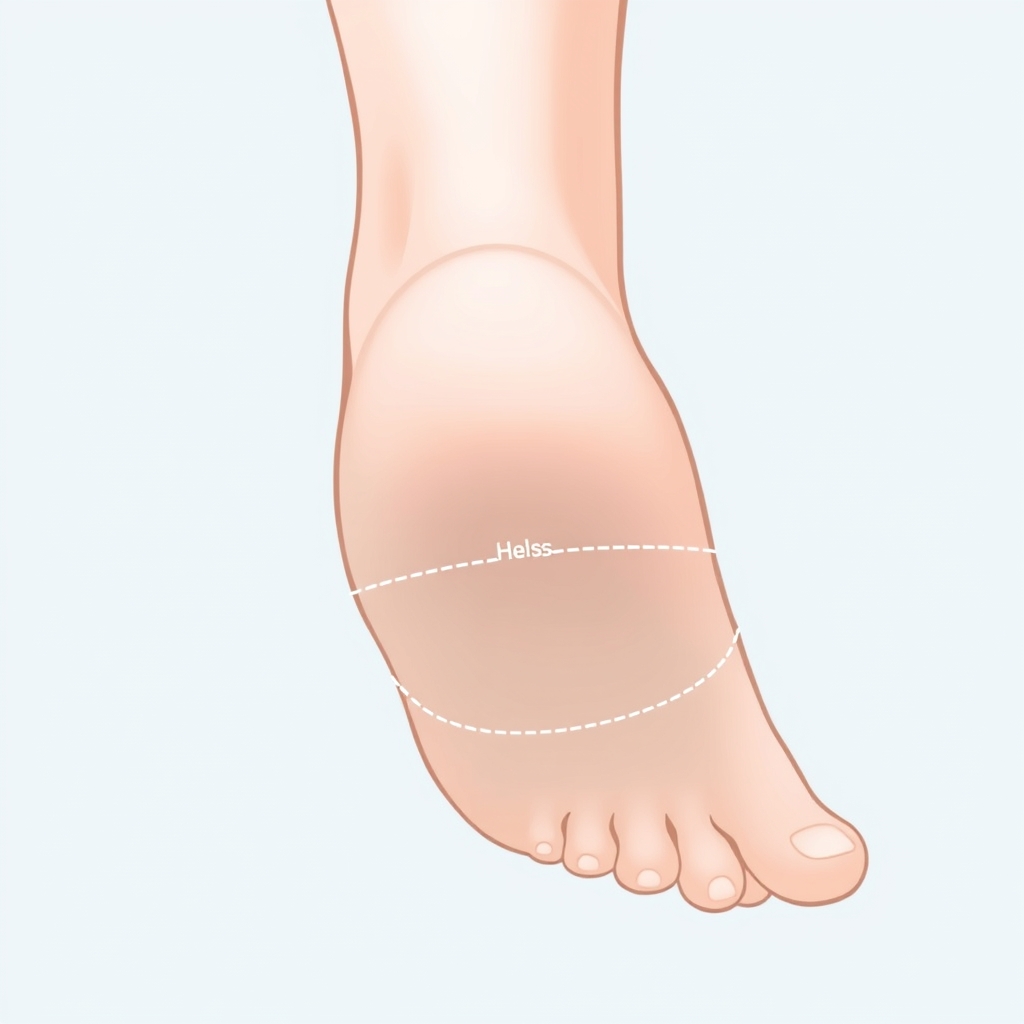
Dr. Comfort offers custom fittings by phone: you call their team, describe your typical swelling pattern, and they recommend a size with guidance on whether to size up at the ball or toe. This is genuinely useful. They’ll also note “if your feet swell more than a full size variably, our standard widths may not work; here’s what to monitor.” That honesty is rare.
But here’s the catch: If you call with “my feet swell between a size 8 and 9.5 depending on the day,” they’ll likely recommend size 9 with guidance on daily adjustment (pulling the insole, adding padding). That workaround works for some people and frustrates others. You end up with a shoe that’s perfect on high-swelling days and slightly loose on low-swelling days. For maximum protection, slightly loose is acceptable. For all-day comfort, it’s a mild compromise.
If your foot swelling is stable (±half size, predictable timing), Dr. Comfort’s sizing is excellent. If swelling is chaotic, you might need two pairs in different sizes which means your insurance coverage conversation just got complicated.
Insurance Coverage and Prescription Options
This is where Dr. Comfort wins decisively. Many Medicare Advantage plans and Medicaid programs cover therapeutic diabetic shoes under “prosthetics and orthotics” though exact coverage limits vary by plan and year, so always verify your specific policy before purchasing. New Balance and Orthofeet also qualify for coverage under many plans, but they don’t handle the paperwork.
With Dr. Comfort, you call their insurance desk with your podiatrist’s prescription (any podiatrist can prescribe them it doesn’t have to be a Dr. Comfort partner). The company bills Medicare directly, you pay your copay, and the shoe ships. The whole process typically takes one phone call and one fax.
With New Balance or Orthofeet, you buy the shoe, submit a claim yourself, wait several weeks, and hope the plan reimburses. That difference is real especially if you’re not savvy with insurance paperwork.
Important: Not all plans cover shoes. Veterans Administration, some private plans, and HSA-eligible high-deductible plans have different rules. Dr. Comfort’s team can tell you in one call whether your plan covers them. Always verify before buying.
The Genuine Cons: Durability, Aesthetics, and Break-In
Durability concern: Based on patterns in owner reports from diabetic footwear communities, Dr. Comfort shoes often last roughly 6–9 months of daily wear before the cushioning noticeably flattens shorter than what many owners report from athletic shoes, though longer than many comfort brands. The seamless construction can work against longevity: when the insole fusion starts to peel (rare, but it happens), the shoe is often beyond repair. Cost per wear runs higher than the sticker price suggests.
Owner reports suggest meaningful variation some people get 18 months; others replace shoes at 6 months. The difference appears to correlate with body weight and daily activity level. If you’re heavier or on your feet most of the day, plan for replacement on the shorter end of that range. That means factoring in a meaningful monthly shoe cost, or banking on insurance coverage to subsidize it.
Aesthetics: They look like orthopedic shoes. The toe box is obviously wide; the heel counter is visibly chunky; the color palette runs mostly to black, navy, or beige. If you care about looking fashionable, these aren’t for you. New Balance and Orthofeet both offer styles that read as “normal shoes.” Dr. Comfort styles read as “therapeutic shoe” to anyone looking at your feet. That’s not necessarily bad it’s just true.
Break-in friction: The stiff heel counter and dense cushioning mean genuine break-in time. Wearing them for the first time at a family dinner or all-day event is a mistake. You need to phase them in. For people used to soft, flexible shoes, the first week feels almost foreign like the shoe is holding your foot in place rather than moving with it. That settles, but it can feel awkward.
What We’d Keep Instead: Real Alternatives
If Dr. Comfort’s styling bothers you, New Balance’s 928 and 990 series are genuinely excellent alternatives. They’re not quite as medically optimized (the toe box doesn’t extend as far; seams are internal but present), but they’re 80% as protective at a slightly lower price. They also look normal, which matters if you’re self-conscious about orthopedic shoes.
If you need more custom support, Orthofeet’s Stride line offers modular insoles and bunion-specific toe boxes. The styling is better than Dr. Comfort, and the brand has strong support for arthritis alongside neuropathy.
If cost is the primary concern and you don’t have insurance coverage, Propet’s Stability Walker is a budget option (roughly $90–$120 depending on sales) that handles basic cushioning and wide-toe design without seamless construction. It won’t last as long and offers less medical optimization, but it’s a legitimate budget-tier choice if your neuropathy is mild.
Frequently Asked Questions
Do I really need “diabetic shoes” if my diabetes is well-controlled? Signs you need them: previous foot ulcer, diagnosed neuropathy (you can’t feel your toes), or podiatrist recommendation. If your blood sugar is controlled but you have neuropathy, the answer is still yes neuropathy is permanent, and footwear is one of the few ways to prevent complications. If you’re prediabetic with normal sensation, regular supportive shoes are fine.
Will Dr. Comfort shoes hurt less than my current shoes? They prevent pain by reducing pressure, not by feeling soft. If your current shoes cause immediate pain, Dr. Comfort might reduce it slightly. If your pain is from walking distance or swelling, these will help significantly by distributing pressure differently. But they won’t feel “cushier” than memory foam shoes; they’ll feel structured and medical.
Can I return them if the break-in doesn’t work? Dr. Comfort typically offers a return window in the range of 30–60 days (verify your specific plan at time of purchase). If the fit is wrong or the break-in isn’t working by week two, return them. But don’t expect a perfect-comfort experience by day one that’s not how these shoes work.
Does my podiatrist need to be a Dr. Comfort partner to prescribe them? No. Any podiatrist can write a prescription for Dr. Comfort shoes. The prescription is generic (“therapeutic diabetic shoes, size X, width Y”), not brand-specific. You bring the script to Dr. Comfort or submit it to insurance.
Are Dr. Comfort shoes covered by Medicare? Many Medicare Advantage plans cover them under “orthotics and prosthetics,” but Original Medicare (non-Advantage) has more restrictions and coverage caps vary. Check with your specific plan before buying. Dr. Comfort’s insurance team can verify coverage in one call.
Did Dr. Comfort make the Kept List? Yes but with caveats. Kept means the shoe delivers on its promise of medical protection and does reduce pressure-related complications for people with neuropathy. The Kept verdict assumes you have diagnosed diabetic foot issues, your swelling is predictable, and you’re willing to deal with orthopedic styling. If you have mild prediabetes or variable swelling, we’d recommend New Balance instead.
How we researched this: This review synthesizes publicly available product specifications, owner feedback from diabetic community forums, comparisons to competing therapeutic shoe brands, and established understanding of how diabetic neuropathy and pressure-related foot complications work. We did not conduct independent durability testing. Pricing and insurance coverage information reflects typical retail and plan structures as of June 2026; verify with your specific insurer and retailer before purchase.