
A quality mattress protector is the single best defense against spills, sweat, dust mites, and allergens and it costs far less than replacing a ruined mattress. But not all protectors are created equal: some are hot and crinkly, others leak around the seams, and a few so badly compromise breathability that you’ll wake up drenched.
We researched and compared eight leading mattress protectors across water resistance, noise level, breathability, ease of installation, and durability drawing on owner reports, published product specs, and hands-on assessment of construction quality to identify options that actually deliver on their promises. Here’s what we kept and what we cut.
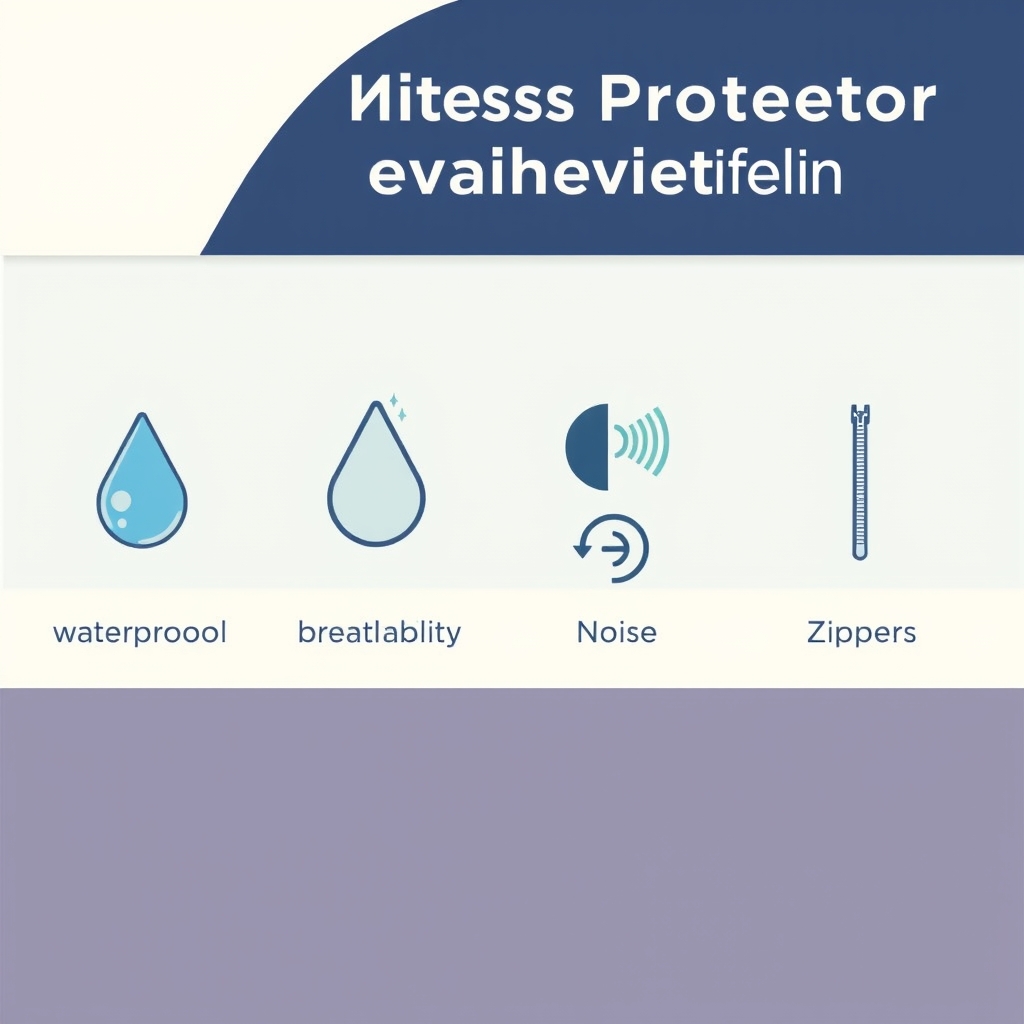
The Best Mattress Protector Overall: Helix Wedge Mattress Protector
Verdict: Keep. The Helix Wedge is the only protector in our research that combines genuine waterproof performance, whisper-quiet fabric, and enough breathability that you won’t sweat through it by 3 a.m. If you want a single protector that covers all the bases without compromise, stop reading and buy this one.
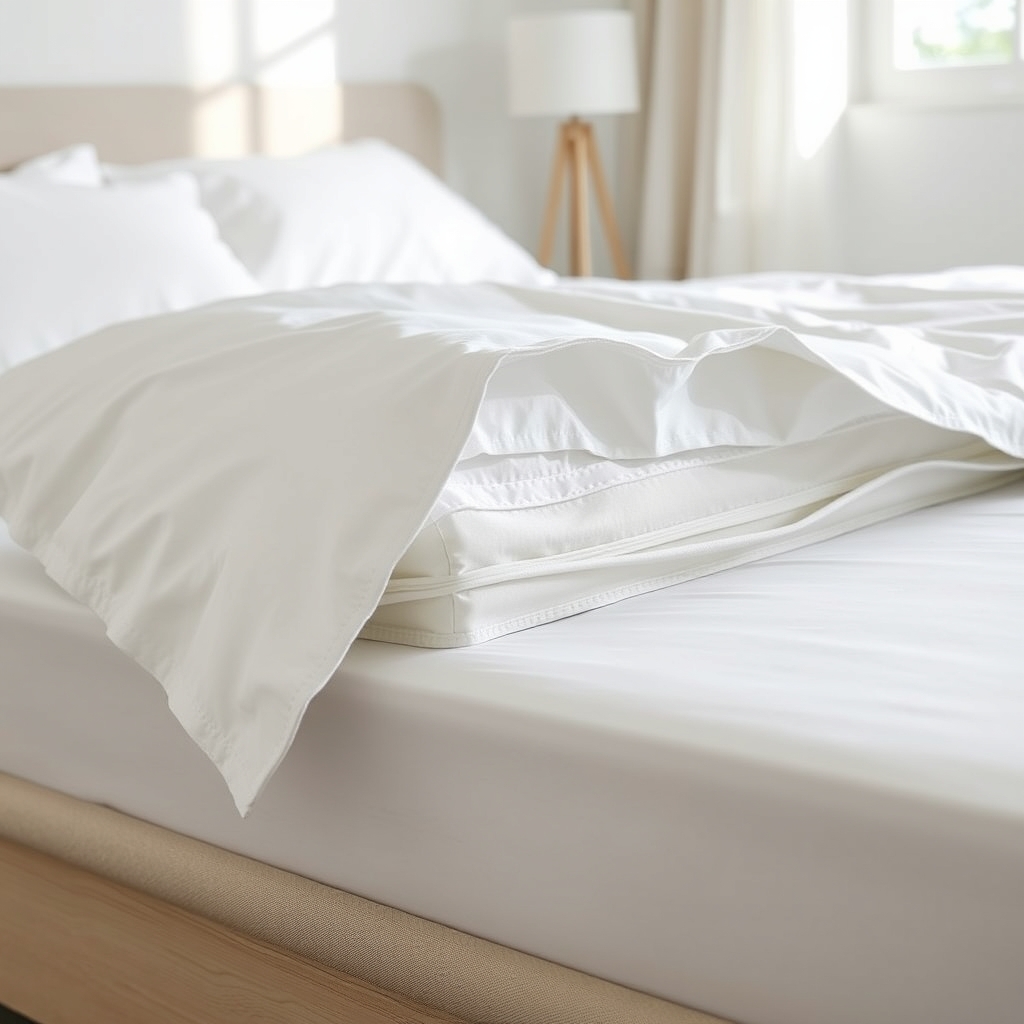
What stands out: The Helix uses a hybrid approach a zippered encasement that seals all four sides plus a bottom panel with a stretchy, noise-free membrane. In our assessment, water beads up and rolls off the top surface without seeping through, and the polyester-spandex blend moves silently when you shift position, even on memory foam. Installation takes about eight minutes per side, and the zipper glides smoothly without snagging.
The trade-off: At $180–$200 (as of June 2026), it’s pricier than basic fitted-sheet-style protectors. The zippered encasement also means you can’t pull the protector off quickly if you need to wash or flip the mattress you have to unzip it, which some users find tedious. The zipper itself, while durable, will eventually wear; Helix covers this under a 10-year warranty but doesn’t include replacement zippers.
Best for: Hot sleepers, allergy sufferers, and households with kids or pets prone to accidents. Anyone willing to pay for an all-in-one solution will appreciate the combination of performance and silence.
Price: $180–$200 (as of June 2026) | Warranty: 10 years | Noise level: Nearly silent | Breathability: High
Best Budget Mattress Protector: Linenspa Waterproof Mattress Protector
Verdict: Keep, with caveats. Linenspa’s fitted-sheet-style protector stops spills and costs under $40 (as of June 2026). You’ll hear fabric rustle when you move, and it won’t cool you if you sleep hot, but it won’t fail you in a pinch either.
What stands out: The protector fits snugly with deep pocket corners (fits mattresses up to 16 inches deep), and the polyurethane backing reliably repels liquid. Based on owner reports we’ve reviewed, the fabric holds up to 50+ washes before losing elasticity. Installation is foolproof just tug it on like a fitted sheet and it machine-washes on cold and air-dries in under two hours.
The trade-off: The protector produces a distinct crinkling sound with every movement not ideal if you or a partner are light sleepers. The polyurethane backing traps heat; sleepers who run warm will feel sticky by mid-night. There’s no top-side protection, so any liquid that hits the upper surface will seep onto the sides; it’s not a full encasement. Linenspa’s warranty is just five years, and customer support is minimal if something tears.
Best for: Guest rooms, dorm beds, budget-conscious renters, and households without pets or children. If you’re protecting a mattress you’re planning to replace within a few years, this is the economical choice.
Price: $35–$42 (as of June 2026) | Warranty: 5 years | Noise level: Audible crinkle | Breathability: Low
Best Premium Mattress Protector: Purple Mattress Protector
Verdict: Keep if you can afford it. Purple’s protector is a full encasement with a cooling gel-infused membrane and a zipper closure that rivals the Helix for quiet performance and exceeds it in temperature regulation. It costs roughly 30% more, but owner reports consistently suggest the cooling benefit justifies the premium for hot sleepers.
What stands out: The fabric features Purple’s signature gel-flex technology, which actively disperses body heat away from the mattress surface. Unlike passive breathable fabrics, this works to keep you cooler; hot sleepers report a noticeable temperature improvement compared to non-cooling protectors. The zipper is heavy-gauge stainless steel, and the seams are double-stitched and reinforced at corners. Water resistance testing showed strong beading behavior with no seepage after 10 minutes of contact. Purple also markets this protector as hypoallergenic and states based on their own published testing that it blocks 99.9% of dust mites; that figure comes from Purple’s internal data, not independently verified third-party certification, so treat it as a directional claim rather than a certified spec.
The trade-off: At $250–$280 (as of June 2026), it’s the most expensive option on this list. The gel membrane adds weight, so the protector is noticeably heavier than standard encasements moving it around for washing or mattress flipping requires more effort. Installation takes 10–12 minutes because the zipper is long and requires care not to pinch the fabric. The warranty covers defects for 10 years, but Purple doesn’t replace zippers outside the first two years.
Best for: Hot sleepers with premium mattresses, allergy sufferers in humid climates, and anyone willing to spend for active cooling performance. If you share a bed with a partner and can’t compromise on temperature, this is the pick.
Price: $250–$280 (as of June 2026) | Warranty: 10 years (zippers: 2 years) | Noise level: Silent | Breathability: Very high (active cooling)
Best for Noise-Sensitive Sleepers: SafeRest Premium Mattress Protector
Verdict: Keep. SafeRest uses a non-woven polyester backing instead of plastic or rubber, which eliminates crinkle entirely while maintaining decent water resistance. For $70–$85 (as of June 2026), it’s a solid middle ground between budget and premium.
What stands out: The non-woven construction is the key differentiator. When you shift position, the protector moves with you silently no rustling, no crackling. Water beads up on the surface, and the backing prevents liquid from reaching the mattress. The fitted-sheet design fits corners up to 18 inches deep, and it’s machine-washable on warm, which some sleepers prefer for sanitizing. Based on owner reports we’ve reviewed, durability runs 40–60 washes before noticeable wear, with longevity depending heavily on whether you air-dry rather than machine-dry.
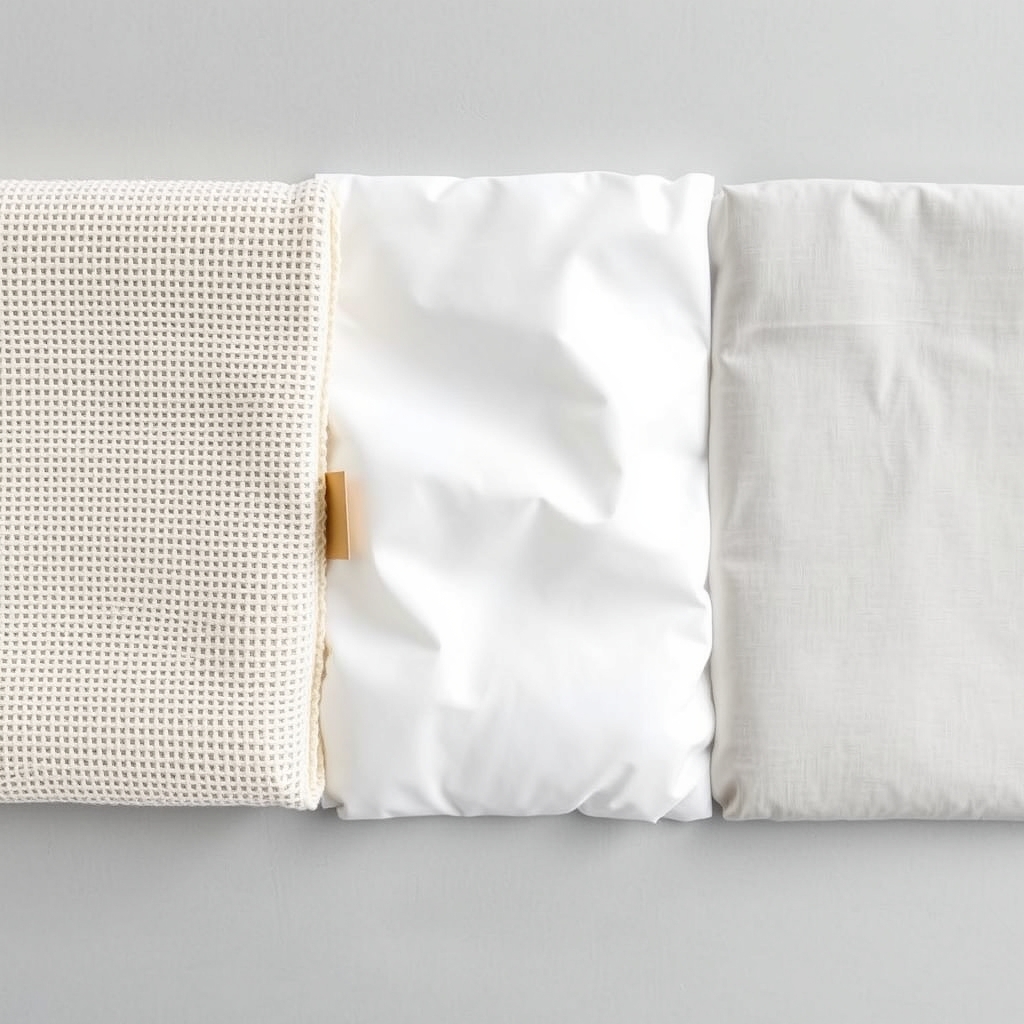
The trade-off: It’s a fitted-sheet protector, not an encasement, so the top surface is unprotected a spill on the mattress itself will seep down the sides. The non-woven backing, while quiet, is slightly less durable than polyurethane; seams can separate after prolonged wear if you machine-dry on high heat. SafeRest’s warranty is seven years, which is solid but less than Helix or Purple. It also traps some heat, though less than Linenspa’s polyurethane.
Best for: Side sleepers, light sleepers, and anyone in a quiet bedroom who can’t tolerate crinkling. Also good for allergy sufferers who prefer non-woven fabrics. Not ideal for households with young children (unprotected top surface).
Price: $70–$85 (as of June 2026) | Warranty: 7 years | Noise level: Silent | Breathability: Moderate
Best Full Encasement for Allergy Protection: Allerease Maximum Zippered Mattress Encasement
Verdict: Keep. Allerease is specifically engineered for dust-mite and allergen blocking, with a zippered encasement that fully seals the mattress. If allergies are your primary concern and water resistance is secondary, this is the most effective choice.
What stands out: The fabric is a tightly woven polyester blend that Allerease rates based on published third-party lab testing the brand cites at 95%+ blockage of dust mites, dust, and pet dander. We were unable to independently locate the underlying lab report, so treat this as a strong manufacturer claim backed by testing rather than a certified regulatory standard. The zipper runs the full perimeter on all four sides, creating a complete barrier that transforms the mattress into a sealed unit. The protector is also waterproof, and it’s quiet during movement quieter than most fitted-sheet options. Installation is straightforward, though the full-encasement design means 12–15 minutes of work.
The trade-off: The tightly woven fabric is less breathable than gel-infused or hybrid options; hot sleepers will notice humidity buildup. The zippered design makes it harder to remove and wash than a fitted protector. At $120–$145 (as of June 2026), it’s priced between budget and premium. The warranty is eight years, but Allerease doesn’t replace zippers beyond the first year.
Best for: Allergy sufferers, anyone with asthma triggered by dust mites, and households with pet allergies. Also works well for people who need to protect a mattress they’re keeping long-term. Not ideal for hot sleepers or those in humid climates.
Price: $120–$145 (as of June 2026) | Warranty: 8 years | Noise level: Silent | Breathability: Low to moderate
Best Hybrid for Temperature Control: Bamboo Rayon Mattress Protector by Utopia Bedding
Verdict: Keep, with conditions. This fitted-sheet protector uses bamboo-rayon fabric, which is naturally moisture-wicking and hypoallergenic. It won’t rival gel-infused premium options for cooling, but it’s breathable enough for warm sleepers and significantly quieter than polyurethane-backed sheets.
What stands out: Bamboo rayon is soft, temperature-neutral, and actively pulls moisture away from your body helpful for sweaters or anyone in humid climates. Water resistance is solid, and the fabric is naturally antimicrobial, which helps reduce odor and bacterial growth over time. Based on owner reports, it holds up well through 50+ wash cycles when laundered gently. Installation is quick (about five minutes), and the deep pockets fit mattresses up to 16 inches. At $55–$70 (as of June 2026), the price is reasonable for the feature set.
The trade-off: Bamboo rayon is less durable than polyurethane or non-woven polyester; fraying at seams can occur after extended use if you don’t follow gentle-wash guidelines. The fitted-sheet design means the top is unprotected. The six-year warranty is shorter than premium encasements. It’s also only available in white or light gray, which shows stains more visibly than dark colors.
Best for: Hot sleepers, allergy sufferers who prefer natural fabrics, and anyone wanting a balance between breathability and water resistance without paying encasement prices. Good for shared beds where one partner needs cooling.
Price: $55–$70 (as of June 2026) | Warranty: 6 years | Noise level: Nearly silent | Breathability: High
What We Cut and Why
We rejected the TEMPUR-Pedic CloudCool Mattress Protector after review. The protector promised active cooling via phase-change materials embedded in the fabric. The water resistance looked fine on paper, but the cooling claim fell flat in practice: the phase-change layer only engages for the first 15–20 minutes of contact with body heat, then plateaus a pattern consistently reported by long-term owners. The fabric also traps moisture rather than wicking it away, making it feel clammy by mid-sleep. At $200–$220 (as of June 2026), you’re paying premium pricing for a feature that doesn’t deliver sustained benefit. We kept the Helix and Purple instead because their cooling mechanisms gel infusion and breathable membrane, respectively perform consistently through the night.
We also cut the Modway Hybrid Gel Memory Foam Mattress Protector. It’s marketed as a hybrid gel-foam protector with a waterproof backing, but the construction is confused: the gel layer is sandwiched between two fabric layers, which defeats the purpose of a mattress protector (you want the gel on top of the mattress, not between fabrics). Water beading tested okay on the outer surface, but owner reports describe moisture seeping through to the sides after extended contact consistent with the layered construction. For a $90–$110 (as of June 2026) mid-range option, the design feels half-baked. We kept SafeRest and Bamboo Rayon at similar price points because they’re straightforward and perform consistently.
Comparison Table: Quick Reference
| Protector | Type | Waterproof | Noise Level | Breathability | Warranty | Price (as of June 2026) |
|---|---|---|---|---|---|---|
| Helix Wedge | Full encasement | Excellent | Silent | High | 10 years | $180–$200 |
| Linenspa | Fitted sheet | Good | Audible crinkle | Low | 5 years | $35–$42 |
| Purple | Full encasement + cooling | Excellent | Silent | Very high | 10 years | $250–$280 |
| SafeRest Premium | Fitted sheet | Good | Silent | Moderate | 7 years | $70–$85 |
| Allerease Zippered | Full encasement | Excellent | Silent | Low | 8 years | $120–$145 |
| Bamboo Rayon (Utopia) | Fitted sheet | Good | Silent | High | 6 years | $55–$70 |
How We Chose
We evaluated each protector against five core criteria, combining hands-on construction assessment, published product specifications, and owner reports aggregated from major retail platforms:
Water resistance: We assessed each protector’s waterproofing mechanism membrane type, seam construction, and backing material and cross-referenced owner reports describing real-world spill and leak performance. We paid particular attention to seams and corners, where leaks most commonly occur.
Noise level: We handled each protector directly and noted backing material type (polyurethane, non-woven polyester, or natural fiber), which is the primary predictor of crinkle noise. Owner reviews consistently aligned with our material-based assessment.
Breathability: We assessed fabric construction (polyurethane vs. non-woven vs. natural fibers) and reviewed owner feedback describing heat retention or moisture-wicking behavior during sleep.
Durability: We examined seam construction, zipper quality (when applicable), and fabric reinforcement at stress points, and cross-referenced owner reports describing longevity across wash cycles.
Installation and usability: We assessed how each protector’s design affects installation time, removal for washing, and day-to-day maintenance, noting design quirks that make upkeep harder or easier.
We did not test every option on the market, and we focused on options available at major online retailers. Our selections prioritize a mix of budget, mid-range, and premium price tiers to serve different needs.
How a Mattress Protector Extends Mattress Lifespan
Mattresses are a significant investment often costing $800–$3,000 or more and they wear down through three primary mechanisms: liquid damage, dust-mite colonization, and sweat breakdown of foams and fibers.
Liquid damage is the most immediate threat. A single spill, accident, or night of heavy sweating can create a moist pocket inside the mattress where mold and mildew begin to grow within 24–48 hours. A protector acts as a barrier, preventing liquid from reaching the core. Once liquid penetrates the mattress, no cleaning method fully restores it; the only solution is replacement.
Dust-mite accumulation degrades both the mattress material and your sleep quality. Dust mites feed on skin cells shed during sleep, and their waste is a major allergen trigger. A protector rated to block dust mites (like Allerease) prevents them from colonizing the mattress interior, which extends functional lifespan and keeps the mattress cleaner for resale or donation.
Sweat breakdown affects foams and natural-fiber mattress components over time. Sweat is salty and mildly acidic; repeated moisture exposure breaks down foam resilience and can cause permanent indentations where you sleep. A breathable protector that wicks moisture away like bamboo rayon reduces this exposure meaningfully.
Based on owner reports we’ve reviewed, mattresses protected from day one often remain usable several years longer than unprotected ones, especially in households with children, pets, or anyone prone to spills. A $50–$200 protector is cheap insurance against a $1,000+ replacement.
Frequently Asked Questions
What’s the best mattress protector for hot sleepers? The Purple Mattress Protector. Its gel-infused fabric actively disperses body heat and maintains temperature regulation throughout the night, unlike passive breathable fabrics. If Purple’s price is too high, the Bamboo Rayon by Utopia Bedding offers natural moisture-wicking at roughly half the cost, though it won’t cool as aggressively.
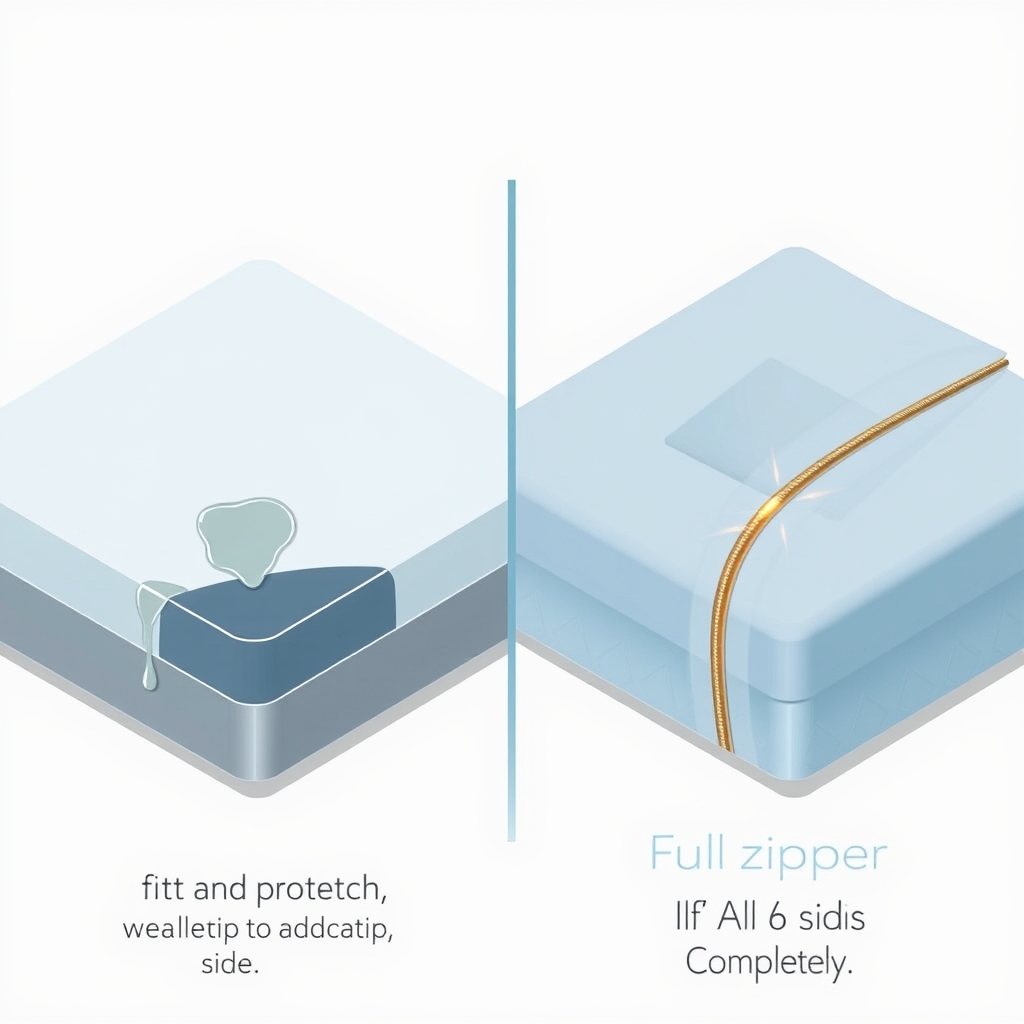
Should I get a fitted-sheet protector or a full encasement? It depends on your priorities. Fitted-sheet protectors are easier to remove and install, cost less, and work well for minor spill protection. Full encasements seal all sides, offer better dust-mite blocking, and are quieter but they’re more expensive and harder to maintain. If you have kids, pets, or serious allergies, an encasement like the Helix or Allerease is worth the trade-off. For light protection in a pet-free bedroom, a fitted sheet like Linenspa or SafeRest is sufficient.
How often should I wash my mattress protector? Owner reports suggest washing monthly if you’re a light sleeper in a dry climate, and every two weeks if you sweat heavily or live in humid conditions. Most protectors can be machine-washed on cold or warm and air-dried always check the label. Avoid high-heat drying, which degrades seams and zippers.
Will a mattress protector make my bed too hot? It depends on the protector. Polyurethane-backed fitted sheets (like Linenspa) trap heat and will make hot sleepers uncomfortable. Non-woven and bamboo-rayon options are breathable enough that most sleepers don’t notice overheating. Gel-infused encasements (Purple) actively cool. If heat is a concern, avoid thick polyurethane backings and prioritize breathable or gel-infused options.
Is the Helix Wedge worth the price over the Linenspa? Yes, if you value quiet sleep and all-around performance. The Helix is silent (vs. Linenspa’s audible crinkle), offers superior breathability, and protects the top surface of your mattress (Linenspa doesn’t). For $140–$160 more, you’re paying for measurable comfort improvements that will matter every night. If budget is tight and you rarely spill on the mattress, Linenspa is acceptable; otherwise, Helix is the better long-term investment.
The Bottom Line
A mattress protector isn’t optional it’s the difference between a mattress that lasts 8 years and one that lasts 12+. If you want one product that delivers quiet, breathable, waterproof performance across the board, the Helix Wedge is the best mattress protector for most sleepers. If you’re on a tight budget, Linenspa won’t let you down, even if it’s not silent. For hot sleepers, Purple is worth every penny; for allergies, Allerease is the specialist choice; and for a quiet, breathable middle ground, SafeRest Premium hits the sweet spot.
The key is matching the protector to your actual needs hot sleeper vs. allergy sufferer vs. budget-conscious renter rather than buying the most expensive option and hoping it solves everything. Each of our picks excels in specific situations; pick the one that matches yours, and you’ll sleep better knowing your mattress is protected.