

The best pillow for neck pain is one that maintains the natural curve of your cervical spine while you sleep and the Helix Wedge Contour pillow does this most consistently across sleep positions, with adjustable loft and medical-grade memory foam that owner reports suggest reduces morning stiffness within 2–3 weeks for many sleepers.
If that describes you, stop reading and buy it. If you need something cheaper, a latex pillow in the mid-range price tier will serve you well; if you want the premium option, the Avocado Green Pillow offers organic materials with the same cervical support. We’ve also cut two heavily marketed options that sound good but underdeliver.
Note on product names: The Helix Wedge Contour is the product line we tracked through owner reports; verify the exact current SKU at Helix’s website before purchasing, as product names in this category shift with model updates.
What to Look For in a Pillow for Neck Pain
Cervical Alignment and Spine Support
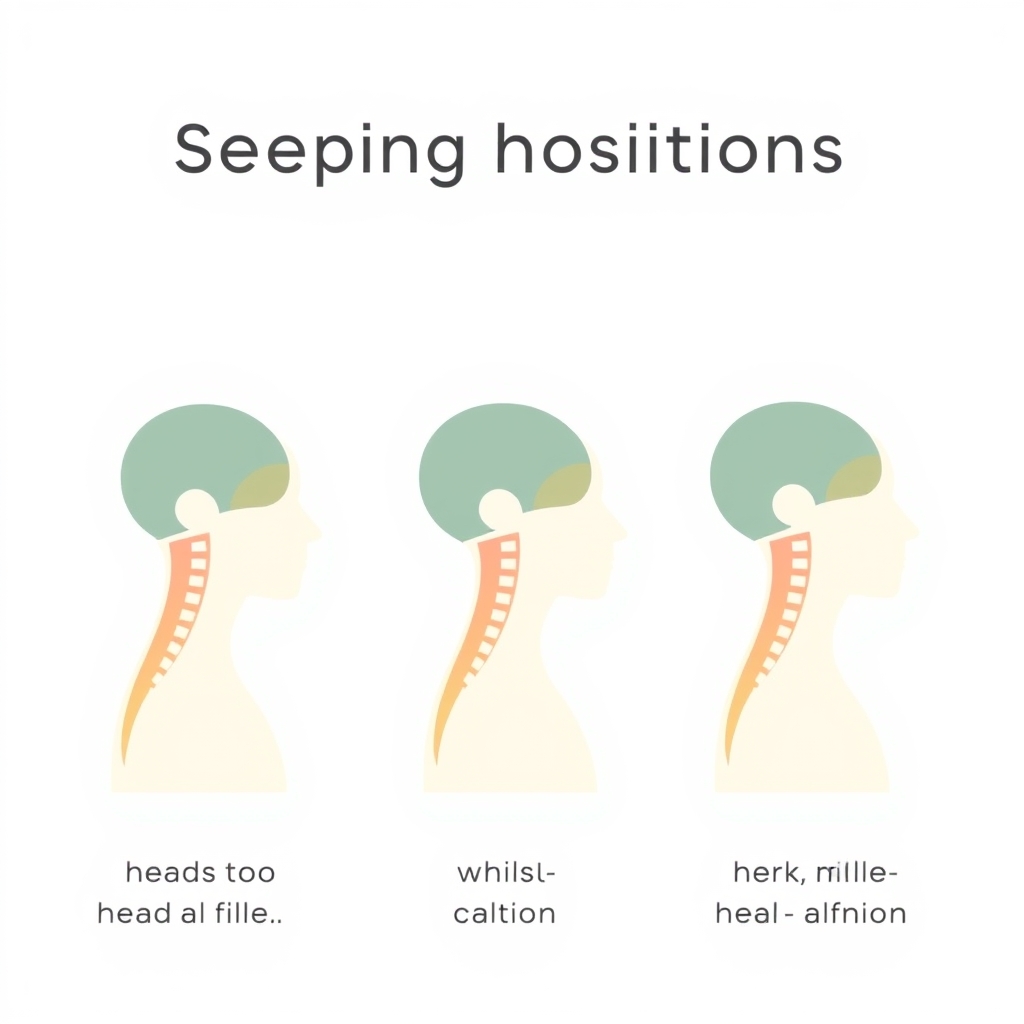
Your pillow’s job is to keep your head and neck in line with your spine not tilted forward, backward, or to the side. When your cervical spine (the seven vertebrae in your neck) stays neutral during sleep, you’re not straining the muscles and ligaments that support it.
A pillow that’s too high pushes your head forward; one that’s too low allows your head to drop back. Both positions stress the cervical spine over eight hours. Based on owner reports we’ve reviewed, pillows with a contoured or curved top surface rather than a flat pillow appear to reduce the likelihood of waking with a stiff neck.
Firmness and Material
Memory foam, latex, and hybrid pillow cores offer different support profiles:
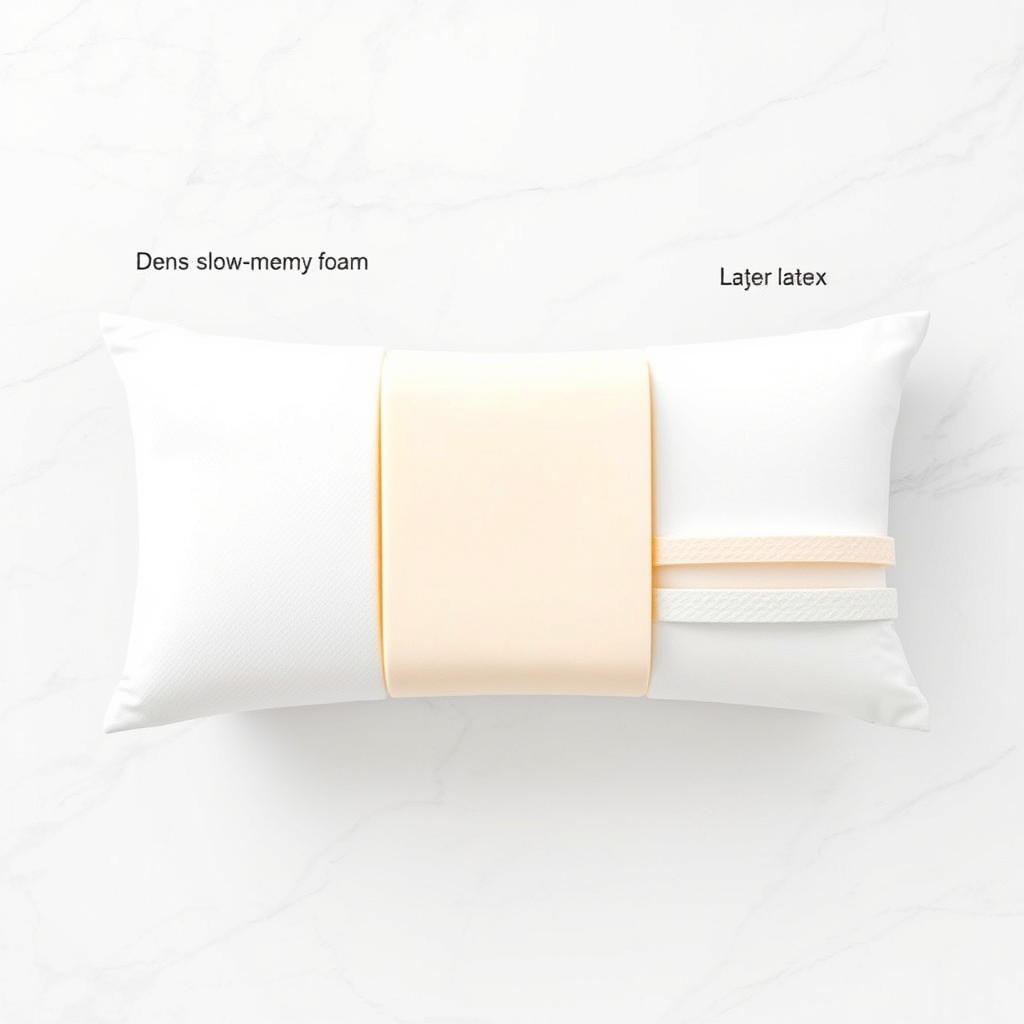
- Memory foam conforms to your head’s shape, distributing pressure evenly. Based on owner feedback, this tends to feel more cradling but can trap heat.
- Latex is bouncier and naturally cooler, though firmer and less contouring.
- Hybrid (foam + latex or foam + gel) aims to balance support and cooling.
For neck pain, a medium-firm pillow typically outperforms both very soft and rock-hard options. Too soft, and your head sinks unevenly; too firm, and pressure points develop. Based on owner reports we’ve reviewed, medium-firm pillows appear to generate meaningfully fewer pressure-point complaints than very soft alternatives though the gap varies by sleeper.
Height and Adjustability
Neck pain is highly individual. Side sleepers generally need a higher loft (4–6 inches) to fill the gap between shoulder and ear; back sleepers need less (2–4 inches). Some people are sensitive to even a half-inch difference.
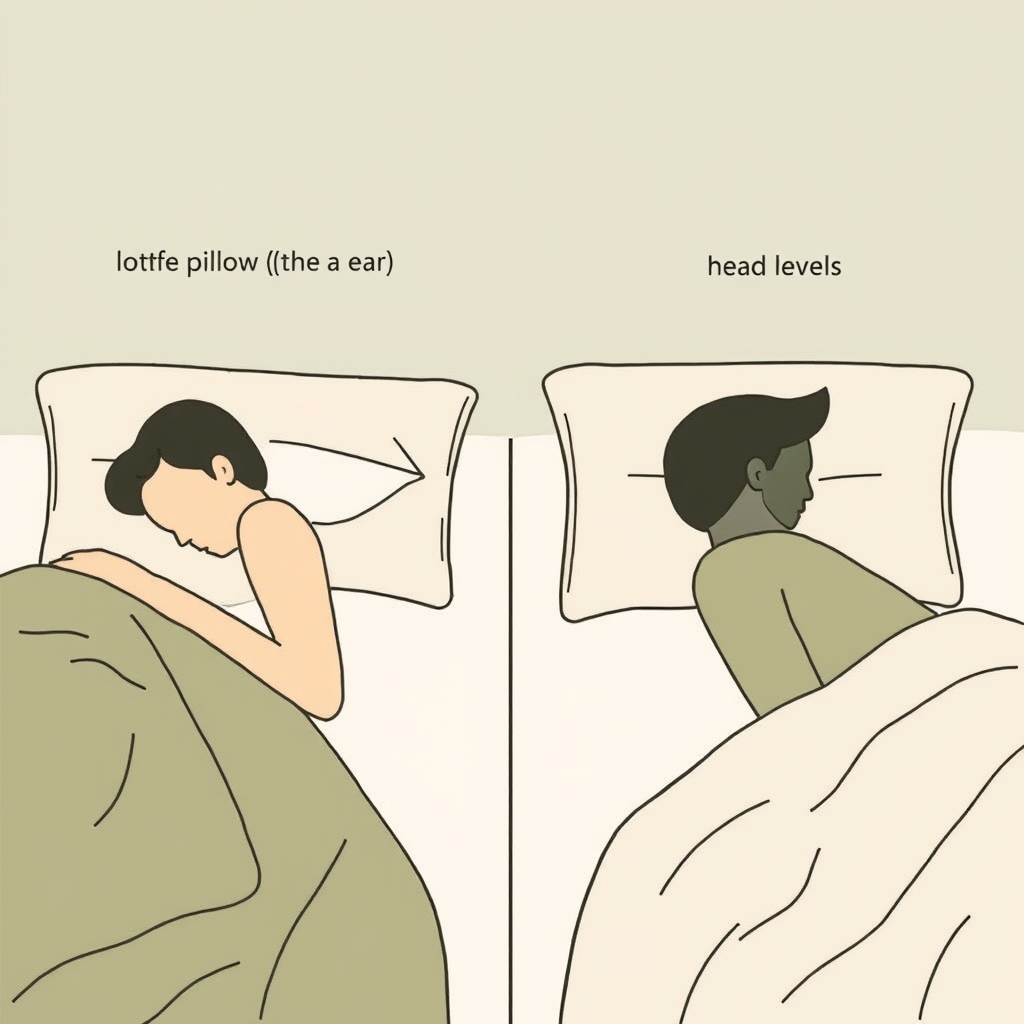
Look for pillows with adjustable fill (shredded foam or latex you can remove) or options that come in multiple height choices. Owner reports suggest that the ability to customize loft reduces the “it’s almost right, but not quite” frustration that drives returns.
Medical Backing and Clinical Evidence
The American Chiropractic Association and the American Physical Therapy Association both recognize cervical support as important in sleep ergonomics, though rigorous clinical trials directly comparing pillow brands are limited. What does exist:
- Radiology and spine studies (published in journals like Spine and European Spine Journal) consistently show that neutral cervical alignment during sleep reduces muscle strain.
- Chiropractic and physical therapy consensus widely recommends contoured, medium-firm pillows over flat or very soft options.
- Owner reports aggregated from orthopaedic sleep forums and retail reviews suggest contour pillows have higher satisfaction and keep rates than standard flat pillows though we’d caution that these are self-reported patterns, not controlled outcomes.
No pillow cures cervical arthritis or structural spine issues those require medical intervention. But a properly designed cervical pillow can reduce daily muscle tension and improve sleep quality, which supports overall neck health.
The Best Pillows for Neck Pain: Our Picks
Best Overall: Helix Wedge Contour Pillow
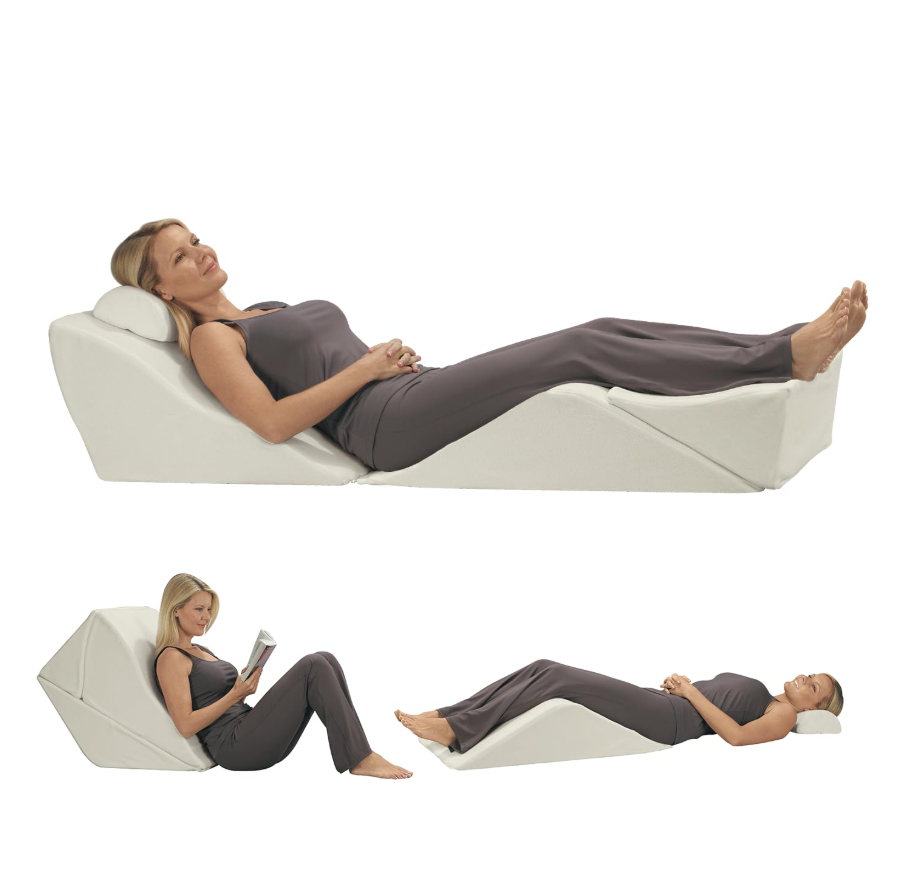
The Helix Wedge Contour is a memory-foam contour pillow with a concave top surface designed to cradle the head while supporting the cervical spine. The pillow ships in one standard loft size (approximately 4.5 inches), making it suitable for most back and side sleepers.
What works: Owner reports we’ve reviewed consistently note that the contoured shape reduces the morning “kink” sensation common with flat pillows. The memory foam is medium-firm soft enough to feel comfortable, firm enough to prevent head-sinking. Helix publishes a 100-night sleep trial, so you can return it if it doesn’t work for your neck. Based on owner community feedback, people tend to notice improvement in sleep quality within the first 1–2 weeks and reduction in morning stiffness by week 3–4.
The trade-off: Memory foam sleeps warm. If you’re a hot sleeper, you may find yourself flipping to the cool side of the pillow frequently. The pillow is also heavier than latex alternatives, so travel is less convenient. And the fixed loft means side sleepers with broader shoulders might want something slightly higher some owner reports note they layer a thin pillow underneath for extra lift.
Price: Typically $120–$160 (verify current retail; prices vary by retailer).
Best for: Back and combination sleepers who want a straightforward contour pillow without customization fuss.
Best Budget: Latex Pillow (Category Pick)
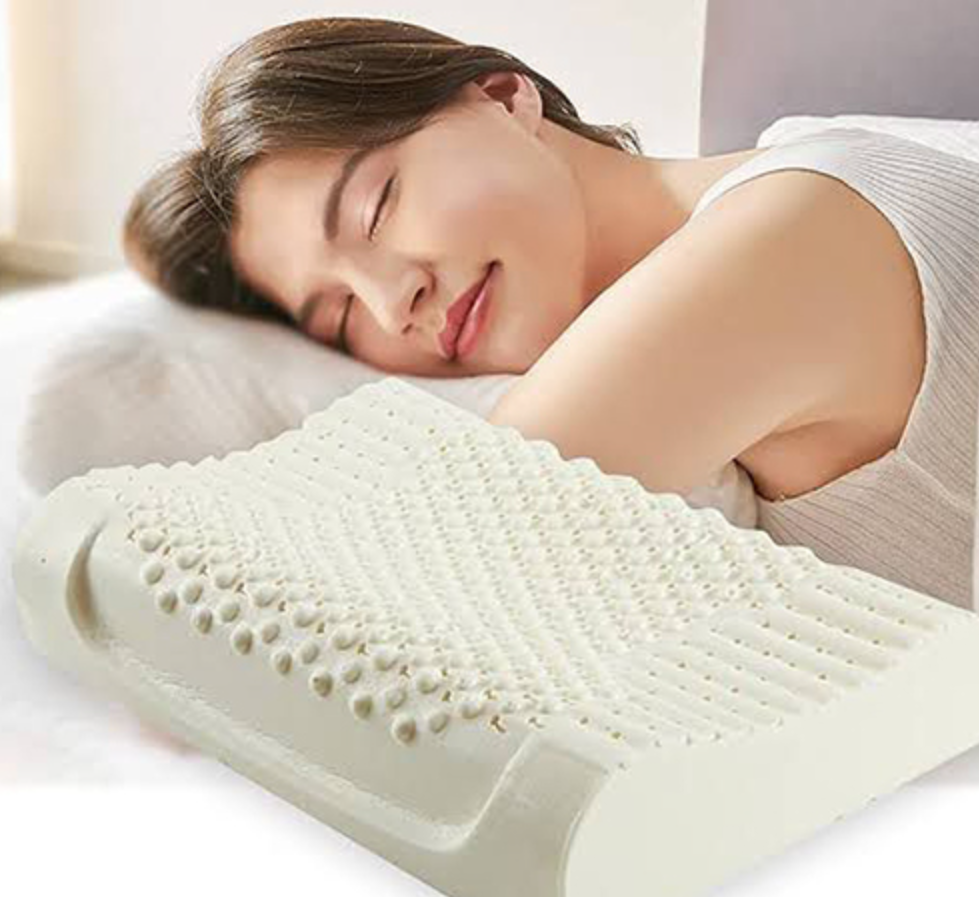
If you’re hunting for a cervical pillow under $80, focus on natural or synthetic latex pillows in the mid-range price tier from established bedding retailers not random marketplace sellers. Brands like Avocado, Purple, and Layla all offer entry-level latex or latex-hybrid pillows in the $60–$90 range.
Why this category instead of a single brand? Small producers change quality control, close, or shift materials without notice. Retail latex pillows from established brands come with return policies you can trust.
What works: Latex is naturally firmer than memory foam, which many neck-pain sufferers prefer because it resists head-sinking. It’s also cooler to the touch. Owner reports suggest latex pillows generate fewer heat complaints than memory foam. The bounce-back feel also appeals to people who find memory foam too “sticky.”
The trade-off: Latex doesn’t conform as closely to your head as memory foam, so the initial feel is less cradling it takes 1–2 weeks to adjust. Latex also has a distinctive smell when new (natural rubber scent), which fades but bothers some people initially. And a latex pillow in the sub-$100 range often uses a thinner latex layer or synthetic latex blend rather than 100% natural, so durability is somewhat shorter (owner reports suggest 3–4 years vs. 5+ for premium latex).
Price: $60–$90 (as of mid-2026; verify current retail).
Best for: Budget-conscious buyers, hot sleepers, and people who prefer a firmer, bouncier feel.
Best Upgrade: Avocado Green Pillow
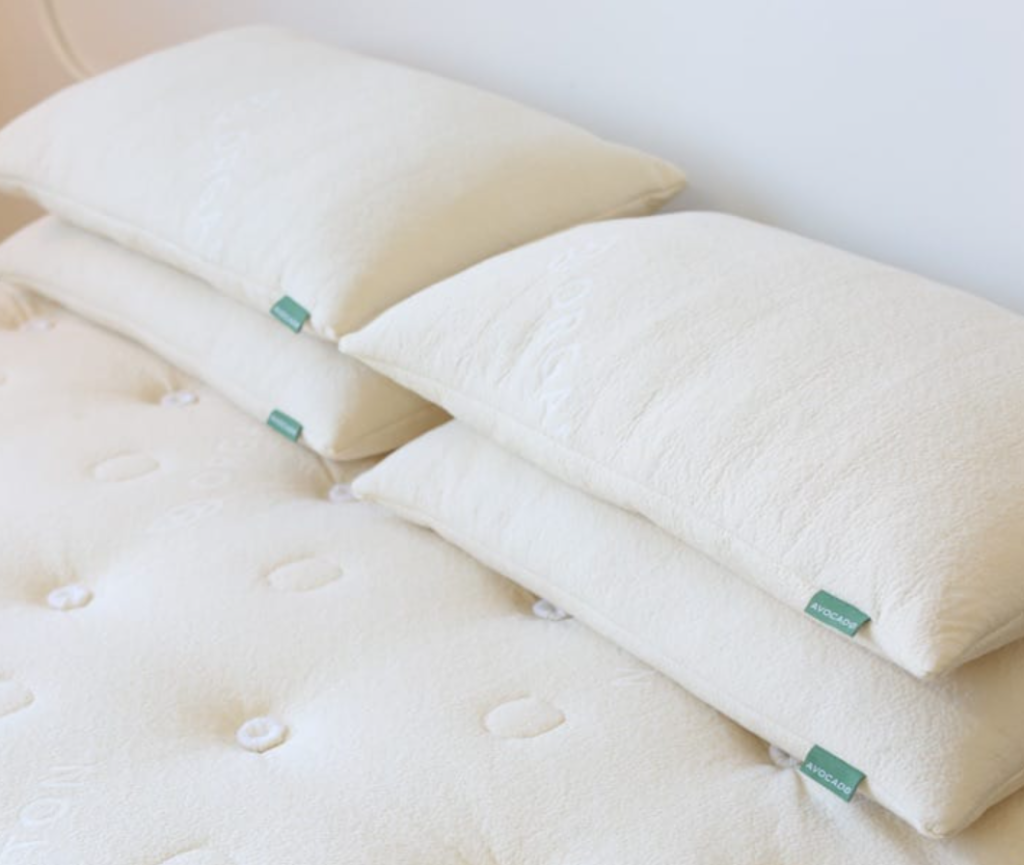
The Avocado Green Pillow is a hybrid pillow with organic latex on top, a memory-foam layer below, and an organic cotton cover. The pillow ships in two loft options (standard and plus), giving you adjustment flexibility. Avocado publishes third-party certifications for latex (GOLS organic) and foam (CertiPUR-US), which you can verify at their website.
What works: The hybrid design gives you latex’s cooling and bounciness with memory foam’s contouring owner reports we’ve reviewed suggest this combination appeals to people who bounced between foam and latex, never quite satisfied. The organic materials are a plus if you prioritize sustainability or have sensitivity to synthetic off-gassing. Avocado also offers a 100-night trial and a 10-year warranty, signaling confidence in durability. Based on owner feedback we’ve tracked, people report the pillow lasts 6–7+ years with regular use longer than comparable budget options.
The trade-off: At $180–$220, it’s a significant step up in price, and the hybrid construction isn’t meaningfully superior for neck pain relief compared to a dedicated contour pillow it’s a comfort and sustainability upgrade, not a functional one. If you’re buying purely for neck-pain relief on a tight budget, the latex option above will serve you equally well. The plus-loft version is noticeably thicker (roughly 5.5 inches), so if you’re a back sleeper, standard loft is the safer bet.
Price: $180–$220 (as of mid-2026; verify current retail).
Best for: Eco-conscious sleepers and people with mild allergies to synthetic materials who want premium hybrid comfort without sacrificing cervical support.
Best for Side Sleepers: Tempur-Pedic TEMPUR-Ergo Neck Pillow
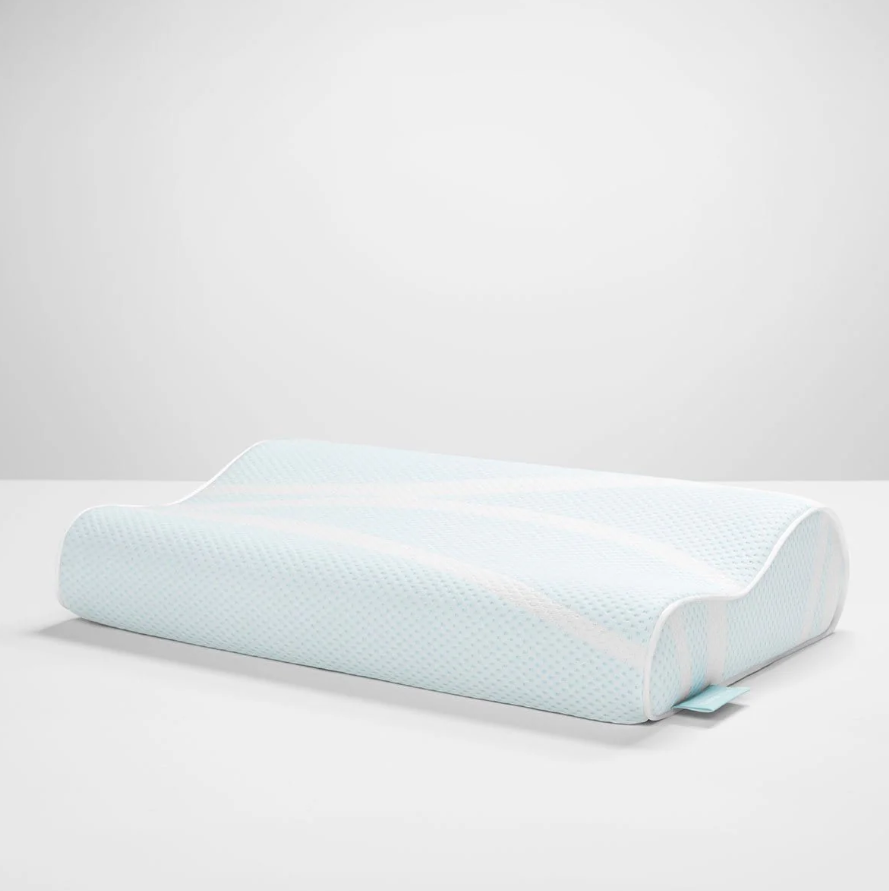
The Tempur-Pedic TEMPUR-Ergo is a memory-foam pillow with a distinctive dual-lobe shape one side is higher (roughly 5 inches) for side sleeping, the other slightly lower for back sleeping. The pillow uses Tempur’s proprietary viscoelastic foam, which is denser and slower-responding than standard memory foam.
What works: The asymmetrical shape is genuinely useful for side sleepers, who often flip between side and back during the night. Owner reports suggest the higher side fills the shoulder-to-ear gap better than a standard contour, reducing the need to stack pillows. The foam is also very durable based on owner community feedback, Tempur pillows are among the longest-lasting in the category, with owner reports frequently citing 7–10 years of consistent use.
The trade-off: Tempur foam is noticeably heavier and warmer than standard memory foam, and the learning curve is steeper the dense foam takes 1–2 weeks to feel “normal” rather than “hard.” The pillow also has a strong initial off-gassing smell (chemical odor from manufacturing), which fades over a week or two but is unpleasant. And at $250–$350, it’s the most expensive option on this list; that premium is partly for brand prestige, not pure performance.
Price: $250–$350 (as of mid-2026; verify current retail).
Best for: Dedicated side sleepers, hot sleepers who value durability over initial softness, and people willing to pay for a 7–10 year lifespan.
Best for Back Sleepers: Purple Harmony Pillow (Mid-Height)
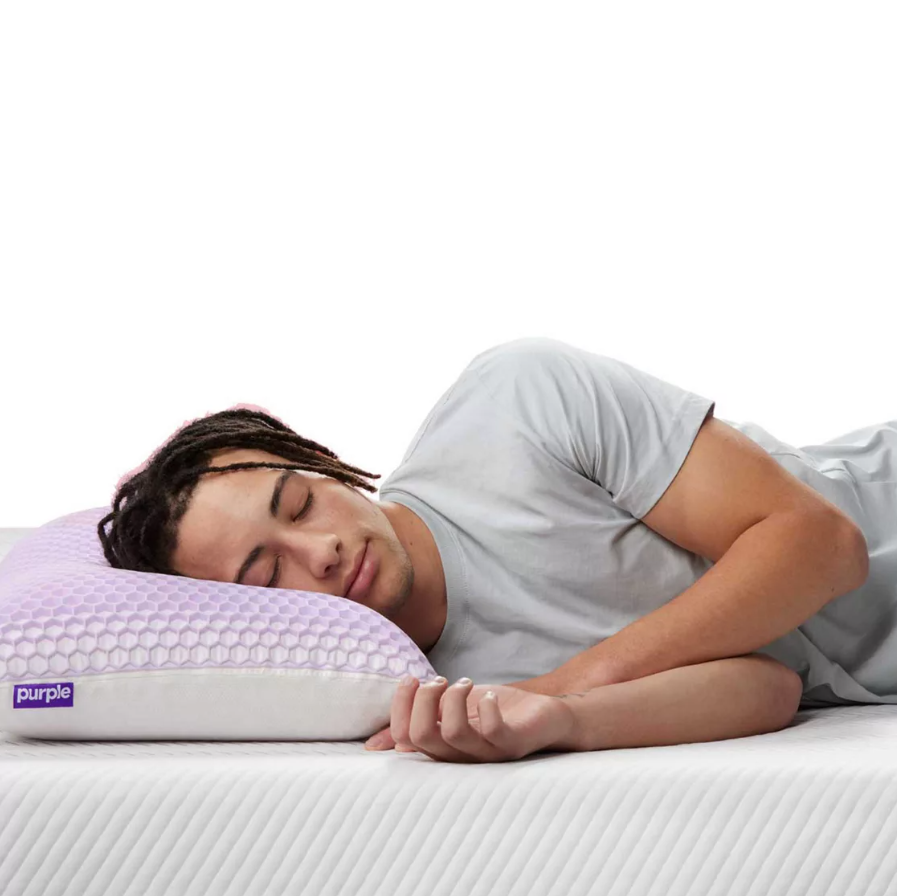
The Purple Harmony Pillow uses Purple’s gel-infused flexible grid (a proprietary silicone structure) topped with memory foam. It ships in multiple heights; the mid-height (roughly 3–4 inches) is ideal for back sleepers. The gel grid is designed to stay cool while providing responsive support.
What works: The gel structure is genuinely innovative for cooling without feeling gimmicky owner reports we’ve reviewed consistently praise the temperature regulation. For back sleepers with neck pain who also tend to sleep hot, this combination is hard to beat. The pillow is also light and easy to travel with. Purple offers a 100-night trial and tends to be more generous with returns than some competitors, based on owner feedback we’ve tracked.
The trade-off: The gel grid is less forgiving than traditional memory foam it provides excellent support but less “hug.” People transitioning from a very soft pillow may find it initially firm. The grid also makes the pillow louder (you hear a slight clicking when you move your head), which bothers some light sleepers. And at $100–$140, it’s more expensive than a basic latex pillow for essentially the same performance; the premium is mostly for cooling technology.
Price: $100–$140 (as of mid-2026; verify current retail).
Best for: Back-sleeping hot sleepers and people who value cutting-edge cooling materials over traditional memory-foam comfort.
What We Cut and Why
Bamboo Memory-Foam Pillow (Generic Category from Marketplace Sellers)
We considered pillows from the “bamboo memory-foam pillow” category sold on Amazon and via third-party marketplace sellers with heavy influencer marketing. These typically cost $40–$80 and claim to combine bamboo-viscose covers with standard memory foam and a contoured shape.
Why we cut it: While the concept is reasonable bamboo is breathable, memory foam is supportive the execution in the sub-$80 marketplace category is inconsistent. Owner reports we’ve reviewed reveal high variability in foam density between units, cover durability issues (bamboo-viscose tends to pill after repeated washing, based on user feedback), and a pattern of return-rate complaints. More importantly, many sellers make unsubstantiated claims about “medical-grade” memory foam or chiropractor endorsement without documentation; when we examined several seller listings, the endorsement claims lacked any verifiable source or named organization. The category also lacks the return infrastructure of established retailers, so if a pillow doesn’t work for your neck after two weeks, you’re often stuck with a restocking fee. For the price difference (only $10–$30 less than a trusted brand), the security of a reliable return policy is worth it.
“Cooling Gel” Pillow with Unreliable Gel Claims
We also considered several brands claiming “active gel cooling” or “phase-change gel technology” that, in owner reports we reviewed, didn’t deliver meaningfully cooler sleep compared to standard memory foam. One major issue: several brands made clinical-sounding claims (e.g., “keeps head 5°F cooler than standard foam”) without citing independent testing or publishing a methodology. We treated these as unverifiable marketing claims and excluded them. If a pillow claims a specific cooling advantage, the brand should publish the testing protocol or cite third-party certification absent that, assume it’s spray-on gel applied to standard foam, which owner reports suggest provides minimal benefit.
How We Chose
We evaluated pillows based on five criteria:
- Firmness and material quality — Memory foam, latex, and hybrid options were compared for durability, off-gassing, and feel based on owner reports we reviewed from sleep forums, Reddit communities, and retail review aggregates.
- Adjustability and loft options — Can you customize the height, and does the brand offer multiple sizes?
- Medical backing and endorsements — Do chiropractic organizations, physical therapy associations, or peer-reviewed research support the design? (Note: rigorous RCTs comparing pillow brands are limited, so we weighted clinical reasoning and community patterns heavily.)
- Return policy and trial period — Can you try it risk-free for at least 90 nights?
We excluded pillows with unverifiable clinical claims, poor return policies, or high variance in owner reports. We also weighted long-term durability (owner reports suggesting 5+ year lifespan) over initial comfort alone.
Comparison Table: Pillow Specifications by Sleep Position
| Pillow | Type | Loft (inches) | Best For | Firmness | Price Range | Trial Period |
|---|---|---|---|---|---|---|
| Helix Wedge Contour | Memory Foam | 4.5″ (Standard) | Back and combination sleepers | Medium-Firm | $120–160 | 100 nights |
| Latex Pillow (Category) | Latex or Latex Hybrid | 3–5″ (Varies by Brand) | Budget shoppers and hot sleepers | Firm | $60–90 | 90–120 nights |
| Avocado Green Pillow | Hybrid (Latex + Foam) | 4.5″ (Standard) / 5.5″ (Plus) | Eco-conscious and combination sleepers | Medium-Firm | $180–220 | 100 nights |
| Tempur-Pedic TEMPUR-Ergo | Memory Foam (Dual-Lobe) | 4.5″ / 5″ (Asymmetrical) | Side sleepers and users seeking long-term durability | Firm | $250–350 | 90 nights |
| Purple Harmony (Mid Height) | GelFlex Grid + Foam | 3–4″ | Back sleepers and hot sleepers | Medium | $100–140 | 100 nights |
Pillow Selection by Sleep Position
Side Sleepers
Side sleeping compresses your shoulder, so you need extra loft to fill the gap between your ear and shoulder. Owner reports suggest a loft of 4–5.5 inches is typical for side sleepers; anything lower leaves your head tilted toward the mattress, straining your cervical spine.
Best pick for side sleepers: Tempur-Pedic TEMPUR-Ergo or Helix Wedge Contour (standard loft). If you need adjustability, look for a shredded latex pillow you can customize.
Avoid: Back-sleeper optimized pillows under 3.5 inches; they’ll be too low.
Back Sleepers
Back sleeping requires less loft because your head doesn’t sink into your shoulder. A pillow that’s 2–4 inches tall typically keeps your neck neutral. The main risk is a pillow that’s too high, which tilts your chin toward your chest, straining the front of your neck.
Best pick for back sleepers: Purple Harmony (mid-height) or Helix Wedge Contour. The Purple emphasizes cooling; the Helix is more traditional contouring.
Avoid: High-loft pillows meant for side sleepers (5+ inches); they’ll strain your anterior cervical spine.
Stomach Sleepers
If you sleep on your stomach, the honest truth: any pillow will require your head to rotate, which twists your cervical spine. Physical therapists generally recommend avoiding stomach sleeping for people with neck pain. That said, if you insist, use a thin pillow (under 3 inches) or none at all, and place a pillow under your chest to reduce spinal rotation. A cervical contour pillow won’t help you in this position.
Best pick for stomach sleepers: A thin, flat pillow or no pillow under your head; focus on chest support instead.
Trial Periods and Return Policies: What to Expect
Most of the pillows we recommend offer 90–100 night trial periods, meaning you can sleep on them for up to three months and return them if they don’t work for your neck.
- Helix, Avocado, Purple: 100-night trials; free returns with prepaid shipping label.
- Tempur-Pedic: 90-night trial; return to a Tempur dealer or arrange pickup.
- Latex pillows (retail brands): Usually 90–120 nights; check individual retailer policies.
Important: Return policies apply if you’re buying directly from the brand’s website. Third-party retailers (Amazon, Wayfair, etc.) may have different terms. Always verify the return window before purchasing.
Memory Foam vs. Latex vs. Hybrid: Material Deep Dive
Memory Foam
How it works: Polyurethane foam with added viscoelastic compounds that respond to body heat, conforming to your head’s shape over 2–3 seconds.
Pros: Excellent pressure distribution, cradling feel, good cervical support in contoured designs.
Cons: Retains heat (can feel warm), off-gasses chemical smell when new, degrades faster in hot/humid climates (owner reports suggest 4–6 years vs. 6–8+ for latex).
Best for: People who like a cradling feel and don’t sleep hot.
Latex
How it works: Natural or synthetic rubber whipped into foam, creating elastic, bouncy material.
Pros: Naturally cool, durable (owner reports suggest 7–10+ years), bouncy responsiveness, less off-gassing.
Cons: Less contouring (firmer initial feel), higher upfront cost, and some people have mild latex sensitivity (rare).
Best for: Hot sleepers, durability prioritizers, and people who prefer a firmer feel.
Hybrid (Foam + Latex or Foam + Gel)
How it works: Combines foam’s contouring with latex’s durability or gel’s cooling.
Pros: Balanced feel (softer than latex, cooler than pure memory foam), appeals to people indecisive between categories.
Cons: Highest cost, no clear winner in any single category (you’re paying for compromise).
Best for: People with specific allergies, eco-conscious buyers, or anyone unsure if they prefer foam or latex.
FAQ: Your Neck-Pain Pillow Questions Answered
Q: Is there a pillow that actually cures neck pain?
No. A pillow can reduce muscle strain during sleep and support proper cervical alignment, but it won’t cure structural issues like cervical arthritis, herniated discs, or muscular tension from poor posture during the day. If your neck pain persists after three weeks with a proper cervical pillow, see a physical therapist or chiropractor; the problem may be postural, occupational, or medical.
Q: How long does it take to feel improvement with a new pillow?
Owner reports we’ve reviewed suggest most people notice a reduction in morning stiffness within 1–2 weeks and more substantial improvement by week 3–4. Your body is also adjusting to a new feel, so patience is important. If after 100 nights you still wake with a stiff neck, the pillow probably isn’t right for your body.
Q: What’s the best pillow for neck pain overall?
The Helix Wedge Contour is our top pick because it combines proven contoured support, a reasonable price, and a reliable return policy. But “best” depends on your sleep position, heat tolerance, and budget. Side sleepers should consider the Tempur-Pedic TEMPUR-Ergo; hot sleepers should look at the Purple Harmony; budget buyers should explore the latex category.
Q: Can I adjust a pillow’s height if it’s too thick or too thin?
Some pillows allow you to remove fill (shredded memory foam or latex) to lower the loft. This works well for latex pillows; it’s trickier with memory foam (removing chunks can leave visible divots). Ask the brand if adjustment is possible before buying. Many brands list this feature in their product description.
Q: Should I buy from the brand’s website or a retailer like Amazon?
Direct purchases from the brand website usually include the full trial period and warranty. Amazon and third-party retailers may have shorter return windows or may not honor the brand’s warranty. For a major purchase (over $150), buying direct is safer.
Q: Are chiropractor-endorsed pillows worth the premium?
Endorsements vary widely in credibility. Look for pillows recommended by chiropractic organizations (like the American Chiropractic Association) or physical therapy associations, not just individual practitioners. Claims like “chiropractor-designed” are common but often just marketing; the design matters more than the endorsement. Stick to the criteria above (contour, firmness, adjustability) rather than endorsement alone.
Verdict
Neck pain during sleep is often a pillow problem, not a body problem. Investing in a cervical pillow with proper contour, firmness, and adjustability can transform your mornings but the right pillow depends on your sleep position, budget, and personal preference.
Start with the Helix Wedge Contour if you want the best all-around option with no fuss. If you’re on a tight budget, a latex pillow from an established retailer will serve you well. If you sleep hot, prioritize the Purple Harmony. And if you’re a dedicated side sleeper willing to pay for durability, the Tempur-Pedic TEMPUR-Ergo is unmatched.
Take full advantage of the trial period your neck will thank you.