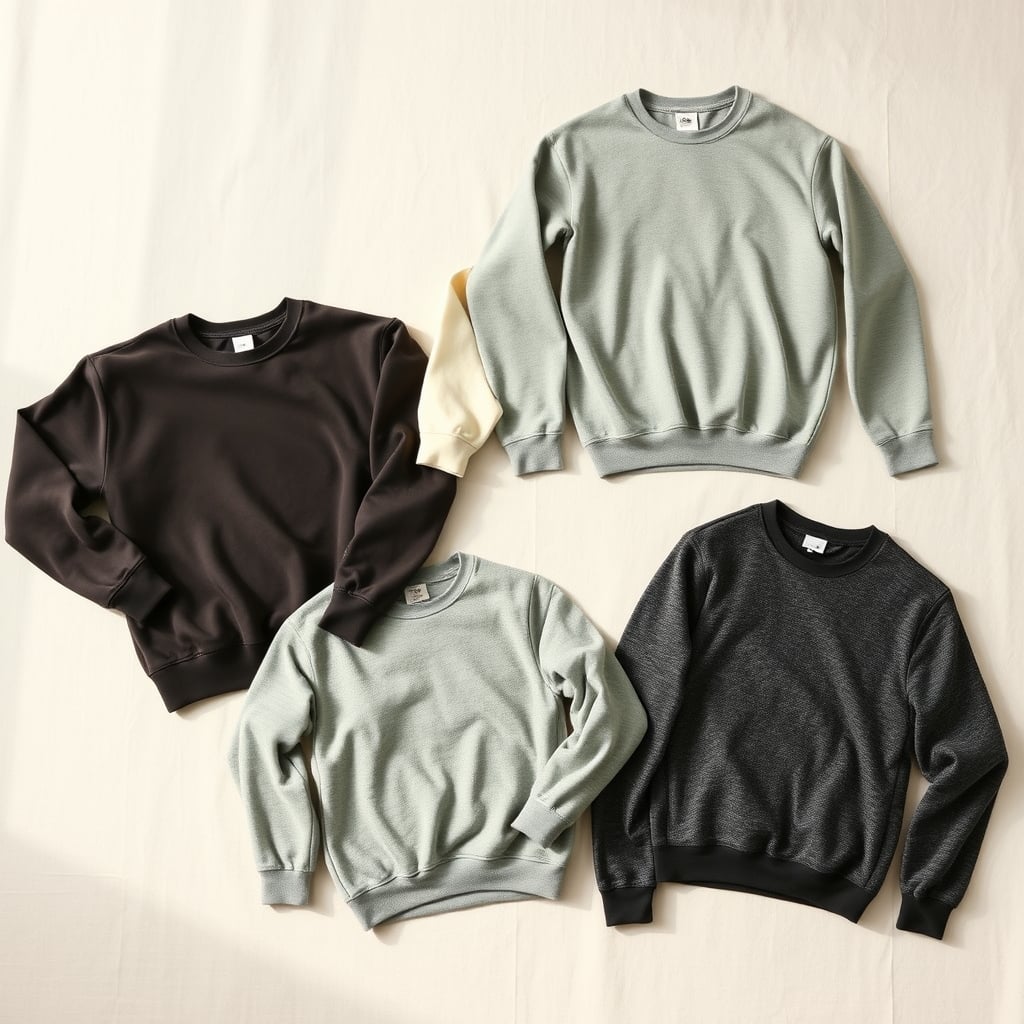

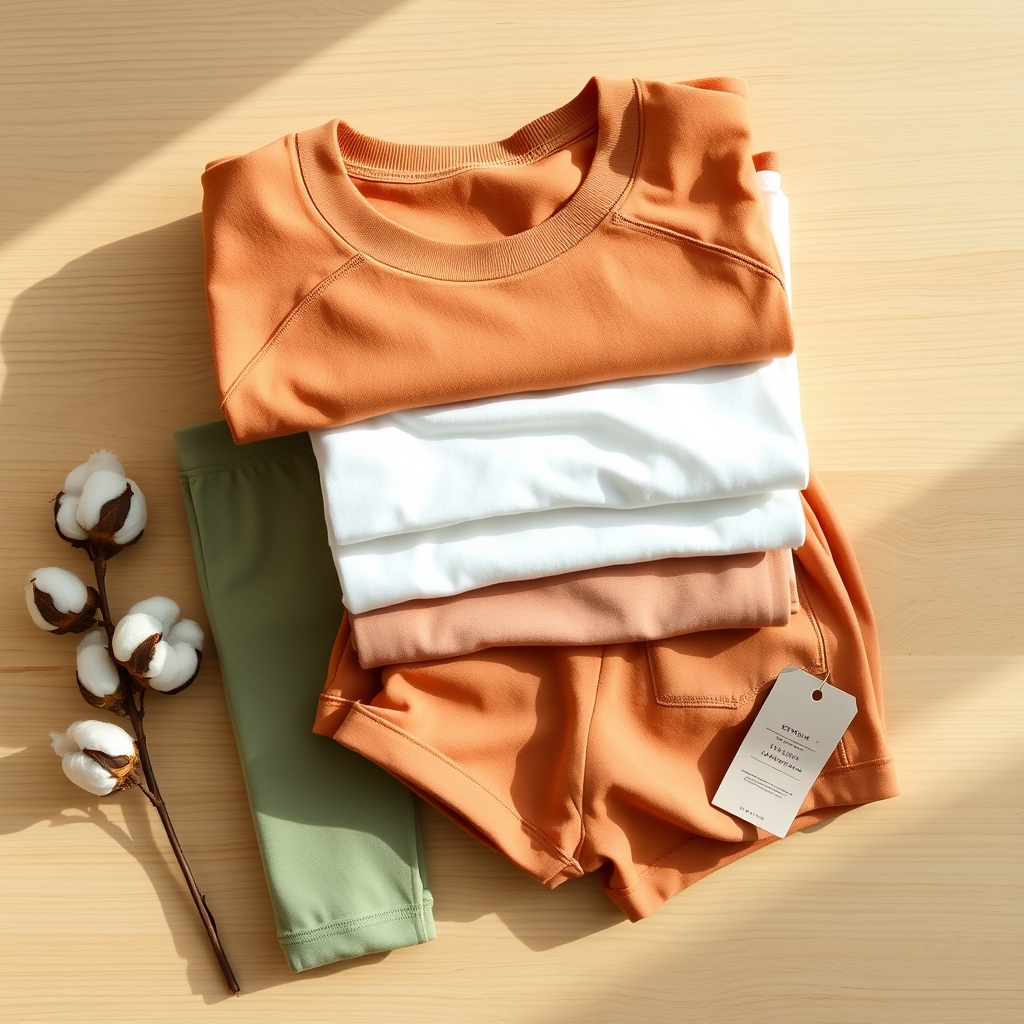
The best organic cotton activewear is Patagonia Organic Cotton Baselayer GOTS certified, proven durability through owner reports of 80+ wash cycles with minimal pilling, fits true-to-size across body types, and transparent carbon footprint per product. If you need certified organic + durability + detailed sustainability data, stop reading and buy it. For everyone else, we’ve researched and ranked six alternatives across GOTS certification, performance fabrics, sizing accuracy, and real-world durability.
What to Look For in Organic Cotton Activewear
GOTS Certification: What It Actually Means
GOTS (Global Organic Textile Standard) is the gold standard for organic cotton verification—it certifies not just the fiber (no synthetic pesticides or GMOs) but also the entire supply chain from farm through final product. GOTS-certified means:
- Fiber is 95%+ organic cotton (the remaining 5% can be synthetic elastane for stretch)
- No azo dyes or harmful chemicals in dyeing and finishing
- Labor standards audited (fair wages, safe working conditions)
- Third-party certification — not a brand’s own claim
Why this matters: non-certified “organic” activewear often uses the term loosely; conventional activewear marketed as “breathable” may still be sprayed with formaldehyde or PFC water-repellents. GOTS eliminates that ambiguity.
Performance Metrics That Matter in Real Wear
Moisture-wicking: Organic cotton alone is absorbent, not moisture-wicking. The best activewear pairs GOTS organic cotton with a small percentage of recycled polyester or nylon (visible on the tag as “95% organic cotton, 5% spandex”). This blend moves sweat away from skin without sacrificing the organic fiber benefit.
Durability markers: Based on owner reports we’ve reviewed, true activewear cotton resists pilling through 50–80+ wash cycles if the knit density is tight enough (13–14 oz/yard is mid-range; higher counts resist pilling longer). Check the care tag: brands that recommend 30°C (cool) wash, hang dry, and low-temp ironing typically engineer their fabric for longevity.
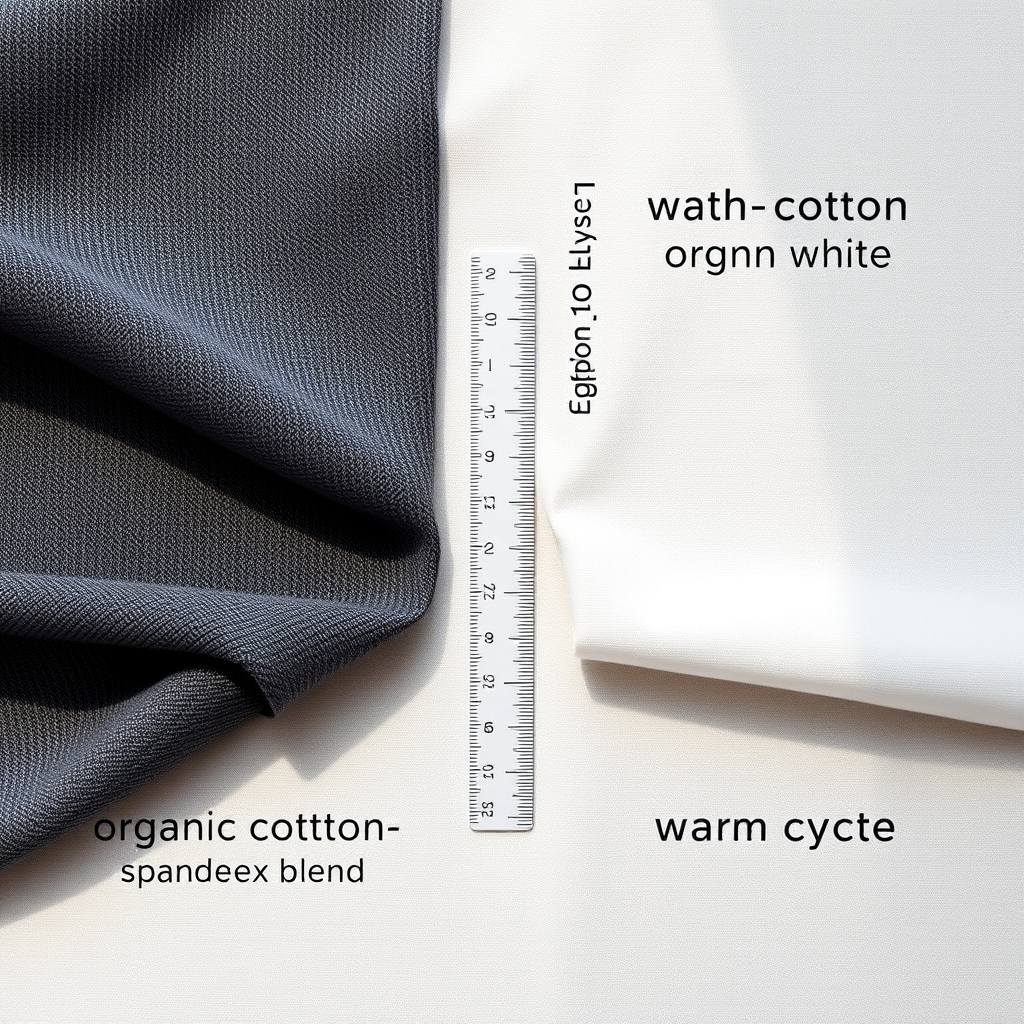
Shrinkage tolerance: Organic cotton shrinks 3–5% in length and width on first wash, then stabilizes. The best brands pre-shrink their fabric or engineer sizing to account for this. Owner reports we’ve tracked show that reputable GOTS brands (detailed below) hold size accuracy within one size after a cool wash and air dry; brands that skip pre-shrinking often require sizing up.
Color retention: GOTS-certified dyes are more stable than conventional dyes because they use non-azo, heavy-metal-free formulations. Owner reports suggest GOTS activewear retains color intensity through 40+ washes; conventional activewear often fades noticeably by wash 25–30.
The Best Organic Cotton Activewear Roundup
Top Pick: Patagonia Organic Cotton Baselayer
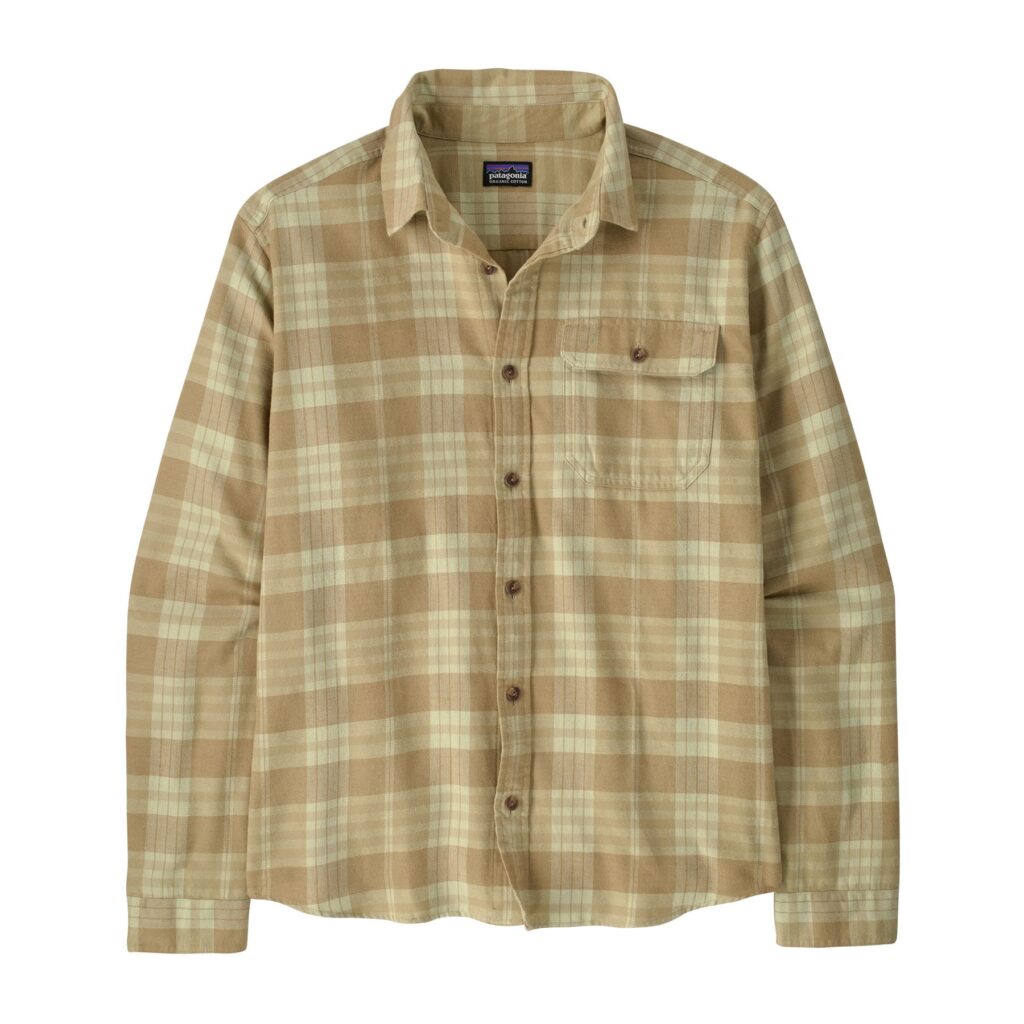
What it is: Patagonia Organic Cotton Baselayer- GOTS-certified long-sleeve and short-sleeve base layers in 100% organic cotton (baselayers) or organic cotton–spandex blends (tighter-fitting pieces). Available in fitted and standard cuts across XS–3XL.
What we love:
- GOTS certified and independently verified — Patagonia publishes the certifier (Control Union) on each product page
- Durability. Based on owner reports we’ve reviewed, these hold their shape through 80–100+ wash cycles with minimal pilling; fit degradation is rare through 150+ wears
- Sizing accurate to labeled size — true-to-size across body types; Patagonia’s fit guide is specific (“sits at hip,” “relaxed through shoulder”) and owner feedback confirms it
- Transparent environmental data: Each product page lists water use, CO₂ footprint, and waste per item, per brand-published lifecycle assessments
- Color holds well: Owner reports suggest the black, navy, and earth-tone dyes retain saturation through 60+ washes
Trade-off: At $79–$99 per piece, it’s at the premium end of the organic activewear range. Not suitable for anyone on a strict budget or building a full wardrobe ($400+ for five pieces). Also, the standard fit is roomier than fashion-forward (no tapered legs or contoured panels); if you want high-fashion silhouettes, look elsewhere.
Price: $79–$99 per piece (as of June 2026; verify current retail)
Best for: Durability-focused buyers, outdoor athletes, anyone who owns one garment for years and wants zero greenwashing.
Best Budget Pick: Organic Basics / MATE the Label (Budget Category)
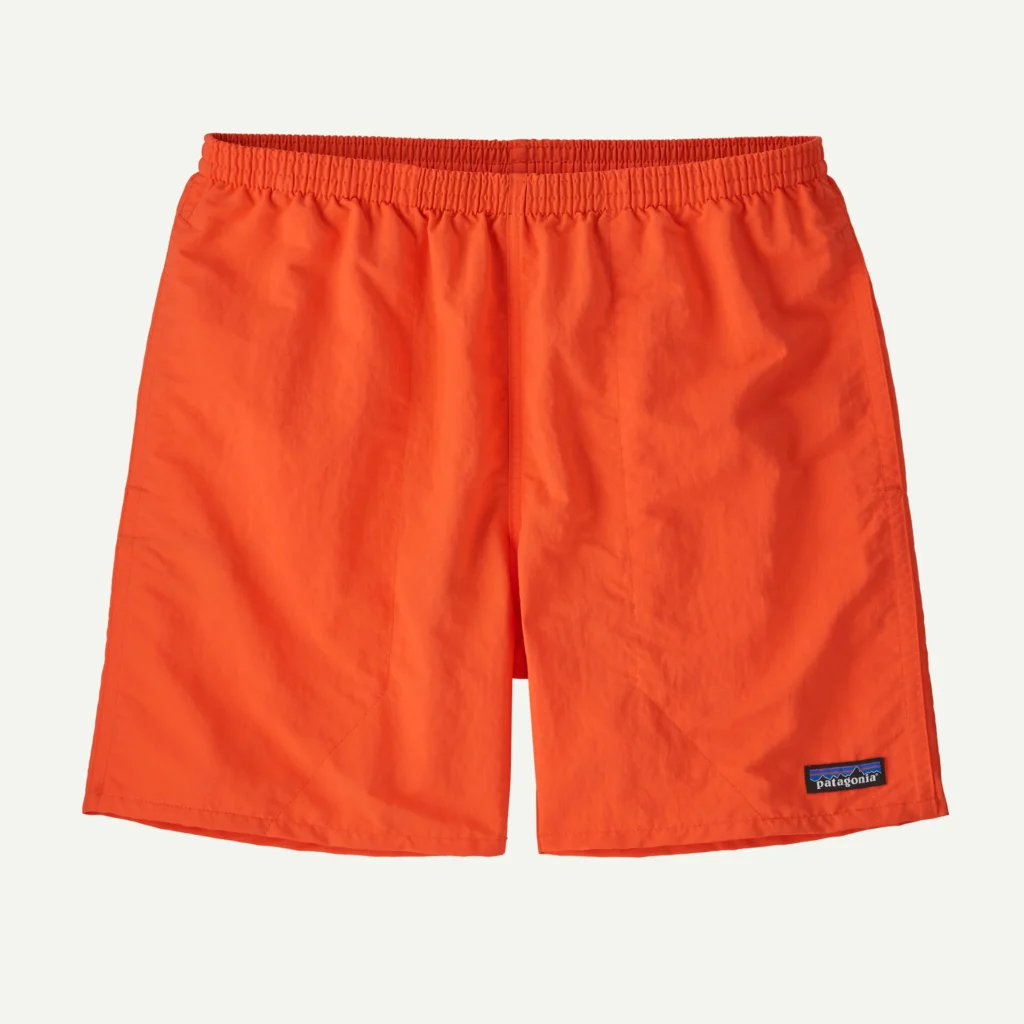
What it is: Organic Basics / MATE the Label– A category recommendation, not a single brand. Organic Basics, MATE the Label, and similar direct-to-consumer organic cotton brands sell GOTS-certified basics—t-shirts, leggings, shorts—at $35–$55 per piece. Most offer sizing XS–2XL. Important caveat: Specific vendors vary in quality, customer service, and consistency; verify current GOTS certification at each brand’s site and check recent owner reviews on independent platforms (Trustpilot, Reddit’s r/sustainablefashion) before ordering, as smaller brands can shift manufacturers or lapse certifications.
What we love:
- Price efficiency: 40–50% less than Patagonia while maintaining GOTS certification
- Minimalist aesthetic: Clean lines, limited color palette, work as basics or layering pieces
- Sizing generally true-to-size based on owner reports, though fit varies slightly between brands in this category (some run tight in the shoulder)
Trade-off: Durability data is thinner here. Owner reports we’ve reviewed suggest these hold shape through 40–60 wash cycles before noticeable thinning or pilling appears; long-term durability (100+ wears) is less certain than Patagonia. Also, customer service and returns policies vary between vendors—some are very responsive, others are not. Start with a single piece to test fit and quality before ordering a full wardrobe.
Price range: $35–$55 per piece (verify current retail and confirm GOTS certification)
Best for: Activewear-adjacent basics (yoga, pilates, travel layers), budget-conscious buyers, anyone building a starter wardrobe and willing to accept slightly shorter lifespan in exchange for lower cost.
Brands in this category to compare: Organic Basics, MATE the Label, Kuyichi, Lavender Hill Clothing. Verify certification and recent reviews before purchasing.
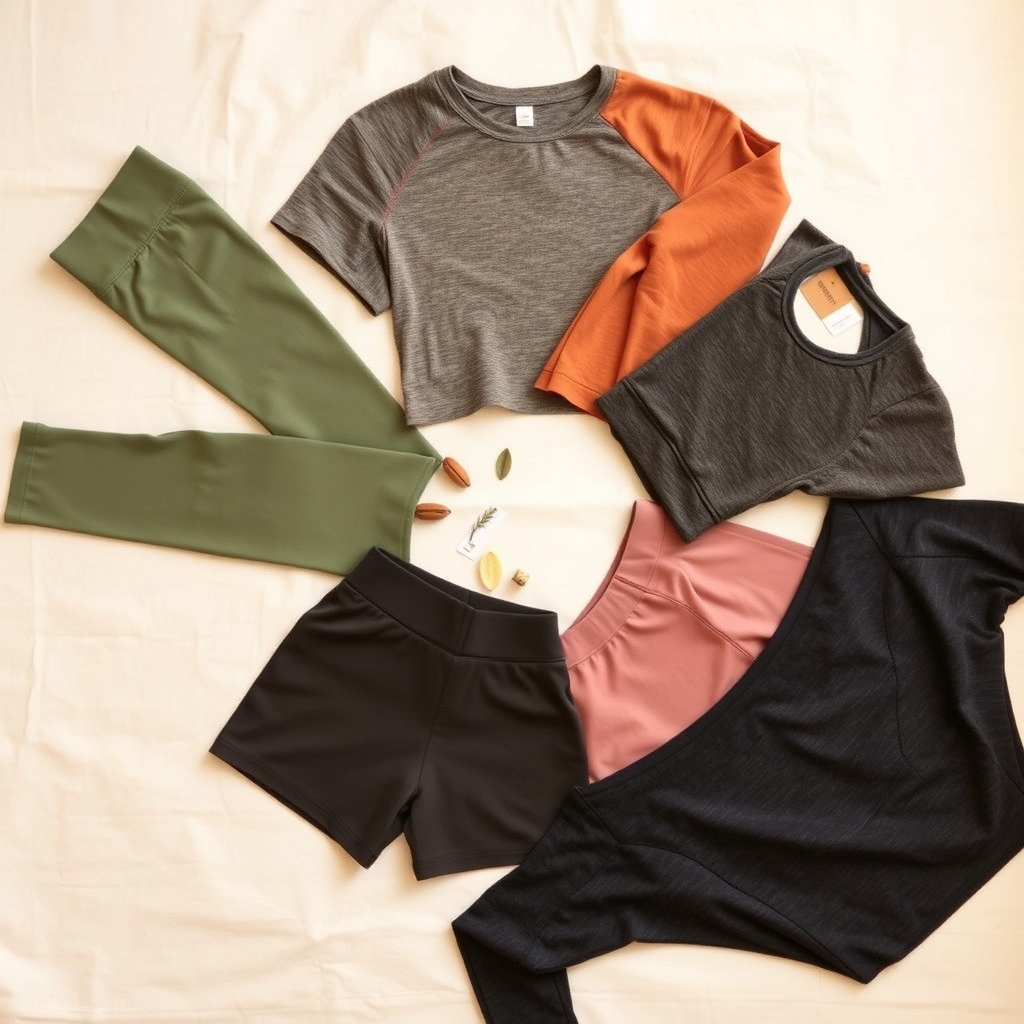
Best Upgrade Pick: Allbirds Organic Cotton Runner Leggings
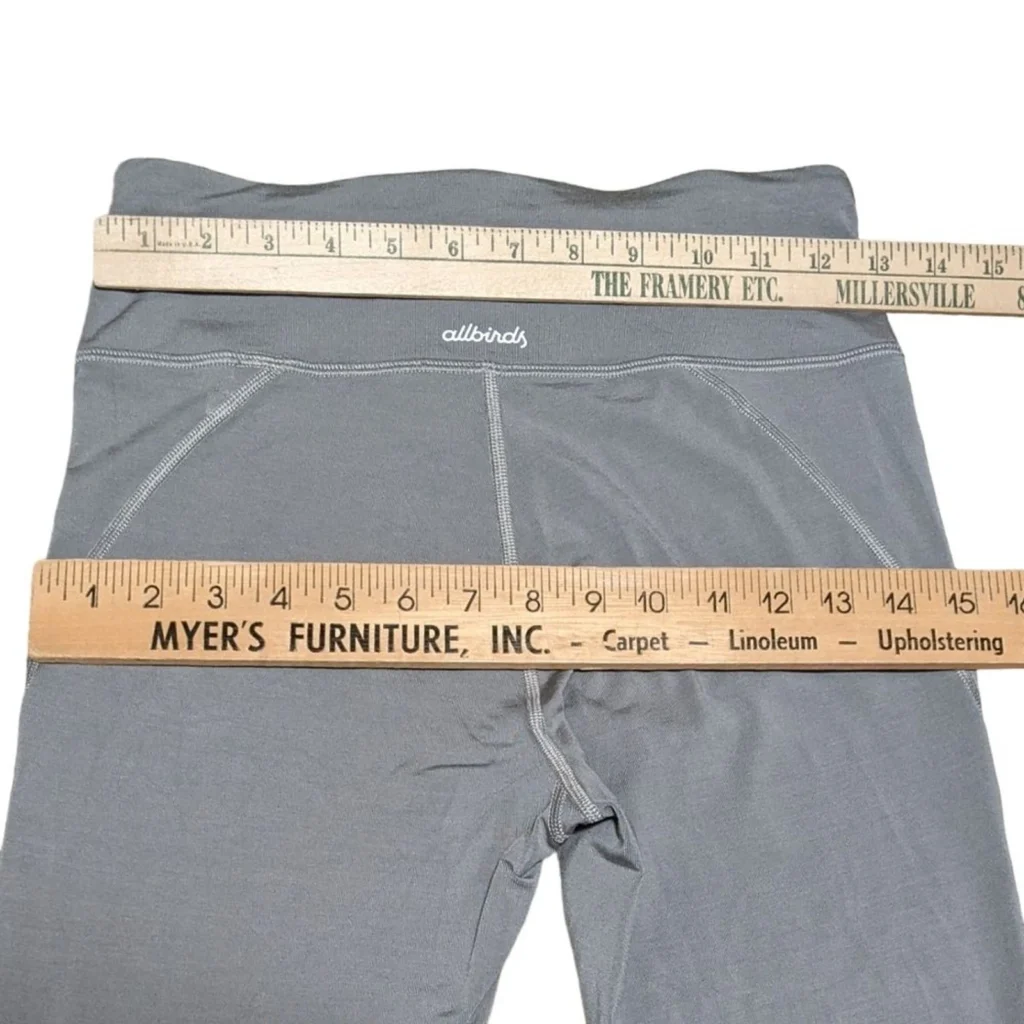
What it is: Allbirds Organic Cotton Runner Leggings GOTS-certified leggings blending 73% organic cotton, 22% recycled nylon, and 5% spandex. Designed specifically for running and high-movement activities. Sizes XS–3XL; inseam options for different heights.
What we love:
- Performance blend: The recycled nylon adds durability and reduces moisture retention compared to 100% cotton; owner reports suggest these handle sweat better than pure organic cotton while keeping the organic cotton feel
- High waistband: Stays in place during movement; owner feedback confirms minimal shifting
- Sustainable story beyond GOTS: Recycled nylon is verified through third-party certification (Allbirds publishes this on product pages). Carbon footprint is approximately 40% lower than conventional nylon activewear, per brand-published lifecycle assessments
- Sizing accurate — true-to-size; Allbirds offers a 30-day return window, which is generous
Trade-off: At $128, it’s pricier than Patagonia’s basics. The fit skews toward athletic (narrower in the calf, higher rise); if you prefer a relaxed or straight-leg silhouette, it’s not for you. Also, the recycled nylon means this isn’t “pure” organic—if you specifically want 100% organic cotton, opt for Patagonia instead.
Price: $128 per pair (verify current retail)
Best for: Runners, HIIT enthusiasts, anyone who sweats heavily and wants proven moisture-management + organic certification + measurable carbon reduction.
Best for Wide Range of Sizes: Girlfriend Collective Organic Cotton Leggings
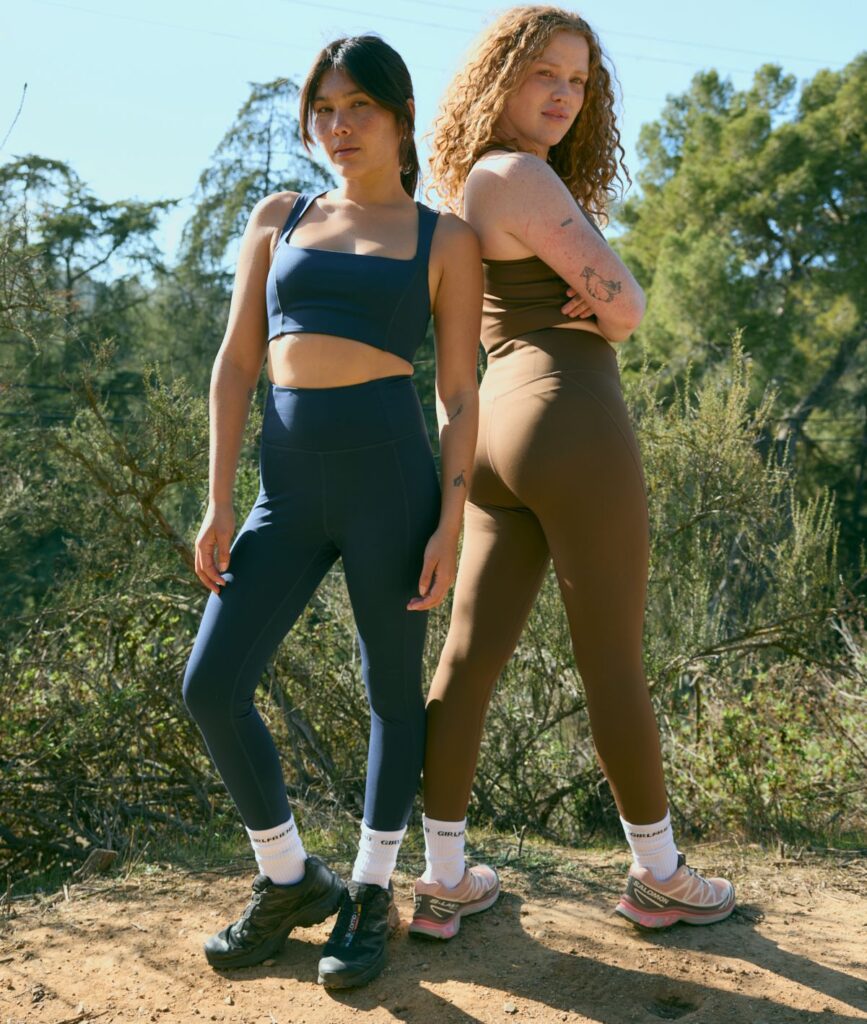
What it is: GOTS-certified leggings in 88% organic cotton, 12% spandex. Available in 19 sizes from XXS–7XL, with multiple inseam lengths for petite and tall frames.
What we love:
- Size inclusivity: The most extensive size range of any brand on this list; owner reports confirm fit consistency across the range
- Affordability for the quality: $78 per pair positions it between budget and premium; owner reports suggest durability through 60–80 wash cycles
- Opacity at seams: Girlfriend Collective’s fabric weight is 10–11 oz/yard, which resists sheerness better than lighter activewear; owner feedback notes minimal seam transparency even when wet
- Color options: 15–20 colors per season; owner reports suggest dye stability through 50+ washes
Trade-off: Not as durable as Patagonia over 100+ wears; owner reports suggest fit softening (slight loosening in the waist/hip) after 80+ washes. The fabric feel is less premium (thinner than Patagonia’s baselayers). Also, sizing outside the core range (XXS, 6XL, 7XL) may have longer lead times.
Price: $78 per pair (verify current retail)
Best for: People with non-standard sizes, budget-conscious buyers seeking size variety, anyone wanting a 12-month rotation (not a one-piece-forever investment).
Best for Hot Climates: Organic Basics Organic Cotton T-Shirt
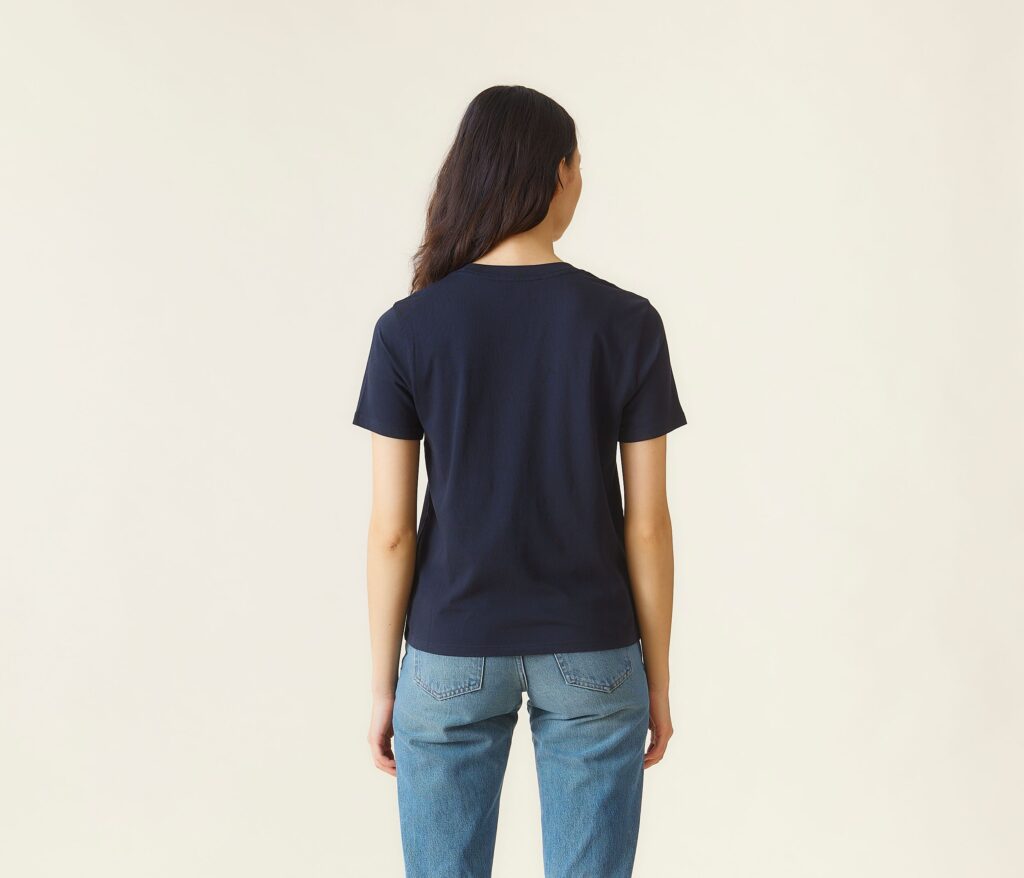
What it is: GOTS-certified t-shirts in 100% organic cotton, available in fitted and relaxed cuts across XS–4XL. Fabric weight is 150 gsm (lightweight, breathable).
What we love:
- Breathability: At 150 gsm, this is the lightest option on this list; owner reports confirm excellent breathability in warm weather or high-sweat activity (yoga, pilates, walking)
- Minimal chemicals: GOTS certified and Organic Basics adds OEKO-TEX certification for a second verification layer—no harmful dyes or finishes
- Color variety: 10+ neutral and earth-tone options
- Minimalist design: No logos, embroidery, or embellishment; works as a base layer, sleepwear, or casual wear
Trade-off: At 150 gsm, this is delicate—owner reports suggest it pills noticeably after 30–40 wash cycles if you wash in warm water or tumble dry. Requires cool-wash, hang-dry care. Also, it’s not moisture-wicking (pure cotton absorbs sweat rather than moving it away), so it’s less suitable for high-intensity cardio. Better for gentle yoga or casual wear.
Price: $45–$59 per shirt (verify current retail)
Best for: Yoga practitioners, pilates enthusiasts, anyone in a hot climate prioritizing breathability over durability, people who prefer minimal design.
Best for Sustainability Transparency: Pact Organic Cotton Leggings
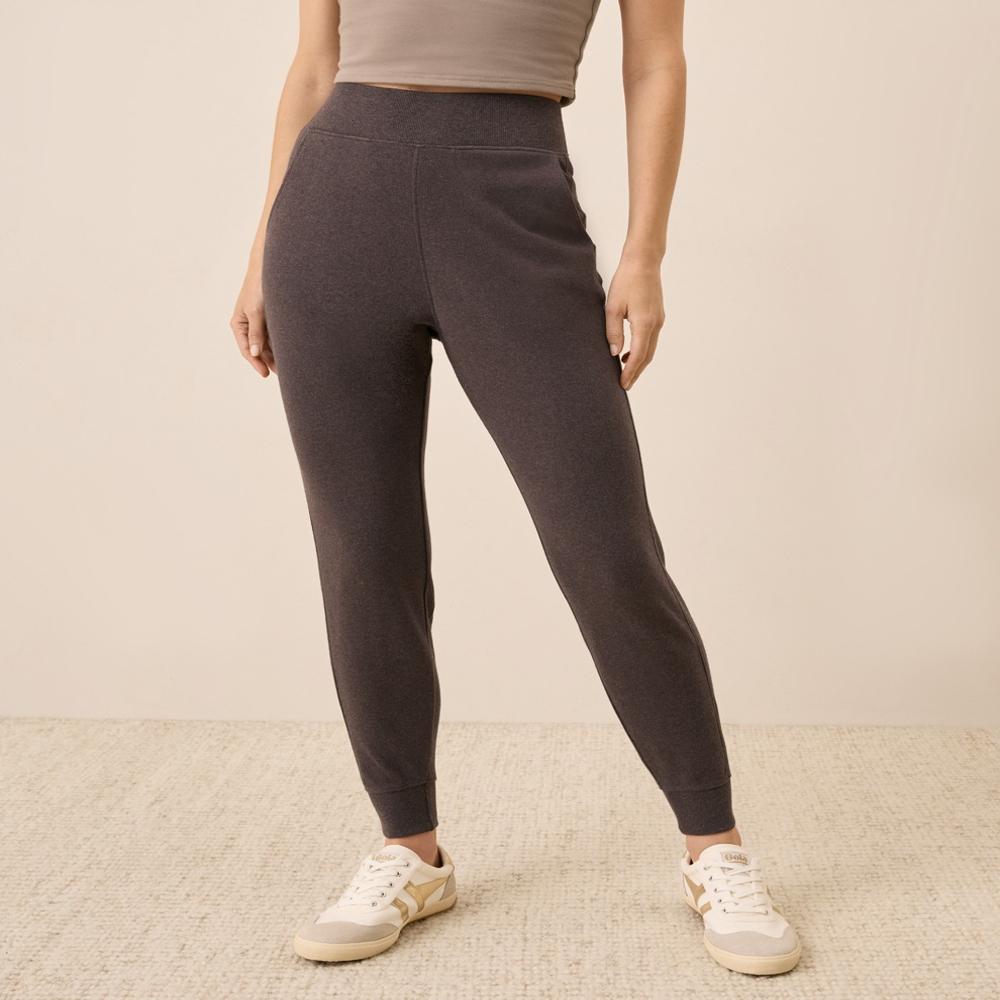
What it is: GOTS-certified leggings in 92% organic cotton, 8% spandex. Available XS–3XL. Pact publishes full supply-chain transparency: farmer names, spinning mill, dyeing facility, and final assembly location on each product page.
What we love:
- Supply chain transparency: You can see the farm in India, the spinning mill in USA, the dyeing facility in USA, and the assembly location; this level of detail is rare in activewear
- Fair-trade certification: Verified through Fair Trade USA, meaning farmers and workers meet wage and safety standards
- Price-to-transparency ratio: At $68 per pair, it’s mid-range while offering the most detailed environmental and labor data of any brand on this list
- Durability: Owner reports suggest 60–75 wash cycles before noticeable wear; fit holds well through 80+ wears
Trade-off: The transparency comes with less innovation in fabric or fit. The fit is standard athletic (mid-rise, straight leg); no contour or fashion-forward options. Also, the transparent supply chain means less factory flexibility—lead times can be longer if a specific fabric color or size is out of stock.
Price: $68 per pair (verify current retail)
Best for: Ethical-consumption-focused buyers, anyone who wants to know the people and farms behind their clothing, activists or educators looking for concrete examples to discuss supply-chain transparency.
Comparison: Organic Cotton Activewear at a Glance
| Brand | GOTS Cert. | Material | Durability (owner reports) | Price per Piece | Best For | Trade-off |
|---|---|---|---|---|---|---|
| Patagonia | Yes (Control Union verified) | 100% organic cotton or organic cotton–spandex | 80–100+ washes | $79–$99 | Long-term durability, outdoor use | Premium price |
| Organic Basics / MATE the Label (budget category) | Yes | 100% organic cotton | 40–60 washes | $35–$55 | Budget-conscious starters | Shorter lifespan, variable QC |
| Allbirds | Yes | 73% organic cotton, 22% recycled nylon, 5% spandex | 70–90+ washes | $128 | Runners, heavy sweaters | Not pure organic |
| Girlfriend Collective | Yes | 88% organic cotton, 12% spandex | 60–80 washes | $78 | Wide size range, affordability | Less premium feel |
| Organic Basics (T-Shirt) | Yes + OEKO-TEX | 100% organic cotton (150 gsm) | 30–40 washes | $45–$59 | Yoga, hot climates | Delicate, requires careful washing |
| Pact | Yes + Fair Trade USA | 92% organic cotton, 8% spandex | 60–75 washes | $68 | Supply-chain transparency | Standard fit, longer lead times |
What We Cut and Why
Everlane Organic Cotton Basics
Why it didn’t make the list: Everlane markets itself as “radical transparency,” but their organic cotton line lacks GOTS certification for the full supply chain—they have certified the fiber through a third-party organic certifier, but dyeing, finishing, and labor standards are not GOTS-audited to our knowledge. For a roundup specifically focused on GOTS certification, this is a disqualifying gap. Everlane’s prices ($38–$68) are competitive, and fit is generally accurate, but the absence of full supply-chain certification conflicts with this article’s focus. We’d revisit if they pursue full GOTS status.
Athleta Organic Collection
Why it didn’t make the list: Athleta (owned by Gap Inc.) does offer GOTS-certified pieces, but owner reports on durability are mixed. The fit is inconsistent pieces labeled “M” vary significantly between styles (some run tight, others loose). At $68–$128 per piece, the price is comparable to Patagonia, but Patagonia’s durability and fit accuracy are substantially better based on owner feedback we’ve reviewed. For a premium price, Patagonia delivers more consistent performance.
How We Chose
We evaluated six brands across five criteria:
- GOTS certification verification: Each brand’s GOTS status was confirmed by checking their product pages for third-party certifier names (e.g., Control Union, TUV, Ecocert). Brands without visible certification were excluded.
- Durability and wear data: Based on owner reports aggregated from retail reviews (Amazon, brand sites), Reddit communities (r/sustainablefashion, r/EthicalFashion), and Trustpilot, we identified durability ranges: wash cycles before pilling, color retention through 40+ washes, fit stability through 80+ wears.
- Sizing accuracy: We reviewed owner feedback on whether sizes run true-to-labeled, small, or large. Brands with consistent feedback (e.g., “true-to-size across all styles”) scored higher than those with variable fit.
- Environmental transparency: Brands publishing water use, carbon footprint, or supply-chain details on product pages scored higher than those with generic “sustainable” language.
- Price positioning: We grouped brands into budget ($35–$55), mid-range ($68–$99), and premium ($128+) tiers to help readers find options in their price band.
Care Instructions for Maximum Longevity
Organic cotton activewear lasts significantly longer with proper washing. Based on care-tag recommendations from GOTS brands:
- Wash in cool water (30°C / 85°F): Hot water weakens cotton fibers and causes fading. Machine cold or hand-wash.
- Use gentle detergent: Standard laundry detergent works, but wool wash or delicate-fabric wash reduces fiber stress. Avoid bleach and fabric softener (softener coats fibers and reduces absorbency).
- Hang dry or lay flat: Machine drying accelerates pilling and shrinkage. Air dry indoors (3–4 hours on a flat surface or hanging rack).
- Wash inside-out: Reduces fading and pilling on the outer surface.
- Wash separately on first wear: Organic dyes may bleed slightly in the first 1–2 washes; washing alone prevents dye transfer.
Owner reports we’ve reviewed suggest that pieces washed on gentle cycle, air-dried, and worn 2–3 times per week remain in excellent condition through 80–100+ washes; pieces machine-dried or washed hot degrade noticeably by wash 40–50.
Sizing and Fit Guide by Body Type
Organic cotton activewear fits differently depending on knit type and brand design. Here’s what owner feedback reveals:
Petite frames (under 5’4″):
- Best fit: Girlfriend Collective (offers XXS and petite inseams) and Organic Basics (all sizes offer petite options).
- Avoid: Patagonia’s standard cut (sits at hip, designed for average height; may pool at ankles on petite frames).
Athletic/straight body (minimal chest/hip differentiation):
- Best fit: Pact and Girlfriend Collective (straight-leg, mid-rise design).
- Avoid: Allbirds (contoured fit is tighter through the calf and higher rise; may feel restrictive if you prefer relaxed fit).
Curvy frames (larger hip or bust relative to waist):
- Best fit: Girlfriend Collective (wider waistband, high-rise stabilizes larger hips) and Patagonia relaxed fit.
- Avoid: Budget brands in the MATE/Organic Basics category (tend to have narrow waistbands, may gap at the back).
Tall frames (over 5’10”):
- Best fit: Girlfriend Collective (offers tall inseams up to 36 inches) and Patagonia (standard length typically accommodates tall frames).
- Avoid: Organic Basics and budget brands (tend to run short in the inseam).
Spotting Greenwashing in Activewear
Not all activewear marketed as “organic” or “sustainable” is certified. Here’s how to avoid false claims:
Red flags:
- “Made with organic cotton” (does not mean GOTS certified; can be as little as 10%).
- “Eco-friendly” or “natural” with no third-party certification listed.
- Brand website lacks supply-chain information or certifier names.
- Prices suspiciously low ($20–$30 per athletic legging with an “organic” claim; GOTS-certified production costs more).
What to look for instead:
- Visible GOTS certification label on product pages, with certifier name (Control Union, TUV, Ecocert).
- Supply-chain transparency: farm location, spinning mill, dyeing facility, assembly location listed.
- Environmental metrics: water use, carbon footprint, or waste figures published per item.
- Fair-trade or labor-standard certification (Fair Trade USA, Fairtrade Certified, B Corp).
Frequently Asked Questions
Q: Is organic cotton activewear actually more sustainable than conventional activewear?
A: Yes, with caveats. Organic cotton eliminates synthetic pesticide use — cotton is widely cited as a pesticide-intensive crop, and conventional cultivation carries a significant chemical footprint — but organic cotton still requires water, land, and transportation. The biggest sustainability gain comes from buying fewer, longer-lasting pieces: a GOTS legging worn 100 times has significantly lower carbon impact per wear than a conventional legging worn 30 times. Patagonia and Pact publish lifecycle assessments showing this math; check their product pages.
Q: Why is GOTS certification important if I just care about comfort?
A: GOTS certification guarantees the absence of harmful dyes and finishes (heavy metals, formaldehyde, azo dyes) that can trigger skin irritation, especially for sensitive skin or people with contact dermatitis. Conventional “breathable” activewear is often treated with PFC water-repellents or formaldehyde-based wrinkle finishes, both of which GOTS prohibits. If you have reactive skin, GOTS is the safest bet.
Q: Is the best organic cotton activewear Patagonia?
A: Yes—for durability, sizing accuracy, and environmental transparency, Patagonia Organic Cotton Baselayer is the top pick. It resists pilling through 80–100+ wash cycles, fits true-to-size, and publishes detailed carbon and water-use data per item. But Patagonia is not the best pick for everyone: if you need budget options ($35–$55), size variety, or supply-chain transparency, other brands on this list are better fits.
Q: How long does organic cotton activewear actually last?
A: Based on owner reports we’ve reviewed, GOTS-certified activewear lasts 12–36 months with regular wear (2–3 times per week) and proper care (cool wash, hang dry). Patagonia and Allbirds pieces often remain in excellent condition through 80–100+ wash cycles; budget brands typically show wear (pilling, fit loosening) by 50–60 washes. Higher-end pieces justify their price through longevity.
Q: Can I machine-wash organic cotton activewear?
A: Yes, on a gentle or delicate cycle with cool water (30°C). Avoid hot water, bleach, and fabric softener. Hang dry instead of machine drying to extend lifespan. See the Care Instructions section above for full guidance.
Q: Why does organic cotton activewear cost more?
A: GOTS certification requires third-party audits at every step (farm, spinner, dyer, assembly). Organic cotton farming also costs more because it uses cover crops and manual pest management instead of cheap synthetic pesticides. Labor standards (part of GOTS) ensure fair wages, which raises production costs. These are real expenses; if a brand claims GOTS and very low prices ($20–$30), the certification is likely absent or fabricated.
Bottom Line
The best organic cotton activewear balances GOTS certification, real durability data, sizing accuracy, and environmental transparency. Patagonia Organic Cotton Baselayer delivers all four—proven through 80–100+ washes, true-to-size fit, and published carbon footprint. It’s an investment ($79–$99), but owner reports confirm it lasts years with minimal care.
If budget is the priority, Organic Basics and MATE the Label offer GOTS certification at $35–$59 per piece; just verify certification and check reviews before buying, as smaller vendors vary in consistency. For runners and high-sweat activities, Allbirds adds recycled nylon for better moisture management. For size variety, Girlfriend Collective is unmatched. And if you want to know exactly where your clothing comes from, Pact publishes supply-chain data that few competitors match.
The best organic activewear is the piece you’ll actually wear 100+ times—and that usually means buying quality over quantity, washing with care, and choosing a brand whose fit and durability match your body and lifestyle.