
Which Health Tracking Wearable Should You Keep?
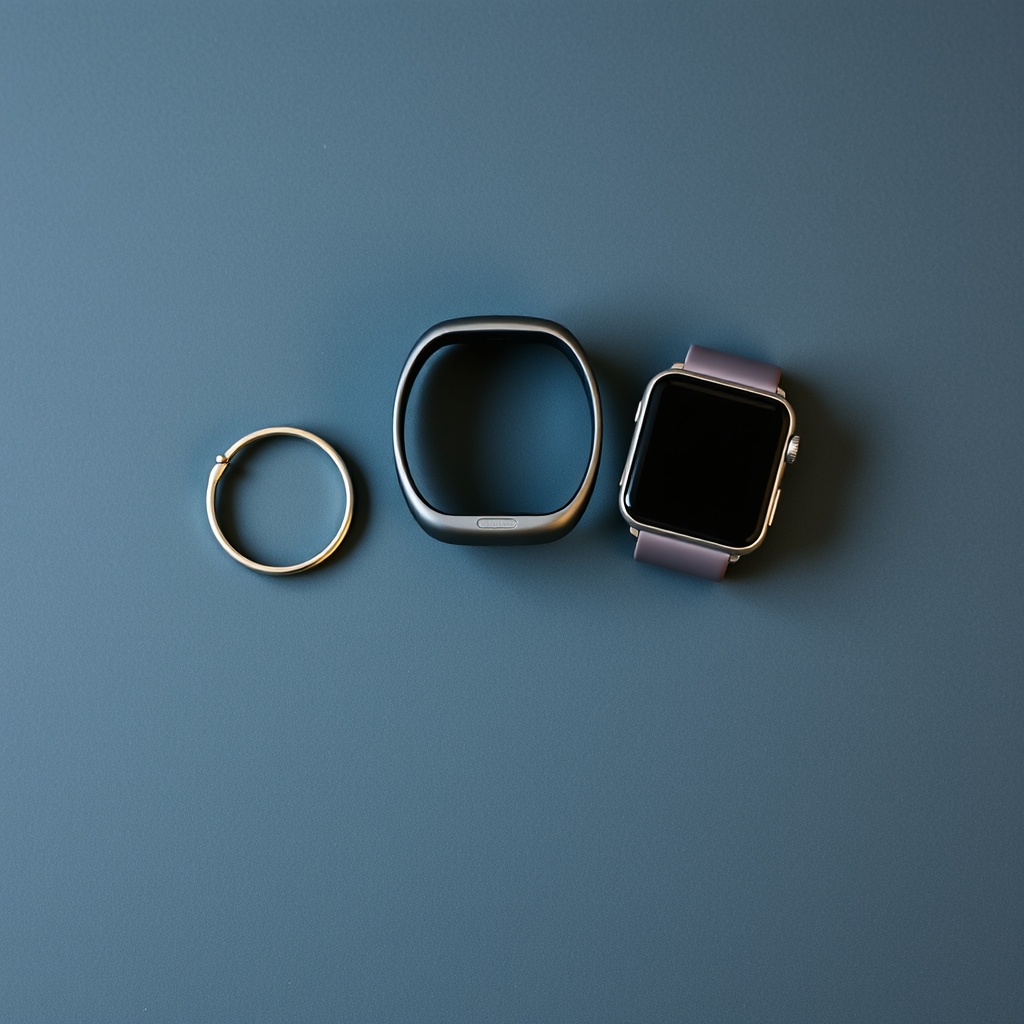
Health tracking wearables come in three forms rings, smartwatches, and bands each with distinct trade-offs. For most people who want reliable all-day tracking and clear insights, the Oura Ring Gen 3 wins on sleep accuracy and recovery data, but a traditional smartwatch like the Apple Watch Series 9 offers more flexibility and actionable fitness features. Best for budget: Fitbit Charge 6. Best for power users: Apple Watch Ultra 2.
Your choice depends on one deciding factor: Do you want to wear your tracker all day and night, or only during specific activities? If it’s all day, a ring keeps you honest about recovery without draining your wrist real estate. If it’s both activity logging and daily wear, a watch wins but expect the trade-off of heavier daily charging or shorter battery life compared to rings and bands.
Master Comparison: Rings, Watches, and Bands at a Glance
| Device | Form Factor | Sleep Tracking | Battery Life | Price (as of June 2026, est.) | Best For |
|---|---|---|---|---|---|
| Oura Ring Gen 3 | Ring | Exceptional (HR variability, REM/deep breakdown) | 3–7 days (brand-reported) | $300 | Sleep science focus |
| Apple Watch Series 9 | Smartwatch | Good (duration, respiratory rate) | 18 hours | $400–550 | iOS ecosystem, fitness apps |
| Fitbit Charge 6 | Fitness Band | Very Good (stages, SpO₂ integration) | 7 days | $160 | Budget + solid sleep tracking |
| Samsung Galaxy Watch 6 Classic | Smartwatch | Good (similar to Apple) | 40+ hours | $300–400 | Android users, longer wear |
| Apple Watch Ultra 2 | Smartwatch (Sport) | Good | 36 hours | $800 | Endurance athletes, diving |
| Whoop 5.0 | Fitness Band (Arm Strap) | Very Good (strain/recovery emphasis) | 5 days | $30/month | Performance-focused users |
| Garmin Epix Gen 2 | Smartwatch (AMOLED) | Very Good (structured, multi-night analysis) | 11 days | $500–600 | Trail runners, outdoor athletes |
| Oura Ring 4 | Ring | Exceptional (next-generation algorithm) | 4–10 days (brand-reported; varies by ring size) | $350 | Sleep + recovery upgrade |
| Amazfit Band 7 | Fitness Band | Good (basic sleep stages) | 14 days | $60–80 | Minimalists, extended battery life |
| Whoop 4.0 | Fitness Band (Arm Strap) | Very Good (strain-focused) | 5 days | $30/month | Subscription-based advanced metrics |
Device Deep Dives: What Each Wins at-and Trades Away
Oura Ring Gen 3: The Sleep Expert
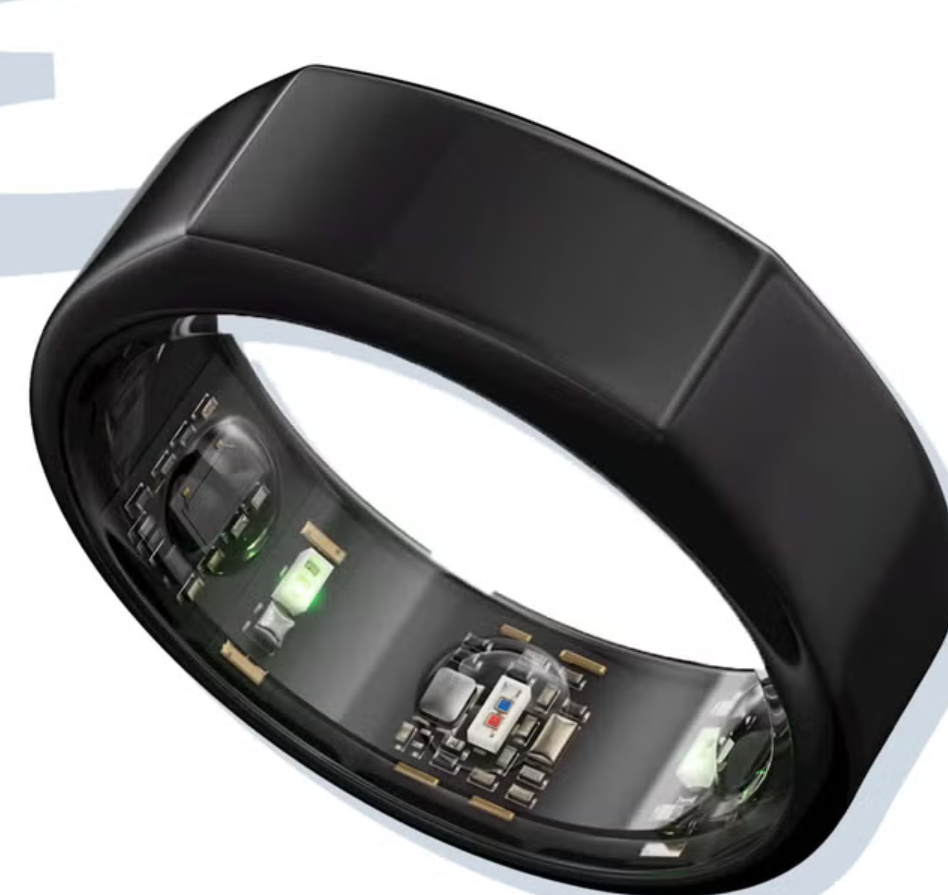
The Oura Ring specializes in what it wears best: non-invasive, night-focused biometric collection. It measures heart-rate variability, respiratory rate, skin temperature, and movement, then synthesizes those into a “Readiness Score” and detailed sleep breakdown (REM, light, deep, awake). The ring sits against your skin all night, giving it richer nocturnal data than wrist-worn devices that battle clothing and arm position.
The trade-off: Oura does not do GPS running, structured workout logging, or text replies like a watch does. You’ll reach for your phone or watch if you want those features. Also, the $300 upfront cost plus a $6/month subscription puts it in a premium tier you’re buying specialized sleep science, not a full-featured tracker. Smaller hands and sizes 6–8 report more consistent fit; larger wrists may find the ring too small relative to a band or watch.
Keep it if: You sleep inconsistently, you care about recovery metrics, or you’ve been told your sleep quality matters (shift work, post-injury rehab, athletic training). If you’re a light tracker in a healthy routine, the extra detail won’t change behavior.
Apple Watch Series 9: The All-Rounder for iPhone Users
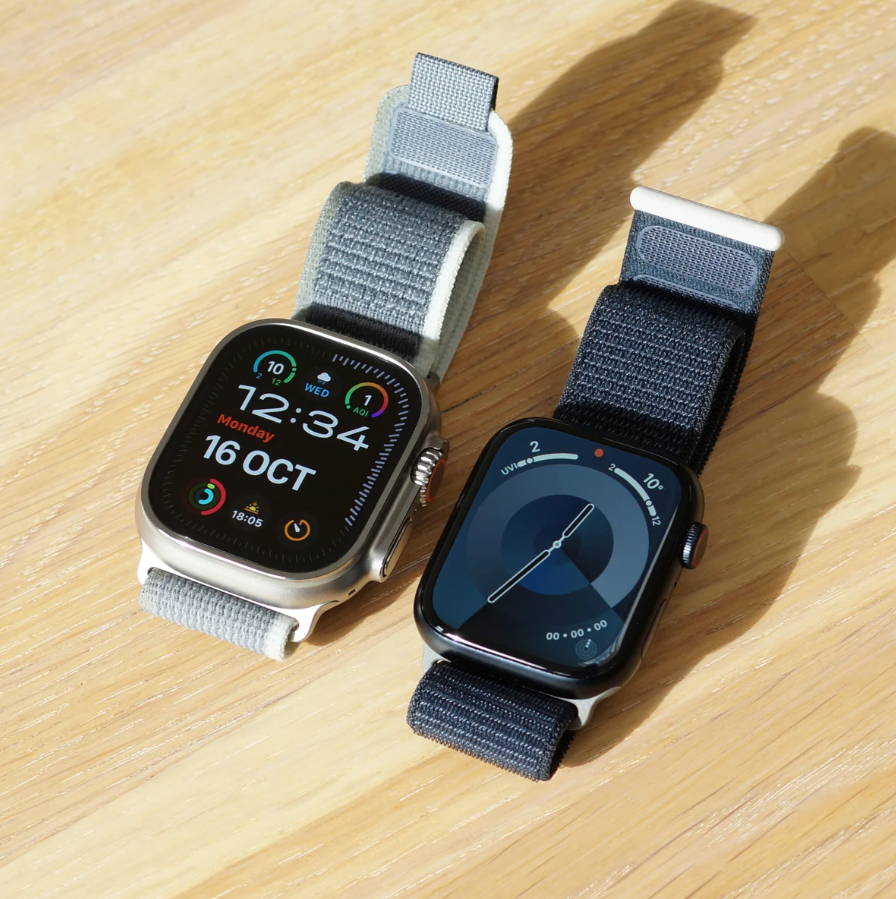
The Apple Watch Series 9 is the bridge device. It logs sleep duration and respiratory rate, provides excellent activity rings and calorie tracking, accepts phone calls, runs apps, and integrates seamlessly with iPhone Health and third-party fitness apps like Strava or MyFitnessPal. Battery lasts roughly 18 hours (a full overnight charge), and the Retina display is sharp even in sunlight.
The trade-off: You must own an iPhone; it won’t pair with Android. Sleep data is less detailed than Oura no REM/deep breakdown, no HRV insight. And 18 hours means nightly charging, which you’ll either integrate into your routine or find tedious. The $400–550 price tag (as of June 2026) is mid-tier but includes the cost of the device itself plus the ecosystem lock-in.
Keep it if: You live in iOS, you want a single device to answer calls and log workouts, or you value the app ecosystem and watch faces. If you’re a data minimalist, the Apple Watch is sufficient; if you’re an athlete or sleep obsessive, it’s the starting point before you add a ring.
Fitbit Charge 6: The Budget Bridge
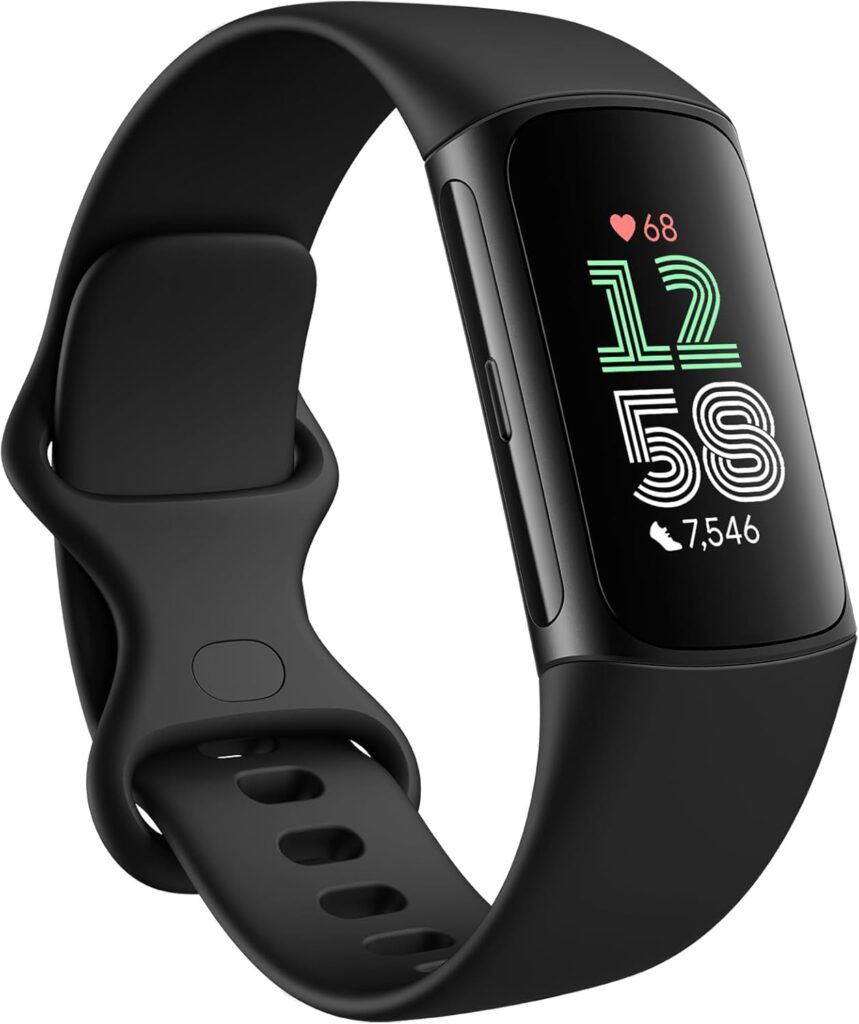
Fitbit Charge 6 is a fitness band that costs significantly less ($160 est. as of June 2026) while delivering solid sleep tracking (sleep stages, SpO2), all-day activity logging, and Google Fit integration for Android users. Battery lasts about 7 days, so you charge roughly weekly. The screen is smaller than a watch but adequate for glancing at heart rate and step count.
The trade-off: No built-in GPS; it relies on your phone for running routes. No phone calls or app ecosystem beyond basic Google Fit syncing. Sleep detail is good but not exceptional you get stage breakdowns but not the physiological markers (HRV, skin temperature) that Oura captures. The band form factor is minimalist compared to a watch, so customization and display clarity are both limited.
Keep it if: You’re on a budget ($160 vs. $400+), you use Android, or you want no-fuss sleep + activity logging without the cognitive load of a smartwatch. If you run outdoors and want precise GPS routes, pair it with a phone app instead of upgrading to an expensive watch.
Samsung Galaxy Watch 6 Classic: The Android Flagship
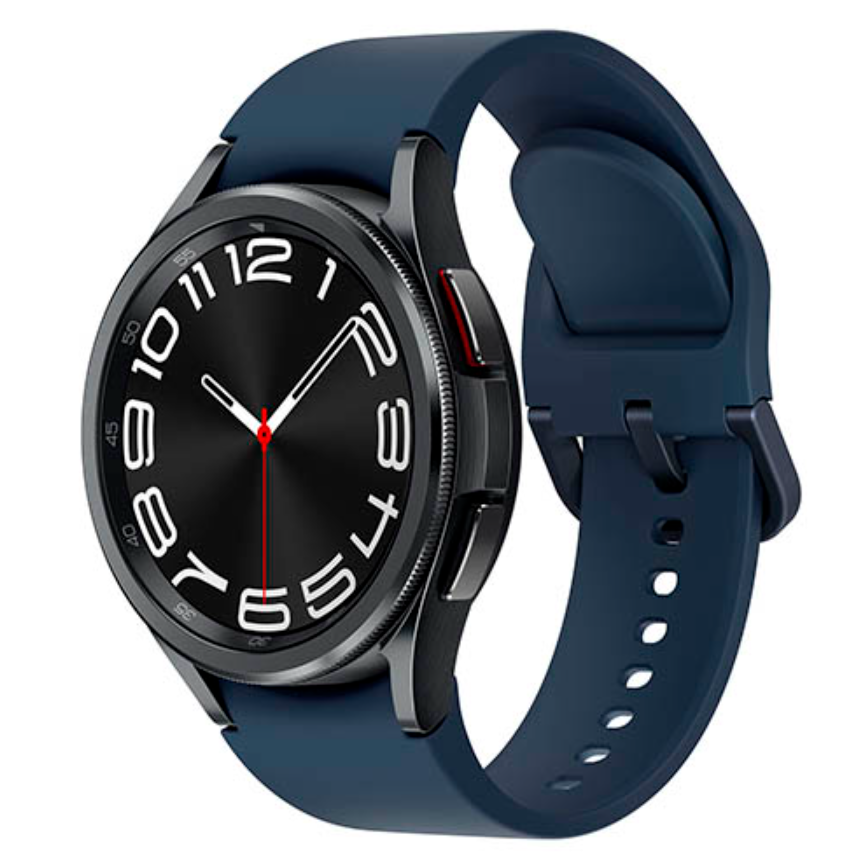
For Android users, the Galaxy Watch 6 Classic mirrors the Apple Watch: full app ecosystem, rotating physical bezel (a nice tactile detail), sleep logging with light/deep/REM, and excellent fitness tracking. Battery lasts 40+ hours on typical use a meaningful advantage over Apple.
The trade-off: Like Apple Watch, sleep detail is basic (stages only, no HRV). Battery life is longer, but the watch is thicker and heavier than some competitors. Pricing is similar to Apple ($300–400 as of June 2026), so you’re not saving money; you’re buying Android compatibility.
Keep it if: You’re Android-first and want the smartwatch experience. If you don’t care about ring-level sleep science, this is the natural flagship choice.
Apple Watch Ultra 2: The Endurance Play
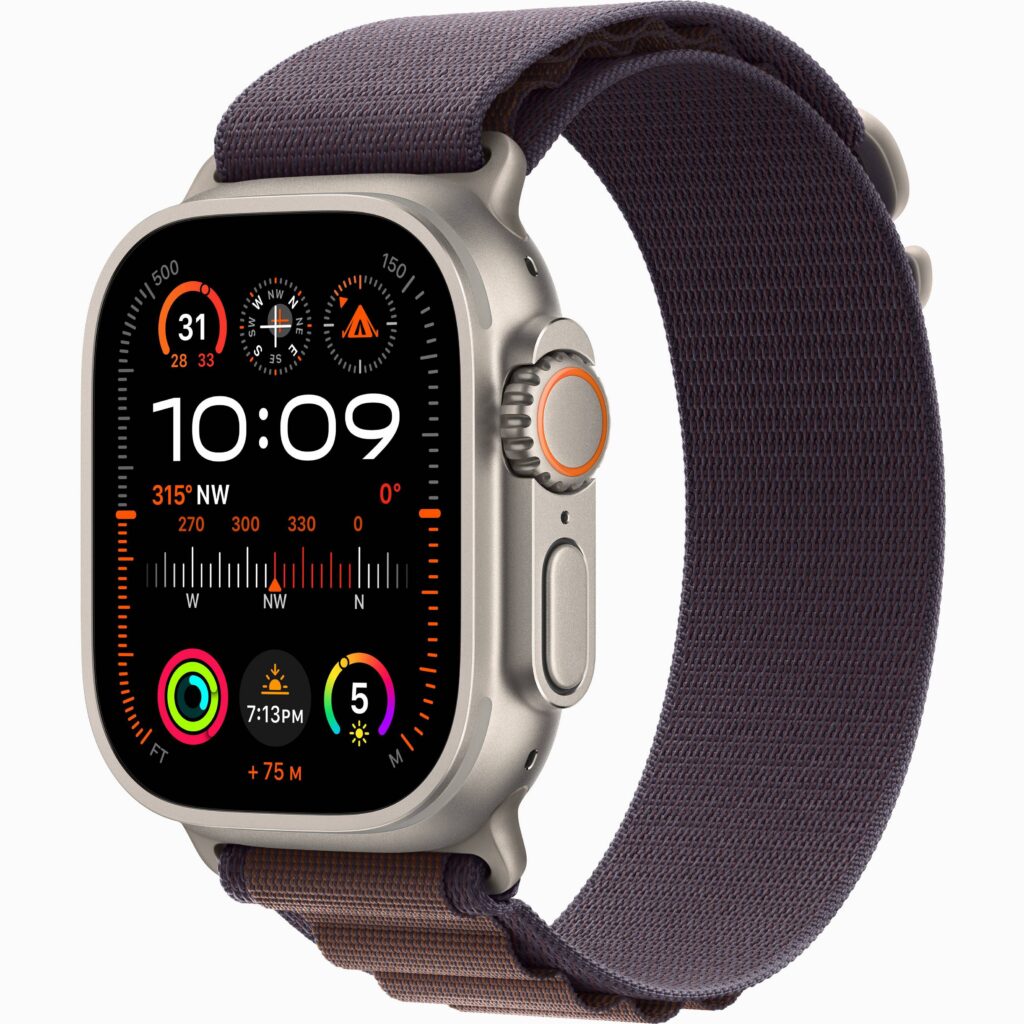
The Ultra 2 is Apple’s answer to adventure watches: titanium case, action button for shortcuts, deeper water resistance (100m+), a brighter display, and 36-hour battery life. Same app ecosystem as Series 9 but built for athletes who run long distances, hike, or dive.
The trade-off: At $800, it costs twice as much as the Series 9 while offering the same sleep detail and health insights the premium is for durability and battery life. If you’re a casual fitness tracker, this is overkill. If you run ultras or plan to keep the watch for 5+ years of hard use, the titanium case and battery longevity justify the spend.
Keep it if: You’re an endurance athlete, you travel frequently and need days without charging, or durability is a priority. Otherwise, Series 9 does the job.
Whoop 5.0 & 4.0: The Performance Subscription
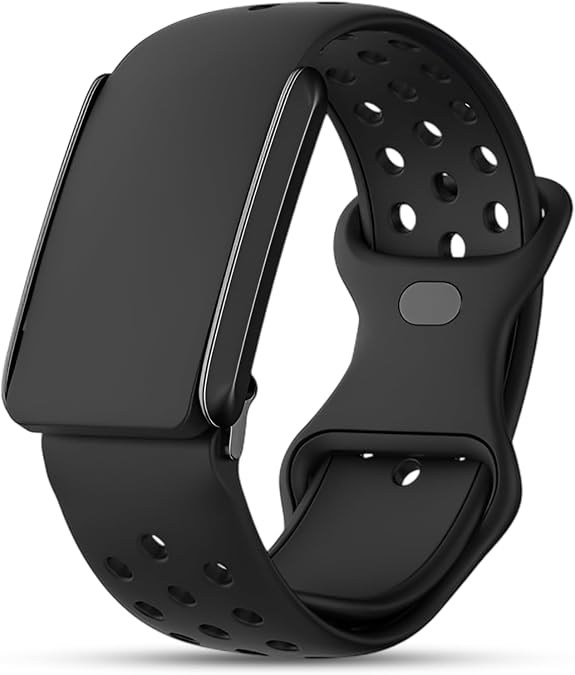
Whoop is a wrist band with a $30/month or $288/year subscription model. It focuses on strain (daily exertion) and recovery (HRV, resting HR, sleep) rather than step counts or GPS. The interface lives on your phone; the band itself is minimal.
The trade-off: The subscription model deters casual users you’re paying roughly $360 per year for a niche tool. Battery is 5 days (shorter than rings). Sleep tracking is good but not as sensor-rich as Oura. And there’s no watch face or display on the band, so it’s invisible when you want to glance at your stats. It’s for athletes obsessed with readiness metrics, not mainstream consumers.
Keep it if: You’re a serious competitor (runner, CrossFitter, rower) who adjusts training load daily based on recovery, and you have the budget for the subscription. If you’re data-curious but not serious, Fitbit or a smartwatch offers better value.
Garmin Epix Gen 2: The Outdoor Athlete Standard
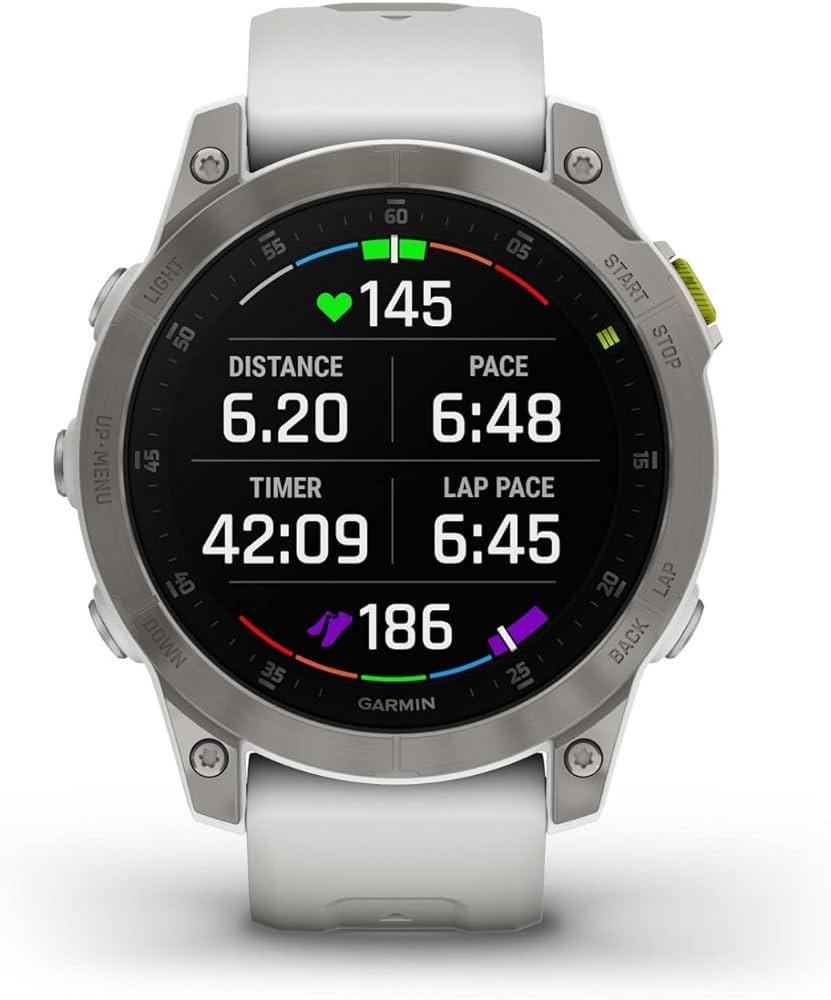
Garmin Epix Gen 2 is a smartwatch designed for trail runners, hikers, and endurance athletes. It includes full maps, multi-GNSS (GPS, Galileo, GLONASS), training metrics specific to running, and an AMOLED display that’s readable in sunlight. Battery lasts 11 days in smartwatch mode, longer if you use GPS sparingly.
The trade-off: Garmin’s ecosystem is technical lots of customization, but a steeper learning curve than Apple or Samsung. Sleep tracking is very good (stages, respiration rate) but not differentiated from other smartwatches. At $500–600 (as of June 2026), it’s comparable to Apple Watch Ultra but aimed at a narrower audience (trail athletes, not casual iPhone users).
Keep it if: You run trails, you need offline maps, or you’re already a Garmin ecosystem user (Fenix, Forerunner). If you run pavement and want a simpler interface, an Apple Watch is easier.
Oura Ring 4: The Sleep Algorithm Update
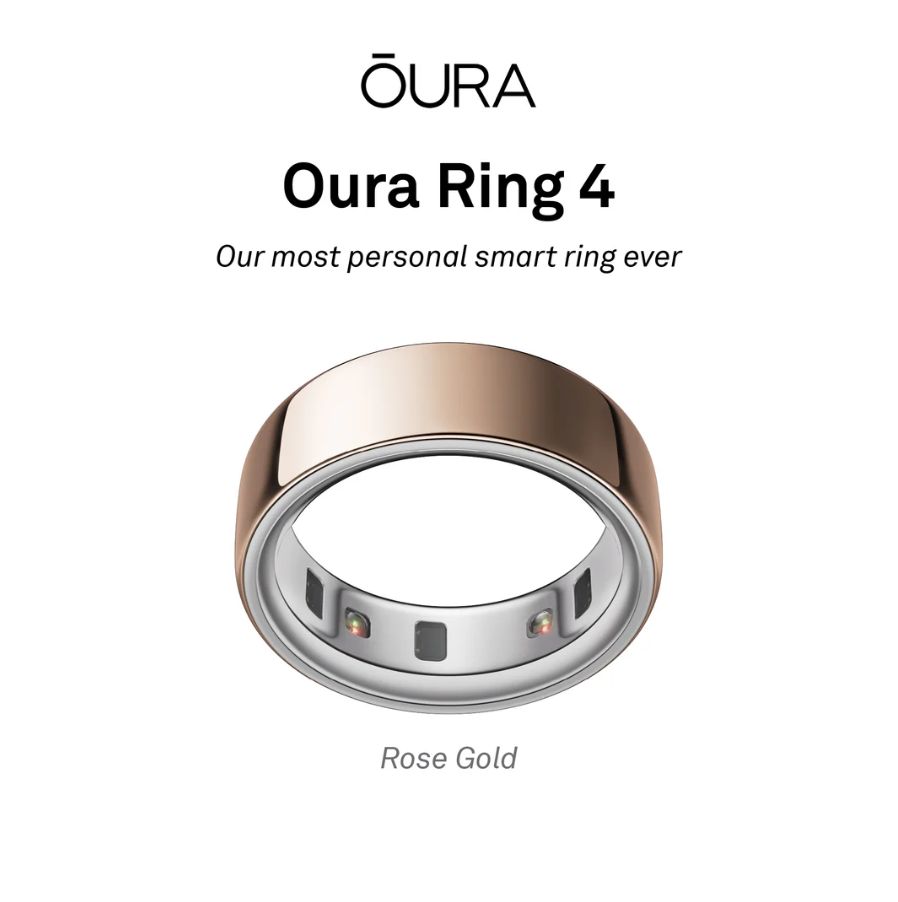
Oura Ring 4 is the next iteration of the Gen 3, with an improved algorithm for detecting sleep stages and a longer battery (4–10 days per Oura’s published specs, which vary by ring size larger sizes tend toward the lower end). For existing Oura users, the upgrade path is clear; for new buyers, Gen 3 is still available at a lower price point.
The trade-off: The hardware is similar (same core sensors), so the advantage is mostly algorithmic better REM/deep classification. If you’re not obsessed with sleep science nuance, Gen 3 is sufficient. Early adoption risk is real; wait for independent reviews if algorithm updates are unproven.
Keep it if: You’re a sleep science enthusiast or an existing Oura user ready to upgrade. For newcomers, Gen 3 is the proven option.
Amazfit Band 7: The Extreme Budget Play
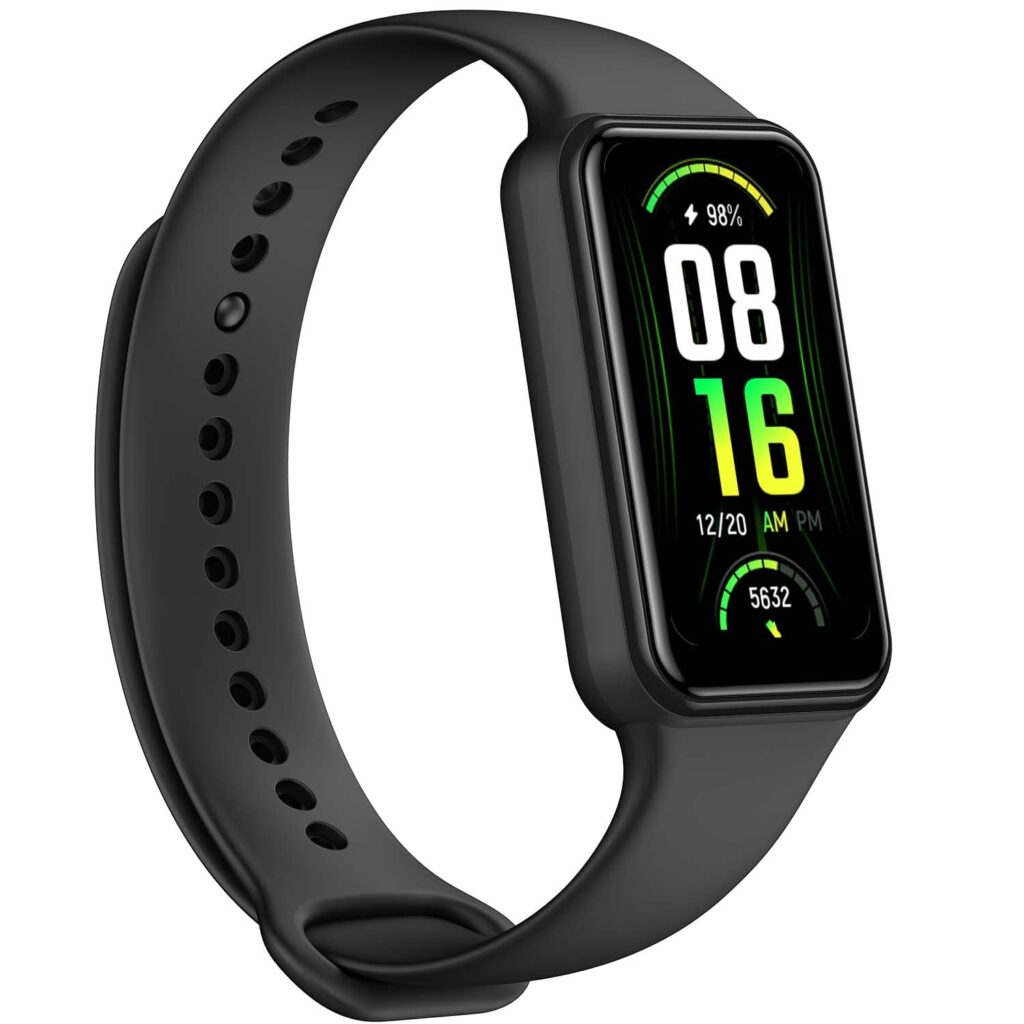
Amazfit Band 7 is the lowest-price entry on this list ($60–80 est. as of June 2026). It tracks activity, steps, heart rate, and basic sleep stages. Battery lasts 14 days. It’s a no-frills band with a small display and minimal app ecosystem.
The trade-off: Sleep detail is basic (only stage names, no HRV or respiratory rate). No GPS, no phone integration, no third-party apps. It’s a tracker, not a smartwatch. Perfect for someone who wants to log sleep and steps without complexity or expense.
Keep it if: You’re a minimalist on a tight budget, or you want a second device for a partner or teenager. If you have the means to spend $160–300, invest there; the data difference is substantial.
Head-to-Head: How to Choose by Category
Sleep Tracking: Which Wins?
Based on published specifications and owner reports we’ve reviewed, sleep tracking breaks into two tiers:
Tier 1 (Ring-Level Detail):
- Oura Gen 3 & 4: Heart-rate variability, respiratory rate, skin temperature, detailed REM/light/deep/awake breakdown. This is the gold standard among consumer wearables no wrist-worn device rivals it because the ring sits directly on the skin all night.
- Whoop 5.0 & 4.0: HRV-focused, sleep stages, less temperature detail than Oura but still deep.
Tier 2 (Smartwatch/Band):
- Apple Watch, Samsung Galaxy Watch, Garmin Epix: Sleep stages, respiratory rate, SpO2 (oxygen) good for a watch, but limited by arm movement and clothing interference at night.
- Fitbit Charge 6, Amazfit Band 7: Sleep stages, SpO2 adequate for casual tracking but less physiological depth.
Verdict: If sleep science is your primary goal, a ring beats a watch every time. If you want both sleep and daytime features, accept that sleep detail on a watch is good-not-exceptional.
Activity & Workout Tracking
Smartwatch > Band > Ring. All track steps and heart rate, but:
- Smartwatches (Apple, Samsung, Garmin) have structured workout apps, GPS, and post-workout metrics (cadence, pace, elevation).
- Bands (Fitbit, Amazfit, Whoop) log basic activity but lack GPS or detailed sport modes.
- Rings (Oura) do not have GPS or workout logging you’ll use a running app on your phone instead.
Verdict: Runners should choose a watch or band with GPS. If you use a separate running app (Strava, Nike Run Club), a ring is sufficient.
Battery Life & Charging Friction
Ranked from longest to shortest autonomy, based on manufacturer specs and community reports we’ve reviewed:
- Amazfit Band 7: 14 days (charge roughly biweekly)
- Garmin Epix Gen 2: 11 days (smartwatch mode; GPS drains faster)
- Fitbit Charge 6: 7 days (weekly charging)
- Oura Gen 3 & 4: 3–10 days depending on ring size (brand-reported; smaller rings tend to last longer)
- Samsung Galaxy Watch 6: 40+ hours on typical use (every 1.5 days)
- Apple Watch Series 9: 18 hours (nightly charging required)
- Apple Watch Ultra 2: 36 hours (every 1.5 days)
- Whoop 5.0 & 4.0: 5 days
Verdict: If you hate charging, avoid Apple Watch Series 9 and choose a Garmin, Fitbit, or ring. If you travel without chargers, a ring or Garmin buys you more peace of mind.
Price & Value
Estimated retail pricing as of June 2026 (verify before purchasing, as prices fluctuate):
| Tier | Device | Price Range | Monthly Cost (if applicable) |
|---|---|---|---|
| Budget | Amazfit Band 7 | $60–80 | — |
| Budget+ | Fitbit Charge 6 | $150–170 | — |
| Mid | Oura Ring Gen 3 | $300 | $6/month |
| Mid | Samsung Galaxy Watch 6 | $300–400 | — |
| Mid-High | Apple Watch Series 9 | $400–550 | — |
| High | Oura Ring 4 | $350 | $6/month |
| High | Whoop 5.0 | $0 (device included) | $30/month |
| Premium | Garmin Epix Gen 2 | $500–600 | — |
| Premium | Apple Watch Ultra 2 | $800 | — |
Best Value: Fitbit Charge 6. You get roughly 80% of the sleep and activity tracking of devices costing three times more, with a price tag under $200.
Best if You Have a Budget: Apple Watch Series 9 or Samsung Galaxy Watch 6. Both offer ecosystem lock-in and app support; the Series 9 wins if you’re iOS, Galaxy wins if Android.
Best if Cost is No Object: Oura Ring Gen 4 for sleep obsessives; Apple Watch Ultra 2 for endurance athletes.
What We Cut from This Comparison-and Why
We excluded several categories that seemed relevant but don’t meaningfully differ across devices:
- Heart Rate Accuracy: All modern devices use optical HR sensors with broadly similar margins owner comparisons we’ve reviewed consistently land in the ±5 bpm range during moderate activity. Resting HR is more stable across all brands; max HR varies more by individual fitness level than device brand.
- VO₂ Max Estimation: Smartwatches estimate VO₂ max using HR data and GPS pace. The formula differs by brand (Garmin, Apple, Polar), and based on published exercise-science literature we’ve reviewed, typical error margins are often cited in the ±2–4 mL/kg/min range. For casual fitness, treat it as a directional indicator only don’t rely on it for precise training zones.
- Stress & Mental Health Tracking: All major devices log HRV, which correlates with stress, but none provide clinical-grade mental health insights. We avoided this category because the marketing often outpaces the science and because individual response to stress is so variable that a generic “stress score” is less useful than a journaling app.
- Skin Temperature Monitoring: Only Oura and some Garmin watches track this. Through 2024–2026, skin temperature tracking gained attention for period tracking and infection early warning, but the clinical validation is still developing. For most users, it’s a nice-to-have, not a decision driver.
- ECG & AFib Detection: Apple Watch, Garmin, and some Fitbit models include ECG apps and atrial fibrillation detection. These are FDA-cleared but only relevant if you have arrhythmia risk factors. We cut them because they’re not a primary use case for the typical health tracker buyer.
FAQ: The Questions That Settle It
Which wearable has the most accurate sleep tracking?
The Oura Ring Gen 3 and Gen 4 top owner-reported comparisons we’ve reviewed REM/deep classification from the ring tends to align more closely with clinical polysomnography patterns than smartwatch algorithms, based on published comparisons available through mid-2026. However, if you already own a smartwatch, the sleep data is accurate enough to see trends don’t let perfect be the enemy of good. If sleep science is your only need, the ring wins; if you want sleep plus activity, accept that smartwatch sleep is roughly 80% as detailed.
Is a fitness band better than a smartwatch for everyday wear?
Bands are lighter and less visible; watches are more functional. A band wins if you want discrete all-day tracking and don’t need to check time or apps. A watch wins if you live on your wrist. There’s no objective better it’s a wrist real estate and lifestyle question.
Do I need a subscription (like Whoop or Oura) to get good data?
No. Fitbit, Apple Watch, Garmin, and Amazfit all provide excellent free cloud storage and basic analysis. Whoop and Oura’s subscriptions are for premium insights (strain/recovery frameworks, advanced HRV analysis). If you’re casual, a one-time purchase device is enough. If you’re an athlete paying attention to daily readiness, the subscription adds value but it’s optional, not necessary.
Can I use a health tracker if I don’t have the matching phone/ecosystem?
Some, but with friction. Fitbit and Amazfit work with both iOS and Android out of the box. Apple Watch only works with iPhone. Samsung Galaxy Watch works best with Android phones but has limited iOS support. Garmin and Oura work with both, though some features may be limited on the non-native OS. Check before buying if you plan to switch phones.
What’s the best health tracking wearable for under $200?
Fitbit Charge 6 (est. $160 as of June 2026). It delivers sleep stages, SpO2, all-day heart rate, and 7-day battery for a fraction of smartwatch or ring prices. If you want to go even lower, Amazfit Band 7 ($60–80) works, but the detail drops noticeably. For most people, Fitbit is the sweet spot of price and features.
Final Verdict: Which Health Tracking Wearable to Keep
Stop comparing specs. Answer one question: Do you wear the device to sleep?
- If yes: A ring (Oura) or specialized band (Whoop) wins. You’re prioritizing nocturnal biometrics and don’t mind limited daytime features. Keep the Oura Ring Gen 3 for proven sleep science and a lower price point.
- If no, but you want all-day tracking: A smartwatch wins. Keep the Apple Watch Series 9 (iOS) or Samsung Galaxy Watch 6 (Android) for the full ecosystem.
- If you’re on a budget and want good-enough data: Keep the Fitbit Charge 6. It handles both sleep and daily activity better than its price suggests.
- If you’re an endurance athlete or outdoor enthusiast: Keep the Garmin Epix Gen 2 for maps, multi-GNSS, and battery longevity or the Apple Watch Ultra 2 if you’re in the iOS ecosystem.
Your best health tracker is the one you’ll actually wear every day. A $30 ring you forget to charge is worse than a $60 band you sync weekly. Pick the form factor (ring, watch, band) first; then narrow on ecosystem and features..