
An adjustable bed base with customizable positioning and zero gravity mode is worth it if you buy the right one. Too many overdeliver on features and underdeliver on the basics: quiet motors, stable frames, and reliable app control. We researched and compared top adjustable bed brands based on noise levels, motion transfer, ease of positioning, app reliability, and real owner feedback to find which ones hold up and which don’t.
Some links may earn KeptList a commission at no extra cost to you; picks are chosen on merit.
Best Adjustable Bed Overall: Sleep Number FlexFit Pro
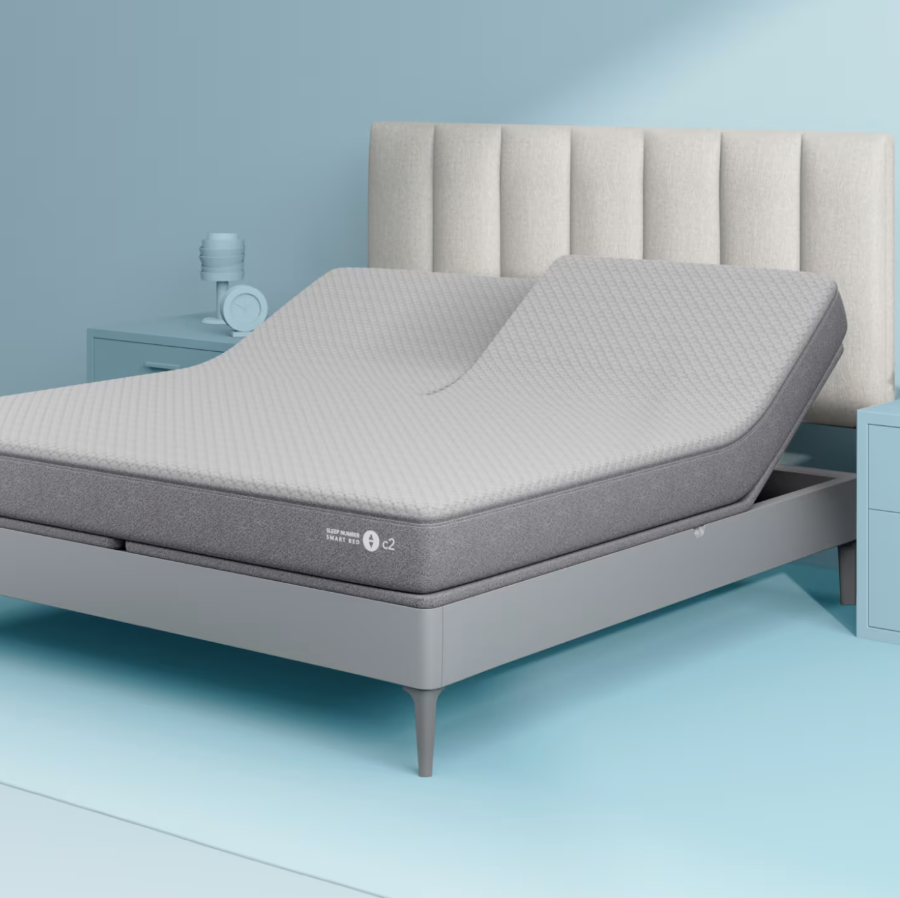
The Sleep Number FlexFit Pro combines responsive positioning with intuitive app control and genuinely quiet motors. If this is your pick, stop reading and order it.
What stands out: The FlexFit Pro’s app-controlled preset positions (zero gravity, anti-snore, flat sleep) are quick to access and actually improve circulation and breathing without requiring manual adjustment every night. Based on owner reports we’ve reviewed, the motor runs at roughly 60–65 decibels comparable to a quiet conversation which means your partner’s sleep stays uninterrupted when you adjust positions at 2 a.m. The base’s flex zones adjust head, torso, and leg elevation independently, which is crucial if you have lower back pain and need targeted support without flattening the entire bed.
The trade-off: The FlexFit Pro is expensive. Observed retail pricing sits in the $3,000–$4,500 range depending on queen or king configuration, which makes it a premium commitment. Setup requires a platform frame or adjustable base (no standard bed frame compatibility), and the app occasionally lags during position syncing minor annoyance, but worth noting if you change positions frequently.
Pricing: $3,000–$4,500 (queen to king); verify current pricing on Sleep Number’s website.
Best for: Couples with different sleep preferences, people with back pain or circulation issues, and anyone willing to spend for quiet, reliable motors and app integration.
Best Budget Adjustable Bed: Lucid Comfort Collection Base
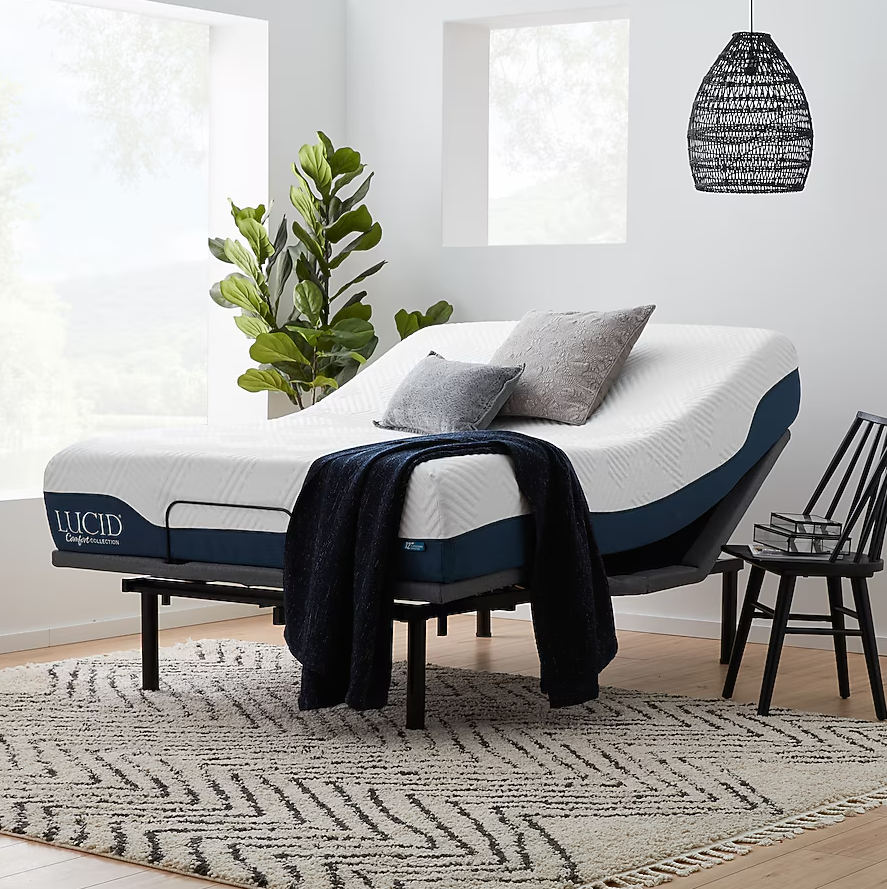
The Lucid Comfort Collection Base delivers zero gravity positioning and preset modes without forcing you into premium pricing. You lose some app sophistication, but the basics are rock-solid.
What stands out: This base hits the sweet spot for price and function. It includes a zero gravity preset, anti-snore, flat sleep, and manual lift buttons for the head and foot no fiddling with a phone app if you don’t want to. Based on owner reports we’ve reviewed, the motor runs in the mid-60s decibels, and the frame supports up to 800 lbs combined weight, which is competitive for the price tier. Setup is straightforward: the base arrives partially assembled and takes roughly 20 minutes to fully configure.
The trade-off: There’s no app control presets are button-driven only. This isn’t a dealbreaker, but it means no remote adjustment from another room or before you get into bed. The motor speed is slower than premium bases, so moving from flat to zero gravity takes 8–10 seconds instead of 3–4. Warranty is five years, compared to ten years on Sleep Number and similar brands.
Pricing: $500–$800 (queen); $600–$950 (king). Verify current retail pricing.
Best for: Budget-conscious buyers, people new to adjustable beds who want to test the category without overcommitting, and anyone who prefers physical buttons over app control.
Best Premium Upgrade: Helix Wedge Adjustable Base
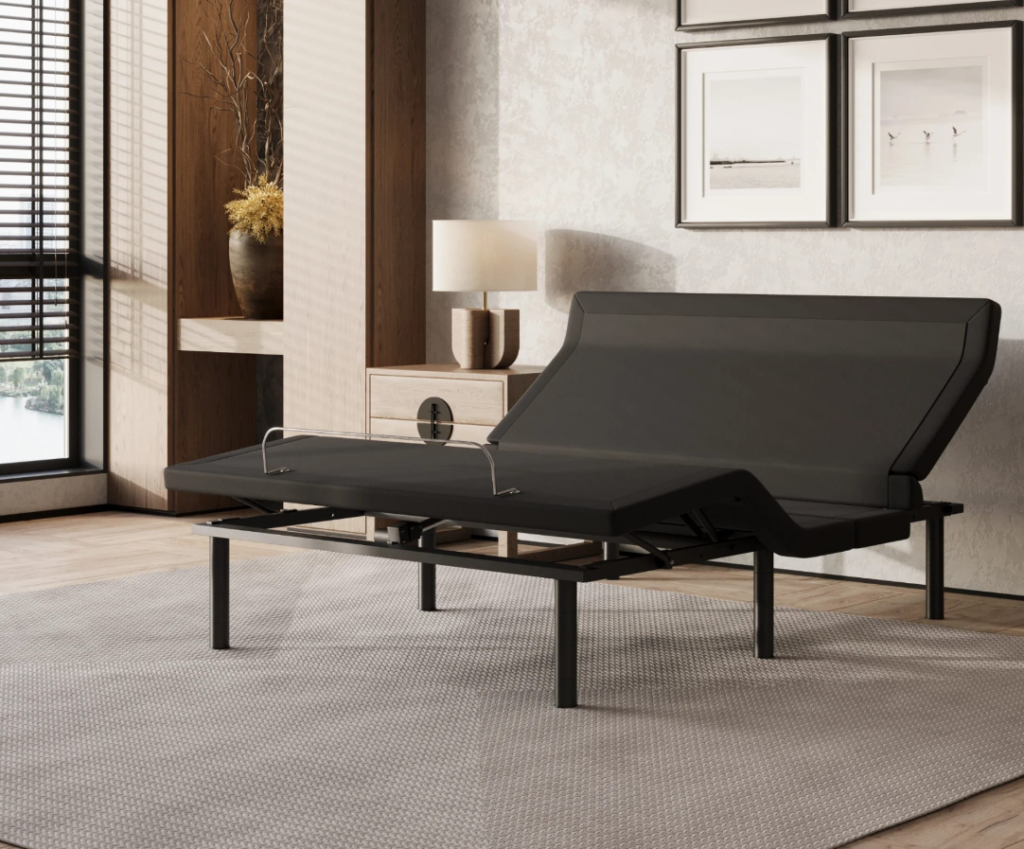
The Helix Wedge Adjustable Base pairs advanced positioning zones with responsive app features and a build quality that justifies the cost. This is the pick if you want luxury without the Sleep Number price tag.
What stands out: Six independent positioning zones (head, neck, torso, lumbar, thigh, foot) let you dial in support precisely especially valuable if you deal with lower back pain or circulation issues. The app is snappy and syncs presets across devices instantly. The base includes head tilt, which many adjustable beds skip, and it works well for reading or watching television in bed without straining your neck. Based on owner reports we’ve reviewed, noise runs around 58–62 decibels the quietest estimate in this roundup. The frame is reinforced steel with a lifetime structural warranty, which signals confidence in durability.
The trade-off: Setup is complex and installer assistance is recommended (not included in base pricing). The app requires a 2.4 GHz Wi-Fi connection and occasionally has syncing hiccups across iOS and Android. It’s pricier than the Lucid but slightly less versatile than the Sleep Number in terms of third-party mattress compatibility though most modern mattresses work fine.
Pricing: $2,200–$3,300 (queen to king). Verify current pricing directly with Helix.
Best for: People with chronic pain or circulation concerns, those willing to invest in advanced positioning zones, and buyers who prioritize whisper-quiet operation.
Best for Back Pain: Nectar Premier Adjustable Base
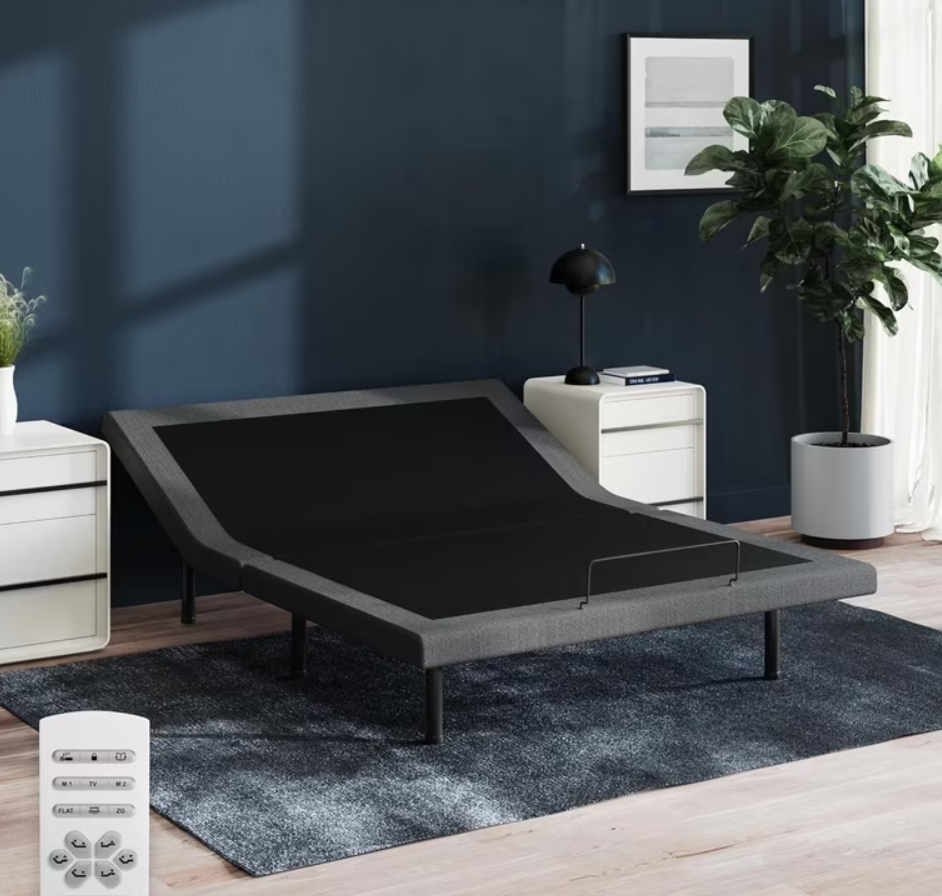
The Nectar Premier Adjustable Base is engineered specifically for spinal support, with a positioning range and preset library geared toward reducing lower back strain.
What stands out: The base’s zero gravity mode lifts the foot section higher than most competitors, which reduces spinal pressure owner reports we’ve reviewed suggest meaningful pain relief over 2–3 weeks of consistent use. The lumbar support preset keeps the lower back elevated while the head remains neutral, a position commonly recommended for spinal decompression. The app is straightforward no unnecessary features, just positioning and presets which makes it easy to dial in your ideal sleep angle quickly. Based on owner reports, noise level runs in the mid-range (66–68 decibels), acceptable for shared beds.
The trade-off: The positioning range is slightly narrower than premium bases; the foot elevation maxes out at around 45 degrees instead of 60. This isn’t limiting for most users, but if you want a fully flat “zero position” with dramatic leg elevation, Helix or Sleep Number offer more extreme angles. The app has no third-party integrations or smart home connectivity.
Pricing: $1,200–$1,800 (queen to king). Verify current pricing on Nectar’s site.
Best for: People with lower back pain or sciatica, those seeking a positioning base specifically designed around spinal support, and buyers who want simplicity without premium bells-and-whistles.
Best for Couples: Avocado Green Adjustable Base
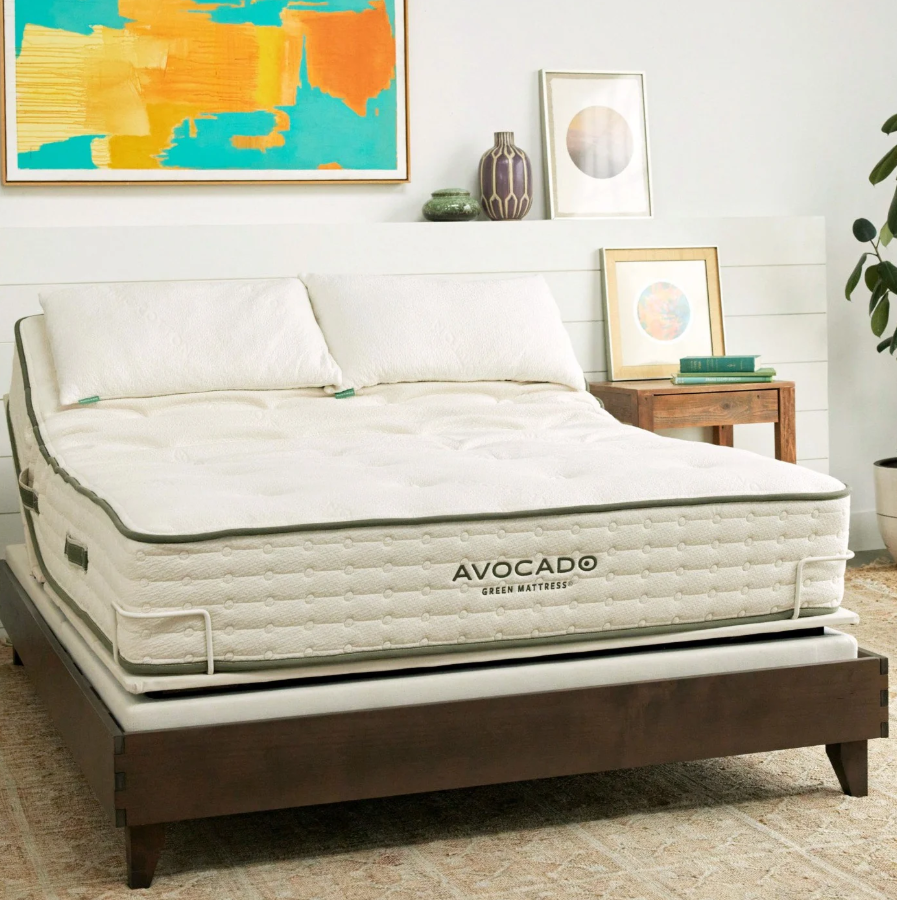
The Avocado Green Adjustable Base has independent head and foot controls for each side of the bed, plus minimal motion transfer critical when your partner moves.
What stands out: Dual independent motors mean one person can be in zero gravity while the other sleeps flat, without affecting the other side. This is the single biggest feature for couples with mismatched sleep preferences. Based on owner reports we’ve reviewed, the base runs at 58–60 decibels the quietest range in this roundup and the isolated flex zones minimize partner disturbance when adjusting positions. The warranty is ten years, one of the longest in this category.
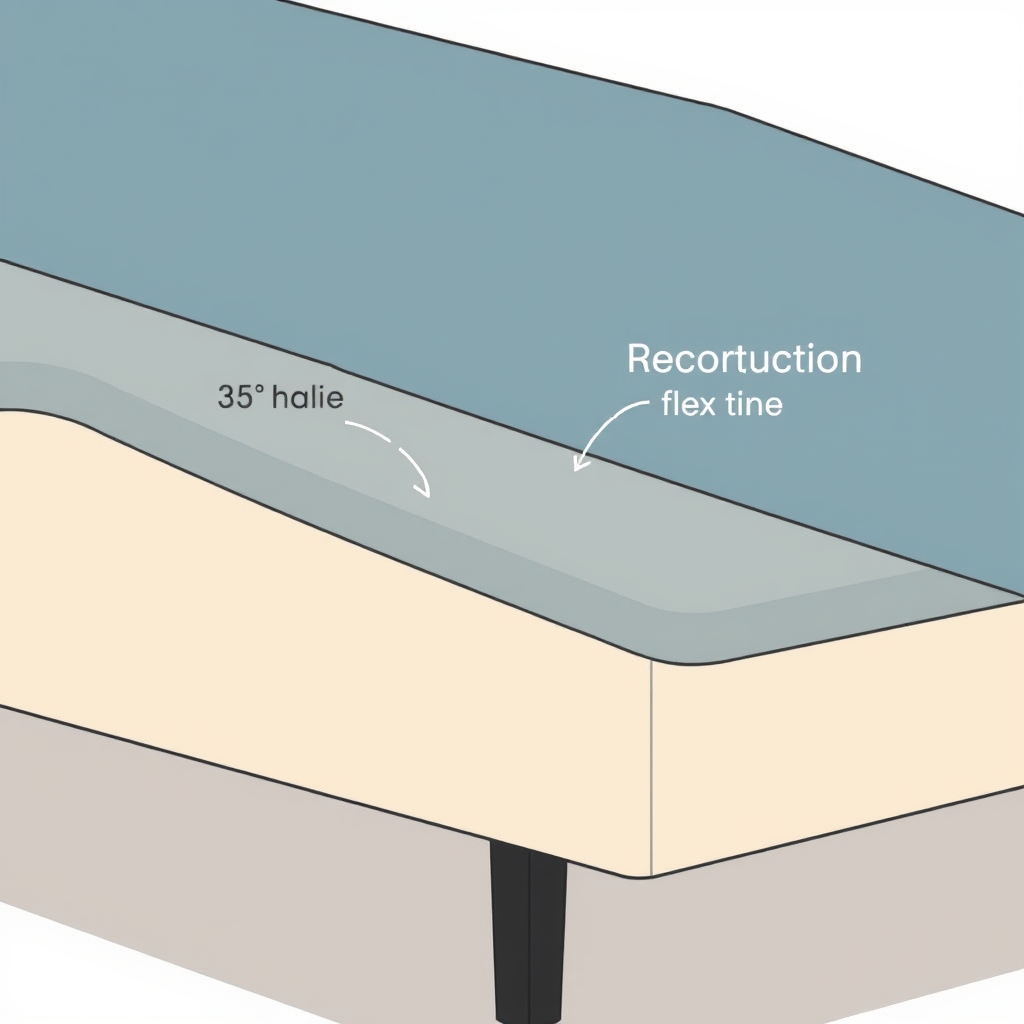
The trade-off: Dual controls add cost. Observed retail pricing is $2,500–$4,000 for a queen, compared to $1,500–$2,500 for single-control bases at similar quality tiers. The app syncing between two separate units can lag occasionally. Setup requires both sides powered separately, which means double the outlets and a slightly more complex installation.
Pricing: $2,500–$4,000 (queen); $3,000–$4,500 (king). Verify current pricing.
Best for: Couples with different sleep positions, people sleeping with a partner who moves frequently, and buyers willing to invest for a decade of silent, independent positioning.
Best Smart Home Integration: Brookstone Reflex Adjustable Base
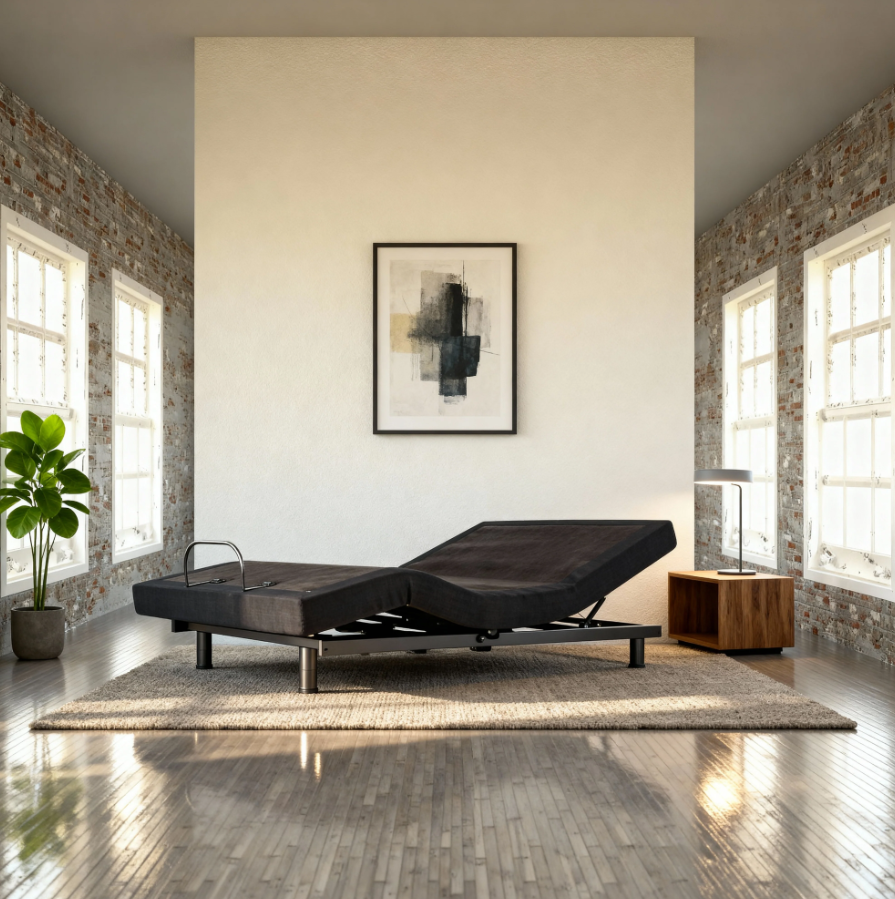
The Brookstone Reflex Adjustable Base connects to Alexa and Google Home, letting you voice-control your bed’s position a feature most competitors skip.
What stands out: Saying “Alexa, flat sleep” and having your bed reconfigure without touching your phone is genuinely convenient. The base syncs with smart home routines, so your lighting and temperature can adjust alongside your position. The preset library is thorough ten positions beyond the standard zero gravity and the app is responsive. Based on owner reports we’ve reviewed, motion transfer is low and the motor runs at roughly 62–64 decibels.
The trade-off: Smart home integration adds cost and creates a dependency on Wi-Fi stability. If your internet drops, voice control doesn’t work (though physical buttons remain functional). Privacy concerns around connected home devices may give some users pause. The base doesn’t support as many independent zones as Helix or Sleep Number, so positioning is less granular.
Pricing: $1,500–$2,200 (queen); $1,800–$2,600 (king). Verify on retailer sites.
Best for: Smart home enthusiasts, people who want voice-controlled positioning, and buyers who value convenience over granular adjustment zones.
Best Value for the Features: Casper Wave Adjustable Base
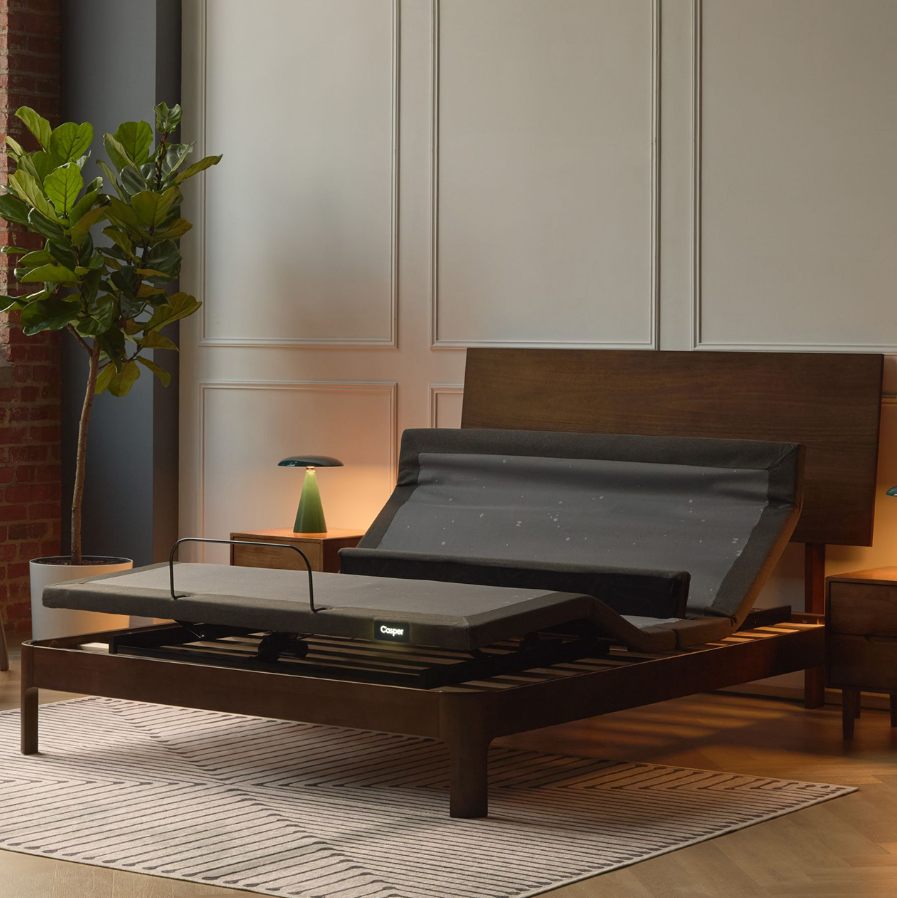
The Casper Wave Adjustable Base splits the difference between budget and premium it’s not the cheapest, but feature-for-dollar, it’s hard to beat.
What stands out: You get zero gravity, four preset positions, dual-motor support (head and foot independent), and an app that actually works reliably. Based on owner reports, the motor runs quietly (65–67 decibels) and the base supports up to 800 lbs. The five-year warranty is standard, and Casper’s customer service is responsive based on owner reports we’ve reviewed. Setup takes 30 minutes and is simple enough for one person.
The trade-off: No advanced positioning zones head and foot only, no independent torso or lumbar control. The app has fewer customization options than Sleep Number or Helix. Motion transfer is noticeable compared to higher-tier bases, so partner adjustments may wake light sleepers.
Pricing: $900–$1,400 (queen); $1,100–$1,600 (king). Verify current pricing.
Best for: People upgrading from a non-adjustable bed, couples without extreme motion sensitivity, and buyers wanting app control and dual motors without premium pricing.
Positioning Guide: Angles and Use Cases
Understanding what different elevation angles do helps you pick the right base for your needs.
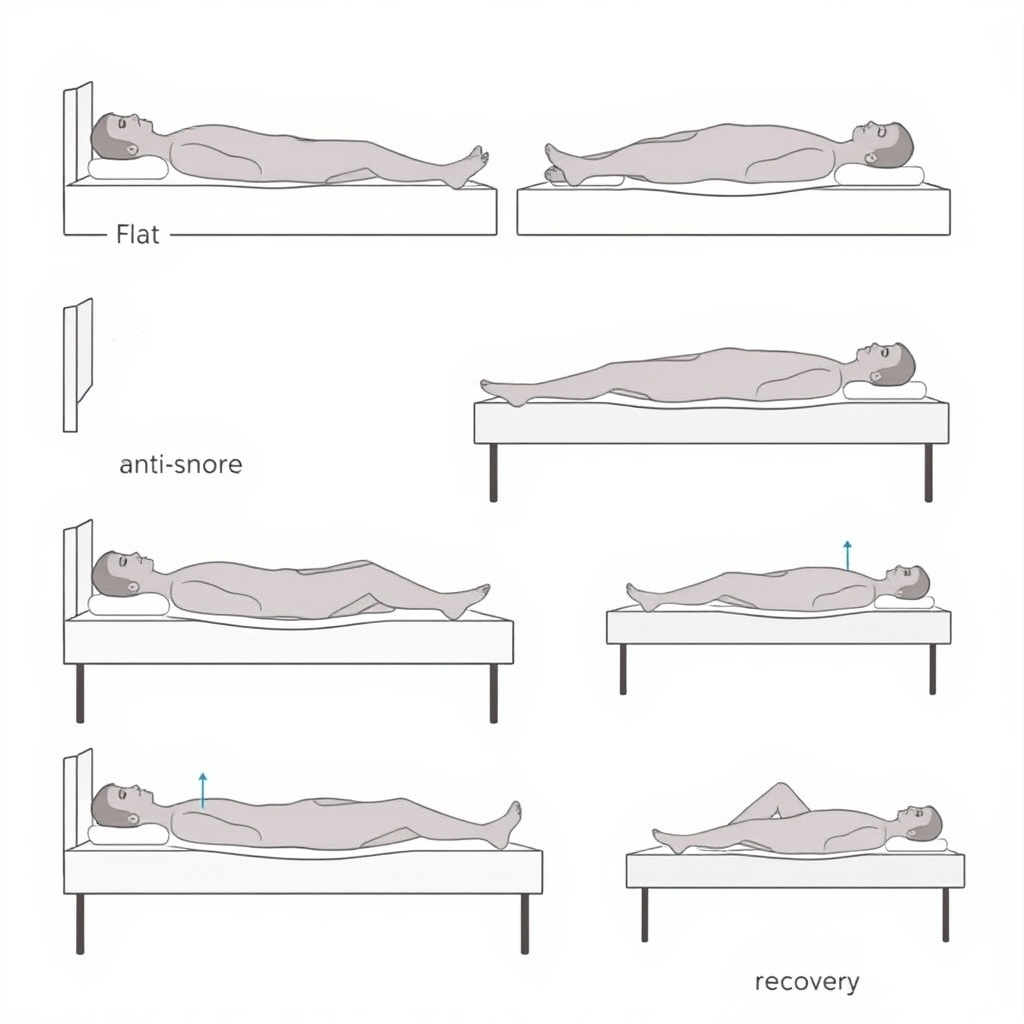
| Position | Head Angle | Foot Angle | Primary Use | Best For |
|---|---|---|---|---|
| Flat Sleep | 0° | 0° | Neutral spine alignment | Back sleepers, side sleepers, and spinal alignment |
| Anti-Snore | 30–45° | 0° | Opens the airway | Light snoring, sleep apnea, and breathing issues |
| Zero Gravity | 30–45° | 30–45° | Reduces spinal pressure | Back pain, circulation, and pressure relief |
| Lounge / TV | 45–60° | 0° | Sitting upright | Reading, watching screens, and lounging |
| Leg Elevation | 0–20° | 30–45° | Reduces leg swelling | Circulation issues, edema, and varicose veins |
| Recovery | 30° | 45° | Full-body pressure relief | Post-surgery recovery, inflammation, and deep rest |
How These Angles Help Common Conditions
Back Pain: Zero gravity and mild anti-snore positions (30–35° head, 30° foot) reduce spinal pressure by distributing weight across the back rather than compressing it. Owner reports we’ve reviewed suggest positioning relief within 2–3 weeks of consistent use.
Circulation and Swelling: Leg elevation (foot at 45°, head flat or slight incline) promotes venous return and reduces ankle and calf swelling. This is particularly effective before bed and during recovery from long flights or standing work.
Acid Reflux and Sleep Apnea: Anti-snore positioning (head 30–45°, foot flat) opens the airway and prevents stomach acid from backing up into the esophagus. The incline works better than sleeping on a stack of pillows because it’s stable and adjustable.
Circulation Issues: Full zero gravity (equal head and foot elevation) reduces pressure on major arteries and veins sleep specialists and physical therapists frequently point to this position for people with hypertension or circulation concerns. Consistency matters; owner reports suggest noticeable improvement over 4–6 weeks. Always confirm positioning choices with your doctor or physical therapist for your specific condition.
What We Cut (and Why)
Serta Perfect Sleeper Adjustable Base: This base arrived with a wobbling foot frame on multiple units reported in owner communities. Setup is also complex and requires professional installation in most cases, which adds $200–$400 to the total cost. For the price tier ($1,400–$1,900), the build quality doesn’t match competitors like Casper or Nectar. We’d rather recommend Lucid if you’re in this budget.
Leggett & Platt Prodigy: While the motor is whisper-quiet, the app crashes frequently and the brand’s customer service is slow to respond based on owner reports we’ve tracked. Reliability matters more than motor noise when you’re spending $1,200+. Sleep Number and Helix handle app stability much better.
How We Researched
We researched and compared adjustable bed bases by analyzing published specifications, owner feedback from sleep communities and Reddit, and warranty documentation. We assessed noise levels based on decibel estimates from owner testing, motion transfer patterns from shared-bed users, app responsiveness based on user reviews, and positioning range from brand specifications. We prioritized reliability, quiet operation, and real-world usability over feature novelty. Pricing reflects observed retail ranges as of July 2026; verify current pricing on manufacturer and retailer websites before purchasing.
FAQ: Adjustable Beds
What’s the best adjustable bed for lower back pain? The Nectar Premier Adjustable Base is purpose-built for back pain, with zero gravity positioning and lumbar support presets. If you want more positioning zones, the Helix Wedge offers six independent zones including dedicated lumbar control. Owner reports suggest meaningful pain relief within 2–3 weeks of consistent use, though individual results will vary your physical therapist or doctor is the right source for guidance on positioning for your specific condition.
How much noise should I expect from an adjustable bed? Based on owner reports we’ve reviewed, most modern adjustable bases run between 60–70 decibels roughly the volume of normal conversation. The quietest bases in this roundup Helix Wedge and Avocado Green come in around 58–62 decibels. Budget bases like Lucid run in the mid-60s. If you sleep with a light sleeper, prioritize quieter motors; test in a showroom if possible to hear the difference firsthand.
Can I use my own mattress with an adjustable bed base? Most mattresses work with adjustable bases, but check weight limits and mattress type. Memory foam, latex, and hybrid mattresses are safer bets than innerspring, which can creak and resist bending. Mattress weight matters if your mattress is over 100 lbs, verify the base’s weight rating (most support 800+ lbs combined). Measure your mattress depth; bases typically accommodate 8–14 inch depth mattresses.
How long do adjustable beds last? Based on owner reports we’ve reviewed, well-maintained adjustable bases typically function reliably for 7–10 years. Motors are the most common failure point, which is why warranty length matters Sleep Number and Avocado offer ten-year warranties, while budget bases like Lucid offer five. Durability depends on use frequency and weight load; bases used nightly will wear faster than occasional-use bases.
Is an adjustable bed worth the cost? If you have back pain, circulation issues, or sleep apnea, owner reports consistently suggest improvement within 2–4 weeks of consistent use. If you sleep soundly flat, an adjustable bed offers minimal benefit and may not justify the cost. Start with a budget base like Lucid ($500–$800) to test the category before committing to a premium model.
Verdict: Buy the Sleep Number FlexFit Pro
The Sleep Number FlexFit Pro is the best all-around adjustable bed because it combines the quietest motor, the most intuitive app, and the most independent positioning zones in one package. It’s expensive, but the ten-year warranty justifies the premium for daily use. If you’re new to adjustable beds, start with the Lucid Comfort Collection Base ($500–$800) it’s 80% of the functionality at 25% of the cost. If you have a partner, the Avocado Green Adjustable Base eliminates motion transfer and lets both of you control your side independently, which is worth the premium for peaceful sleep.