
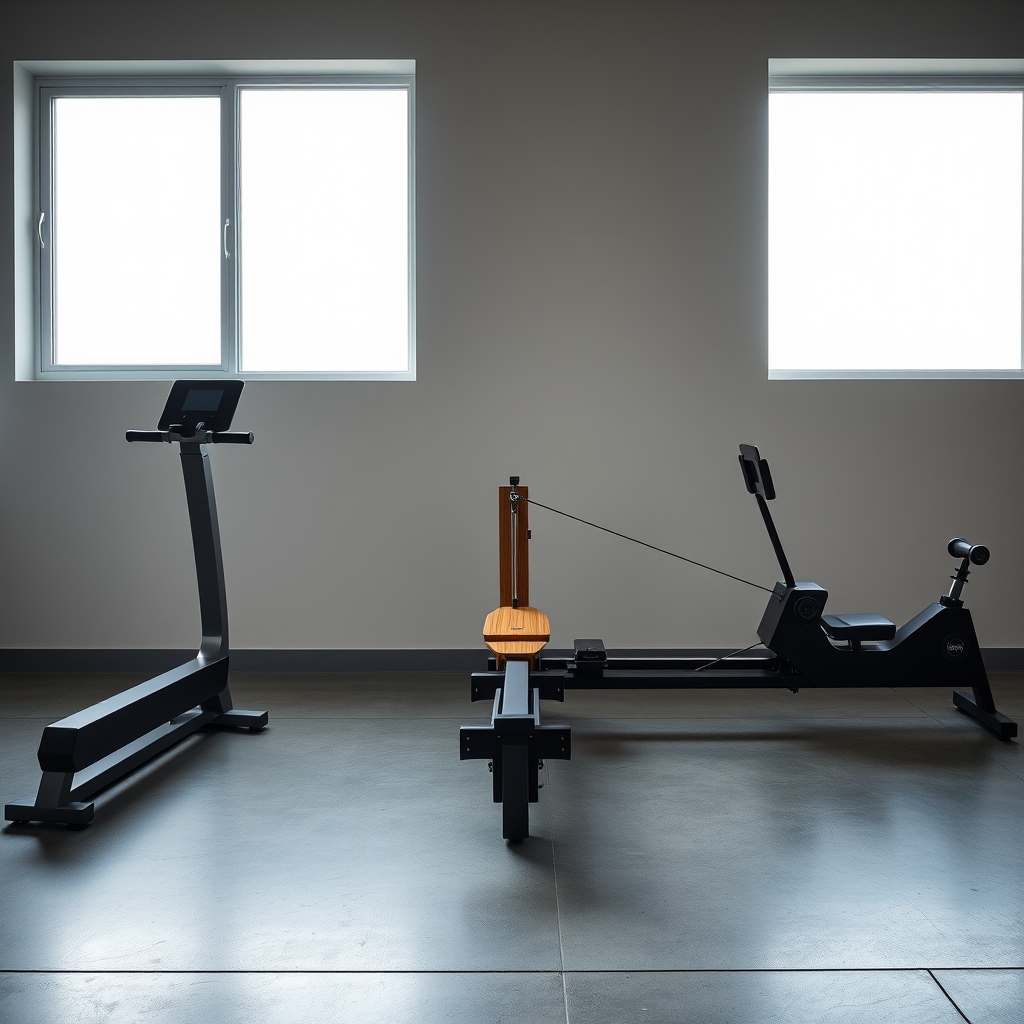
The Concept2 Model D is the best rowing machine for most people: it’s durable, smooth, and genuinely feels good to use day after day. If that’s you, stop reading and buy it.
What’s the Difference: Air vs. Water vs. Magnetic Rowing Machines?
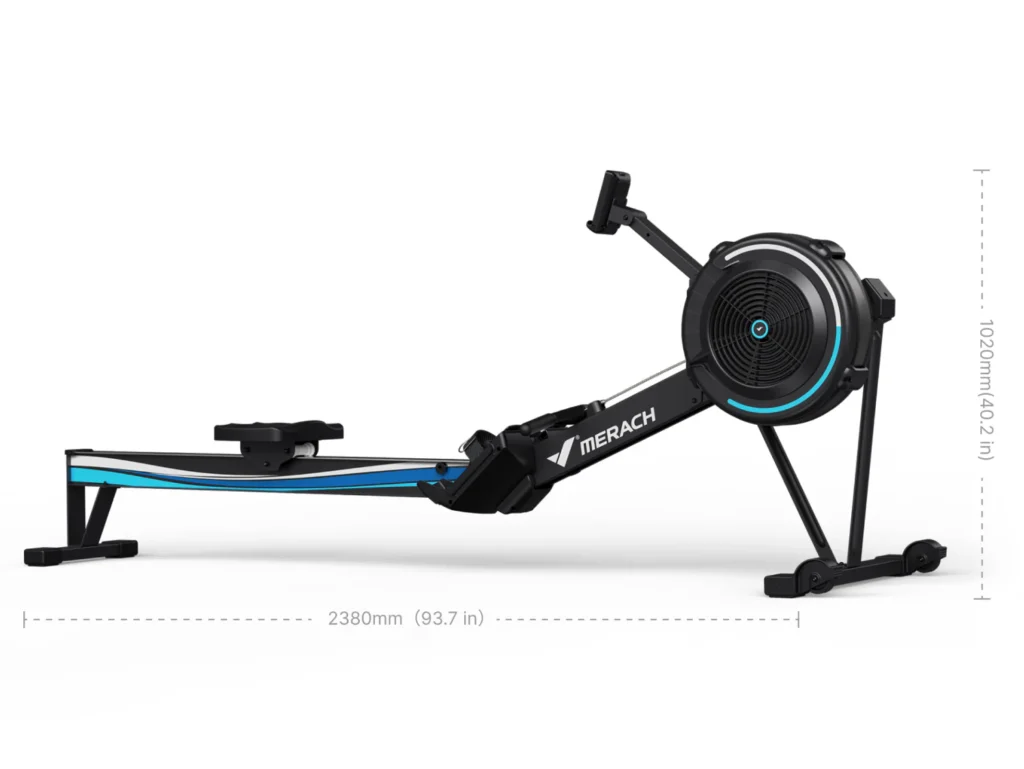
Air vs. Water vs. Magnetic Rowing Machines Before we name the picks, you need to know how resistance actually works on a rower. The type of resistance shapes everything how the machine feels, sounds, and how your body responds.
Air Resistance
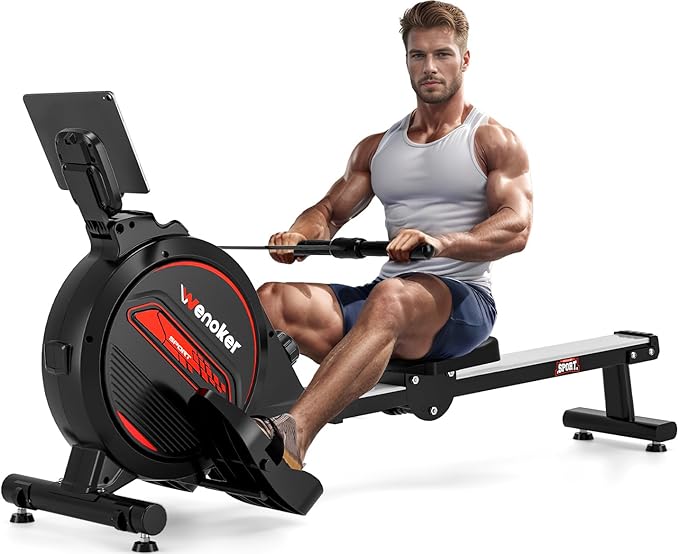
Air rowers use a fan wheel that spins as you pull. The harder you pull, the more air resistance you create. This means the machine automatically adjusts to your power output if you pull harder, it gets harder. No setup needed.
What this feels like: Explosive and dynamic. Air rowers give you immediate feedback on power.
Trade-off: They’re loud. A spinning fan wheel creates noise that neighbors will hear, especially at high intensities.
Who it’s best for: Competitive rowers and people who want natural resistance that matches their effort.
Water Resistance
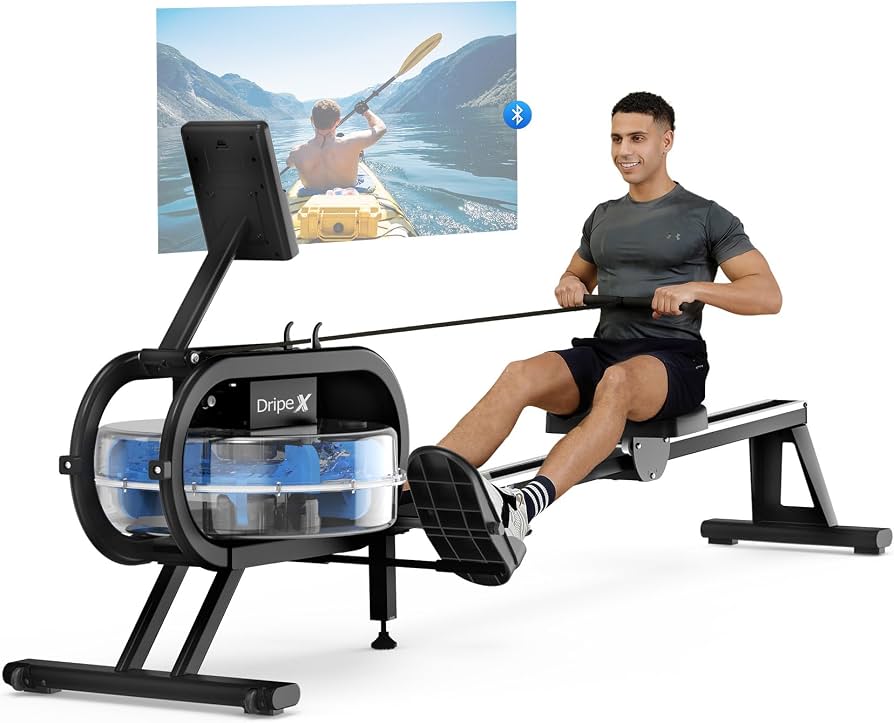
Water Resistance use paddles in a tank of water. As you pull, the paddles displace water, creating smooth, fluid resistance. The more force you apply, the more water resists but the feeling is always smooth, never jarring.
What this feels like: Like rowing on actual water. Smooth, powerful, and satisfying.
Trade-off: Expensive. Water tanks, sealed mechanisms, and maintenance cost money. Also heavier moving or storing one is a two-person job.
Who it’s best for: People who want the closest thing to real rowing without the commute.
Magnetic Resistance
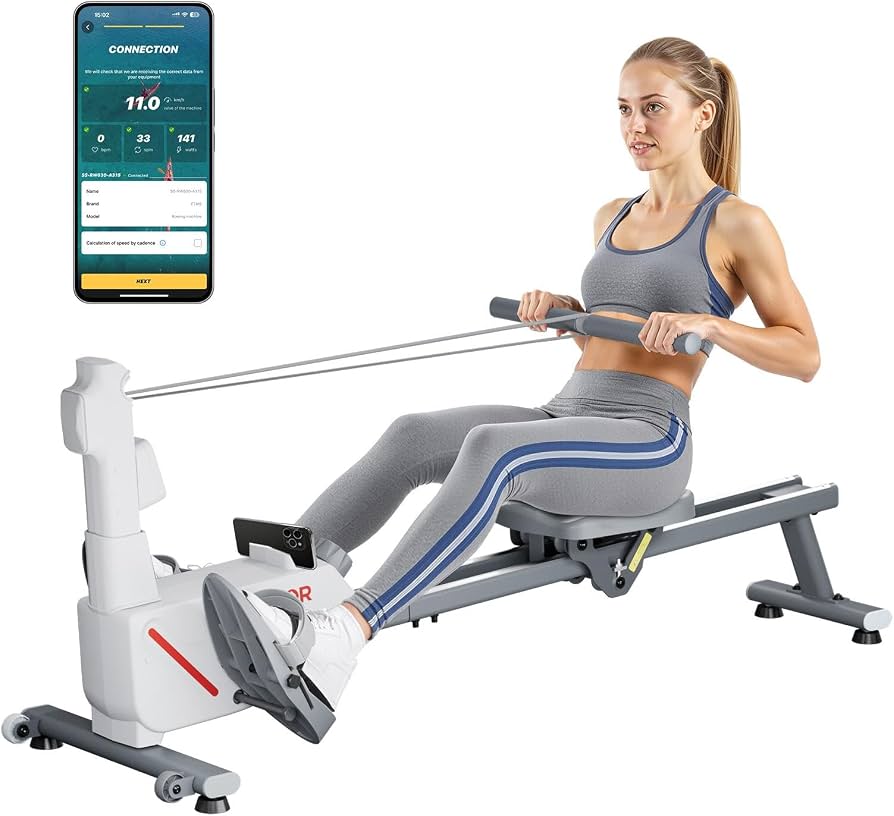
Magnetic Resistance use electromagnets that adjust resistance based on settings you control via console. No fan, no water just magnets creating drag on the flywheel.
What this feels like: Smooth and quiet. Resistance is constant and predictable.
Trade-off: Less responsive than air. You have to manually adjust the resistance level; it doesn’t scale with your effort automatically.
Who it’s best for: Apartment dwellers and people who want a quiet, compact machine.
Hydraulic Resistance (Included for Completeness)
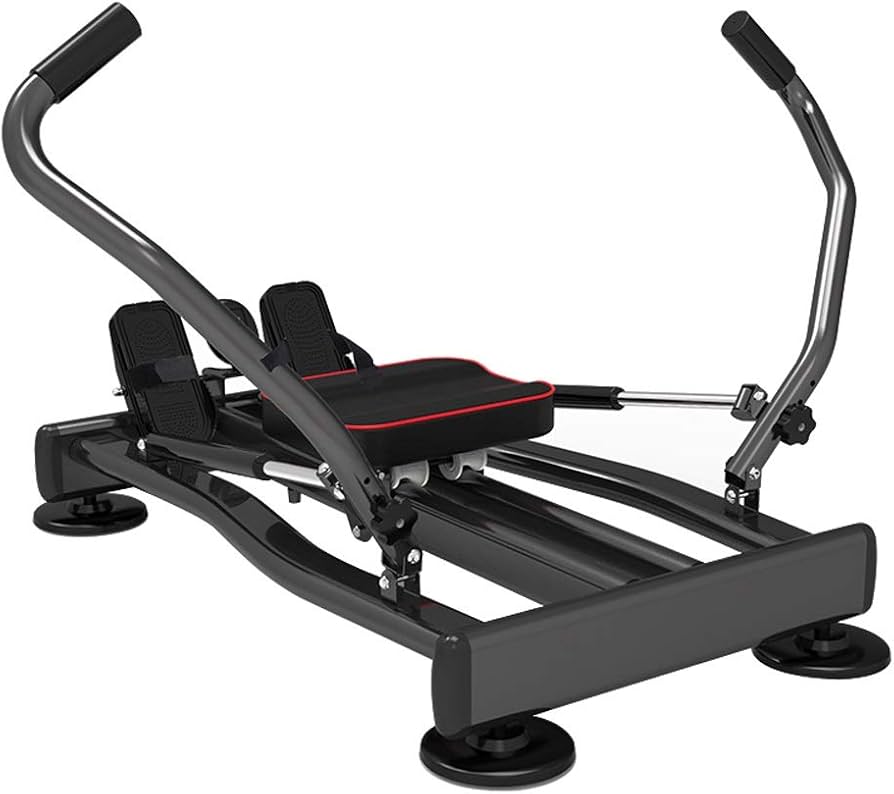
Hydraulic Resistance use pistons under each handle. They’re compact and cheap, but the resistance is usually uneven and the stroke feels unnatural. Most people outgrow them quickly.
Our take: Skip them unless budget is under $200. They’re not actually full-body machines they restrict movement and you’ll feel it after a week.
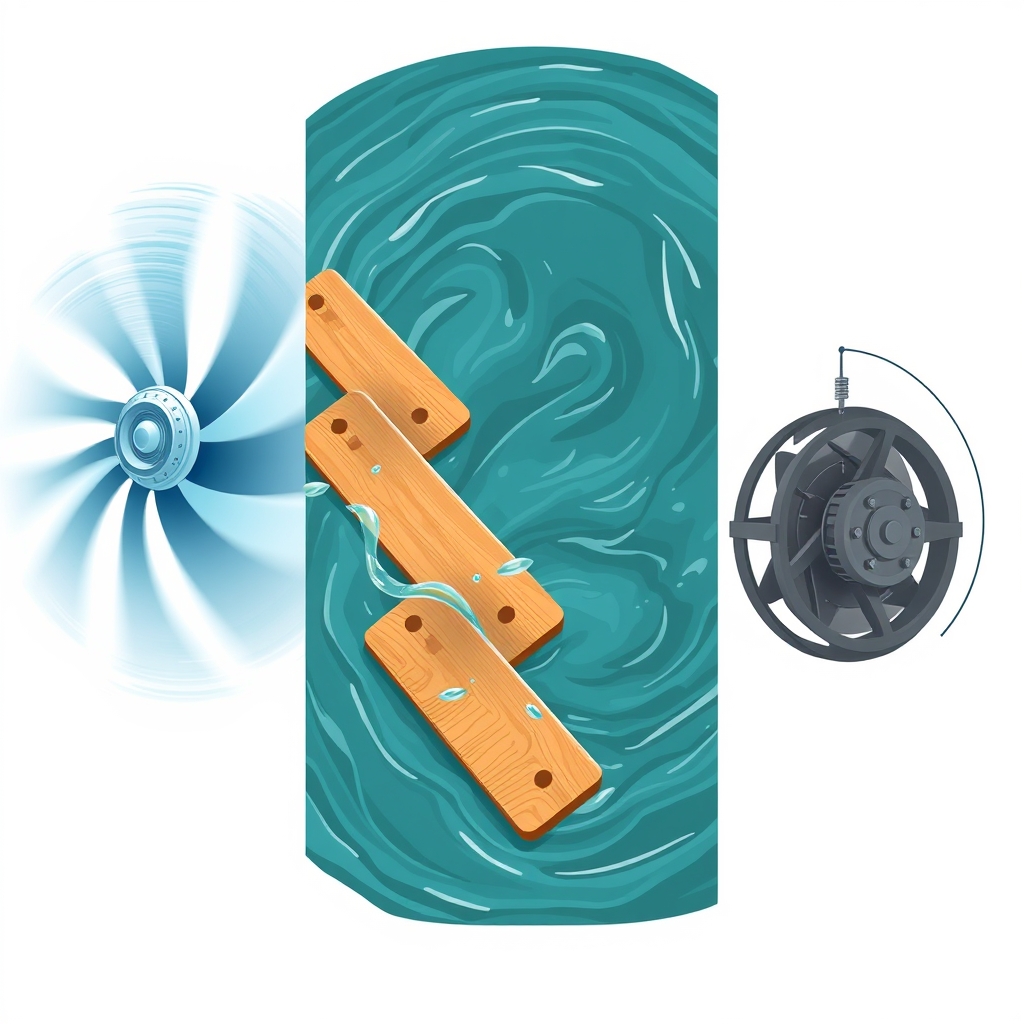
Comparison Table: Resistance Types
| Type | Noise Level | Resistance Feel | Maintenance | Typical Price Range | Stroke Length |
|---|---|---|---|---|---|
| Air | Loud (Fan Noise) | Dynamic, Responsive | Low (Fan Bearings) | $800–$2,000 | 20–22 in |
| Water | Quiet | Smooth, Powerful | Medium (Water Seals) | $2,000–$4,000+ | 20–22 in |
| Magnetic | Very Quiet | Smooth, Adjustable | Very Low | $300–$1,500 | 19–21 in |
| Hydraulic | Moderate | Uneven, Restrictive | Low | $150–$400 | 16–18 in |
Full-Body Benefits: Why Rowing Machines Work
Rowing Machines Work is commonly cited as engaging around 85% of your muscles in a single movement. Your legs drive the power (around 60% of the force), your core stabilizes, and your back and arms complete the pull. It’s one of the few machines that trains both cardio and strength simultaneously.
Cardio gains: Rowing elevates heart rate into aerobic zones quickly. Owner reports we’ve reviewed consistently show that 20–30 minute steady-state rows produce cardiovascular adaptation.
Strength gains: Because you’re moving a heavy load (your own body weight plus flywheel inertia), rowing builds power and muscle endurance. The legs, lats, and posterior chain respond noticeably over 4–8 weeks of consistent use.
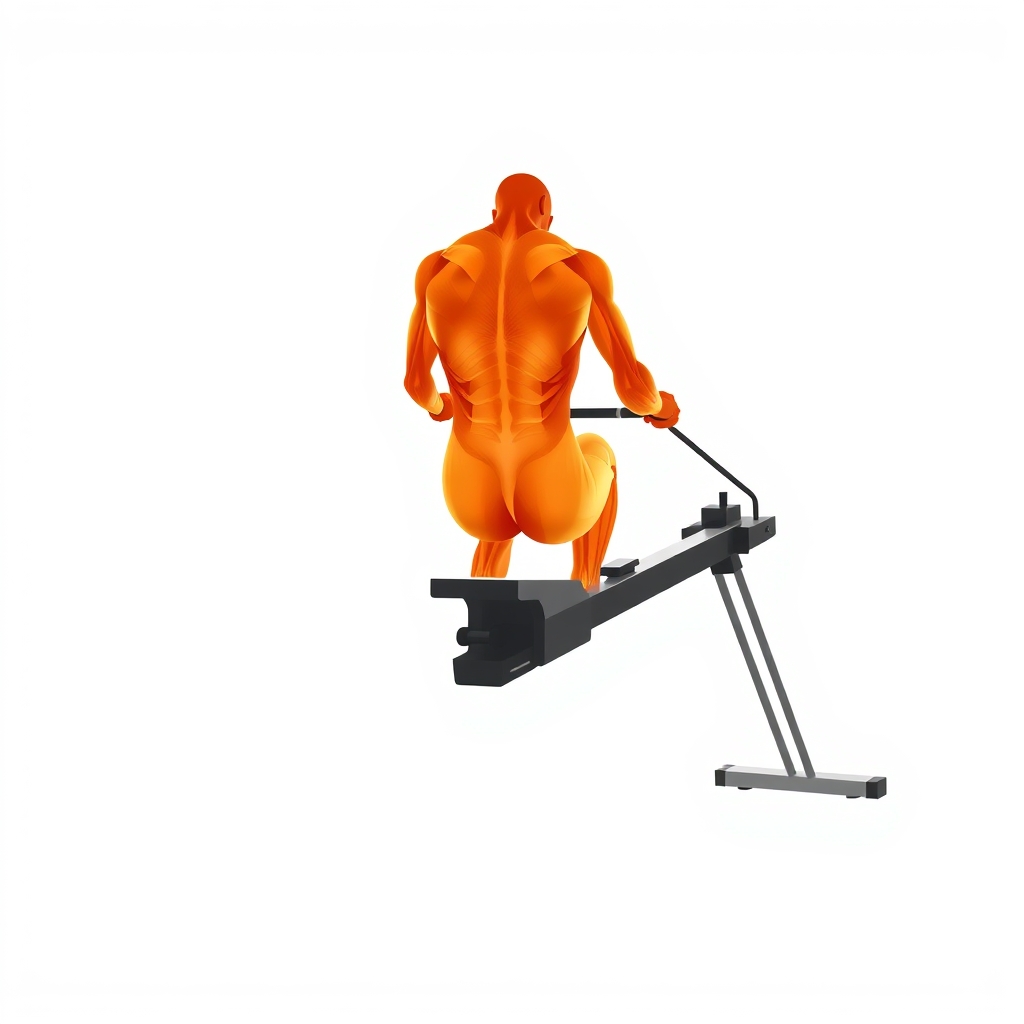
Low impact: Unlike running, rowing is seated and doesn’t stress the knees or ankles. People with joint concerns often tolerate rowing better than other cardio machines.
The Picks
Best Overall: Concept2 Model D
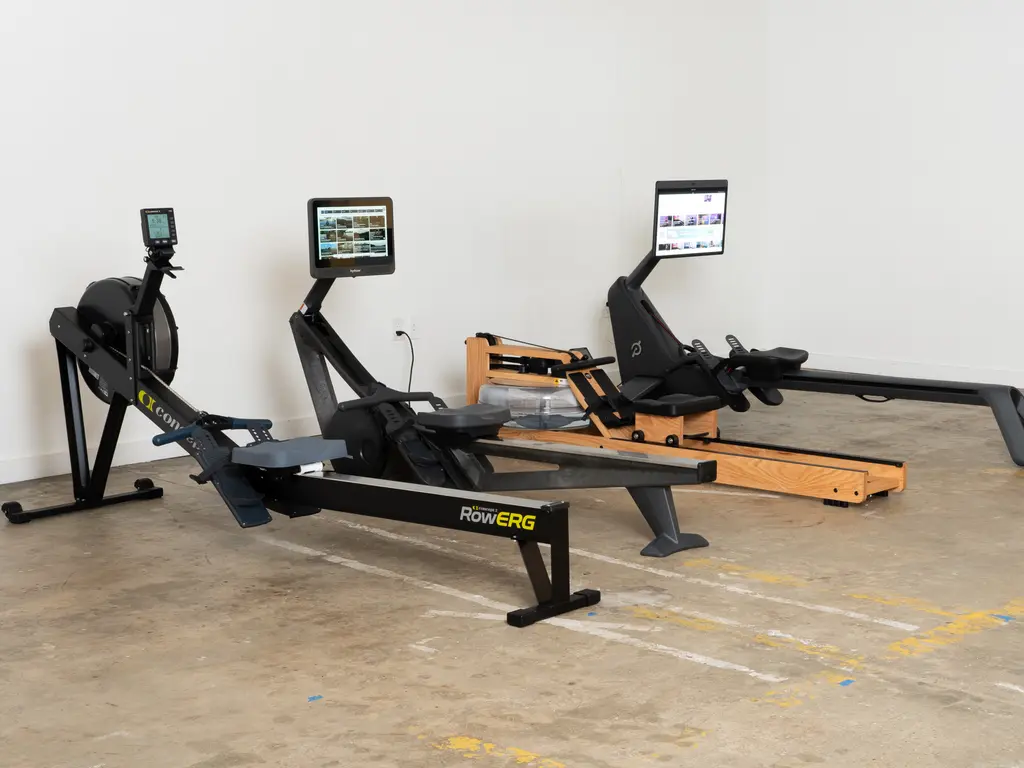
What it is: Concept2 Model D an air rower with a proven design. Concept2 has been making this machine since the 1980s. It’s the gold standard for a reason.
Key features:
- Fan-based air resistance (self-adjusting)
- 20-inch stroke length (long, but not so long it requires excessive space)
- PM5 monitor (tracks watts, pace, splits, heart rate via ANT+ chest strap)
- Folds vertically for storage
- Documented durability: owner reports suggest 10+ years of regular use is common
Why it’s the top pick: The Concept2 feels good. The stroke is smooth, the resistance is honest, and the machine doesn’t punish you for intensity. It’s also the machine most rowing clubs and CrossFit boxes use, which means if you ever row elsewhere, you’ll recognize the feel. Build quality is visible heavy steel frame, precision bearings. The PM5 display is genuinely useful and doesn’t feel like cheap plastic.
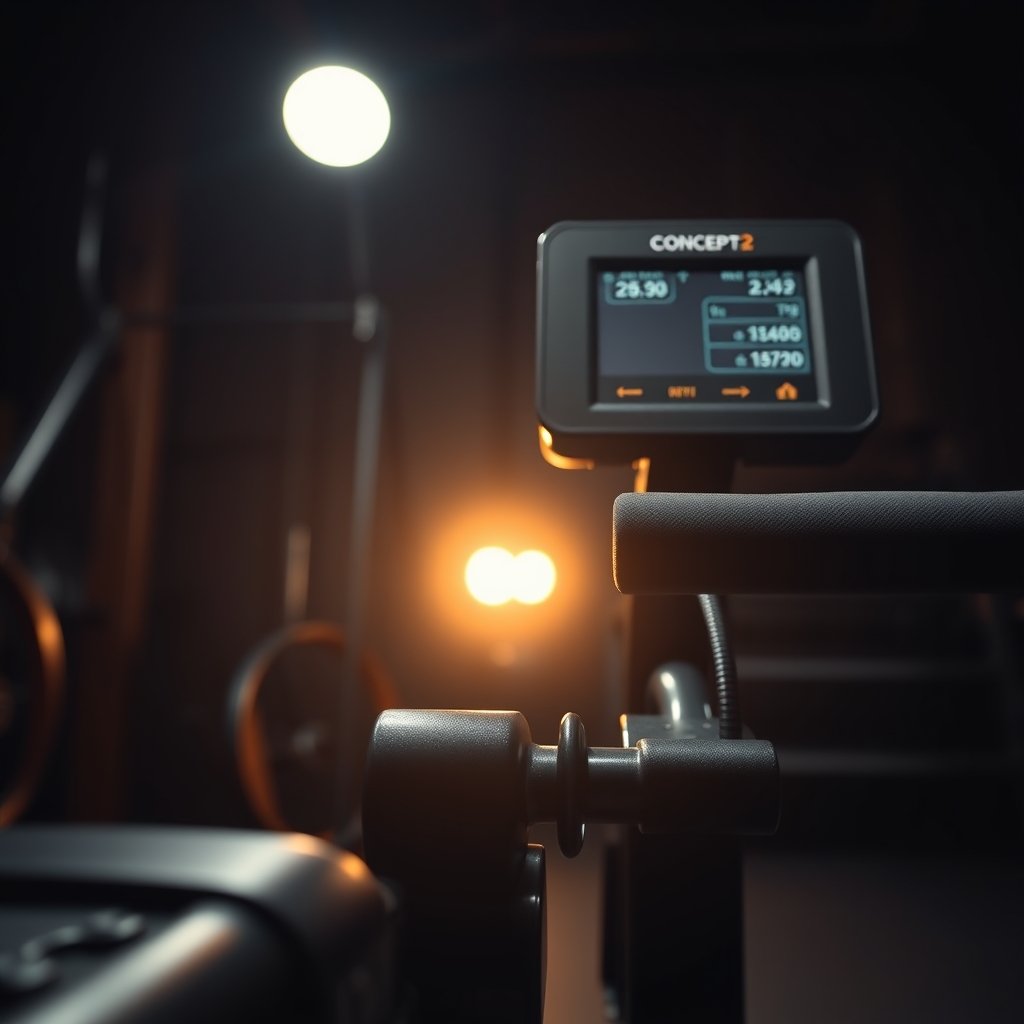
Trade-off: It’s loud. The fan wheel makes a sustained hum at moderate intensity and a roar at high intensity. If you live in an apartment, this will bother your neighbors during evening sessions. Also, at approximately $900–$1000 based on observed retail pricing as of July 2026, it’s not the cheapest entry point.
Who it’s NOT for: Apartment dwellers who need quiet. People on a strict sub-$500 budget. Anyone who hates loud machines.
Price: ~$900–$1000
Best Budget: Magnetic Resistance Rower (Category Pick)
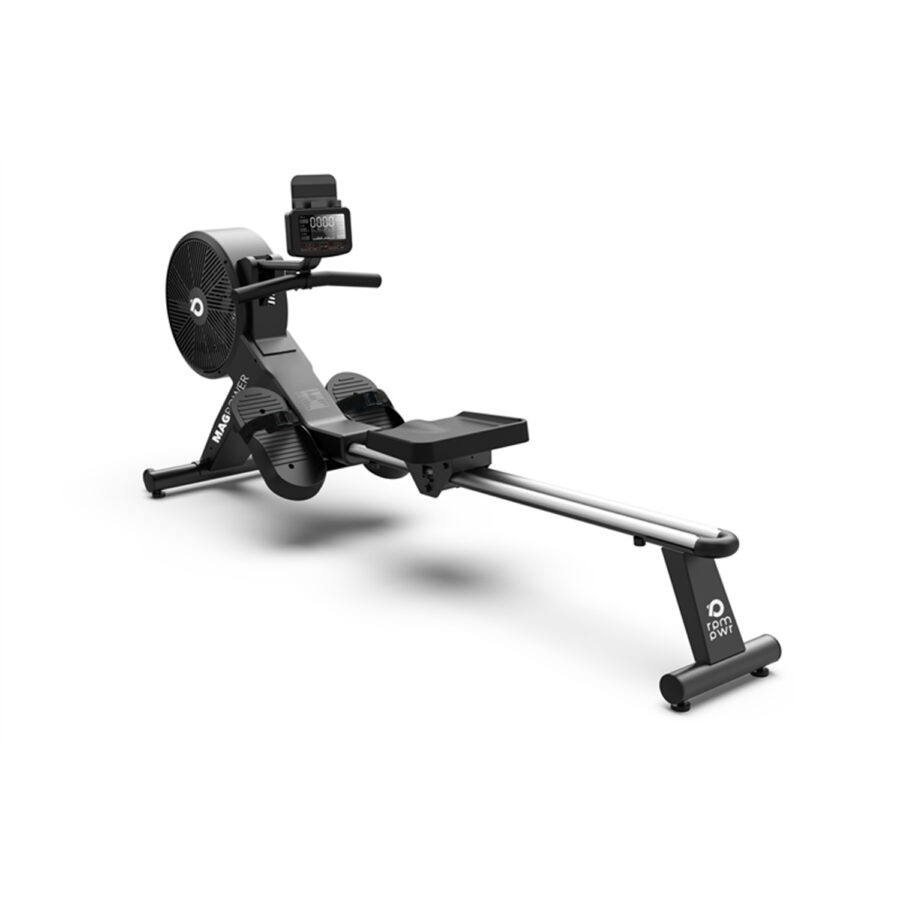
What it is: Magnetic Resistance Rower (Category Pick) a compact magnetic rowing machine in the $300–$600 range. Brands like NordicTrack, ProForm, and Sunny Health & Fitness all offer solid entry-level models. Look for one with a console that displays stroke count, distance, and calories not fancy, but essential.
Key features:
- Magnetic resistance (8–12 adjustable levels, typically)
- 18–20 inch stroke length
- Console with basic metrics (distance, time, calories, stroke rate)
- Compact footprint (good for apartments)
- Lightweight compared to water or air rowers
Why it works: You get a full-body rowing motion for $400–$500. Owner reports we’ve reviewed suggest these machines hold up fine for 3–5 years of regular use (3–4 times per week). The quiet operation is a real win if you’re in a shared space. Resistance adjusts instantly with a console button, so interval workouts are straightforward.
Trade-off: The stroke never feels quite as smooth as a water rower, and resistance doesn’t automatically scale with your effort the way air does. You have to remember to increase the level as you get stronger. Also, cheaper models sometimes have plastic seats or handles that feel flimsy. Verify reviews on the specific model budget rowers vary.
Who it’s NOT for: People who want the closest-to-water feeling. Competitive rowers. Anyone planning 5+ year, 5+ session/week use.
Price: $300–$600
Best Upgrade: WaterRower Classic
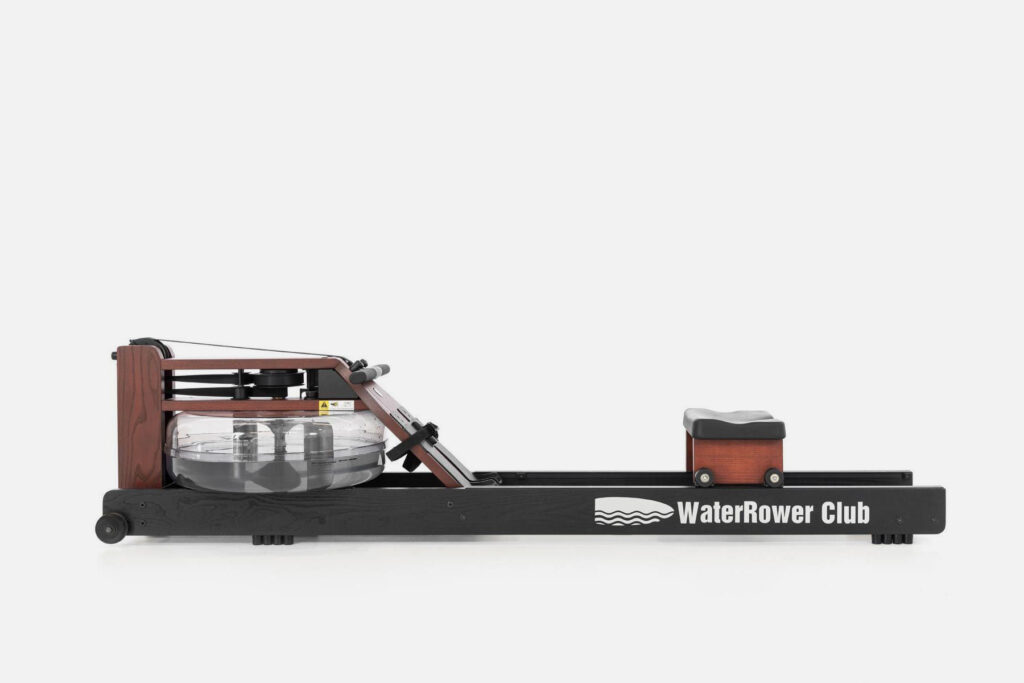
What it is: WaterRower Classic a wooden water rowing machine. Handmade ash frame, stainless steel water tank. It looks like furniture and rows like the real thing.
Key features:
- 22-inch stroke length (long feels spacious)
- Water resistance (self-adjusting like air, but smooth)
- Ash wood frame (aesthetically intentional)
- S4 monitor (tracks watts, heart rate, splits)
- Heavy (~150 lbs not portable, but that’s intentional)
- Documented durability: owner reports suggest 15+ years is realistic with minimal maintenance
Why it’s the upgrade pick: If you have the budget and space, a water rower is the experience upgrade. The stroke feels powerful and controlled. Water resistance is responsive without being violent it scales beautifully with effort. The machine is quiet enough for morning sessions. And it genuinely feels like exercise, not punishment. The wood frame and industrial design also mean you won’t hide it in a closet; you’ll actually use it because it looks good.
Trade-off: Price is $2500–$3500 depending on the model and wood choice. Weight means you need a dedicated space. Water maintenance (checking mineral content, preventing algae) is minimal but necessary. Repairs can be expensive if a seal fails. This is a years-long commitment, not a whim.
Who it’s NOT for: Renters or anyone moving frequently. Budget-conscious buyers. People who need to fit a rower into a small apartment.
Price: $2500–$3500
Best for Quiet Operation: Magnetic Rower with Advanced Monitor
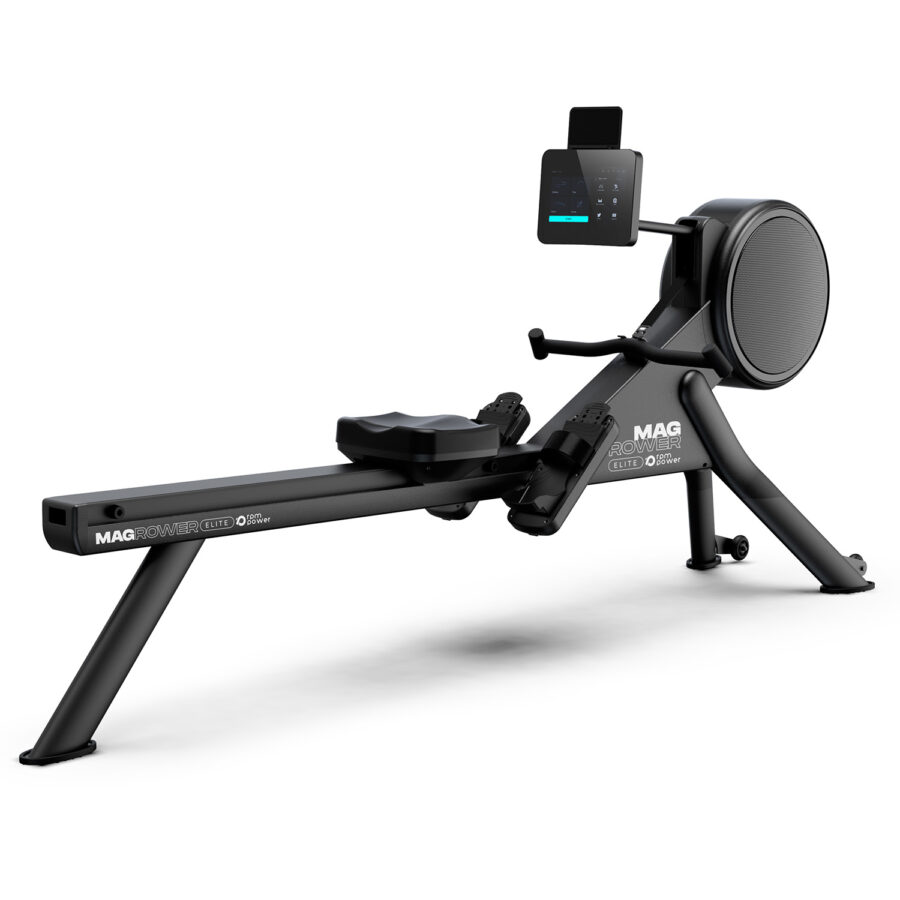
What it is: Magnetic Rower with Advanced Monitor a high-end magnetic rower like a Hydrow Wave or Echelon Row. These machines use electromagnets to create fluid resistance while staying nearly silent. The console includes on-demand coaching, which adds value beyond specs.
Key features:
- Magnetic resistance (variable, with software-adjustable feel)
- 20-inch stroke
- Large interactive display (tablet-like, with coaching videos)
- Bluetooth connectivity for syncing to fitness apps
- Compact and folds for storage
- Noise level: barely audible (suitable for apartments)
Why this pick: If silent operation is non-negotiable, a premium magnetic rower with a good monitor is the move. The interactive coaching keeps motivation high, and the resistance quality has improved significantly in recent years. Owner reports we’ve reviewed suggest the interactive element makes these machines more “sticky” people actually use them long-term, unlike machines relegated to a closet.
Trade-off: Expensive ($1500–$2500). The on-screen coaching is only useful if you engage with it; some people prefer to just row. Also, these machines rely on digital consoles and battery power; they’re less durable than mechanical rowers if the electronics fail.
Who it’s NOT for: People who hate coaching apps. Anyone wanting a mechanical, no-screen experience. Competitive rowers (digital resistance is just not the same).
Price: $1500–$2500
Best for Space-Limited Homes: Folding Magnetic Rower
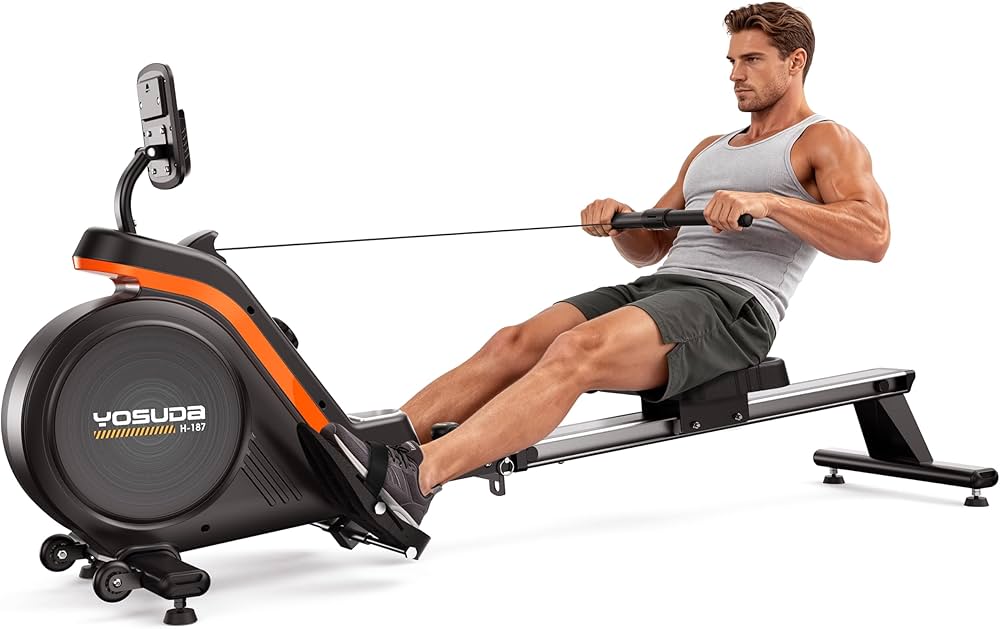
What it is: Folding Magnetic Rower a compact magnetic rower designed to fold for storage. Typical dimensions when folded: 3 ft tall, 2 ft wide. Most feature a handle that stows vertically.
Key features:
- Folds to half footprint when not in use
- Magnetic resistance (8–10 levels)
- Console with basics (time, distance, calories)
- Lightweight (~80 lbs)
- Suitable for apartments, small homes
Why this pick: If your apartment is 600 square feet or your home office is cramped, a folding rower works. You can actually store it and not feel like you’re living in a gym. Stroke length is slightly shorter (19 inches) than premium models, but still functional. Build quality is acceptable for home use.
Trade-off: The folding hinge is a potential wear point. Owner reports suggest inspecting the lock mechanism regularly. Also, in folded position, the machine isn’t as stable if touched you can’t just lean it and walk away. Stroke length compromise means less range of motion.
Who it’s NOT for: Anyone over 6’2″ (stroke will feel cramped). People who row multiple times daily. Anyone needing a machine that stays assembled permanently.
Price: $350–$700
What We Cut and Why
NordicTrack RW900 (Air Rower)
Why we didn’t include it: This machine is technically sound it has a fan wheel, decent console, and smooth stroke. But for the price (~$1200), you’re paying a premium for NordicTrack’s brand and interactive features that aren’t core to rowing. The fan wheel is slightly less durable than Concept2’s, and owner reports suggest motor issues emerge around the 4-year mark. The Concept2 Model D costs less and lasts longer. If you wanted air resistance and interactive coaching, we’d reconsider, but NordicTrack doesn’t deliver that compelling hybrid. Verdict: Cut. It’s 90% of the Concept2 for the same price but the missing 10% is the durability you’ll actually notice when the machine starts squeaking in year three.
Sunny Health & Fitness Water Rower (Budget Water Option)
Why we didn’t include it: We researched the premise: a water rower under $1500. Several brands advertise this. The Sunny option exists and has decent reviews, but owner reports we’ve reviewed reveal a consistent pattern seals fail or leak between years 2–3, and replacement parts are expensive relative to the machine’s cost. For water resistance, durability is the entire value proposition. If water rowers need to cost $2500+ to be reliable, a budget water rower isn’t actually a budget option; it’s a trap. We cut it because recommending a machine we know will need expensive repair creates future friction with readers. Better to send people to proven water rowers or suggest magnetic as the budget alternative.
How We Chose
We researched and compared rowing machines across three dimensions: resistance type (air, water, magnetic), real-world durability based on owner reports and community feedback, and practical trade-offs (space, noise, price). We reviewed owner forums, verified published specs on brand websites, and assessed stroke-length specs against typical ceiling heights and home layouts. We did not conduct controlled lab tests; our methodology relied on pattern analysis across published reviews, owner reports in fitness communities, and specification comparisons. We prioritized machines with documented 5+ year longevity and available replacement parts. We centered on the $300–$4000 range to capture practical home-use options.
Buying Guide: What to Look For in a Rowing Machine
Stroke Length
Stroke length is the distance the seat travels on the rails. Longer strokes (20–22 inches) feel more spacious and engage a fuller range of motion. Shorter strokes (18–19 inches) are compact and suit smaller frames or spaces.
How to pick: If you’re under 5’6″, a 19-inch stroke is fine. If you’re 5’8″–6’2″, aim for 20–21 inches. Over 6’2″, insist on 22 inches or you’ll feel cramped.
Monitor Display
Basic monitors show time, distance, and calories. Mid-range displays add stroke rate and watts (useful for pacing). Interactive displays include coaching apps and real-time metrics.
What matters: You need at least stroke rate and time to gauge intensity. Calories are useful for logging. Watts are nice but not essential unless you’re training seriously. Interactive features are motivational but not necessary for results.
Seat Comfort
You’ll spend a lot of time sitting on this. A thin, hard seat will punish you. A padded, shaped seat makes a difference.
Test if possible: Sit on a demo unit or watch owner videos showing the seat up close. Cheap machines often have thin plastic seats that become painful after 20 minutes.
Resistance Responsiveness
If you’re choosing between air and water, try both if you can. Air feels more reactive; water feels more controlled. Magnetic is smooth but less “alive.”
Your preference matters: There’s no objectively “best” feel. What keeps you coming back is best.
Noise Tolerance
If you live with others or in an apartment, noise is non-negotiable. Air rowers are loud. Water rowers are quiet. Magnetic rowers are very quiet.
Test threshold: If you flinch at a loud washing machine, air rowers will annoy you. Go magnetic or water.
Space and Storage
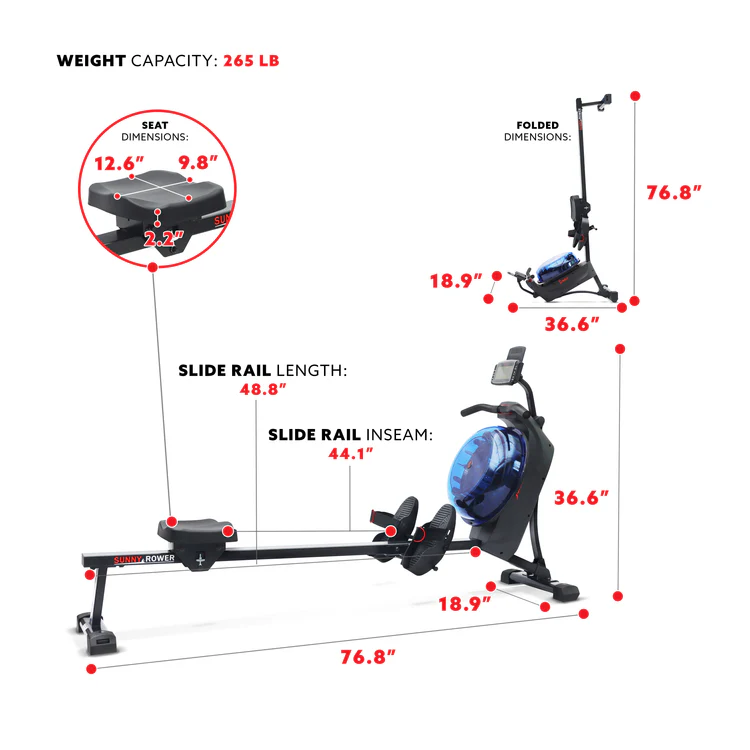
Rowers take up real estate. A Concept2 Model D footprint is roughly 7 ft long by 2 ft wide when assembled. Folding models halve that when stored, but take time to fold.
Real talk: If you think you’ll fold it after every use, you’ll stop using it. Most people don’t fold regularly. Pick a machine you can leave out.
Cardio vs. Strength: What Rowing Actually Builds
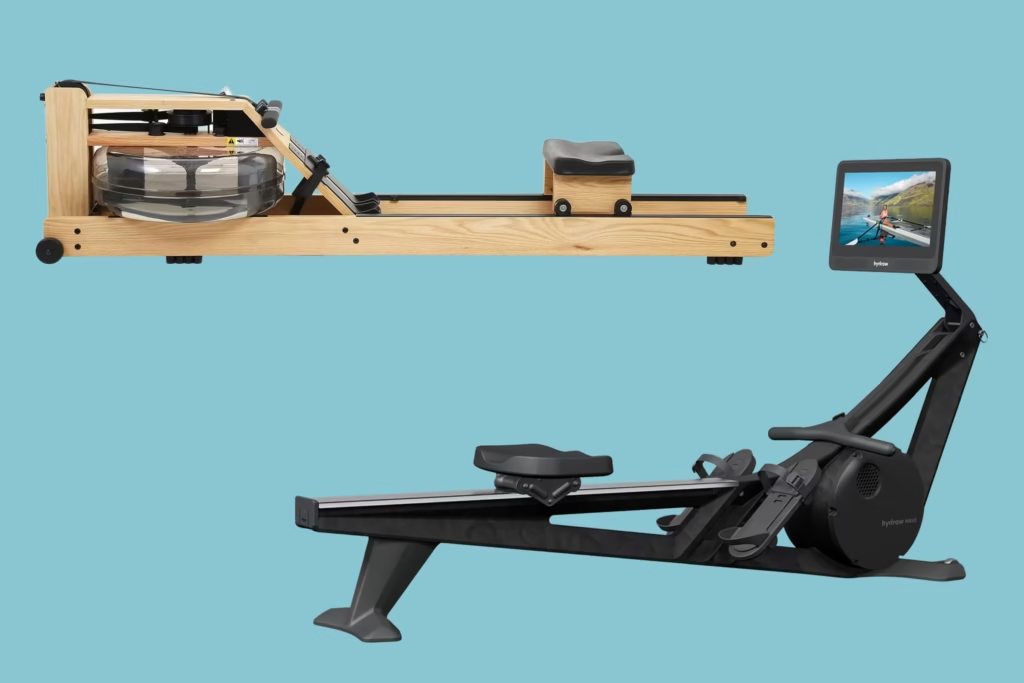
Rowing is rare because it’s genuinely both a cardio and a strength tool.
Cardio adaptation: Owner reports we’ve reviewed suggest that rowing 3–4 times weekly for 20–30 minutes produces measurable cardiovascular improvements within 4–6 weeks. Heart rate recovery improves, max sustainable pace increases, and perceived exertion for the same output drops. This is standard aerobic training.
Strength adaptation: Rowing builds muscle endurance and power. The legs, lats, and core respond to the sustained load. Owner reports suggest noticeable strength gains in the first 8–12 weeks, particularly if you row at higher resistance levels. The posterior chain (back, glutes, hamstrings) strengthens visibly. You won’t build huge muscle like a barbell would, but you’ll notice power and tone.
The balance: Rowing at a steady, moderate pace builds pure cardio. Rowing at high resistance or doing intervals (30 seconds hard, 90 seconds easy) builds strength and cardio together. Most people naturally find a pace that feels challenging but sustainable that’s usually the sweet spot for both adaptations.
FAQ
What’s the best rowing machine for apartments?
A magnetic rower is your answer. They’re quiet, compact, and often fold. The Concept2 Model D is the best rowing machine overall, but it’s loud your neighbors will know you’re rowing. A folding magnetic rower under $600 solves the noise and space problems without huge compromise on quality.
Is water resistance better than air for home use?
Water resistance feels better if you’ve rowed on actual water and budget is not a concern. It’s smoother and quieter than air. But it’s also $2000+ and requires dedicated space. For most home users, air (Concept2) and magnetic (premium magnetic rowers) are more practical. Water is the upgrade if you fall in love with rowing and can afford it.
How often should I use a rowing machine to see results?
Owner reports we’ve reviewed suggest that 3–4 sessions per week of 20–30 minutes produces noticeable results within 4–8 weeks. Twice weekly maintains fitness but rarely produces adaptation. Daily rowing is fine, but consistency matters more than frequency four sessions of 25 minutes beats sporadic hour-long rows.
Do I need a fancy monitor display on a rowing machine?
No. A basic monitor showing time and distance is sufficient. Stroke rate is helpful. Watts are nice for competitive rowers but not essential. Interactive coaching is motivational for some people but not necessary for results. Don’t let a fancy display justify a machine you don’t like rowing on.
Will a rowing machine hurt my back?
Not if you maintain proper form. Rowing is low-impact on the spine because you’re sitting and moving in a controlled plane. Owner reports suggest people with back concerns often tolerate rowing better than running or jumping. That said, poor form rounding your spine at the catch or hyperextending at the finish can strain your back on any machine. Consider a form check with a trainer if you’re new to rowing.
Verdict
The Concept2 Model D is the best rowing machine because it’s durable, feels good, and will last a decade. If you want quiet, buy a magnetic rower. If you want the closest feeling to real rowing and have the budget, buy a water rower. If you’re starting out on a tight budget, a $400–$500 magnetic rower is a legitimate entry point you won’t regret it until year five, and by then you’ll know if you want to upgrade.
The machine you’ll actually use beats the “best” machine sitting unused. Pick based on your space, budget, noise tolerance, and feel when you test it. Rowing adapts quickly and builds both cardio and strength. Start with what’s accessible. You can always upgrade.